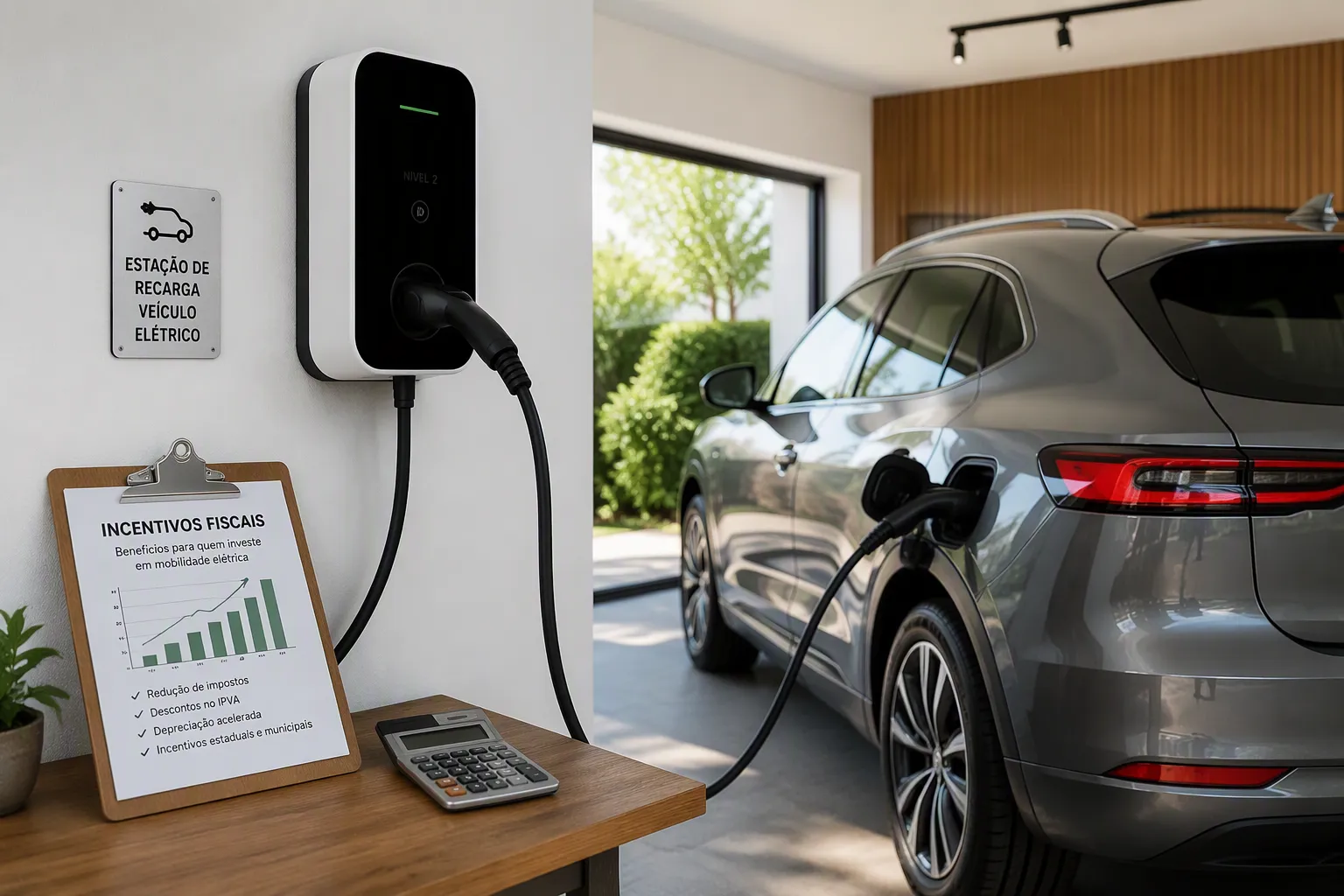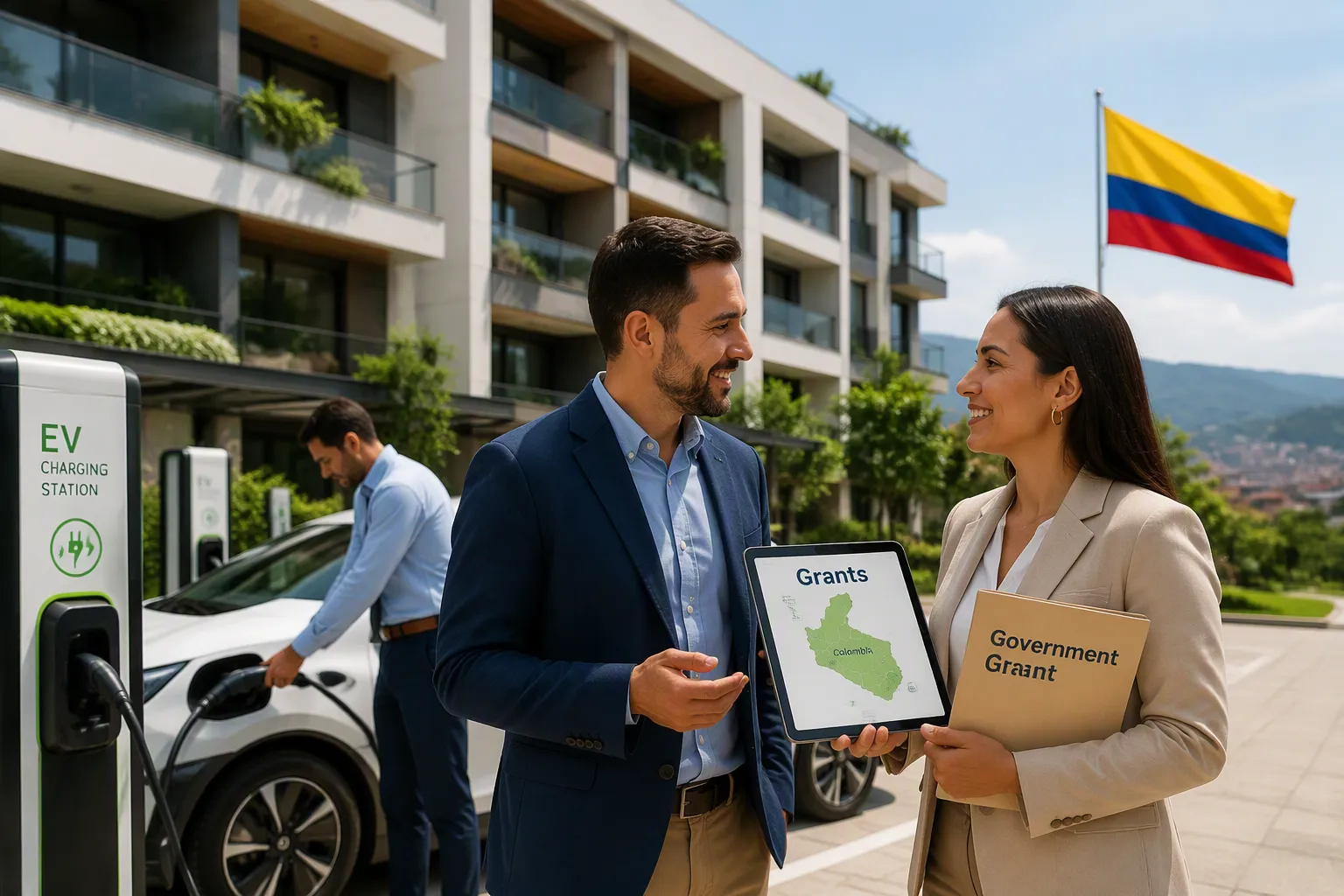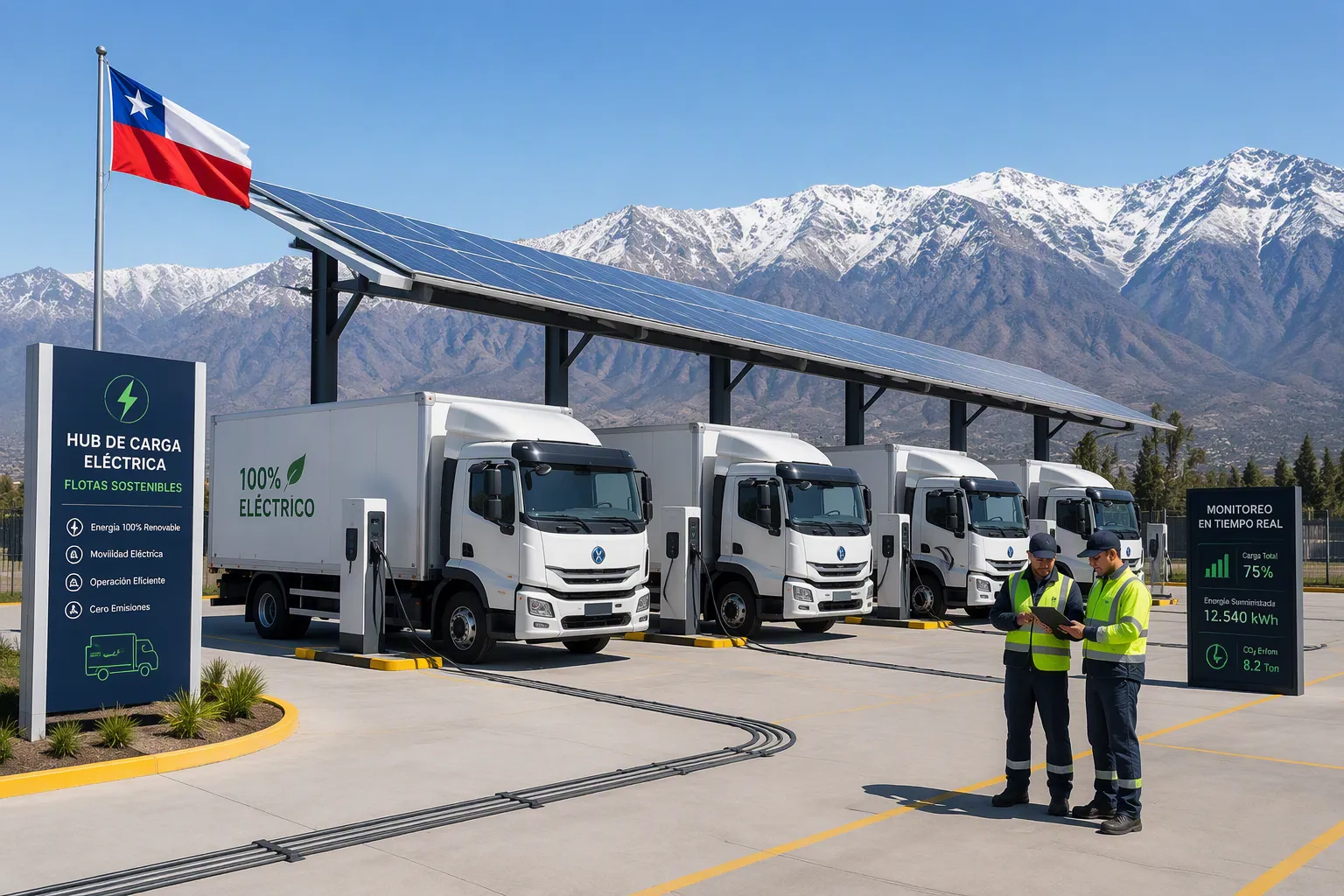

Argentina enforces strict standards for Commercial EV Charging projects. Every Pengisi Daya Listrik must meet national and local regulations. Produsen pengisi daya EV follow guidelines to ensure safety and reliability. Companies seeking Solusi pengisian daya kendaraan listrik must secure permits and conduct environmental reviews. Pengisi daya ev portabel offer flexibility but require compliance with technical codes. Key steps include:
- Conducting site evaluations
- Obtaining necessary approvals
- Adhering to safety protocols
Regulatory Framework for Commercial EV Charging Stations in Argentina
National Regulatory Requirements
Key Laws and Decrees for Charging Stations
Argentina has established a clear legal foundation for stasiun pengisian EV komersial installation. The government introduced several key laws and decrees to guide the market. Law No. 27.191 and Decree 331/2017 set the framework for renewable energy integration and electric mobility. These regulations define the technical requirements for chargers and outline the process for infrastructure development. The legal framework ensures that every installation meets safety and quality standards. TPSON, as a technologically advanced electric vehicle charging solution provider, follows these laws to deliver reliable solutions.
Role of National Energy Authorities in Argentina
National energy authorities play a central role in the regulatory process. The Secretaría de Energía oversees the implementation of energy policies and monitors compliance with national standards. This authority coordinates with other agencies to ensure that charging infrastructure aligns with the country’s energy goals. They also evaluate market demand and support the growth of Stasiun pengisian daya kendaraan listrik. Their oversight guarantees that every installation meets the requirements set by national regulations.
Provincial and Municipal Regulatory Compliance
Local Permitting for Commercial EV Charging
Local regulations in Argentina require businesses to secure permits before starting any installation. Each province and municipality may have unique permitting processes. Local authorities review applications to confirm that projects meet safety, environmental, and technical standards. The permitting process often includes site inspections and documentation checks. TPSON assists clients in navigating these local requirements to ensure smooth project approval.
Zoning and Land Use Regulations for Charging Stations
Zoning and land use regulations determine where commercial EV charging stations can operate. Local governments designate specific zones for infrastructure projects. These rules help prevent conflicts with residential areas and protect community interests. Businesses must review zoning maps and consult with planning departments before selecting a site. Proper site selection supports market growth and ensures accessibility for users.
Environmental and Safety Standards for Charging Stations
Environmental Impact Assessments in Argentina
Argentina requires environmental impact assessments for most commercial Stasiun pengisian daya EV projects. These assessments evaluate the potential effects of installation on the local environment. Authorities review factors such as noise, emissions, and land use. The process ensures that new infrastructure does not harm natural resources or public health. Companies like TPSON conduct thorough assessments to comply with environmental standards and support sustainable market development.
Safety Compliance for Commercial EV Charging
Safety remains a top priority for every charging station installation. Argentina enforces strict safety codes for electrical systems and equipment. Installers must follow guidelines for fire prevention, emergency access, and equipment labeling. Regular inspections verify that chargers operate safely and reliably. Adhering to these safety requirements protects users and supports the long-term success of the market.
Tip: Early engagement with local authorities and energy agencies can streamline the permitting process and reduce project delays.
Step-by-Step Process for Commercial EV Charging Station Installation in Argentina
Market Research and Feasibility for Charging Stations
Demand Assessment and Location Suitability in Argentina
Companies begin by evaluating the market for electric vehicles in Argentina. They analyze current adoption rates and forecast future growth. This process helps identify regions with the highest potential for commercial EV charging. Businesses review traffic patterns, urban development, and proximity to major roads. They also consider the presence of shopping centers, hotels, and workplaces. These factors influence the suitability of each location for installation.
A structured approach to market research and feasibility includes:
- Technical and operational feasibility: Teams assess grid integration, power supply, technology selection, and site suitability. They check if the local infrastructure can support new chargers.
- Financial feasibility and risk modeling: Analysts conduct cost analysis, revenue projections, pricing strategy, and risk analysis. They estimate installation expenses and predict market returns.
Tip: Companies that invest in thorough demand assessment reduce the risk of underutilized charging stations.
Identifying Target Users and Usage Patterns for Commercial EV Charging
Understanding the target users is essential for successful installation. Businesses identify whether the main users are private vehicle owners, taxi fleets, or delivery services. They study daily routines and charging habits. For example, urban drivers may need fast charging during short stops, while fleet operators might prefer overnight charging.
Market research teams collect data through surveys, interviews, and observation. They use this information to design charging solutions that match user needs. This approach ensures that the infrastructure supports both current and future demand for electric vehicles in Argentina.
Site Selection and Evaluation for Charging Stations
Grid Accessibility and Infrastructure Requirements in Argentina
Site selection depends on grid accessibility and infrastructure requirements. Teams evaluate the capacity of the local grid to handle new chargers. They coordinate with utility companies to confirm power availability. Engineers inspect existing electrical panels and transformers. They determine if upgrades are necessary before installation.
Argentina’s regulations require compliance with technical standards for grid integration. Businesses must ensure that the site can support the expected load without causing disruptions. Proper planning prevents costly delays during installation.
Accessibility and Visibility for Commercial EV Charging Stations
Accessibility and visibility play a key role in attracting users. Teams choose sites with easy access for all types of vehicles. They prioritize locations near main roads, shopping centers, and public spaces. Good signage and lighting improve safety and convenience.
Local regulations may set minimum requirements for accessibility. Companies consult with municipal authorities to confirm compliance. High-visibility sites increase market awareness and drive higher utilization rates for charging stations.
Permitting and Approvals for Commercial EV Charging
Application Procedures for Charging Stations
The permitting process in Argentina involves several steps. Companies submit applications to local authorities, providing detailed plans for installation. The application includes site maps, technical specifications, and proof of compliance with safety codes.
Authorities review each submission to ensure alignment with local regulations. They may request additional information or schedule site visits. Clear communication with officials helps avoid delays in the permitting process.
Required Documentation for Regulatory Compliance
Regulatory compliance requires a comprehensive set of documents. Businesses prepare environmental impact assessments, electrical diagrams, and safety certifications. They also provide proof of land use rights and utility agreements.
Maintaining organized records supports smooth approval and future audits. Companies that follow documentation requirements demonstrate commitment to safety and quality. This approach builds trust with regulators and the market.
Catatan: Early preparation of all required documents streamlines the process of installing EV chargers and reduces the risk of project setbacks.
Compliance with Local Codes for Charging Stations
Building and Electrical Codes in Argentina
Argentina enforces strict building codes for commercial EV charging station installation. Local authorities require every project to comply with national and municipal standards. These codes address structural integrity, electrical safety, and accessibility. Engineers review site plans to confirm that the infrastructure meets the requirements. They inspect the layout, wiring, and materials used in construction.
The market for EV charging continues to expand in Argentina. Developers must understand the technical specifications outlined in the building codes. These regulations ensure that chargers operate safely and efficiently. Teams coordinate with inspectors to verify compliance before beginning installation. They submit detailed documentation, including electrical diagrams and site maps.
Argentina’s building codes also mandate accessibility features. Charging locations must provide clear pathways for users. The market expects stations to offer ramps, signage, and lighting. These features improve safety and convenience for all drivers. Local authorities conduct regular inspections to maintain high standards.
Tip: Early consultation with municipal building departments helps identify potential issues and streamlines the approval process.
Fire and Safety Regulations for Commercial EV Charging
Argentina prioritizes fire and safety regulations in the commercial EV charging market. Local agencies enforce strict protocols to protect users and property. Teams install fire suppression systems and emergency shut-off devices at every site. These measures reduce risks during operation.
The market demands reliable safety features for charging infrastructure. Engineers design stations with clear evacuation routes and visible signage. They select materials that resist fire and electrical hazards. Argentina’s regulations require regular maintenance and testing of safety equipment.
Local authorities review installation plans to confirm compliance with fire codes. They inspect electrical panels, wiring, and ventilation systems. The market benefits from these inspections, which ensure that chargers operate safely. Teams document every safety feature and submit reports to regulators.
Argentina’s fire and safety regulations support the growth of the EV charging market. They protect users and encourage confidence in new technology. Developers who follow these standards build trust with customers and authorities.
Catatan: Routine safety audits help maintain compliance and prevent costly disruptions in the market.
Technical and Operational Requirements for Commercial EV Charging Stations in Argentina
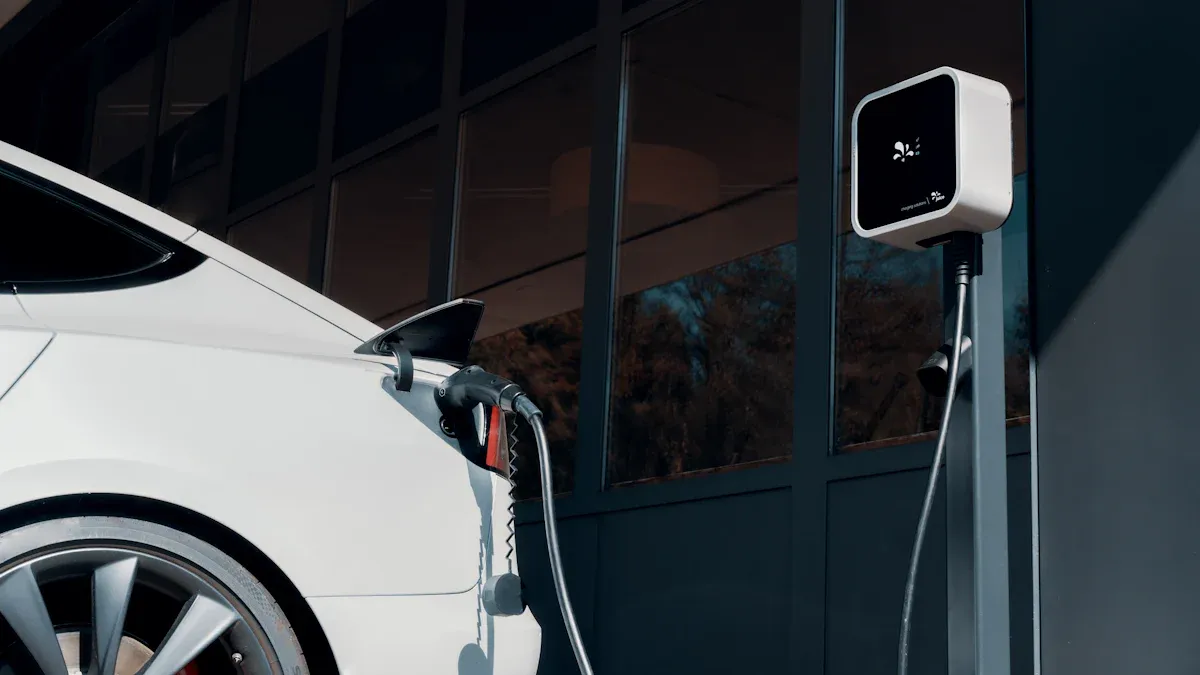
Grid Integration and Power Supply for Charging Stations
Utility Coordination for Commercial EV Charging
Utility coordination forms the backbone of successful installation projects in Argentina. Project teams work closely with local utility companies to assess grid capacity and determine the feasibility of connecting new chargers. They review the existing infrastructure and identify upgrades needed to support commercial EV charging. Utility providers often require detailed technical plans before granting approval. This process ensures that the installation aligns with national energy goals and meets all requirements for safe operation. Early engagement with utilities helps prevent delays and supports a smooth rollout of charging infrastructure across the market.
Load Management and Capacity Planning in Argentina
Load management and capacity planning present unique challenges in Argentina’s market. The high costs associated with advanced equipment, such as payment processing and tracking systems, can hinder the expansion of charging infrastructure. Level 2 charging systems often cost between $2,000 and $5,000, making installation in economically disadvantaged areas difficult. Urban centers typically have better-developed networks, while rural regions face limited access to EV charging stations. This uneven distribution discourages potential users in remote areas and impacts the overall growth of the electric vehicle market. Careful planning and investment in load management solutions help balance demand and ensure reliable service for all users.
Charger Selection and Standards for Commercial EV Charging
Types of Commercial Chargers in Argentina
Argentina’s market offers a range of commercial chargers, including AC Level 2 and DC fast chargers. AC Level 2 chargers suit locations with longer dwell times, such as workplaces and shopping centers. DC fast chargers provide rapid charging for high-traffic areas and fleet operations. Project teams evaluate site needs and user patterns before selecting the appropriate charger type. They consider installation costs, power requirements, and compatibility with local infrastructure. Selecting the right charger supports efficient operation and meets the needs of diverse users.
Compatibility and Interoperability for Charging Stations
Compatibility and interoperability remain critical for commercial EV charging in Argentina. Non-standardized connector types and varying payment schemes create operational challenges. Users may need multiple accounts to access different networks, leading to a poor experience. Charger downtime and inconsistent maintenance further reduce trust in the market, especially in areas with fewer stations. Project developers prioritize interoperable solutions to ensure seamless access for all users. Adopting common standards improves network efficiency and supports the long-term growth of the electric vehicle market.
Installation and Commissioning of Charging Stations
Qualified Contractors and Certification for Commercial EV Charging
Qualified contractors play a vital role in installing EV chargers. Argentina’s building codes require certified professionals to handle all aspects of installation. Contractors must demonstrate expertise in electrical systems and comply with national and local standards. Certification ensures that every project meets safety and quality requirements. Project managers verify contractor credentials before starting installation to minimize risks and ensure compliance.
Testing and Inspection Protocols in Argentina
Testing and inspection protocols guarantee the safety and reliability of new installations. Inspectors review electrical connections, safety systems, and overall functionality. They follow strict guidelines to confirm compliance with building codes and technical standards. Regular inspections help identify potential issues early and maintain high performance in the market. Project teams document all testing procedures and keep records for future reference.
Tip: Engaging certified contractors and following rigorous inspection protocols reduces operational risks and builds trust with users.
Ongoing Maintenance and Monitoring for Charging Stations
Maintenance Schedules for Commercial EV Charging
Routine maintenance ensures reliable operation and safety for commercial EV charging infrastructure in Argentina. Operators in the market establish clear schedules to inspect and service equipment. Teams check connectors, cables, and chargers for wear or damage. They clean charging units and verify that software updates run smoothly. Maintenance crews test emergency systems and review fire safety devices. These steps help prevent unexpected failures and protect users.
Argentina’s market expects operators to document every maintenance activity. Records include inspection dates, technician names, and details of repairs. Operators use these logs to track performance and identify recurring issues. Scheduled maintenance reduces downtime and extends the lifespan of chargers. The market values proactive service because it builds trust with customers and regulators.
Many operators in Argentina follow a monthly or quarterly maintenance cycle. They adjust schedules based on usage patterns and environmental conditions. High-traffic charging stations require more frequent attention. Teams coordinate with local authorities to ensure compliance with safety standards. Proper maintenance supports the growth of the market and keeps charging infrastructure dependable.
Tip: Operators who invest in regular maintenance avoid costly repairs and improve user satisfaction.
Remote Monitoring and Reporting in Argentina
Remote monitoring has become a cornerstone of commercial EV charging operations in Argentina. Operators deploy advanced systems to oversee charging stations from centralized locations. These platforms track real-time usage and diagnose technical issues. Remote troubleshooting allows teams to resolve problems without sending technicians on-site. This approach saves time and reduces operational costs.
Argentina’s market benefits from secure user authentication and integrated billing solutions. Operators manage access to charging stations and process payments efficiently. Scalable architecture supports expansion as the market grows. The following table highlights key features of remote monitoring systems used in Argentina:
| Fitur | Deskripsi |
|---|---|
| Pemantauan waktu nyata | Enables usage tracking and diagnostics for charging stations. |
| Remote troubleshooting | Allows for addressing issues without on-site visits. |
| User authentication | Integrates secure access for users. |
| Billing integrations | Facilitates payment processing for users. |
| Scalable architecture | Supports expansion for high-volume networks. |
Operators in Argentina generate detailed reports to analyze station performance. They review data on energy consumption, peak usage times, and maintenance needs. These insights help optimize operations and plan for future expansion. The market relies on remote monitoring to maintain high standards and adapt to changing demands.
Note: Remote monitoring systems improve reliability and support efficient management of charging infrastructure in Argentina.
Financial Considerations and Incentives for Commercial EV Charging Stations in Argentina
Cost Breakdown for Charging Station Installation
Equipment and Installation Costs in Argentina
Argentina’s market for charging infrastructure presents unique financial challenges. Companies must budget for equipment, labor, and permitting. The cost of chargers varies based on power output and technology. AC Level 2 chargers typically cost less than DC fast chargers. Import duties and taxes can increase expenses for imported equipment. Local regulations may require additional safety features, which add to the total investment. Labor costs depend on site complexity and the need for specialized contractors. Companies should also account for grid connection fees and upgrades. A detailed cost analysis supports project feasibility and helps secure financing.
Operational and Maintenance Expenses for Commercial EV Charging
Ongoing expenses impact the long-term success of charging stations in Argentina. Operators must plan for electricity, routine maintenance, and software updates. High-traffic sites require more frequent inspections and repairs. The market expects operators to maintain detailed records for regulatory compliance. Insurance premiums and remote monitoring systems add to operational costs. Companies that invest in preventive maintenance reduce downtime and extend equipment lifespan. Understanding these expenses ensures accurate pricing and supports sustainable market growth.
Tip: Regularly reviewing operational costs helps operators adapt to changing demand and maintain profitability.
Incentives and Subsidies for Charging Stations
National and Provincial Programs in Argentina
Argentina’s government supports the expansion of commercial EV charging through incentives and subsidies. National programs offer grants for installing ev chargers in strategic locations. Provincial authorities may provide additional funding or reduced permitting fees. These initiatives aim to increase accessibility and encourage private investment. Companies should monitor updates to incentive programs, as eligibility criteria and funding levels can change. Early application improves the chances of securing support.
Tax Benefits and Grants for Commercial EV Charging
Tax incentives play a significant role in reducing the financial burden of installation. Argentina offers tax credits and accelerated depreciation for investments in charging infrastructure. Some provinces grant exemptions from import duties on chargers and related equipment. Businesses can also apply for grants to cover part of the installation costs. These benefits improve project feasibility and attract new entrants to the market. Consulting with financial advisors ensures compliance with all requirements and maximizes available incentives.
Risk Management for Charging Stations
Insurance Requirements for Commercial EV Charging
Insurance forms a critical part of risk management for ev charging stations. Argentina’s regulations require operators to carry liability coverage for property damage and personal injury. Policies may also cover equipment breakdowns and business interruptions. Insurers assess site safety, maintenance records, and compliance with local regulations before issuing coverage. Comprehensive insurance protects operators from unexpected losses and builds trust with stakeholders.
Mitigating Regulatory and Operational Risks in Argentina
Operators face regulatory and operational risks when installing ev chargers in Argentina. Changes in local regulations or permitting processes can delay projects. Market fluctuations may impact demand and revenue projections. Companies should engage with regulatory authorities early and maintain open communication. Investing in staff training and compliance systems reduces the risk of violations. Regular audits and contingency planning help operators respond quickly to new challenges.
Note: Proactive risk management ensures long-term success and supports the sustainable growth of Argentina’s charging market.
Navigating the Regulatory Landscape for Commercial EV Charging Stations in Argentina
Working with Regulatory Authorities in Argentina
Building Relationships with Regulators for Charging Stations
Project developers in Argentina recognize the importance of strong relationships with regulatory authorities. They schedule regular meetings with officials to discuss project goals and clarify requirements. These interactions help build trust and foster collaboration. Developers share updates on charging station progress and address concerns raised by regulators. Open communication supports faster approval and reduces misunderstandings. The market benefits when companies maintain transparency throughout the installation process.
Staying Updated on Regulatory Changes for Commercial EV Charging
Argentina’s regulatory environment evolves as electric mobility gains momentum. Developers monitor official bulletins and attend industry events to stay informed about new regulations. They subscribe to newsletters from energy agencies and participate in local forums. Staying updated allows companies to adjust project plans and maintain compliance. The market rewards proactive teams that anticipate changes and implement best practices for charging infrastructure.
Securing Approvals Efficiently for Charging Stations
Common Pitfalls and How to Avoid Them in Argentina
Many developers in Argentina encounter delays during the approval process for commercial EV charging. Common pitfalls include incomplete documentation, unclear site plans, and missed deadlines. Teams avoid these issues by preparing detailed project files and reviewing requirements with local authorities. They assign dedicated staff to track progress and respond to feedback. The market values companies that streamline approvals and minimize disruptions.
Tip: Early engagement with permitting offices and thorough preparation help prevent costly setbacks.
Leveraging Professional Consultants for Regulatory Compliance
Professional consultants in Argentina offer expertise in navigating complex regulations. They guide developers through permitting, environmental reviews, and technical standards. Consultants identify potential risks and recommend solutions tailored to the market. Their involvement accelerates approval and ensures that stasiun pengisian daya meet all legal requirements. Developers rely on consultants to interpret evolving regulations and maintain compliance.
Documentation and Record-Keeping for Charging Stations
Maintaining Compliance Records for Commercial EV Charging
Accurate record-keeping forms the foundation of regulatory compliance in Argentina. Operators document every stage of the installation process, including permits, environmental assessments, and safety certifications. They store records in secure databases and update files regularly. The market expects operators to provide documentation during inspections and audits. Organized records demonstrate commitment to quality and support long-term success.
Preparing for Audits and Inspections in Argentina
Regulatory authorities in Argentina conduct audits and inspections to verify compliance with charging station standards. Operators prepare by reviewing documentation and ensuring that chargers meet technical specifications. They schedule internal audits and address any gaps before official visits. The market rewards companies that maintain readiness and respond promptly to regulator requests. Successful audits build trust and support the expansion of EV charging stations across Argentina.
Note: Consistent record-keeping and proactive preparation simplify audits and strengthen regulatory relationships.
Practical Tips for Successful Commercial EV Charging Station Implementation in Argentina
Engaging Stakeholders for Charging Stations
Collaborating with Utility Companies in Argentina
Utility companies in Argentina play a pivotal role in the deployment of commercial EV charging infrastructure. Project teams initiate early discussions with utility representatives to clarify grid requirements and secure power supply agreements. Utility companies provide technical guidance and help identify optimal sites for chargers. They also assist with grid upgrades and ensure compliance with national energy standards. Effective collaboration accelerates project timelines and reduces operational risks. Teams that maintain open communication with utility partners gain access to valuable resources and support the growth of the market.
Tip: Schedule regular meetings with utility companies to address technical challenges and streamline the approval process.
Partnering with Local Businesses for Commercial EV Charging
Local businesses in Argentina offer strategic opportunities for expanding charging access. Project developers approach hotels, shopping centers, and office complexes to establish partnerships. These businesses benefit from increased customer traffic and enhanced brand reputation. Developers negotiate agreements that outline responsibilities for maintenance, promotion, and revenue sharing. Partnerships with local businesses create visible charging locations and foster community engagement. The market responds positively to collaborative efforts that prioritize accessibility and convenience.
| Stakeholder | Benefit to Market | Role in Charging Deployment |
|---|---|---|
| Utility Companies | Grid reliability | Technical support, power supply |
| Local Businesses | Peningkatan visibilitas | Site hosting, customer outreach |
Future-Proofing Commercial EV Charging Stations
Planning for Scalability in Argentina
Scalability remains essential for long-term success in Argentina’s market. Project teams design charging sites with expansion in mind. They install infrastructure that supports additional chargers and higher power levels. Teams assess future demand and allocate space for new equipment. Scalable solutions reduce upgrade costs and adapt to evolving user needs. The market values projects that anticipate growth and maintain flexibility.
Catatan: Sertakan komponen modular dan cadangkan kapasitas untuk mengakomodasi peningkatan kebutuhan pengisian daya di masa depan.
Beradaptasi dengan Standar yang Berkembang untuk Stasiun Pengisian
Lingkungan regulasi dan standar teknis Argentina terus berkembang. Pengembang proyek memantau pembaruan dari otoritas nasional dan kelompok industri. Mereka memilih peralatan yang memenuhi persyaratan saat ini dan mendukung interoperabilitas. Tim berinvestasi dalam platform perangkat lunak yang memungkinkan pembaruan jarak jauh dan integrasi dengan protokol baru. Beradaptasi dengan standar yang berubah memastikan kepatuhan dan melindungi investasi. Pasar menghargai strategi proaktif yang selaras dengan kemajuan teknologi.
Stasiun pengisian EV komersial di Argentina berkembang pesat ketika pengembang melibatkan pemangku kepentingan, merencanakan skalabilitas, dan beradaptasi dengan perubahan regulasi. Tips praktis ini mendukung pertumbuhan berkelanjutan dan meningkatkan kepuasan pengguna.
Argentina mewajibkan bisnis untuk mengikuti langkah-langkah regulasi yang jelas untuk instalasi stasiun pengisian EV komersial. Tim melakukan evaluasi lokasi, mengamankan izin, dan mempersiapkan inspeksi. Keterlibatan pemangku kepentingan mendukung kesuksesan proyek. Perusahaan merencanakan dengan cermat dan menjaga catatan kepatuhan. Manajer proyek meninjau persyaratan dan berkoordinasi dengan otoritas lokal. Bisnis bergerak maju dengan berinvestasi dalam infrastruktur yang dapat diskalakan dan memantau pembaruan regulasi.
Langkah tindak lanjut yang dapat diterapkan: Tinjau regulasi lokal, konsultasikan dengan ahli, dan jadwalkan pemeliharaan rutin.
PERTANYAAN YANG SERING DIAJUKAN
Izin apa yang dibutuhkan bisnis untuk memasang stasiun pengisian EV komersial di Argentina?
Bisnis harus mengamankan izin lokal, persetujuan lingkungan, dan perjanjian utilitas. Setiap munisipalitas mungkin memerlukan dokumen yang berbeda. Konsultasi dini dengan otoritas lokal membantu memperjelas persyaratan spesifik.
Siapa yang menegakkan standar keselamatan untuk stasiun pengisian EV di Argentina?
Secretaría de Energía dan badan pengawas lokal menegakkan standar keselamatan. Mereka melakukan inspeksi dan meninjau kepatuhan terhadap kode nasional dan munisipal.
Berapa lama proses perizinan biasanya berlangsung?
Proses perizinan dapat memakan waktu dari beberapa minggu hingga beberapa bulan. Waktu tergantung pada kompleksitas proyek, kualitas dokumentasi, dan beban kerja otoritas lokal.
Apakah ada insentif keuangan untuk memasang stasiun pengisian EV komersial?
Ya.. Program nasional dan provinsi menawarkan hibah, kredit pajak, dan pengurangan bea masuk. Bisnis harus memeriksa insentif terkini dengan agensi pemerintah atau konsultan industri.
Jenis pengisi daya apa yang paling umum di Argentina?
Pengisi daya AC Level 2 dan pengisi daya cepat DC paling umum. AC Level 2 cocok untuk tempat kerja dan pusat perbelanjaan. Pengisi daya cepat DC melayani jalan raya dan operasi armada.
Bagaimana operator memastikan kepatuhan berkelanjutan terhadap regulasi?
Operator menjaga catatan terperinci, menjadwalkan pemeliharaan rutin, dan memantau pembaruan regulasi. Mereka mempersiapkan audit dengan menjaga semua dokumentasi terorganisir dan dapat diakses.
Dapatkah bisnis bermitra dengan pihak lain untuk berbagi biaya instalasi?
Ya. Banyak bisnis membentuk kemitraan dengan perusahaan lokal atau pemilik properti. Investasi bersama mengurangi biaya dan meningkatkan visibilitas stasiun pengisian.
Tip: Kolaborasi dengan pemangku kepentingan lokal sering mempercepat persetujuan proyek dan meningkatkan dukungan komunitas.