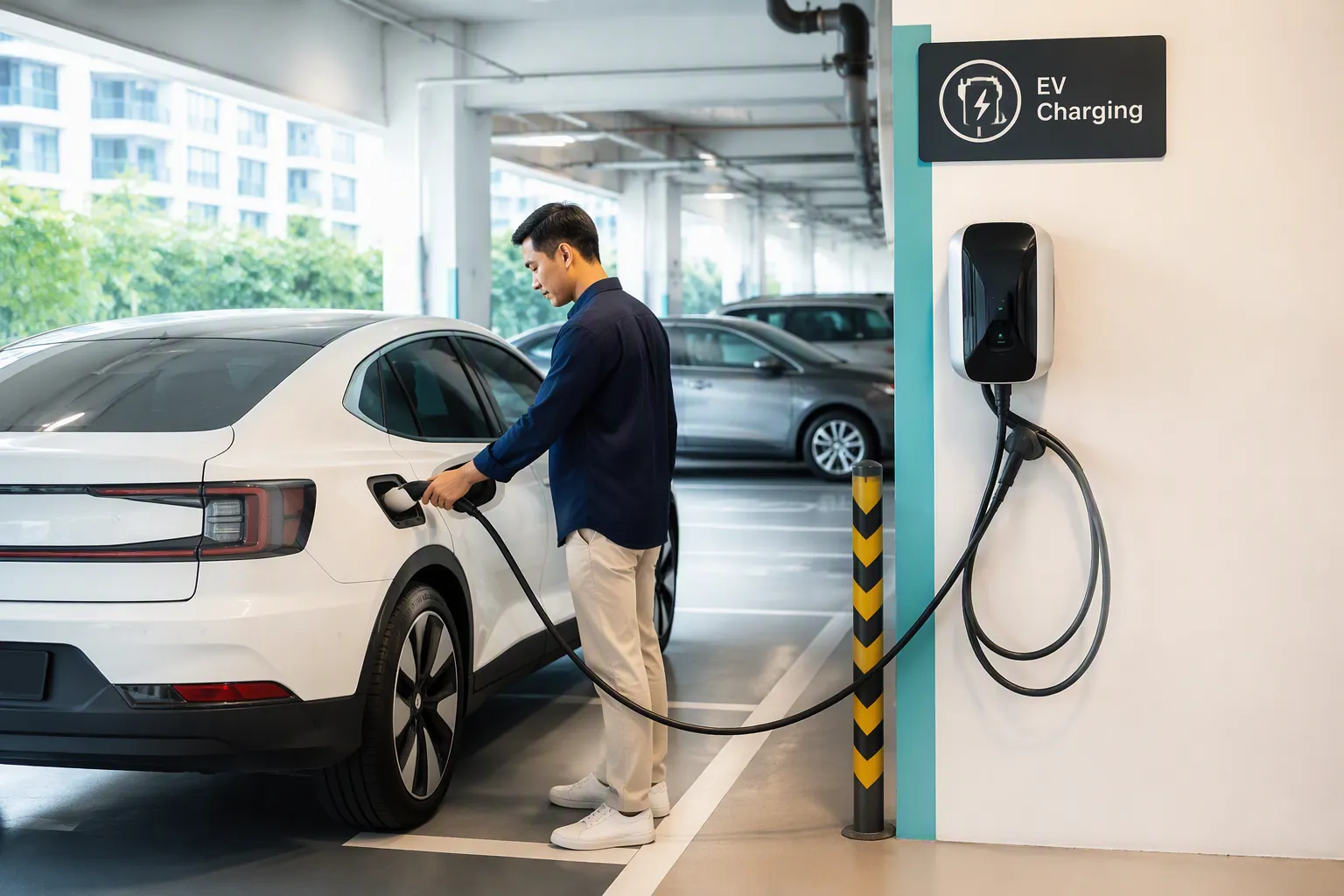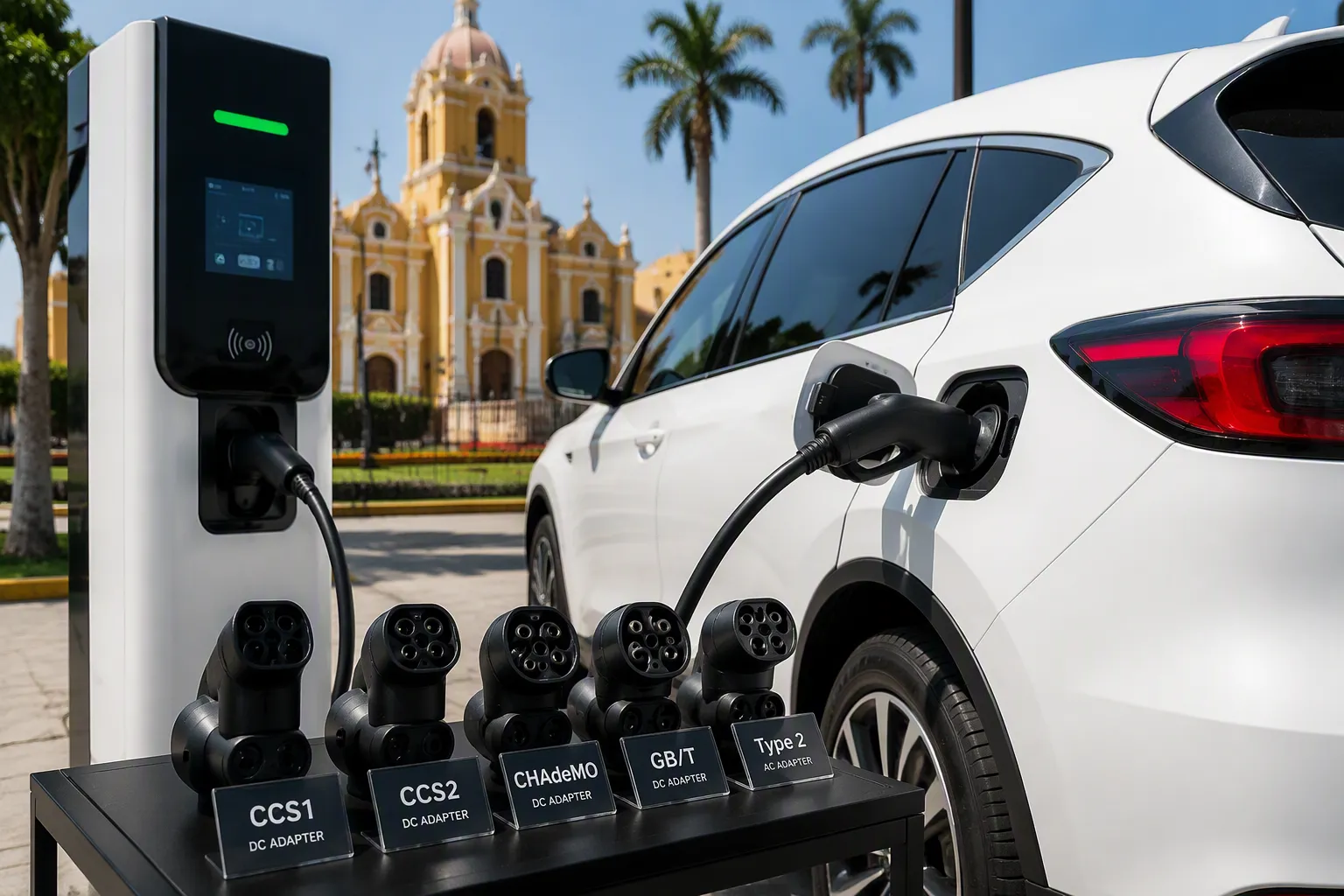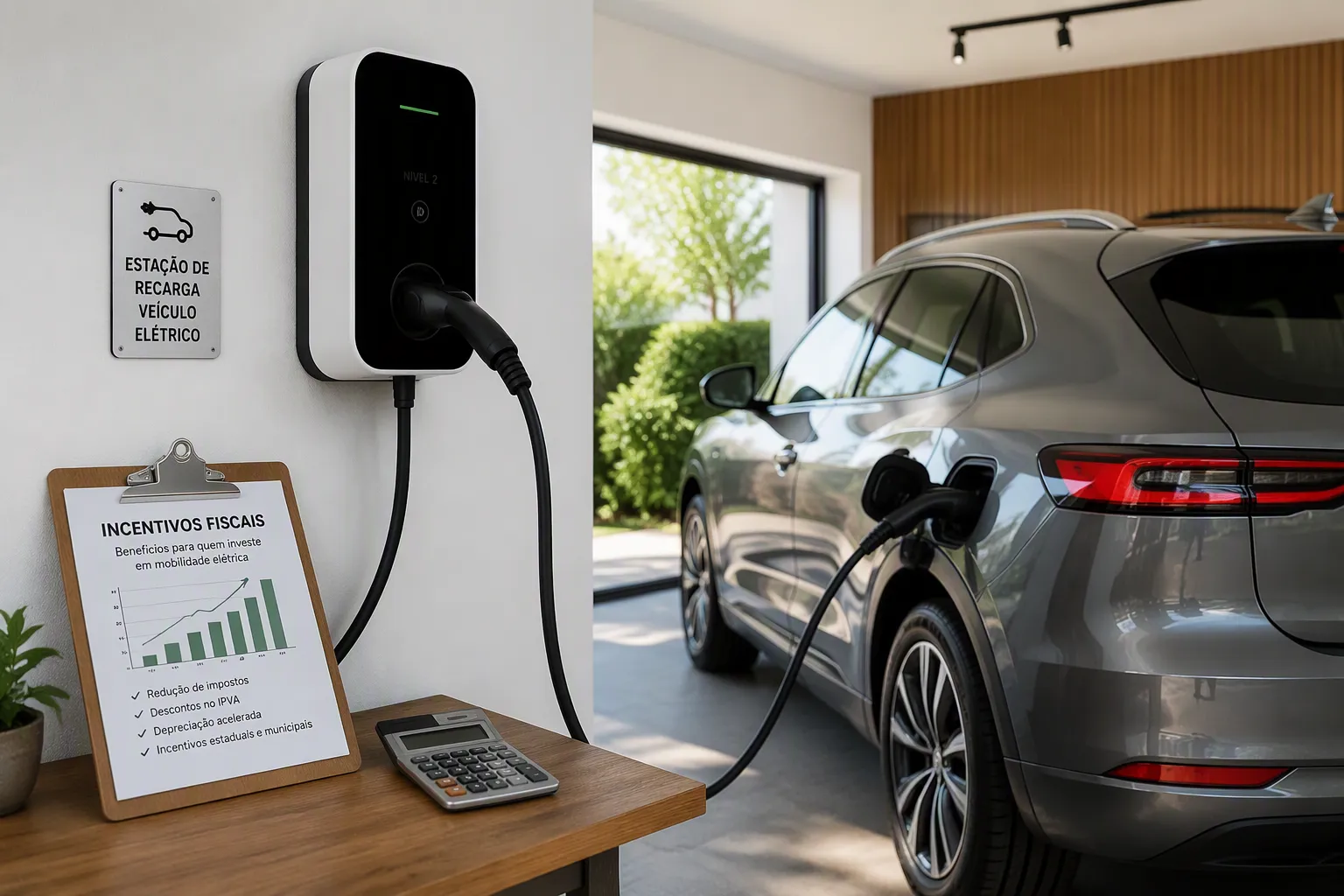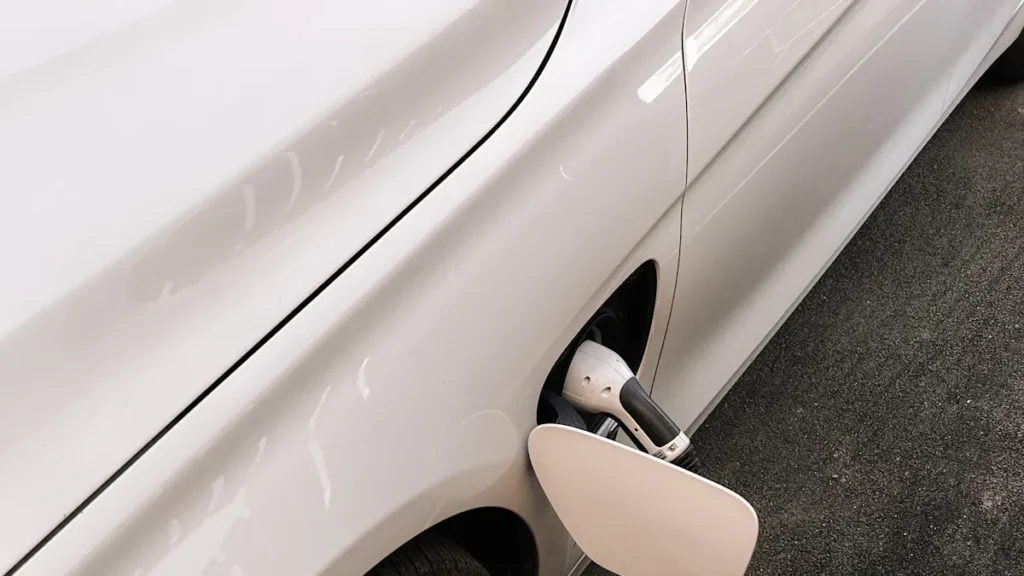

Pemilik EV memang bisa mencolokkan EV mereka ke soket dinding standar. Metode ini, yang dikenal sebagai pengisian Level 1, memanfaatkan stopkontak biasa dan pengisi daya EV portabel untuk kenyamanan. Namun, ini adalah bentuk pengisian daya yang paling lambat. Ini sebaiknya disimpan untuk keadaan darurat atau pengisian tambahan sesekali, bukan untuk penggunaan sehari-hari.
Catatan: Meskipun colokan standar menawarkan aksesibilitas, tren pasar condong ke kecepatan. Pengisian Cepat DC sudah menyumbang lebih dari 52% dari pasar Pengisi Daya Listrik global. Produsen pengisi daya EV Produsen pengisi daya EV, yang canggih secara teknologi, seperti TPSON, menyediakan berbagai Solusi pengisian daya kendaraan listrik untuk memenuhi permintaan akan pengisian daya yang lebih cepat dan efisien ini. Menggunakan soket biasa untuk mengisi daya EV tetap menjadi solusi cadangan, bukan solusi utama.
Apa Artinya Mengisi Daya EV dengan Soket Biasa?
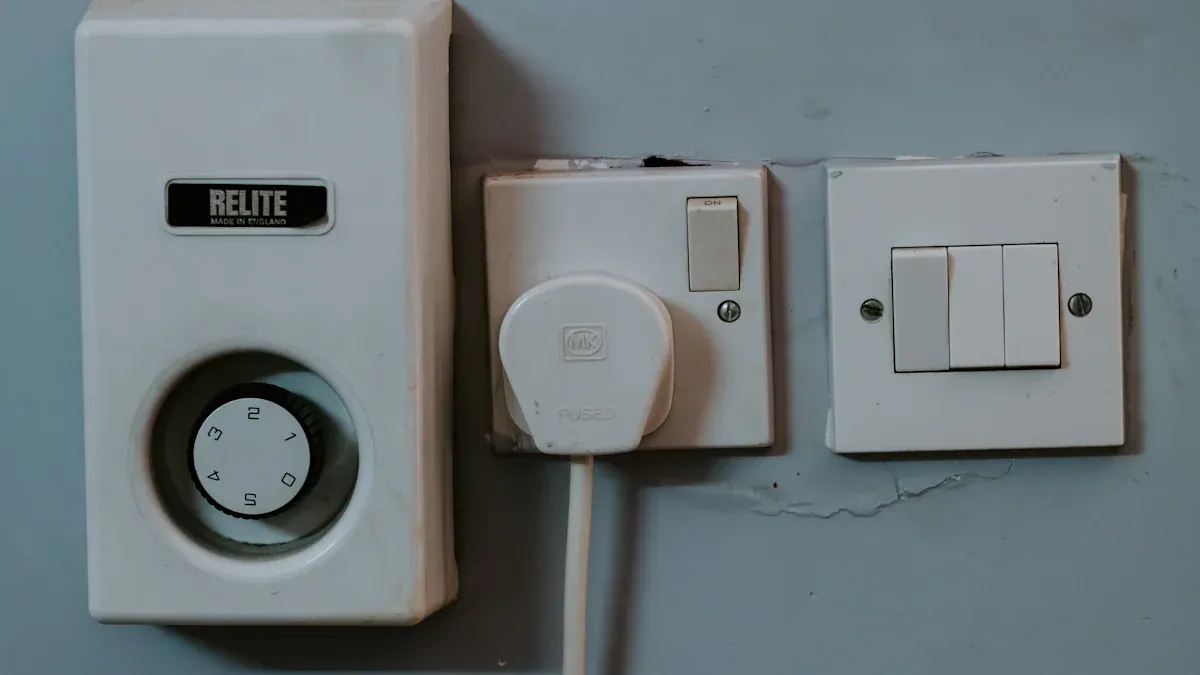
Mengisi daya EV dengan soket biasa melibatkan penggunaan stopkontak listrik standar yang ditemukan di rumah mana pun. Metode ini, secara resmi dikenal sebagai pengisian Level 1, adalah cara paling dasar untuk menyalakan kendaraan listrik. Ini tidak memerlukan instalasi khusus. Pemilik hanya perlu menggunakan kabel pengisian daya portabel untuk menghubungkan mobil mereka ke soket dinding biasa. Meskipun nyaman, pendekatan ini memberikan kecepatan pengisian daya yang paling lambat.
Memahami Dasar-dasar Pengisian Level 1
Stopkontak Rumah Tangga Standar 120-Volt
Dasar dari pengisian Level 1 adalah soket rumah tangga umum 120-volt. Ini adalah soket colokan domestik yang sama yang Anda gunakan untuk lampu dan laptop. Proses pengisian daya di soket rumah tangga menggunakan colokan tiga pin standar, sehingga dapat diakses secara universal. Aksesibilitas ini adalah keunggulan utama dari pengisian daya soket rumah. Namun, jenis stopkontak ini tidak dirancang untuk kebutuhan daya yang berat dan terus-menerus dari pengisian daya mobil listrik.
Kabel Konektor Seluler yang Disertakan dengan EV Anda
Sebagian besar kendaraan listrik dilengkapi dengan konektor seluler. Kabel penting ini bertindak sebagai jembatan antara stopkontak biasa dan port pengisian kendaraan.
- Fungsi: Ini mengatur aliran listrik dari soket ke mobil.
- Komponen: Kabel tersebut mencakup colokan tiga pin standar di satu ujung dan konektor yang cocok dengan EV Anda di ujung lainnya.
- Keamanan: Ini berisi fitur keamanan bawaan yang berkomunikasi dengan EV untuk memastikan sesi pengisian daya yang aman, meskipun lambat.
Kiat Pro: Selalu gunakan kabel yang disediakan pabrikan untuk pengisian Level 1. Produsen pengisi daya EV yang canggih secara teknologi, seperti TPSON, merancang solusi pengisian daya khusus yang menawarkan kecepatan dan keamanan yang lebih unggul dibandingkan soket biasa.
Bagaimana Proses Pengisian Daya Bekerja
Mengubah Daya AC dari Dinding Anda Menjadi DC untuk Baterai Anda
Sistem kelistrikan rumah Anda memasok Arus Bolak-balik (AC). Namun, baterai EV hanya dapat menyimpan Arus Searah (DC). Proses pengisian daya memerlukan konversi. Saat Anda mencolokkan EV saya ke soket rumah tangga, pengisi daya onboard mobil melakukan tugas kritis ini. Ini mengambil daya AC dari stopkontak dan mengubahnya menjadi daya DC untuk disimpan di baterai. Proses konversi ini sendiri mengonsumsi sebagian energi, yang memengaruhi efisiensi keseluruhan.
Mengapa Penarikan Daya Dibatasi pada Stopkontak Biasa
Stopkontak biasa adalah bagian dari sirkuit yang dibagikan dengan stopkontak dan lampu lain di rumah Anda. Sirkuit ini memiliki pemutus sirkuit yang membatasi total penarikan daya untuk mencegah kelebihan beban.
Permintaan energi yang berkelanjutan dari pengisian daya mobil listrik dapat membebani sistem ini. Untuk mencegah pemutus sirkuit trip atau soket kepanasan, konektor seluler sengaja membatasi jumlah daya yang ditariknya. Pendekatan mengutamakan keselamatan ini adalah alasan mengapa pengisian daya dari soket biasa sangat lambat. Penarikan daya yang terbatas melindungi kabel rumah Anda tetapi secara signifikan memperpanjang waktu yang dibutuhkan untuk mengisi daya mobil listrik. Hal ini membuat pengisian daya di soket rumah tangga menjadi proses yang panjang.
Seberapa Lambat Pengisian Daya dengan Stopkontak Biasa?
Menggunakan stopkontak biasa untuk mengisi daya mobil listrik adalah pelajaran dalam kesabaran. Proses ini terkenal lambat karena soket rumah tangga standar tidak pernah dirancang untuk permintaan daya tinggi yang berkelanjutan dari EV. Metode ini hanya memberikan aliran energi yang kecil, sehingga tidak praktis untuk sebagian besar kebutuhan mengemudi sehari-hari.
Kecepatan Pengisian Daya Dijelaskan dengan Istilah Sederhana
Mendapatkan Jarak Tempuh per Jam
Kecepatan pengisian daya sering diukur dalam jumlah jarak tempuh yang ditambahkan per jam. Saat mengisi daya mobil listrik dengan stopkontak biasa, peningkatannya minimal. Stopkontak standar 120-volt biasanya memberikan antara 1 hingga 1,8 kilowatt (kW) daya. Output daya rendah ini diterjemahkan menjadi pemulihan jarak tempuh yang lambat.
Aliran Lambat: Seorang pemilik EV hanya dapat mengharapkan untuk menambahkan Jangkauan 3 hingga 5 mil untuk setiap jam dari pengisian daya dengan soket biasa. Sesi pengisian daya semalaman selama 8 jam mungkin hanya menambah 24 hingga 40 mil, yang seringkali tidak cukup untuk mengisi kembali energi yang digunakan selama perjalanan sehari-hari yang khas.
Faktor yang Mempengaruhi Kecepatan Pengisian Daya
Beberapa variabel dapat mempengaruhi kecepatan sebenarnya dari Pengisian daya level 1. Angka “3 hingga 5 mil per jam” adalah rata-rata, dan hasil di dunia nyata dapat bervariasi. Faktor kunci meliputi:
- Status Pengisian Baterai: Baterai EV mengisi daya lebih cepat ketika hampir kosong dan melambat secara signifikan saat mendekati 100%.
- Suhu Lingkungan: Dingin atau panas yang ekstrem dapat menyebabkan sistem manajemen baterai kendaraan mengurangi kecepatan pengisian daya untuk melindungi sel baterai.
- Ukuran Baterai: Baterai yang lebih besar secara alami akan membutuhkan waktu lebih lama untuk diisi daya daripada baterai yang lebih kecil pada tingkat daya yang sama.
- Efisiensi Pengisi Daya Onboard: Pengisi daya internal mobil, yang mengubah daya AC menjadi DC, memiliki peringkat efisiensinya sendiri yang mempengaruhi proses pengisian daya secara keseluruhan.
Contoh Waktu Pengisian Daya Dunia Nyata
Untuk memahami implikasi praktis dari kecepatan pengisian daya yang lambat ini, akan membantu untuk melihat contoh spesifik dengan model EV populer. Waktu yang diperlukan untuk mengisi daya penuh mobil listrik dari stopkontak biasa bisa sangat mengejutkan.
Waktu untuk Mengisi Daya Penuh Baterai 40kWh (misalnya, Nissan Leaf)
Kendaraan dengan baterai yang lebih kecil, seperti Nissan Leaf dengan paket 40kWh, masih membutuhkan waktu yang sangat lama untuk diisi daya menggunakan soket biasa. Pengisian daya penuh dari kosong bukanlah tugas semalaman; ini adalah acara yang berlangsung selama beberapa hari.
| Metode Pengisian Daya | Perkiraan Waktu hingga Pengisian Penuh (dari 0%) |
|---|---|
| Stopkontak Biasa (120V) | Hingga 60 jam |
Kerangka waktu ini membuat stopkontak biasa tidak cocok untuk solusi pengisian daya utama. Seorang pengemudi bisa tanpa mobil mereka selama lebih dari dua hari penuh hanya untuk mendapatkan pengisian daya penuh.
Waktu untuk Mengisi Daya Penuh Baterai 75kWh (misalnya, Tesla Model 3 Long Range)
Untuk EV dengan baterai yang lebih besar, seperti Tesla Model 3 Long Range dengan baterai 75kWh, situasinya menjadi lebih menantang. Waktu yang dibutuhkan untuk pengisian daya penuh meningkat secara dramatis, menyoroti keterbatasan stopkontak standar.
| Metode Pengisian Daya | Perkiraan Waktu hingga Pengisian Penuh (dari 0%) |
|---|---|
| Stopkontak Biasa (120V) | 36 hingga 40+ jam |
Menunggu hampir dua hari untuk mengisi daya kendaraan sama sekali tidak layak bagi pengemudi rata-rata. Inilah sebabnya mengapa produsen pengisi daya EV yang canggih secara teknologi, seperti TPSON, berfokus pada penyediaan solusi pengisian EV yang lebih cepat dan andal. Sistem khusus ini menghindari keterbatasan parah dari pengisian daya melalui soket standar.
Apakah Aman Menancapkan EV Saya ke Soket Biasa?
Meskipun secara teknis pemilik dapat menancapkan EV saya ke soket biasa, masalah keamanan adalah yang terpenting. Menggunakan stopkontak biasa untuk pengisian Level 1 menimbulkan risiko listrik yang tidak ada pada stasiun pengisian khusus. Kabel rumah standar tidak dirancang untuk menangani beban berat dan terus-menerus yang diperlukan untuk mengisi daya mobil listrik. Ketidakcocokan ini menimbulkan masalah keamanan signifikan yang harus dipahami setiap pemilik EV.
Potensi Risiko Listrik yang Terlibat
Soket dan Steker Terlalu Panas
Soket steker domestik standar dirancang untuk penggunaan intermiten dengan peralatan seperti lampu atau televisi. Namun, EV menarik daya dalam jumlah besar secara terus-menerus selama berjam-jam. Beban berkelanjutan ini dapat menyebabkan penumpukan panas yang signifikan. Pengisian daya daya tinggi terus-menerus melalui stopkontak biasa dapat menyebabkan suhu mencapai tingkat berbahaya, berpotensi mendekati 100°C. Plastik di sekitar soket dan steker tiga pin dapat meleleh, berubah bentuk, atau hangus, menandakan bahaya serius dan segera.
Risiko Kebakaran Listrik dari Penggunaan Berkelanjutan
Panas berlebih adalah pendahulu langsung dari kebakaran listrik. Panas hebat yang dihasilkan selama sesi pengisian daya yang lama dapat menurunkan insulasi kabel di dalam dinding dan di dalam kabel pengisian daya itu sendiri. Setelah lapisan pelindung ini terganggu, korsleting dapat terjadi, menciptakan percikan yang dapat dengan mudah menyulut bahan di sekitarnya seperti papan dinding, insulasi, atau debu. Masalah keamanan ini membuat pengisian daya di soket rumah menjadi strategi jangka panjang yang berisiko.
Beban pada Kabel Rumah yang Tua atau Bersama
Banyak rumah, terutama yang lebih tua, memiliki kabel yang tidak dilengkapi untuk menangani tuntutan pengisian EV. Stopkontak biasa seringkali merupakan bagian dari sirkuit bersama yang juga menyalakan stopkontak dan lampu lainnya.
- Sirkuit Bersama: Menjalankan peralatan berdaya tinggi seperti pengisi daya EV pada sirkuit dengan perangkat lain dapat dengan mudah menyebabkan pemutus sirkuit sering trip.
- Kabel Tua: Kabel yang sudah tua mungkin memiliki insulasi yang rusak atau koneksi longgar, membuatnya lebih rentan terhadap panas berlebih dan kegagalan di bawah beban berat dan berkelanjutan.
Praktik Terbaik Keamanan untuk Pengisian Level 1
Pemilik yang harus menggunakan soket biasa untuk pengisian daya sesekali harus mengikuti protokol keamanan yang ketat untuk meminimalkan risiko. Praktik ini sangat penting untuk melindungi kendaraan dan rumah.
Mengapa Anda Harus Menggunakan Sirkuit Khusus
Cara paling aman untuk menggunakan soket rumah untuk pengisian daya adalah memastikannya berada pada sirkuit khusus. Ini berarti stopkontak memiliki pemutus sirkuit sendiri di panel listrik dan tidak dibagikan dengan stopkontak atau perlengkapan lainnya. Sirkuit khusus mencegah kelebihan beban dan memastikan EV memiliki akses ke daya penuh dan stabil yang dapat disediakan sirkuit dengan aman. Untuk setiap instalasi pengisian EV, kepatuhan terhadap standar keamanan seperti Kode Kelistrikan Nasional (National Electrical Code (NEC)) adalah wajib untuk memastikan operasi yang aman.
Jangan Pernah Menggunakan Kabel Ekstensi Rumah Tangga Standar
Sangat berbahaya menggunakan kabel ekstensi dalam atau luar ruangan standar untuk menghubungkan EV ke stopkontak. Kabel ini tidak cukup tebal untuk menangani amperase dan durasi pengisian EV. Mereka akan cepat panas berlebih, menciptakan risiko kebakaran yang signifikan. Jika ekstensi mutlak diperlukan, hanya kabel ekstensi khusus EV yang tahan lama dengan ukuran kawat dan sertifikasi keamanan yang tepat yang harus digunakan.
Cara Memeriksa Soket Anda untuk Keamanan
Sebelum menancapkan mobil Anda, lakukan pemeriksaan visual cepat pada stopkontak biasa. Soket yang aman sangat penting untuk pengisian daya yang aman.
Daftar Periksa Keamanan:
- Periksa Kerusakan: Cari retakan, pecahan, atau tanda pelelehan pada pelat muka soket.
- Cari Perubahan Warna: Tanda coklat atau hitam di sekitar slot steker adalah tanda jelas panas berlebih di masa lalu.
- Uji Kesesuaian: Steker pengisi daya harus pas masuk ke soket. Sambungan longgar dapat menciptakan busur listrik dan panas hebat.
- Rasakan Panasnya: Setelah pengisian daya singkat, steker dan soket tidak boleh terasa panas saat disentuh. Hangat dapat diterima, tetapi panas adalah tanda peringatan.
Kapan Harus Memanggil Teknisi Listrik untuk Pemeriksaan
Jika soket menunjukkan tanda-tanda kerusakan, atau jika rumah sudah tua, pemeriksaan profesional diperlukan. Seorang teknisi listrik berlisensi dapat menilai kabel, memastikan apakah soket berada pada sirkuit khusus, dan memastikan semuanya mematuhi kode lokal dan Kode Kelistrikan Nasional (National Electrical Code (NEC)) pedoman. Berkonsultasi dengan profesional adalah cara terbaik untuk mengatasi masalah keamanan pengisian Level 1 dan mendapatkan ketenangan pikiran. Penyedia canggih secara teknologi seperti TPSON merancang solusi pengisian EV khusus yang sepenuhnya menghindari risiko ini, menawarkan pengalaman yang jauh lebih aman dan efisien.
Kelebihan dan Kekurangan Menggunakan Soket Biasa
Memutuskan apakah akan menggunakan soket biasa untuk pengisian EV melibatkan pertimbangan antara kenyamanan jelasnya dan kelemahan signifikan. Meskipun kemampuan untuk menancapkan di mana saja menarik, pemilik harus memahami gambaran lengkapnya sebelum mengandalkan metode ini.
Keuntungan Utama
Manfaat pengisian Level 1 berpusat pada kemudahan penggunaan dan penghindaran biaya. Bagi beberapa pemilik EV, keuntungan ini menjadikannya pilihan jangka pendek atau darurat yang layak.
Kenyamanan dan Aksesibilitas yang Tak Tertandingi
Manfaat utama menggunakan soket biasa adalah ketersediaannya yang universal. Pemilik dapat menemukan soket standar hampir di mana saja, dari garasi hingga rumah teman. Aksesibilitas ini menyediakan rencana pengisian daya cadangan yang andal.
- Isi Daya di Mana Saja: Kemampuan untuk menancapkan EV saya di lokasi mana pun dengan soket rumah tangga standar menawarkan fleksibilitas besar.
- Kenyamanan Rumah: Pengisian daya di soket rumah memungkinkan proses terjadi dalam keamanan dan kenyamanan properti sendiri.
- Kesederhanaan: Ini bekerja seperti mengisi daya ponsel cerdas; pemilik dapat dengan mudah menancapkan mobil semalaman.
Biaya Instalasi Awal Nol
Menggunakan soket biasa untuk pengisian daya tidak memerlukan investasi tambahan. Sebagian besar kendaraan listrik menyertakan kabel konektor seluler, sehingga tidak perlu membeli perangkat keras tambahan atau menyewa teknisi listrik untuk instalasi khusus. Ini membuat pengisian Level 1 menjadi solusi praktis dan hemat biaya bagi pemilik EV baru yang belum siap berkomitmen pada pengisi daya khusus. Tarif listrik rumah juga seringkali lebih rendah daripada biaya pengisian daya publik, menambah penghematan biaya.
Kekurangan Signifikan
Terlepas dari kenyamanannya, kelemahan menggunakan soket biasa cukup besar. Kekurangan ini menjadikannya solusi utama yang tidak praktis bagi sebagian besar pengemudi.
Kecepatan Pengisian Daya yang Sangat Lambat
Kekurangan paling signifikan adalah kecepatan pengisian daya yang sangat lambat. Hanya mendapatkan beberapa mil jarak tempuh per jam membuat sulit untuk mengisi ulang baterai setelah sehari berkendara biasa. Kecepatan lambat ini dapat menyebabkan “kecemasan jarak tempuh” dan membatasi kegunaan mobil listrik.
Potensi Bahaya Keselamatan dan Kebakaran
Pengisian daya berdaya tinggi yang berkelanjutan memberikan tekanan besar pada soket dan kabel rumah biasa. Hal ini menciptakan risiko serius yang pengisi daya khusus dirancang untuk mencegahnya.
Peringatan: Stopkontak biasa tidak dibangun untuk beban terus-menerus dari kendaraan listrik. Hal ini dapat menyebabkan stopkontak terlalu panas, pelelehan steker, dan risiko nyata kebakaran listrik.
Efisiensi Energi Lebih Rendah dan Biaya Lebih Tinggi dalam Jangka Panjang
Pengisian Level 1 adalah cara paling tidak efisien untuk mengisi daya kendaraan listrik. Selama sesi pengisian yang lama, elektronik onboard mobil harus tetap aktif, mengonsumsi daya yang tidak pernah mencapai baterai. Kehilangan energi ini, yang dikenal sebagai “vampire drain”, berarti pemilik membayar lebih banyak listrik daripada yang sebenarnya disimpan mobil. Seiring waktu, ketidakefisienan ini dapat menyebabkan tagihan listrik lebih tinggi dibandingkan dengan metode pengisian yang lebih cepat dan efisien.
Menghitung Biaya Mengisi Daya Kendaraan Listrik Anda di Rumah
Memahami biaya mengisi daya kendaraan listrik Anda lebih sederhana daripada yang dipikirkan kebanyakan orang. Harga akhir bergantung pada dua faktor utama: ukuran baterai mobil dan harga listrik dari penyedia layanan setempat. Menghitung biaya ini membantu pemilik kendaraan listrik menganggarkan secara efektif untuk pengisian daya di rumah.
Cara Mengetahui Biaya Listrik Anda
Pemilik dapat menentukan biaya pengisian daya mobil listrik dengan perhitungan sederhana. Hal ini memerlukan pengetahuan tentang kapasitas baterai dan tarif listrik setempat.
Memahami Kilowatt-Jam (kWh) dan Ukuran Baterai Anda
Kilowatt-jam (kWh) adalah satuan energi. Ukuran baterai kendaraan listrik diukur dalam kWh, mirip dengan bagaimana tangki bensin mobil diukur dalam galon. Untuk mengetahui biaya pengisian penuh, pemilik mengalikan ukuran baterai dengan tarif listrik.
Rumus Sederhana:
Ukuran Baterai (dalam kWh) × Tarif Listrik (per kWh) = Biaya untuk Pengisian Penuh
Cara Menemukan Tarif Penyedia Layanan Listrik Setempat Anda
Pemilik dapat menemukan tarif listrik pada tagihan utilitas bulanan mereka, biasanya tercantum sebagai harga per kWh. Meskipun tarif bervariasi berdasarkan lokasi, tarif listrik residensial rata-rata seringkali antara 15 hingga 17 sen per kilowatt-jam. Beberapa penyedia layanan menawarkan paket Time-of-Use (TOU), yang secara langsung memengaruhi biaya pengisian daya.
- Penghematan Jam Luar Puncak: Paket ini menawarkan tarif lebih rendah selama jam luar puncak, biasanya semalaman. Menjadwalkan pengisian daya kendaraan listrik selama waktu-waktu ini secara signifikan mengurangi biaya.
- Biaya Jam Puncak: Mengisi daya selama jam permintaan puncak, seperti sore hari, mengakibatkan pengeluaran yang lebih tinggi.
- Kestabilan Grid: Penetapan harga ini mendorong pengisian daya ketika permintaan jaringan rendah.
Meteran pintar diperlukan bagi rumah untuk menggunakan paket TOU, karena melacak kapan energi dikonsumsi.
Membandingkan Biaya Pengisian Daya Level 1 vs. Level 2
Metode pengisian daya yang dipilih pemilik juga memengaruhi total biaya karena perbedaan efisiensi energi. Pengisian daya yang lebih cepat seringkali lebih efisien.
Biaya Tersembunyi dari Efisiensi Pengisian Daya yang Lebih Rendah
Pengisian Level 1 adalah metode yang paling tidak efisien. Durasi pengisian yang lama berarti sistem onboard kendaraan berjalan selama berjam-jam, mengonsumsi daya yang tidak pernah mencapai baterai. Energi yang terbuang ini menambah tagihan listrik.
| Tingkat Pengisian Daya | Efisiensi Khas | Kehilangan Energi |
|---|---|---|
| Level 1 (120V) | ~88% | ~12% |
| Level 2 (240V) | ~92% | ~8% |
Tabel ini menunjukkan bahwa dengan pengisian Level 1, sekitar 12% hingga 15% listrik yang diambil dari stopkontak hilang. Pengisi daya Level 2 yang lebih efisien mengurangi kehilangan tersebut.
Tinjauan Dampak Keuangan Jangka Panjang
Meskipun ketidakefisienan satu sesi pengisian daya mungkin tampak kecil, biayanya terakumulasi selama masa pakai kendaraan listrik. Energi yang terbuang dari penggunaan metode lambat dan tidak efisien secara konsisten diterjemahkan menjadi total biaya kepemilikan yang lebih tinggi. Penyedia teknologi canggih seperti TPSON merancang solusi pengisian daya kendaraan listrik khusus dengan fitur cerdas yang dapat menjadwalkan pengisian daya pada jam luar puncak, memaksimalkan efisiensi dan penghematan biaya.
Solusi yang Direkomendasikan: Pengisi Daya Level 2 Khusus
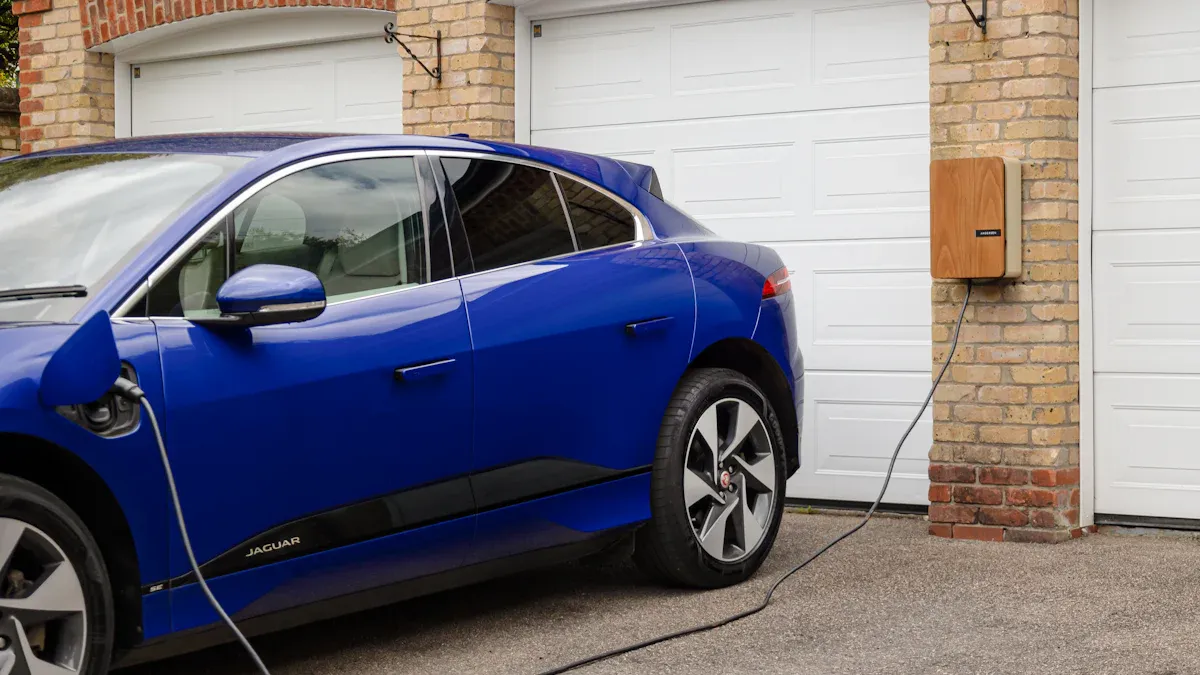
Bagi sebagian besar pemilik kendaraan listrik, solusi optimal untuk pengisian daya di rumah adalah Pengisi daya level 2. pengisi daya Level 2 khusus.
. Perangkat ini, yang biasa disebut wallbox, dipasang secara profesional dan menawarkan peningkatan signifikan dalam kecepatan, keselamatan, dan kenyamanan dibandingkan stopkontak standar. Ini mengubah pengalaman pengisian daya dari aliran lambat menjadi proses semalaman yang efisien.
Apa Itu Pengisi Daya Rumah Level 2?.
Pengisi daya Level 2 adalah peralatan yang dibangun khusus dirancang khusus untuk mengisi daya mobil listrik. Penyedia teknologi canggih seperti TPSON merekayasa sistem ini untuk penggunaan harian yang kuat.
Perbedaannya dengan Soket Biasa.
Kekuatan Koneksi 240-Volt
Tidak seperti soket rumah tangga serba guna, wallbox rumah khusus adalah instalasi tetap. Seorang teknisi listrik memasang unit langsung ke panel listrik rumah. Koneksi langsung ini menghilangkan risiko terkait kelebihan beban sirkuit bersama. Wallbox dibangun untuk menangani pengambilan daya tinggi yang terus-menerus dengan aman selama berjam-jam, tugas yang tidak pernah dirancang untuk dilakukan oleh stopkontak biasa. Wallbox menggunakan koneksi 240 volt, mirip dengan yang menggerakkan peralatan besar seperti kompor listrik. Tegangan yang lebih tinggi ini memungkinkan wallbox memberikan daya yang jauh lebih besar ke kendaraan listrik. Pengisian daya AC cepat memberikan daya dalam rentang yang jauh lebih luas.
| Jenis Pengisi Daya | Output Daya (kW) |
|---|---|
| AC Standar | daripada soket standar. |
| 3.5 hingga 7 | AC Cepat |
7 hingga 23 Pengisi daya satu fase tipikal dapat memberikan hingga, 7.7kW.
, menjadikannya alat yang kuat bagi setiap pemilik kendaraan listrik.
Manfaat Utama Meningkatkan Pengisian Daya Rumah Anda.
Meningkatkan ke wallbox Level 2 memberikan tiga keunggulan utama yang sangat meningkatkan pengalaman kepemilikan kendaraan listrik.
Waktu Pengisian Daya yang Jauh Lebih Cepat (Pengisian Penuh Semalaman).
Manfaat yang paling terlihat adalah pengurangan drastis dalam waktu pengisian daya. Mengisi daya dengan wallbox jauh lebih cepat. A Perbandingan Dunia Nyata: Baterai kendaraan listrik 60 kWh dapat memakan waktu lebih dari 20 jam.
untuk mengisi daya dari kosong menggunakan stopkontak biasa. Sebaliknya, pengisi daya Level 2 7.4 kW tipikal dapat mengisi penuh mobil yang sama hanya dalam 6-8 jam, dengan mudah diselesaikan semalaman.
Fitur Keselamatan Bawaan untuk Ketenteraman Pikiran.
Wallbox modern dilengkapi dengan beberapa lapisan fitur keselamatan bawaan. Sistem ini terus memantau sesi pengisian daya untuk masalah seperti arus berlebih, panas berlebih, dan kesalahan pentanahan. Perlindungan aktif ini memberikan ketenteraman pikiran yang tidak dapat ditawarkan oleh stopkontak standar, memastikan pengisian daya yang aman setiap kali.
Akses ke Fitur Cerdas seperti Penjadwalan Jam Luar Puncak
- Banyak pengisi daya Level 2 menawarkan kemampuan cerdas, mengubah perangkat menjadi alat manajemen energi yang cerdas. Mengisi daya dengan wallbox bisa lebih murah dan lebih ramah lingkungan. Fitur utama sering kali mencakup:: Sistem dapat menjadwalkan pengisian daya pada jam-jam di luar beban puncak ketika tarif listrik terendah.
- Kontrol Pengguna: Pemilik dapat menggunakan aplikasi smartphone untuk menetapkan tujuan pengisian daya, seperti persentase baterai target atau waktu penyelesaian tertentu.
- Penyeimbangan Jaringan: Pengisi daya dapat mengelola waktu pengisian secara cerdas untuk membantu mengurangi tekanan pada jaringan listrik lokal.
Cara Memasang Pengisi Daya Level 2
Memasang pengisi daya Level 2 khusus, atau wallbox, adalah proses yang mudah yang memastikan pengisian daya rumah yang cepat dan aman. Mengikuti serangkaian langkah yang jelas membantu pemilik EV beralih dengan lancar dari stopkontak standar ke solusi khusus yang bertenaga.
Proses Instalasi Langkah demi Langkah
Memilih Pengisi Daya yang Tepat untuk EV dan Rumah Anda
Memilih wallbox yang tepat adalah langkah kritis pertama. Pemilik harus mempertimbangkan beberapa faktor untuk memastikan pengisi daya memenuhi kebutuhan mereka.
- Kecepatan Pengisian Daya: Pengisi daya dinilai dalam kilowatt (kW). Wallbox 7kW dapat mengisi penuh EV biasa dalam semalam, sementara model dengan rating lebih tinggi menawarkan kecepatan yang lebih cepat.
- Kompatibilitas: Konektor pengisi daya harus sesuai dengan port kendaraan. Sebagian besar EV modern menggunakan jenis konektor standar.
- Fitur Cerdas: Penyedia yang canggih secara teknologi seperti TPSON menawarkan wallbox dengan fitur seperti penjadwalan jarak jauh melalui aplikasi. Hal ini memungkinkan pemilik untuk memanfaatkan tarif listrik di luar beban puncak yang lebih murah.
- Persiapan Masa Depan: Memilih pengisi daya yang dapat menangani tingkat daya lebih tinggi memastikannya tetap berguna untuk model EV di masa depan.
Menemukan dan Mempekerjakan Teknisi Listrik yang Berkualitas
Instalasi yang aman memerlukan teknisi listrik yang berkualifikasi. Profesional ini akan menilai sistem kelistrikan rumah, memastikan panel dapat menangani beban, dan memasang wallbox sesuai dengan semua kode keselamatan. Keahlian mereka sangat penting untuk pengaturan pengisian daya yang aman dan andal.
Menavigasi Izin dan Inspeksi Akhir
Sebagian besar area memerlukan izin dari pemerintah daerah atau departemen bangunan untuk memasang stasiun pengisian EV.
Pemasang biasanya mengelola seluruh proses aplikasi izin. Hal ini memastikan instalasi mematuhi semua peraturan bangunan. Izin khusus mungkin diperlukan untuk properti di kawasan konservasi atau untuk bangunan yang terdaftar.
Memahami Biaya Instalasi Lengkap
The total biaya pengisian daya dengan wallbox mencakup perangkat keras dan tenaga kerja profesional.
Memecah Biaya Perangkat Keras dan Tenaga Kerja
Harga akhir terdiri dari dua bagian utama: biaya unit wallbox itu sendiri dan biaya tenaga kerja teknisi listrik. Biaya tenaga kerja dapat berkisar dari beberapa ratus hingga lebih dari seribu dolar, tergantung pada kompleksitas instalasi. Instalasi sederhana di dekat panel listrik akan lebih murah daripada yang memerlukan kabel ekstensif.
Mencari Potensi Rabat dan Insentif Pajak
Banyak pemerintah dan perusahaan utilitas lokal menawarkan insentif keuangan untuk mendorong instalasi pengisi daya rumah. Program ini dapat secara signifikan mengurangi biaya keseluruhan. Pemilik harus meneliti rabat atau kredit pajak yang tersedia di daerah mereka. Insentif ini membuat peningkatan ke wallbox Level 2 menjadi keputusan keuangan yang lebih menarik.
Secara teknis, pemilik dapat menghubungkan EV saya ke stopkontak biasa, tetapi metode ini sebaiknya disimpan untuk keadaan darurat. Kecepatan lambat dari stopkontak biasa membuatnya tidak praktis untuk mengisi daya EV setiap hari. Penggunaan soket normal atau stopkontak biasa yang berkelanjutan juga menimbulkan risiko keselamatan, karena jenis stopkontak ini tidak dirancang untuk beban berat seperti itu.
Untuk pengalaman kepemilikan yang cepat, aman, dan nyaman, berinvestasi dalam pengisi daya khusus dari penyedia yang canggih secara teknologi seperti TPSON adalah pilihan yang unggul. Ini memastikan pengisian daya yang andal dari soket khusus. Pada akhirnya, stopkontak biasa adalah cadangan, bukan solusi utama; steker untuk soket normal tidak ideal untuk tujuan ini.
PERTANYAAN YANG SERING DIAJUKAN
Apakah lebih murah mengisi daya EV dengan stopkontak biasa?
Biaya awal adalah nol karena tidak diperlukan instalasi. Namun, metode ini kurang efisien energi. Pemilik membayar lebih banyak listrik yang terbuang seiring waktu, membuat metode pengisian daya yang lebih cepat lebih ekonomis dalam jangka panjang.
Bisakah saya menggunakan kabel ekstensi dengan pengisi daya seluler saya?
Pemilik tidak boleh menggunakan kabel ekstensi rumah tangga standar untuk pengisian daya EV. Kabel ini tidak dirating untuk daya tarik berkelanjutan dan menciptakan bahaya kebakaran yang signifikan akibat panas berlebih.
Seberapa sering saya dapat menggunakan soket normal untuk mengisi daya mobil saya?
Pemilik sebaiknya hanya menggunakan soket normal untuk keadaan darurat atau pengisian daya tambahan sesekali. Kecepatan lambat dan masalah keselamatan potensial menjadikannya solusi yang tidak praktis dan berisiko untuk pengisian daya harian yang teratur.
Apa risiko utama pengisian daya dengan stopkontak biasa?
Risiko utamanya adalah kebakaran listrik. Sebuah stopkontak biasa dapat kepanasan di bawah beban berat dan terus-menerus dari EV. Hal ini dapat melelehkan steker dan soket, menciptakan bahaya serius.
Mengapa pengisi daya Level 2 khusus adalah pilihan yang lebih baik?
Pengisi daya Level 2 jauh lebih cepat dan aman. Penyedia yang canggih secara teknologi seperti TPSON merancang sistem ini dengan perlindungan keselamatan bawaan dan fitur cerdas, memastikan pengisian daya yang andal dan efisien setiap kali.
Apakah pengisian daya dengan soket normal merusak baterai EV saya?
Tidak, Pengisian daya level 1 tidak merusak baterai kendaraan. Sistem manajemen baterai onboard mobil mengatur aliran daya untuk melindunginya. Risiko keselamatan terkait dengan stopkontak listrik dan kabel rumah, bukan mobil.