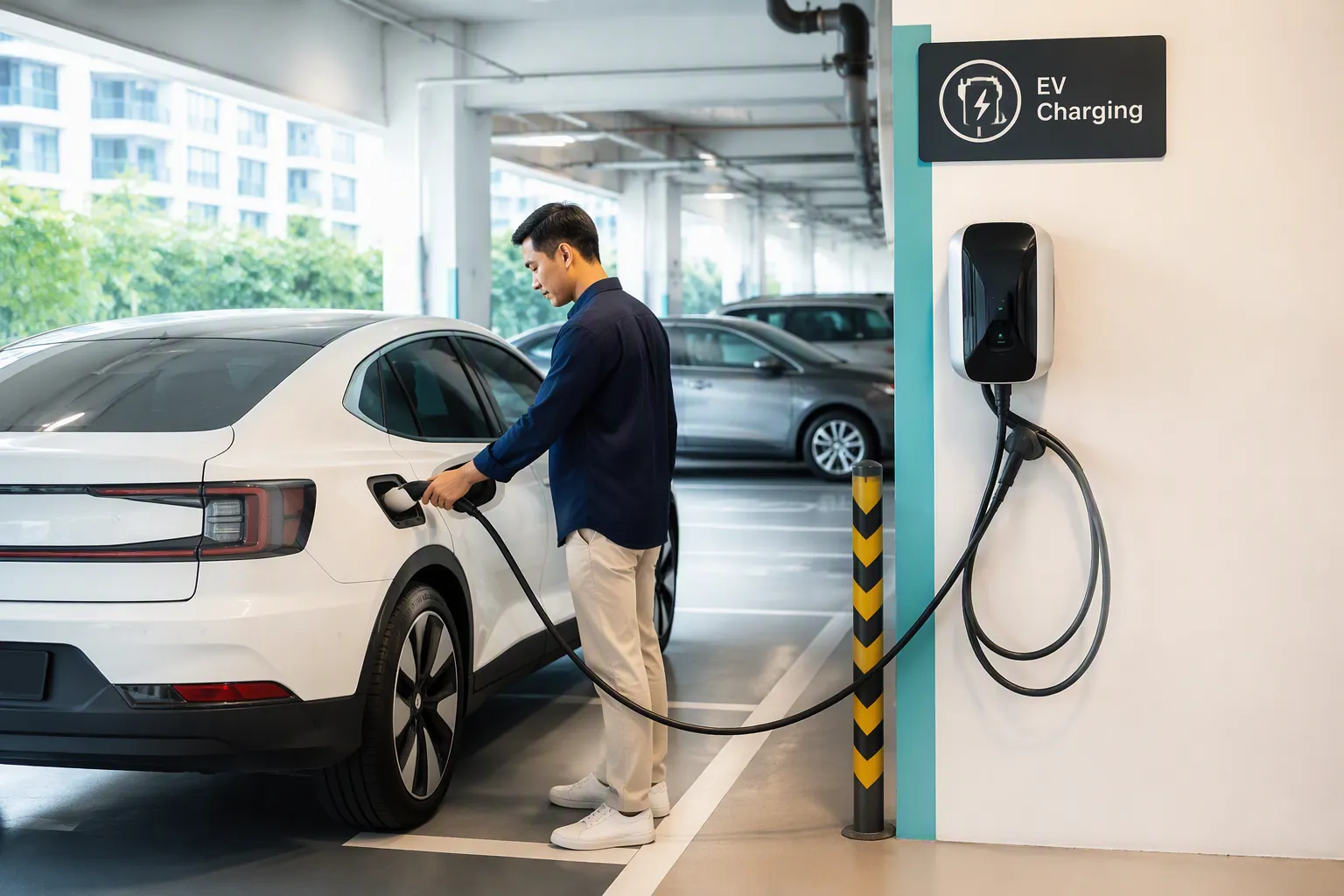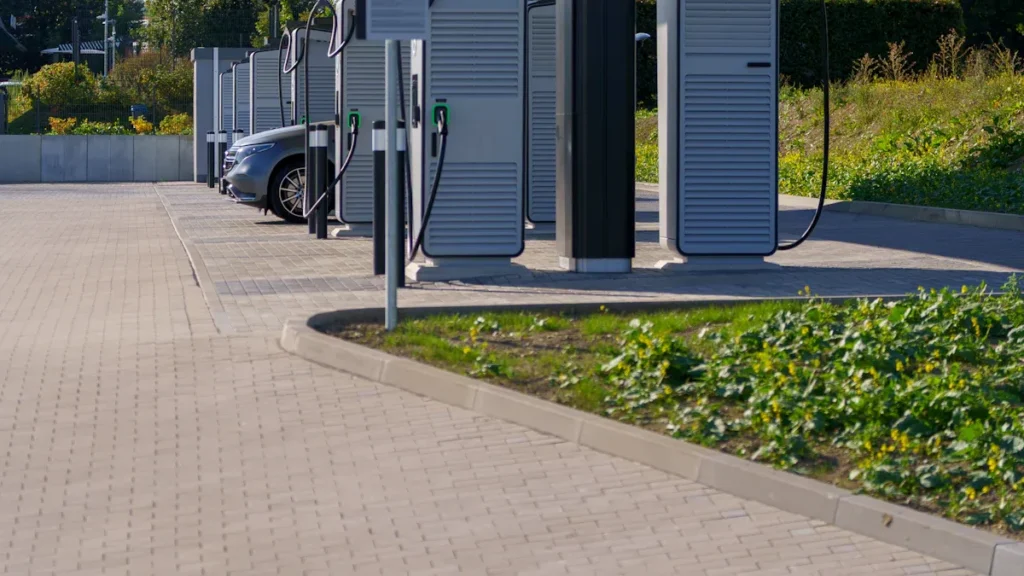
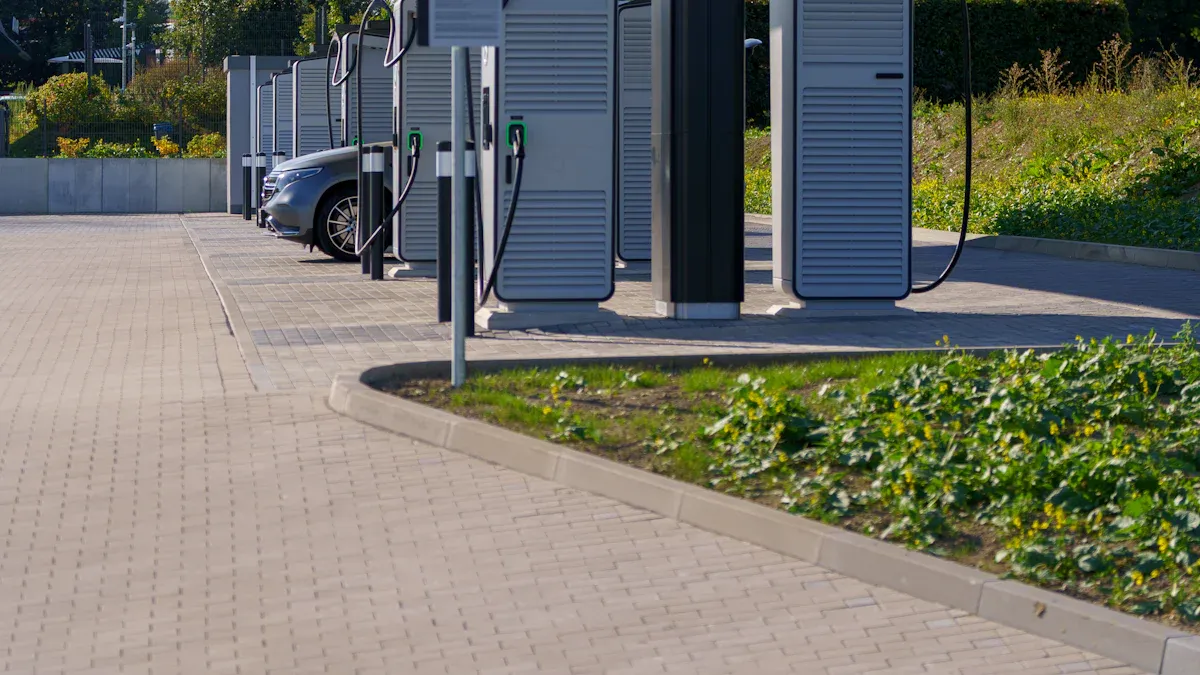
Businesses can tap into Thailand’s booming electric vehicle market. The country’s EV sales share for the electric car is growing, with EV adoption rapidly increasing. This guide provides a clear roadmap for businesses. It helps them successfully deploy their first commercial ev charging station. Following these essential steps turns a property into a destination for EV drivers.
Catatan: Thailand’s electric vehicle sales share increased to 13% in 2024. The growing number of EV vehicles makes installing an Pengisi Daya Listrik a strategic move. Businesses should consider all Solusi pengisian daya kendaraan listrik, dari unit tetap hingga pengisi daya ev portabel, from various Produsen pengisi daya EV. TPSON is a technologically advanced electric vehicle charging solution provider that can assist with this process. A new charging station supports the expanding EV community.
Step 1: Site Assessment and Feasibility for Your Commercial EV Charging Station
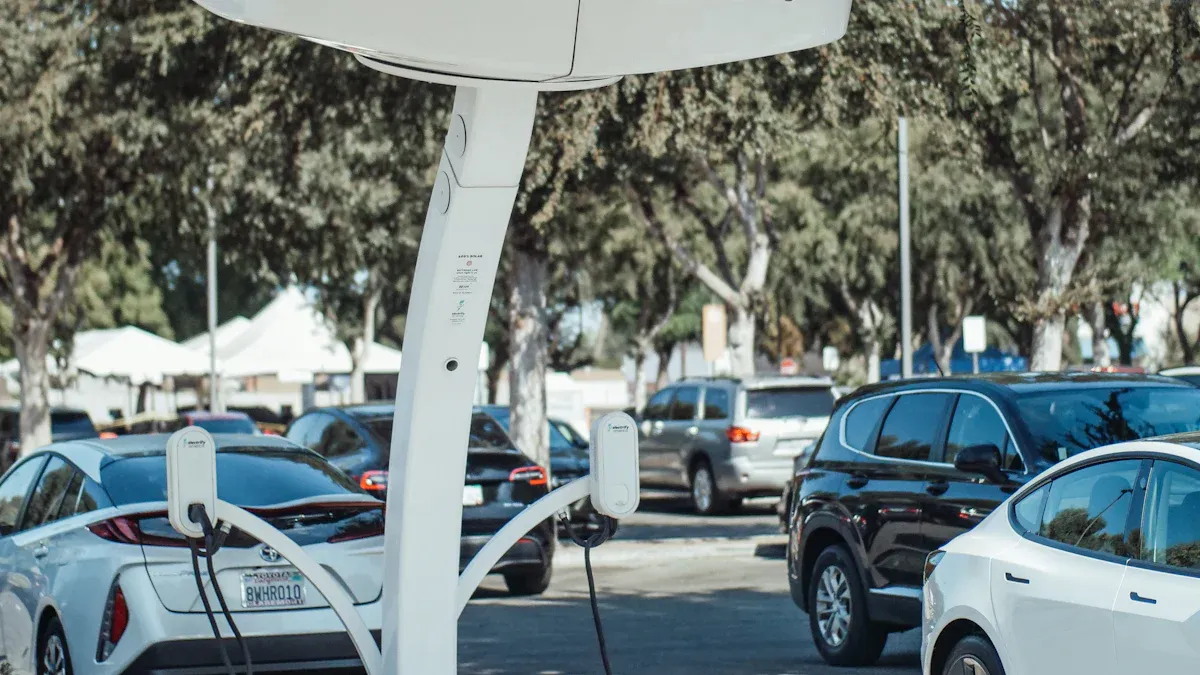
A successful commercial ev charging station begins with a thorough site assessment. This initial step evaluates both the location’s market potential and its technical readiness. Businesses must analyze these factors to build a solid foundation for their charging infrastructure investment. A rapid and detailed evaluation prevents costly future modifications.
Evaluate Your Location’s Potential
The physical location is a critical component of your charging infrastructure. A prime spot attracts more EV drivers and maximizes revenue. A rapid analysis of the site’s characteristics is essential.
Assess Parking Space Availability
Businesses should designate dedicated, clearly marked parking spaces for EV charging. Ideal spots are convenient and safe for users. Consider the space needed for the charger unit and for drivers to maneuver their vehicles easily.
Analyze Site Visibility and Accessibility
An EV charger must be easy to find and access. Locations visible from main roads attract transient EV drivers. Good lighting and clear signage for the charging station are crucial for 24/7 accessibility and user safety.
Study Local Traffic Patterns
Businesses can analyze daily traffic data near their property. High-traffic areas, such as major roads or popular intersections, offer a larger customer base. Understanding peak hours helps in planning for rapid charging demand.
Identify Proximity to Key Amenities
EV drivers appreciate locations with nearby amenities. Properties near restaurants, shopping centers, or offices provide value. Drivers can use their charging time productively, making the location more attractive.
Define Your Target EV Driver Profile
Businesses should identify their ideal customer.
- Long-Dwell Customers: Office workers or hotel guests may need slower, overnight charging.
- High-Turnover Customers: Retail shoppers or highway travelers require rapid charging solutions. This profile directly influences the type of charger and charging infrastructure needed.
Check Your Electrical Infrastructure
Existing electrical systems must support the new charging infrastructure. A professional evaluation is non-negotiable to ensure safety and compliance. This step defines the technical requirements for the project.
Kiat Ahli: Engage a qualified electrical engineer early in the process. They can provide an accurate assessment of your site’s electrical capacity and outline the necessary upgrades for your charging infrastructure. Technologically advanced providers like TPSON can also offer guidance on the power requirements for their specific charger models.
Conduct a Professional Electrical Load Assessment
An engineer will calculate the building’s current electrical usage. They will then determine if the system can handle the additional load from an EV charger. This assessment is vital for planning a safe installation.
Determine Main Distribution Board (MDB) Upgrade Needs
The assessment will reveal if the MDB needs an upgrade. An older or maxed-out panel may require a new, higher-capacity board to support the EV charging equipment. This is a common requirement for rapid charging installations.
Evaluate Existing Transformer Capacity
The site’s transformer must have sufficient capacity. If the new charging load exceeds the transformer’s limit, the business must coordinate with the utility provider (MEA/PEA) for a potential upgrade. This is a key step for any rapid charging project.
Understand Power Needs for AC vs. DC Charging
The power requirements differ significantly between charger types.
- AC Chargers (Level 2): These have lower power demands (e.g., 7kW to 22kW) and are suitable for many existing electrical systems.
- DC Rapid Chargers: These have very high power demands (50kW and above) and often require significant infrastructure upgrades, including a dedicated transformer for rapid charging. Understanding these charging requirements is essential for budgeting and planning.
Step 2: Hardware Selection and Sourcing for Your EV Charging Project
After assessing the site, the next critical phase is selecting the right hardware. The choice of charger and supplier directly impacts user experience, operational costs, and the long-term success of your commercial ev charging station. A strategic decision here ensures your investment is both effective today and prepared for tomorrow’s EV landscape.
Choose the Right Charger Type
The type of EV charger a business installs should match the location’s primary use case. The main distinction lies between slower AC charging and rapid DC charging. Each serves a different EV driver need and has different infrastructure requirements. Understanding these differences is key to providing the right service.
AC Chargers (Type 2) for Long-Dwell Locations
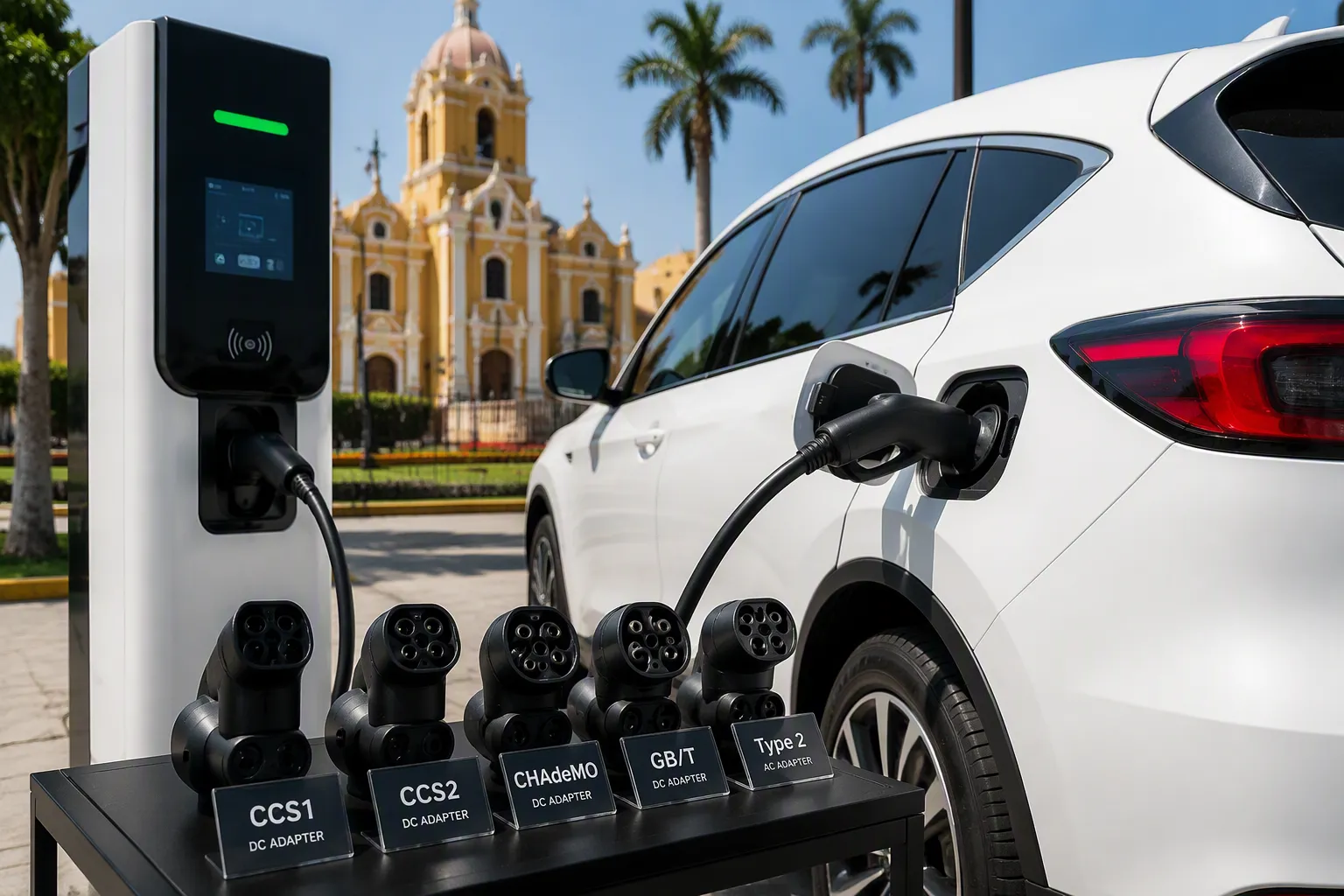
AC chargers are the standard for locations where an electric car will be parked for several hours. This makes them ideal for workplaces, hotels, and residential complexes. They provide a steady, slower charge that is perfect for overnight or all-day parking. The Type 2 connector is the standard for AC charging in Thailand. This electric car charger is a cost-effective entry point.
DC Fast Chargers (CCS2) for High-Turnover Sites
DC fast chargers deliver rapid charging for drivers needing a quick power boost. These units are essential for high-turnover locations like highway rest stops, retail centers, and public charging hubs. A rapid charging session can add significant range to an electric car in under an hour. The CCS2 connector is the prevailing standard for DC rapid charging in the region. This rapid charging capability attracts transient customers.
Key Considerations: Speed (kW), Ports, and Budget
Businesses must balance three factors: charging speeds, the number of ports, and the overall budget. Higher charging speeds (measured in kilowatts, kW) mean a more rapid charge but also higher costs. The number of ports determines how many EV drivers can charge simultaneously. A rapid charger offers the fastest charging speeds.
| Jenis Pengisi Daya | Best Suited For (Dwell Time) | Examples of Locations |
|---|---|---|
| Pengisi Daya AC | Longer dwell times (2+ hours) | Workplaces, hotels, shopping centers, fleet depots |
| Pengisi Daya Cepat DC | Quick turnaround times (under 1 hour) | Highways, transit hubs, rapid turnover retail |
Select a Reputable Supplier in Thailand
Partnering with a reliable supplier is crucial for a smooth project. A good partner provides certified hardware, robust support, and clear maintenance terms. This ensures the long-term reliability of your electric car charger.
Kiat Ahli: Technologically advanced providers like TPSON offer a range of EV charging solutions. They can guide businesses through selecting the ideal electric car charger and planning for a successful installation.
Research Local and International Brands
Businesses should investigate suppliers with a strong presence in Thailand. Established companies like Delta Electronics have a long history in the country’s electronics sector. Other international brands, such as chargeNET, are actively expanding their networks into the Thai market.
Verify Warranty and Technical Support Services
A strong warranty protects your investment. Businesses should look for clear terms covering parts and labor. For example, some suppliers offer a 3-year warranty on AC chargers and a 2-year warranty on rapid DC chargers, effective from the installation date. Prompt technical support is vital to minimize downtime.
Confirm Maintenance Agreement Options
Inquire about preventative maintenance plans. Regular servicing keeps the charger in optimal condition and prevents unexpected failures. A clear agreement outlines response times and costs for service calls, ensuring your EV charging station remains operational.
Ensure Hardware is TIS Certified and Compliant
All hardware must comply with Thai Industrial Standards (TIS). This certification ensures the charger meets national safety and quality requirements. Using non-compliant equipment can lead to fines and prevent you from getting utility approval.
Investasi Pengisian Daya Kendaraan Listrik Anda di Masa Depan
The EV industry is evolving rapidly. Selecting hardware with advanced capabilities ensures your station remains relevant and efficient for years to come. This involves planning for both software features and physical expansion.
The Importance of Smart Charging Features
Smart chargers offer advanced functionalities that optimize performance and reduce operational costs. Key features include:
- Manajemen Beban: This feature intelligently distributes power among multiple chargers. It prevents electrical overloads during peak usage without requiring expensive grid upgrades.
- Manajemen Jarak Jauh: Operators can monitor charger status, troubleshoot issues, and manage user access remotely through a central platform.
- Kepatuhan terhadap OCPP: Hardware that uses the Open Charge Point Protocol (OCPP) can communicate with various software platforms, preventing vendor lock-in.
Planning for Scalability and Future Expansion
As EV adoption grows, demand for charging will increase. Businesses should plan for easy expansion. This means choosing a scalable system and preparing the site for additional units. Installing conduits for future chargers during the initial civil works can save significant costs later. This foresight makes adding more rapid charging points simpler.
Step 3: Navigating Thai Regulations and Permits for EV Installation
Compliance with Thai regulations is a non-negotiable step in the EV charger installation process. Businesses must successfully navigate a framework of rules set by national bodies and local utilities. This ensures the entire charging system is safe, legal, and ready for public use. Proper planning at this stage prevents significant delays and legal issues.
Understand Key Regulatory Bodies
Two main entities establish the standards for EV charging infrastructure in Thailand. Understanding their roles is fundamental to a compliant project.
The Role of the Energy Regulatory Commission (ERC)
The Energy Regulatory Commission (ERC) governs Thailand’s energy sector. For commercial EV charging, the ERC sets the rules for operating as an electricity service provider. It defines the legal framework for businesses that sell electricity to EV drivers, ensuring fair practices and grid stability.
The Importance of Thai Industrial Standards (TIS)
Thai Industrial Standards (TIS) dictate the safety and quality requirements for hardware. Every EV charger sold and operated in the country must have TIS certification. This standard guarantees that the equipment has passed rigorous testing for electrical safety and performance, protecting both the property and the end-user.
Secure Approval from Utility Providers (MEA/PEA)
Before any physical work begins, businesses must obtain approval from the local electricity authority. This involves submitting a detailed technical application to prove the new charging load will not compromise the local grid.
Differentiating MEA vs. PEA Jurisdiction
Thailand’s electricity distribution is divided between two main authorities. Businesses must apply to the correct one based on their location.
| Penyedia Utilitas | Jurisdiction |
|---|---|
| MEA (Metropolitan Electricity Authority) | Bangkok, Nonthaburi, and Samut Prakan |
| PEA (Provincial Electricity Authority) | All other 74 provinces in Thailand |
Preparing Your Complete Application Packet
A complete and accurate application is crucial for timely approval. The packet typically includes business registration documents, property ownership proof, and the detailed technical plans outlined below.
Submitting the Detailed Site Plan
This architectural drawing shows the exact location of the EV charger, parking spaces, and cable routes. The utility uses this plan to assess physical accessibility and safety compliance for the charging station.
Providing the Electrical Single-Line Diagram
This is a critical technical blueprint of the electrical system. It illustrates how the EV charger connects to the building’s Main Distribution Board (MDB) and the grid. The diagram is especially important for a high-power rapid charger, as it details all safety components.
Including Charger Technical Specification Sheets
The application must include the official datasheets for the chosen EV charger model. These documents prove the charger is TIS-certified and provide the utility with essential data on its power requirements, particularly for a rapid charging unit.
The ERC License for Commercial Operation
Operating a public EV charging station as a business often requires a specific license from the ERC. This license formalizes the activity of selling electricity.
Catatan Penting: An ERC license is generally required if a business sells electricity for EV charging to the public. This applies to most commercial operations offering paid rapid charging services.
Determining When an ERC License is Required
A business needs a license if it sets a price per kilowatt-hour (kWh) and bills customers for energy consumed. This distinguishes a commercial service from a private or free amenity. The requirements for a rapid charging network are particularly stringent.
The Application Process for the ERC License
The process involves submitting a formal application to the ERC. This includes business details, a description of the charging service, and technical plans. Technologically advanced providers like TPSON can assist in preparing the necessary documentation for the charger. The application for a rapid charger must demonstrate robust safety and operational protocols to meet all ERC requirements for rapid public charging. A successful application for a rapid EV charging station solidifies its commercial viability.
Step 4: Professional Installation and Grid Connection
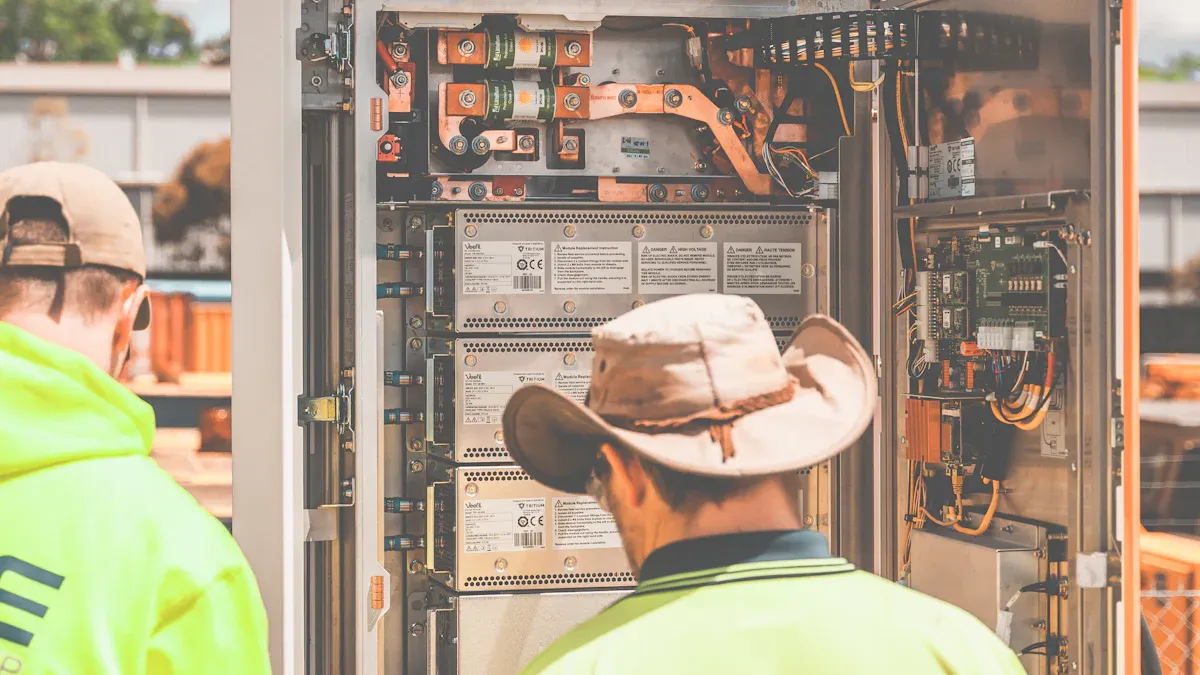
With regulatory approvals in hand, the project moves to the physical installation phase. This step transforms plans into a functional EV charging station. Success depends on expert execution, strict adherence to safety codes, and seamless coordination with utility providers. A professional installation ensures the long-term safety and reliability of the charging infrastructure.
Hire a Certified Electrical Contractor
Selecting the right contractor is the most critical decision in this phase. A qualified partner guarantees that the installation meets all technical and legal standards.
Vetting Contractors for EV Charger Experience
Businesses should seek electrical contractors with proven experience in EV charger installation. They must understand the specific requirements for both AC and high-power DC rapid charging systems. A contractor familiar with products from technologically advanced providers like TPSON can streamline the process.
Ensuring Compliance with MEA/PEA Safety Codes
The chosen contractor must be certified and deeply familiar with the safety codes of the Metropolitan Electricity Authority (MEA) or Provincial Electricity Authority (PEA). This compliance is non-negotiable for passing the final inspection and ensuring a safe charging environment for every EV.
Defining the Scope of Work: Cabling and Trenching
A clear scope of work prevents misunderstandings. The contract should detail all tasks, including cable routing, trenching for underground wiring, and the connection to the main electrical panel. This is especially important for a rapid charger installation, which involves heavy-gauge cabling.
Installing Essential Safety Equipment
The contractor is responsible for installing critical safety devices. This includes circuit breakers, residual-current devices (RCDs), and surge protection. These components protect the EV charger, the vehicle, and the building’s electrical system from faults. A rapid charging setup requires robust safety measures.
Managing the Physical Installation Process
The physical installation involves civil works and precise electrical connections. Proper management ensures the project stays on schedule and meets quality standards.
Site Preparation and Required Civil Works
Before the charger is mounted, the site must be prepared. This often involves significant civil works to support the new EV infrastructure. Key activities include:
- Pouring concrete bases or structural foundations for the charging units.
- Excavation and trenching for underground cable ducting.
- Installing drainage systems to manage water runoff around the charging area.
- Restoring the ground surface through paving or resurfacing after the installation.
Mounting the EV Charging Unit
Once the foundation is ready, the contractor will mount the EV charger. Whether it is a wall-mounted unit or a freestanding pedestal for rapid charging, it must be installed securely according to the manufacturer’s specifications. This step makes the EV charging station visible.
Electrical Wiring and Conduit Installation
The contractor runs electrical wiring from the main distribution board to the EV charger. All wiring must be housed in appropriate conduit to protect it from physical damage and environmental factors. This is a vital part of the rapid charging installation.
Coordinate Final Inspection and Connection
The final step is getting the system officially approved and connected to the grid. This requires close coordination with the local utility.
Kiat Ahli: Maintain open communication with your MEA/PEA case officer throughout the installation. Providing them with progress updates can help schedule the final inspection more efficiently, especially for a complex rapid charging project.
Scheduling the Official MEA/PEA Site Inspection
After the installation is complete, the business must schedule an official site inspection with the MEA or PEA. An inspector will visit the site to verify that the entire installation complies with the approved plans and all safety regulations for EV charging.
The Grid Connection Approval Process
During the inspection, the utility officer will review the wiring, safety equipment, and the charger itself. They will confirm that the rapid charging system is correctly integrated. Passing this inspection is the final hurdle before the system can be energized.
Receiving Your Certificate of Inspection
Upon successful inspection, the utility issues a Certificate of Inspection. This document formally authorizes the grid connection. With this certificate, the business can officially power on its new rapid EV charging station and prepare for public launch.
Step 5: System Commissioning and Launching Your Public EV Infrastructure
After the physical installation, the final step is to bring your commercial ev charging station to life. This phase involves configuring the software, enabling payments, and marketing your new service. A successful launch transforms your hardware into a valuable and profitable piece of public ev infrastructure.
Set Up Your Charging Management Software (CMS)
The Charging Management Software (CMS) is the central nervous system of your charging infrastructure. It allows for complete remote control and optimization of your new asset.
Configuring Your Backend Management Platform
Operators first configure the backend platform. This dashboard provides real-time data on charger status, energy consumption, and user sessions. Technologically advanced providers like TPSON offer intuitive platforms that simplify the management of the entire charging infrastructure, including rapid chargers.
Setting Tariffs and Dynamic Pricing Models
The CMS is where businesses set their pricing. Operators can establish a standard rate per kilowatt-hour (kWh). They can also implement dynamic pricing models to maximize revenue. For example, offering lower rates during off-peak hours can attract more EV drivers to the rapid charging service.
Managing User Access and RFID Control
The software controls who can use the charger. Businesses can offer public access or restrict it to specific groups. Setting up RFID card systems for members creates a loyal customer base and provides predictable income, a key strategy for a successful public ev infrastructure.
Integrate Diverse Payment Solutions
A seamless payment experience is crucial for customer satisfaction. Offering multiple payment options caters to the preferences of all EV drivers using your public ev infrastructure.
Kiat Pro: In Thailand, QR code payments are extremely popular. Prioritizing this integration ensures your charging station is accessible to the widest possible audience from day one.
Enabling QR Code Payments via Mobile Apps
Most EV drivers in Thailand prefer the convenience of mobile app payments. Integrating a QR code system allows for quick and easy transactions directly from a smartphone.
Integrating Credit/Debit Card Terminals
For high-turnover locations with rapid charging, an integrated credit card terminal provides a familiar and reliable payment option for transient customers and tourists.
Setting Up RFID Card Systems for Members
As configured in the CMS, RFID cards offer a tap-and-go experience for registered members. This method is ideal for building loyalty programs for your public ev infrastructure.
Connecting to Popular E-Wallet Services
Connecting to popular e-wallets adds another layer of convenience. This makes the rapid charging process faster and more user-friendly for a tech-savvy EV audience.
Launch and Market Your New Charging Station
With the system commissioned, it is time to announce your new service. Effective marketing ensures your charging infrastructure gets noticed and used.
Performing Final System and Payment Tests
Before the public launch, operators must conduct thorough tests. This includes initiating a rapid charging session, testing every payment method, and confirming the data appears correctly in the CMS.
Listing Your Station on EV Charging Maps
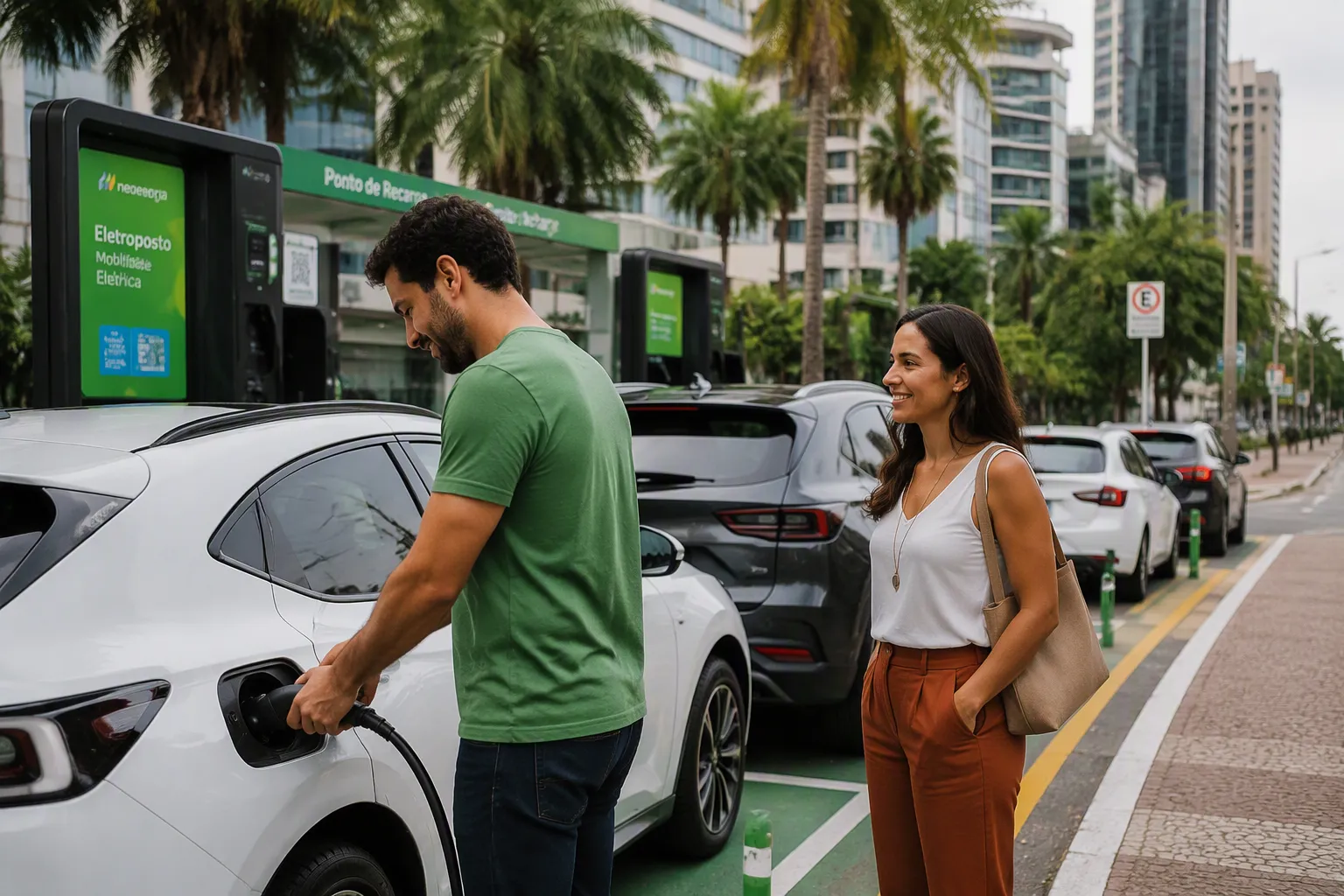
To attract drivers, businesses must list their new station on popular EV charging maps like PlugShare. This makes your public ev infrastructure visible to any EV driver searching for a rapid charging location nearby.
Announcing Your New Service to the Public
Businesses should leverage digital marketing to create a buzz.
- Utilize social media platforms to announce the new rapid charging service.
- Form strategic partnerships with nearby cafes or retailers to offer discounts to charging customers.
- Jalankan kampanye email untuk menginformasikan bisnis lokal dan penduduk tentang fasilitas pengisian cepat baru.
Merancang Signage dan Promosi di Lokasi
Signage di lokasi yang jelas sangat penting untuk mengarahkan pengemudi kendaraan listrik ke tempat pengisian daya. Untuk mendorong kunjungan awal, bisnis dapat menawarkan promosi terbatas waktu, seperti akhir pekan pengisian cepat gratis atau diskon untuk penggunaan pertama kali.
Panduan ini merinci lima langkah untuk instalasi stasiun pengisian kendaraan listrik komersial yang sukses. Bisnis dapat dengan percaya diri menjalani penilaian lokasi, pemilihan perangkat keras, peraturan, instalasi, dan komisioning. Jumlah kendaraan listrik yang terus bertambah membuat ini menjadi investasi strategis. Ini memberikan layanan berharga bagi setiap pemilik mobil listrik. Pemerintah Thailand mendukung transisi EV ini untuk mobil listrik.
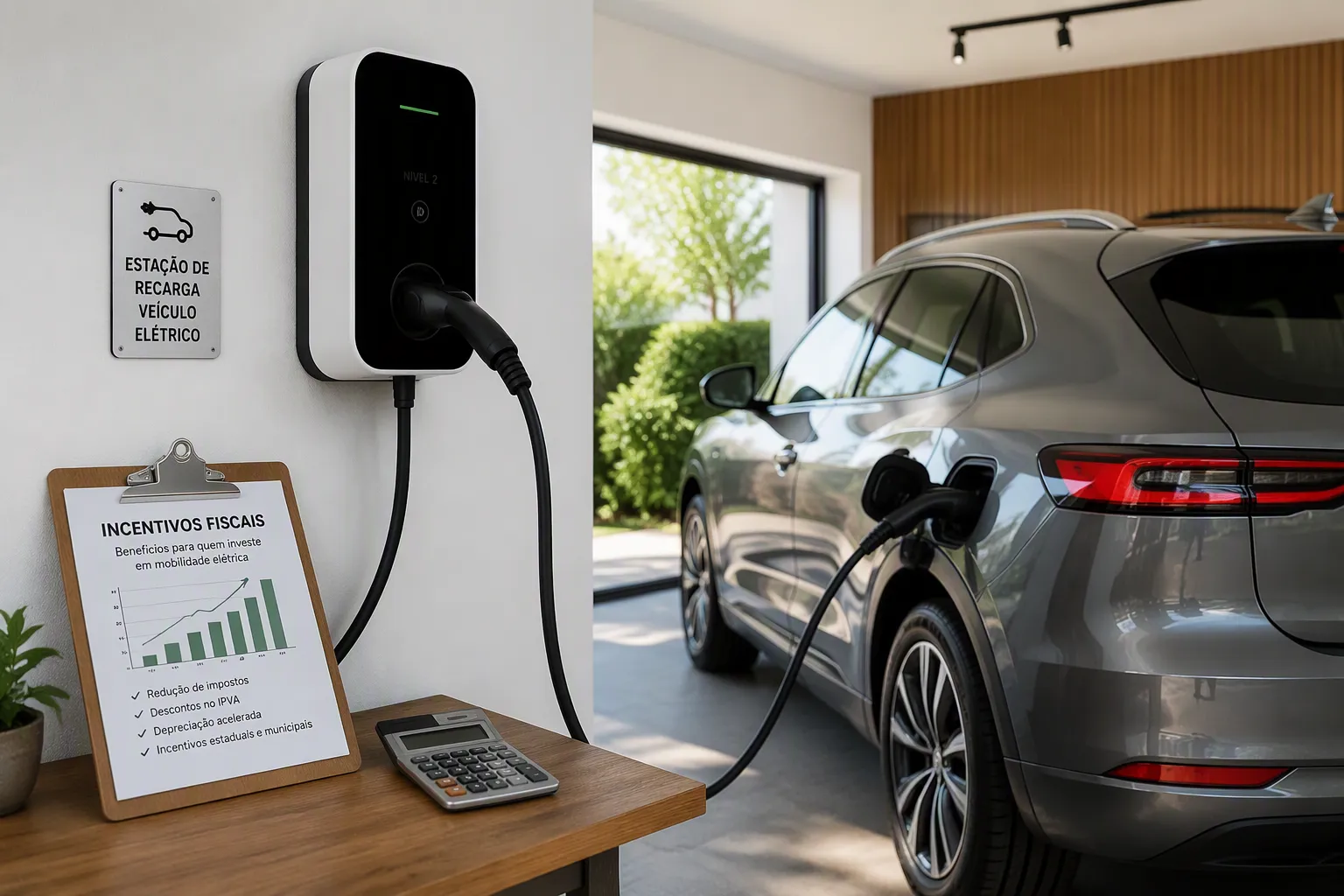
Insentif Pemerintah untuk Pengisian Kendaraan Listrik:
- Bisnis dapat menerima manfaat pajak tiga hingga lima tahun.
- Investor tidak lagi dilarang menerima manfaat lainnya.
- Operator hanya perlu mengikuti aturan keselamatan dan memiliki rencana untuk Sistem Pengisian Kendaraan Listrik Cerdas (EV Smart Charging System).
Dimulai dengan penilaian lokasi dan berkonsultasi dengan ahli, seperti penyedia EV berteknologi maju TPSON, memastikan peluncuran yang sukses untuk proyek pengisian mobil listrik Anda.
PERTANYAAN YANG SERING DIAJUKAN
Berapa lama proses instalasi keseluruhan berlangsung?
Waktu yang dibutuhkan bervariasi berdasarkan kompleksitas proyek. Instalasi pengisi daya AC sederhana mungkin membutuhkan beberapa minggu. Proyek pengisian cepat DC yang memerlukan peningkatan kelistrikan signifikan dan koordinasi dengan utilitas dapat memakan waktu beberapa bulan dari penilaian hingga penyambungan akhir ke jaringan.
Apa saja biaya utama untuk pengisi daya kendaraan listrik komersial?
Bisnis harus menganggarkan beberapa pengeluaran utama:
- Perangkat keras pengisi daya kendaraan listrik itu sendiri.
- Instalasi profesional dan pekerjaan sipil.
- Biaya untuk peningkatan kelistrikan (MDB, transformator).
- Biaya perizinan dan lisensi.
- Biaya perangkat lunak dan pemeliharaan berkelanjutan.
Apakah saya perlu lisensi ERC untuk stasiun pengisian gratis?
Lisensi ERC biasanya diperlukan ketika bisnis menjual listrik kepada publik. Jika layanan pengisian daya ditawarkan secara gratis sebagai fasilitas untuk pelanggan atau karyawan, lisensi umumnya tidak diperlukan. Operator harus mengonfirmasi peraturan terbaru.
Bagaimana saya tahu apakah properti saya berada di bawah MEA atau PEA?
Yurisdiksi tergantung pada lokasi Anda. Metropolitan Electricity Authority (MEA) mencakup Bangkok, Nonthaburi, dan Samut Prakan. Provincial Electricity Authority (PEA) mengelola jaringan listrik untuk 74 provinsi lainnya di seluruh Thailand.
Bisakah bisnis memasang pengisi daya kendaraan listrik sendiri?
Tidak. Kontraktor listrik bersertifikat yang berpengalaman dalam instalasi pengisi daya kendaraan listrik harus melakukan pekerjaan tersebut. Ini memastikan kepatuhan terhadap kode keselamatan MEA/PEA dan merupakan persyaratan untuk lulus inspeksi akhir wajib. Instalasi sendiri tidak aman dan ilegal.
Apa itu OCPP dan mengapa penting untuk pengisi daya saya?
OCPP (Open Charge Point Protocol) adalah standar komunikasi universal. Memilih pengisi daya yang sesuai dengan OCPP memungkinkan operator untuk beralih di antara berbagai platform manajemen perangkat lunak. Ini mencegah ketergantungan pada vendor tertentu dan memberikan fleksibilitas operasional yang lebih besar untuk infrastruktur pengisian daya.
Bagaimana penyedia dapat membantu dalam proses ini?
Penyedia berteknologi maju seperti TPSON dapat menawarkan dukungan komprehensif. Mereka membantu dalam pemilihan perangkat keras, menyediakan dokumen teknis yang diperlukan untuk aplikasi perizinan, dan memandu bisnis melalui kompleksitas meluncurkan layanan pengisian kendaraan listrik umum yang sukses.