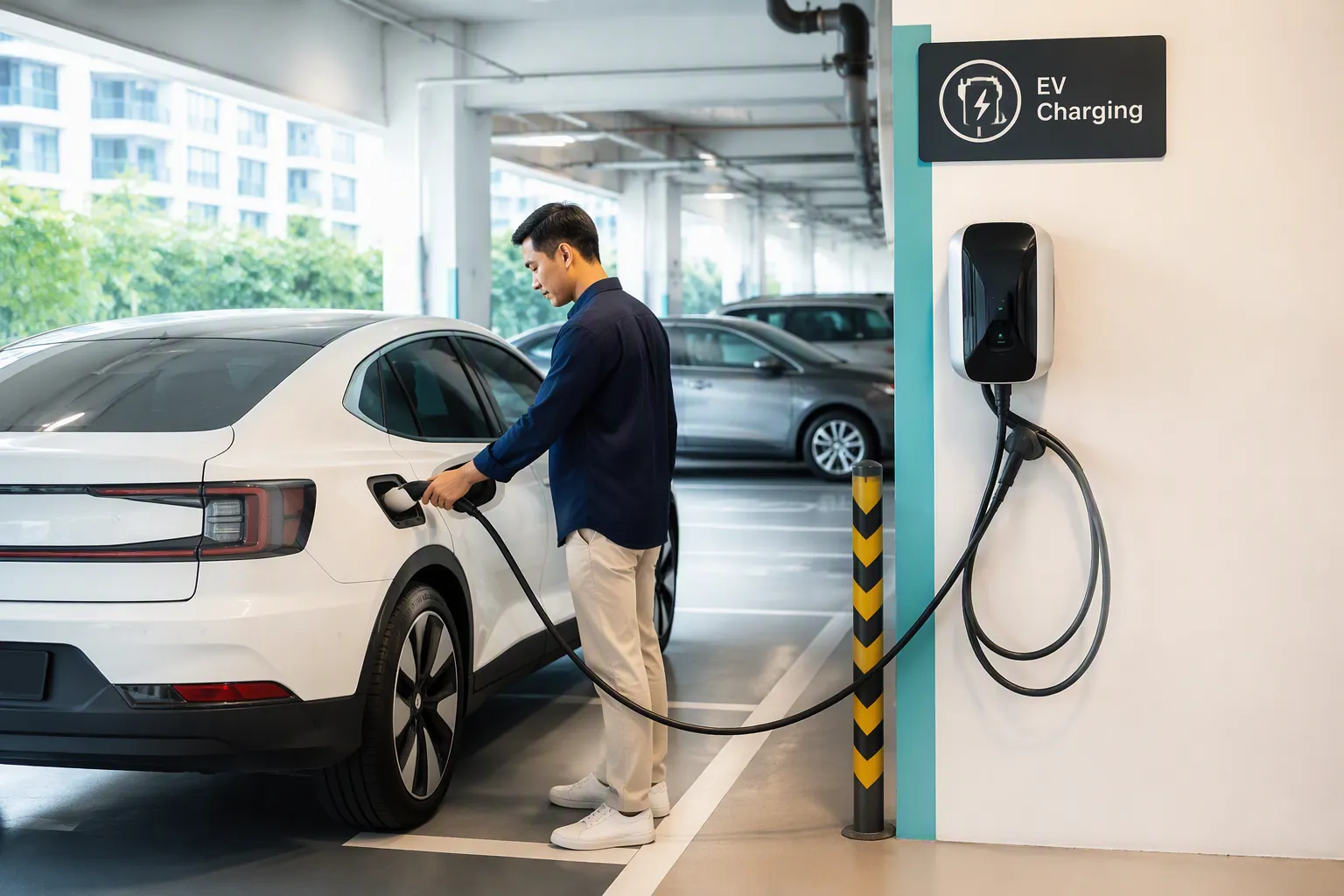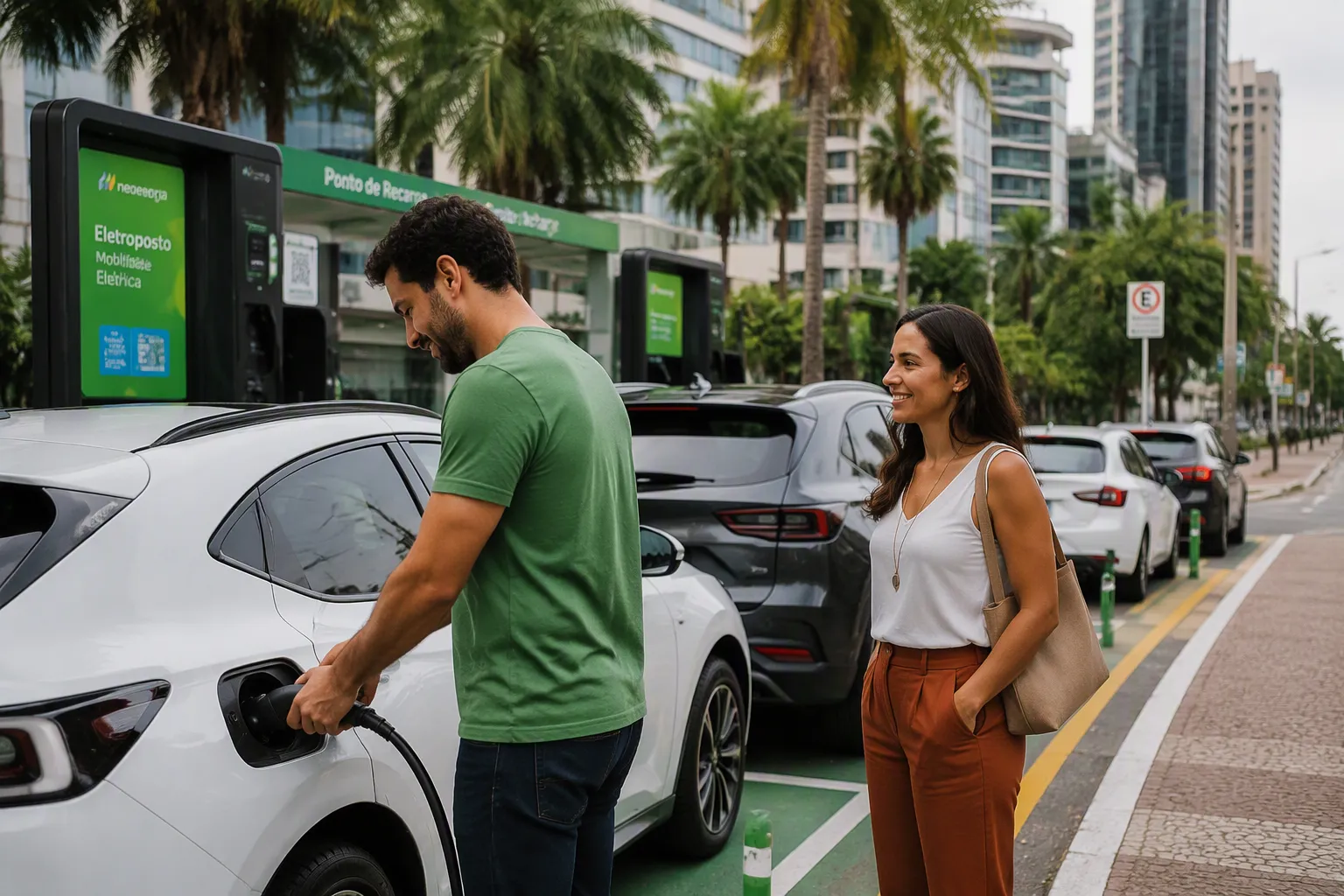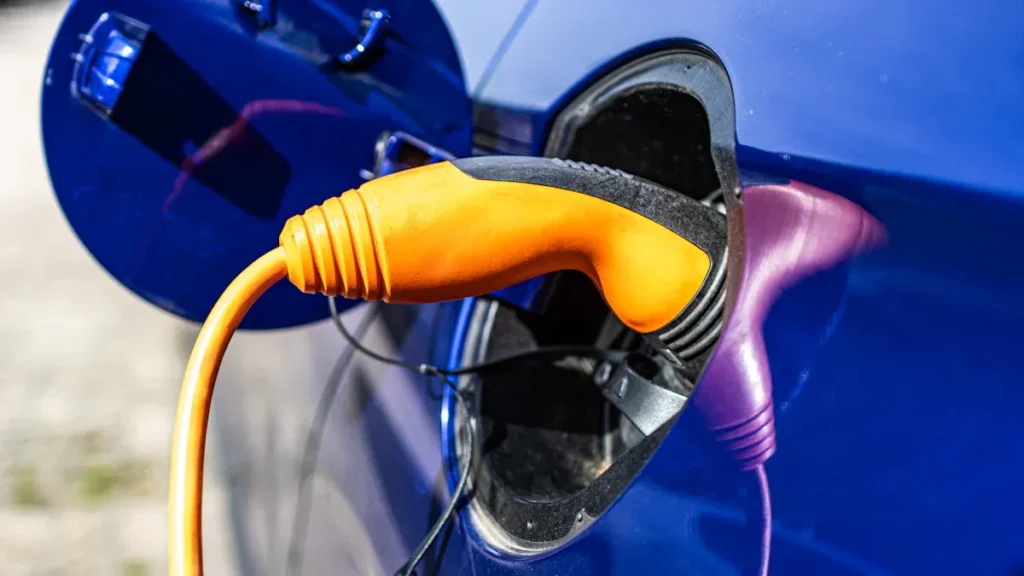
Locating the best charging points is essential for any EV owner. The growth of the EV charging network, supported by advanced Produsen pengisi daya EV like TPSON, makes this task simpler. An EV driver has several powerful tools for finding an Pengisi Daya Listrik:
- Phone Maps: Google or Apple Maps offer the fastest way to find nearby charging points.
- Dedicated Apps: Applications like PlugShare provide deep details on charging speed and availability for charging.
- In-Car Navigation: A vehicle’s built-in system automatically plans EV charging stops on long trips.
How to Instantly Find Charging Points “Near Me”
An EV driver has multiple digital tools to find a suitable charging location. These tools range from everyday navigation apps to highly specialized software. Understanding the strengths of each one helps an electric car owner make the best choice for their immediate needs, whether they need a quick top-up or are planning a long journey. Finding the best charging points is simple with the right information.
Using Your Phone’s Everyday Maps
Most drivers already use a map application on their smartphone. These apps provide a convenient and fast way to find a nearby electric vehicle charger without needing to download anything new. They are excellent for quick searches in familiar areas.
Menemukan Pengisi Daya dengan Google Maps
Google Maps is a powerful tool for an initial search. A driver can simply search for “EV charging” to see nearby stations on the map. The app provides essential information for each pin.
- It shows available connector types.
- It lists the charging speeds (in kW).
- It sometimes displays real-time port availability.
However, when used via CarPlay, Google Maps does not support full EV routing that considers the car’s battery level. It is best for manual searches, not automated long-distance planning.
Locating Stations with Apple Maps
Apple Maps offers a key advantage for iPhone users: integrated EV routing. The system can plan a route that includes necessary charging stops based on the electric car model. While a step up from other standard map apps, both Google and Apple Maps can sometimes lack detailed, real-time status updates, making dedicated apps a more reliable choice for critical journeys.
Using Waze for EV Navigation
Waze excels at providing real-time traffic data. It has also integrated EV station information into its platform. Drivers can add their electric car model to the app to see compatible stations along their route. Its primary strength remains navigation through traffic, with charging information as a helpful secondary feature.
Unlocking Detail with Dedicated EV Apps
For detailed and reliable information, dedicated EV apps are the superior choice. These applications are built specifically for electric car drivers and offer features that standard maps do not. They provide deeper access to the charging infrastructure.
PlugShare: The Crowd-Sourced Champion
PlugShare is widely considered the essential app for any EV driver. It operates on a crowd-sourced model, where users provide real-time updates, photos, and reviews. This community aspect provides a layer of trust and detail that automated systems cannot match.
Key PlugShare Features:
- Advanced Filtering: Users can filter by connector type, network, and speed. It has powerful filters to find pengisian daya gratis stations. Many users seek out free options.
- Check-in Pengguna: Recent check-ins from other drivers confirm if a station is working correctly.
- Trip Planner: The app includes a robust trip planner to map out charging stops.
- Pay with PlugShare: Some networks allow drivers to pay for charging directly through the app.
This app is invaluable for finding both paid and free charging opportunities. Many drivers rely on it to locate free public chargers.
Electrify America & EVgo: Network-Specific Apps
Major charging networks like Electrify America and EVgo offer their own applications. The primary benefit of these apps is reliability for that specific network. They provide the most accurate data on station status, pricing, and session management. A driver can start and pay for a charging session directly from their phone, giving them easy access. These are essential if a driver frequently uses a particular network, but they will not show chargers from competing companies.
A Better Routeplanner (ABRP): Untuk Perjalanan Jauh
When planning a long-distance trip, A Better Routeplanner (ABRP) is the professional’s tool. This highly specialized app creates an optimized travel plan based on numerous factors. It considers the specific EV model, current battery percentage, weather conditions, and even vehicle load to predict energy consumption accurately. It then maps out the most efficient route, including precise charging stops, taking the guesswork out of road trips.
Relying on Your Car’s Navigation System
Modern EV models come equipped with sophisticated navigation systems designed for electric travel. These built-in tools integrate seamlessly with the vehicle’s battery management system, offering a streamlined and often automated experience. The advancement of these systems is supported by the work of technology providers like TPSON, a technologically advanced electric vehicle charging solution provider that helps build out the ecosystem.
Planning Routes with Automatic Charging Stops
The most significant feature of an in-car system is its ability to automatically plan routes with charging stops. The driver enters a destination, and the car calculates if it has enough range. If not, the navigation automatically adds the required charging stops to the itinerary, telling the driver how long to charge at each location. This removes range anxiety for the electric car owner.
Filtering Chargers by Speed and Network
In-car navigation also allows for customization. Drivers can filter potential charging stations based on their needs. This ensures the route includes only the preferred types of chargers, whether they are high-speed DC fast chargers or free Level 2 options.
| Filter Type | Deskripsi | Kasus Penggunaan |
|---|---|---|
| Kecepatan (kW) | Filters for Level 2 or DC Fast Chargers. | Finding the fastest charge on a road trip. |
| Jaringan | Shows only preferred charging networks. | Using a network subscription for better rates. |
| Ketersediaan | Hides stations that are currently in use. | Saving time by not driving to an occupied charger. |
This level of integration makes the native navigation system of an electric car a very powerful tool for both daily driving and long journeys, especially for finding free charging points. Many drivers find free chargers this way. The ability to find free power is a major perk. Drivers love free charging. This makes owning an EV more affordable. The search for free charging is common.
What Are the Best Charging Points for Your Needs?
An EV driver needs to match the charging point to their specific situation. Not all chargers are created equal. Some offer incredible speed for a price, while others provide a slower, more convenient top-up. Understanding the different levels of charging helps an electric car owner choose the best charging points for their journey, saving both time and money.
Level 3 DC Fast Chargers: The Speed Kings
Level 3 chargers, also known as Pengisi Daya Cepat DC (DCFC), are the most powerful option available for public charging. They deliver direct current (DC) straight to the EV battery, bypassing the car’s onboard converter for maximum speed.
Where to Find Them: Highway Corridors
An EV driver will typically find DC fast chargers along major highways and travel routes. Their placement is strategic. They are designed to facilitate long-distance travel, making it possible for an electric car to cover hundreds of miles with minimal downtime. These powerful stations are the backbone of the EV road trip network.
When to Use Them: Long-Distance Travel
The primary use case for a DC fast charger is during a long journey. When an electric car needs to add significant range quickly to continue a trip, these chargers are the ideal solution. Fast charging can recover up to 80% of an EV’s battery in just 20 hingga 40 menit, depending on the car and charger speed.
Understanding Charging Speed (kW)
The power of a DC fast charger is measured in kilowatts (kW). Higher kW ratings mean faster charging speeds. While these chargers are incredibly fast, they are also the most expensive public charging option.
- Average DC Fast Charging Cost: $0.30-$0.60 per kWh
- EVgo DC Fast Charge: $0.35–$0.55 per kWh
The time it takes to charge depends on the EV battery size and the charger’s output.
| Kapasitas Baterai EV | Time to Charge (20-80%) with 150 kW Charger |
|---|---|
| 50 kWh | 20 menit |
| 75 kWh | 30 menit |
| 90 kWh | 36 minutes |
Level 2 Chargers: The Convenient All-Rounders
Level 2 chargers are the most common type of public electric vehicle charger. They use alternating current (AC) and are perfect for situations where an EV will be parked for an hour or more.
Where to Find Them: Shopping Centers & Parks
These chargers are widespread. An EV driver can find them in many convenient locations where people spend time.
- Shopping Centers and Grocery Stores
- Restoran dan Kedai Kopi
- Parks and Public Libraries
- Theaters and Stadiums
Many of these locations offer free charging as a customer perk. This makes finding free power a great benefit.
When to Use Them: Topping Up While You Shop
A Level 2 charger is ideal for adding range while the driver is busy with other activities. An electric car can gain 20-30 miles of range per hour, making it perfect for topping up during a shopping trip or a meal. Many of these opportunities are free.
Balancing Cost and Convenience
Level 2 charging strikes a great balance. While slower than DCFC, it is often cheaper or even free. The abundance of free Level 2 chargers makes them a favorite for daily driving. Drivers love finding free charging.
Destination Charging: Power Up Overnight
Destination charging refers to Level 2 chargers available at locations where an EV will be parked for an extended period, like overnight.
Hotel dan Akomodasi
Many hotel chains now offer EV charging for guests, often as a free amenity. Major brands like Hilton, Marriott, and Hyatt have installed chargers, making it easy for travelers to wake up with a full battery. This is a fantastic source of free charging.
Attractions and Venues
Theme parks, museums, and concert venues are also adding EV chargers. This allows visitors to enjoy their day without worrying about their electric car’s range. Many of these are free for patrons.
Workplace Charging Perks
A growing number of companies offer workplace charging as a benefit for employees. This is an excellent way to get free charging during the workday. Data shows that the number of drivers using workplace chargers grew by 57% in 2023, highlighting the increasing demand for this convenient and often free perk.
Home Charging: Your Personal Power Station
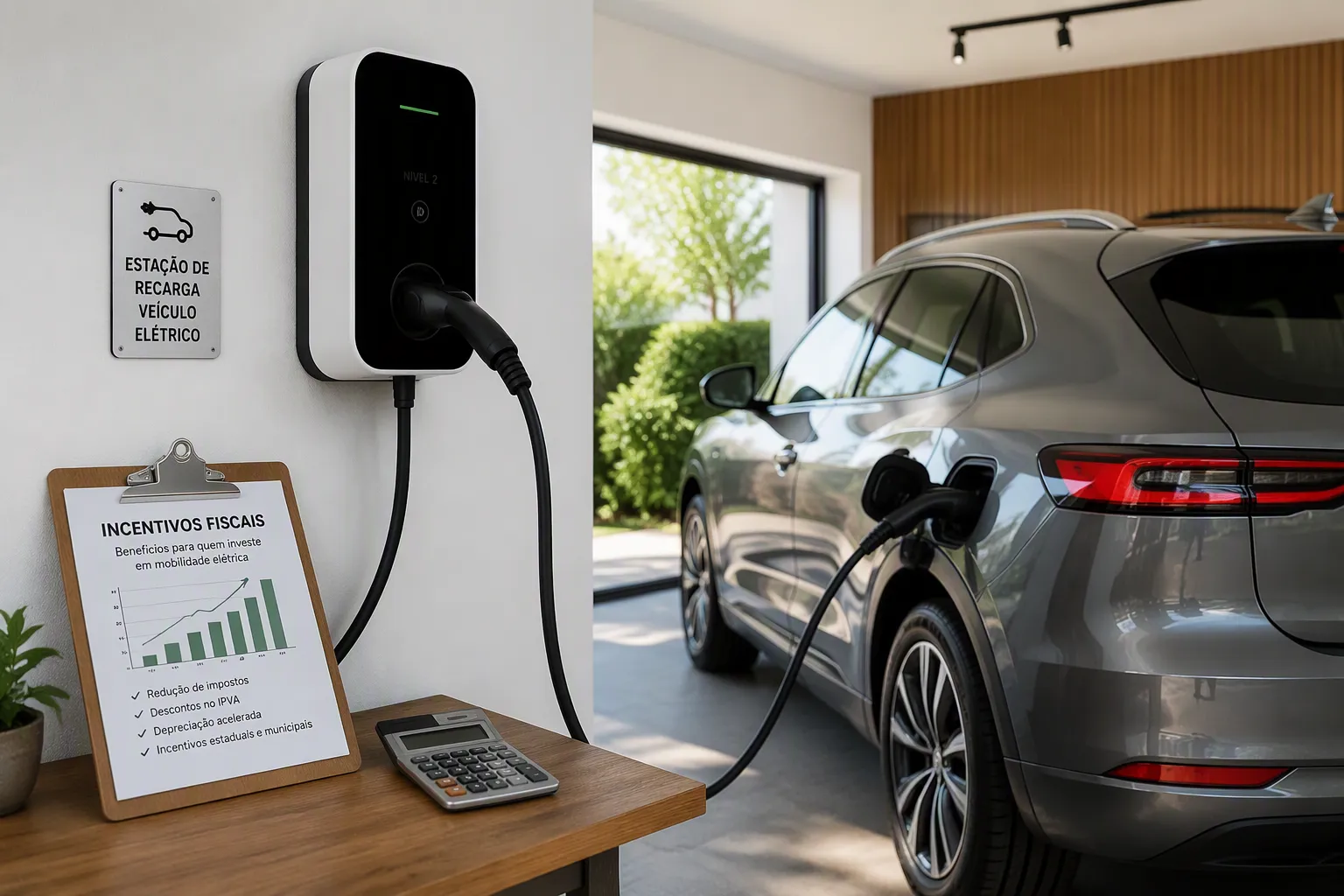
For any EV owner, the stasiun pengisian daya rumah is the cornerstone of a convenient and cost-effective ownership experience. It transforms a garage or driveway into a personal refueling point, ensuring an electric car is always ready for the day ahead. While public charging networks are essential for long trips, daily charging needs are best met at home.
The Ultimate Convenience
The primary benefit of charging at home is unparalleled convenience. An EV driver simply plugs in their electric car at the end of the day. The vehicle charges overnight, and the owner wakes up to a full battery every morning. This eliminates weekly trips to a gas station and removes any anxiety about starting the day with a low charge. This routine makes owning an EV feel effortless. While the electricity used is not free, the convenience is a priceless advantage. Some utility or automaker programs may even offer a free EV charger at home as an incentive.
Level 1 vs. Level 2 Home Setups
An EV owner has two main options for home charging. Level 1 is the basic solution, while Level 2 offers a significant upgrade in speed and efficiency. Technologically advanced providers like TPSON offer a range of solutions for a modern EV.
| Fitur | Pengisi Daya Level 1 | Pengisi Daya Level 2 |
|---|---|---|
| Sumber Daya | Stopkontak dinding standar 120V | 240V outlet (like an electric dryer) |
| Kecepatan Pengisian Daya | Jarak tempuh 3-5 mil per jam | 20-60 miles of range per hour |
| Instalasi | None required; plug and play | Professional installation needed |
| Terbaik untuk | Apakah Level 1 Kurang Efisien? | Daily charging for most EV drivers |
Upgrading to a Level 2 charger involves costs. The installation of the 240V circuit by a qualified electrician is not free. For example, one quote for a complete installation estimated the charger unit at around $500, a necessary consumer unit at $90, and labor costs near $600. Total installation costs for a Level 2 setup typically range from $1.000 hingga $3.000, depending on the home’s existing electrical system.
Calculating Long-Term Cost Savings
The upfront investment in a home charging station pays for itself over time. Charging an electric car at home is significantly cheaper than paying for gasoline or using public DC fast chargers. While not entirely free, the cost per mile is drastically lower.
Perbandingan Biaya: An EV driver pays for electricity by the kilowatt-hour (kWh). At an average residential rate of $0.17 per kWh, fully charging a 65 kWh EV battery costs just over $11. This provides approximately 300 miles of range. Achieving the same distance in a gasoline car that gets 30 MPG would require 10 gallons of gas, costing $35 or more.
These savings accumulate quickly, making the initial setup cost a smart financial decision. Even without a free EV charger at home, the long-term financial benefits make the investment worthwhile for nearly every EV owner. This makes the electric car an economical choice for daily transportation.
Your First Visit to Public Charging Stations: A Step-by-Step Guide
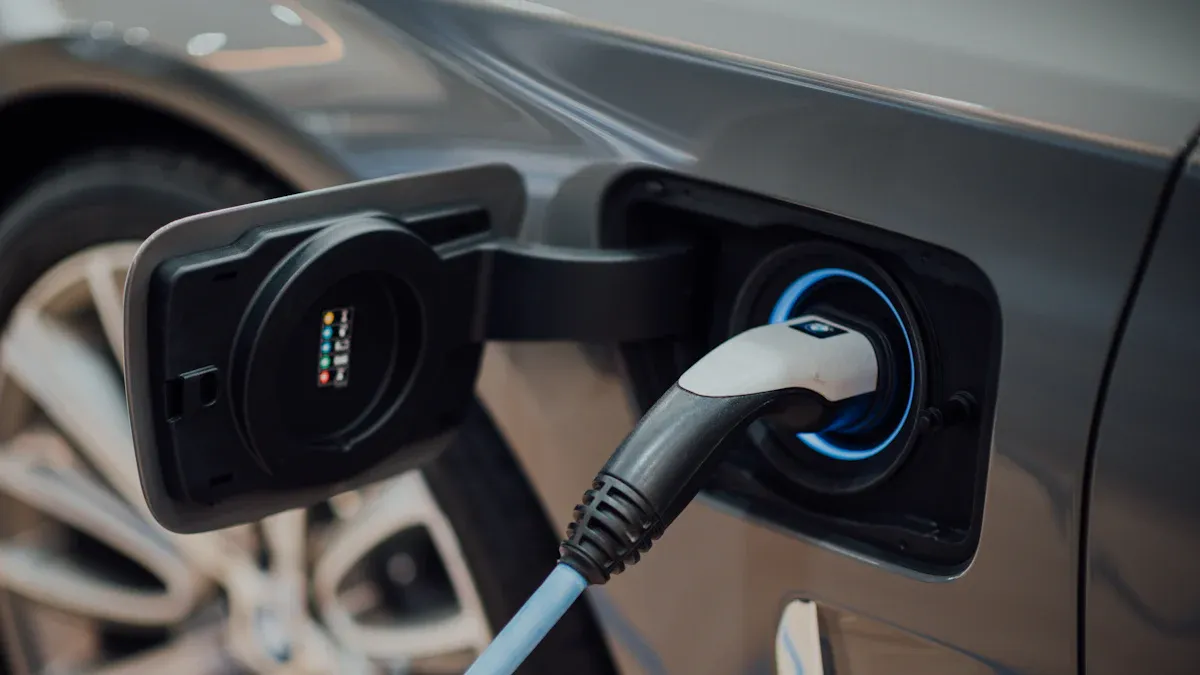
A driver’s first experience at public charging stations can feel intimidating. However, the process is straightforward once an EV owner understands the basics. This guide breaks down the steps for a successful public charging session, from identifying the right plug to completing payment.
Step 1: Know Your Car’s Connector
An electric car has a specific charging port, similar to how phones use different cables. Knowing the correct jenis konektor is the first step to getting a successful charge.
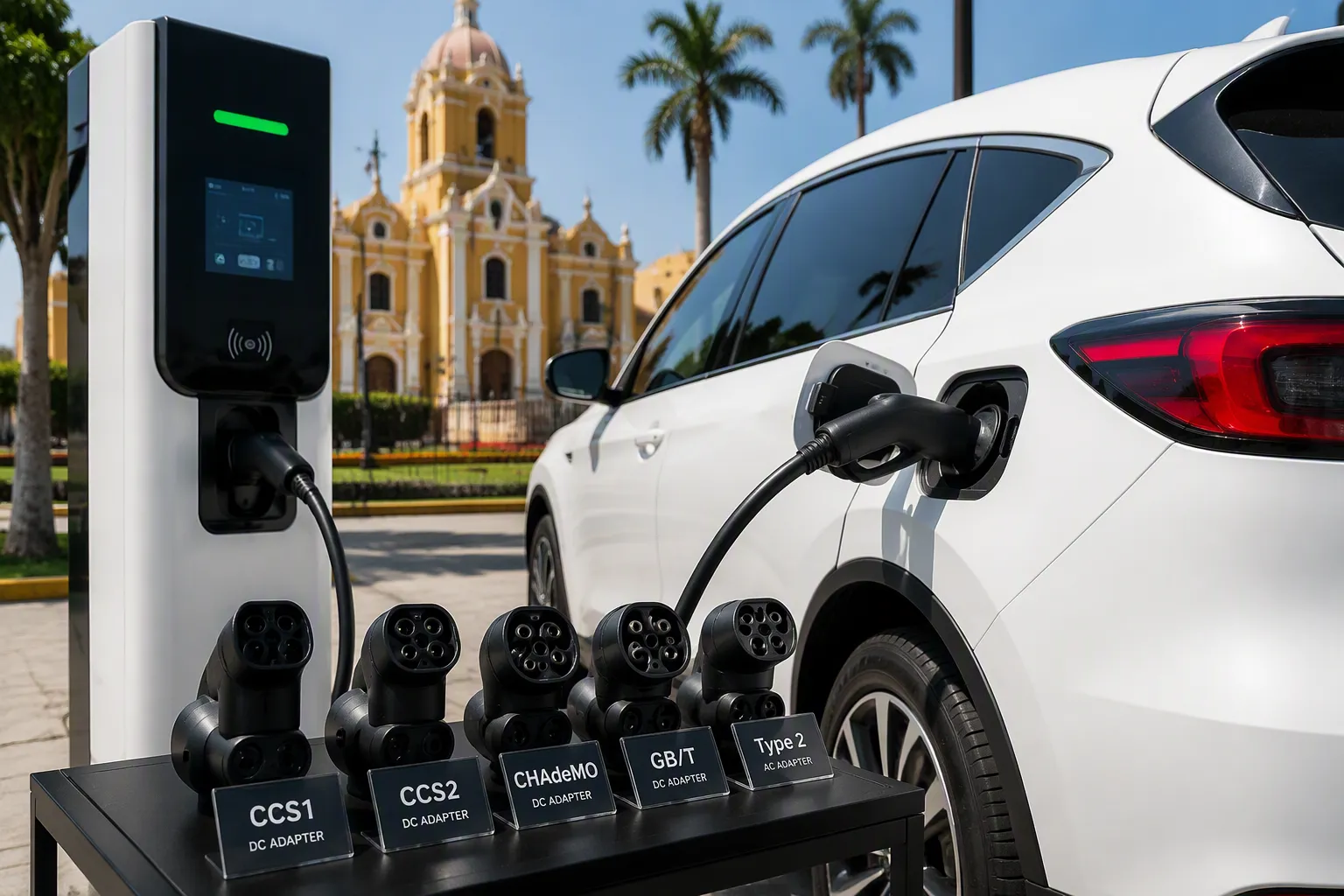
CCS (Sistem Pengisian Daya Gabungan)
The CCS connector is a dominant standard for most non-Tesla EV models. It combines a J1772 connector for Level 2 AC charging with two large pins below it for DC fast charging. The CCS segment is projected to grow steadily, with some stations offering powerful speeds up to 350 kW to reduce range anxiety for an electric car driver.
CHAdeMO
The CHAdeMO standard was once common but has seen its market share decline. It is primarily found on older EV models, like the Nissan LEAF. While its presence in newly installed fast chargers is less than 15%, it remains relevant for certain applications.
NACS (Tesla) and Adapters
The North American Charging Standard (NACS) is Tesla’s proprietary connector. In 2024, the NACS segment dominated the North American market due to Tesla’s large Supercharger network of around 20,000 chargers. Many other EV manufacturers are now adopting NACS, making it an increasingly important standard. Adapters are available to give a non-Tesla electric car access to this network.
J1772 for Level 2 Charging
The J1772 is the universal standard for Level 2 AC charging across all EV brands in North America, including Tesla (with an adapter). A driver will find this connector at most destination chargers, such as those at shopping centers and workplaces.
Step 2: Start the Charging Session
Once the driver confirms the station has the right connector for their electric car, the next step is to initiate the charging session.
Plugging In Securely
The driver should insert the connector firmly into the electric car’s charging port. A distinct click confirms it is securely locked in place. The EV and the station will then begin communicating.
How to Authenticate Your Session
Before power flows, the station needs to authorize the session. This is a common point of failure.
- Connectivity Problems: Poor network connection on the charger or the driver’s phone can prevent authentication.
- Software Glitches: Outdated software on the EV, station, or mobile app can cause communication errors.
- Identification Errors: An inactive RFID card or incorrect app login can block access.
Many of these issues are temporary. Restarting the charging process often resolves the problem.
Step 3: Understand How to Pay
Payment methods for public charging vary by network and station. Technologically advanced providers like TPSON help build out an ecosystem that supports multiple payment options.
Paying with a Credit Card Reader
Many newer stations include a simple credit card reader. A driver can tap or insert their card to start and pay for their charging session, just like at a gas pump.
Using a Network’s Mobile App
Most charging networks, like Electrify America or EVgo, have dedicated mobile apps. The driver uses the app to locate the specific charger, select it, and authorize payment from a stored credit card or account balance.
Menyentuh Kartu RFID
Some networks provide members with an RFID card. Tapping this card on the station’s reader provides instant access and initiates the charging session, billing the associated account.
The Simplicity of “Plug and Charge”
“Plug and Charge” is the most seamless method. The driver simply plugs the connector into their EV, and the station automatically identifies the vehicle and bills the owner’s account. This feature requires a compatible electric car and charging network.
Step 4: Monitor and End Your Charge
After initiating a session at public charging stations, the driver needs to monitor the progress and end it correctly. This final phase ensures the vehicle gets the required energy and prevents unnecessary costs.
Using Apps to Check Progress
Most charging network apps provide real-time updates on the charging session. A driver can see the current battery percentage, the charging speed in kW, and the estimated time remaining. This allows them to leave the vehicle and return just as the charging finishes.
Different apps offer varying levels of detail.
- The Pod Point app, for example, provides real-time status and automatically tracks the charging session.
- The Tap Electric app offers more advanced real-time charging insights, including live cost calculations and guidance if a session encounters an error.
- Other apps, like Pengisian daya yang mudah, focus on post-session information, providing a detailed receipt after the charging is complete.
Using these apps helps a driver manage their time effectively and stay informed about their vehicle’s status.
How to Properly Stop the Session
When the EV has reached the desired charge level, the driver must formally stop the session. Simply unplugging the connector is not the correct procedure and can sometimes fail if the cable is locked. The method for stopping the charge mirrors how it was started.
Ways to End a Charging Session:
- Aplikasi Seluler: The most common method is to press a “Stop Charging” button within the network’s app.
- Kartu RFID: If the session was started with an RFID card, tapping the card on the reader again will end it.
- Charger Screen: Some units have a touchscreen with an on-screen button to stop the session.
It is crucial to end the session properly to ensure accurate billing and to free up the charger for the next user.
Unlocking the Connector from Your Car
Once the charging session is officially stopped, the station will release the lock on the connector. The driver can then unplug it from the vehicle’s port. In most modern EVs, the car automatically unlocks the port. If the connector remains locked, the driver can typically use a button on their key fob or a release switch inside the car, often located near the driver’s seat or in the trunk. Technologically advanced solution providers like TPSON help create a seamless ecosystem where these handoffs between the car and charger work smoothly. After unplugging, the driver should return the cable neatly to the station’s holder.
A Local’s Guide to Finding Free EV Charging

An EV driver can significantly reduce running costs by finding free EV charging locations. While home charging is economical, free public power is an unbeatable perk. These opportunities are more common than many electric car owners realize, often available at everyday destinations. Knowing where to look and which tools to use is the key to unlocking these savings.
How to Find Free EV Chargers at Supermarkets
Many supermarkets offer free EV charging as an incentive to attract customers. This allows an electric car driver to top up their battery while doing their weekly shopping.
Identifying Participating Grocery Chains
Several major supermarket chains provide free electric car chargers. In Scotland, for example, Tesco and Lidl are well-known for offering free EV charging. A driver can often find these chargers in prime parking spots. It is wise to check a supermarket’s website or use a charging app to confirm the availability of free EV chargers at supermarkets before visiting a specific location.
Understanding Time Limits and Rules
These free-to-use chargers usually come with rules. A supermarket typically imposes time limits, often between one and two hours, to ensure the chargers are available for other shoppers. An EV driver should always check the signage at the charging bay to understand any restrictions and avoid potential fines. This ensures fair access for all electric car users.
Other Locations Offering Free Charging
Beyond the supermarket, numerous other locations provide free electric vehicle charging. These spots make it convenient to charge an EV during various daily activities.
Retail Stores and Shopping Malls
Large retail parks and shopping malls frequently install free electric car chargers to enhance the customer experience. In cities like London, major shopping centres see free EV charging as a valuable amenity. These Level 2 chargers are perfect for adding significant range during a shopping trip.
Perpustakaan Umum dan Bangunan Kota
Local governments often provide free electric vehicle charge points as a public service. Many cities have installed free EV charging stations in public parking lots, libraries, and community centres. Ini government-supported locations are reliable sources of free power for residents and visitors, making EV ownership more accessible.
Hotels Offering Free Charging for Guests
Many hotels offer free charging as a perk for overnight guests. An EV driver can wake up to a fully charged electric car, ready for the day’s journey. This is one of the most convenient types of free EV charging, especially for travelers. Checking a hotel’s amenities list before booking is a simple way to secure this benefit.
Using Apps to Filter for Free Chargers
Dedicated apps are the most powerful tool for locating free electric vehicle charging. They consolidate information from various networks and user reports into one convenient interface.
Setting Filters in PlugShare
The PlugShare app has a robust filtering system that makes finding free EV charging simple. A user can adjust the settings to display only chargers that are free to use.
How to Filter for Free Chargers in PlugShare:
- ABRP unggul dalam perencanaan perjalanan jarak jauh untuk EV. Pengemudi dapat mengatur preferensi pembayaran untuk memastikan rute yang direncanakan hanya mencakup perhentian yang kompatibel. Dalam pengaturan aplikasi, di bawah “Charger Preferences”, pengguna dapat menentukan metode pembayaran pilihan mereka. Memilih "Credit Card" memberi tahu algoritme untuk memprioritaskan stasiun-stasiun ini saat memetakan perjalanan untuk mobil.
- Arahkan ke bagian “Biaya”.
- Select the option for “Free Stations.”
- The map will update to show only free EV charging locations.
This feature is invaluable for planning trips around free charging opportunities in areas like London or for exploring free EV charging in Scotland.
Finding Ad-Supported Charging Networks (e.g., Volta)
Some networks, like Volta, offer free EV charging sponsored by advertisements. These chargers are often found in high-traffic locations like shopping centres and feature large digital screens displaying ads. The revenue from these ads covers the cost of the electricity, providing a free charge for the EV driver. These networks represent one of the most innovative types of free EV charging available. Technologically advanced providers like TPSON help build the reliable hardware that underpins these diverse charging ecosystems.
Decoding Charging Costs and Saving Money
An EV driver needs to understand public charging costs to maximize savings. While finding free charging is ideal, paid sessions are often necessary. The pricing structures of different charging providers can seem complex, but they follow a few common models. Knowing these models helps an EV owner make informed decisions and avoid unexpected fees. This knowledge is key to managing the budget for an electric car.
How Public Charging Pricing Works
Charging providers use several methods to bill for electricity. The most common are pricing by energy consumed (per-kWh), by time connected (per-minute), or through various fees.
Per-kWh (Kilowatt-Hour) Pricing
Charging per kilowatt-hour (kWh) is the most transparent method. An EV driver pays directly for the amount of energy their vehicle receives. This is similar to how a utility company bills for home electricity. This model is fair because the cost is tied directly to the service rendered, regardless of how long the charging takes.
Per-Minute Pricing
Some charging providers bill by the minute. This model can be less predictable. The total cost depends on how quickly the EV can accept a charge. An EV with a slower charging curve might pay more for the same amount of energy compared to a faster-charging model. This method is common in regions where selling electricity by the kWh is legally restricted for non-utility companies.
Biaya Sesi dan Biaya Menganggur
Drivers may also encounter additional fees.
- Biaya Sesi: Some networks charge a small flat fee just to start a charging session. EVgo, for instance, sometimes adds a $0.99 session fee.
- Biaya Menganggur: These are fees charged when a fully charged EV remains plugged into the station, preventing others from using it. This encourages drivers to move their vehicles promptly. For example, Electric Avenue provides a 15-minute grace period before idle fees begin, promoting fair station use.
Model Langganan vs Model Bayar Sesuai Penggunaan
Charging providers often offer two main payment structures: a monthly subscription or a simple pay-as-you-go option. The best choice depends on an EV driver’s charging habits.
When a Network Subscription Makes Sense
A subscription is beneficial for drivers who frequently use a specific public charging network. By paying a monthly fee, they gain access to lower per-kWh or per-minute rates. The investment pays for itself after a certain number of charging sessions. For a Ford Mustang Mach-E, a Tesla Supercharger subscription can break even after about four charging sessions per month.
| Plan Name | Biaya Bulanan | Harga per kWh | Break-even Sessions |
|---|---|---|---|
| Essential | €4.99 | €0.39 | 2 |
| Popular | €19.99 | €0.29 | Bervariasi |
The Flexibility of Pay-As-You-Go
Pay-as-you-go offers maximum flexibility. A driver pays for each charging session individually without any monthly commitment. This is ideal for EV owners who primarily charge at home and only use public stations occasionally. While the rates are higher, there are no recurring costs.
Comparing Major Network Prices
Pricing varies significantly among major charging providers. Rates can also differ by location and time of day.
Electrify America Pricing Tiers
Electrify America offers both a subscription plan (Pass+) and a pay-as-you-go option. Guest rates are typically higher, but members receive a discount on energy costs. Their pricing is usually per-kWh.
EVgo Pricing Plans
EVgo provides several plans, including pay-as-you-go and subscription tiers. Their pricing can be per-kWh or per-minute, depending on the state, and may include session fees.
ChargePoint’s Independent Host Pricing
ChargePoint operates differently. It allows individual station owners to set their own prices. This means costs can vary dramatically from one ChargePoint station to another. One station might be free, while another nearby ChargePoint station charges a premium. A guest user at a ChargePoint station may also incur an extra fee for using a contactless credit card without a ChargePoint account. Technologically advanced providers like TPSON supply the versatile hardware that enables this flexible pricing ecosystem for networks like ChargePoint.
Pro Tips for a Smooth Charging Experience
A successful EV ownership experience extends beyond just finding a station. Following best practices for road trips and public charging etiquette ensures every journey is seamless. These professional tips help electric car drivers navigate the public charging landscape with confidence.
Perencanaan untuk Perjalanan Jauh di Luar Area Lokal Anda
Perjalanan jarak jauh dengan kendaraan listrik memerlukan sedikit pemikiran matang. Rencana yang solid menghilangkan kecemasan jarak tempuh dan membuat perjalanan menyenangkan.
Menyiapkan Penyangga Pengisian Daya
Pengemudi mobil listrik yang bijak tidak pernah merencanakan tiba di pengisi daya dengan baterai hampir kosong. Adalah bijaksana untuk menyiapkan penyangga keamanan dalam rute. Aturan praktis yang baik adalah merencanakan pemberhentian pengisian daya berikutnya ketika baterai kendaraan listrik masih memiliki setidaknya 20% tingkat pengisian. Penyangga ini memberikan cadangan untuk mencapai stasiun alternatif jika pilihan utama sedang digunakan atau tidak berfungsi.
Memeriksa Ulasan Stasiun Terbaru Sebelum Berangkat
Sebelum memutuskan ke pengisi daya tertentu, pengemudi harus memeriksa status terkininya. Aplikasi seperti PlugShare sangat berharga untuk ini. Check-in dan komentar pengguna memberikan wawasan real-time tentang apakah stasiun beroperasi, membantu menghindari perjalanan yang membuat frustrasi ke unit yang rusak.
Memiliki Opsi Pengisian Daya Cadangan
Teknologi terkadang dapat gagal. Oleh karena itu, pengemudi harus selalu mengidentifikasi opsi pengisian daya cadangan di dekat pilihan utama mereka. Memiliki stasiun kedua atau bahkan ketiga yang telah dipetakan memberikan ketenangan pikiran dan memastikan perjalanan dapat dilanjutkan tanpa penundaan signifikan.
Menguasai Etiket Pengisian Daya
Stasiun pengisian daya kendaraan listrik publik adalah sumber daya bersama. Etiket yang baik memastikan pengalaman positif bagi semua orang dan menjaga jaringan berjalan efisien. Penyedia canggih secara teknologi seperti TPSON membantu membangun perangkat keras yang andal, tetapi kerja sama pengguna sangat penting.
Jangan Menempati Pengisi Daya jika Tidak Mengisi Daya
Aturan paling mendasar sederhana: tempat pengisian daya kendaraan listrik adalah untuk mengisi daya, bukan parkir. Pengemudi tidak boleh menggunakan tempat pengisian daya sebagai tempat parkir biasa. Praktik ini, sering disebut “ICE-ing” ketika dilakukan oleh non-kendaraan listrik, menghalangi akses bagi mereka yang benar-benar perlu mengisi daya kendaraannya.
Pindahkan Mobil Anda Setelah Selesai
Setelah kendaraan listrik selesai mengisi daya, pemilik harus memindahkannya sesegera mungkin. Ini membebaskan stasiun untuk orang berikutnya. Banyak jaringan memberlakukan ini dengan biaya menganggur, tetapi perilaku sopan adalah kebijakan terbaik.
Jaga Area Pengisian Daya Tetap Rapi
Setelah sesi pengisian daya, pengemudi harus mengembalikan konektor dan kabel dengan rapi ke tempatnya di stasiun. Membiarkan kabel tergeletak di tanah menciptakan bahaya tersandung dan dapat menyebabkan kerusakan. Stasiun yang rapi adalah stasiun yang fungsional.
Hindari Memonopoli Pengisi Daya Cepat DC
Pengisi daya cepat DC dirancang untuk pengisian cepat selama perjalanan jauh. Adalah tidak baik menempatinya lebih lama dari yang diperlukan.
Pelanggaran Etiket Umum yang Harus Dihindari:
- Mencabut kendaraan listrik lain yang masih aktif mengisi daya.
- Menggunakan pengisi daya cepat untuk mengisi baterai kendaraan listrik hingga 100%, karena kecepatan pengisian melambat secara signifikan setelah 80%.
- Meninggalkan kendaraan di pengisi daya tanpa memberikan informasi kontak untuk orang lain yang mungkin menunggu.
Mengikuti aturan sederhana ini membuat pengalaman pengisian daya publik lebih baik untuk seluruh komunitas kendaraan listrik.
Menemukan yang terbaik titik pengisian daya Menjadi sederhana dengan alat yang tepat. Pengemudi mobil listrik dapat memulai dengan ponsel untuk kenyamanan tetapi harus menggunakan aplikasi khusus untuk data real-time tentang titik pengisian daya. Menyesuaikan jenis pengisi daya dengan perjalanan menghemat waktu dan uang. Etiket yang baik memastikan pengalaman positif bagi semua pengemudi mobil listrik.
Langkah Selanjutnya: Pemilik harus mengunduh aplikasi yang direkomendasikan hari ini. Mereka dapat menemukan titik pengisian daya terbaik di area mereka untuk berlatih dan membangun kepercayaan diri.
PERTANYAAN YANG SERING DIAJUKAN
Bagaimana pengemudi dapat dengan cepat menemukan pengisi daya terdekat?
Pengemudi kendaraan listrik dapat menggunakan aplikasi peta di ponsel mereka untuk pencarian cepat. Aplikasi khusus seperti PlugShare menawarkan detail lebih lanjut tentang kecepatan pengisi daya, biaya, dan ketersediaan real-time. Alat ini membuat menemukan stasiun menjadi sederhana.
Berapa lama waktu yang dibutuhkan untuk mengisi daya mobil listrik?
Waktu pengisian daya bergantung pada jenis charger.
Pengisi daya cepat DC Level 3 dapat menambah jarak tempuh signifikan dalam 20-40 menit. Pengisi daya Level 2 lebih lambat, menambah sekitar 20-30 mil jarak tempuh per jam. Pengisian daya di rumah terbaik untuk pengisian daya semalaman.
Dapatkah kendaraan listrik apa pun menggunakan stasiun pengisian daya publik apa pun?
Tidak. Mobil listrik harus memiliki konektor yang sesuai dengan steker stasiun. Jenis utamanya adalah CCS, NACS, dan CHAdeMO. Pengemudi harus mengonfirmasi kompatibilitas sebelum mencolokkan untuk memastikan pengisian daya berhasil.
Apakah pengisian daya di tempat umum lebih mahal daripada pengisian daya di rumah?
Ya, pengisian daya publik biasanya lebih mahal daripada pengisian daya di rumah. Pengisi daya cepat DC memiliki biaya tertinggi. Namun, banyak lokasi ritel dan supermarket menawarkan pengalaman pengisian ev gratis sebagai fasilitas pelanggan, mengurangi biaya keseluruhan.
Apa yang harus dilakukan pengemudi jika pengisi daya rusak?
Pengemudi kendaraan listrik harus memeriksa ulasan pengguna terbaru di aplikasi seperti PlugShare sebelum menuju ke stasiun. Ini membantu mengonfirmasi pengisi daya berfungsi. Merencanakan opsi pengisian daya cadangan di dekatnya juga merupakan tindakan pencegahan yang bijaksana.
Apa itu teknologi “Plug and Charge”?
“Plug and Charge” menyederhanakan proses pembayaran. Pengemudi hanya perlu mencolokkan konektor ke kendaraan listrik mereka. Stasiun secara otomatis mengidentifikasi kendaraan dan menagih akun pemilik tanpa memerlukan aplikasi atau kartu untuk autentikasi.