Installation d'un chargeur ev at home offers significant value for most ev owners. Over 75% of drivers in the UK choose home charging as their main method, showing a clear preference for convenience and control. Homeowners who drive daily, want to save on costs, or plan to use renewable energy benefit the most. Key factors include access to home parking, support from ev charger manufacturers, available ev charging solutions, and whether chargeurs ev portables meet their needs.
Benefits of Installing an EV Home Charger

Commodité et gain de temps
Charging Overnight at Home
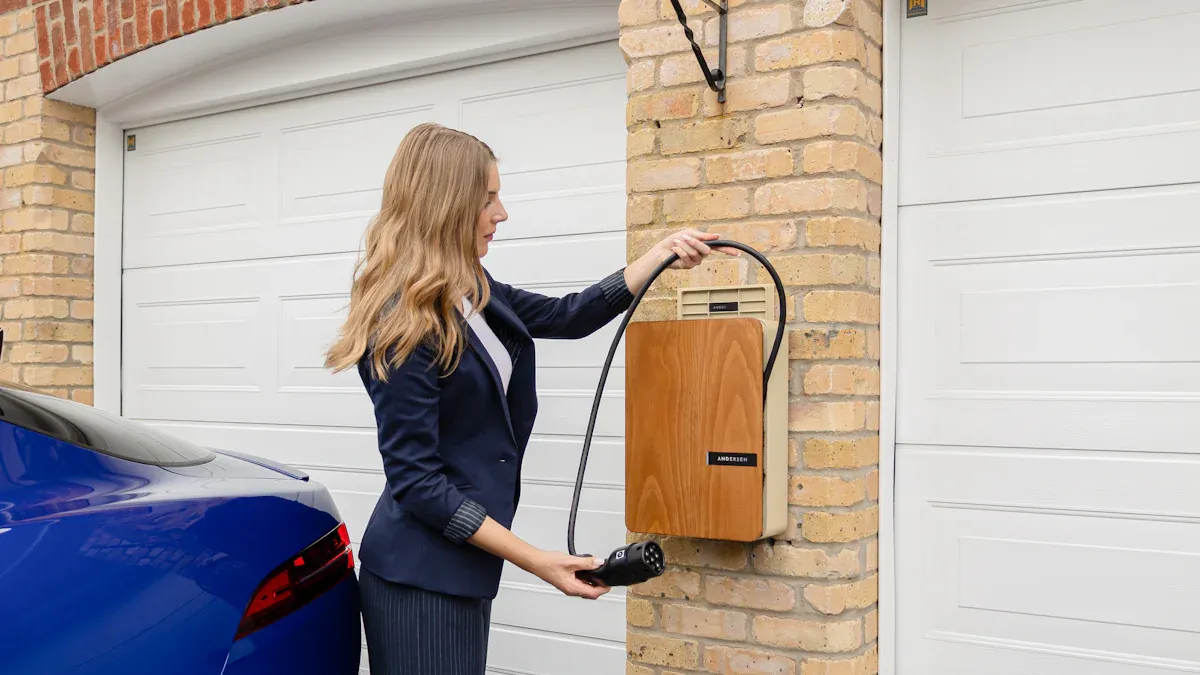
Charging your EV at home offers unmatched convenience for daily drivers. Owners can simply plug in their vehicle after returning home and wake up to a fully charged battery every morning. This routine eliminates range anxiety and ensures the car is always ready for the next journey. A dedicated home EV charger streamlines the process, making it as simple as charging a smartphone. According to recent surveys, 96% of EV and plug-in hybrid drivers prefer to charge at home, highlighting the strong appeal of this approach.
Avoiding Public Charging Hassles
Public charging networks often present challenges such as limited availability, long queues, and unreliable equipment. Many EV owners report frustration when searching for a working charger, especially during peak hours or in emergencies. A McKinsey survey found that l'accessibilité de la charge motivates many drivers to switch from traditional vehicles to electric ones. In the UK, 73% of electric car drivers express dissatisfaction with public charging networks. By installing an EV charger at home, owners avoid these hassles and gain control over their charging schedule.
Tip: TPSON, a technologically advanced electric vehicle charging solution provider, offers reliable home charging options that help drivers avoid the stress of public charging.
Cost Savings with a Home EV Charger
Lower Electricity Costs Compared to Public Charging
Charging at home provides significant savings compared to public charging stations. The average cost for home EV charging is about 17p per kWh. In contrast, public charging stations often charge between 55p and 81p per kWh, making public charging up to three times more expensive. For a full charge, public networks can cost between £10.80 and £22.70, while home charging remains much more affordable. These savings add up over time, allowing owners to save money on every charge.
Reduced Vehicle Wear and Tear
Charging at home not only saves money but also helps reduce long-term vehicle maintenance costs. The total cost of ownership for EVs tends to be lower than traditional vehicles, partly due to reduced operational and maintenance expenses. Homeowners can further increase their savings by taking advantage of off-peak electricity rates or smart tariffs. Although installing an EV charger involves an initial investment, the économies à long terme often outweigh the upfront costs. Home charging also supports a more consistent charging routine, which can help maintain battery health and reduce wear and tear.
- Home charging is significantly more cost-effective in the long term.
- Off-peak rates and smart tariffs can further increase savings.
- Consistent charging routines support better battery longevity.
Increasing Home Value with an EV Charger
Attracting Future Buyers
Installing an EV charger can increase home value and make a property more attractive to future buyers. As electric vehicles become more popular, buyers increasingly look for homes equipped with charging infrastructure. According to the National Association of Property Buyers, having an EV charger can add between £3,000 and £5,000 to a home’s price. The exact value increase depends on location, charger type, and current market conditions.
Standing Out in the Real Estate Market
Real estate agents now consider EV charging points among the top ten must-have features for homebuyers. The number of homes for sale mentioning EV chargers has risen by 40% compared to last year, and there has been a 592% increase since 2019. The following table summarizes the impact of EV chargers on property marketability:
| Type de preuve | Description |
|---|---|
| Must-Have Feature | EV charging points are now among the top ten must-have features for homebuyers. |
| Increase in Listings | 40% increase in homes for sale mentioning EV chargers compared to last year. |
| Surge Since 2019 | 592% increase in homes for sale with EV chargers since 2019. |
| Estimated Value Addition | EV charging points can add between £3,000 and £5,000 to a home’s price. |
By installing an EV home charger, homeowners can stand out in a competitive real estate market and appeal to a growing segment of eco-conscious buyers. The benefits of EV home chargers extend beyond daily convenience and savings, offering a tangible boost to property value and marketability.
Note: The benefits of EV home chargers include convenience, cost savings, and increased property value, making them a smart investment for many homeowners.
Control and Flexibility for EV Owners
Charging on Your Own Schedule
Electric vehicle owners gain significant control over their daily routines with an ev home charger. They can choose when to start charging, pause the process, or restart it based on changing plans. This flexibility allows them to avoid peak electricity rates and take advantage of off-peak hours, which can lead to substantial cost savings. Smart chargers adapt to user preferences, optimizing charging for battery health and electricity pricing. Owners can manage charging directly from a smartphone, adjusting schedules with a few taps. This level of control ensures the vehicle is ready when needed, without relying on public infrastructure.
- Smart EV chargers allow real-time management of charging schedules and energy usage.
- Owners can pause or restart charging as plans change.
- Charging can be optimized for electricity pricing and battery levels.
The choice between tethered and untethered chargers also enhances flexibility. Tethered chargers offer instant convenience with an integrated cable, while untethered chargers accommodate various vehicle types with interchangeable cables.
| Type de chargeur | Avantages |
|---|---|
| Chargeur à câble | Instant convenience with an integrated cable for easy use. |
| Chargeur autonome | Flexibility to use various cables, accommodating different vehicle types. |
Smart technology integration further increases convenience. Owners can monitor and control the charging process remotely, ensuring the home ev charger fits seamlessly into their lifestyle.
Monitoring Home Energy Use
A home ev charger equipped with smart features provides valuable insights into energy consumption. Owners can track real-time data, analyze electricity usage, and adjust charging speeds to minimize costs. Home energy management systems (HEMS) schedule charging during optimal times, such as when solar panels generate energy or when electricity rates drop. This dynamic charging capability helps reduce reliance on the grid and supports energy independence.
| Fonctionnalité | Description |
|---|---|
| Real-time Data | Smart EV chargers use real-time data to adjust charging speeds based on electricity prices. |
| Dynamic Charging Capability | Adjusts charging based on grid demand and renewable energy availability. |
| Cost Minimization | Ensures efficient use of electricity, reducing costs for homeowners. |
Owners benefit from the ability to check energy usage and charging status in real time. They can analyze multiple data streams, including grid demand and electricity prices, to determine optimal charging windows. This approach maximizes efficiency and supports sustainable energy practices.
- Analyze multiple data streams including grid demand and electricity prices.
- Determine optimal charging windows for the vehicle.
- Adjust charging times and rates for maximum efficiency.
The benefits of monitoring home energy use extend beyond cost savings. Owners gain greater control over their household energy footprint, contributing to a more sustainable future. An ev home charger with smart monitoring features empowers users to make informed decisions about their energy consumption and charging habits.
Drawbacks and Considerations for Installing a Home EV Charger
Upfront Costs of Installing an EV Charger
Equipment Price for an EV Home Charger
The initial investment for a Level 2 home EV charger can vary widely. Most homeowners spend between $800 and $3,000 for the equipment alone. This price range depends on the brand, features, and smart technology included with the charger. Some models offer advanced connectivity or faster charging speeds, which can increase the purchase price. Buyers should compare options to find the best value for their needs.
- Level 2 home EV charger equipment: $800–$3,000
- Installation costs (including unit and labor): £450–£1,200
These upfront expenses may seem high, but many drivers find that the économies à long terme on fuel and maintenance offset the initial outlay. However, not every household will recoup the money spent, especially if they drive infrequently or have easy access to public charging.
Installation and Electrical Upgrades
Installation costs for a home EV charger depend on several factors. The state of the home’s electrical infrastructure plays a major role. If the system requires upgrades, such as new circuit breakers or a distribution board, the total cost can rise significantly. The distance from the power source to the charger location also affects the price, as longer cable runs require more materials and labor.
| Facteur | Impact sur les coûts |
|---|---|
| Electrical Infrastructure State | Upgrades like new circuit breakers or distribution board can increase costs. |
| Distance from Power Source | Longer distances require more materials and labor, increasing overall costs. |
| Site Survey | Assessment of electrical system condition influences installation pricing. |
A site survey by a qualified electrician is essential before installing an EV charger. This assessment determines the condition of the electrical system and helps identify the best location for the charger. If the charger must be installed far from the mains supply, extra wiring or trenching may be necessary. Armored cable for underground runs costs more than standard cable, adding to the total expense.
Note: Homeowners should budget for possible upgrades and unexpected costs during installation. A thorough site survey can help avoid surprises.
Installation Process for a Home EV Charger
Trouver un installateur qualifié
Selecting a skilled installer ensures the safety and reliability of the home EV charger. Homeowners should look for professionals with experience in electric vehicle charging systems. Many manufacturers maintain lists of certified installers. Checking reviews and credentials helps guarantee quality work and compliance with local standards.
Permis et réglementations locales
Local permitting requirements can affect both the timeline and cost of installation. Some areas require detailed permit packets and strict compliance with building codes. The complexity of the installation, such as the need for trenching or utility work, may add time and money to the project.
| Facteur | Impact on Timeline and Cost |
|---|---|
| Permit Packet | A well-prepared packet can expedite approval and limit delays. |
| Compliance with Local Codes | Ensures safety and operational standards, affecting installation costs. |
| Permit Speed and Scope | Directly influences how quickly the installation can proceed. |
| Complexity of Installation | More complex installations (e.g., trenching, utility work) add time and cost. |
| Documentation and Labeling | Clear documentation aids in faster inspections and approvals. |
A well-prepared permit application can speed up the approval process. Homeowners should ensure all documentation is accurate and complete to avoid delays.
Usage Patterns and Suitability for Home Charging
How Often You Drive Your EV
The value of installing a home EV charger depends on driving habits. Daily commuters and those with high mileage benefit most from having a dedicated charging solution at home. Drivers who work from home or use their electric vehicle less frequently may not need a high-capacity charger. The number of electric vehicles in the household also influences the type and capacity of charger required.
| Facteur | Influence on Charger Selection |
|---|---|
| Daily mileage | Determines the charging speed and type of charger needed |
| Work-from-home habits | Affects the frequency of charging and charger type |
| Number of EVs owned | Influences the need for multiple chargers or higher capacity chargers |
Access to Other Charging Options
Some drivers live near reliable public charging stations or have access to workplace charging. In these cases, installing a home EV charger may offer less value. Homeowners should consider the availability and convenience of alternative charging options before making a decision. For those who rarely drive or have easy access to public infrastructure, the money spent on a home charger might not provide a strong return.
Tip: Evaluate your daily routine and local charging network before investing in a home EV charger. This approach ensures you get the best value for your money and lifestyle.
Home Compatibility for Installing an EV Charger
Renters vs. Homeowners
The process of installing a home ev charger differs significantly for renters and homeowners. Homeowners often have more control over property modifications, but recent changes in government support have shifted the landscape. The Electric Vehicle Homecharge Scheme (EVHS) previously offered grants to homeowners, but this program ended in March 2022. Now, the EV Chargepoint Grant targets tenants, flat owners, and landlords with off-street parking. Homeowners no longer qualify for these grants, which has reduced their installation rates.
- Homeowners are no longer eligible for government grants pour l'installation de chargeurs de VE.
- Renters and flat owners can receive financial support for installation, which affects their installation rates positively.
- The government grant for individual homeowners has ended, impacting their installation rates negatively.
- The new grant continues to support renters and flat owners, which likely increases their installation rates.
Renters face unique challenges when considering the installation of an EV charger. They must obtain permission from landlords and may encounter restrictions based on lease agreements. However, the availability of financial support for renters and flat owners increases the feasibility of installing a charger. Landlords who invest in charging infrastructure can add value to their properties and attract tenants who drive electric vehicles.
Homeowners, despite having more autonomy, must now bear the full cost of installation. This change can affect the perceived value of installing a charger, especially for those who plan to move soon or who do not drive frequently. Both groups must consider the long-term benefits and potential return on investment before proceeding.
Apartment and Condo Challenges
Residents of apartments and condos encounter additional obstacles when installing a home ev charger. Shared parking spaces, limited electrical capacity, and building management policies often complicate the process. Many multi-unit dwellings lack dedicated parking spots, making it difficult to assign a charger to a specific unit. Building owners and homeowners’ associations may require detailed proposals or restrict modifications to common areas.
Problèmes de compatibilité can also arise with older electric vehicle models or non-standard connectors. Some vehicles need adapters or upgrades to work with modern charging stations.
Compatibility issues often arise with older EV models or non-standard connectors, necessitating additional adapters or upgrades to the vehicle’s charging system. It’s crucial to verify the charger’s compatibility with your EV’s make and model to ensure seamless charging.
Residents should consult with building management and review local regulations before starting the installation process. In some cases, group installations or shared charging solutions offer a practical alternative. These options can distribute costs and provide access to charging for multiple residents.
A successful installation in a multi-unit building can increase the value of the property and attract environmentally conscious buyers or tenants. As demand for electric vehicles grows, buildings with charging infrastructure stand out in the market.
Tip: Residents should verify compatibility between their vehicle and the chosen charger before installation. This step prevents costly mistakes and ensures reliable charging at home.
Financial Incentives for Installing a Home EV Charger
Federal Tax Credits for EV Home Chargers
Conditions d'éligibilité
Federal tax credits offer substantial financial benefits for those considering installing a home ev charger. The government provides a credit covering 30% of installation costs, which encourages more drivers to adopt electric vehicles. Eligibility depends on several factors, including location and income level. Residents in low-income or rural census tracts qualify more easily, while others must meet wage and apprenticeship standards. The eligibility criteria vary by state and region, adding complexity to the process. Many states also introduce additional rebates, which can further reduce the overall cost.
| Fonctionnalité | Détails |
|---|---|
| Tax Credit Percentage | 30% of installation costs for EV chargers |
| Maximum Credit Amount | Up to $100,000 per charger for eligible businesses |
| Critères d'éligibilité | Must meet low-income or non-urban location requirements and wage/apprenticeship standards |
| Previous Maximum Credit | $30,000 per site (prior to 2023) |
| Date d'entrée en vigueur | Extended through December 31, 2032 |
How to Claim Incentives
Individuals must follow a straightforward process to claim federal incentives. They should keep all receipts related to installation and charger purchase. Tax filers use IRS Form 8911 to apply for the credit during the annual tax return. The form requires details about the charger, installation date, and total cost. Homeowners should consult a tax professional to ensure compliance with all requirements. Proper documentation helps maximize the financial benefits and avoid delays.
Tip: Save every invoice and permit related to your charger installation. Accurate records make claiming incentives easier and faster.
Mesures incitatives nationales et locales pour l'installation de chargeurs de VE
Remises accordées par les entreprises de services publics
Many utility companies offer rebates for installing a home ev charger. These programs help offset the initial investment and encourage energy savings. Rebates typically range from $250 to $1,000, depending on the provider and region. Some utilities also provide discounted rates for charging during off-peak hours, which lowers ongoing electricity costs. Homeowners should check with their local utility for current offers and eligibility requirements.
Regional Programs for Home EV Chargers
Regional programs add another layer of support for electric vehicle owners. States like California, New York, and Colorado provide grants or rebates for charger installation. These incentives often target specific groups, such as low-income households or residents in multi-unit buildings. The application process varies, but most programs require proof of purchase and installation. Combining federal, state, and local incentives can significantly reduce the money spent on a new charger.
Payback Period for Installing an EV Charger
Calculating Return on Investment
The payback period measures how quickly homeowners recover their initial investment. Factors include installation cost, electricity rates, and available incentives. Many drivers see a return within three to five years, especially when they maximize rebates and use smart tariffs. Lower charging costs at home compared to public stations accelerate the savings.
Real-World Examples
- A family saved £850 on electricity bills after switching to an Andersen EV charge point.
- The Octopus Go smart tariff allows charging for as little as 12p/kWh, which reduces costs compared to public charging stations.
- Installing an EV charger can increase property value by up to £10,000, according to the National Association of Property Buyers.
These examples highlight the strong avantages financiers and energy savings associated with installing a home ev charger. Homeowners not only save money but also boost property value, making the investment worthwhile for many electric vehicle owners.
Integrating a Home EV Charger with Renewable Energy
Solar Panels and EV Home Charging
Maximizing Clean Energy Use at Home
Pairing solar panels with a home EV charger creates a powerful synergy for sustainable living. Solar energy generated on-site can directly power an electric vehicle, reducing the need for grid electricity. Many homeowners choose this setup to lower their environmental impact and take control of their energy consumption.
- Charging an EV with solar power significantly reduces emissions associated with daily driving.
- Utilizing solar energy for EV charging decreases reliance on grid electricity, which leads to lower overall energy costs.
- Solar charging minimizes the carbon footprint by avoiding emissions from fossil fuel-based electricity generation.
- This approach contributes to a cleaner environment and encourages a sustainable lifestyle.
Smart charging systems can optimize when to draw power from solar panels, ensuring the vehicle charges during peak sunlight hours. Homeowners who invest in solar-integrated EV charging often see a noticeable drop in their monthly utility bills. They also gain the satisfaction of knowing their transportation relies on renewable energy.
Potential for Energy Independence
Solar panels offer more than just clean energy—they provide a path toward energy independence. By generating electricity on-site, homeowners reduce their exposure to fluctuating energy prices and grid disruptions. When paired with an EV charger, solar panels allow drivers to fuel their vehicles without depending on external sources.
This setup empowers individuals to manage their own energy production and consumption. Over time, the combination of solar and EV charging can insulate households from rising utility rates. Many families find that this investment pays off both financially and environmentally.
Battery Storage for Home EV Charging
Storing Solar Power for EV Charging
Battery storage systems enhance the benefits of solar-powered EV charging. These systems store excess solar energy produced during the day, making it available for vehicle charging at night or during cloudy periods. Homeowners gain greater control over their energy usage and can maximize the value of their solar investment.
- Battery storage reduces dependence on the national grid by storing electricity during off-peak periods.
- Homeowners can use renewable energy or lower-cost grid power during peak tariff rates.
- A storage system paired with solar panels allows vehicles to charge with clean energy, even when the sun is not shining.
- This setup reduces reliance on public charging infrastructure and ensures charging convenience during peak hours.
Backup Power Benefits
Battery storage also provides reliable backup power during grid outages. This feature ensures that both the home and the EV charger remain operational when the main power supply fails. Homeowners benefit from increased resilience and peace of mind.
| Type de solution | Description |
|---|---|
| V2H | Use your EV’s battery to power your home during outages or reduce energy bills by optimizing usage. |
| V2G | Enable your EV to discharge power back to the grid, supporting grid stability and earning potential credits. |
A home battery backup, even without solar panels, delivers reliable power during outages and helps cut electricity bills through smart charging. These systems improve grid stability and resilience, which is crucial for consistent EV charging. By integrating battery storage, homeowners ensure their vehicles remain charged and ready, regardless of external power interruptions.
Key Factors to Consider Before Installing an EV Charger at Home
Your Driving Habits and EV Usage
Daily Commute Distance
Drivers should evaluate their daily commute before investing in a home EV charger. Short trips may not require frequent charging, while longer journeys demand reliable access to power. Those who travel over 30 miles each day often benefit most from a dedicated charger at home. This setup ensures the EV remains ready for use and reduces reliance on public charging stations. Individuals who drive less may find that portable chargers or workplace solutions meet their needs.
Number of EVs in the Household
The number of vehicles in a household influences the choice of charging equipment. Families with multiple EVs should consider installing a charger with higher capacity or dual ports. This approach prevents scheduling conflicts and maximizes convenience. Some households may plan to add more vehicles in the future, making it wise to select scalable charging solutions. A home equipped for several EVs supports growth and avoids costly upgrades later.
Home Electrical Capacity for an EV Charger
Panel Upgrades for Home Charging
A qualified installer will inspect the home’s electrical supply before installation. They assess available spare capacity and determine if load balancing is necessary. Most UK homes can support a 32-amp EV charger without major upgrades. However, some properties may require improvements to handle increased demand. The installer may recommend adding a dedicated circuit breaker and running heavy-duty cabling from the consumer unit to the charging location. These steps ensure safe and efficient operation.
- Assess the home’s load capacity.
- Install a dedicated circuit breaker.
- Run heavy-duty cabling to the charger location.
Future-Proofing for More EVs
Homeowners should plan for the future when selecting charging equipment. Anticipating the addition of more vehicles helps avoid repeated electrical work. Choosing a charger with expandable features or higher output supports long-term growth. Load balancing technology allows multiple EVs to charge simultaneously without overloading the system. This strategy provides a long-term solution and prepares the home for evolving transportation needs.
Tip: Discuss future plans with the installer to ensure the home can support additional EVs and higher charging speeds.
Long-Term Plans for Your Home and EV
Moving or Selling Soon?
Individuals planning to move or sell their home soon should weigh the benefits of installing an EV charger. While a charger can increase property value, the payback period may not align with short-term ownership. Those expecting to relocate within two years may prefer portable charging options. Homeowners with long-term plans often see greater returns from a permanent installation.
Anticipated EV Adoption
The future of transportation points toward increased adoption of electric vehicles. Households expecting to purchase more EVs should invest in scalable charging infrastructure. Preparing the home for future needs supports sustainability and convenience. A well-designed charging setup offers flexibility as technology advances and vehicle options expand.
| Considération | Impact on Decision |
|---|---|
| Moving soon | May favor portable solutions |
| Long-term ownership | Supports permanent installation |
| More EVs expected | Justifies scalable infrastructure |
A thoughtful approach to home EV charger installation considers current habits, electrical capacity, and future plans. This strategy ensures the investment delivers value and supports the household’s evolving needs.
Alternatives to Installing a Home EV Charger
Public Charging Networks for EVs
Availability in Your Area
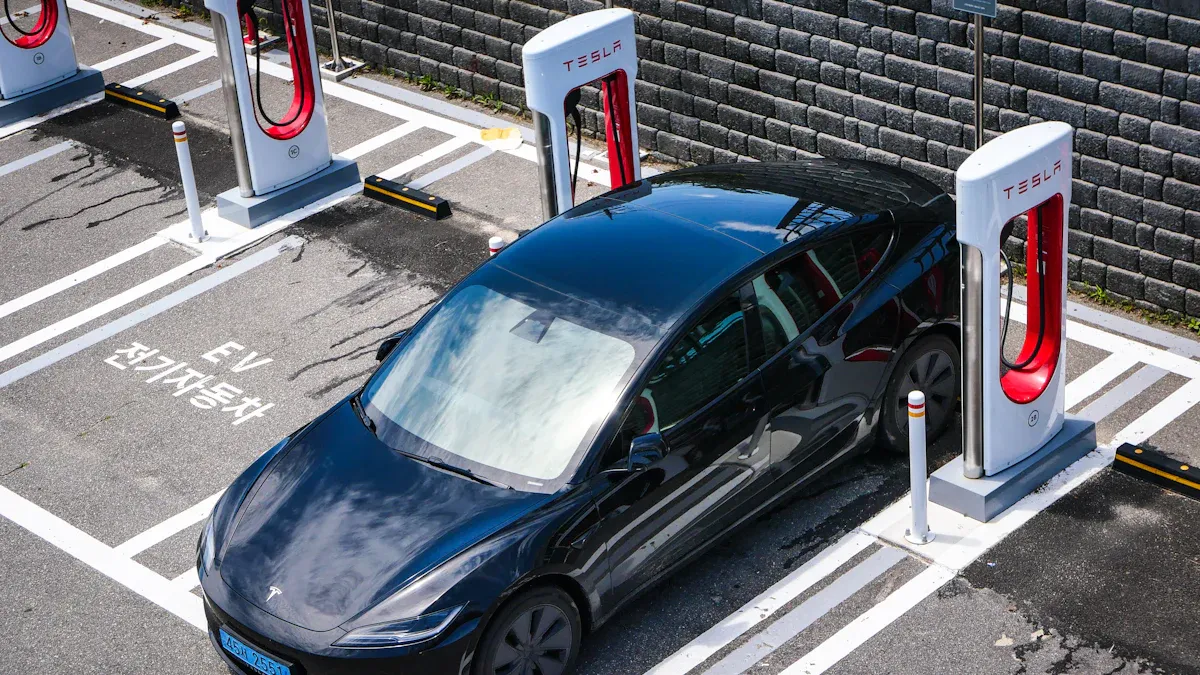
Public charging networks have expanded rapidly in recent years. Many cities now offer a range of fast and standard charging stations. Drivers can find these stations at supermarkets, shopping centers, and along major highways. Some regions provide dense coverage, while rural areas may have limited options. Before relying on public charging, drivers should research the availability and reliability of stations in their area. Mobile apps and online maps help users locate the nearest charging points and check real-time status.
Tip: Always check the operational status of a public charging station before planning a long trip. Unexpected outages can disrupt travel plans.
Cost Comparison with Home Charging
Public charging often costs more than home charging. Operators may charge by the kilowatt-hour, by time, or through a flat fee. The following table compares typical costs:
| Méthode de chargement | Coût moyen par kWh | Typical Full Charge Cost |
|---|---|---|
| Chargement à domicile | $0.17 | $7–$10 |
| Charge publique | $0.30–$0.60 | $15–$30 |
Public charging can offer speed and convenience, but frequent use increases expenses. Home charging remains the most cost-effective solution for most EV owners.
Workplace Charging for EV Owners
Employer-Provided Charging Options
Many employers now install charging stations at the workplace. Employees can charge their EV during work hours, which adds convenience and reduces range anxiety. Some companies offer free charging as an employee benefit, while others require a small fee. Workplace charging supports those who lack access to home charging, such as apartment residents.
Limitations and Benefits
Workplace charging offers several advantages. Employees save time and may reduce their home electricity bills. However, these stations may have limited availability or time restrictions. Some workplaces only allow charging during business hours or limit the number of vehicles per day. Not all employers provide this amenity, so drivers should confirm availability before relying on it.
- Benefits: Convenience, potential cost savings, reduced range anxiety.
- Limitations: Limited access, possible fees, not universally available.
Portable and Level 1 EV Chargers at Home
When They’re Enough for Your Needs
Portable and Level 1 chargers use a standard household outlet. These devices suit drivers with short daily commutes or those who drive infrequently. Charging overnight with a Level 1 charger can add 3–5 miles of range per hour. For many, this pace meets basic needs without requiring expensive upgrades.
Avantages et inconvénients
Portable and Level 1 chargers offer flexibility and low upfront costs. They require no special installation and work in most homes. However, slow charging speeds may not suit drivers with long commutes or multiple EVs. The following list summarizes key points:
- Pour : Low cost, easy setup, portable for travel.
- Cons : Slow charging, limited range per hour, not ideal for heavy use.
Note: Drivers should assess their daily mileage and charging habits before choosing a portable or Level 1 charger. These options work best for light EV use or as a backup solution.
Homeowners who drive daily or plan to stay long-term gain the most from installing an ev charger. The main benefits include convenience, cost savings, and increased property value. Upfront costs and installation challenges remain important drawbacks. For those with reliable access to public charging or who move often, alternatives may suit better. Each reader should review their driving habits, home setup, and future plans before making a decision.
- Installing an ev charger works best for frequent drivers with stable home situations.
- Evaluate personal needs and local options for the best outcome.
FAQ
Combien de temps faut-il pour recharger un véhicule électrique à domicile ?
Charging time depends on the charger type and vehicle battery size. Most Level 2 home chargers add 20–30 miles of range per hour. A full charge usually takes 6–10 hours overnight.
Can renters install an EV charger at their residence?
Renters can install an EV charger with landlord approval. Many government grants now support tenants and flat owners. They should check lease agreements and consult property managers before starting installation.
Does installing a home EV charger increase electricity bills?
Charging an EV at home increases electricity use. However, home charging remains cheaper than public charging. Smart tariffs and off-peak rates help reduce costs. Many owners see only a modest rise in monthly bills.
Quel est l'entretien d'un chargeur domestique de VE ?
Home EV chargers need minimal maintenance. Owners should inspect cables and connectors regularly for damage. Most units require occasional cleaning and software updates. Professional servicing is rarely necessary.
Are all EVs compatible with every home charger?
Most modern EVs use standard connectors, but some older models may need adapters. Owners should verify compatibility between their vehicle and the chosen charger before purchase.
Un chargeur domestique pour VE peut-il fonctionner avec des panneaux solaires ?
Yes, many home EV chargers integrate with solar panels. This setup allows owners to charge their vehicles using clean, renewable energy. Smart chargers can optimize charging times to match solar production.
Est-il prudent d'installer un chargeur de VE à l'extérieur ?
Manufacturers design many EV chargers for outdoor use. These units feature weatherproof casings and safety certifications. Proper installation by a qualified electrician ensures safe operation in all conditions.
What happens if I move after installing a home EV charger?
Some chargers are portable and can move with the owner. Others are hardwired and may stay with the property. Installing a charger can increase home value and attract future buyers.