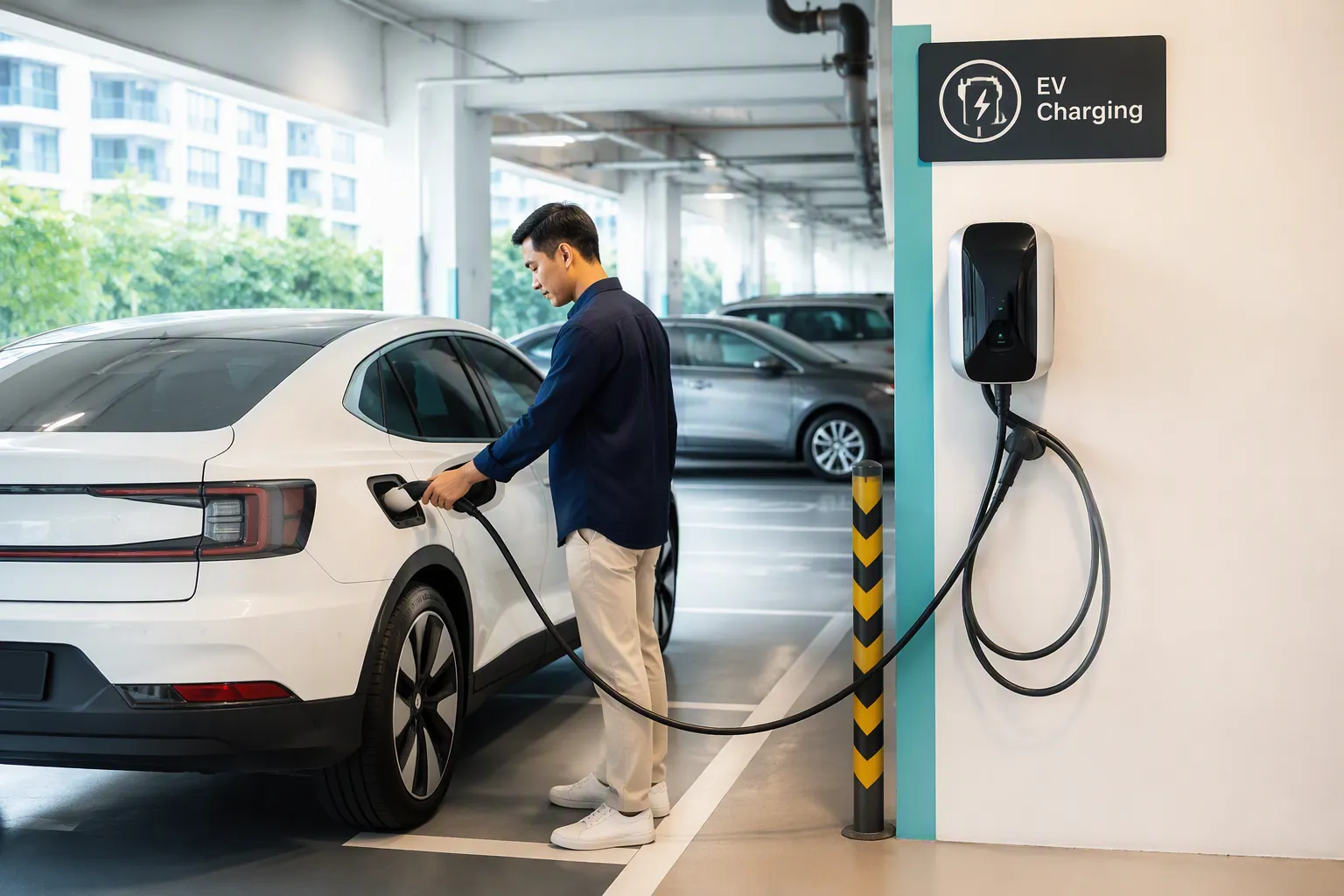
Travelers driving an electric vehicle through South America need the right outlets and adapters to ensure a smooth ev road trip. In both Chile and Argentina, drivers will find a 220V electrical system with Type I outlets, as shown below:
| Pays | Tension | Type de prise |
|---|---|---|
| Argentina | 220V | Type I |
| Chile | 220V | Type I |
Type I plugs feature three flat pins, with live and neutral pins forming a ‘V’ shape. Les chargeurs de VE portables de bonne réputation ev charger manufacturers often include compatible cables, but drivers should verify that their Chargeur EV matches local standards. Those seeking reliable Solutions de recharge pour véhicules électriques should pack both universal and country-specific adapters. Essential tips include carrying a backup charging cable, checking all connections, and reviewing public charging station access. These practices help every road trip stay on track and protect the electric vehicle’s battery.
Always test adapters before departure to avoid unexpected issues on the road.
EV Road Trip Adapter and Charging Solutions
Outlets and Adapters for Chile and Argentina
Type C, Type L, and Type I Plugs Explained
Travelers planning an ev road trip across the Andes must understand the plug socket types found in Chile and Argentina. Both countries primarily use Type I outlets, but some regions and older buildings may feature Type C or Type L sockets. Type I plugs have three flat pins arranged in a triangular pattern. Type C plugs use two round pins, while Type L plugs have three round pins in a straight line. Drivers should always check the socket type before plugging in any adapter.
A comprehensive travel adapter guide recommends carrying at least one adapter for each plug type. TPSON, a leading provider of electric vehicle charging solutions, suggests that drivers buy an outlet adapter that fits Type I as a priority. However, including Type C and Type L adapters ensures compatibility in hotels, homes, and public spaces. Adapters must fit securely to prevent overheating or poor connections.
CCS, Type 2, and CHAdeMO Charging Compatibility
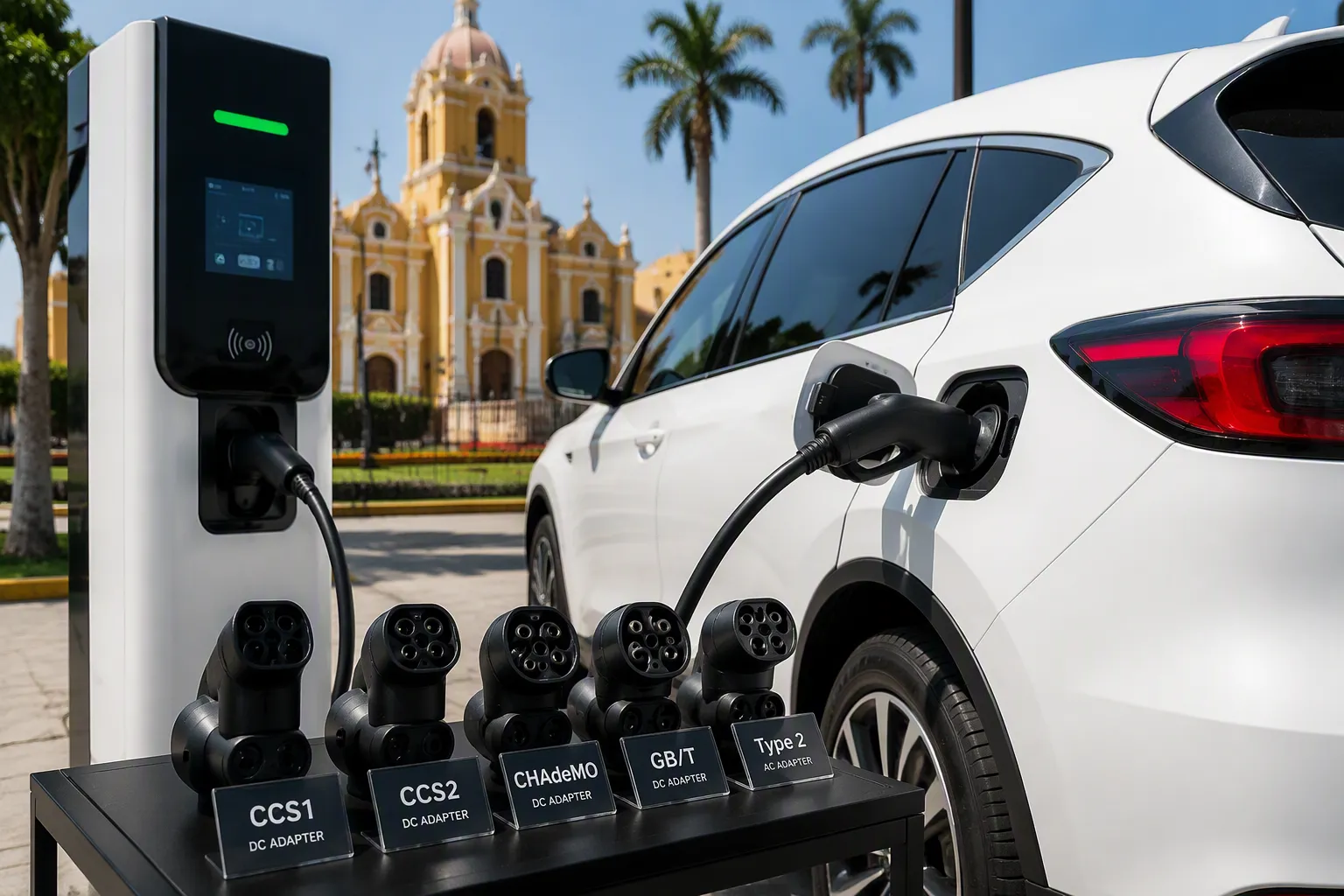
Charging infrastructure in Chile and Argentina supports several connector standards. Most public rapid charging stations use CCS (Combined Charging System) or Type 2 connectors. Some older stations may offer CHAdeMO connectors, which serve certain Japanese electric vehicle models. Drivers should confirm their EV supports these standards before departure.
Rapid charging enables drivers to recharge their batteries quickly at compatible stations. CCS connectors dominate new installations, while Type 2 remains common for both rapid charging and slower AC charging. CHAdeMO is less widespread but still available in select locations. Carrying the correct adapter for each connector type ensures access to all available charging points. TPSON recommends checking the vehicle’s manual for supported charging standards and packing adapters accordingly.
Universal vs. Country-Specific Outlets and Adapters
Benefits and Drawbacks of Universal Adapters
A universal adapter offers flexibility for travelers crossing borders or encountering different plug socket types. These adapters combine multiple plug configurations in a single device. Universal adapters simplify packing and reduce the risk of forgetting a specific adapter. They often include surge protection, which helps safeguard sensitive EV charging equipment.
However, universal adapters may not always provide a perfect fit in every socket. Some models feel bulky or loose, especially in older outlets. Rapid charging may require a more robust connection than a universal adapter can provide. Drivers should test universal adapters with their charging cables before the trip. TPSON advises using universal adapters for low-power devices and as a backup for EV charging.
When to Choose Country-Specific Solutions
Country-specific adapters offer a tailored fit for local outlets. These adapters match the exact pin configuration and voltage requirements of the destination. Drivers who plan to use rapid charging stations or high-power outlets should prioritize country-specific adapters. These adapters provide a secure connection, reducing the risk of overheating during rapid charging sessions.
Travelers should buy an outlet adapter designed for Type I plugs when visiting Chile and Argentina. Carrying country-specific adapters for Type C and Type L outlets adds extra flexibility. TPSON’s travel adapter guide highlights the importance of reliable adapters for safe and efficient charging.
Essential EV Charging Cables and Accessories
Level 1 and Level 2 Charging Cables for Your EV
Every electric vehicle owner should pack both Level 1 and Level 2 charging cables. Level 1 cables connect to standard household outlets and provide slow charging. Level 2 cables enable faster charging at dedicated stations or compatible outlets. Rapid charging requires cables rated for higher currents and compatible with CCS, Type 2, or CHAdeMO connectors.
TPSON recommends checking the cable length and connector type before departure. Some charging stations may require drivers to use their own cables. Carrying both cable types ensures flexibility when rapid charging is not available. Drivers should inspect cables for wear and test them with adapters before starting the journey.
Extension Cords, Safety, and Surge Protection
Extension cords can help reach distant outlets, especially in rural areas or older buildings. Drivers should select heavy-duty extension cords rated for outdoor use and high current. Using lightweight or undersized cords can cause overheating and pose safety risks during rapid charging.
Surge protection devices add another layer of safety for EV charging. Power fluctuations or lightning strikes can damage sensitive electronics. TPSON recommends using surge protectors designed for high-power applications. Drivers should pack these accessories in a dedicated charging kit and store them securely to prevent damage.
Tip: Always test every adapter, cable, and accessory before leaving home. This practice helps avoid surprises and ensures a smooth ev road trip across the Andes.
Electrical Standards and Compatibility for Your EV
Voltage and Frequency in Chile and Argentina
220V/50Hz: What It Means for Your EV Road Trip
Travelers driving electric vehicles across south america must understand the local electrical standards. Chile and Argentina both operate on a 220V system with a 50Hz frequency. This voltage is higher than the standard found in North America, which means EV owners must ensure their charging equipment supports 220V. Most modern EVs and portable chargers from reputable manufacturers handle this voltage without issue. However, checking the specifications before departure prevents unexpected problems.
The 50Hz frequency affects the operation of some electronic devices. EV charging systems designed for global use typically accommodate both 50Hz and 60Hz. Drivers should verify that their charger lists compatibility with 220V and 50Hz. Charging at the correct voltage and frequency ensures efficient battery replenishment and protects sensitive electronics.
Tip: Always review the EV’s manual for voltage and frequency compatibility before starting a road trip in south america.
Step-Down Transformers and Voltage Converters
Some travelers carry step-down transformers or voltage converters when their equipment does not support 220V. These devices reduce the voltage to match the requirements of North American chargers. While transformers provide a solution, they often add bulk and weight to the charging kit. Using a voltage converter can help, but drivers must select models rated for high-power EV charging.
A step-down transformer becomes essential if the EV charger only operates at 110V. However, most EV charging equipment designed for international travel supports 220V. Drivers should avoid using low-quality converters, as they may cause overheating or damage. Reliable voltage converters ensure safe charging and protect the EV’s battery.
Plug Types and Socket Compatibility on Your Road Trip
Identifying Outlets in Hotels, Homes, and Public Spaces
Hotels, homes, and public spaces in Chile and Argentina feature a mix of plug types. The most common sockets include Type C, Type L, and Type I. Type C uses two rounded prongs, while Type L has three round pins in a straight line. Type I, found in Argentina, uses three flat pins similar to those in Australia. The table below summarizes the plug types and electrical standards:
| Pays | Common Plug Types | Tension | Fréquence |
|---|---|---|---|
| Chile | Type C, Type L | 220V | 50Hz |
| Argentina | Type C, Type I | 220V | 50Hz |
Travelers must check the outlet type before plugging in their EV charger. Carrying adapters for Type C, Type L, and Type I ensures compatibility in various locations. Many hotels and public charging stations provide Type C or Type I sockets, so drivers should pack the appropriate adapters.
Navigating Mixed Infrastructure and Adapter Fit
Mixed infrastructure presents challenges for EV owners. Some charging stations use Type 2, CCS, or CHAdeMO connectors. Type 2 is the standard for AC charging in Europe and works with most recent EVs. CCS supports both AC and DC fast charging, making it ideal for rapid battery replenishment. CHAdeMO remains available in select stations for older EV models.
Drivers must use adapters to connect their EV to different charging stations and outlets. Adapters bridge the gap between plug types and ensure compatibility. Testing adapters before the trip helps avoid fit issues and guarantees reliable charging. Travelers should keep a set of adapters for all common plug types and charging standards.
Note: Carrying a universal adapter provides flexibility, but country-specific adapters offer a secure fit for high-power charging.
Preparing Your EV for a Road Trip Across the Andes

Checking EV Charging Compatibility and Settings
Manufacturer Specifications and Regional Adjustments
Drivers should always review the electric vehicle’s manual before a long journey. The manual lists compatible charging standards and recommended adapters for each region. Many manufacturers provide guidance on adjusting settings for different voltages and frequencies. In Chile and Argentina, the 220V/50Hz system requires confirmation that the EV and its charger can handle local power. Some vehicles allow users to adjust charging settings for optimal performance in new regions.
A successful road trip across the Andes starts with careful preparation. Drivers should:
- Check how far the EV can travel on a single charge.
- Identify the types of chargers compatible with the vehicle.
- Plan the route to include stops with en route charging stations.
- Factor in extra time for possible charger unavailability.
Software Updates and Navigation for Charging
Modern electric vehicles often include navigation systems that display charging station locations. Drivers should update the vehicle’s software before departure. Updated maps and charging point databases help avoid surprises. Some manufacturers release regional updates that improve compatibility with local charging infrastructure. Drivers should also ensure all lights function, brakes operate correctly, and tire pressure matches the expected load.
Tip: Charge the battery to at least 80% before starting the journey and always pack the charging cable.
Packing the Right Outlets and Adapters for Your EV
Creating a Comprehensive Charging Kit Checklist
A well-organized charging kit prevents delays and frustration. Every driver should include:
- Type I, Type C, and Type L adapters for Chile and Argentina
- Level 1 and Level 2 charging cables
- Extension cords rated for outdoor and high-current use
- Surge protection devices
- A backup charging cable
This checklist ensures compatibility with most outlets and charging stations encountered during the trip.
Organizing and Storing Your Adapters and Cables
Proper organization of adapters and cables saves time at each stop. Drivers should use labeled pouches or cases to separate each adapter type. Storing cables coiled and untangled prevents damage. Keeping the charging kit in an accessible location inside the vehicle allows for quick setup at any station.
Understanding Voltage, Current, and Charging Speed
Avoiding Overload and Ensuring Safe Charging
Safe charging practices protect both the EV and the driver. Users should always match the adapter and cable to the outlet’s voltage and current rating. Overloading a circuit can cause overheating or equipment failure. Surge protectors add an extra layer of safety, especially in areas with unstable power.
Managing Charging Speed Expectations
Charging speed depends on the station’s power output and the vehicle’s acceptance rate. Drivers should determine the maximum power their EV can accept from en route rapid chargers. Realistic range estimates help plan stops and avoid running low in remote areas. Charging at public stations may take longer than at home, so patience and flexibility remain important.
Note: Careful preparation and attention to charging details ensure a smooth and enjoyable road trip across the Andes.
Finding and Using EV Charging Stations on Your Road Trip
Charging Infrastructure in Chile
Major Networks, Locations, and Access Cards
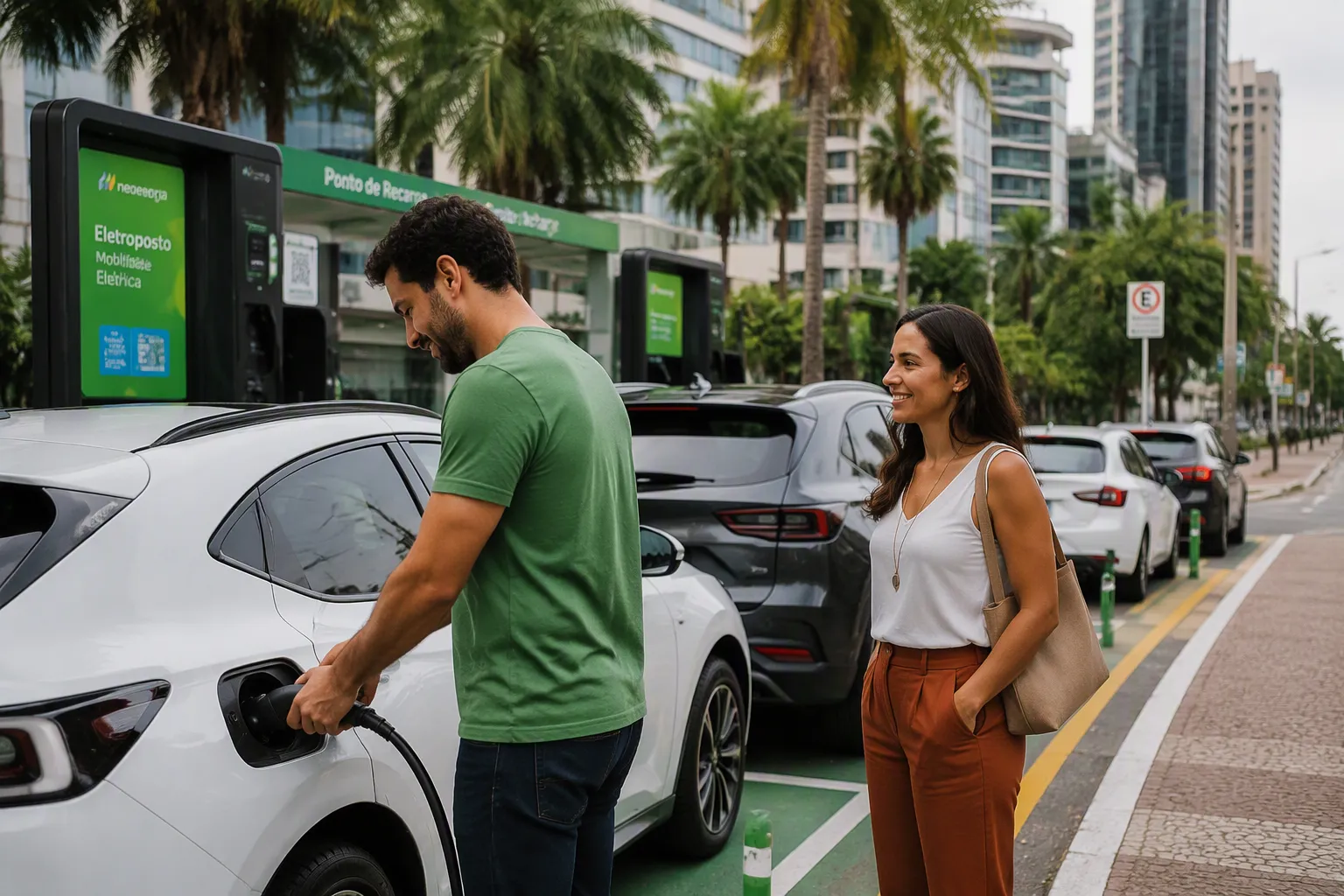
Travelers on an ev road trip across south america will find that Chile offers a robust network of charging stations. The Copec Voltex network stands out as the country’s largest and most reliable provider. Copec Voltex operates in major cities like Santiago and along key highways, making it easier for drivers to locate en route chargers. The network features DC fast chargers with power levels of 180 kW, 120 kW, and 50 kW, supporting both CCS and CHAdeMO standards. Many stations provide additional amenities such as canopy-covered areas, well-lit environments for security, and nearby convenience stores.
| Fonctionnalité | Détails |
|---|---|
| Réseau | Copec Voltex |
| Main Location | Santiago, Chile |
| Charger Power Levels | 180 kW, 120 kW, 50 kW |
| Compatibilité | CCS, CHAdeMO |
| Couverture | 2,200 km across Chile |
| Intégration des applications mobiles | APP Copec for station info and payment |
| Énergies renouvelables | 100% renewable supplied by Copec EMOAC |
Access cards or mobile apps are essential for activating most charging stations. Drivers should download the APP Copec before departure. This app allows users to locate stations, check charger availability, and manage payments efficiently.
Payment Methods and Language Considerations
Most charging stations in Chile accept credit cards, mobile payments, or prepaid access cards. The APP Copec streamlines the payment process and supports English and Spanish, which helps international travelers. Staff at major stations often speak basic English, but drivers may encounter language barriers in rural areas. Carrying a translation app or phrasebook can help resolve communication issues during the road trip.
Tip: Always check the station’s operating hours and payment options in advance to avoid delays.
Charging Infrastructure in Argentina
Key Networks, Regional Differences, and Accessibility
Argentina’s charging infrastructure continues to expand, especially in urban centers like Buenos Aires and Córdoba. Key networks include YPF and ChargeboxNet, which operate charging stations at service stations and shopping centers. Coverage remains denser in the east, while western and rural regions offer fewer stations. Drivers should plan their route carefully and identify all available charging stations before departure.
Accessibility varies by region. Some stations require prior registration or a local access card. Public charging stations in hotels and malls may offer Chargement gratuit, but users should confirm availability and connector types.
App Accessibility and Local Support
Most networks provide mobile apps for locating and activating charging stations. These apps often display real-time availability and connector compatibility. Local support teams can assist with troubleshooting, but response times may vary outside major cities. Drivers should keep emergency contact numbers handy and download all relevant apps before starting the road trip.
Cross-Border EV Charging Tips
Border Crossing Procedures and Documentation
Crossing the Andes between Chile and Argentina requires proper documentation. Drivers must carry vehicle registration, proof of insurance, and any necessary customs forms. Border officials may inspect charging equipment, so keeping adapters and cables organized will speed up the process.
Dealing with Limited Charging Options in Remote Areas
Remote stretches of the Andes offer limited charging stations. Drivers should identify all en route chargers and carry backup charging cables and adapters. In some cases, hotels or local businesses may allow access to private outlets for emergency charging. Planning for longer charging times and carrying extra supplies ensures a safe and successful road trip.
Note: Preparation and flexibility are key when navigating charging infrastructure across borders and remote regions.
Recommended Apps and Online Resources for EV Road Trips
Real-Time Charging Station Maps and Navigation Tools
Travelers planning an EV road trip across the Andes benefit from reliable apps and navigation tools. These resources help drivers locate charging stations, check real-time availability, and plan efficient routes. The following apps stand out for their accuracy and user-friendly interfaces:
PlugShare
PlugShare offers a comprehensive map of charging stations in Chile and Argentina. Users can filter by connector type, charging speed, and network. The app displays user reviews and photos, which help drivers assess station reliability.APP Copec
APP Copec serves as the primary tool for accessing the Copec Voltex network in Chile. The app provides real-time charger status, payment options, and route planning features. Drivers can activate chargers directly through the app.ChargeMap
ChargeMap covers South America and offers route planning with charging stops. The app includes a trip planner that calculates range and suggests optimal charging points.Google Maps
Google Maps integrates many public charging stations into its navigation system. Drivers can search for “EV charging stations” and receive directions, operating hours, and user ratings.
| Application | Couverture | Caractéristiques principales | Soutien linguistique |
|---|---|---|---|
| PlugShare | Mondial | Station map, reviews, filters | English, Spanish |
| APP Copec | Chile | Real-time status, payments, routing | Spanish, English |
| ChargeMap | South America | Trip planner, connector info | English, Spanish |
| Google Maps | Mondial | Navigation, station info, reviews | Multiple |
Tip: Drivers should download these apps before departure and create user accounts. Offline maps help in areas with limited connectivity.
Community Forums and Local Advice
Community forums and local resources provide valuable insights for EV travelers. These platforms connect drivers, share real-world experiences, and offer solutions to common challenges.
Foros de Electromovilidad (Electromobility Forums)
Local forums in Chile and Argentina host discussions about charging station reliability, adapter compatibility, and route recommendations. Members often post updates on new charging locations and share troubleshooting tips.Facebook Groups
Groups such as “Electromovilidad Chile” and “EV Owners Argentina” allow drivers to ask questions, arrange meetups, and exchange advice. These communities respond quickly to urgent queries.Reddit r/electricvehicles
The global Reddit community discusses EV travel in South America. Users share recent experiences, border crossing tips, and charging station reviews.
Note: Engaging with local EV communities helps travelers stay informed about infrastructure changes and receive support during unexpected situations.
By leveraging these apps and forums, drivers can navigate the Andes with confidence and maximize the efficiency of their EV road trip.
Practical Tips for a Smooth EV Road Trip
Planning Your Route and Charging Stops
Estimating Range, Elevation, and Weather Impact
Drivers planning long range ev road trips across the Andes must pay close attention to route planning. A route planner helps identify stations de recharge and estimate travel times. However, several factors can influence range and charging needs:
- Elevation changes in Chile, especially big hills, can drain the battery quickly and require more frequent charging stops.
- Weather conditions, which shift between summer and winter, impact range. Cold temperatures reduce battery efficiency, while hot weather can increase energy use for cooling.
- The type of tires used also affects range, with winter tires or off-road options sometimes reducing efficiency.
- Dynamic decision-making becomes necessary as weather and terrain change during the journey.
A thorough range assessment before departure helps drivers anticipate these challenges and adjust plans as needed.
Backup Plans for Remote and Rural Areas
Remote and rural areas in Chile and Argentina often have limited charging infrastructure. Drivers should always identify backup charging locations along the route. Carrying extra adapters and a portable charger can provide peace of mind. Some hotels or local businesses may allow access to private outlets for emergency charging. Essential tips include keeping a printed list of charging points and contact numbers in case of poor mobile coverage.
Managing Charging Times and Schedules
Off-Peak Charging Strategies and Wait Times
Charging during off-peak hours reduces wait times and ensures faster access to available stations. Many public charging points experience higher demand during the day, especially in urban centers. Drivers who plan long range ev road trips should schedule charging sessions early in the morning or late at night when stations are less crowded. Monitoring charging progress through mobile apps helps optimize time and avoid unnecessary delays.
Coordinating with Hotels and Accommodation Providers
Many hotels in Chile and Argentina now offer EV charging as an amenity. Drivers should contact accommodation providers in advance to confirm charging availability and connector types. Reserving a charging spot ensures the vehicle is ready for the next leg of the journey. Some hotels may require guests to bring their own cables or adapters, so clear communication remains important.
Safety and Security at Charging Locations
Nighttime Charging and Personal Safety Tips
Charging at night requires extra caution. Well-lit stations with security cameras offer a safer environment. Drivers should remain aware of their surroundings and avoid isolated locations after dark. Traveling with a companion adds another layer of security.
Protecting Your EV and Charging Equipment
Protecting the EV and charging equipment is crucial on any ev road trip. Drivers should lock the vehicle during charging and store cables and adapters securely when not in use. Regularly inspecting equipment for wear or damage prevents malfunctions. Following these essential tips helps ensure a safe and successful journey across the Andes.
Troubleshooting Outlets and Adapters on Your EV Road Trip
Adapter Fit and Compatibility Issues
What to Do If Your Adapter Doesn’t Fit
Travelers sometimes encounter outlets that do not match their adapters. When an adapter fails to fit, drivers should first inspect the socket for damage or debris. Trying to force an adapter can cause harm to both the outlet and the charging equipment. Instead, they should check if another outlet in the same location uses a compatible socket type. Many hotels and public spaces in Chile and Argentina offer multiple outlet types in different rooms or areas.
If the adapter still does not fit, drivers should review their charging kit. Carrying a variety of adapters increases the chance of finding a match. A universal adapter can provide a temporary solution, but it may not always deliver a secure connection for high-power charging. Using the correct adapter remains essential for safety and efficiency.
Tip: Always label each adapter in the kit to avoid confusion during urgent situations.
Solutions d'urgence et achats locaux
Lorsqu'aucun adaptateur ne convient, les voyageurs doivent chercher des solutions d'urgence. Demander de l'aide au personnel de l'hôtel ou aux hôtes locaux permet souvent une résolution rapide. De nombreux habitants gardent des adaptateurs ou des rallonges de rechange pour leurs invités. Dans les zones urbaines, les quincailleries et les magasins d'électronique vendent des adaptateurs pour les prises de type C, L et I. Acheter un nouvel adaptateur sur place garantit la compatibilité avec les prises de la région.
Les conducteurs doivent garder une liste des magasins à proximité vendant des fournitures électriques. Cette préparation permet de gagner du temps en cas de problème d'alimentation. Dans les zones reculées, le réseautage avec d'autres voyageurs de véhicules électriques ou les communautés locales peut aider à localiser un adaptateur approprié.
Pannes de borne de recharge et problèmes d'alimentation
Signaler les problèmes et obtenir de l'aide
Les pannes de borne de recharge peuvent perturber les plans de voyage. Lorsqu'une borne ne délivre pas d'énergie, les conducteurs doivent d'abord vérifier toutes les connexions et s'assurer que l'adaptateur est bien fixé. Si le problème persiste, ils doivent le signaler via l'application de la borne ou son numéro de contact. La plupart des grands réseaux au Chili et en Argentine proposent un service client en espagnol et en anglais.
Les conducteurs doivent documenter le problème avec des photos ou des notes. Ces informations aident les équipes d'assistance à résoudre le problème plus rapidement. Avoir un plan de recharge de secours garantit la poursuite du voyage même si une borne est en panne.
Options de recharge alternatives et solutions de contournement
Si une borne de recharge reste hors service, les conducteurs doivent chercher des alternatives. De nombreux hôtels, restaurants et stations-service offrent l'accès à des prises standard pour une recharge d'urgence. Utiliser un câble de niveau 1 avec l'adaptateur correct permet une recharge lente mais stable dans ces situations. Les forums communautaires et les applications pour VE listent souvent des points de recharge non officiels partagés par d'autres voyageurs.
Remarque : Demandez toujours l'autorisation avant d'utiliser des prises privées et surveillez le processus de recharge pour des raisons de sécurité.
Gérer les pannes de courant et les fluctuations de tension
Protéger la batterie et l'électronique de votre VE
Des pannes de courant et des fluctuations de tension peuvent survenir en zones urbaines et rurales. Les conducteurs doivent utiliser des parasurtenseurs et des adaptateurs de haute qualité pour protéger la batterie et l'électronique de leur VE des changements brutaux. Débrancher le véhicule lors d'un problème électrique grave évite d'éventuels dommages.
Décider d'attendre ou de poursuivre
Face à une panne prolongée, les conducteurs doivent décider d'attendre ou de se rendre au prochain point de recharge. Vérifier les mises à jour en temps réel via les applications pour VE et contacter l'assistance locale aide à prendre cette décision. Si la panne semble généralisée, se rendre dans une zone plus fiable peut faire gagner du temps et réduire le stress.
Encadré : La préparation et la flexibilité aident les voyageurs à surmonter la plupart des difficultés de recharge lors d'un road trip en VE à travers les Andes.
Liste de contrôle finale et conseils de dernière minute pour un road trip en VE
Liste de contrôle pré-voyage : Prises et adaptateurs
Articles essentiels à emporter pour votre road trip en VE
Tout voyageur en VE a besoin d'un kit de recharge complet avant de traverser les Andes. Emporter les bons articles évite les retards et garantit une recharge sûre. La liste de contrôle suivante couvre l'essentiel :
- Type I, Type C, and Type L adapters for Chile and Argentina
- Level 1 and Level 2 charging cables
- Rallonges robustes adaptées à un usage extérieur
- Dispositifs de protection contre les surtensions pour recharge haute puissance
- Câble de recharge de secours
- Adaptateur universel pour types de prises imprévus
- Cartes d'accès aux bornes ou applications mobiles
- Pochettes étiquetées pour organiser adaptateurs et câbles
- Liste imprimée des bornes de recharge et contacts d'urgence
Astuce : Les conducteurs doivent inspecter chaque câble et adaptateur pour vérifier l'usure ou les dommages avant de les emballer. Un équipement fiable assure un voyage sans encombre.
Vérification finale avant le départ
Une inspection finale avant le départ aide à éviter les erreurs courantes. Les conducteurs doivent vérifier que tous les adaptateurs correspondent aux prises locales et que les câbles de recharge sont compatibles avec les standards de connecteur du véhicule. Tester chaque article à la maison confirme la compatibilité. Revoir l'itinéraire et confirmer l'emplacement des bornes de recharge garantit d'être prêt.
| Objet | Statut | Notes |
|---|---|---|
| Adaptateur Type I | ✅ | Convient aux prises principales |
| Adaptateur Type C | ✅ | Pour hôtels/maisons |
| Adaptateur Type L | ✅ | Pour bâtiments anciens |
| Câbles de charge | ✅ | Niveau 1 & Niveau 2 |
| Rallonge | ✅ | Adapté extérieur |
| Parasurtenseur | ✅ | Approuvé haute puissance |
| Adaptateur universel | ✅ | Solution de secours |
| Cartes d'accès/Apps | ✅ | Téléchargées/enregistrées |
Remarque : Les conducteurs doivent revérifier les paramètres de recharge et les mises à jour logicielles du véhicule. Confirmer ces détails évite les problèmes techniques pendant le voyage.
Conseils de dernière minute pour un road trip sans stress
Se tenir informé des conditions locales et des mises à jour
Se tenir informé des conditions locales améliore la sécurité et l'efficacité. Les conducteurs doivent surveiller les prévisions météo et les fermetures de routes via les applications de navigation. Vérifier l'état des bornes via PlugShare, APP Copec ou ChargeMap fournit des informations en temps réel. Les forums locaux de VE et les groupes de médias sociaux offrent des conseils sur les changements d'itinéraire et les mises à jour des infrastructures.
Encadré : Les conducteurs bien informés s'adaptent rapidement aux défis imprévus.
Contacts d'urgence et ressources d'assistance
La préparation inclut de rassembler les contacts d'urgence et les ressources d'assistance. Les conducteurs doivent enregistrer les numéros de l'assistance routière, du support des réseaux de recharge et des autorités locales. Garder une liste imprimée dans le véhicule aide en cas de problèmes de connexion. De nombreuses applications de recharge proposent des liens directs vers le service client.
| Ressources | Méthode de contact | Objectif |
|---|---|---|
| Assistance routière | Téléphone/App | Urgences véhicule |
| Support Réseau de Recharge | App/Ligne directe | Dépannage borne |
| Autorités Locales | Téléphone | Sécurité et réglementations |
| Forums de la communauté des véhicules électriques | En ligne | Conseils et mises à jour |
Astuce : Les conducteurs doivent partager leur itinéraire avec des amis ou de la famille. Cette pratique ajoute une couche de sécurité supplémentaire pendant le voyage.
- Les conducteurs doivent emporter des adaptateurs de type I, de type C et de type L pour une recharge fiable au Chili et en Argentine.
- A kit de recharge complet avec protection contre les surtensions et câbles de secours garantit un voyage en VE sûr.
- Utiliser les applications recommandées et vérifier la compatibilité assure une recharge efficace pour chaque voyageur en VE.
La préparation mène à un voyage sans encombre. Embrassez l'aventure et profitez des paysages uniques des Andes.
FAQ
Quels types de prises les voyageurs en VE nécessitent-ils pour le Chili et l'Argentine ?
Les conducteurs ont besoin d'adaptateurs de type I, de type C et de type L. Le type I correspond à la plupart des prises dans les deux pays. Les types C et L couvrent les bâtiments et hôtels plus anciens. Emporter les trois garantit la compatibilité.
Un adaptateur universel peut-il gérer la recharge des VE dans les Andes ?
Un adaptateur universel fonctionne pour les appareils de faible puissance. Pour la recharge des VE, des adaptateurs spécifiques au pays offrent une connexion plus sûre et plus fiable. Les adaptateurs universels servent de solution de secours mais peuvent ne pas s'adapter de manière sécurisée à toutes les prises.
Comment les conducteurs trouvent-ils des stations de recharge pour VE dans les zones reculées ?
PlugShare, APP Copec et ChargeMap aident à localiser les stations. Les conducteurs doivent télécharger des cartes hors ligne et conserver une liste imprimée des points de recharge. Les forums locaux et le personnel hôtelier fournissent souvent des conseils supplémentaires.
La protection contre les surtensions est-elle nécessaire pour la recharge des VE ?
La protection contre les surtensions protège la batterie et l'électronique du VE des pics de tension. TPSON recommande d'utiliser des parasurtenseurs conçus pour la recharge haute puissance. Les conducteurs devraient en inclure un dans leur kit de recharge.
Que doivent faire les voyageurs si un adaptateur ne s'adapte pas ?
Les conducteurs doivent vérifier la présence d'autres prises au même endroit. Demander au personnel hôtelier ou acheter un adaptateur local résout la plupart des problèmes. Les adaptateurs universels offrent des solutions temporaires mais peuvent ne pas prendre en charge la recharge rapide.
Les stations de recharge pour VE acceptent-elles les cartes de crédit internationales ?
La plupart des grands réseaux acceptent les cartes de crédit internationales et les paiements mobiles. Les conducteurs doivent confirmer les options de paiement à l'avance. Certaines stations nécessitent une inscription ou une carte d'accès locale.
Comment les voyageurs peuvent-ils se préparer aux pannes de courant pendant leur voyage ?
Les conducteurs doivent emporter des parasurtenseurs et des câbles de recharge de secours. Surveiller l'état des stations via les applications aide à éviter les pannes. En cas de panne prolongée, se déplacer vers un autre endroit assure la poursuite du voyage.
Les applications de recharge pour VE sont-elles disponibles en anglais ?
PlugShare, ChargeMap et APP Copec proposent des interfaces en anglais. Les conducteurs peuvent modifier les paramètres de langue dans l'application. Les équipes d'assistance locale aident souvent en espagnol et en anglais.