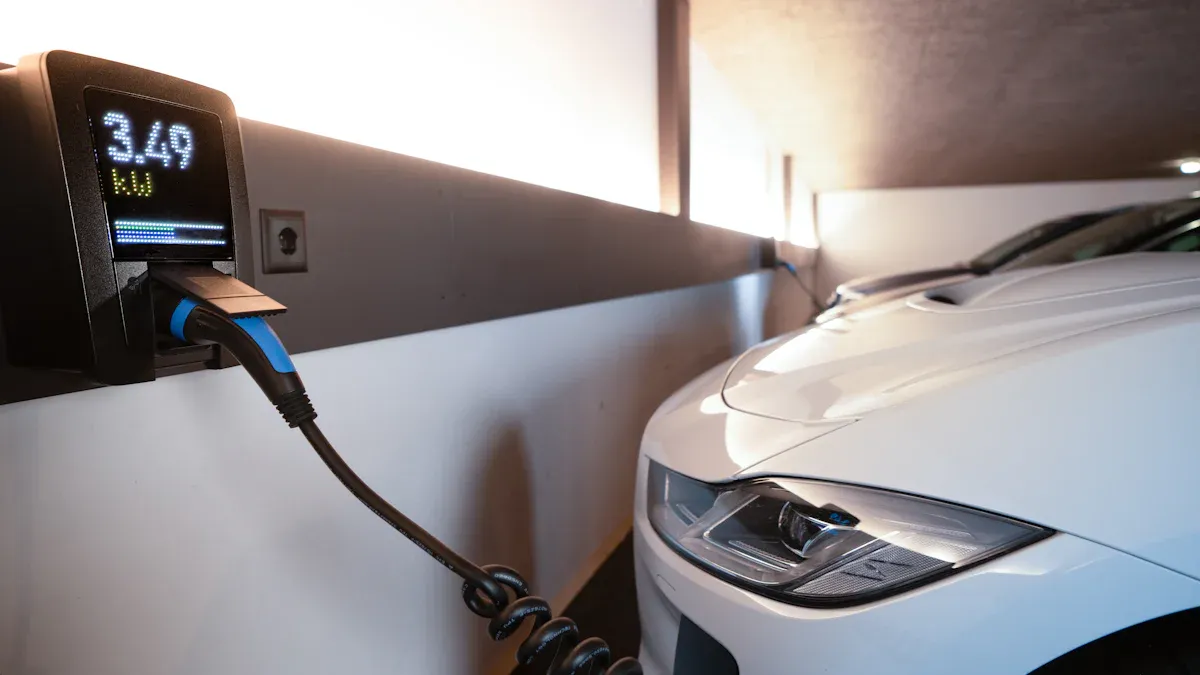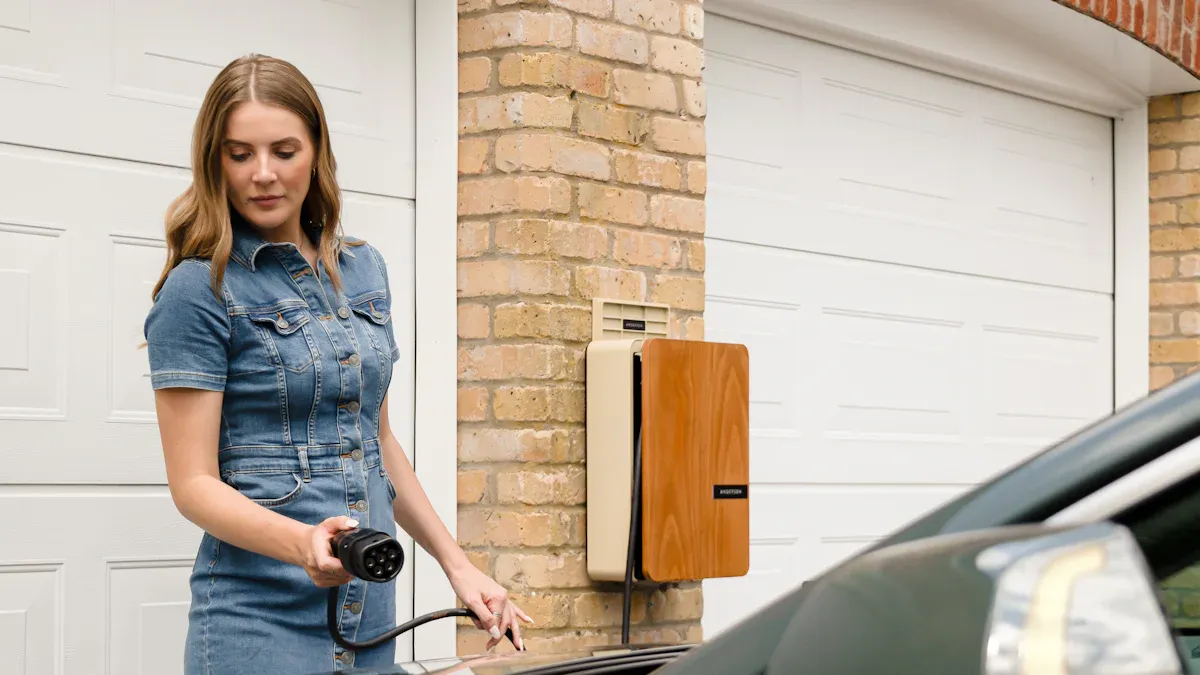
When an apartment building no comes as a response to an electric vehicle charging request, residents often feel uncertain about their next move. Experts recommend highlighting the benefits of an Chargeur EV, such as boosting property value and attracting environmentally conscious residents. Understanding the right to plug remains essential, as this legal protection allows individuals to apply for installation at their own expense. Many residents seek quotes from Fabricants de chargeurs de VE to address cost and safety concerns, while others explore Solutions de recharge pour véhicules électriques like public stations or chargeurs ev portables.
Immediate Actions After Apartment Building No
Document the Denial
When residents encounter an apartment building no for electric vehicle charging, they must create a clear record of the refusal. This documentation serves as evidence for future negotiations or legal actions.
Request Written Confirmation
Residents should ask their landlord or building management for written confirmation of the denial. Written records provide clarity and prevent misunderstandings. Many tenants find that a formal letter or email from the landlord or consorcio helps establish a timeline and details of the apartment building no.
Tip: Requesting written confirmation demonstrates professionalism and seriousness. It also ensures that the landlord cannot later dispute the facts.
Record Reasons for Refusal
Residents must record the reasons given for the apartment building no. Management often cites concerns about safety, cost, or building infrastructure. Keeping a log of these reasons helps tenants prepare counterarguments and gather supporting evidence.
A simple table can help organize the information:
| Reason for Refusal | Date Provided | Source (Landlord/Consorcio) |
|---|---|---|
| Préoccupations en matière de sécurité | 2024-05-10 | Landlord |
| Cost of installation | 2024-05-12 | Consorcio |
| Building code restrictions | 2024-05-15 | Landlord |
Residents who ask their landlord for clarification often gain valuable insights into the decision-making process. This step lays the groundwork for future discussions about ev charging.
Assess Your EV Charging Needs
After documenting the apartment building no, residents must evaluate their personal requirements for charging.
Evaluate Daily Usage
Individuals should analyze their daily driving habits and determine how often they need to charge their ev. Some tenants drive short distances and require minimal charging, while others rely on their electric vehicle for longer commutes.
Note: Tracking daily usage helps residents identify whether public charging stations or portable chargers can meet their needs.
Determine Urgency
Residents must assess the urgency of their charging situation. If the apartment building no creates immediate obstacles for electric vehicle charging, they may need to seek alternative solutions quickly.
Those who ask their landlord about temporary options sometimes discover short-term fixes, such as using nearby commercial charging stations. Tenants who own an ev should consider whether their current lifestyle allows for flexibility or demands a rapid response.
By documenting the denial and assessing charging needs, residents position themselves to make informed decisions. These steps ensure that tenants approach the next phase with clarity and confidence.
Understanding Your Right to Plug in Argentina
Legal Framework for Installing EV Charging Stations
National Laws and Regulations
Argentina has started to address the growing demand for installing EV charging stations in residential buildings. National energy policies encourage the adoption of electric vehicles and support the development of charging infrastructure. The government has introduced guidelines that outline technical standards for installing chargers in multi-unit dwellings. These standards help ensure safety and compatibility with existing electrical systems.
The right to install chargers often depends on compliance with these national regulations. The Energy Secretariat provides resources for both owners and tenants who want to pursue installation. Many apartment association boards refer to these guidelines when reviewing requests for installing EV charging stations.
Local Ordinances and Building Codes
Local governments in Argentina have begun to update building codes to accommodate charging infrastructure. Some municipalities require new apartment buildings to include pre-installed conduits or dedicated spaces for electric vehicle chargers. Existing buildings may face stricter requirements for retrofitting vehicle chargers, especially regarding electrical capacity and fire safety.
Apartment association rules sometimes reflect these local ordinances. Residents should check with their local municipality and apartment association before starting any installation. Building codes may also dictate the type of charger allowed and the process for approval.
Rights as Tenant or Owner
Consorcio and Homeowners Association Rules
The consorcio, or apartment association, plays a central role in decisions about installing EV charging stations. Each apartment association sets its own rules for common areas and shared infrastructure. Some associations have adopted policies that support the installation of charging infrastructure, while others remain cautious due to concerns about cost or safety.
Owners often have more influence in apartment association meetings. They can propose changes to the building’s regulations or request a vote on installing chargers. Tenants may need to seek approval from both the landlord and the apartment association. Clear communication with the apartment association helps streamline the approval process.
Tenant vs. Owner Rights
Tenants and owners have different rights when it comes to installing EV charging stations. Owners can usually submit proposals directly to the apartment association and participate in decision-making. Tenants must first obtain permission from the landlord before approaching the apartment association. The right to install chargers may depend on the lease agreement and the apartment association’s bylaws.
Some apartment association boards require a majority vote to approve installation. Others may allow individual owners to install chargers at their own expense, provided they follow safety guidelines. Tenants should review their lease and consult with the apartment association to understand their options.
Recent Legal Developments
New Proposals and Pilot Programs
Argentina has launched several pilot programs to promote installing EV charging stations in apartment buildings. These initiatives often involve partnerships between local governments, utility companies, and apartment associations. The goal is to test new technologies and develop best practices for installing chargers in shared spaces.
Some apartment associations have received grants to offset the cost of installation. These programs help demonstrate the benefits of charging infrastructure and encourage broader adoption. Residents should ask their apartment association about participation in pilot programs or upcoming proposals.
Études de cas
Several apartment associations in Buenos Aires and Córdoba have successfully completed installation projects. In one case, an apartment association partnered with a local utility to install a shared charger in the building’s parking garage. The project required approval from the majority of owners and compliance with both national and local regulations.
Another apartment association in Rosario implemented a reservation system for charging, allowing multiple residents to share access. These case studies highlight the importance of collaboration between residents, the apartment association, and local authorities. They also show that installing EV charging stations is possible with careful planning and adherence to legal requirements.
Note: Apartment associations that embrace charging infrastructure often see increased property values and greater resident satisfaction.
Residents who understand the legal landscape and work closely with their apartment association can improve their chances of successful installation. The right to plug continues to gain recognition as electric vehicles become more popular in Argentina.
Negotiating with Building Management for EV Charging
Preparing Your Proposal
Gather Data and Support
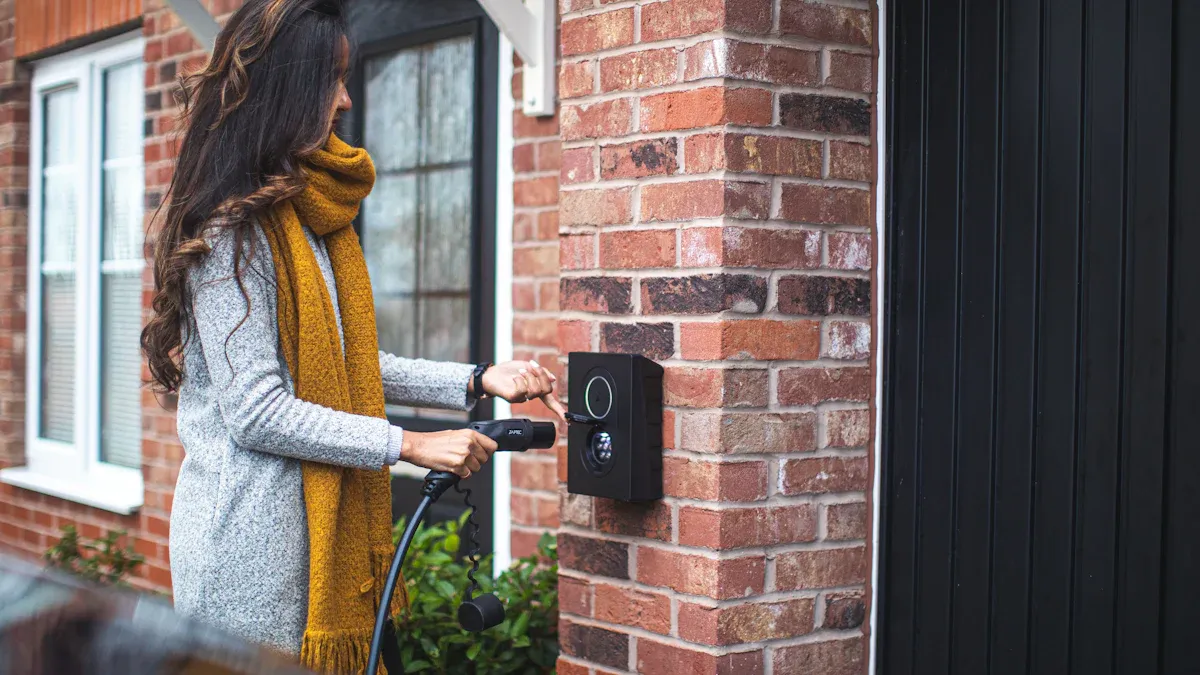
Residents who want to installer un chargeur de VE in their apartment building must collect relevant information before approaching management. They should research the technical requirements for electric vehicle charging and gather data about the benefits for the property. TPSON offers advanced solutions that simplify installation and ensure compatibility with existing infrastructure. Individuals can consult experts to assess electrical needs and identify available incentives. In some countries, homeowners’ associations receive discounts for expert consultations, which helps them plan effectively.
A well-prepared proposal includes:
- Technical specifications for the charger
- Estimated installation costs
- Potential incentives or subsidies
- Evidence of increased property value
Gaining support from apartment owners strengthens the proposal. Residents can share case studies from other buildings and highlight the positive impact on property values.
Address Safety and Cost Concerns
Building management often worries about safety and expenses. Residents should address these concerns directly in their proposal. They can explain how modern charging solutions, such as those from TPSON, meet strict safety standards. Owners can outline the cost distribution and suggest innovative financing options. In France, a public utility prefinances charging infrastructure and recoups costs through a fixed price for EV owners. This model ensures affordability and reduces financial risk for the apartment association.
Tip: Clear communication about safety and cost reassures management and encourages approval.
Engaging the Consorcio or Association
Request a Formal Meeting
Tenants and owners must request a formal meeting with the consorcio or homeowners association. A structured discussion allows all parties to review the proposal and ask questions. Residents should prepare a presentation that covers technical details, benefits, and financing options.
Present Solutions and Compromises
During the meeting, residents can present solutions that address management’s concerns. They may propose phased installation or shared charging stations. In Norway, the right-to-plug law enables tenants to submit installation plans and ensures fair cost distribution. Gaining support from apartment owners increases the likelihood of approval. Residents can offer compromises, such as limiting installation to certain parking spaces or using reservation systems.
Building Support Among Neighbors
Identify Other EV Owners
Residents should identify other EV owners in the building. They can use surveys or informal conversations to find interested parties. Collaboration among EV owners demonstrates demand and strengthens the case for electric vehicle charging infrastructure.
Organize a Group Request
A group request shows unified support for installing a charger. Tenants and owners can draft a joint letter or petition. Management responds more positively when they see collective interest. Gaining support from apartment owners remains essential for successful negotiations.
Note: Residents who build alliances with neighbors and present well-researched proposals improve their chances of approval.
Exploring Alternative Electric Vehicle Charging Options
Public EV Charging Stations Nearby
Locating Stations
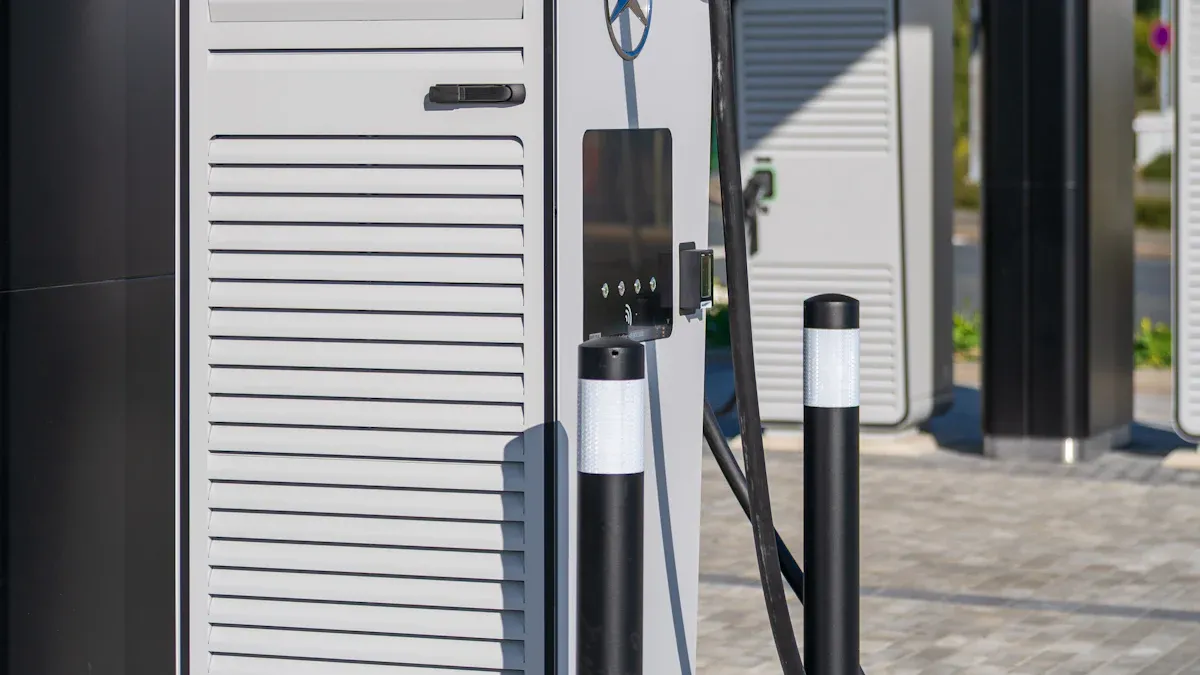
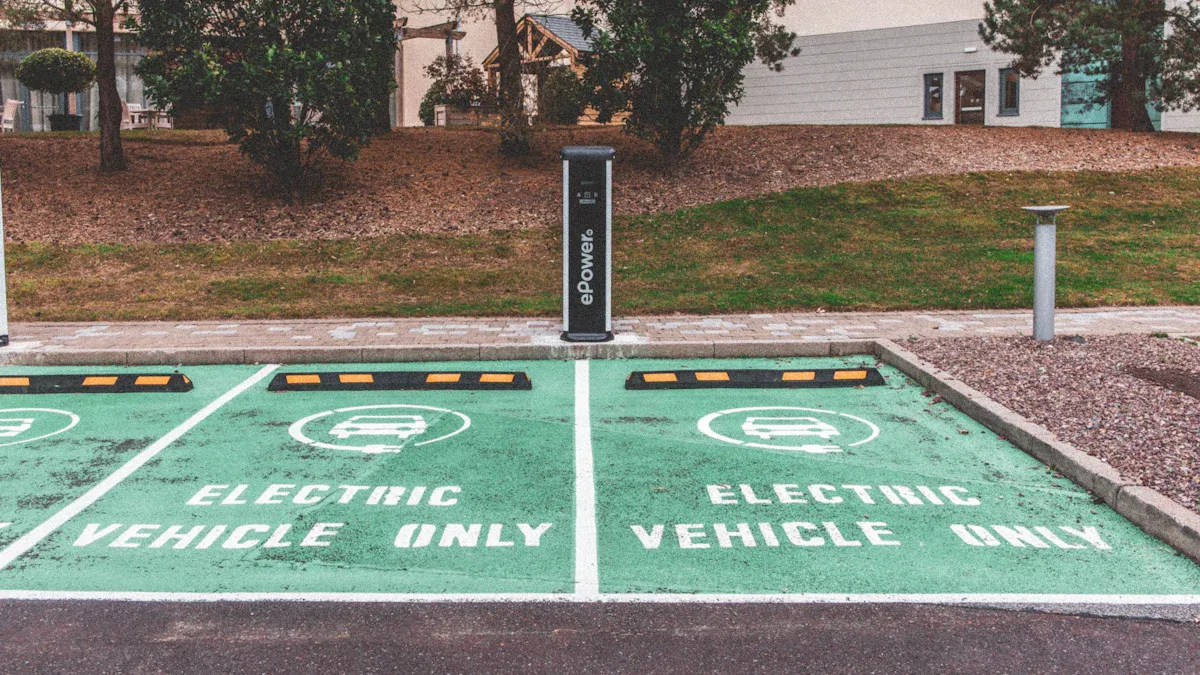
Residents who cannot install electric vehicle chargers in their apartment often seek public charging points. Argentina’s urban centers and highways now feature a growing network of charging stations. Drivers can locate a charging point by checking maps provided by local governments or utility companies. Many stations appear in shopping centers, parking lots, and service areas. These locations offer reliable access to charging electric car and support daily commuting needs.
| Type d'emplacement | Typical Charging Point Availability |
|---|---|
| Centres commerciaux | Haut |
| Parcs de stationnement publics | Modéré |
| Stations-service | Modéré |
| Hôtels | Faible |
Tip: Drivers should verify the compatibility of their vehicle with the charger at each charging point before arrival.
Using Charging Apps
Applications de recharge play a crucial role for EV owners in Argentina. These apps help drivers plan their journeys by providing real-time information about the location and availability of charging points. In regions where electric vehicle charging infrastructure remains limited, apps ensure that users can find charging options along their routes. Apps also display details such as charger type, pricing, and station status. This technology improves access to charging and reduces uncertainty for electric car charging solutions.
Workplace and Commercial Charging
Charging at Work
Many companies now offer charging points for employees. Workers can charge their EV during office hours, which reduces reliance on apartment-based charging. Employers recognize the value of supporting electric vehicle charging and often install chargers in parking areas. This approach benefits both staff and visitors, providing convenient access to charging electric car and promoting sustainability.
Partnering with Local Businesses
Some EV owners partner with local businesses to secure options de chargement. Restaurants, gyms, and retail stores may allow customers to use their charging point in exchange for patronage. These partnerships expand access to charging and foster community engagement. Owners should inquire about available charging points and negotiate terms with business managers.
Temporary and Mobile EV Charging Solutions
On-Demand Charging Providers
Argentina offers several temporary and mobile electric vehicle charging solutions. On-demand providers deliver flexible power configurations, including 20kW, 30kW, or 40kW options. These services feature high-efficiency performance, faster charging times, and superior capacity for various vehicles. Reduced operating costs and low energy consumption make them attractive for short-term needs. Their compact and mobile design allows deployment in diverse scenarios, such as emergency roadside assistance, fleet management, event support, and automotive dealerships.
- Flexible power configuration: 20kW, 30kW, or 40kW
- High-efficiency performance: Faster charging times
- Reduced operating costs: Low energy consumption
- Compact & mobile design: Lightweight and movable
- Applicable scenes: Emergency, fleet, events, dealerships
Chargeurs portables
Portable chargers provide another solution for EV owners without permanent access to a charging point. These devices enable charging electric car at home, work, or on the road. Portable chargers offer versatility and convenience, especially for residents who move frequently or travel long distances. They serve as a practical backup when traditional charging options are unavailable.
Note: Exploring alternative charging options empowers residents to maintain mobility and independence, even when apartment restrictions limit access to charging.
Legal and Advocacy Steps for Installing EV Charging Stations
Seeking Legal Advice
Consulting a Lawyer
Many residents face challenges when requesting approval for electric vehicle chargers in their apartment buildings. A lawyer can help tenants and owners understand their rights and obligations. He or she reviews lease agreements and apartment association bylaws. Legal professionals often identify opportunities for negotiation and highlight relevant regulations. They guide clients through the complexities of electric vehicle charging requests and provide advice on presenting a strong case to the landlord or consorcio.
Tip: Consulting a lawyer early in the process increases the chances of successful installation and reduces misunderstandings.
Understanding the Legal Process
Navigating the planning approval process requires knowledge of local laws and procedures. Lawyers explain the steps involved in submitting a formal request for a charger. They outline the documentation needed and clarify the timeline for review. Owners and tenants must follow specific protocols set by the apartment association and local authorities. Legal experts help clients prepare for meetings and anticipate potential objections. He or she ensures that all requirements for ev charging installations are met.
Filing Complaints or Appeals
Steps with Local Authorities
If the apartment association or landlord denies approval, residents may file complaints or appeals with local authorities. The process starts with submitting a written statement outlining the reasons for the request and the grounds for appeal. Residents attach supporting documents, such as correspondence with the landlord and technical specifications for the charger. Local agencies review the case and may request additional information. They schedule hearings or meetings to discuss the issue.
| Étape | Description |
|---|---|
| Submit Complaint | Provide written statement and supporting documents |
| Review by Authorities | Local agencies examine the case |
| Hearing/Meeting | Authorities meet with residents and management |
À quoi s'attendre
Residents should expect a formal review process. Authorities evaluate the merits of the complaint and consider the impact on the apartment building. They may consult experts in electric vehicle charging and request input from the apartment association. The outcome depends on compliance with regulations and the strength of the case. Tenants and owners receive written decisions, which may include recommendations for compromise or further negotiation.
Advocacy and Policy Change
Connecting with EV Associations
EV associations in Argentina offer support to residents seeking electric vehicle chargers. These organizations provide resources, legal guidance, and advocacy tools. Members share experiences and strategies for overcoming barriers to installation. Associations often organize workshops and information sessions for tenants and owners.
Participating in Initiatives
Residents can participate in policy initiatives that promote electric vehicle charging infrastructure. EV associations collaborate with government agencies and apartment associations to advance new proposals. Individuals join campaigns, attend public meetings, and contribute to pilot programs. Advocacy efforts raise awareness and encourage policy changes that benefit tenants and owners.
Note: Active involvement in advocacy groups strengthens the community and accelerates progress toward sustainable charging solutions.
Resources and Support for Electric Vehicle Charging in Argentina
National and Local EV Organizations
How to Join
Argentina features several organizations that support the adoption of electric vehicles. These groups welcome both owners and tenants who seek information or advocacy. Individuals can join by completing online registration forms or attending local meetings. Membership often provides access to newsletters, workshops, and exclusive events. Many organizations charge a small fee, but some offer free membership for students or first-time participants.
Tip: Joining an EV organization connects people with experts and helps them stay informed about new developments in electric vehicle charging.
Accessing Support Networks
EV organizations maintain support networks that assist members with technical questions and installation challenges. These networks include forums, helplines, and local chapters. Members receive guidance on charger selection, installation procedures, and compliance with apartment regulations. Support networks also facilitate introductions to certified installers and legal advisors. They help tenants navigate approval processes and resolve disputes with apartment associations.
Online Communities and Forums
Sharing Experiences
Online communities play a vital role in the EV ecosystem. Owners and tenants share stories about their attempts to install chargers in apartment buildings. These forums allow users to discuss the benefits and obstacles of ev charging. Participants post reviews of charging solutions and offer advice based on personal experience. The exchange of information helps others avoid common mistakes and find practical solutions.
Finding Information
Forums and social media groups provide up-to-date information about electric vehicle charging infrastructure. Users post maps of public charging stations and share news about government incentives. Many communities feature searchable archives, making it easy to locate answers to specific questions. Individuals can find recommendations for reliable charger brands and installation services. These platforms support both new and experienced EV owners.
| Community Type | Main Features |
|---|---|
| Forums | Q&A, experience sharing |
| Social Media Groups | News, event announcements |
| Messaging Apps | Real-time support |
Incentives and Programs for Apartment Dwellers
Grants and Subsidies
Argentina offers grants and subsidies to encourage apartment residents to adopt electric vehicle charging. Government agencies and utility companies provide financial assistance for charger installation. Tenants and owners can apply for these programs by submitting proof of residence and installation quotes. Grants reduce upfront costs and make charging more accessible for those living in multi-unit buildings.
Note: Subsidies often cover a portion of installation expenses, making it easier for tenants to invest in EV infrastructure.
Special Programs
Special programs target apartment dwellers who face barriers to installing chargers. Pilot initiatives partner with apartment associations to test shared charging solutions. Some programs offer technical support and legal guidance for tenants seeking approval. Others provide discounts on portable chargers or access to mobile charging services. Participation in these programs helps residents overcome challenges and realize the benefits of EV ownership.
Individuals who leverage resources and support networks improve their chances of successful electric vehicle charging installation. They gain access to expert advice, financial incentives, and a community of like-minded EV enthusiasts.
Planning Your Long-Term EV Charging Strategy
Monitoring Policy Changes
Staying Updated
Argentina continues to evolve its regulations for electric vehicle charging. Residents must monitor policy changes to remain compliant and take advantage of new opportunities. He or she can subscribe to newsletters from EV associations or follow updates from government agencies. Many organizations publish alerts about new incentives or pilot programs. A table helps summarize reliable sources for policy updates:
| Source | Update Frequency | Type of Information |
|---|---|---|
| EV Associations | Mensuel | Incentives, pilot news |
| Government Websites | Trimestrielle | Legal changes |
| Online Forums | Hebdomadaire | User experiences |
Tip: Setting calendar reminders for policy reviews ensures that tenants never miss important changes.
Preparing for Opportunities
Policy shifts often create windows for l'installation d'une infrastructure de recharge. Residents who track these changes position themselves to act quickly. He or she can prepare documents and installation quotes in advance. When new grants or subsidies appear, tenants submit applications without delay. Owners who maintain contact with apartment management can propose upgrades as soon as regulations allow. Early preparation maximizes the benefits of evolving EV charging policies.
Building a Sustainable Charging Plan
Considering Relocation or Upgrades
Some tenants face persistent barriers to installing a charger in their current apartment. He or she may consider relocating to a building with established electric vehicle charging infrastructure. Relocation offers immediate access to charging and supports long-term EV ownership. Owners who prefer to stay can explore upgrades to the building’s electrical system. Upgrading infrastructure increases property value and attracts environmentally conscious residents.
Note: Evaluating relocation or upgrades helps tenants align their charging needs with their lifestyle and future plans.
Investing in Portable Solutions
Portable chargers provide flexibility for EV owners who move frequently or lack permanent access to charging. He or she can use portable devices at home, work, or public stations. Investing in portable solutions ensures reliable charging regardless of apartment restrictions. These devices support daily EV use and serve as backup during emergencies. Owners who choose portable chargers enjoy greater independence and mobility.
- Portable chargers: Use at multiple locations
- Backup option: Emergency charging
- Supports daily EV use: Maintains mobility
Residents who plan for long-term electric vehicle charging needs build resilience and adaptability. He or she benefits from staying informed, preparing for policy changes, and investing in sustainable solutions.
- Tenants who receive a denial from their apartment management should document the response and evaluate their charging needs.
- He or she can assert the right to plug by exploring legal options and alternative charging solutions.
Persistence remains essential as Argentina continues to expand electric vehicle infrastructure. Staying informed and proactive helps residents secure reliable charging access.
FAQ
What should residents do first after receiving a denial for EV charger installation?
Residents should request written confirmation of the denial. He or she must record the reasons provided by management. This documentation supports future negotiations or legal actions.
Can tenants install EV chargers without approval from the consorcio?
No. Tenants must obtain permission from both the landlord and the consorcio. He or she cannot proceed with installation until receiving formal approval.
Where can EV owners find public charging stations in Argentina?
EV owners locate public charging stations using mobile apps or government maps. Many stations appear in shopping centers, parking lots, and service areas.
Are there financial incentives for apartment residents to install EV chargers?
Yes. Government agencies and utility companies offer grants and subsidies. Residents apply by submitting proof of residence and installation quotes.
What legal options exist if the consorcio refuses installation?
Residents may consult a lawyer and file complaints or appeals with local authorities. He or she must provide supporting documents and follow the formal review process.
How can residents build support among neighbors for EV charging?
Residents identify other EV owners through surveys or conversations. He or she organizes group requests or petitions to demonstrate collective interest.
What portable charging solutions are available for EV owners?
Portable chargers allow EV owners to charge at home, work, or public stations. These devices provide flexibility and serve as backup during emergencies.