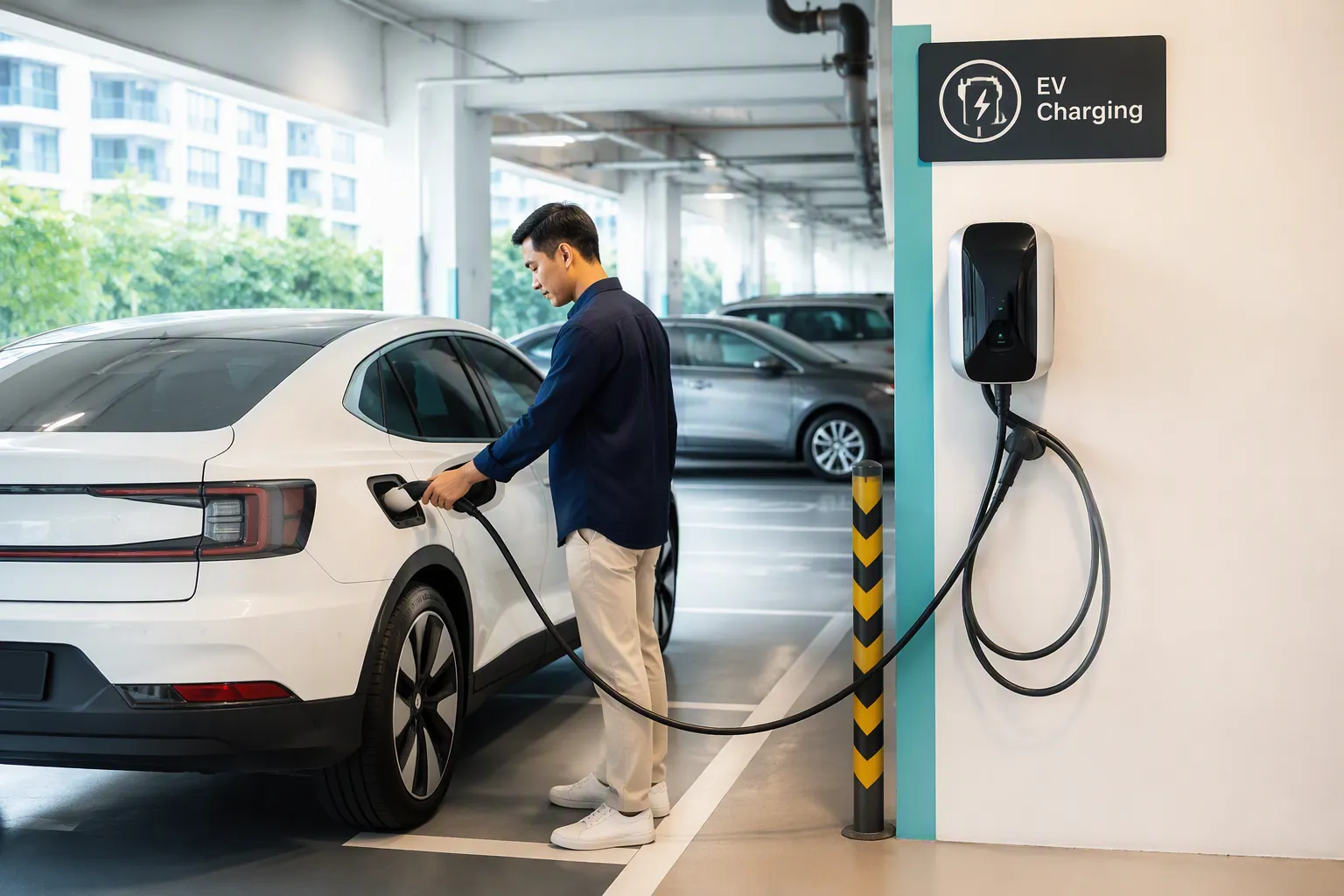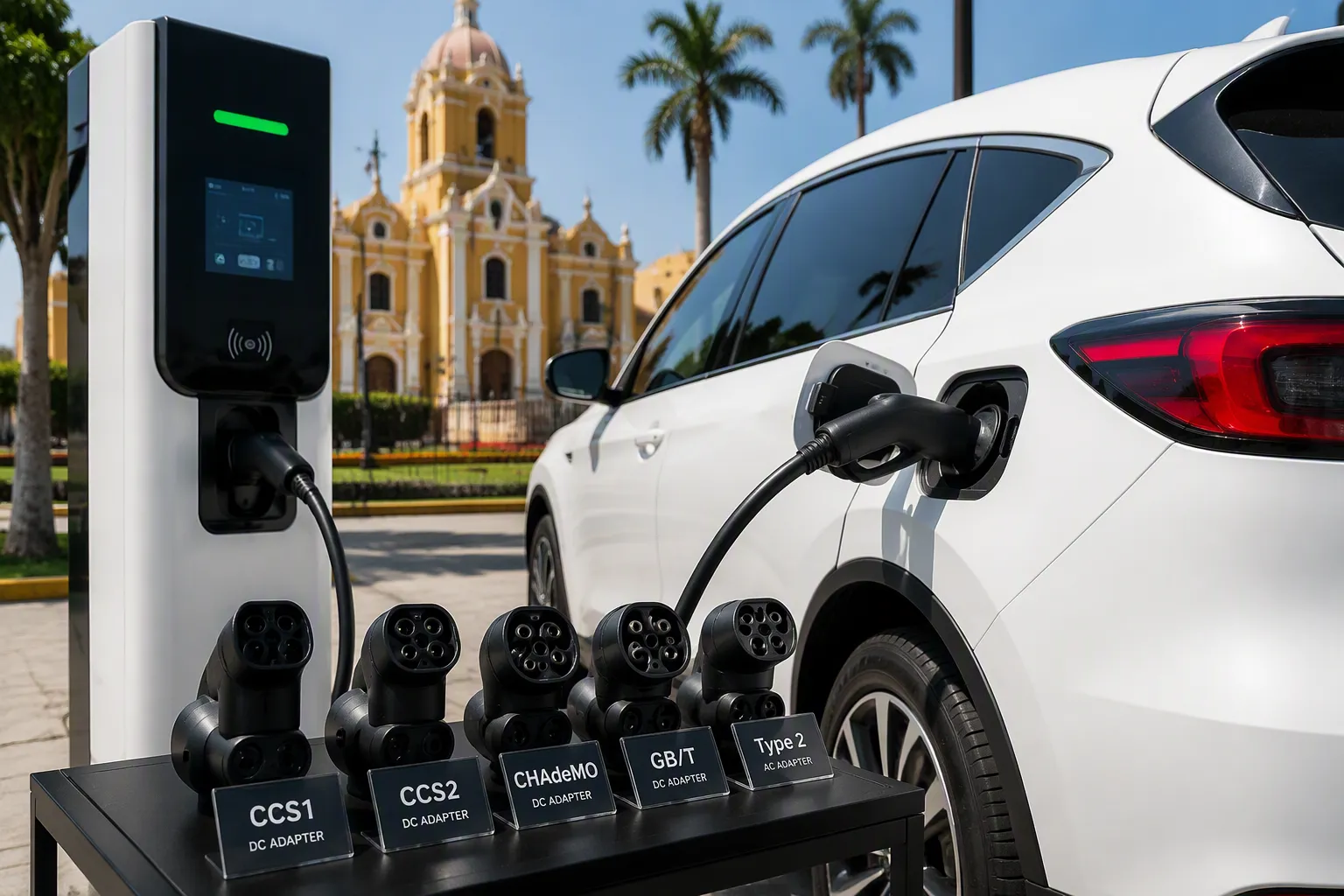

The Dutch government offers no direct government rebates or subsidies for homeowners installing a private Level 2 Chargeur de VE in 2025. Government incentives now prioritize business tax deductions and public charging infrastructure. Businesses find significant financial incentives to lower the installation cost of a Level 2 charger. These charging point incentives reduce the overall costs of electric vehicle charging. Residents without private parking can request a public charging point from their municipality for charging an electric car. This supports charging for EVs and home charging. The focus on residential EV charging has shifted. People need Solutions de recharge pour véhicules électriques for their electric car. TPSON is one of many Fabricants de chargeurs de VE providing options beyond chargeurs ev portables. The cost of charging an electric car and the EV charger itself are key considerations for every EV owner. The government supports charging an electric car through these alternative incentives, affecting every EV car. This approach to residential EV charging and home charging for an EV car guides owners of electric vehicles. The charging of an EV car is central to the EV experience.
The End of Direct Subsidies for Private EV Chargers

The landscape for residential EV charging incentives has fundamentally changed in the Netherlands. The era of direct government rebates for individual homeowners installing a private Level 2 charger has concluded. This policy shift reflects a strategic pivot away from stimulating early adoption toward building a sustainable, long-term electric vehicle charging ecosystem. The government’s focus is now on broader solutions rather than individual subsidies.
Why There Are No Homeowner Government Rebates
The Dutch government has moved past offering direct financial incentives for private home charging installations. The primary goal of earlier subsidies was to kickstart the EV market and encourage the first wave of electric car owners. With a mature and growing EV market, the government now believes the private sector can support residential EV charging without direct intervention. The strategy has evolved from encouraging individual purchases to ensuring widespread infrastructure access. This change means new EV owners must plan for the full cost of a home charger. The focus on business-level incentives and public charging for EVs is the new standard.
The Government’s Focus on Public Infrastructure
The government now channels its resources into expanding the public charging infrastructure. This approach aims to solve a critical challenge: providing reliable charging for EV drivers without private parking, such as apartment dwellers. By investing in a dense network of public charging points, the government ensures that charging an electric car is convenient for all citizens, not just those with a private driveway. This robust public charging infrastructure is essential for the continued growth of electric vehicles. The policy supports a future where every EV car has access to convenient charging options. These incentives help build out the charging network.
What This Means for Your Home Installation Costs
For homeowners, this policy shift has a clear financial implication: the full initial cost of purchasing and installing a Level 2 EV charger rests with the owner. The total cost for home charging now includes the charger itself and professional installation, without any government offset. This increases the upfront investment for residential EV charging. While the long-term cost to charge an electric car remains lower than fueling a gasoline car, the higher upfront costs are a significant consideration. An EV owner must budget for the complete expense of their Level 2 charging setup.
Remarque : Since homeowners bear the full cost, selecting a durable and technologically advanced Level 2 charger is crucial for a good long-term investment. Providers like TPSON offer sophisticated EV charging solutions that ensure efficient and reliable home charging for your electric car, maximizing the value of your purchase. The right charger minimizes future maintenance costs and enhances the experience of charging an electric car.
Key Financial Incentives for Businesses: MIA and VAMIL
While direct rebates for homeowners have ended, the Dutch government provides powerful financial incentives for businesses investing in green technology. These government incentives, specifically the MIA and VAMIL schemes, significantly reduce the net cost of installing Level 2 EV charging infrastructure. Companies can leverage these tax benefits to make commercial EV charging a financially sound investment. These charging point incentives are designed to accelerate the transition to electric mobility by supporting businesses that build out the necessary charging infrastructure.
Understanding the Environmental Investment Allowance (MIA)
The Environmental Investment Allowance (MIA) is a key tax deduction for Dutch entrepreneurs. It encourages businesses to invest in environmentally friendly assets, including Level 2 EV charging stations. The government actively supports these investments. The Dutch government has allocated a total annual budget of €209 million for the MIA scheme in 2025, signaling a strong commitment to sustainable business practices. This program allows companies to deduct a percentage of the investment cost for a qualifying EV charger from their taxable profit. These incentives make the initial setup of EV charging for an electric car more affordable. The scheme applies to the purchase costs of the EV charger and its installation.
How the MIA Scheme Reduces Your Taxable Profit
The MIA scheme provides substantial cost savings by directly lowering a company’s tax liability. It allows a business to claim an extra deduction on top of its regular business investment deductions. This lowers the total taxable profit, resulting in a smaller tax bill. The process creates tangible financial benefits.
How MIA Creates Savings:
- A business purchases and installs a qualifying Level 2 EV charger.
- The business reports this investment to the Netherlands Enterprise Agency (RVO).
- The business can then deduct up to 45% of the investment cost from its taxable profit.
- This reduction in profit leads to a lower corporate or income tax payment, reducing the overall costs of the charging project.
This mechanism makes investing in commercial EV charging for an electric car an attractive financial decision. It effectively reduces the final cost of the charging equipment.
Understanding Arbitrary Depreciation (VAMIL)
The Arbitrary Depreciation of Environmental Investments (VAMIL) scheme offers another powerful financial tool. VAMIL allows a business to control when it depreciates the cost of an environmental investment. Instead of following a standard multi-year depreciation schedule, a company can write off a large portion of the investment cost in the first year. This provides a significant liquidity and cash flow advantage. For a new EV charging station, this is a major benefit.
A business can depreciate a percentage of the investment in a single year. This flexibility improves a company’s financial position. The depreciation percentage for a Level 2 EV charger has changed over the years.
| Année | VAMIL Arbitrary Depreciation Percentage |
|---|---|
| 2023 | 75% |
| 2024 | 40% |
| 2025 | 28% |
In 2025, a business can depreciate 28% of the cost of a new EV charger at a moment of its choosing. This immediate depreciation reduces taxable profit for that year, freeing up cash that can be reinvested into the business. Choosing a technologically advanced charger from a provider like TPSON ensures the investment is not only eligible for these incentives but also provides long-term value for every electric car and EV driver using the charging point. This makes the EV charging experience for each car seamless. The incentives help manage the costs associated with charging an electric car. The right charger is essential for any commercial EV charging plan for an electric car.
How VAMIL Improves Business Cash Flow
The VAMIL scheme provides significant financial benefits by directly improving a company’s cash flow. It allows a business to accelerate the depreciation of its investment in a qualifying Level 2 EV charger. Instead of spreading the depreciation cost over several years, a company can write off a large portion in the first year. This immediate deduction lowers the company’s taxable profit for that year, resulting in a lower tax payment. The primary advantage is the immediate access to capital that would otherwise be paid in taxes. This makes investing in commercial EV charging infrastructure more manageable.
The VAMIL incentives give businesses control over the timing of their depreciation. This flexibility creates a distinct financial edge.
The Vamil scheme allows businesses to decide when to write off their investment costs, giving them control over the speed of depreciation. This flexibility directly translates into an advantage in terms of liquidity and interest.
This liquidity advantage means the business keeps more cash on hand. This cash can be used for other operational needs, such as marketing, inventory, or expansion. The interest advantage means the company can avoid borrowing money and paying interest on loans. These incentives make the installation of a new EV charger a smart financial move for any business with an EV car fleet. The reduced upfront financial burden encourages more companies to support EV charging.
Let’s explore how this works with a practical example:
- Investment: A company purchases and installs a qualifying Level 2 EV charger for its employees and customers. This investment is a key step in modernizing its facilities for the growing number of EV car drivers.
- Depreciation Choice: Using the VAMIL incentives, the company chooses to depreciate 28% of the charger cost in the first year.
- Tax Reduction: This large, upfront depreciation significantly reduces the company’s taxable profit for that year, leading to a lower corporate tax bill.
- Improved Cash Flow: The money saved on the tax payment remains in the company’s bank account. This immediate cash is now available for reinvestment, improving the financial health of the business. The overall cost of the EV charging project is effectively lowered.
By leveraging these government incentives, a business can turn the expense of a new EV charger into a strategic financial tool. The initial cost of commercial EV charging becomes less of a barrier. This makes it easier for companies to provide essential charging services for every electric car. Choosing a technologically advanced Level 2 charger from a provider like TPSON ensures the investment provides long-term value, making the most of these powerful tax benefits. The savings from these incentives help offset other operational costs related to EV charging. The goal is to make commercial EV charging for every EV car a sustainable and profitable venture.
Eligibility for Business Tax Deductions in 2025
Navigating the eligibility requirements for the MIA and VAMIL tax incentives is essential for any business planning to invest in EV charging infrastructure. The Dutch government has established clear criteria to ensure these incentives support genuine environmental investments. Understanding these rules helps a company successfully claim its deductions for commercial EV charging. These rules define who can apply and what kind of Level 2 charger qualifies for the financial benefits.
Who Qualifies for MIA and VAMIL?
The MIA and VAMIL incentives are exclusively for entrepreneurs and businesses that pay income or corporate tax in the Netherlands. This includes a wide range of entities:
- Public limited companies (NVs)
- Private limited companies (BVs)
- Sole proprietorships (Sole proprietorships)
- General partnerships (General partnerships)
- Self-employed professionals (Self-employed professionals)
These powerful incentives are designed to encourage commercial investment in green technology. They are not available to private individuals for home charging installations. The focus is squarely on businesses that provide EV charging for employees, customers, or their own electric car fleet. The goal is to expand the public and semi-public charging network.
The Role of the Environmental List (Environmental List)
The key to eligibility lies in the Environmental List, or Environmental List. The Netherlands Enterprise Agency (RVO) publishes this list annually. It specifies exactly which environmentally friendly assets and technologies qualify for the MIA and VAMIL incentives. An EV charger must appear on this list under a specific code to be eligible.
Le Environmental List is the definitive guide for these tax incentives. Before purchasing any EV charging equipment, a business must verify that the specific Level 2 charger model is listed. An investment in a non-listed asset will not qualify for the deduction.
This list ensures that government support targets technologies that deliver proven environmental benefits. It is the first and most important checkpoint for any business seeking these financial incentives for EV charging.
Requirements for Your Level 2 Charger
To qualify for the MIA and VAMIL incentives, the Level 2 EV charger must meet several specific requirements. These criteria ensure the investment is new, substantial, and contributes to the commercial EV charging infrastructure.
- New Equipment: The EV charger must be new. Second-hand or used equipment does not qualify for these incentives.
- Minimum Investment: The total investment cost for the EV charger, including purchase and installation, must be at least €2,500. This threshold ensures the incentives apply to significant investments.
- Designated Use: The charger must be intended for charging an electric car. This includes charging points for a company’s own EV fleet, employee vehicles, or public use.
- Official Listing: The Level 2 charger must be explicitly mentioned on the current year’s Environmental List.
Choosing a technologically advanced EV charger from a provider like TPSON helps ensure the equipment meets these standards. A modern charger not only secures the incentives but also provides reliable and efficient charging for every EV car. This makes the investment in commercial EV charging a smart move for any forward-thinking business. The right charger supports every EV car needing a charge.
Can Self-Employed Professionals (Self-employed professionals) Apply?
Yes, self-employed professionals, known as Self-employed professionals in the Netherlands, can apply for the MIA and VAMIL incentives. The Dutch government considers Self-employed professionals entrepreneurs for tax purposes. This status makes them eligible for the same business-focused financial incentives as larger corporations. These incentives are crucial for making EV charging infrastructure affordable. A ZZP’er who invests in a qualifying Level 2 EV charger for their business can significantly lower the net cost. The key is that the investment must be for business purposes. The EV charging station must support a business-related electric car.
To successfully claim these incentives, a ZZP’er must meet the same criteria as any other business entity. The requirements are straightforward but strict.
- Business Asset: The EV charger must be registered as a business asset. It cannot be for purely personal use. The charging equipment must be on the company’s balance sheet.
- Official Listing: The specific Level 2 charger model must appear on the current Environmental List. This is a non-negotiable requirement for all EV charging incentives.
- Minimum Investment: The total cost of the charger and its installation must exceed the €2,500 threshold.
- Business Use: The primary purpose of the charger must be for charging a business EV car. This could be a vehicle owned or leased by the business.
The distinction between business and private use is critical for a ZZP’er. The tax authorities require clear evidence that the EV charger supports business operations. This means the associated electric car must be used for business activities.
A ZZP’er should maintain detailed records, such as a trip log, to demonstrate the business use of their electric car. This documentation is essential to justify the EV charging investment and secure the tax incentives. Proper records prove the charger is a legitimate business expense.
Investing in a high-quality Level 2 charger is a smart move for any ZZP’er with a business EV. A technologically advanced charger from a provider like TPSON ensures reliable and efficient charging. This makes the investment a valuable long-term asset for the business. The right charger supports the daily demands of business travel in an electric car. Leveraging these government incentives makes the transition to electric mobility a financially sound decision for any self-employed professional. The incentives make the Level 2 EV charging setup more accessible. The charger becomes an integral part of the business’s green transition, supporting every trip in the EV car.
How to Apply for MIA and VAMIL Tax Deductions
Securing the MIA and VAMIL tax deductions is a structured process. Businesses must follow specific steps to ensure their investment in EV charging infrastructure qualifies for these valuable government incentives. Careful attention to detail and deadlines is essential for a successful application. This process makes EV charging more affordable for companies.
Step 1: Purchase a Qualifying Charger
The application process begins with the purchase of an eligible Level 2 EV charger. A business must first verify that the specific charger model is listed on the current year’s Environmental List (Environmental List). This is the most critical requirement for eligibility. An investment in a non-listed charger will not qualify for the incentives. Choosing a technologically advanced Level 2 charger from a provider like TPSON helps ensure the equipment meets the high standards required for these programs. The right charger supports every EV car needing a charge. This initial step sets the foundation for the entire incentives claim for your EV charging station. The Level 2 charger is the core of the investment.
Step 2: Report Your Investment to the RVO
After purchasing the qualifying EV charger, the business must report the investment to the Netherlands Enterprise Agency (RVO). This step is time-sensitive and mandatory for receiving the incentives. Businesses submit their investment details through the RVO’s official portal, found at https://projects.rvo.nl/section/development-cooperation. This report notifies the government of the company’s intent to claim the EV charging incentives.
Critical Deadline: A business must report its investment within three months of entering into the purchase agreement. Missing this deadline will result in the forfeiture of the MIA and VAMIL incentives for that EV charger.
This reporting step is a formal declaration of the investment in EV charging infrastructure. It is a key part of managing the charging needs of every EV car. The Level 2 charger purchase must be documented correctly.
Step 3: Claim the Deduction in Your Tax Return
The final step is to claim the deductions in the company’s annual tax return. After the RVO receives and processes the investment report, the business can apply the MIA and VAMIL benefits. The business will claim the extra investment deduction (MIA) and the accelerated depreciation (VAMIL) when filing its income or corporate tax return. This action directly reduces the company’s taxable profit for the year. The result is a lower tax payment, which improves cash flow and reduces the net cost of the EV charging project. These incentives make providing charging for an electric car a financially smart decision. This final step realizes the financial benefits of investing in a Level 2 EV charging solution for each EV car.
Critical Deadlines and Required Documentation
Successfully claiming the MIA and VAMIL incentives depends on strict adherence to deadlines and meticulous record-keeping. The Dutch government requires precise documentation to validate every claim for EV charging infrastructure. Missing a deadline or a document will jeopardize a business’s ability to access these valuable financial incentives. Proper preparation is the key to a smooth application process for any new EV charger.
The most important deadline is non-negotiable. A business must report its investment to the RVO within three months of committing to the purchase. This means the clock starts ticking the moment a company signs the purchase agreement for a new Level 2 EV charger, not on the delivery or installation date. These EV charging incentives are only available to those who act promptly.
Attention ⚠️: The three-month reporting window is absolute. MIA and VAMIL applications must be submitted within 3 months after the assignment of each investment. Failure to meet this deadline will result in the automatic rejection of the application for these incentives, with no exceptions. This rule protects the integrity of the EV charging support program.
To complete the RVO report and subsequent tax filing, a business must gather a comprehensive set of documents. These records provide proof of the investment and its eligibility. A complete file simplifies the process and prevents delays. The required documentation for your Level 2 EV charger typically includes:
- The Purchase Agreement or Invoice: This document proves the date of commitment and the total cost of the EV charger and its installation. It is the primary evidence for the investment.
- Proof of Payment: Bank statements or receipts show that the transaction for the EV charging station has been completed.
- Technical Specifications of the Charger: This information confirms the Level 2 charger model is on the Environmental List. A reputable provider like TPSON supplies clear documentation for its technologically advanced EV charger models, simplifying this step.
- Company Information: The business’s Chamber of Commerce (KvK) number and other identifying details are necessary for the application. This links the investment to the correct taxable entity.
- Details on Business Use: Documentation should demonstrate the charger’s role in business operations, such as supporting a company EV car or providing charging for employee vehicles. This is crucial for every EV car using the station.
Organizing these documents before starting the RVO report ensures a business can efficiently claim the EV charging incentives. These incentives significantly lower the cost of providing charging for each EV car. This makes the investment in a Level 2 EV charging solution a sound financial decision.
Alternative: Requesting a Public Charger Near You

For residents without a private driveway or garage, the Dutch government supports an effective alternative to private residential EV charging. The system allows individuals to request a public charging station near their home or workplace. This policy is a cornerstone of the national strategy to ensure equitable access to EV charging infrastructure. It makes charging an electric car feasible for everyone, regardless of their housing situation. This approach directly addresses the challenges of urban residential EV charging.
How the Public Charger Request System Works
The public charger request system is a collaborative effort between municipalities and commercial charge point operators. It operates on a demand-driven model. An EV owner without private parking initiates the process by submitting a request to their local municipality. The municipality then assesses the request based on local policies and existing infrastructure.
This system does not mean the municipality installs a private charger for one person. Instead, a successful request leads to the installation of a new public charging point on a public street. This new charger becomes part of the city’s public charging network, available for any EV driver to use.
This process ensures that the public charging network expands in areas with proven demand. It is a practical solution for charging an electric car in densely populated areas. The system effectively decentralizes the planning of the charging network. It empowers residents to signal the need for more charging for EVs. This method of expanding public charging infrastructure is a key government strategy. The goal is to make the charging experience seamless for every EV owner.
Eligibility Criteria for Requesting a Public Charger
Municipalities have established clear criteria to manage the public charger request process. These rules ensure that new installations serve residents who genuinely lack other options for residential EV charging. An applicant must typically meet several conditions to qualify.
An EV owner must satisfy the following requirements:
- No Private Parking: The applicant cannot have a private parking space, such as a driveway or a dedicated garage spot. This is the most fundamental criterion.
- Own or Lease an EV: The person must own or have a lease contract for a fully electric car or a plug-in hybrid with a significant electric range. A proof of ownership or lease is usually required.
- Reside or Work in the Municipality: The request must be for a location near the applicant’s home or, in some cases, their primary place of work within the municipality.
- Lack of Nearby Public Charging: There should not be an existing public charging station within a reasonable walking distance (e.g., 250-300 meters) of the requested location.
These criteria ensure that the government’s support for public charging targets the greatest need. This system provides a vital service for any EV driver without access to a private charger. The focus is on providing a reliable charging solution for their electric car.
A Step-by-Step Guide to Submitting a Request
Submitting a request for a public charger is a straightforward process managed online. Each municipality has a dedicated portal for these applications. Following the correct steps ensures a smooth review of the request for a new charging station. This process is the main alternative to installing a private Chargeur de niveau 2.
- Find Your Municipal Portal: An EV owner starts by visiting their municipality’s official website. They can search for terms like “openbare laadpaal aanvragen” (request a public charging pole). This leads to the correct online form or portal.
- Complete the Application: The applicant fills out the digital form with their personal details, address, and information about their electric car. They will need to upload documents like a copy of their car lease or registration and proof of address.
- Municipal Review: The municipality reviews the application against the eligibility criteria. It also assesses the proposed location for technical suitability, such as grid capacity and sidewalk space. This review ensures the new charger placement is safe and practical.
- Installation: Upon approval, the municipality coordinates with a commercial charge point operator to install the new Level 2 public charging station. The timeline for installation can vary from a few weeks to several months.
- Public Access: The new charger becomes a fully public asset. The applicant has no exclusive rights to it. Any EV driver with a valid charge card can use the station for charging their car.
This system is an excellent solution for many. However, the charging speed and availability depend on public demand. For businesses or individuals with parking, installing a dedicated, technologically advanced Level 2 charger from a provider like TPSON offers guaranteed access and faster charging. This remains the premium electric vehicle charging experience. The public system, while effective, is a shared resource for charging an electric car. It is a key part of the national charging strategy. The charging point incentives for businesses do not apply here, as this is a public service. This system makes charging an electric car more accessible for every EV.
The Impact on Your Daily Charging an Electric Car
Relying on public charging infrastructure creates a different daily experience for an EV owner compared to using a private charger. The public system is a vital resource, but it requires a shift in habits and planning. The convenience of home charging is replaced by a more deliberate approach to charging an electric car. This impacts an EV owner’s routine, costs, and overall ownership experience.
The primary difference is the level of planning involved. An EV owner with a private Level 2 charger simply plugs in their car overnight. The vehicle is ready with a full battery each morning. In contrast, public charging demands active management.
- Le propriétaire d'un VE doit locate an available public charging station.
- They may need to wait if the station is already in use.
- The owner must often move their car after the charging session is complete to avoid idle fees and free up the spot for another EV.
This process adds extra steps to the daily task of charging an electric car. The availability of public charging points can be unpredictable. An EV driver might find their usual spot occupied, forcing them to search for an alternative. This makes the charging process less seamless.
The cost to charge an electric car is also a significant factor. Public charging rates are typically higher per kilowatt-hour than residential electricity rates. This means the long-term operational savings of an electric car are slightly reduced for those who depend exclusively on the public charging network.
Furthermore, the charging speed can vary. While many public stations are Level 2, the same as a home unit, the consistent overnight charging at home is a key benefit. A private Level 2 charger from a provider like TPSON ensures a reliable and efficient charging session every time. This guarantees the EV is prepared for the next day’s travel. The public charging system, while extensive, introduces variables that an EV owner must manage. The daily routine of charging an electric car becomes a more conscious and scheduled activity. An owner must integrate this charging into their daily or weekly schedule, much like a trip to a gas station. This is a fundamental change from the simple, automated nature of home charging for an electric car. The level of convenience is the main trade-off for any EV owner using public charging for their car.
Summary Table: Your EV Charging Support Options in 2025
Navigating the support landscape for electric vehicle charging requires understanding your specific situation. The options for charging an electric car vary significantly between homeowners, renters, and businesses. This summary clarifies the available paths for each group in the Netherlands for 2025.
Options for Homeowners with Private Parking
Homeowners with private parking have the most direct path to home charging but receive no direct financial aid.
- No Government Rebates: The Dutch government does not offer subsidies for private residential EV charging installations.
- Full Cost Responsibility: The homeowner bears the full cost of purchasing and installing a Level 2 charger. This includes the hardware and professional installation costs.
- Long-Term Investment: The focus shifts to making a wise long-term investment. Choosing a technologically advanced and durable EV charger, like those from TPSON, ensures reliability and maximizes the value of the installation de recharge domestique.
Options for Renters and Apartment Owners (Owners’ Association)
Renters and apartment owners face a more complex process for residential EV charging. Securing permission is the critical first step. For these EV owners, charging an electric car at home depends on cooperation.
- Permission is Mandatory: An individual must obtain permission from their landlord or the Owners’ Association (Owners’ Association) before installing a charging point. This is similar to getting approval for other property modifications.
- Présenter un plan clair: A successful request involves presenting a clear plan. This should include the charger type, safety features, and details from a certified installer.
- Negotiate Costs: The tenant or apartment owner typically covers the installation cost. Highlighting the benefits, such as increased property value, can support the discussion.
- Access to Electricity: Une autorisation est nécessaire pour se raccorder à un compteur électrique. Cela garantit une facturation précise de l'énergie utilisée pour recharger une voiture électrique.
Il est crucial de documenter tous les accords par écrit. Cela clarifie les responsabilités concernant le coût, la propriété et le devenir de la borne de recharge si le locataire déménage.
Options pour les propriétaires d'entreprise
Les entreprises sont la cible principale des incitations gouvernementales pour développer l'infrastructure de recharge nationale. Ces incitations pour points de recharge offrent des économies financières significatives.
- Déductions fiscales MIA et VAMIL: Les entreprises peuvent bénéficier du régime de l'Investissement Environnemental (MIA) et de l'Amortissement Arbitraire (VAMIL). Ce sont les principales incitations gouvernementales pour la recharge électrique commerciale.
- Réduction du bénéfice imposable: La MIA permet à une entreprise de déduire un pourcentage du coût d'investissement de son bénéfice imposable, réduisant ainsi l'impôt final.
- Improved Cash Flow: Le VAMIL permet un amortissement accéléré, ce qui améliore la trésorerie et rend le coût initial installation de recharge pour VE commerciale. plus gérable. Cela soutient le développement des infrastructures de recharge privées et publiques pour tous les véhicules électriques. Ces avantages font de la recharge pour VE un investissement commercial judicieux. Le processus de recharge d'une voiture électrique devient un actif.
Il n'existe pas de remboursement direct du gouvernement pour la recharge résidentielle des VE en 2025. Les Pays-Bas offrent un soutien alternatif solide pour recharger une voiture électrique. Les entreprises doivent exploiter les déductions fiscales pour réaliser des économies importantes sur leur infrastructure de recharge. Ces avantages réduisent les coûts globaux de recharge des VE. Pour les particuliers, la demande d'infrastructure de recharge publique est l'option la plus efficace pour recharger une voiture électrique. Cette approche soutient la recharge résidentielle des VE pour chaque VE.
Un propriétaire de VE doit évaluer sa situation pour trouver la meilleure solution de recharge à domicile. Cela garantit qu'il peut gérer le coût de recharge d'une voiture électrique. Les économies et les avantages rendent la recharge des véhicules électriques plus accessible pour chaque VE électrique. C'est la meilleure façon de gérer les coûts de recharge d'une voiture électrique. Le processus de recharge d'une voiture électrique est un élément clé à prendre en compte.
FAQ
Existe-t-il une subvention directe pour une borne de recharge domestique ?
Non, le gouvernement néerlandais n'offre pas de remboursements directs pour les bornes de recharge privées en 2025. Les propriétaires sont responsables du coût d'installation complet. Cette politique encourage une approche différente de la recharge d'une voiture électrique.
Quelle est la principale incitation pour les entreprises ?
Les entreprises peuvent utiliser les déductions fiscales MIA et VAMIL. Ces régimes réduisent le bénéfice imposable et améliorent la trésorerie. Ils rendent l'investissement dans l'infrastructure pour recharger une voiture électrique plus abordable pour les entreprises.
Puis-je obtenir une borne si je vis en appartement ?
Un habitant d'appartement peut demander une borne de recharge publique auprès de sa municipalité. Ce système fournit une solution pratique pour recharger une voiture électrique aux résidents n'ayant pas de place de parking privative.
Qu'est-ce que la Environmental List?
Le Environmental List (Liste Environnementale) est une publication officielle du gouvernement. Elle répertorie les actifs écologiques spécifiques, y compris certaines bornes de recharge pour VE, qui sont éligibles aux déductions fiscales MIA et VAMIL. Une entreprise doit consulter cette liste avant tout achat.
Comment choisir une borne éligible pour mon entreprise ?
Une entreprise doit sélectionner un modèle de borne figurant sur la Environmental List.
- actuelle. Des fournisseurs comme TPSON proposent des bornes technologiquement avancées qui répondent à ces normes.
- Cela garantit une méthode fiable pour recharger une voiture électrique.
- Cela assure également l'éligibilité aux incitations fiscales.
Quelle est la plus grande erreur lors d'une demande MIA/VAMIL ?
L'erreur la plus courante est de manquer la date limite de déclaration. Une entreprise doit déclarer son investissement à la RVO dans les trois mois suivant le contrat d'achat. Cette étape est cruciale pour sécuriser les avantages pour la recharge d'une voiture électrique.