The Level 1 Charger faces a decline in relevance as the Philippines’ EV market rapidly expands. Strong growth in EV adoption, wider EV-Ladelösungen, and evolving consumer expectations now drive demand for faster, more powerful chargers. The electric vehicle charging station market projects a remarkable rise, fueled by investments and support from both government and Hersteller von EV-Ladegeräten. Many current and future EV owners seek advanced options, such as tragbare ev-ladegeräte, to match their lifestyles. These trends make it crucial for individuals to evaluate the suitability of their chosen EV-Ladegerät.
“The Philippines EV market is uniquely positioned at the intersection of policy support, sustainability goals, and consumer demand,” said Rachna Patni, Senior Mobility Analyst at Phoenix Research.
EV Industry Growth and Charging Infrastructure in the Philippines

EV Adoption Rates and Market Expansion
Recent EV Sales Trends
The Philippine EV market has experienced remarkable growth in recent years. EV sales have increased by 25% over the past five years, reflecting rising consumer interest and a shift toward sustainable mobility. From January to August 2024, 11,186 EV units were sold, signaling strong momentum in EV adoption. The market now sees a broader range of electric vehicles, including e-trikes and e-motorcycles, which appeal to both urban and rural commuters. This surge in adoption highlights the country’s commitment to cleaner transportation and positions the Philippines as a promising player in the regional EV industry.
Future Projections for Electric Vehicle Reviews
Industry analysts project that the Philippines will reach 2.45 million EV units by 2028. This forecast demonstrates the potential for continued market expansion and increased demand for advanced charging stations. As more consumers turn to electric vehicles, electric vehicle reviews play a crucial role in shaping purchasing decisions. These reviews often emphasize the importance of reliable charging infrastructure and the need for faster, more efficient charging solutions. The ongoing growth in EV adoption will likely drive further innovation and investment in the sector.
Charging Infrastructure Development
Public Charging Stations and Fixed Chargers
The expansion of public charging stations remains a top priority for both private companies and the government. Companies like ACMobility and ChargeEuropa have partnered to deploy advertising-supported EV chargers at strategic locations across the country.
| Partner | Initiative | Standort |
|---|---|---|
| ChargeEuropa | Deploying advertising-supported EV chargers | Strategic locations in the Philippines |
These initiatives aim to address the growing demand for accessible charging options and support the increasing number of electric vehicles on Philippine roads. Public charging infrastructure ensures that EV owners can travel longer distances with confidence.
Home Charging Solutions and Supply-Demand Gap
Home charging solutions continue to evolve as more households invest in electric vehicles. However, the supply-demand gap persists, especially in densely populated areas where parking and electrical capacity may be limited. The government mandates charging stations in new buildings, which helps bridge this gap and encourages further EV adoption. As the market grows, both fixed and portable charging options will become essential for meeting diverse consumer needs.
Government Support and Policy Initiatives
National EV Roadmap and Incentives
Strong government support has accelerated the development of the EV industry. The Gesetz zur Entwicklung der Elektrofahrzeugindustrie (EVIDA), enacted in 2022, provides a comprehensive policy framework for the sector.
| Aspekt | Beschreibung |
|---|---|
| Law | Electric Vehicle Industry Development Act (EVIDA), enacted in 2022. |
| Zweck | Establishes a comprehensive policy for developing the electric vehicle industry. |
| Erfassungsbereich | Includes manufacturing, importation, charging infrastructure, usage, and disposal of EVs. |
| Incentives | Introduces fiscal and non-fiscal incentives to lower barriers for businesses and consumers. |
| Mobility Benefits | EVs are exempt from number coding schemes, offering greater mobility flexibility. |
| Tax Advantages | Exemption from excise taxes and reduced import duties for certain EVs and components. |
| Support Program | Comprehensive Industry Development Program (CIDP) promotes local EV-related industries and job creation. |
Infrastructure Funding and Expansion Plans
The government continues to invest in infrastructure funding and expansion plans. These efforts include accessible financing options for EV buyers and mandates for charging stations in new developments. The Department of Energy actively supports the expansion of Ladeinfrastruktur, ensuring that the country keeps pace with the rapid growth of the EV market. These policies and incentives create a favorable environment for both consumers and businesses, driving further adoption and industry growth.
Level 1 Charger: Role and Relevance
What Is a Level 1 Charger?
Technical Features and Specifications
A level 1 charger uses a standard 220V household outlet in the Philippines. This charger delivers power at a rate of about 2 to 3 kilowatts. Most electric vehicle owners receive a level 1 charger with their new EV. The charger connects directly to the car’s onboard charging port. It does not require special installation or upgrades to the home’s electrical system. Charging with this method usually adds 6 to 8 kilometers of range per hour. The simplicity of the level 1 charger appeals to many first-time EV buyers.
Common Use Cases in the Philippines
Many Filipino households rely on the level 1 charger for daily charging needs. Residents in condominiums or houses with limited parking often use this charger overnight. Some drivers with short commutes find the level 1 charger meets their requirements. In rural areas, where public charging stations remain scarce, the level 1 charger provides a practical solution. Fleet operators sometimes use these chargers for electric motorcycles or e-trikes that do not require fast charging.
Benefits of Level 1 Charging
Accessibility and Affordability
The level 1 charger offers significant advantages in accessibility and affordability. Most homes already have compatible outlets, so owners avoid extra installation costs. The charger comes included with most electric vehicles, reducing upfront expenses. This accessibility supports the early stages of EV adoption in the market. Many drivers appreciate the low cost and ease of use, especially when compared to more advanced charging systems.
Simplicity for Home EV Owners
Home EV owners value the simplicity of the level 1 charger. The device requires no technical expertise to operate. Owners simply plug the charger into a wall socket and connect it to the vehicle. This process ensures charging convenience for users who do not need rapid charging. The straightforward design reduces the risk of electrical issues or installation errors. For many, the level 1 charger represents an easy entry point to the world of electric mobility.
Tip: For drivers with predictable daily routines and short travel distances, the level 1 charger can deliver all the EV benefits needed for everyday use.
Drawbacks of Level 1 Charging
Slow Charging Speeds and User Frustration
The main drawback of the level 1 charger involves slow charging speeds. Charging a modern EV battery from empty to full can take more than 24 hours. This slow pace often leads to frustration, especially for users who need their vehicle ready for longer trips. The limited charging rate may not keep up with the demands of busy households or multi-car families. As the market shifts toward larger batteries and longer ranges, the slow speed of the level 1 charger becomes a significant limitation.
Limitations with Modern EVs and Larger Batteries
Modern electric vehicles feature larger battery packs to increase driving range. The level 1 charger struggles to replenish these batteries quickly. Owners of new EV models may find that overnight charging does not provide enough range for daily needs. The charger’s limited power output also restricts its usefulness for commercial fleets or shared vehicles. As more drivers seek advanced EV benefits, the level 1 charger may no longer meet their expectations for charging convenience and efficiency.
| Limitation | Auswirkungen auf die Nutzer |
|---|---|
| Langsame Ladegeschwindigkeit | Longer wait times, less flexibility |
| Inadequate for large batteries | Insufficient range for daily use |
| Not ideal for multi-car households | Increased scheduling conflicts |
Comparing Level 1 Charger to Advanced Alternatives
Level 2 Chargers in the EV Market
Speed, Efficiency, and Installation
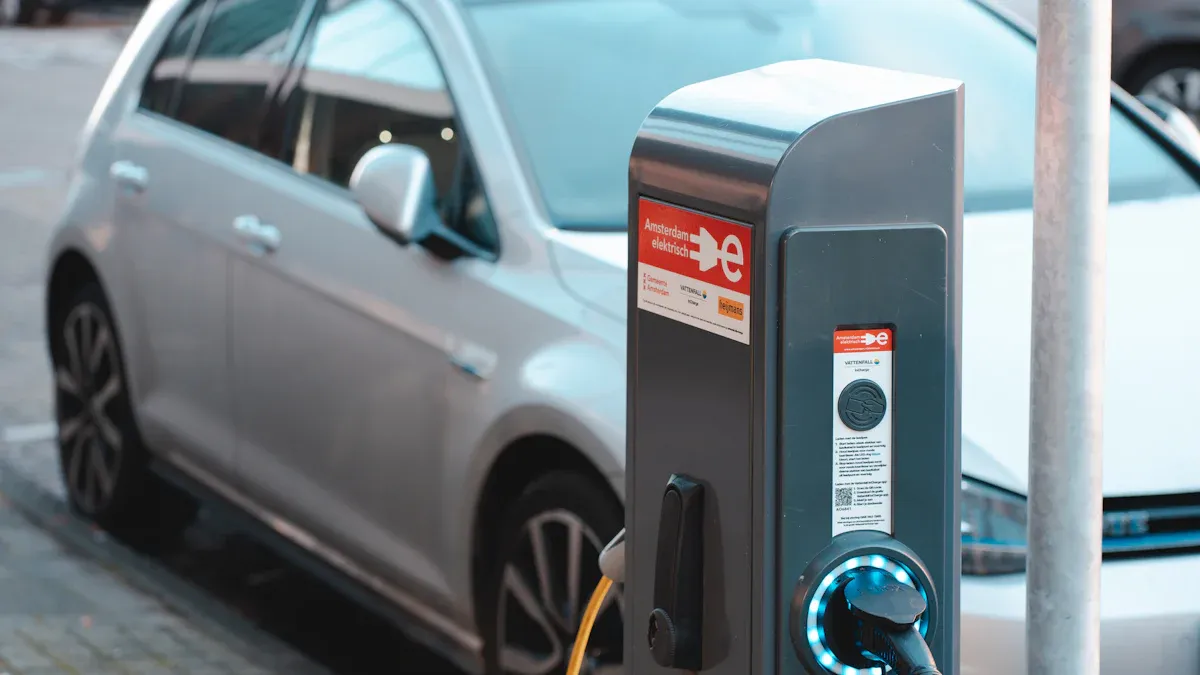
Level 2 chargers deliver a significant upgrade in speed and efficiency compared to Level 1 chargers. These devices operate at 240V, which allows them to charge an EV much faster. Most Level 2 chargers require professional installation, but they meet the daily needs of many Filipino EV owners. The following table highlights the differences between Level 1 and Level 2 chargers:
| Ladegerät Typ | Spannung | Aufladegeschwindigkeit | Idealer Anwendungsfall |
|---|---|---|---|
| Stufe 1 | 120V | Slowest charge | Overnight charging for lower daily ranges |
| Stufe 2 | 240V | Schnelleres Laden | Most daily needs requiring professional installation |
Level 2 chargers reduce the time needed to recharge an EV, which improves real-world usability for drivers with busy schedules. Many households and businesses now consider Level 2 chargers essential for supporting the growing EV industry.
Cost and Availability in the Philippines
Die cost of installing a Level 2 charger can vary depending on the location and electrical setup. Most units cost between ₱40,000 and ₱80,000, including installation. This upfront cost may seem high, but it often lowers the total cost of ownership over time by reducing reliance on public charging stations. Availability continues to improve as local suppliers and international brands enter the market. Many new residential developments now offer Level 2 charging options, which supports the expansion of the electric vehicle industry.
DC Fast Chargers and EV Industry Growth
Ultra-Fast Charging Capabilities
DC fast chargers provide ultra-fast charging for EVs, making them ideal for long-distance travel and commercial fleets. These chargers can replenish most batteries to 80% in less than an hour. The rapid charging speed addresses the needs of drivers who require quick turnaround times and supports the overall growth of the EV industry.
Expansion of Fast Charging Networks
The expansion of DC fast-charging networks plays a vital role in the Philippines’ EV industry. Companies such as Meralco, Shell, and Ayala invest heavily in building these networks. Their efforts create a reliable infrastructure for urban centers and intercity routes. This development encourages more consumers to adopt EVs, knowing that fast charging is available when needed.
User Experience and Electric Vehicle Reviews
Charging Time vs. Daily Driving Needs
Electric vehicle reviews often highlight the importance of charging time in daily use. Level 1 chargers suit drivers with short commutes and predictable schedules. Level 2 and DC fast chargers benefit those who travel longer distances or need their EV ready quickly. The choice of charger impacts the total cost of ownership and overall satisfaction.
Note: Drivers should assess their daily driving patterns before investing in a charging solution. Faster chargers may justify their cost for users with higher mileage.
Urban vs. Rural Suitability
Urban areas in the Philippines offer better access to advanced charging infrastructure. Rural regions still rely on Level 1 chargers due to limited availability of public stations. The expansion of fast-charging networks aims to bridge this gap, but cost and accessibility remain key factors for many households. The real-world usability of each charger type depends on location, driving habits, and the total cost of ownership.
Evolving User Needs and Charging Habits
Urban and Rural Charging Patterns
Access to Public Chargers
Urban areas in the Philippines now offer more public charging stations than ever before. Many shopping malls, office complexes, and parking facilities have installed these stations to support the growing number of EV users. Drivers in cities benefit from shorter wait times and convenient locations. In contrast, rural communities still face limited access. Fewer public chargers exist outside major urban centers, which can discourage some residents from switching to an EV.
Note: The government and private sector continue to expand public charging networks, but progress remains uneven between urban and rural regions.
Home Charging Preferences and Limitations
Most Filipino EV owners prefer home charging for its convenience and cost savings. They often use standard outlets or install dedicated chargers in their garages. However, not all homes can support this setup. Condominiums and apartments may lack private parking or sufficient electrical capacity. These limitations force some drivers to rely on public infrastructure or seek alternative solutions.
Daily Commutes and Driving Distances
Level 1 Charger Suitability for Short Trips
A level 1 charger meets the needs of many drivers with short daily commutes. Most urban residents travel less than 40 kilometers per day. Overnight charging at home provides enough range for these routines. This solution works well for single-car households and those who do not require frequent long-distance travel.
Challenges for Long-Distance EV Drivers
Long-distance drivers face greater challenges. The slow speed of a level 1 charger cannot keep up with the demands of extended trips. These users often need faster options to avoid long downtimes. Limited public charging in rural areas adds another layer of difficulty. Many long-distance EV owners invest in level 2 chargers or plan routes around available public stations.
Multi-Car Households and Shared Charging
Managing Multiple EVs
Multi-car households introduce new complexities. When several family members own EVs, they must coordinate charging schedules. A single level 1 charger may not provide enough capacity for all vehicles. Some families install multiple chargers or upgrade to higher-capacity solutions.
Impact on Infrastructure Demand
The rise of multi-car EV households increases demand for robust infrastructure. More homes require electrical upgrades to support simultaneous charging. Public stations also see higher usage rates. This trend pushes developers and policymakers to prioritize scalable solutions for the future.
Tip: Households planning to add more than one EV should assess their electrical system and consider future-proofing their charging setup.
Technological Advancements and Future Trends
Battery Improvements and EV Industry Growth
Larger Battery Packs and Range Increases
Manufacturers continue to develop larger battery packs for electric vehicles. These improvements allow drivers to travel farther on a single charge. The industry now focuses on increasing energy density and optimizing battery chemistry. Many new models offer ranges that exceed 400 kilometers, which meets the needs of both urban and rural commuters. Larger battery packs also support the expansion of commercial fleets and public transportation options.
Reduced Need for Frequent Charging
Advancements in battery technology reduce the need for frequent charging. Drivers experience less range anxiety and enjoy greater flexibility in their daily routines. The industry benefits from these trends as consumers gain confidence in the reliability of battery EVs. Fewer charging stops mean lower operational costs and improved convenience for EV owners. This shift encourages more people to consider electric vehicles for long-distance travel and multi-car households.
Smart Charging Solutions for EV Owners
Integration mit Hausenergieanlagen
Smart charging solutions now integrate with home energy systems. Homeowners can schedule charging during off-peak hours to save on electricity costs. Some systems connect with solar panels, allowing users to power their EVs with renewable energy. This integration supports sustainability goals and aligns with the country’s push for cleaner transportation.
Mobile and App-Based Controls
Mobile apps and cloud-based platforms give EV owners more control over their charging experience. Users monitor charging status, set schedules, and receive notifications through their smartphones. These tools improve convenience and help optimize energy usage. The latest technology trends include AI-powered optimization of charging infrastructure and intelligent battery management systems. Machine learning algorithms analyze consumer behavior, which helps manufacturers tailor products to local market needs. Data analytics also support regulatory compliance and policy refinement, advancing sustainable urban mobility initiatives.
| Trend Description | Impact on EV Owners in the Philippines |
|---|---|
| AI-powered optimization of charging infrastructure | Enhances efficiency and accessibility of charging stations. |
| Intelligent battery management systems driven by AI | Improves battery life and performance, crucial for EV reliability. |
| AI-driven predictive maintenance in after-sales service | Enhances support for EV owners through better service partnerships. |
| Machine learning algorithms analyzing consumer behavior | Aids manufacturers in tailoring EVs to meet local market needs. |
| Data analytics improving regulatory compliance and policy refinement | Supports sustainable urban mobility initiatives for EV adoption. |
Future-Proofing Charging Infrastructure
Charger Compatibility Trends
Charging infrastructure must keep pace with rapid changes in EV technology. Manufacturers design new chargers to support a wide range of vehicle models and battery sizes. Compatibility trends focus on universal connectors and smart communication protocols. These features ensure that future EVs can access existing charging networks without major upgrades.
Preparing for Next-Generation Electric Vehicles
The industry prepares for next-generation electric vehicles by investing in scalable infrastructure. Developers prioritize flexible solutions that accommodate higher charging speeds and larger battery packs. Policymakers encourage the adoption of smart chargers and support research into emerging technologies. These efforts position the Philippines to lead in regional EV adoption and innovation.
Tip: EV owners should stay informed about new charging technologies and infrastructure updates to maximize the benefits of their investment.
Practical Advice for EV Owners in the Philippines
Should You Invest in a Level 1 Charger?
Key Considerations for New EV Owners
New EV owners in the Philippines often wonder if a level 1 charger is a practical choice. They should evaluate their daily driving habits, home charging setup, and access to public charging stations. Those who drive short distances each day and have a secure parking space with a standard outlet may find a level 1 charger sufficient. The initial cost remains low because most new electric vehicles include this charger. Owners should also consider the size of their vehicle’s battery. Larger batteries require longer charging times, which may not suit everyone’s needs.
Tip: Assess your daily mileage and charging location before deciding on a charging solution.
When Level 1 Charger Still Makes Sense
A level 1 charger still fits certain lifestyles. It works well for single-car households with predictable routines. Residents in rural areas, where public charging infrastructure remains limited, can benefit from the simplicity of home charging. Small EVs, such as e-motorcycles or e-trikes, often do not need fast charging. For these users, a level 1 charger offers a reliable and cost-effective solution.
Upgrading to Level 2 or DC Fast Charging
Cost-Benefit Analysis for EV Owners
Upgrading to a level 2 or DC fast charger involves higher upfront costs. However, these chargers provide faster charging speeds and greater convenience. Owners who drive long distances or have multiple EVs in the household may find the investment worthwhile. The table below compares key factors:
| Ladegerät Typ | Upfront Cost | Aufladegeschwindigkeit | Am besten für |
|---|---|---|---|
| Stufe 1 | Niedrig | Langsam | Short commutes, small EVs |
| Stufe 2 | Mäßig | Schnell | Daily use, multi-car homes |
| DC Schnell | Hoch | Ultraschnell | Fleets, long-distance travel |
TPSON offers advanced charging solutions that support both level 2 and DC fast charging, helping owners future-proof their charging setup.
Installation and Maintenance Tips
Professional installation ensures safety and optimal performance for level 2 and DC fast chargers. Owners should check their home’s electrical capacity before upgrading. Regular maintenance, such as inspecting cables and connectors, extends the lifespan of the equipment. TPSON provides support and guidance for installation and after-sales service.
Navigating the Changing EV Charging Landscape
Staying Informed About Infrastructure Updates
Die EV market in the Philippines continues to evolve. Owners should stay updated on new charging stations and technology trends. Many providers, including TPSON, share updates through websites and mobile apps. Monitoring these resources helps owners plan routes and avoid charging delays.
Hebelwirkung staatlicher Anreize
Government incentives can reduce the cost of upgrading charging equipment. Owners should research available programs, such as tax breaks or rebates for installing home chargers. These incentives encourage more people to adopt electric vehicles and support the growth of charging infrastructure.
Note: Combining government support with advanced solutions from providers like TPSON can maximize the benefits of EV ownership.
The level 1 charger loses relevance as the Philippines’ EV market grows. Industry expansion and new technology drive demand for faster charging solutions. EV owners should assess daily driving habits, battery size, and home setup before choosing a charger.
- Level 2 and DC fast chargers offer greater convenience for most users.
- Government incentives and infrastructure updates support advanced options.
Staying updated with electric vehicle reviews helps owners make informed decisions in a changing market.
FAQ
What is a Level 1 charger?
A Level 1 charger uses a standard household outlet. It provides slow charging for electric vehicles. Most new EVs include this charger. Many owners use it for overnight charging at home.
How long does it take to charge an EV with a Level 1 charger?
Charging an EV with a Level 1 charger usually takes more than 24 hours for a full battery. The actual time depends on the battery size and the vehicle model.
Is a Level 1 charger suitable for long-distance travel?
A Level 1 charger does not meet the needs of long-distance drivers. It charges slowly and cannot support frequent, extended trips. Level 2 or DC fast chargers offer better solutions for these users.
What are the main benefits of upgrading to a Level 2 charger?
Level 2 chargers provide faster charging speeds and greater convenience. They reduce wait times and support daily use for multi-car households. Many new residential developments now include Level 2 charging options.
Are government incentives available for EV charger installation?
The Philippine government offers incentives for EV charger installation. These include tax breaks and rebates. Owners should check current programs to maximize savings.
Can apartment residents install home EV chargers?
Apartment residents may face challenges installing home EV chargers. Limited parking and electrical capacity often restrict options. Many rely on public charging stations or shared solutions.
Do all EVs support DC fast charging?
Not all EVs support DC fast charging. Owners should check their vehicle’s specifications before using these chargers. Compatibility depends on the model and battery technology.
Where can EV owners find updates on charging infrastructure?
EV owners can find updates on charging infrastructure through provider websites, mobile apps, and government announcements. Staying informed helps drivers plan routes and avoid charging delays.