Eine EV home charging station offers unparalleled convenience for electric vehicle owners. With over 80% of EV drivers primarily charging their vehicles at home, a reliable setup is crucial. To install EV home charging station, a dedicated 240-volt circuit is essential for efficient Level 2 charging. This process necessitates a qualified electrician to guarantee safety and adherence to local regulations.
Anmerkung: The costs associated with an EV-Ladegerät installation can fluctuate considerably. Key factors include the specific charger model, the complexity of the installation, and your home’s current electrical system. Furthermore, some local authorities might require a permit before any work commences.
TPSON, a prominent provider of technologically advanced EV-Ladelösungen, presents a diverse array of options, ranging from robust wall-mounted units to practical tragbare EV-Ladegeräte. Consulting with reputable Hersteller von EV-Ladegeräten and a professional installer will assist you in identifying the optimal solution for your individual requirements.
Vorbereitungen für die Installation Ihrer Heim-EV-Ladestation
Proper preparation is the foundation of a successful home EV charger installation. Before selecting a charger, a homeowner must evaluate their property’s electrical infrastructure and personal driving requirements. This initial planning ensures a safe, efficient, and future-ready charging solution.
Assess Your Home’s Electrical System
A Elektrofachkraft must conduct a thorough assessment of the home’s electrical system. This step is non-negotiable for safety and compliance. The evaluation includes several key checks.
Check Your Main Electrical Panel Capacity
The main electrical panel is the distribution hub for all electricity in a home. An electrician will verify the panel’s total amperage capacity. A Level 2 charger adds a significant, continuous electrical load, and the panel must be able to support it without becoming overloaded.
Perform a Load Calculation
An electrician performs a detailed load calculation to determine if the panel has sufficient spare capacity. This assessment accounts for all existing major appliances and the proposed new charger. If a panel is already near its limit, such as a 100-Ampere-Anschluss in a modern home, it may not safely support the additional demand.
Profi-Tipp: During a site survey, an electrician can assess your system’s capacity. They confirm the electrical system is properly grounded and that metallic pipes are bonded to the main earthing terminal to prevent electrical hazards.
Identify Needs for a Panel Upgrade
The load calculation will identify any need for an upgrade. If the existing panel lacks capacity, the electrician will recommend an upgrade, often to a 200-amp service. This ensures the EV charger can run reliably without tripping breakers or creating a fire risk.
Understand Your Charging Needs
Matching a charger to your lifestyle is just as important as the electrical work. Consider your daily routine and future plans.
Daily Driving Habits and Mileage
A driver’s daily mileage directly influences how often they need to charge their vehicle. Someone with a short commute may only need to charge a few times a week. A driver with a long daily route will require a more powerful setup to ensure a full battery each morning.
Your EV’s Onboard Charger Speed
A vehicle’s onboard charger dictates the maximum rate at which it can accept AC power. This component converts AC electricity from the charging station into DC power for the battery. For example, a car with a 6.6 kW onboard charger will be limited to that speed, even if connected to a more powerful 7.4 kW station. The charging point or the car’s onboard unit will act as the limiting factor.
Future-Proofing for a Second EV
Homeowners should consider their long-term plans. If a second electric vehicle is a possibility, planning for it now can save significant costs later. This might involve installing a higher-amperage circuit or a smart charger capable of sharing power between two vehicles. Advanced solutions from providers like TPSON often include features that support multi-vehicle households.
How to Choose the Right Home EV Charger
Die Auswahl des richtigen Heim-EV-Ladegerät involves more than just picking a model off the shelf. A homeowner must weigh charging speeds, installation types, and smart capabilities to find a solution that fits their vehicle and lifestyle. This decision directly impacts daily convenience and long-term satisfaction.
Level 1 vs. Level 2 Aufladung
The primary choice for EV owners is between Level 1 and Level 2 charging. Each level offers distinct advantages and is suited for different needs.
Using a Standard 120V Outlet (Level 1)
Level 1 charging uses a standard 120V household outlet. This method requires no special installation. An owner simply plugs the cordset that came with their vehicle into the wall. However, it is extremely slow, adding only about 2-5 Meilen Reichweite pro Stunde of charging. It is best suited for plug-in hybrids with small batteries or as a backup option.
Benefits of a 240V Charger (Level 2)
A 240V Level 2 charger is the standard for home charging. It requires professional installation of a dedicated circuit, similar to an electric dryer. The benefits are significant, as this setup can fully charge most EVs overnight.
| Merkmal | Level 1 Charger (120V) | Level 2 Charger (240V) |
|---|---|---|
| Leistung | ~1,4 kW | 3.3 kW – 19.2 kW |
| Pro Stunde hinzugefügter Bereich | 2-5 Meilen | 10-60 miles |
| Einrichtung | None needed | Professionelle Installation erforderlich |
| Am besten für | Emergency use, plug-in hybrids | Tägliches Laden von Elektrofahrzeugen |
Key Charger Features to Consider
Modern chargers come with various features. Understanding these options helps a buyer make an informed choice.
Hardwired vs. Plug-In Models
A plug-in electric vehicle charger connects to a 240V outlet, offering portability if the owner moves. A hardwired unit connects directly to the circuit, providing a cleaner, more permanent installation that is often required for outdoor setups and higher power levels.
Gefesselte vs. ungefesselte Kabel
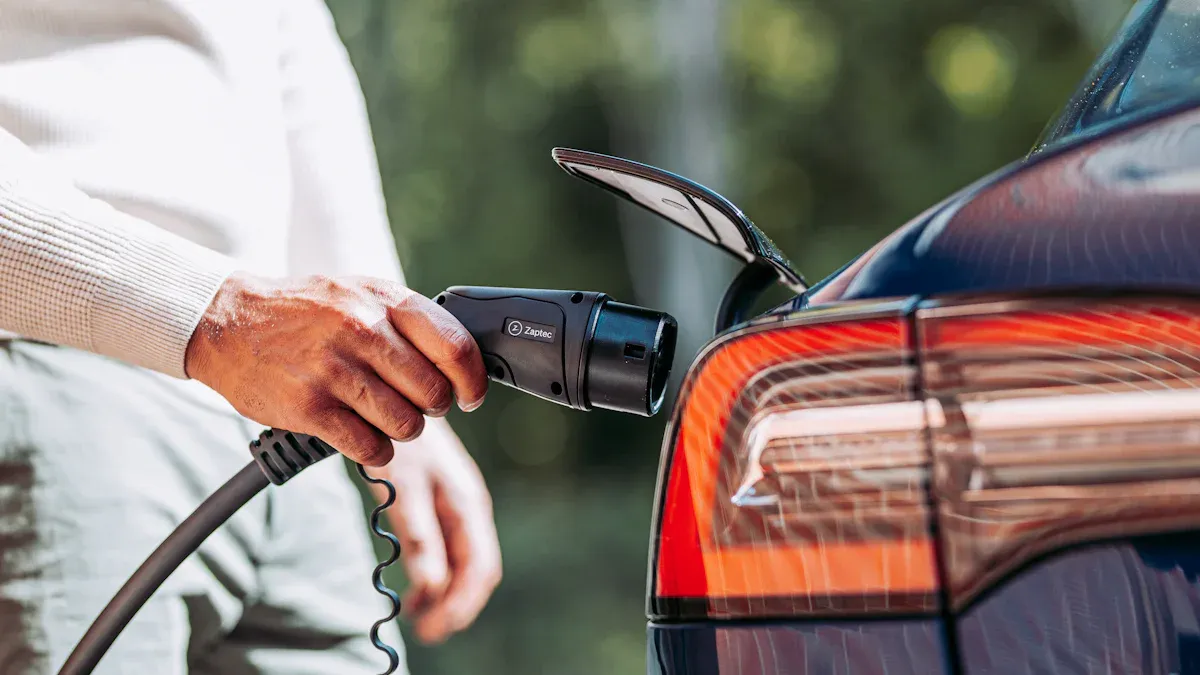
A tethered charger has a permanently attached cable. This is convenient, as the cable is always ready. An untethered charger has a socket, requiring the owner to use the portable cable that came with their car. This offers a tidier look but adds an extra step to every charge session.
Smart Features like Wi-Fi and App Control
Smart chargers connect to a home’s Wi-Fi network. This connectivity unlocks powerful features through a smartphone app.
- Ladungsterminierung: Set the charger to operate during off-peak hours for lower electricity rates.
- Energieüberwachung: Track electricity usage and costs.
- Lastausgleich: Automatically adjusts power to prevent overloading the home’s electrical panel.
- Solare Integration: Prioritizes using self-generated solar power to charge the vehicle.
Technologically advanced providers like TPSON offer smart chargers that integrate these features, giving users complete control over their energy consumption.
Selecting the Right Power Level (Amperage)
Die power of a charger is measured in amps (A). Choosing the correct amperage ensures efficient charging without compromising safety.
Matching Amperage to Your Car and Panel
The ideal amperage depends on two factors: the car’s maximum acceptance rate and the electrical panel’s spare capacity. A charger’s output should not exceed what the vehicle’s onboard charger can handle. Likewise, the new circuit must not overload the home’s main panel. An electrician confirms this with a load calculation.
Common Options: 32A, 40A, 48A
Most Level 2 chargers are available in these configurations.
- 32A Charger (7.7 kW): A popular choice that adds about 25-30 miles of range per hour. It is compatible with most EVs and electrical panels.
- 40A Charger (9.6 kW): Offers a faster charge for vehicles that can accept it.
- 48A Charger (11.5 kW): Provides even faster charging but requires a 60A circuit and is often hardwired. This is a great option for future-proofing a home ev charger setup.
Planning the Location for Your Home EV Charge Point

Strategically planning the location for a Heim-EV-Ladepunkt is critical for daily convenience, safety, and installation cost. A homeowner must consider accessibility, weather exposure, and the path from the electrical panel. A well-chosen spot simplifies the charging routine and protects the equipment.
Choosing an Indoor vs. Outdoor Location
The decision between an indoor or outdoor installation depends on the property layout and parking arrangements. Each option has distinct safety and durability considerations.
Garage Installation Considerations
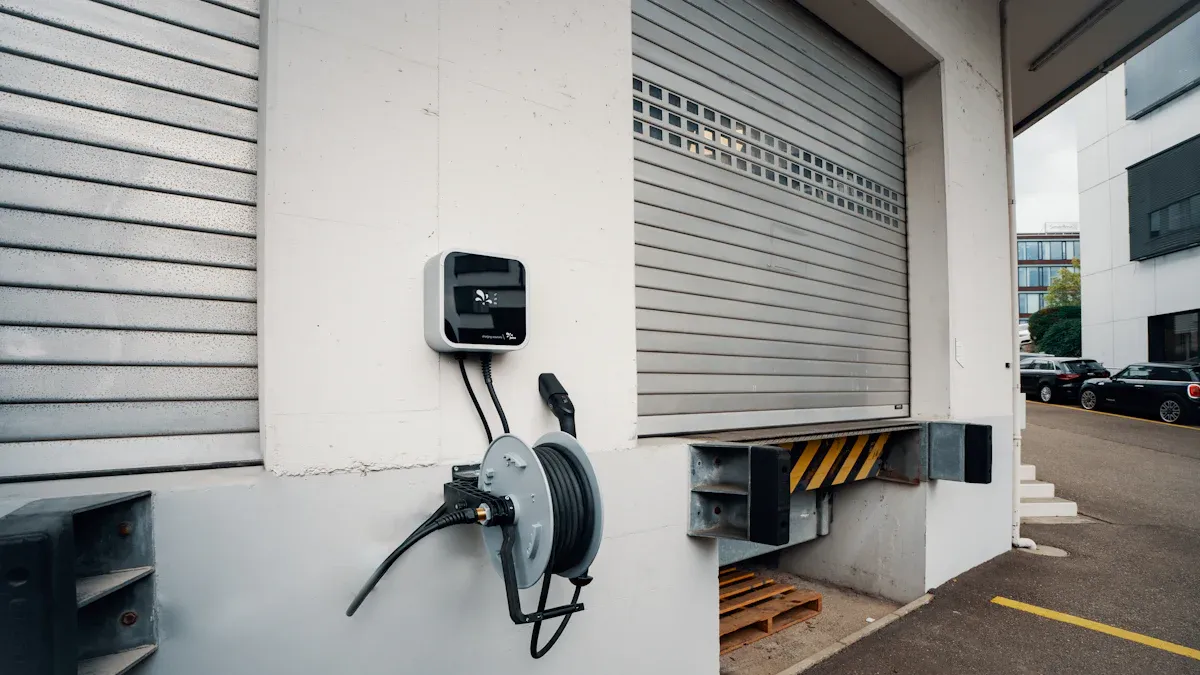
A garage is often the ideal location. It protects the charger from weather, which extends its lifespan. Garages also provide a controlled environment where ventilation can be managed to prevent overheating. Proper cable management systems are easy to implement, reducing tripping hazards.
Weatherproofing for Outdoor Setups
Outdoor installations require chargers specifically designed to withstand the elements. The following table outlines key differences between indoor and outdoor setups.
| Betrachtung | Indoor EV Charger | Outdoor EV Charger |
|---|---|---|
| Durability/Lifespan | Protected from elements, extending lifespan. | Requires weatherproof chargers to extend lifespan. |
| Safety (Weather) | K.A. | Must have a high Ingress Protection (IP) rating for waterproofing. |
| Safety (Overheating) | Ventilation is essential for optimal performance. | K.A. |
| Safety (Cable Management) | Systems prevent tripping hazards and keep the area tidy. | Systems prevent tripping hazards and keep the area tidy. |
For an outdoor unit, several weatherproofing measures are essential:
- IP Rating: The charger must have a high IP rating, like IP65, to protect against dust and water.
- UV Resistance: The casing should be UV-resistant to prevent degradation from sunlight.
- Korrosionsbeständigkeit: The unit needs corrosion-resistant materials, especially in humid climates.
- Proper Mounting: An installer must use weather-resistant fixings and seal all cable entry points to prevent water ingress.
Determining the Optimal Position
The exact placement of the charger affects its usability every day. Careful positioning ensures a seamless experience.
Proximity to Your Parking Spot
The charger should be installed as close as possible to where the vehicle is normally parked. This minimizes cable length and makes connecting the vehicle easier.
Ensuring Cable Reaches the Vehicle’s Port
A homeowner must measure the distance from the proposed mounting spot to the vehicle’s charge port. It is wise to account for different parking angles. A longer cable offers more flexibility but can be more difficult to manage.
Planung der Verkabelungsstrecke
The path the electrical wiring takes from the panel to the charger is a major factor in installation complexity and cost.
Measuring Distance from Panel to Charger
An electrician will measure this distance to determine the required length and gauge of the electrical cable. Longer runs increase material and labor costs. For outdoor routes, the plan may involve running armored cable in a trench at least 500mm deep, with warning tape laid above it for safety.
Checking for Wi-Fi Signal Strength
Smart chargers require a stable Wi-Fi connection to enable features like remote scheduling and energy monitoring. Before finalizing the location, a homeowner should check the Wi-Fi signal strength at the proposed spot. Technologically advanced providers like TPSON offer smart chargers that rely on this connectivity to give users full control over their energy use. A weak signal may require a Wi-Fi extender.
How to Hire a Professional for EV Charger Installation
Selecting the right professional is the most critical step in the ev charger installation process. A qualified expert ensures the system is safe, compliant with all regulations, and optimized for the vehicle. Homeowners wondering who can install their unit should focus on certified professionals with proven experience.
Suche nach einem qualifizierten Elektriker
The search for a competent installer begins with identifying professionals who are not only licensed but also specialize in EV charging technology.
Search for Licensed and Insured Professionals
A homeowner should start by creating a shortlist of licensed and insured electricians. Proper licensing confirms the professional meets legal requirements for electrical work. Insurance protects the homeowner from liability in case of accidents or property damage. Online directories are excellent resources for this search. Platforms like Joosup allow users to find OZEV-approved electricians by ZIP code. Government resources, such as the GOV.UK portal, also provide lists of approved chargepoint installers, helping homeowners connect with vetted professionals in their area.
Look for Installers with EV Experience
General electrical knowledge is not enough for this specialized task. A homeowner should seek an electrician with specific training and credentials in EV charging. Key qualifications to look for include:
- A Level 3 Award in the Requirements for the Installation of Electric Vehicle Charging Points.
- Familiarity with the IET Code of Practice for EV Charging Equipment Installation.
- Eine ECS Gold Card, which verifies their status as a qualified electrician.
- Authorization from the Office for Zero Emission Vehicles (OZEV), which is often required for grant eligibility.
Hiring a recognised installer with these credentials ensures they understand the unique electrical demands and safety protocols associated with EV chargers.
Getting and Comparing Quotes
After identifying potential candidates, the next step is to request detailed quotes. A thorough quote provides a clear understanding of the total cost and scope of work.
What to Include in a Quote Request
To receive comparable bids, a homeowner should ask each installer to provide a comprehensive breakdown. A professional quote should always follow a site survey to assess the property’s electrical system. The request should ask for:
- The total cost, itemized for labor and materials.
- The specific make and model of the proposed charger.
- Details on the warranty for both the hardware and the workmanship.
- An estimated timeline for completion.
- Confirmation that the installer will handle any necessary permits.
Profi-Tipp: Ask the electrician if they have brand-specific accreditation. Installers trained by manufacturers like TPSON have deep knowledge of the equipment, ensuring a smooth setup of advanced smart features.
Comparing Labor and Material Costs
A homeowner should look beyond the final price when comparing quotes. It is important to analyze the itemized costs. One electrician may offer a lower labor rate but charge more for materials. Another might recommend a more expensive charger with features that better suit the homeowner’s needs. Comparing these details helps a homeowner make an informed decision based on value, not just the lowest bid.
Verifying Credentials
Before making a final decision, a homeowner must perform due diligence. Verifying an electrician’s credentials and reputation is a crucial step that should not be skipped.
Checking Licenses and Insurance
A homeowner can independently verify a professional’s qualifications. Many industry bodies offer online tools for this purpose.
- NICEIC Website: Homeowners can use the “Find a Contractor” tool to confirm an electrician’s registration.
- Electrical Competent Person Register: This register lists professionals who are assessed to work to high safety and technical standards.
During the conversation, a homeowner should ask for the electrician’s registration number for easy online verification and request proof of public liability insurance. This confirms who can install the system safely and professionally.
Reading Customer Reviews and Testimonials
Customer feedback provides valuable insight into an installer’s reliability and quality of work. Homeowners should consult multiple sources for a balanced view. Trusted trade directories like Checkatrade und Which? Trusted Traders feature verified reviews from past clients. Social media platforms like Facebook and Instagram can also be useful, as they often showcase an installer’s recent projects and customer interactions. Reading these reviews helps build confidence in the chosen professional for the ev charger installation.
Was Sie am Installationstag erwartet
Knowing the sequence of events for an ev charger installation helps a homeowner prepare for a smooth and efficient process. From the initial remote survey to the final system test, each step is designed to ensure safety and functionality. The day typically involves finalizing plans, performing the physical installation, and commissioning the new equipment.
The Pre-Installation Home Survey
Most modern installation processes begin with a remote survey. This step allows the electrician to assess the property without an initial site visit, saving time and providing an accurate quote.
Sharing Photos of Your Panel and Location
A homeowner facilitates the remote survey by providing specific photos and information. This digital package gives the installer a clear picture of the electrical setup and proposed work area. Key items to send include:
- Photographs: Clear images of the main fuse box with the cover open, the electric meter, the main fuse cut-out, and any gas or water bonding clamps.
- Location Images: Pictures of the exact spot where the charger will be mounted and the intended path for the cable run from the panel.
- Vehicle Details: The make and model of the electric vehicle to ensure charger compatibility.
- Property Information: The distance from the fuse box to the charger location and details about any obstacles like walls or driveways.
This information allows the professional to perform a preliminary assessment of the project’s scope.
Finalizing the Plan with Your Installer
Using the survey details, the installer develops a comprehensive installation plan and a detailed quote. Before the installation day, the electrician will review this plan with the homeowner. This conversation confirms the charger location, the cable route, and the total cost. It is the perfect opportunity for the homeowner to ask questions and ensure all parties are in agreement before work begins.
Der Installationsprozess
On the scheduled day, the qualified electrician arrives to perform the physical installation. The process is methodical, focusing on safety and adherence to electrical codes.
Running the New Dedicated Circuit
The first major task is running a new, dedicated circuit from the fuse box to the charger’s location. The electrician inspects the fuse box to find a spare way for the new circuit breaker. If no space is available, they may need to install a small, separate fuse box. The professional will then carefully run the armored electrical cable along the agreed-upon route, clipping it securely in place.
Heads Up: The home’s main power will need to be shut off temporarily while the electrician safely connects the new circuit to the fuse box. The installer will always provide advance notice before doing so.
Mounting the Charging Unit
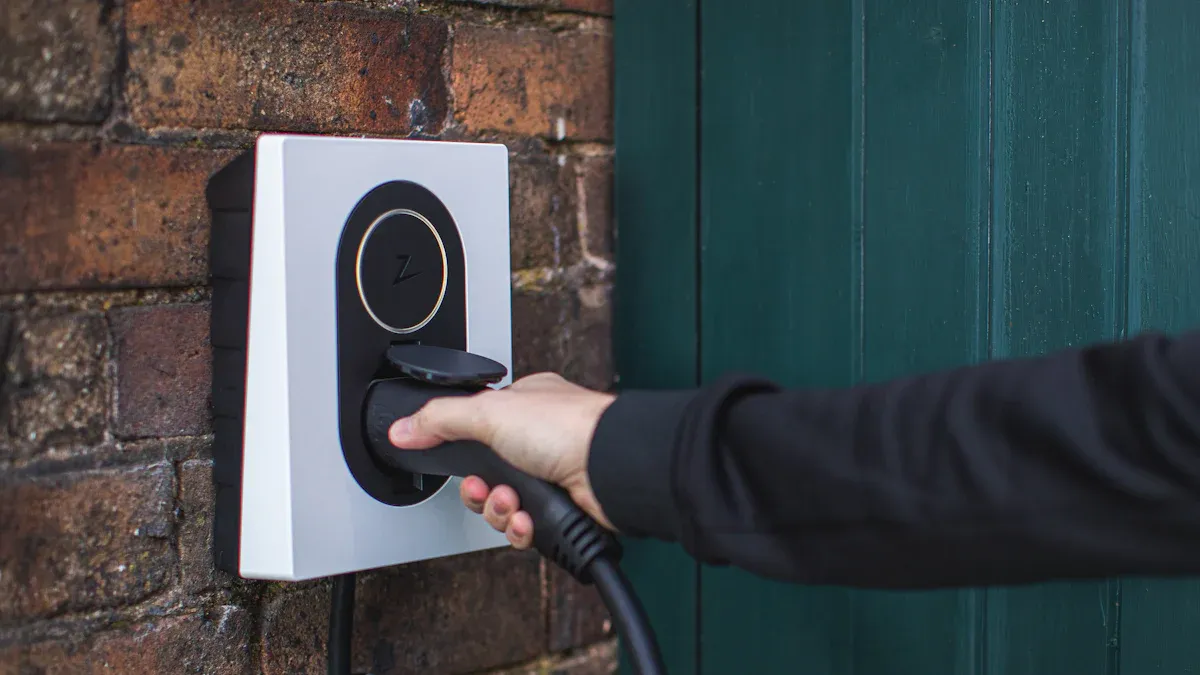
Once the circuit is in place, the electrician mounts the charging unit. They will securely fasten the charger to the wall at the predetermined location. This involves drilling into the wall surface, whether it is brick, concrete, or another material, and ensuring the unit is level and stable. The professional then connects the newly run electrical cable to the terminals inside the charger.
Final Connections and System Testing
With the unit mounted and wired, the electrician makes the final connections inside the fuse box. They then restore power to the house and begin a series of critical tests. These electrical checks verify that the circuit is safe, properly grounded, and delivering the correct voltage. For a smart charger, such as an advanced model from TPSON, the installer will connect the unit to the home’s Wi-Fi network. They will also help the homeowner set up the companion smartphone app, which allows them to schedule a charge and monitor energy usage.
Genehmigungen und Inspektionen
Navigating the regulatory requirements is a key part of the ev charger installation. The professional installer typically manages this process to ensure full compliance.
Determining if a Permit is Required
Whether a permit is needed often depends on the property type and location. In most cases, an installation on a private driveway does not require a permit from local authorities. However, a permit may be necessary for installations in shared parking areas or if a cable must cross a public pavement. The electrician will be familiar with local regulations and can advise if any special permissions are needed.
Scheduling the Final Electrical Inspection
After the work is complete, a final inspection may be required to certify the installation. The installer is responsible for completing an Electrical Installation Certificate (EIC) that confirms the work complies with all safety standards. In some jurisdictions, a third-party or local authority inspector must also review the work. This final check provides peace of mind that the system is safe, compliant, and ready to charge the vehicle reliably for years to come.
Understanding the Costs to Install an EV Home Charging Station
Budgeting is a crucial part of the plan to install an EV home charging station. The total cost is a combination of hardware, labor, and potential electrical system upgrades. A homeowner can anticipate these expenses by understanding each component of the final bill.
Breakdown of Expenses
The primary costs can be divided into three main categories: the charging unit, the installation labor, and any required government fees.
Kosten des Ladegeräts
The home ev charger itself represents a significant portion of the budget. Prices vary based on power level and features. Basic units are more affordable, while smart chargers with Wi-Fi connectivity and app control command a higher price. Technologically advanced providers like TPSON offer smart chargers that can save money over time by enabling off-peak charging schedules.

| Ladegerät Typ | Typischer Kostenbereich |
|---|---|
| 3kW Charger | $300 – $600 |
| 7kW Ladegerät | $550 – $1,000 |
| Smart Home Charger | $1,100 – $1,350 |
Standard vs. Complex Installation Fees
Labor costs depend on the complexity of the job. A standard installation, where the electrical panel is near the charger location with no obstructions, is the most affordable. A complex ev charger installation may involve long cable runs, drilling through concrete, or navigating difficult access points, which increases labor time and cost. The installer will clarify this after a site survey.
Gebühren für Genehmigungen und Inspektionen
Many local jurisdictions require permits for this type of electrical work. The installer typically handles the paperwork. These permit and subsequent inspection fees are passed on to the homeowner and can add to the total project cost.
Mögliche zusätzliche Kosten
Sometimes, a home’s existing electrical system needs modifications to safely support the new load. These upgrades are a common source of additional expense.
Electrical Panel or Service Upgrades
An electrician may determine the main panel lacks the capacity for a new charger circuit. In this case, an upgrade is necessary for safety. This can range from adding a new fuse box to a full service upgrade.
| Electrical Upgrade | Geschätzte Kosten |
|---|---|
| New Consumer Unit | $550 – $625 |
| Isolator Switch | $125 – $250 |
| Three-Phase Supply (22kW) | $3,750 – $18,500+ |
Trenching for Outdoor Wiring
If the charger is located away from the house, such as in a detached garage, the installer must run the electrical cable underground. This process, known as trenching, involves digging a channel to bury the armored cable and adds significant labor and material costs.
Finding Rebates and Incentives
Government and utility programs can help offset the cost to install an EV home charging station. Homeowners should research available incentives.
Federal Tax Credits for EV Chargers
The Alternative Fuel Refueling Property Tax Credit offers significant savings. Homeowners can claim 30% of the cost of equipment and installation, up to a maximum of $1,000. This is a nonrefundable credit deducted from federal taxes owed. Eligibility often depends on living in a designated low-income or rural census area. A homeowner must file IRS Form 8911 to claim it.
State and Local Utility Programs
Many state governments and local utility companies offer their own rebates or incentives. These programs can further reduce the overall expense. A homeowner should check their utility provider’s website for specific details on available programs.
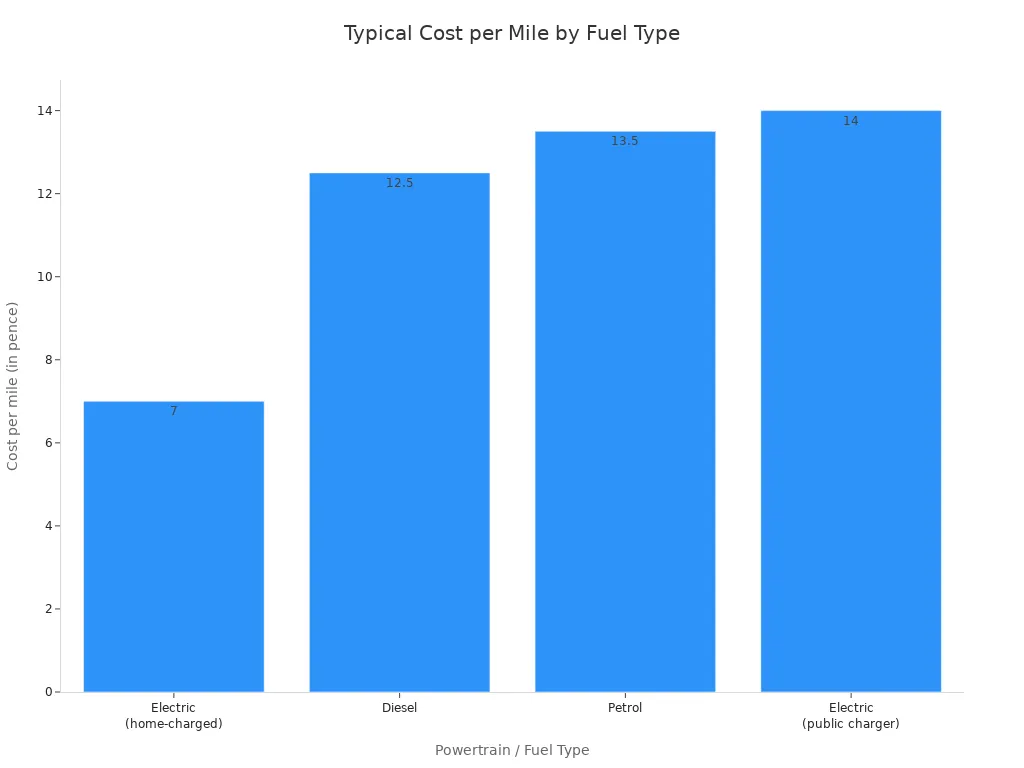
A structured process simplifies how homeowners install ev home charging station. Assessing electrical needs and choosing the right home ev charger are crucial first steps. Hiring a certified professional ensures the safety and reliability of the new home ev charger. Homeowners can then enjoy the convenience and significant cost savings when they charge at home. This process to install ev home charging station allows drivers to reliably charge their vehicle for years.
FAQ
Kann ich ein E-Ladegerät selbst installieren?
A qualified electrician must perform the installation. This work involves high-voltage electricity and requires professional expertise. Self-installation is unsafe, voids warranties, and violates most electrical codes. A professional ensures a safe and compliant setup.
Wie lange dauert eine typische Installation?
A standard installation usually takes two to four hours. The process involves running a new circuit and mounting the unit. More complex jobs, such as those requiring panel upgrades or extensive wiring, may take longer.
Do I need a specific charger for my EV model?
Most modern EVs use a universal connector for home charging. The key is matching the charger’s power level (amperage) to your vehicle’s maximum charging speed. An installer can help you select the right power level for efficient charging.
What is the difference between tethered and untethered?
A tethered charger has a permanently attached cable, offering maximum convenience. An untethered charger has a universal socket, requiring the owner to use the car’s portable cable. This option provides a tidier appearance when not in use.
Will a home charger significantly increase my electricity bill?
Charging at home is more cost-effective than using public chargers. Technologically advanced providers like TPSON offer smart chargers that enable scheduling during off-peak hours. This feature helps manage electricity costs by using cheaper rates overnight.
Can I charge two electric vehicles at the same time?
Yes, charging two EVs is possible. Some smart chargers have load-balancing features that safely distribute power between two connected vehicles. A homeowner should discuss multi-vehicle charging needs with their installer during the planning phase.