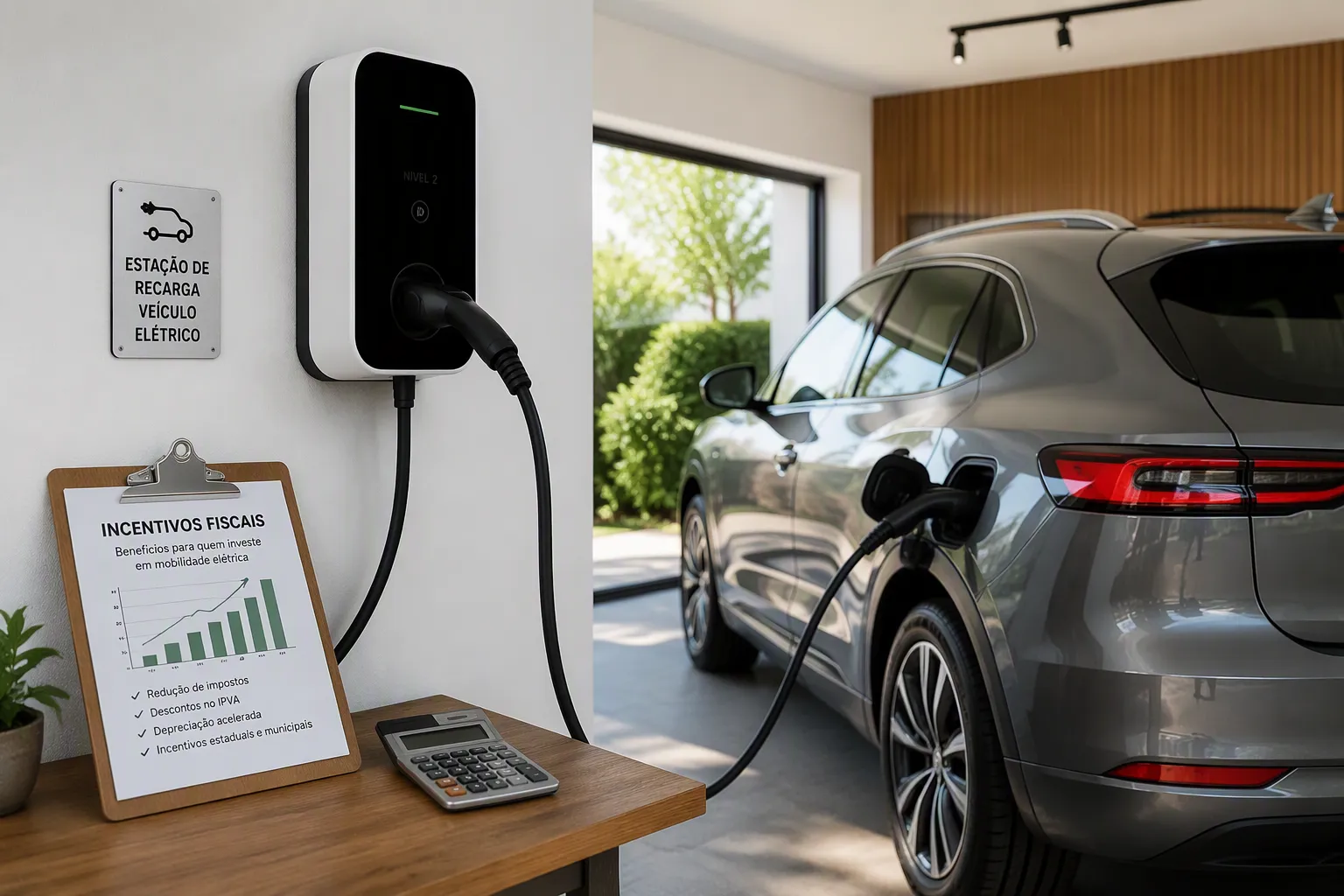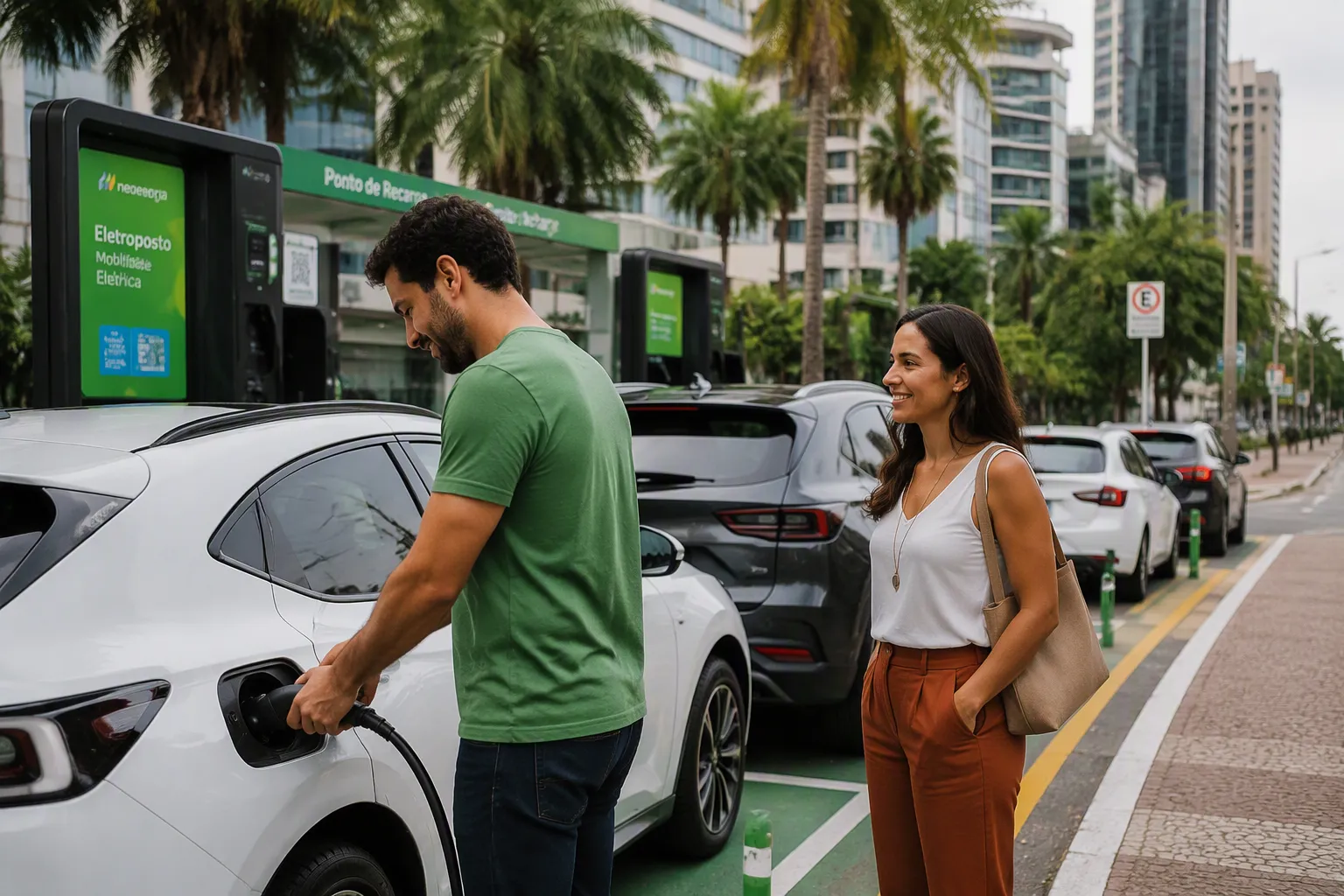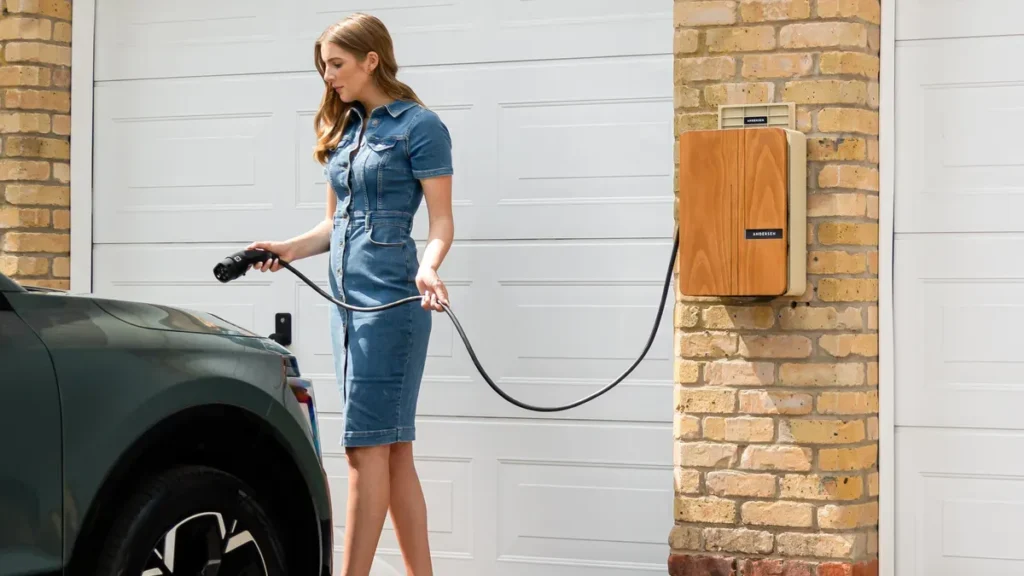
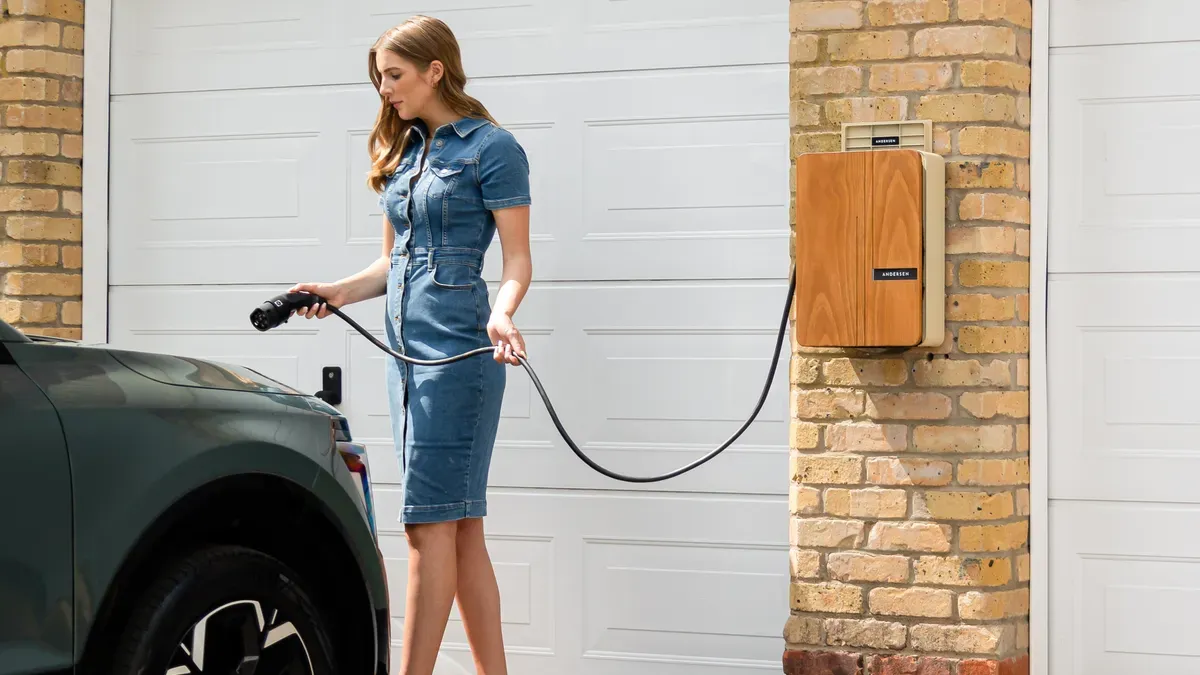
The average cost to fully charge an electric car at home in the United States stands at $15.26 for models like the Hyundai Ioniq 6 Long Range AWD. Charging costs shift based on location, with home, public stations, and workplace settings offering different pricing structures. Several factors influence how much does it cost to charge, including electricity rates, EV-Ladegerät efficiency, and battery size. Most drivers rely on home charging for a full charge, but public and workplace options also play a role. Tragbare EV-Ladegeräte und EV-Ladelösungen von Hersteller von EV-Ladegeräten add flexibility to charging an electric car. The cost to charge an electric car reflects these variables and depends on the chosen method.
“While shoppers worry about access to public charging stations, they need to know that as much as 90% of electric car charging is done overnight at home,” Voelcker said. “The cheapest way to charge your electric car is almost always at home, overnight. Some utilities have special low rates for the overnight period when their demand is lightest.”
| Art der Aufladung | Kosten pro Meile | Cost to Fully Charge (Example: Hyundai Ioniq 6 Long Range AWD) | Annual Cost (12,200 miles) |
|---|---|---|---|
| Aufladen zu Hause | $0.05 | $15.26 | $589 |
| Öffentliche Abgaben | K.A. | K.A. | $1,234 |
Average Cost to Charge an Electric Car at Home
Typical Home Electricity Rates and Cost to Charge
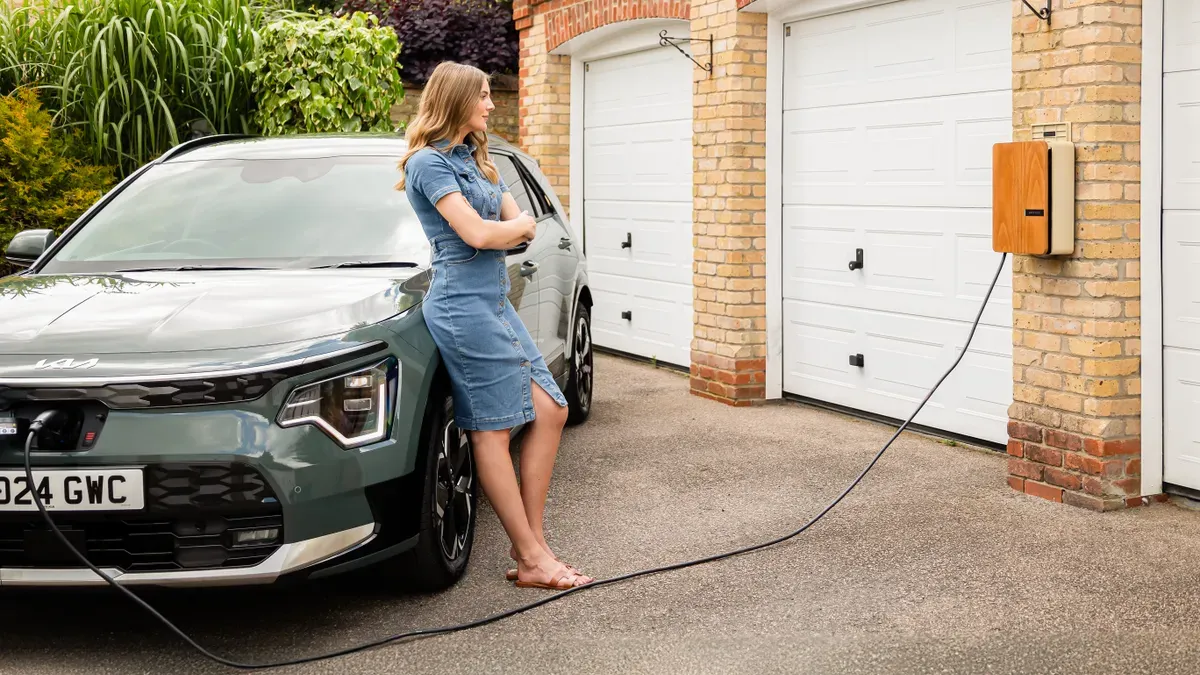
Electricity rates for home charging vary widely across regions. Homeowners may encounter several types of pricing structures:
- Fixed rates: The price per kilowatt-hour remains constant, regardless of the time or amount of electricity used.
- Time-of-use (TOU) rates: The price changes depending on the time of day, with lower rates during off-peak hours.
- Demand charges: Some utilities apply extra fees based on the highest level of electricity consumption during a billing period.
In some regions, residential electricity rates can be as low as 11 cents per kWh, resulting in a full charge for an electric car costing about $7. In other areas, the same charge may exceed $18, and in certain locations, it can approach $24. This demonstrates a significant difference in the cost to charge an electric car at home, depending on where the owner lives. The national average electricity rate stands at approximately 17.45 cents per kWh. For a typical electric vehicle with a 60 kWh battery, a full charge costs about $10.50 and provides around 200 miles of range. Most EV owners spend between $45 and $75 per month on home charging.
How to Calculate the Cost to Fully Charge an Electric Car at Home
To determine the cost to charge your car at home, use a simple formula:
Cost to charge an electric car = Battery capacity (kWh) × Electricity rate (per kWh)
This calculation gives a clear estimate of how much it costs to charge an electric car from empty to full at home.
Example Calculation Using Battery Size and Rate
Suppose an EV has a 72 kWh battery and the local electricity rate is $0.18 per kWh. The cost to charge your car from empty to full would be:
Cost = 72 kWh × $0.18/kWh = $12.96
If the electricity rate is higher, such as $0.32 per kWh, the cost rises to $23.04 for a full charge. In regions with lower rates, such as $0.12 per kWh, the cost drops to $8.64. This range highlights how much it costs to charge an electric car can change based on local electricity prices.
Factors Affecting Home Charging Cost to Charge
Several factors influence the cost of charging your EV at home:
- The cost of electricity for home charging varies by region, typically between $0.12 and $0.18 per kWh.
- Annual charging costs for an EV at home usually range from $500 to $600, which is generally lower than the cost of fueling a gasoline vehicle.
- Most EV owners rely on home charging, making local electricity rates a key factor in the overall cost to charge an electric car.
Time-of-Use Electricity Rates
Time-of-use tariffs can significantly reduce the cost of charging. Charging during off-peak hours, when electricity demand is low, often results in lower rates. Smart chargers, such as those offered by TPSON, can schedule charging sessions during these periods, maximizing savings. Switching to an economy tariff can further reduce monthly charging costs, sometimes by more than 25%. Utilizing smart charging technology ensures that charging an electric car remains as affordable as possible.
Home Charger Efficiency and Setup
The efficiency of the home charging setup also affects the cost of charging your EV. High-quality chargers, like those from TPSON, minimize energy loss during charging. Proper installation and regular maintenance help maintain optimal efficiency. Homeowners with multiple EVs should consider potential demand charges, as high electricity usage can trigger additional fees from some utilities.
How Much Does It Cost to Charge Your Electric Car at Home?
Step-by-Step Calculation Guide
- Find the battery capacity of your EV (in kWh).
- Check your local electricity rate (per kWh).
- Multiply the battery capacity by the electricity rate.
- Adjust for charging efficiency (typically 85-95%). For example, if the charger is 90% efficient, divide the calculated cost by 0.9.
Tipp: Charging an EV at home during off-peak hours can further reduce the cost to charge your car.
Online Tools for Estimating Cost
Many online calculators help estimate the cost of charging your EV at home. These tools allow users to input their vehicle’s battery size, local electricity rate, and charging efficiency. TPSON provides advanced solutions and resources to help drivers understand the cost of charging your EV and optimize their charging habits.
| Charging an EV at Home | Cost for Gas Car |
|---|---|
| $6 – $18 for a full charge (200+ miles) | $30.16 for a comparable 200-mile range |
Most EV owners spend about 300 und 800 Euro per year on electricity for everyday driving. The cost of charging your EV at home remains lower than the cost of fueling a gasoline vehicle in most cases. Home charging offers convenience, control over charging times, and the ability to take advantage of lower electricity rates.
Average Cost to Charge an Electric Car at Public Charging Stations
Public Charging Station Pricing Models and Cost to Charge
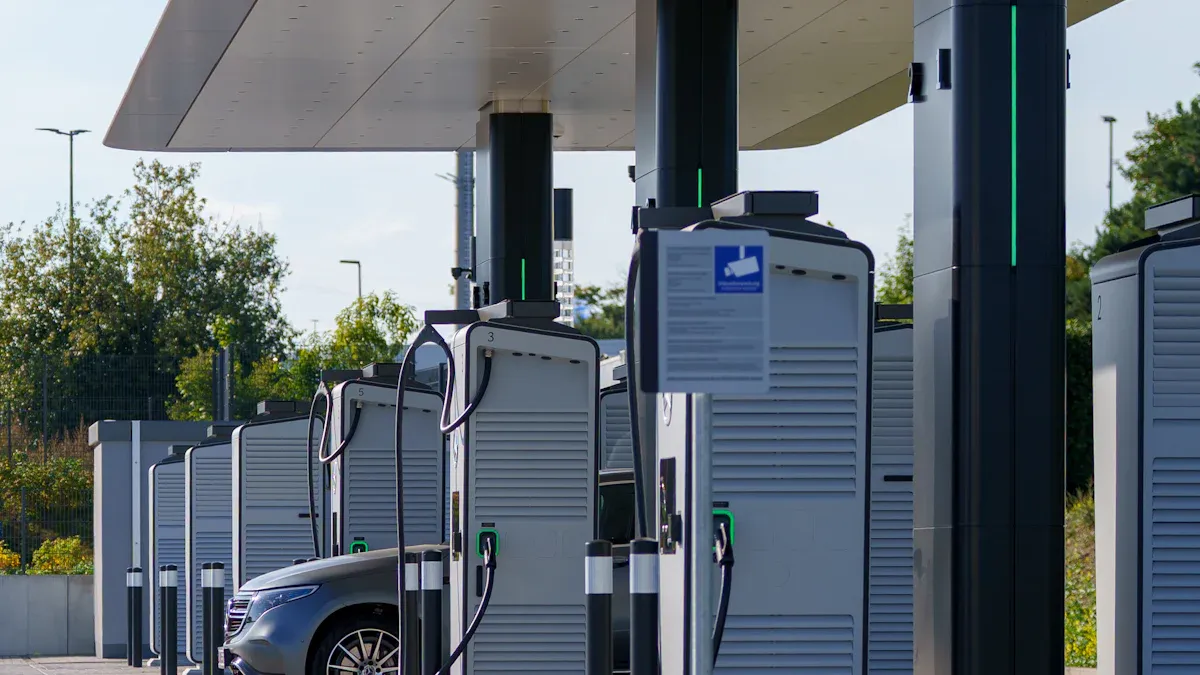
Public charging stations use several pricing models that affect the Kosten für das Aufladen eines Elektroautos. Drivers may encounter fees based on energy consumed, time spent charging, or a flat session rate. Some stations even offer free charging, but these are less common in busy areas.
Level 2 vs. DC Fast Charging Costs
The type of charger plays a major role in the cost of charging. Level-2-Ladegeräte, which are slower, usually cost between $0.20 and $0.26 per kWh. DC fast charging, which provides much faster charging, often costs between $0.35 and $0.60 per kWh. The average price for public charging in the U.S. is about $0.42 per kWh. Charging at home remains significantly cheaper, often costing three times less than using a DC fast charger.
| Ladegerät Typ | Typische Kosten pro kWh | Aufladegeschwindigkeit |
|---|---|---|
| Stufe 2 | $0.20 – $0.26 | 10-25 miles/hour |
| DC-Schnellaufladung | $0.35 – $0.60 | 60-100+ miles/20 min |
Per kWh, Per Minute, and Flat Fee Pricing
Public charging stations may use different pricing structures:
- Per kWh: Drivers pay for the exact amount of energy used.
- Per Minute: The station charges for the time the vehicle is plugged in.
- Flat Fee: A single price covers the entire charging session, regardless of duration or energy used.
These models can lead to different outcomes for the cost to charge an electric car at a public charging point, especially if the vehicle charges slowly or the station has high demand.
Factors Influencing Public Charging Cost to Charge
Several factors influence the cost of charging at public stations. The type of charger, location, and network membership all play a part in determining the final price.
Membership Discounts and Network Pricing
Many public charging networks offer membership programs. Members often receive lower rates or special discounts. For example, some networks provide reduced per kWh rates or waive session fees for subscribers. The cost of charging can also vary between networks, so drivers benefit from comparing options before plugging in.
Location Differences: Urban vs. Rural
Location impacts the price of public electric vehicle charging. Urban stations usually have higher costs due to increased operating expenses and parking fees. Regional electricity rates and local taxes also affect the cost to charge. Rural stations may offer lower prices, but they can be less convenient or have fewer available chargers.
How to Find the Lowest Cost to Charge at Public Stations
Drivers can use several tools to find the best price for public charging. These resources help compare costs and locate available stations.
Nutzung von Ladenetzwerk-Apps
Apps such as PlugShare, GreenCars Charging Station Map, Pod Point, and Zap Map allow users to search for public charging locations, check real-time availability, and view pricing details. These apps often include user reviews and can show authentication methods required for access.
Comparing Station Prices
Drivers should compare prices across different networks and locations. Some apps display side-by-side price comparisons, making it easier to choose the most affordable option. Planning ahead helps reduce the overall cost of charging and ensures a smooth electric car charging experience.
Tip: Always check for membership discounts and off-peak rates before starting a public charging session. This can lead to significant savings over time.
Average Cost to Charge an Electric Car at Work
Workplace Charging Cost to Charge: Free vs. Paid Options
Workplace charging has become a vital solution for employees who lack access to home charging. Employers offer several options for charging electric vehicles at work. Some companies provide free charging as an incentive, while others implement paid tariffs or time-based fees. The structure of workplace charging can impact the Kosten für das Aufladen eines Elektroautos and influence employee satisfaction.
| Option Aufladen | Beschreibung |
|---|---|
| Free Charging | Employers offer complimentary charging as a perk for employees. |
| Paid Tariff | Employees pay a set fee for charging, which may vary based on usage or station type. |
| Time-Based Tariff | Charging fees depend on the duration of use, encouraging turnover and sharing of stations. |
| Limited Free Charging | Free charging for a specific period, followed by a fee to promote fair access and turnover. |
Typical Workplace Charging Rates
Commercial electricity rates for workplace charging usually range from $0.19 to $0.32 per kWh. Employers sometimes add a markup, resulting in fees between $0.38 and $0.51 per kWh. Time-of-use tariffs can lower costs during off-peak hours, with rates dropping to $0.10 to $0.15 per kWh. Employees who charge their EV at work often pay less than at public charging stations. The average cost for workplace charging stands at $0.33 per kWh, which is significantly cheaper than public AC and DC charging options.
Access and Employer Incentives
Employers use incentives to encourage EV adoption and make charging more accessible. Many companies offer free charging or discounted rates as part of employee benefits. In major cities, 60% of people lack off-street parking, making workplace charging essential. Employees can reduce their charging costs by up to 66% compared to public charging points. Workplace charging can save employees approximately $320 per year compared to home charging, considering installation and running costs.
How Workplace Charging Works and How Much Does It Cost to Charge
Workplace charging operates through several methods. User-pay systems require employees to pay for charging, while some companies offer free charging as a perk. Paid tariff systems allow both employees and visitors to use charging stations for a fee. Employers may set restrictions on who can access charging stations and when they can use them.
Availability and Restrictions
Charging availability depends on the number of stations and company policies. Some workplaces limit access to employees only, while others allow visitors to charge their EV. Companies may restrict charging times to ensure fair use and maximize turnover. Limited free charging periods encourage employees to share stations and avoid monopolizing resources.
Employee Benefits and Programs
Workplace charging programs provide several benefits. Employees enjoy reduced charging costs, convenient access, and incentives that support EV adoption. Companies may offer programs that include discounted rates, priority access, or additional perks for EV drivers. These initiatives help employees save money and promote sustainable transportation.
Tip: Employees should check with their employer about available charging programs and incentives to maximize savings and convenience.
Key Factors That Influence the Cost to Fully Charge an Electric Car
Battery Size and Vehicle Efficiency Impact on Cost to Charge
How Battery Capacity Affects the Average Cost
Battery size plays a major role in determining the cost of charging. Larger batteries store more energy, which increases the total amount of electricity needed for a full charge. For example, the 2024 Vauxhall Mokka Electric has a 54 kWh battery, while the 2023 Polestar 2 Long Range Single Motor features an 82 kWh battery. The table below shows how battery capacity impacts the cost to charge at home and at public rapid chargers:
| Elektroauto-Modell | Batteriekapazität | Energy Needed for 10%-80% Charge | Heimladekosten | Public Rapid Charging Cost |
|---|---|---|---|---|
| 2024 Vauxhall Mokka Electric | 54 kWh | 35.6 kWh | £5.34 | £30.26 |
| 2023 Polestar 2 Long Range Single Motor | 82 kWh | 55.3 kWh | £11.85 | £67.15 |
| 2019 Tesla Model 3 Long Range Dual Motor | 78.8 kWh | 51.5 kWh | £7.73 | £43.78 |
Drivers with larger battery packs should expect higher costs for a full charge, especially when using public rapid charging.
Miles per kWh and Vehicle Efficiency
Vehicle efficiency, measured in miles per kWh, also affects the cost of charging. More efficient models travel farther on each unit of electricity, reducing the overall cost per mile. The following table illustrates how efficiency and charging rates impact the cost per mile:
| Charging Rate (per kWh) | Efficiency (mi/kWh) | Kosten pro Meile |
|---|---|---|
| £0.28 | 4 | £0.07 |
| £0.07 (off-peak tariff) | 4 | £0.0175 |
A vehicle with higher efficiency and access to off-peak rates can significantly lower the cost to charge an electric car.
Charger Type, Speed, and Their Effect on Cost to Charge
Level 1, Level 2, and DC Fast Charging Explained
The type of charger used for electric car charging influences both speed and cost. Level 1 chargers use standard home outlets and provide slow charging, while Level 2 chargers offer faster charging at home or public locations. DC fast chargers deliver rapid charging at highways and commercial sites. The table below compares the cost of charging a Nissan LEAF (40-kWh) using different charger types:
| Ladegerät Typ | Kosten pro kWh | Cost to Fully Charge Nissan LEAF (40-kWh) |
|---|---|---|
| Level 1 (Home) | $0.18 | $7 |
| Level 2 (Public) | $0.30 | $12 |
| DC-Schnellaufladung | $0.40 | $16 |
Charging Speed and Cost Implications
Charging speed affects convenience and cost. Level 1 chargers are inexpensive but slow, making them suitable for plug-in hybrid electric vehicles or occasional use. Level 2 chargers cost more to install but provide a balance between speed and affordability. DC fast chargers offer the quickest charging but come with higher installation and maintenance costs. The table below outlines the cost range and best use cases for each charger type:
| Ladegerät Typ | Kostenbereich | When It Makes Sense | Limitations |
|---|---|---|---|
| Stufe 1 | $0–$200 | Private garages, light PHEV use | Too slow for daily all-EV reliance |
| Stufe 2 | $500–$2,000+ | Homes, workplaces, hotels, destinations | Requires electrical capacity; not fast enough |
| DC-Schnellladegeräte | $10,000–$100,000+ | Highways, logistics depots, transit hubs | Expensive to deploy and maintain |
Electricity Tariffs and Regional Differences in Cost to Charge
State-by-State Rate Variations
Electricity rates for charging an electric car vary by region. Most EV drivers charge at home, but public DC fast chargers show significant price differences. From December to June, DC fast charging prices increased by 9% to an average of $0.47 per kWh. Level 2 charger prices also rose by 9% to an average of $0.25 per kWh. These changes highlight the importance of understanding local rates when estimating the cost of charging.
Off-Peak vs. Peak Pricing
Many utilities offer lower rates during off-peak hours. Charging an electric car overnight or during periods of low demand can reduce the cost of charging. Off-peak tariffs help EV owners save money and manage their charging schedules more efficiently.
Tip: Drivers can lower the cost to charge by using off-peak rates and choosing the right charger for their needs.
Charging vs. Gasoline or Diesel: How Much Does It Cost to Charge Compared to Fueling
Average Cost per Mile: Electric vs. Gasoline or Diesel
Electric vehicles offer a clear advantage when comparing the average cost per mile to gasoline or diesel cars. Charging an EV at home typically costs about 7 cents per mile, while gasoline vehicles range from 12 to 21 cents per mile. This difference becomes even more pronounced for drivers who use off-peak charging rates. The cost to charge an electric car remains stable, while gasoline prices often fluctuate due to market conditions.
Real-World Savings Examples
Many drivers want to know how much does it cost to charge compared to fueling a traditional vehicle. The following table highlights real-world savings for popular models:
| Fahrzeugmodell | Yearly Fuel Cost (Gas) | Yearly Electric Cost (EV) | Savings per Year | Time to Pay Off Extra Cost |
|---|---|---|---|---|
| BMW X5 | $2,300 – $3,300 | $625 – $1,500 | $1,700 – $2,675 | 3 – 4 years |
| Mini Countryman SE | $1,400 (Florida) | $720 (Massachusetts) | $720 – $1,400 | 5 – 9 years |
- The all-electric BMW iX can cost as little as $625 per year to charge in Florida, compared to $2,300 to $3,300 for the BMW X5’s annual fuel bill.
- Mini Countryman SE drivers in Florida save about $1,400 each year, while those in Massachusetts save around $720.
These examples show that the cost of charging an EV can lead to significant annual savings, especially for high-mileage drivers.
Maintenance and Upkeep Cost Differences
The savings do not stop at the pump. Electric vehicles have fewer moving parts, which means less maintenance. EVs do not require oil changes, fuel filters, or spark plugs. The regenerative braking system in most EVs reduces brake wear, extending the life of brake components.
- On average, EV owners spend about $949 per year on maintenance, while gasoline car owners pay around $1,279.
- This results in an annual savings of approximately $300 for EV drivers.
- Consumer Reports found that EVs can reduce maintenance and repair expenses by about 50% compared to traditional vehicles.
- Routine maintenance for EVs is simpler, eliminating many tasks required for gasoline or diesel cars.
- Over the lifetime of the vehicle, these savings can add up to thousands of dollars.
Note: With fewer parts and less frequent maintenance, EV owners enjoy lower upkeep costs and less time in the shop.
Long-Term Savings and Cost to Charge an Electric Car
Long-term savings represent one of the strongest arguments for switching to electric vehicles. As charging costs remain stable and gasoline prices fluctuate, EV owners can better predict their transportation expenses. By 2026, electric vehicles are projected to save owners between $770 and $1,280 annually compared to gasoline cars. Charging at home during off-peak hours maximizes these savings, especially for drivers who cover many miles each year.
- Charging costs for electric vehicles average 7p per mile, while petrol costs range from 12p to 21p per mile.
- High-mileage drivers who use home charging benefit the most from these savings.
- The stability of electricity prices, compared to the volatility of petrol costs, suggests the savings gap will likely widen in the future.
When considering how much does it cost to charge and maintain an EV over several years, the total cost of ownership often undercuts that of gasoline or diesel vehicles. The cost of charging remains predictable, and the reduced need for maintenance further lowers expenses. For many drivers, the switch to electric vehicles delivers both immediate and long-term financial benefits.
Free Charging Options and How to Reduce the Cost to Charge
Where to Find Free Charging for Electric Cars
Retailers, Shopping Centers, and Hotels
Many retailers, shopping centers, and hotels now offer freie Aufladung as a way to attract customers. Large grocery stores and national retail chains often install charging stations in their parking lots. Shoppers can plug in their ev while they browse or dine. Hotels frequently provide complimentary charging for guests, making it convenient for travelers to recharge overnight. These locations usually display clear signage, and some require users to check in at the front desk or make a purchase to access the service.
Public Parking and Community Programs
Public parking facilities in city centers, libraries, and municipal buildings sometimes provide free charging. Local governments and community organizations may run programs that support ev adoption by offering no-cost charging at select locations. These initiatives help reduce emissions and encourage more drivers to switch to electric vehicles. Community events and festivals occasionally feature temporary charging stations, giving attendees a chance to top up their batteries.
Limitations and Considerations for Free Charging
Availability, Access, and Time Limits
Free charging options often come with limitations. Many stations impose time restrictions, allowing users to charge only for a set period. This policy ensures fair access for all drivers. Some locations require a minimum purchase or proof of patronage before granting access to the charger. High demand during peak hours can lead to wait times or unavailable chargers. Drivers should always check station details before planning a trip.
Restrictions and Membership Requirements
Certain free charging stations require membership in a loyalty program or participation in a specific event. Retailers may limit access to customers who make qualifying purchases. These restrictions help businesses manage costs and ensure that the service benefits their target audience. Users should review terms and conditions to avoid unexpected fees or denied access.
Tips to Reduce the Average Cost to Charge an Electric Car
Aufladen außerhalb der Hauptgeschäftszeiten
Charging during off-peak hours can significantly lower expenses. Electricity rates often drop by 60-70% compared to standard daytime rates. For example, charging a 60kWh battery overnight may cost $5, while the same session during peak hours could exceed $15. Scheduling charging sessions for late evenings or early mornings maximizes savings.
Using Special EV Tariffs and Utility Programs
Switching to an ev-specific tariff, such as those offered by major utility companies, can further reduce the cost to charge. Some plans provide discounted rates for overnight charging or reward users for shifting energy use away from peak times. These programs can save drivers hundreds of dollars each year, especially for those who drive long distances.
Maximizing Charging Efficiency and Battery Care
Choosing the right charging speed and practicing good battery habits can lower long-term costs. The table below compares typical costs for different charging types:
| Art der Aufladung | Kosten pro kWh |
|---|---|
| Overnight at 7kW | $0.20-$0.35 |
| Destination charging at 22kW | $0.35-$0.50 |
| Rapid charging at 50-150kW | $0.55-$0.79 |
| Ultra-rapid charging at 150kW+ | $0.65-$0.85 |
Drivers should avoid frequent use of rapid charging, as it comes at a premium price. Slower charging at home or work is more cost-effective. Battery care also matters. Experts recommend charging to 80% for daily use, avoiding regular drops below 20%, and scheduling charging to finish just before departure. These practices extend battery life and keep charging costs manageable.
Tip: Planning ahead and using available tools can help drivers find free or low-cost charging, making ev ownership more affordable.
The average cost to achieve a full charge for an ev in the United States remains significantly lower than fueling with gasoline or diesel. Charging costs vary by location, with home charging offering the lowest average cost, while public and workplace options can fluctuate. Key factors such as battery size, vehicle efficiency, and electricity rates influence the average cost of charging. Experts note that charging at home can cost around 4 cents per mile, compared to 13 cents per mile for diesel. Ms. Baker from Auto Trader highlights savings of $200 per 1,000 miles when charging off-peak at home. Drivers can minimize their average cost by using:
- Charging rate calculators to estimate expenses
- Electric car tariffs for off-peak rates
- Roaming services for discounted kWh
- Monitoring grid carbon intensity for optimal charging times
By leveraging these tools, ev owners can maximize savings and enjoy the benefits of lower charging costs.
FAQ
How long does it take to fully charge an electric car at home?
Charging times depend on battery size and charger type. Level 2 chargers usually take between 4 and 12 hours. Level 1 chargers may require up to 24 hours for a full charge.
Can charging an electric car overnight damage the battery?
Manufacturers design batteries to handle overnight charging. Most modern systems include safeguards that prevent overcharging. Aufladen auf 80% for daily use helps maintain battery health.
Ist öffentliches Laden teurer als das Laden zu Hause?
Public charging stations often cost more than home charging. DC fast chargers have higher rates due to speed and infrastructure costs. Home charging remains the most affordable option for most drivers.
What affects the cost to charge an electric car?
Battery size, charger type, electricity rates, and charging location all influence the cost. Time-of-use tariffs and charging efficiency also play important roles in determining expenses.
Are there free charging options available?
Retailers, hotels, and some public parking facilities offer free charging. Availability varies by region. Drivers should check station details for restrictions or time limits.
How can drivers reduce charging costs?
Scheduling charging during off-peak hours, using special utility tariffs, and maximizing charging efficiency help lower expenses. Proper battery care also extends battery life and reduces long-term costs.
Does charging an EV require special equipment?
Most homes support Level 1 charging with standard outlets. Level 2 chargers require professional installation and provide faster charging. Public stations offer both Level 2 and DC fast charging options.
Can weather impact charging costs or efficiency?
Extreme temperatures may affect battery performance and charging efficiency. Cold weather increases energy use for heating. Hot weather can reduce battery lifespan if charging occurs frequently at high temperatures.