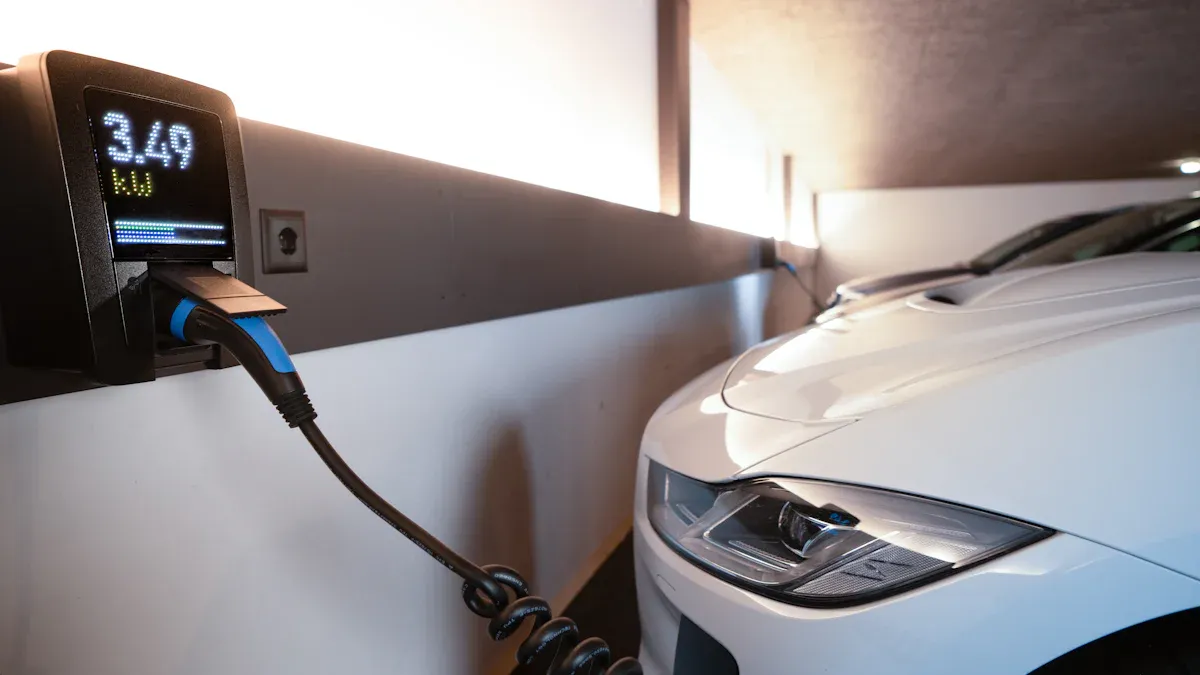
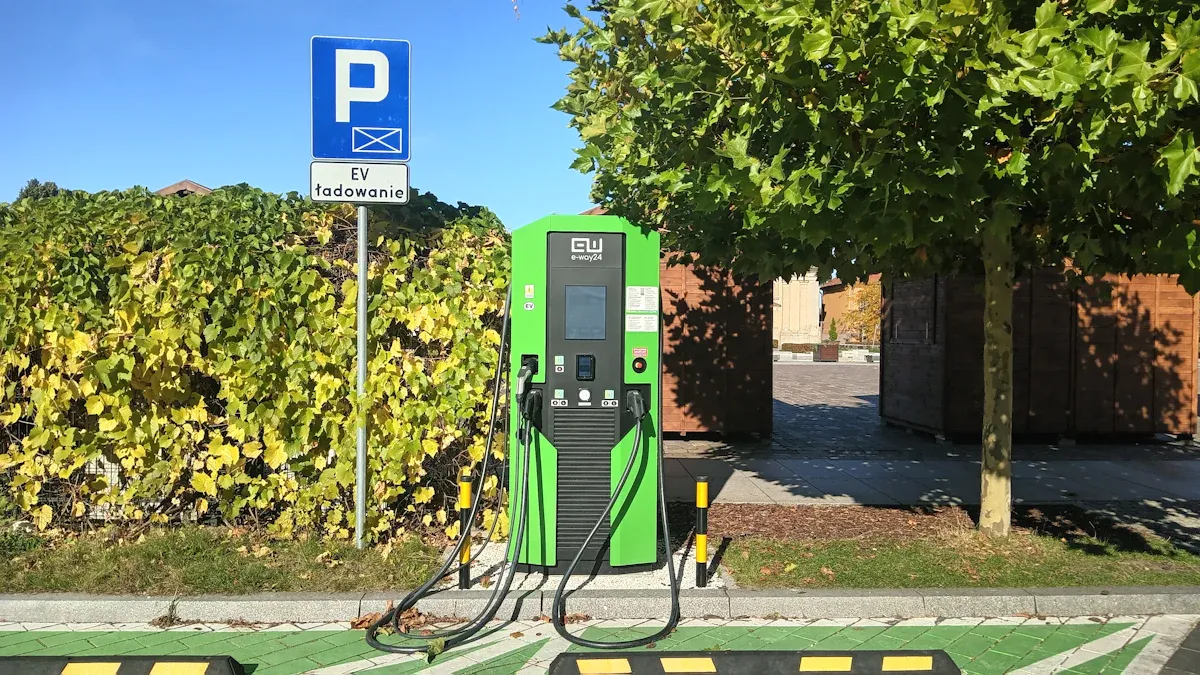
Answering the question, “Are tragbare EV-Ladegeräte safe?” involves a clear understanding of the technology. A certified portable EV-Ladegerät von fortgeschrittenen Hersteller von EV-Ladegeräten like TPSON offers an exceptionally safe way to charge your electric car at home. Safety is a core design feature. It results from a combination of built-in protective technologies within the EV charger and the electric vehicle’s own management systems. The most critical factors for ensuring safety are using a certified product, understanding your home’s electrical system, and avoiding common mistakes. These EV-Ladelösungen ensure every EV owner can safely charge their electric vehicle. This guide helps EV owners understand how portable EV chargers provide a secure charging experience at home.
How Are Portable EV Chargers Safe by Design?
Modern portable EV chargers are engineered with multiple layers of safety. This protection is not an afterthought; it is a fundamental aspect of their design. Advanced manufacturers like TPSON build sophisticated safety mechanisms directly into the hardware. These systems work together with the electric vehicle’s own internal controls. The result is a highly secure and reliable charging process. This section explores the specific technologies that make portable EV chargers safe for everyday use.
The Technology That Protects You
A high-quality portable charging system contains a suite of electronic safeguards. These components constantly monitor the charging session. They protect the user, the home electrical circuit, and the electric car from potential faults.
Integrated RCD for Shock Protection
Every certified portable charger includes a Residual Current Device (RCD). An RCD is a life-saving feature that provides critical protection against electric shock. It continuously monitors the electrical current flowing into and out of the charger. If it detects a tiny imbalance—indicating that electricity is leaking to the ground, perhaps through a person—it instantly cuts the power. This rapid shutdown happens in milliseconds, preventing serious injury.
Over-Current and Over-Voltage Guards
Your home’s electrical circuits have limits. A portable charger respects these limits through built-in guards. These systems prevent the charger from drawing too much power or accepting unstable voltage.
- Over-Current Protection: The charger will not exceed the maximum current rating of the circuit. It interrupts charging if the flow surpasses a safe threshold, which is typically set to match the product’s design (e.g., 10A, 16A, or 32A).
- Under-Voltage Protection: The device monitors the input voltage from your wall socket. It will disconnect if the voltage drops below a safe level, often around 180V for a standard 230V system in Spain. This protects the charger’s internal components from damage.
- Over-Voltage Protection: The charger also guards against voltage spikes. It stops the charging process if the incoming voltage exceeds the battery’s rated capacity, preventing potential overheating or damage to your EV.
Advanced Temperature Monitoring
Heat is a natural byproduct of charging, but excessive heat is a risk. Portable chargers use advanced thermal sensors to manage temperatures effectively. These sensors are placed at critical points, such as the wall plug and the charger’s main control box.
Anmerkung: These internal sensors constantly check the temperature. If the temperature rises toward a critical threshold, usually between 70°C and 90°C, the system responds automatically. It may reduce the charging speed to cool down or shut off completely to prevent overheating. This proactive management ensures the safety of the charger and the EV.
Ground Fault Detection
A proper ground connection is essential for electrical safety. Before starting a charge, the portable charger performs a self-test to verify a valid ground connection from the wall socket. If it detects a missing or faulty ground, the charger will not activate. This prevents a dangerous situation where the metal body of your electric vehicle could become energized during a fault.
How Your EV Manages the Charge Safely
The safety chain does not end with the charger. Your electric vehicle plays an active and intelligent role in its own charging process. The EV communicates with the charger and uses its own sophisticated systems to protect its most valuable component: the battery.
Die Rolle des Ladegeräts an Bord
Every electric vehicle has an onboard charger. This component is the true “charger” for the battery. It takes the alternating current (AC) from your portable charger and converts it into the direct current (DC) that the EV battery requires. The onboard charger regulates this conversion process. It ensures the battery receives the correct voltage and current, optimizing for both charging speed and battery health.
The “Handshake” Communication Protocol
Before any electricity flows, the charger and the EV perform a digital “handshake.” This communication protocol (known as Control Pilot) establishes a safe connection.
- The charger tells the EV the maximum charging current it can safely provide.
- The EV confirms it is ready to accept power.
- The EV then commands the charger to energize the cable.
This dialogue ensures that high-power current never flows through an unsecured or improperly connected plug. It also allows the EV to stop the charge at any time.
Battery Management System (BMS) Oversight
The Battery Management System (BMS) is the brain of your EV’s battery pack. It is a highly sophisticated computer that oversees every aspect of battery health and safety. The BMS makes sure portable EV chargers safe by providing a final layer of protection inside the vehicle itself. Its key functions include:
- Monitoring: The BMS tracks critical data like Spannung, Strom und Temperatur for every individual cell in the battery pack.
- Overcharge Protection: It prevents any cell from being charged beyond its maximum safe voltage, stopping the flow of energy when the battery is full.
- Zellausgleich: The BMS ensures all cells in the battery pack maintain a uniform charge level. This process extends battery life and prevents individual cells from becoming stressed.
- Deep Discharge Protection: It prevents the battery from being drained below its minimum safe voltage, which could cause irreversible damage.
Together, these systems in the charger and the EV create a redundant, multi-layered safety environment.
A Step-by-Step Guide to Safely Charge Your Electric Car
Following a consistent and correct procedure is fundamental to safety. While the technology is robust, user diligence ensures every charging session is secure. This guide provides a clear, step-by-step process for using a portable EV charger at home. It covers pre-charge checks, the correct connection sequence, and the proper disconnection method. Adhering to these steps helps protect the user, the equipment, and the electric vehicle.
Pre-Charging Safety Checklist at Home
Before plugging anything in, a quick visual inspection can prevent most potential issues. An EV owner should make these three checks a regular habit before they charge your electric car.
Inspecting Your Portable Charger
The portable charger itself is the first item to check. Regular use can lead to wear and tear. A user should examine the entire length of the cable and its components for any signs of damage. Key issues to look for include:
- Cuts, abrasions, or fraying along the cable’s outer jacket
- Exposed internal wires
- Bent, broken, or corroded pins on the connectors
- Cracks or damage to the connector housings or the main control box
- Any other physical irregularities oder signs of exposure to water
If an EV owner finds any of these problems, they should not use the charger. It is crucial to contact the manufacturer for repair or replacement.
Assessing the Wall Socket Condition
The wall socket is a critical link in the charging chain. A damaged or old socket can overheat and create a serious fire risk. An EV owner must inspect the Schuko socket they plan to use. They should look for clear indicators of an unsafe outlet:
- Burn marks or melted plastic around the socket holes.
- Verfärbung (brown or black marks) on the outlet faceplate.
- Cracks in the plastic housing.
- A loose fit when a plug is inserted. The plug should feel snug and secure.
- The outlet feeling warm or hot to the touch after use.
- Visible rust or signs of water damage.
Using a damaged socket for charging your car is extremely dangerous. A qualified electrician should replace any socket showing these signs.
Überprüfen des Ladeanschlusses Ihres Fahrzeugs
The final check involves the electric vehicle itself. Debris, dirt, or moisture in the EV’s charging port can interfere with the connection and cause faults. A clean port ensures a secure and efficient charge.
Profi-Tipp: Keeping the EV charging port clean is simple but important. An owner can follow a safe maintenance procedure. First, they can wipe the area around the port with a microfiber cloth. Then, they can inspect the port for dirt. For a deeper clean, a foam swab dipped lightly in isopropyl alcohol can be used to gently wipe the contacts. Finally, using compressed air to dry the port completely before charging is a good practice. Never use water or abrasive tools inside the port.
The Correct Charging Sequence
Connecting the charger in the right order allows the charger and the EV to perform their safety “handshake” correctly. This sequence maximizes safety.
Step 1: Plug into the Wall
First, the user should plug the portable charger’s plug firmly into the verified, safe wall socket at home. The charger’s control box will power on. Its status lights will indicate it has power and is ready.
Step 2: Connect to Your EV
Next, the user takes the Type 2 connector and plugs it securely into the vehicle’s charging port. They should hear a click as it locks into place. This physical connection allows the communication process between the EV and the charger to begin.
Step 3: Confirm Charging Status
The final step is to confirm that charging has started successfully. The EV owner can check the charger’s LED indicators, the vehicle’s dashboard display, or the EV’s mobile app. Advanced chargers from providers like TPSON use clear indicators to show the status. While specific colors vary by brand, they generally follow a common pattern.
| LED State | Bedeutung |
|---|---|
| Solid Blue | Unit has power, ready to connect to EV. |
| Blau blinkend | Connected to EV, awaiting instructions (the “handshake”). |
| Festes Grün | The vehicle is actively charging. |
| Pulsing Green | A scheduled charge is set; the EV will charge at a later time. |
| Festes Rot | A fault has been detected. Stop and check connections. |
This confirmation ensures that the process to charge your electric car is proceeding as expected.
The Correct Disconnecting Sequence
Just as important as the connection sequence is the disconnection process. Following these steps ensures the high-power connection is safely de-energized before any plugs are removed.
Step 1: Stop the Charge via Your Car or App
Before touching any cables, the user must first stop the charging session. They can do this by using the vehicle’s infotainment screen, a button near the charge port, or the official mobile app for the EV. This action tells the EV to stop drawing power and signals the charger to de-energize the cable.
Step 2: Unplug from the Vehicle
Once the charging session has stopped, the user can unlock the connector from the vehicle’s port (often via the key fob or an in-car button) and unplug it. The “handshake” protocol ensures no electricity is flowing through the cable at this moment.
Step 3: Unplug from the Wall
The final action is to unplug the portable charger from the wall socket. This completes the process of charging your car safely. The EV owner should then properly store the charger to protect it from damage.
Critical Safety Mistakes to Avoid with Your Portable EV Charger
While certified portable chargers are inherently safe, user error can introduce risks. An EV owner’s awareness of common mistakes is crucial for maintaining a secure charging environment at home. Avoiding improper connections, electrical system hazards, and physical risks ensures the long-term safety of the user, the home, and the electric vehicle.
The Dangers of Improper Connections
The connection between the wall socket, the charger, and the EV is the most critical part of the process. Using unapproved accessories compromises the entire safety chain.
Never Use a Standard Extension Cord
A standard household extension cord is not designed for the high, sustained power draw required for EV charging. Using one is a significant fire and safety hazard.
- Sie introduce additional resistance and weak points into the electrical circuit.
- This added resistance can cause the plug and wiring to overheat during the long charging sessions an EV requires.
- Extended connections increase the risk of electric shock or fire.
- Using them can bypass the charger’s built-in safety mechanisms, creating serious potential hazards.
Avoid Uncertified Adapters and Converters
Using a cheap, uncertified adapter to fit a different socket type is extremely dangerous. These products often lack the safety testing and quality components of certified equipment. Ignoring safety certifications can lead to vehicle damage or electrical hazards. Low-quality adapters can cause severe problems, including blowing fuses in the EV or delivering unstable voltage that stresses sensitive charging components.
Do Not Use Multi-Socket Power Strips
An EV owner should never plug a portable charger into a multi-socket power strip or “power strip.” These devices are designed for low-power electronics, not the heavy, continuous load of an EV charger. Overloading a power strip this way creates a severe fire risk at home.
Electrical System Hazards in Your Home
The safety of charging at home also depends on the condition of the home’s electrical system. An EV owner must be aware of its limitations.
Overloading Your Home Circuit
A portable EV charger draws a significant amount of power continuously. If the charger is on a circuit that also powers other high-demand appliances (like an electric heater or oven), it can overload the circuit breaker, causing it to trip. An owner should dedicate the circuit to the EV during charging whenever possible.
Ignoring a Damaged or Old Socket
As mentioned in the pre-charge checklist, a damaged, loose, or discolored wall socket is a major red flag. Continuing to use a faulty socket for charging an EV can lead to overheating and a potential electrical fire.
Charging During a Thunderstorm
It is highly advisable to avoid charging an EV during a thunderstorm. Even if the risk of a direct lightning strike is low, power surges can travel through the electrical grid and damage the charger or the vehicle’s onboard systems. It is best to avoid plugging in or unplugging the charger during an active storm.
Physical and Environmental Risks
Proper handling and placement of the charger are simple but effective safety measures.
Keeping the Charger Away from Water
Water and electricity do not mix. An EV owner must ensure the charger’s control box and plug connections remain dry at all times. While many chargers have an IP rating for water resistance, direct exposure to rain or puddles should always be avoided.
Verhinderung von Stolpergefahren
A charging cable running across a driveway or walkway is a tripping hazard. An owner should position the cable to minimize risk.
- Park the vehicle as close to the socket as possible.
- Lay the cable flat against a wall or along the edge of the walkway.
- Use a dedicated, high-visibility cable protector with sloped sides if the cable must cross a walking path.
Storing the Charger Properly
When not in use, the charger should be stored correctly to protect it from damage and extreme temperatures. Storing it in a clean, dry place, like its carrying case, protects it from physical impact and moisture. Technologically advanced providers like TPSON design their chargers to withstand a range of conditions, but proper storage maximizes lifespan.
| Zustand | Recommended Range |
|---|---|
| Storage Temperature | -20°C to +50°C |
| Average Relative Humidity | 5% to 95% |
Choosing a Safe and Certified Portable Charger for Spain
Selecting the right portable electric car charger is the first step toward ensuring a safe charging experience. An EV owner in Spain must prioritize products that meet stringent European standards. This involves understanding certifications, ensuring compatibility with the EV, and purchasing from a trustworthy source.
Decoding Certifications and Standards
Certifications are a guarantee of safety and quality. They show that a product has been tested and meets specific legal and technical requirements.
The Importance of CE Marking
Die CE marking is a mandatory legal requirement for any electric car charger sold in the European Union. By affixing this mark, a manufacturer declares that the product complies with all relevant EU legislation for safety, health, and the environment.
A product with a CE mark can circulate freely within the EU market. To earn it, manufacturers must complete a conformity assessment, draw up technical documentation, and sign a Declaration of Conformity. This process ensures the EV charger meets directives like the Low Voltage Directive (LVD) and the Restriction of Hazardous Substances (RoHS).
Understanding TÜV and Other Certifications
While CE marking is essential, some manufacturers seek additional voluntary certifications to demonstrate superior quality. The TÜV certification is one of the most respected. It signifies that a product has undergone rigorous testing that often exceeds the minimum legal standards. These tests can include:
- Electrical and mechanical safety evaluations
- Environmental durability testing (e.g., for temperature and humidity)
- Assessment of the manufacturing process for quality assurance
A TÜV mark on an EV charger provides an extra layer of confidence in its safety and reliability.
What is an IP Rating?
The IP (Ingress Protection) rating indicates a device’s resistance to solids and liquids. For an EV charger, this is a critical safety feature. The rating consists of two numbers.
| Ziffer | Protection Against Solids (First Digit) | Protection Against Liquids (Second Digit) |
|---|---|---|
| 5 | Dust protected | Water jets |
| 6 | Dust tight | Powerful water jets |
| 7 | K.A. | Submersion of up to 1m depth |
A charger with an IP67 rating, for example, is completely dust-tight and protected against temporary immersion in water. This is an excellent standard for a portable EV charger.
Ensuring Full Compatibility
A safe charger must also be fully compatible with the local infrastructure and the specific electric vehicle.
The Type 2 Connector Standard in Europe
The European Union has standardized the Type 2 (Mennekes) connector for AC charging. This design was chosen for its key advantages, including its compatibility with Europe’s three-phase electrical grid and an integrated safety locking mechanism that prevents accidental disconnection during a charge. Nearly every modern EV in Spain uses this connector.
Matching Charger Amperage to Your Needs
Portable EV chargers come in different amperage ratings, typically 10A or 16A for use with a standard Schuko socket. An EV owner should choose an amperage that matches their home’s wiring capacity to avoid tripping circuits. Technologically advanced providers like TPSON offer chargers with adjustable amperage, providing greater flexibility.
Verifying Vehicle Compatibility
Although Type 2 is the standard, an EV owner should always confirm that the charger is fully compatible with their specific EV model. This ensures all communication and safety features function correctly.
Where to Buy a Reliable Charger
Purchasing from a reputable source is crucial to avoid dangerous counterfeit products.
Reputable Brands and Manufacturers
An EV owner should choose brands with a proven track record for safety and quality. Established manufacturers invest heavily in research, development, and certification to ensure their products are safe.
Authorized Dealers vs. Online Marketplaces
Buying from an authorized dealer or directly from the manufacturer offers the best guarantee of authenticity. While large online marketplaces offer convenience, they can also be a source of counterfeit goods. An EV owner should be cautious and verify the seller’s credentials.
Red Flags to Watch For When Buying
An informed buyer can spot unsafe products. Key red flags include:
- Unusually Low Prices: A price that seems too good to be true often indicates a fake product.
- Missing or Incorrect Markings: The absence of a clear CE mark is a major warning sign.
- Poor Quality Packaging: Flimsy boxes with spelling errors or blurry printing suggest a counterfeit.
Is Your Home Electrical System Ready for a Home Charger?

The safety of a portable home charger is directly linked to the condition of the home’s electrical system. A certified home charger is only one part of the equation; the wiring in the home must be capable of handling the sustained load. Before an EV owner regularly uses a home charger, they should assess their home’s electrical readiness. This ensures a safe and reliable installation.
Assessing Your Current Wiring
An EV owner can perform a basic visual inspection of their home wiring. This helps identify potential issues before plugging in a home charger.
Identifying Your Socket’s Amperage
In Spain, a standard Schuko socket is typically rated for 16 amps (A). However, in an older home, some circuits may only be rated for 10A. An owner should check the circuit breaker for the socket to confirm its rating. Using a 16A home charger on a 10A circuit will cause the breaker to trip.
Die Bedeutung einer ordnungsgemäßen Erdung
Proper grounding is a critical safety feature. It provides a path for stray electrical current to travel safely to the earth, preventing electric shock. Technologically advanced providers like TPSON design their home charger units to perform a self-test. The home charger will not begin charging if it detects a faulty or missing ground connection at the home.
Signs Your Wiring Needs an Upgrade
Outdated wiring poses a significant risk. An EV owner should look for clear warning signs that their home requires a professional inspection before any Installation von Heimladegeräten.
- Flackernde oder dimmende Lichter: Lights that flicker when a large appliance starts suggest an overloaded circuit.
- Häufige Auslösungen von Leistungsschaltern: If breakers trip often, the system cannot meet the home’s electrical demand.
- Burning Smells or Buzzing Sounds: A faint burning odor or buzzing from an outlet indicates a serious hazard and requires immediate attention.
- Outdated Fuse Box: An old fuse box without modern RCDs is a clear sign the system needs an upgrade for a home charger installation.
- Black or Fabric-Covered Cables: Visible black rubber or fabric-covered wires are outdated and unsafe.
When to Call a Certified Electrician in Spain
If an EV owner notices any of the signs above, or if they live in an older home, they must call a professional. A certified electrician can verify the safety of the existing charging infrastructure and perform any necessary installation.
Suche nach einer qualifizierten Fachkraft
An EV owner should search for a local electrician with experience in EV charging solutions. Recommendations from EV dealerships or local forums can be valuable sources. A professional ensures a safe installation.
What to Ask Your Electrician
When the electrician visits the home, the owner should ask specific questions about the home charger installation. They can ask if the current circuit can support a home charger, what upgrades are needed, and the estimated cost for the installation. It is also wise to ask if they can install an EV charger.
Understanding the “Instalador Electricista Autorizado” Role
In Spain, the official title for a licensed electrician is “Instalador Electricista Autorizado.” This professional is certified by the government to perform electrical work, including a new home charger installation. Hiring an authorized installer guarantees the work meets all legal safety codes and standards for the home.
A certified portable charging system is a fundamentally safe and highly convenient tool for every Spanish electric car owner. An owner ensures portable ev chargers safe by using a certified product, following correct procedures, and knowing their home’s electrical limits. This knowledge makes portable ev chargers safe and allows owners to embrace the flexibility that comes with reliable charging technology.
FAQ
Can an EV owner leave a portable charger plugged in overnight?
Yes, an owner can safely charge overnight. A certified charger and the vehicle’s Battery Management System (BMS) work together. They automatically stop the process once the battery is full, preventing overcharging and ensuring safety while the owner sleeps.
Is it safe to charge an EV in the rain with a portable charger?
No, an owner should not charge in the rain. While many chargers have an IP rating for water resistance, the plug and control box must remain dry. An owner must protect all connections from direct water exposure to prevent electrical hazards.
What happens if there is a power outage while charging?
A power outage will safely interrupt the charging session. The charger and EV are designed to handle this. Charging will not resume automatically when power returns. The owner must restart the process manually, which prevents unexpected power surges from causing damage.
Why do some chargers have adjustable amperage?
Adjustable amperage provides flexibility and safety. It allows an owner to lower the current to match an older home’s wiring, preventing circuit overloads. Technologically advanced providers like TPSON often include this feature to enhance compatibility with various electrical systems.
Can a portable charger damage the car’s battery?
A certified portable charger will not damage the battery. The vehicle’s onboard systems, especially the BMS, have the final control over the charging process. These systems protect the battery from incorrect voltage or current, ensuring its long-term health and safety.
How does an owner know if their home socket is safe for charging?
An owner should inspect the socket for burn marks, cracks, or a loose fit. These are signs of danger. If the home is old or the owner is uncertain, they must contact a certified “Instalador Electricista Autorizado” for a professional assessment.