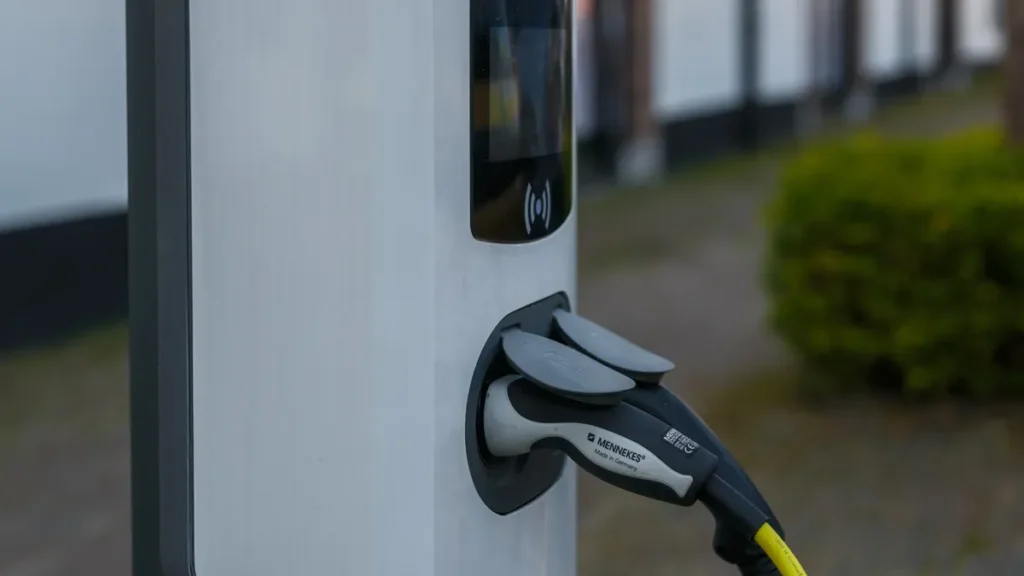
Benötige ich ein spezielles Ladegerät für mein E-Auto? ev-Ladegerät offers the best overall ev charging solution for new owners in Peru. They experience unmatched convenience when they charge your ev with a level 2 charging station at home. Home charging with equipment from leading Hersteller von EV-Ladegeräten ensures rapid charging and supports future vehicle models. Tragbare EV-Ladegeräte and shared chargers in common areas supplement the station, while reliable public EV-Ladelösungen expand accessibility. Charging at home delivers cost savings and reliability for every EV owner.
Why the Best Overall EV Charging Solution Stands Out
Convenience for New Owners
Home Charging Station Advantages
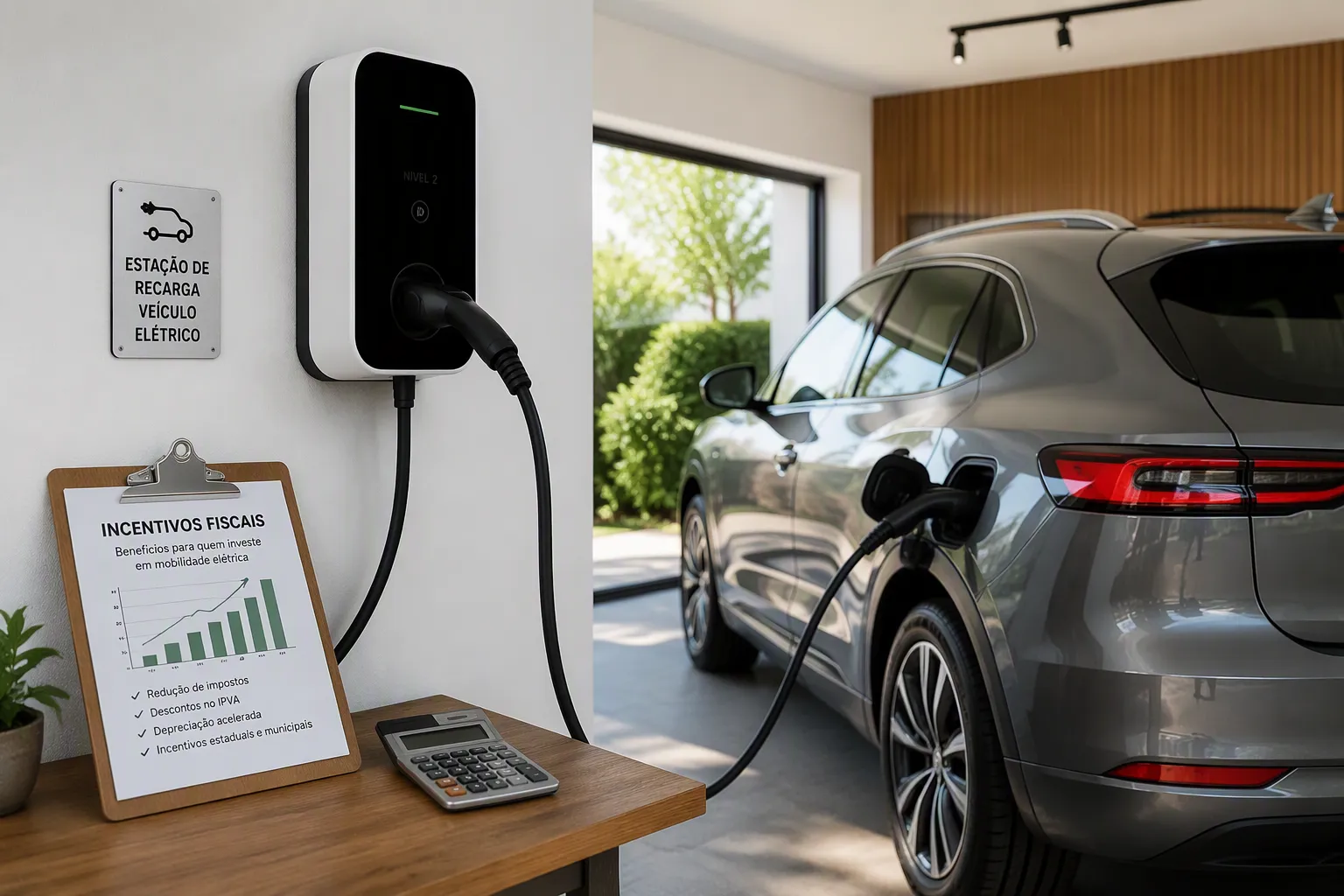
A residential charging station delivers unmatched convenience for new EV owners. They can charge your EV overnight, ensuring the vehicle is ready each morning. The best overall EV charging solution offers rapid charging times, smart scheduling, and monitoring features. Owners benefit from Wi-Fi connectivity, durability for indoor and outdoor use, and compatibility with future EV models. The following table highlights key differences between a level 2 charging station and other charging options:
| Merkmal | Level-2-Ladestationen | Other EV Charging Solutions |
|---|---|---|
| Aufladezeit | 3-8 hours for full charge | Up to 24 hours for Level 1 chargers |
| Bequemlichkeit | Can charge overnight, ready in the morning | Less convenient, longer wait times |
| Vehicle Longevity | Reduces wear on battery, extends lifespan | May cause more stress on battery |
| Leistung | Ranges from 3.3 kW to 19.2 kW | Typically lower than Level 2 |
| Intelligente Funktionen | Wi-Fi connectivity, monitoring, scheduling | Often lacks advanced features |
| Dauerhaftigkeit | Built for indoor/outdoor use | Varies widely |
| Preis | Ranges from hundreds to over $1,000 | Generally lower but less efficient |
Tip: Charging at home with a dedicated EV charger reduces battery stress and supports sustainability by optimizing energy use.
Shared Chargers in Common Areas
Apartment residents often rely on shared chargers in common areas. These stations provide access to level 2 charging for multiple users. Shared chargers offer flexibility for those without private parking. Residents can charge your EV while parked, but may need to coordinate with neighbors. Shared stations help bridge the gap between home charging and public networks, supporting the transition to electric vehicles in residential complexes.
Cost-Effectiveness and Savings
Upfront Costs vs. Long-Term Benefits
Installing a residential charging station involves an upfront investment. The average cost for a high-quality level 2 charging system ranges from $500 to $2,000, including parts and labor. This one-time expense delivers significant savings over time. Charging at home costs up to 300% less per kWh compared to public stations. Owners avoid frequent trips to public chargers and benefit from lower electricity rates.
| Art der Aufladung | Typical Rate (per kWh) | Estimated Cost Per Mile | Am besten für |
|---|---|---|---|
| Level 2 Public Charger | $0.20 to $0.40 | $0.06 to $0.13 | Top-ups while shopping or parking |
| DC-Schnellaufladung | $0.30 to $0.65 | $0.09 to $0.20 | Road trips, emergency top-ups, quick charging |
Electricity Rates and Incentives in Peru
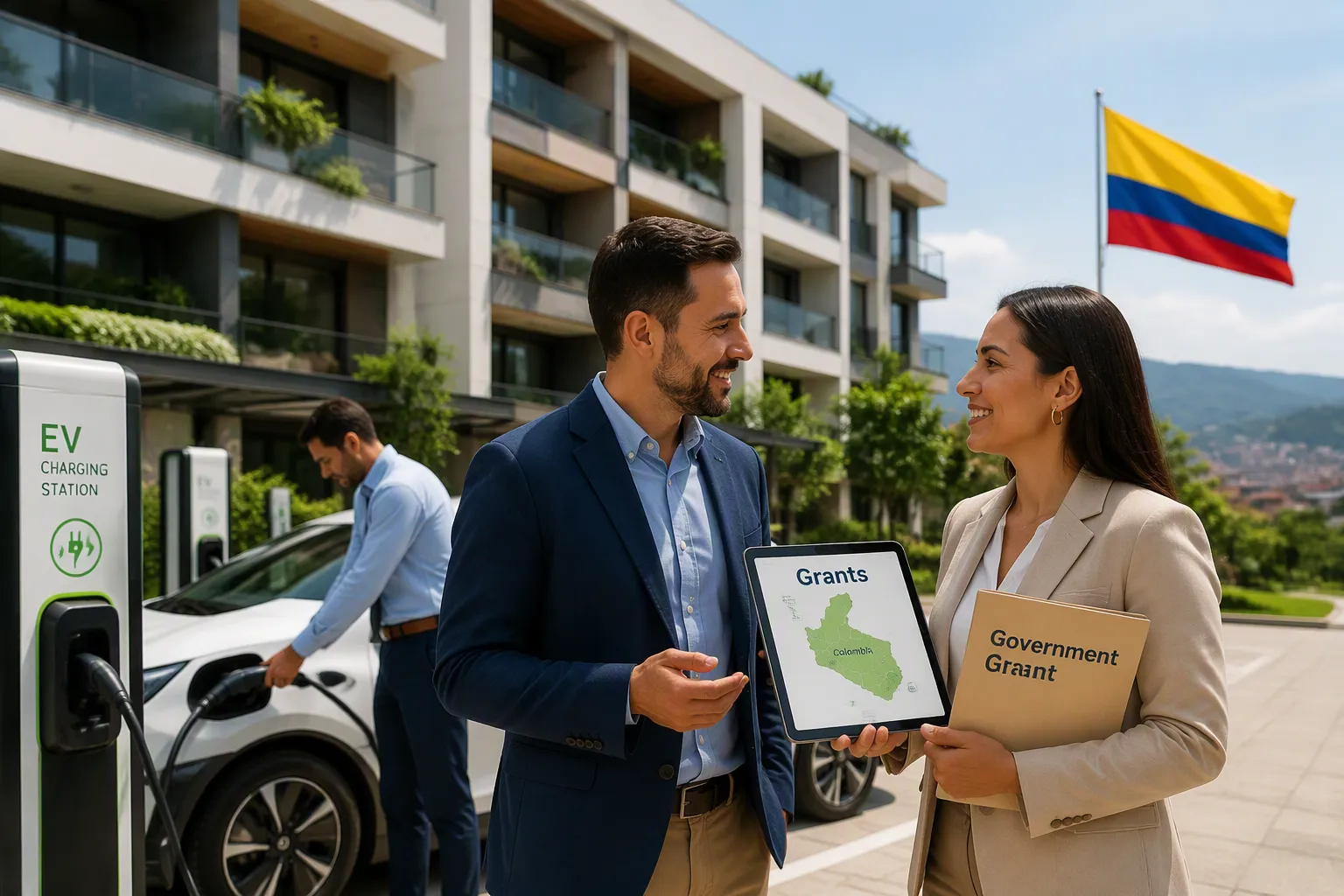
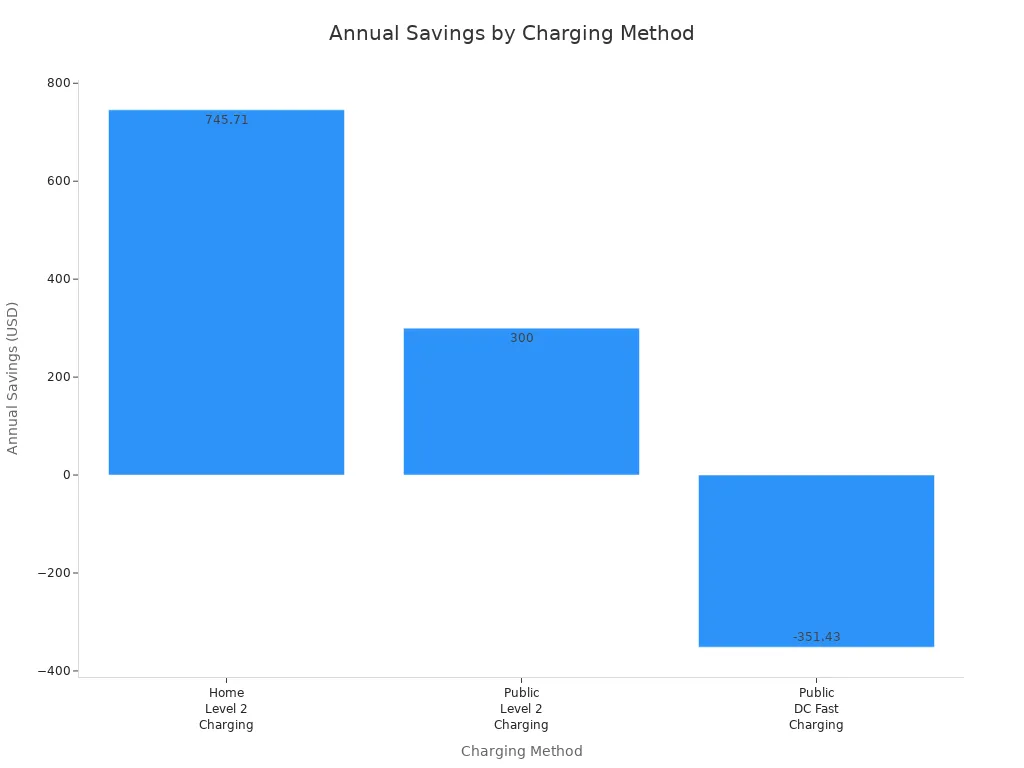
Peru offers competitive electricity rates for residential users. Incentives for EV adoption include reduced tariffs and tax benefits for installing a level 2 charging station. These incentives encourage sustainability and make EV ownership more affordable. Owners who charge your EV at home save hundreds of dollars annually compared to public charging.
| Methode der Aufladung | Jährliche Einsparungen |
|---|---|
| Home Level 2 Charging | $745.71 |
| Öffentliches Level-2-Laden | $300 |
| Public DC Fast Charging | -$351.43 (more than gasoline) |
Accessibility and Charging Station Availability
Urban and Rural Coverage
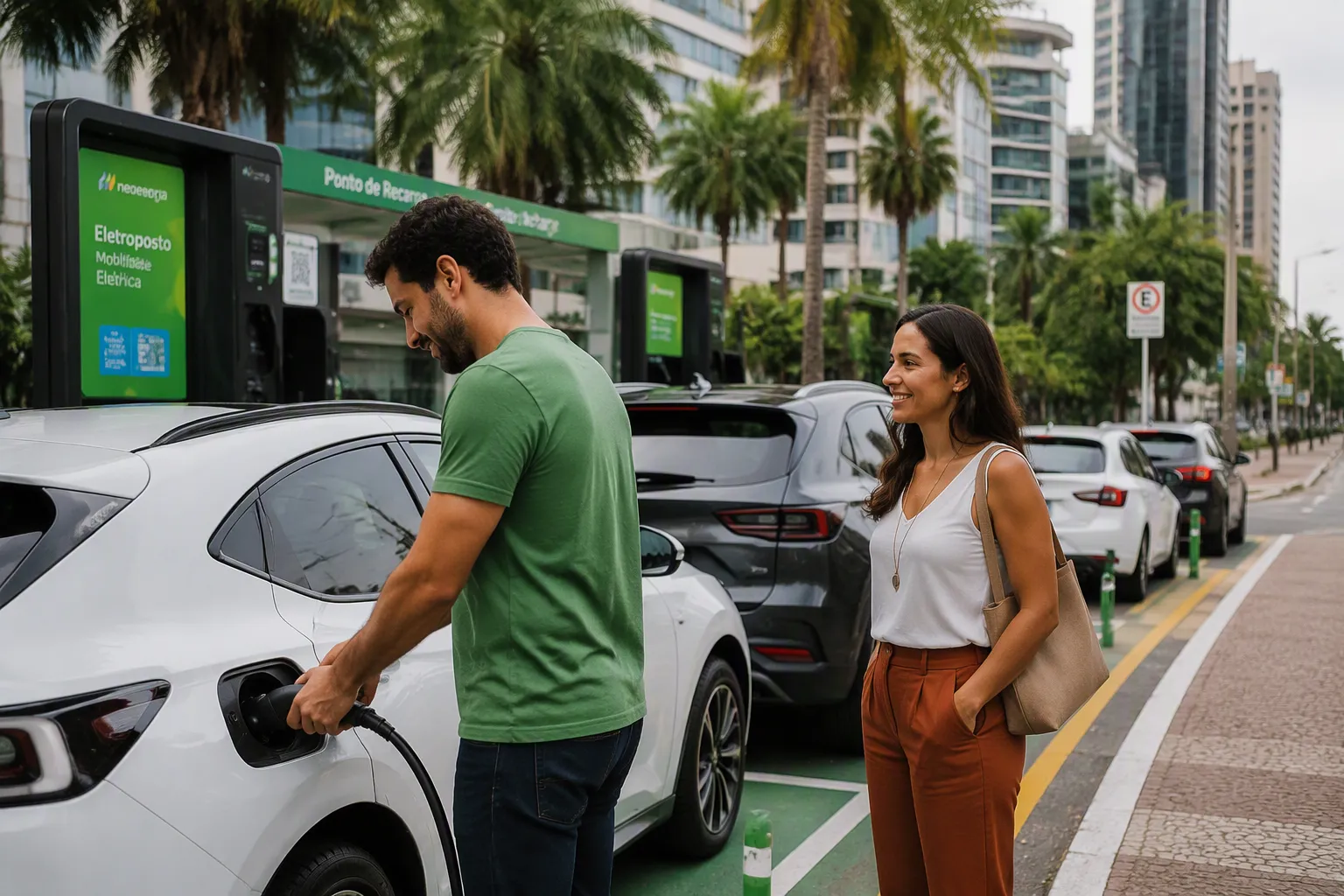
EV charging infrastructure in Peru has expanded rapidly. There are 96 charging stations available nationwide. San Isidro leads with the most stations, while Punta Hermosa has fewer options. The Electrolinera Puruchuco in Lima, added recently, demonstrates ongoing growth. Urban areas offer greater access to level 2 charging stations, but rural regions benefit from new installations and improved mapping tools.
| Aspekt | Einzelheiten |
|---|---|
| Total Charging Stations | 96 charging stations available throughout Peru. |
| City with Most Stations | San Isidro. |
| City with Fewest Stations | Punta Hermosa. |
| Latest Charging Point Added | Electrolinera Puruchuco in Lima (added on 30/05/2026). |
| Tool for Locating Stations | Electromaps database helps drivers locate charging points easily. |
Integration with Local Infrastructure
The Electromaps platform supports integration with local infrastructure. Drivers can locate charging stations quickly and plan routes efficiently. Residential charging station installations complement public networks, ensuring reliable access for all EV owners. The combination of home charging, shared chargers, and public stations creates a robust ecosystem for electric vehicles in Peru.
Note: The synergy between residential and public charging solutions enhances accessibility and supports the growth of EV adoption across urban and rural communities.
Reliability and Safety of Charging Solutions
Trusted Providers and Equipment
New owners in Peru should select charging equipment from reputable manufacturers. Trusted providers offer warranties, technical support, and certified products. These companies test their chargers for durability and performance. They design their equipment to withstand Peru’s climate, including humidity and temperature changes.
A reliable charging station reduces the risk of malfunctions and ensures consistent charging speeds. Owners can compare providers by reviewing customer feedback and industry certifications. The following table highlights important criteria for choosing a trusted provider:
| Kriterien | Warum es wichtig ist |
|---|---|
| Garantieleistungen | Protects against defects and failures |
| Ein modernes, schnell wachsendes Programm, bekannt für technischen Support. | Assists with troubleshooting |
| Zertifizierung | Meets safety and quality standards |
| Local Availability | Ensures quick service and replacement |
Tip: Owners should always verify that the charging station has passed international safety tests before installation.
Safety Standards and Regulations in Peru
Peru enforces safety standards for residential and public charging stations. The government requires all installations to comply with electrical codes. Certified electricians must handle the setup to prevent hazards such as electrical fires or shocks.
Charging stations must include features like ground fault protection and surge suppression. These measures protect both the vehicle and the property. Local authorities inspect installations to ensure compliance. Owners should keep documentation of their charger’s certification and installation for future reference.
Note: Following national regulations not only protects the user but also supports the long-term reliability of the charging infrastructure.
Future-Proofing Your EV Investment
Kompatibilität mit neuen E-Auto-Modellen
The electric vehicle market continues to evolve. Manufacturers release new models with advanced features and higher battery capacities. A modern charging station supports multiple connector types and adapts to different charging speeds. This flexibility allows owners to upgrade their vehicle without replacing the charger.
Many stations offer software updates that add compatibility with future models. Owners should check for these updates regularly. Choosing a station with universal connectors ensures that the charger remains useful as technology advances.
Scalability for Growing Needs
As families add more electric vehicles or transition to larger battery packs, charging needs increase. Scalable charging solutions allow owners to expand their setup. Some systems support multiple charging ports or higher power outputs.
A scalable system prepares households for future growth. Owners can start with a single charger and add more as needed. This approach saves money and avoids the need for major electrical upgrades later.
- Start with one charging port for a single vehicle.
- Add additional ports if more vehicles join the household.
- Upgrade power output to accommodate faster charging.
Owners who plan for future needs protect their investment and ensure a seamless transition as the ev landscape in Peru develops.
How to Get Started with Your Charging Station
Assessing Your Charging Needs
Daily Driving Habits and Range
Every new EV owner should evaluate daily driving patterns before selecting a charging station. Most drivers in Peru travel less than 60 kilometers per day. A residential charging station with level 2 capability can easily replenish this range overnight. Owners who drive longer distances or use their vehicle for work may require faster charging at home. Understanding the average daily range helps determine the ideal power output for a residential solution.
Home vs. Apartment Considerations
Living arrangements influence the choice of charging station. Homeowners can install a residential charging station in a private garage or driveway, which allows for maximum convenience and security. Apartment residents often rely on shared stations in common areas. These shared solutions provide access to level 2 charging but may require coordination with neighbors. Both options support charging at home, but installation logistics and access differ. Owners should consult property managers or homeowners’ associations to confirm installation policies for residential charging station setups.
Selecting the Best Charging Station Equipment
Level 2 Chargers Explained
Level 2 chargers deliver faster charging compared to standard outlets. They operate at higher voltages and provide power outputs between 3.3 kW and 19.2 kW. This technology enables most EVs to reach a full charge in 3 to 8 hours. Level 2 charging stations often include smart chargers with features like Wi-Fi connectivity, scheduling, and energy monitoring. These features help owners optimize charging at home and manage electricity costs efficiently.
Recommended Brands and Models in Peru
Several brands offer reliable level 2 charging equipment in Peru. TPSON stands out as a technologically advanced provider, offering durable and efficient solutions for residential use. Owners should compare models based on compatibility with their vehicle, smart features, and installation costs. Customer reviews and expert recommendations can guide the selection process. Choosing a station with strong local support ensures access to maintenance and warranty services.
| Marke | Wesentliche Merkmale | Kompatibilität | Support in Peru |
|---|---|---|---|
| TPSON | Smart features, robust design | Most EVs | Ja |
| Other Leading Brands | Variiert je nach Modell | Check specs | Ja |
Tip: Always review customer reviews and technical specifications before purchasing a charging station.
Finding a Qualified Installer for Your Charging Station
Certified Electricians and Local Providers
Professional installation is essential for safety and performance. Certified electricians in Peru assess the home’s electrical load capacity before beginning the installation. They ensure the system can handle the demands of a level 2 charging station. Local providers, including TPSON partners, offer installation services tailored to residential needs.
Was Sie bei der Installation zu erwarten haben
The installation process for a residential charging station involves several key steps:
- The electrician assesses the home’s load capacity.
- A dedicated circuit breaker is installed for the charging station.
- Heavy-duty cabling is run from the consumer unit to the charging location.
- The technician mounts the station and tests all connections for safety.
Most installations take one day to complete. Owners receive guidance on operating the station and maintaining safe charging habits. Proper installation ensures reliable charging at home and protects the vehicle’s battery over time.
Note: Always keep documentation of the installation and certifications for future reference or warranty claims.
Setting Up Your Charging Routine
Scheduling and Smart Charging Features
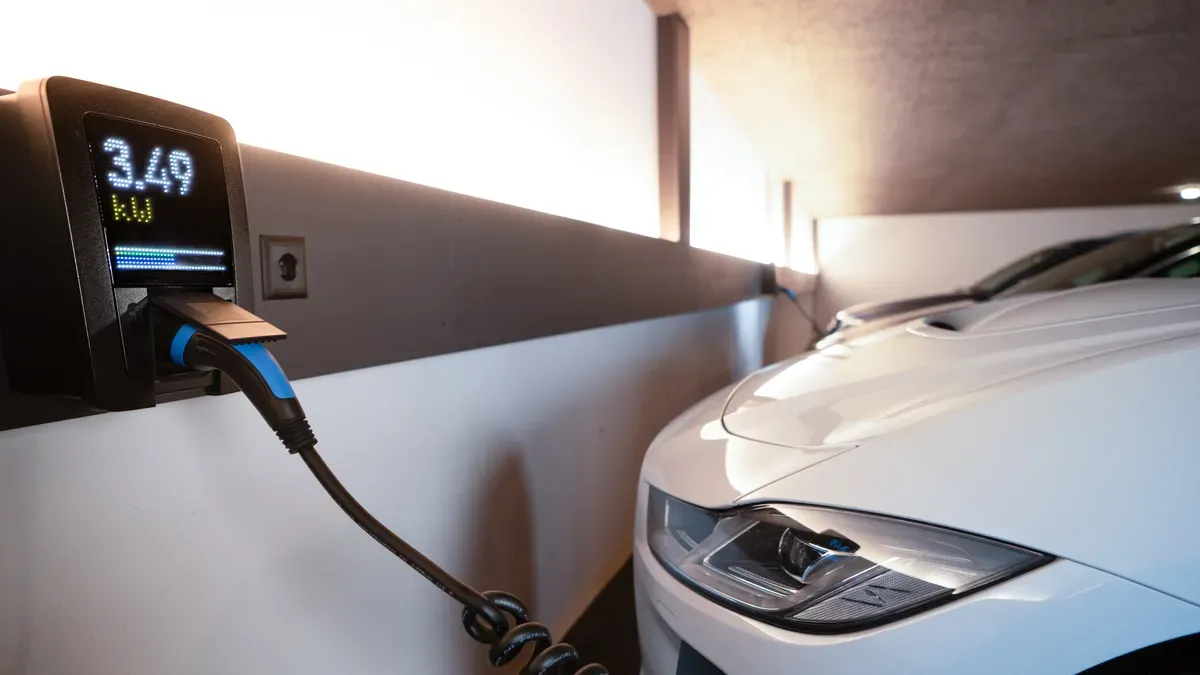
Smart charging features help new EV owners in Peru optimize their daily routines. Many modern charging stations include scheduling tools that allow users to set specific charging times. These features enable drivers to take advantage of lower electricity rates during off-peak hours. For example, a user can program the station to begin charging after midnight, which reduces costs and supports grid stability.
Charging stations with Wi-Fi connectivity offer remote control through mobile apps. Owners can adjust schedules, start or stop charging, and receive notifications about charging status. This flexibility ensures that the vehicle is always ready for use without unnecessary energy consumption. Some stations even integrate with home automation systems, allowing seamless management alongside other smart devices.
Tip: Scheduling charging sessions after the initial installation can extend battery life and reduce monthly energy bills.
A well-planned charging routine also minimizes the risk of overloading the home’s electrical system. After installation, users should consult the electrician to confirm the best charging times based on household energy usage. This practice prevents tripped breakers and ensures safe operation.
Monitoring Usage and Costs
Monitoring energy consumption helps owners track the efficiency of their charging station. Most level 2 chargers provide real-time data on electricity usage, charging duration, and costs. These insights allow users to identify patterns and adjust their routines for maximum savings.
Many charging stations include built-in displays or companion apps that show detailed reports. Owners can review historical data to compare costs before and after installation. This information supports budgeting and highlights the long-term benefits of home charging.
| Merkmal | Nutzen Sie |
|---|---|
| Überwachung in Echtzeit | Immediate feedback on energy use |
| Historical reports | Track trends and optimize routines |
| Cost estimation | Plan monthly expenses accurately |
After installation, users should regularly check the station for software updates. These updates often improve monitoring accuracy and add new features. Keeping the system current ensures reliable performance and protects the investment.
Note: Consistent monitoring after installation helps owners detect unusual energy spikes, which may indicate maintenance needs or improper charging habits.
A disciplined approach to scheduling and monitoring transforms the charging experience. Owners who follow these steps maximize the value of their installation and enjoy worry-free EV ownership.
Comparing Alternative EV Charging Solutions
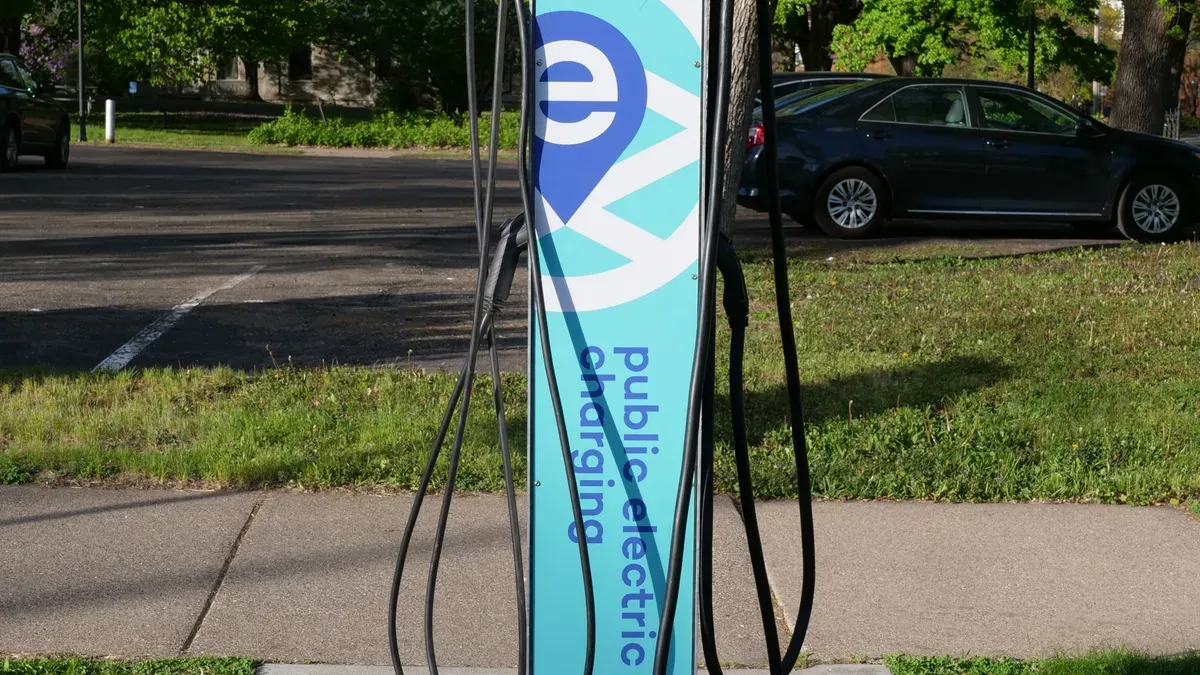
Public Charging Station Networks
Pros and Cons for New Owners
Public charging station networks offer flexibility for EV owners who travel beyond their daily routes or lack access to home charging. These networks allow drivers to top up their batteries while shopping, working, or running errands. Many stations feature user-friendly payment systems and support a variety of vehicle models.
However, public charging station networks present challenges. New owners may encounter wait times during peak hours, especially in busy urban areas. Charging costs at public stations often exceed residential rates, which can impact long-term savings. Some users report inconsistent charging speeds and occasional maintenance issues. For those who value convenience and predictable costs, relying solely on public networks may not provide the best experience.
Availability in Major Cities and Regions
Major cities in Peru, such as Lima and Arequipa, have seen rapid growth in public charging station infrastructure. These urban centers offer the highest concentration of stations, making it easier for city dwellers to find a charging point. In contrast, rural regions still face limited coverage, which can restrict travel options for EV owners outside metropolitan areas. The Electromaps platform helps drivers locate available stations, but expansion into less populated areas remains ongoing.
Level 1 Charging (Standard Outlets)
Limitations for Daily Use
Stufe 1 der Aufladung uses a standard 110-volt outlet and represents the most basic charging solution. This method requires minimal installation and almost no upfront cost. However, Level 1 charging delivers slow charging speeds, often taking up to 24 hours for a full battery. For most EV owners, this pace does not meet daily driving needs, especially for those with longer commutes or larger battery capacities. Relying on Level 1 charging can lead to inconvenience and range anxiety.
When Level 1 Charging Might Be Sufficient
Some scenarios make Level 1 charging a practical option for new EV owners in Peru:
- Owners with short daily commutes can recharge their vehicles overnight without issue.
- Plug-in hybrid electric vehicle (PHEV) owners benefit from Level 1 charging, as these vehicles have smaller batteries that charge quickly.
- Individuals who use their EVs infrequently may find Level 1 charging adequate for their needs.
Level 1 chargers remain a cost-effective solution for specific use cases, but most drivers will require a faster charging station for everyday reliability.
Schnell-Ladestationen
Use Cases and Costs
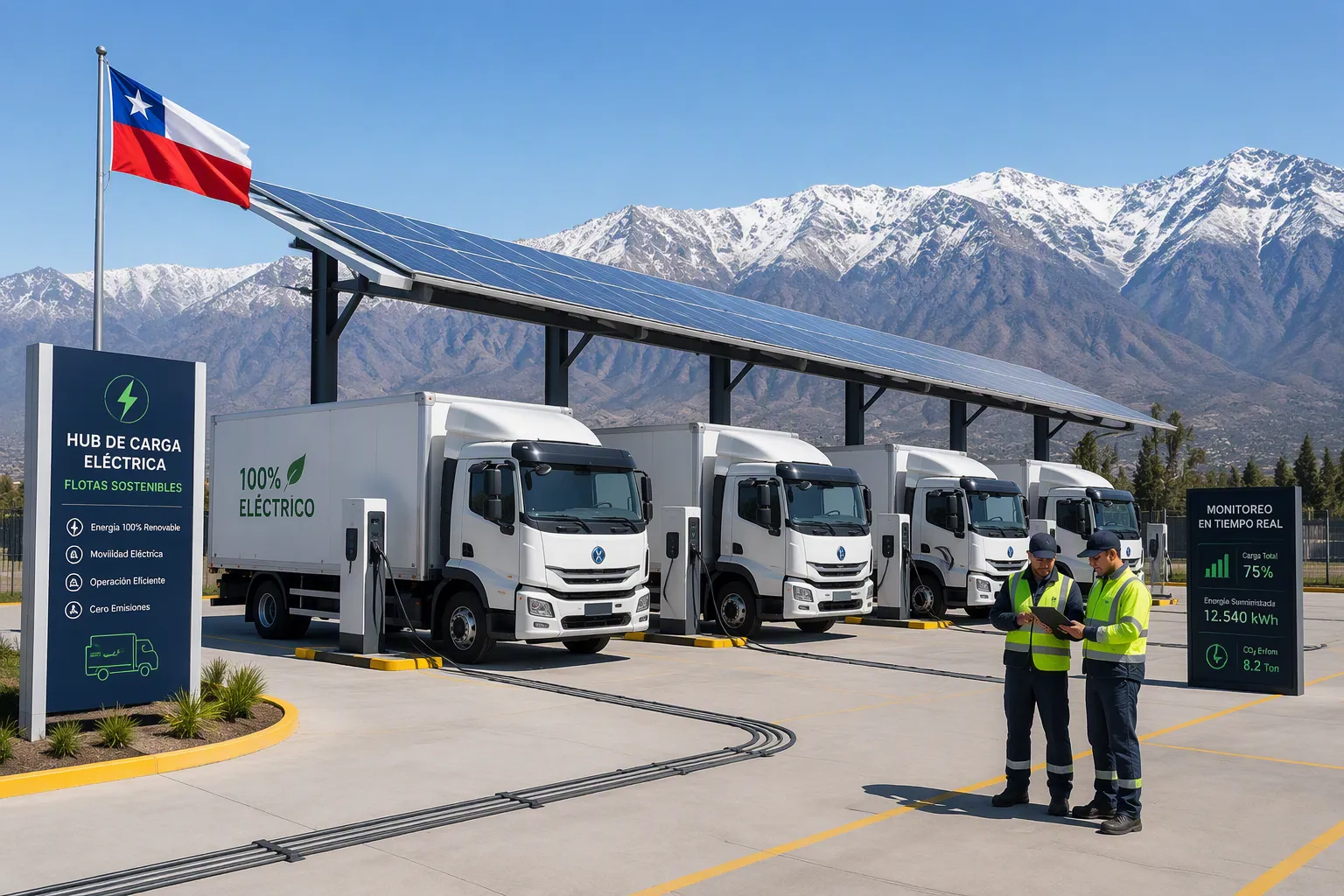
Fast charging stations, including dc fast chargers, provide rapid energy replenishment for EVs. These stations serve drivers who need to recharge quickly during long trips or in emergencies. The capital and operating costs for fast charging stations are significantly higher than those for Level 1 or Level 2 chargers. However, their high capacity makes them competitive in terms of cost per kilowatt-hour delivered.
| Ladegerät Typ | Capital Costs | Operating Costs | Anmerkungen |
|---|---|---|---|
| Stufe 1 | Nearly free | Niedrig | Residential use, 110-volt outlet |
| Stufe 2 | Relatively less costly | Niedrig | Used for overnight charging at home/work |
| Level 3 & 4 | Höher | Höher | Fast chargers, higher capacity, subject to capacity charges |
Most EV owners in Peru rely on home or work charging station setups for 80-90% of their needs. Fast charging stations fill a niche for on-the-go charging, but their higher costs and limited locations make them less practical for daily use.
Accessibility in Peru
Access to fast charging stations remains concentrated in urban corridors and along major highways. While Lima and other large cities have begun to install more dc fast chargers, rural and remote areas still lack this infrastructure. New owners should plan their routes carefully and use mapping tools to locate available stations. As Peru’s EV market grows, the expansion of fast charging networks will play a crucial role in supporting long-distance travel and broader adoption.
Shared Chargers in Common Areas
Benefits for Apartment Residents
Shared chargers in common areas offer a practical solution for apartment residents who cannot install a private residential charging station. These shared stations allow multiple users to access Level 2 charging without the need for individual installations. Residents benefit from the convenience of charging their vehicles while parked overnight or during the day. This setup supports the growing number of electric vehicle owners in multi-unit buildings across Peru.
Apartment complexes that provide shared chargers help residents avoid the challenges of finding public charging points. The presence of these chargers increases property value and attracts environmentally conscious tenants. Residents enjoy the flexibility of charging at home, which reduces reliance on public networks or dc fast chargers for daily needs. Shared charging infrastructure also fosters a sense of community among EV owners, as they coordinate schedules and share resources.
Economic and Practical Considerations
Shared chargers present both economic and practical advantages for apartment communities. By pooling resources, residents can share the cost of installation and maintenance. This approach makes Level 2 charging more affordable compared to individual residential setups. Property managers often include charging fees in monthly dues or offer pay-per-use systems, ensuring fair access for all users.
From a practical standpoint, shared chargers maximize the use of available electrical capacity within a building. Property managers can monitor usage and schedule charging times to prevent overloads. This system supports efficient energy management and aligns with Peru’s push for sustainable urban living. Shared charging stations also serve as a bridge for residents who may transition to private residential charging in the future.
Why Home Level 2 Charging Station Is the Best Overall EV Charging Solution
Summary of Key Advantages
Home Level 2 charging stations stand out as the best overall solution for new EV owners in Peru. These residential chargers deliver faster charging speeds, enhanced safety, and unmatched convenience. Owners can charge their vehicles overnight, ensuring a full battery each morning. Smart features such as scheduling and energy tracking help users save on electricity costs and optimize charging routines.
The following table summarizes the main advantages of home Level 2 charging stations:
| Merkmal | Beschreibung |
|---|---|
| Geschwindigkeit | Level 2 chargers provide faster home charging. |
| Sicherheit | They are designed with safety features for home use. |
| Bequemlichkeit | Ideal for overnight charging, making it practical for owners. |
| Intelligente Funktionen | Include scheduling and energy tracking for cost savings. |
These benefits make residential charging stations the preferred choice for most EV owners, especially when compared to public networks or shared solutions.
Umgang mit gemeinsamen Bedenken
Some new owners express concerns about the cost and complexity of installing a residential charging station. However, the long-term savings on charging costs and the convenience of home charging outweigh the initial investment. Modern residential chargers meet strict safety standards and come with warranties, ensuring reliable performance. Owners who plan for future needs can select scalable systems that adapt as their household grows.
While public charging and dc fast chargers play important roles for travel and emergencies, most daily charging occurs at home. Residential solutions provide the reliability and control that new owners need to support their transition to electric vehicles.
Tips for Maximizing Your Charging Station Experience
Charging Efficiency and Battery Health
Optimal Charging Times
Charging an electric vehicle efficiently requires attention to timing and battery levels. In Peru’s climate, drivers can extend battery life and improve charging efficiency by following these guidelines:
- Recharge the vehicle when battery levels drop to 20–30%. This practice helps avoid deep discharges that can stress the battery.
- Maintain the charge above 30–40% during daily use. Keeping the battery within this range supports longevity.
- Avoid charging to 100% frequently. Charging to full capacity can accelerate capacity fade over time.
- Control temperature exposure during charging. High temperatures can speed up battery degradation, so parking in shaded areas or charging during cooler hours helps protect the battery.
These habits ensure that the charging process supports both efficiency and long-term battery health.
Best Practices für die Batterielanglebigkeit
Drivers who want to maximize the lifespan of their vehicle’s battery should adopt several best practices. They should schedule charging sessions during cooler parts of the day, especially in warmer regions of Peru. Using smart charging features allows for better control over charging times and helps avoid unnecessary stress on the battery. Regularly updating the charging station’s software ensures compatibility with new vehicle models and maintains optimal performance. Reviewing customer reviews before purchasing a charging station can provide insights into real-world battery performance and reliability.
Safety and Maintenance of Your Charging Station
Regelmäßige Kontrollen der Ausrüstung
Routine checks of the charging station help prevent unexpected issues. Owners should inspect cables, connectors, and the main unit for signs of wear or damage. Scheduling professional inspections after installation ensures that the system remains safe and efficient. Certified electricians can identify potential hazards and recommend necessary repairs. Keeping records of each installation and maintenance visit supports warranty claims and future upgrades.
Sichere Ladegewohnheiten
Safe charging habits protect both the vehicle and the property. Owners should always use equipment that meets local safety standards. Avoiding the use of extension cords and ensuring proper grounding during installation reduces the risk of electrical faults. Children and pets should stay away from the charging area while the station is in use. Following manufacturer guidelines and reading customer reviews can help identify the safest charging practices.
Saving on Charging Costs
Off-Peak Electricity Rates
Charging during off-peak hours can significantly reduce electricity expenses. Many utility providers in Peru offer lower rates at night or early morning. Smart charging stations allow users to schedule sessions during these periods, maximizing savings. Taking advantage of incentives for sustainable energy use further lowers overall charging costs and supports national sustainability goals.
Tracking and Reducing Energy Use
Monitoring energy consumption helps owners manage costs and improve efficiency. Many modern charging stations include built-in tracking features that display real-time usage data. Reviewing this information allows drivers to adjust their routines and minimize unnecessary charging. Comparing installation costs and ongoing expenses with other solutions helps owners make informed decisions about upgrades or changes to their charging setup.
Tip: Regularly reviewing energy usage reports and customer reviews can reveal opportunities to save money and improve charging efficiency.
Staying Informed About Charging Station Developments
Updates on Charging Infrastructure in Peru
Peru’s electric vehicle landscape continues to evolve. New owners benefit from staying informed about charging infrastructure updates. Government agencies and private companies regularly announce new charging station installations. These updates often appear on official websites, industry news portals, and social media channels. Drivers who monitor these sources gain early access to information about station locations, technology upgrades, and service improvements.
A table below summarizes key resources for tracking charging infrastructure developments:
| Resource Type | Example Platform | Information Provided |
|---|---|---|
| Official Government | Ministry of Energy | New station launches, incentives |
| Industry News | Electromaps, EV News | Charging network expansions |
| Social Media | Facebook, Twitter | Real-time updates, user feedback |
Drivers who follow these platforms receive timely alerts about charging station openings and maintenance schedules. They also learn about advancements in charging technology, such as faster connectors and improved payment systems. Staying updated helps owners plan routes and optimize their charging routines.
Note: Regularly checking infrastructure updates ensures that drivers maximize the benefits of their charging station investment.
Beitritt zu lokalen EV-Communities
Local EV communities play a vital role in supporting new owners. These groups provide practical advice, share experiences, and organize events related to charging solutions. Owners who join local forums or online groups connect with others who face similar challenges. They exchange tips about charging station locations, equipment reliability, and best practices for efficient charging.
Participation in local EV communities offers several advantages:
- Access to firsthand reviews of charging stations.
- Opportunities to attend workshops and meetups focused on charging technology.
- Networking with industry professionals and fellow EV owners.
Community members often collaborate to advocate for improved charging infrastructure in their neighborhoods. They may organize petitions or communicate with local authorities to request additional charging stations. This collective effort accelerates the growth of Peru’s charging network and enhances the ownership experience.
Tip: Engaging with local EV communities helps new owners stay informed, troubleshoot issues, and discover innovative charging solutions.
Owners who remain active in these groups build valuable relationships and stay ahead of industry trends. They receive invitations to exclusive events and gain access to resources that simplify the charging process. By leveraging community knowledge, drivers ensure that their charging station setup remains efficient and future-ready.
A dedicated home Level-2-Ladestation stands as the best overall EV charging solution for new owners in Peru. This approach allows drivers to charge your EV overnight, ensuring a full battery each morning. The best overall EV charging solution offers unmatched convenience, cost savings, and future readiness. Key benefits include:
- Charging at home with a level 2 charging station provides the most convenient way to charge your EV, supporting daily routines.
- A level 2 charger requires a 220V outlet and professionelle Installation, which ensures safety and efficiency.
- Home charging with a level 2 charging station is cost-effective, especially when using off-peak rates.
The best overall EV charging solution delivers reliable performance and adapts to new vehicle models. New owners can confidently choose a level 2 charging station to charge your EV and enjoy a seamless transition to electric mobility.
FAQ
What is a Level 2 charging station?
A Level 2 charging station uses a 220V outlet and delivers faster charging than standard outlets. Most electric vehicles reach a full charge in 3 to 8 hours with this equipment.
Can apartment residents install a home charging station?
Apartment residents usually need approval from building management. Many buildings offer shared charging stations in common areas. Residents should check property policies before planning an installation.
How much does it cost to install a Level 2 charger in Peru?
Installation costs range from $500 to $2,000, depending on equipment and labor. Some providers offer bundled packages. Incentives or tax benefits may reduce the total expense.
Are there government incentives for EV charging stations in Peru?
Yes. Peru offers reduced electricity tariffs and tax benefits for installing residential charging stations. These incentives help lower the overall cost of EV ownership.
How can owners ensure safe charging at home?
Owners should hire certified electricians for installation. They must use equipment that meets safety standards. Regular inspections and following manufacturer guidelines help maintain a safe charging environment.
What should owners do if a charging station malfunctions?
Owners should stop using the charger immediately. They should contact the provider or a certified technician for inspection and repair. Most reputable brands offer technical support and warranties.
Can a home charging station support future EV models?
Most modern Level 2 chargers feature universal connectors and software updates. These features ensure compatibility with new electric vehicle models as technology advances.