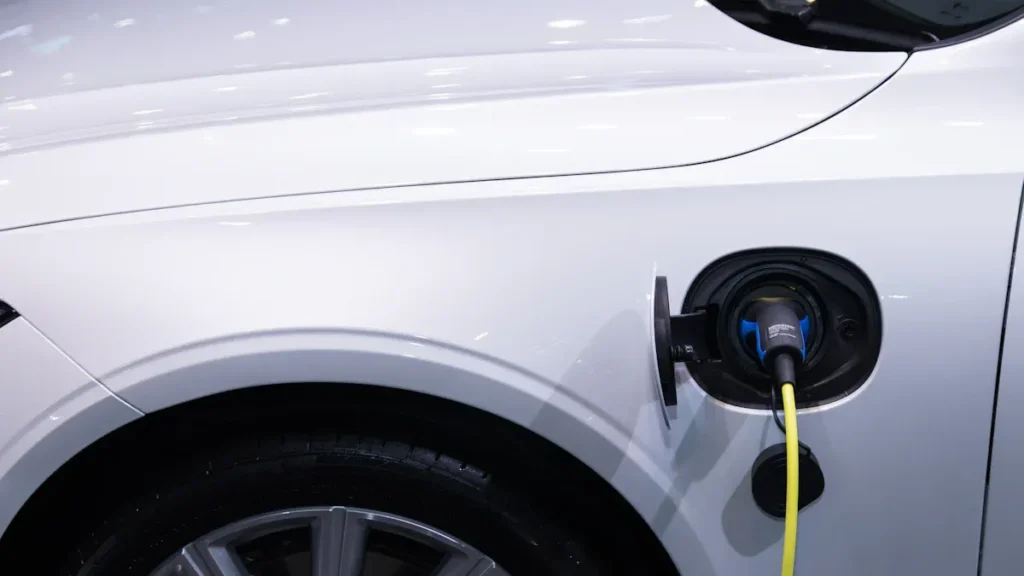
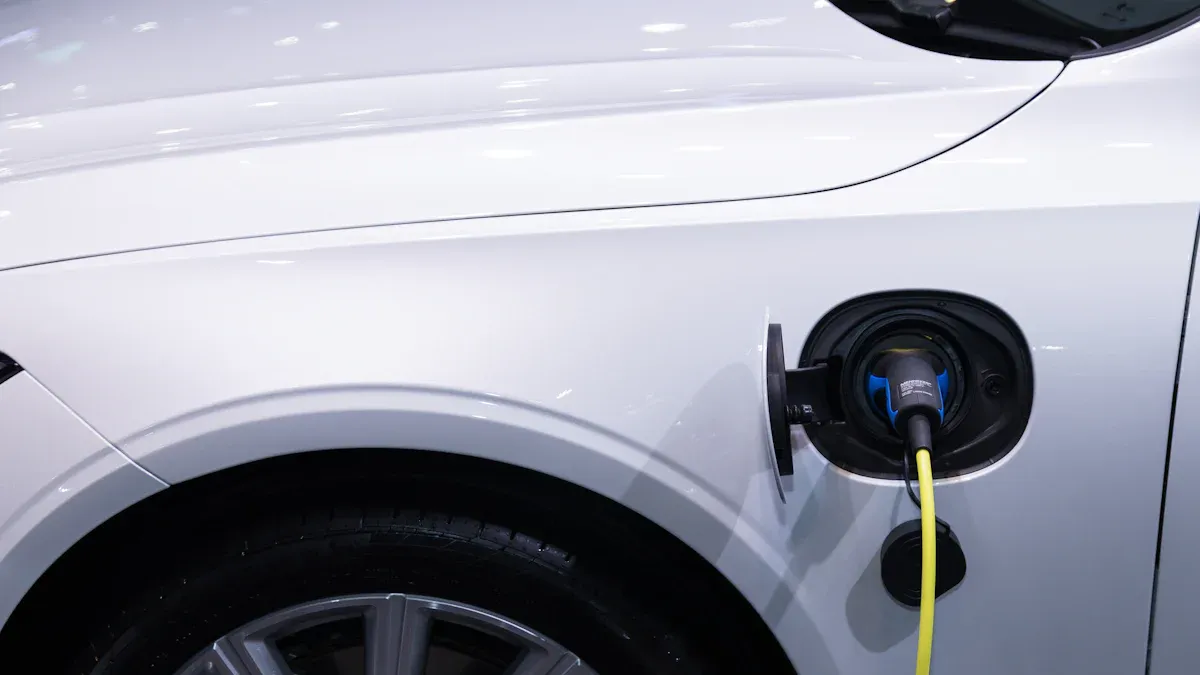
Ein GB/T-zu-Typ-2-Adapter ist ein entscheidendes Zubehör für Besitzer chinesischer E-Autos in Thailand. Er behebt direkt die Inkompatibilität zwischen dem GB/T-Anschluss des Fahrzeugs und dem standardmäßigen Typ-2- EV-Ladegerät Anschluss an den meisten öffentlichen AC-Ladestationen.
Dieser wesentliche Leitfaden zu GB/T-Adaptern klärt die Funktion des Adapters. Hersteller von EV-Ladegeräten wie TPSON bieten fortschrittliche EV-Ladelösungen, von der Hardware der Station bis hin zur tragbare EV-Ladegeräte, Navigation durch diese regionalen Standardunterschiede. Der Adapter ermöglicht einfach, dass das Auto sich mit dem weit verbreiteten Netz verbinden und Strom daraus beziehen kann.
Das Kernproblem: Inkompatibilität der Ladeanschlüsse

Viele neue E-Auto-Besitzer erleben einen Moment der Verwirrung an einer öffentlichen Ladestation. Sie finden das Ladekabel der Station, aber es lässt sich einfach nicht mit ihrem Fahrzeug verbinden. Dieses Problem rührt von einem grundlegenden Unterschied in den Lade standards zwischen Regionen her. Dieser Abschnitt des wesentlichen Leitfadens zu GB/T-Adaptern erläutert das Inkompatibilitätsproblem.
Verstehen Sie den Ladeanschluss Ihres E-Autos
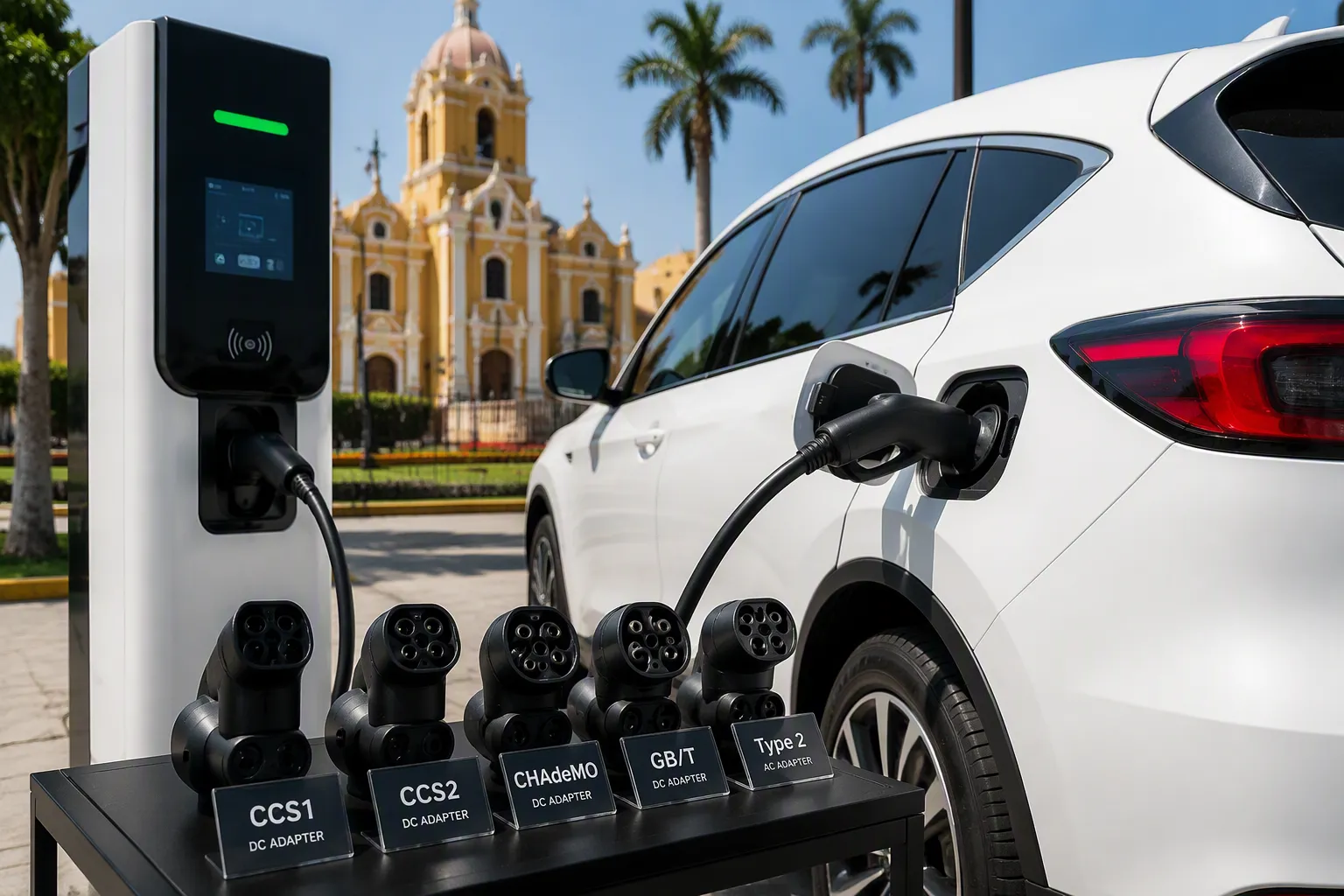
Der GB/T-Standard erklärt
Elektrofahrzeuge chinesischer Hersteller wie BYD, GWM und MG nutzen den GB/T-Ladestandard. Dies ist der verbindliche nationale Standard in China. Das spezifische Protokoll für AC-Laden ist GB/T 20234.2.
- GB/T-Stecker und -Buchsen sehen dem europäischen Typ-2-Standard sehr ähnlich.
- Allerdings sind ihre Innenkonstruktionen unterschiedlich. Die männlichen Stifte und weiblichen Aufnahmen sind zwischen den beiden Standards vertauscht.
Dieser kleine physikalische Unterschied ist die Ursache des Verbindungsproblems.
Marken, die GB/T in Thailand verwenden
Die wachsende Beliebtheit chinesischer E-Autos bedeutet, dass der GB/T-Anschluss nun auf Thailands Straßen verbreitet ist. Zu den wichtigen in Thailand verkauften Marken, die den GB/T-Standard für ihre Ladeanschlüsse nutzen, gehören:
- BYD (z.B. Atto 3, Dolphin)
- GWM (z.B. Ora Good Cat)
- MG (z.B. ZS EV, EP)
Thailands öffentliches Lade netzwerk
Der dominante Typ-2-Standard
Thailands öffentliche AC-Ladeinfrastruktur hat weitgehend den europäischen Standard übernommen. Dieser Standard ist als Typ 2 oder IEC 62196. bekannt. Die meisten öffentlichen AC-Ladegeräte in Einkaufszentren, Hotels und Bürogebäuden bieten einen Typ-2-Stecker. Sowohl Typ-2- als auch GB/T-Stecker verwenden ein siebenpoliges Layout für Kommunikation und Stromübertragung: CP (Control Pilot), PP (Proximity Pilot), PE (Schutzleiter), N (Neutralleiter) und drei Phasen Wechselstrom (L1, L2, L3).
Warum Ihr Stecker nicht passt
Trotz ähnlicher Pin-Funktionen kann ein nativer GB/T-Stecker Ihres Autos physisch nicht mit einem Typ-2-Kabel der Station verbunden werden. Die männlichen und weiblichen Komponenten passen nicht zusammen. Der GB/T-Einlass Ihres Autos benötigt männliche Stifte, aber das Typ-2-Kabel hat ebenfalls männliche Stifte. Ein Adapter fungiert als notwendiger Vermittler, um diese Lücke zu überbrücken.
Der entscheidende Unterschied: AC- vs. DC-Laden
Es ist wichtig, die Art des Ladens zu verstehen, die dieser Adapter ermöglicht. Anbieter von E-Auto-Ladelösungen wie TPSON entwickeln unterschiedliche Hardware für AC- und DC-Strom, da sie unterschiedlichen Zwecken dienen.
Wofür dieser Adapter ist (AC-Laden)
Der in diesem Leitfaden besprochene GB/T-zu-Typ-2-Adapter ist ausschließlich für AC-Laden (Wechselstrom). Dies ist die langsamere Ladeform, ideal zum Auffüllen der Batterie über mehrere Stunden während der Arbeit, beim Einkaufen oder beim Parken über Nacht.
Die DC-Schnellladesituation in Thailand
DC-Schnellladen (Gleichstrom) bietet viel höhere Geschwindigkeiten und lädt eine Batterie oft in unter einer Stunde auf 80% auf. Einige Lade netzwerke in Thailand (wie PEA Volta und EA Anywhere) bieten native GB/T-DC-Schnelllader. Ihr chinesisches E-Auto kann sich direkt ohne Adapter mit diesen verbinden.
Warum GB/T-zu-CCS2-DC-Adapter keine praktische Lösung sind
Viele neuere DC-Schnellladestationen in Thailand verwenden den CCS2-Standard. Obwohl GB/T-zu-CCS2-DC-Adapter technisch existieren, sind sie für den Durchschnittsfahrer keine praktische Lösung. Sie sind extrem teuer, sperrig und oft unzuverlässig aufgrund komplexer Software-Kommunikationsprobleme zwischen Auto und Ladegerät. Aus diesem Grund sollten Fahrer sich darauf konzentrieren, das weit verbreitete AC-Netz mit einem geeigneten Adapter zu nutzen.
Ihr wesentlicher Leitfaden zu GB/T-Adaptern
Die Auswahl des richtigen Adapters beinhaltet mehr, als nur einen passenden zu finden. Ein E-Auto-Besitzer muss die technischen Spezifikationen und Sicherheitsmerkmale verstehen, um effizientes und sicheres Laden zu gewährleisten. Dieser Teil des wesentlichen Leitfadens zu GB/T-Adaptern vermittelt das notwendige Wissen für einen informierten Kauf.
Entschlüsselung technischer Spezifikationen
Die Zahlen und Begriffe auf der Produktseite eines Adapters können verwirrend erscheinen. Sie beziehen sich jedoch direkt auf Ladegeschwindigkeit und Kompatibilität.
Leistungsangabe: 7kW vs. 22kW
Die Leistungsangabe, gemessen in Kilowatt (kW), ist der direkteste Indikator für die mögliche Ladegeschwindigkeit.
- 7kW-Adapter: Dies sind die gebräuchlichsten und eignen sich für einphasige Stromversorgungen. Sie sind perfekt für das Laden über Nacht oder zum Auffüllen während einiger Stunden Einkaufen.
- 22kW-Adapter: Diese Adapter sind für dreiphasige Stromversorgungen ausgelegt, die seltener sind, aber deutlich schnelleres Laden bieten. Sie sind ideal für Fahrer, die an kompatiblen öffentlichen Stationen eine schnellere Aufladung benötigen.
Der Unterschied in der Ladezeit ist erheblich. Die folgende Tabelle veranschaulicht die Ladedauer für eine typische 50-kWh-E-Auto-Batterie und zeigt, wie eine höhere Leistungsangabe die Wartezeit drastisch reduziert.
| Adapterleistung | Stromquelle | Ungefähre Ladezeit (50-kWh-Batterie) |
|---|---|---|
| 7,4 kW | Einphasig | ~7 Stunden |
| 22 kW | Dreiphasig | ~2,5 Stunden |
Stromstärke: 16A vs. 32A
Die Stromstärke, gemessen in Ampere (A), stellt den elektrischen Stromfluss dar. Sie wirkt zusammen mit der Spannung, um die Gesamtleistung (kW) zu bestimmen.
- 16A-Adapter: Diese entsprechen typischerweise einer Leistungsabgabe von etwa 3,7kW bei einer einphasigen Verbindung.
- 32A-Adapter: Diese können etwa 7,4kW bei einer einphasigen Verbindung oder bis zu 22kW bei einer dreiphasigen Verbindung liefern. Ein 32A-Adapter bietet mehr Flexibilität und ein schnelleres Ladepotenzial.
Einphasiger vs. dreiphasiger Strom
This refers to the type of electrical supply from the charging station. Most homes and many public AC chargers in Thailand use single-phase power. Three-phase power is more robust and is usually found at newer, high-capacity charging locations or commercial buildings. While a three-phase (22kW) adapter will work on a single-phase charger, it will only draw power at the station’s lower single-phase rate (e.g., 7kW).
Matching the Adapter to Your Car’s Onboard Charger
Entscheidender Punkt: The charging speed is always limited by the slowest component in the chain. This is most often the vehicle’s onboard charger (OBC).
Every EV has an OBC that converts AC power from the grid into DC power to store in the battery. These OBCs have a maximum power rating. For example, the BYD Atto 3 and Ora Good Cat have a 7kW OBC. The MG ZS EV has a 6.6kW OBC.
This means even if an owner uses a 22kW adapter at a 22kW charging station, these cars will only charge at their maximum OBC speed of around 7kW. Therefore, for most Chinese EVs currently in Thailand, a 32A / 7kW adapter is perfectly sufficient. This Essential Guide to GB/T Adapters recommends checking the vehicle’s specifications before purchasing an overpowered adapter.
Prioritizing Safety and Build Quality
A charging adapter handles a significant amount of electrical power for extended periods. Prioritizing safety and durability is non-negotiable.
Must-Have Safety Certifications (CE, TÜV)
Reputable adapters will carry certifications from independent testing bodies. These logos are a guarantee of quality and safety.
- CE: This mark indicates the product complies with the health, safety, and environmental protection standards of the European Economic Area (EEA).
- TÜV: This is a German certification that signifies rigorous testing for safety, quality, and durability. It is a highly respected mark in the electronics industry.
An adapter with both CE and TÜV certifications has been thoroughly vetted and is built to a high standard.
Checking for Durable Materials
High-quality materials are essential for both safety and longevity. Technologically advanced providers like TPSON prioritize robust components in their charging solutions. An owner should look for adapters with casings made from highly heat-resistant and flame-retardant plastics, such as specific grades of polyamide (PA) or polybutylene terephthalate (PBT). These materials provide excellent electrical isolation. The contact pins are equally important. Premium adapters use pins made of silver-plated copper to ensure maximum conductivity, reduce heat buildup, and prevent energy loss. This is superior to materials like tin, which can corrode and degrade the connection over time.
Understanding IP Weatherproof Ratings (IP54+)
The IP (Ingress Protection) rating indicates an adapter’s resistance to dust and water. For outdoor use in a tropical climate like Thailand’s, a rating of IP54 or higher is essential.
The two digits in an IP rating have specific meanings:
- First Digit (5): Indicates protection against dust. It ensures that gritty muck and other solid particles cannot enter in sufficient quantity to interfere with the adapter’s operation.
- Second Digit (4): Indicates protection against water. It means the adapter can handle water splashes from any direction.
An IP54-rated adapter is therefore:
- Protected from dust ingress.
- Protected from rain and water splashes.
This rating ensures the adapter can be used safely during a light rain shower, but it does not mean it is fully waterproof. It should never be submerged or exposed to high-pressure water jets.
Where to Purchase Your Adapter in Thailand
An EV owner in Thailand has several reliable options for purchasing a GB/T to Type 2 adapter. The choice depends on factors like convenience, price, and the desire for brand-specific accessories. This section of the Essential Guide to GB/T Adapters explores the primary purchasing channels available.
Official Manufacturer Dealerships
Purchasing an adapter directly from the vehicle’s dealership offers the highest assurance of compatibility and quality. These accessories are either manufactured or officially endorsed by the car brand.
BYD Dealerships
BYD owners can inquire at their local dealership service center for official charging accessories. Dealerships often stock adapters specifically tested for models like the Atto 3 and Dolphin. This route guarantees the product meets BYD’s internal quality standards. The staff can also provide immediate confirmation of compatibility with the vehicle’s onboard systems.
GWM Dealerships
Great Wall Motor (GWM) provides a range of accessories for its popular Ora Good Cat. Owners should contact their GWM dealership to ask about the availability of official GB/T to Type 2 adapters. Buying from the dealer ensures the product is a perfect match for the car’s charging system and often comes with a manufacturer-backed warranty.
MG Dealerships
MG has a well-established network in Thailand. Owners of the MG ZS EV or MG EP can visit their nearest service center to purchase an approved adapter. This option provides peace of mind, as the accessory is certified to work seamlessly with MG’s vehicle software and hardware.
Specialized EV Accessory Retailers
A growing number of businesses in Thailand now focus exclusively on electric vehicle accessories. These retailers offer a curated selection of products from various brands, often including high-quality third-party options.
Online EV Stores in Thailand
Several dedicated e-commerce websites cater to the Thai EV community. These online stores typically provide a wider selection than dealerships, featuring adapters from different manufacturers at various price points. They often stock products from reputable EV charging solution providers like TPSON, known for their technologically advanced and reliable hardware. These specialist sites usually offer detailed product specifications and expert customer support to help buyers choose the correct adapter for their needs.
Physical Accessory Shops
In major cities like Bangkok, physical stores specializing in automotive or EV accessories are emerging. Visiting one of these shops allows an owner to inspect the adapter’s build quality firsthand. Staff can offer in-person advice and demonstrate how the product works. This hands-on approach can be very beneficial for new EV owners who are unfamiliar with charging equipment.
Major Online Marketplaces
Platforms like Lazada and Shopee are popular choices for their vast selection and competitive pricing. However, buyers must exercise caution to ensure they purchase a safe and reliable product.
Shopping on Lazada and Shopee
A simple search for “GB/T to Type 2 adapter” on these platforms will yield numerous results. These marketplaces offer a convenient way to compare prices and models from many different sellers. Many reputable EV accessory suppliers, including those who stock advanced solutions from providers like TPSON, operate official stores on LazMall and Shopee Mall, providing an extra layer of buyer protection.
How to Vet Sellers and Read Reviews
Navigating the vast number of sellers on these platforms requires a careful evaluation process. A discerning buyer should look for specific indicators of a trustworthy seller to avoid counterfeit or low-quality products.
Tipp: A reliable seller on Lazada or Shopee will almost always have a strong digital footprint. Taking a few extra minutes to verify their credibility is a critical step before making a purchase.
Key signs of a reputable seller include:
- High Ratings and Positive Reviews: Look for sellers with an average rating of 4.5 stars or higher. A large volume of positive feedback indicates consistent customer satisfaction.
- Detailed Product Descriptions: Trustworthy sellers provide comprehensive details. They list technical specifications, materials, and crucial safety certifications like CE and TÜV.
- Clear Return and Warranty Policies: A seller who stands behind their product will offer a clear and fair warranty. This policy shows confidence in the adapter’s quality.
- Responsive Customer Service: Before buying, a customer can send a question about the product. A quick, knowledgeable, and helpful response is a strong indicator of good post-sale support.
- Seller Badges and Certifications: Platforms often vet sellers and award special badges. Look for “Preferred Seller,” “LazMall,” or “Shopee Mall” designations, as these sellers are held to a higher standard by the marketplace.
How to Use Your Adapter Safely: A Step-by-Step Guide
Using a GB/T adapter is straightforward, but following a specific sequence is essential for the safety of the driver, the vehicle, and the charging equipment. This guide provides a clear, step-by-step process for both connecting and disconnecting the adapter.
Die korrekte Anschlussreihenfolge
Following the correct order prevents electrical arcing and ensures the car and station communicate properly before high-voltage power begins to flow.
Step 1: Connect Adapter to Station Cable
First, the owner should take the Type 2 charging cable from the public station. They must firmly connect this cable to the Type 2 inlet on the GB/T adapter. A solid click should be heard or felt, indicating the plug is securely locked in place.
Step 2: Plug Adapter into Your Vehicle
Next, the user takes the combined adapter and cable unit. They will plug the GB/T end of the adapter into their vehicle’s charging port. It should also fit snugly and lock into position. A loose connection can interrupt charging and generate excess heat.
Step 3: Authorize and Begin Charging
With the physical connections made, the driver can now authorize the session. This is typically done using the charging network’s mobile application or an RFID card. Once authorized, the charging station will communicate with the vehicle and initiate the flow of electricity.
Step 4: Confirm a Secure Connection
A final check ensures everything is working correctly. The owner should look at the vehicle’s dashboard or infotainment screen. A charging indicator light or icon will confirm that the car is actively receiving power. 🔌
The Proper Disconnection Process
Disconnecting in the wrong order can damage the charging pins on the adapter, the car, or the station’s cable. This sequence ensures a safe power-down before any physical disconnection.
Step 1: End the Charging Session
The first action is always to stop the charging session electronically. The driver must use the same method they used to start it, either through the mobile app or by tapping their RFID card. This tells the station to stop sending power.
Step 2: Unlock and Unplug from Your Car
Once the session is ended, the vehicle will release the electronic lock on its charging port. The owner can then press the release button on the plug and pull the adapter straight out from the car.
Das ist wichtig: Never try to forcefully pull the adapter out before the vehicle unlocks the port. This can cause significant damage to the locking mechanism.
Step 3: Detach Adapter from Station Cable
With the adapter free from the vehicle, the user can now separate it from the station’s Type 2 cable. The owner should then return the station’s cable to its holster.
Storing Your Adapter Correctly
Proper storage is key to the adapter’s longevity. Before storing, the owner should perform a quick visual inspection for any debris or signs of wear. It is good practice to wipe the adapter with a clean, dry cloth to remove any dust or moisture. Technologically advanced providers like TPSON build their accessories with durable materials, but consistent care ensures lasting reliability. The adapter should be stored in its protective case and kept in a dry, secure location within the vehicle, such as the trunk or a designated storage compartment.
Key Safety Rules and Best Practices
An EV owner’s safety is paramount when handling high-voltage charging equipment. This section of the Essential Guide to GB/T Adapters outlines the critical rules and best practices for using a GB/T to Type 2 adapter. Following these guidelines ensures the protection of the driver, the vehicle, and the public charging infrastructure.
The “Do’s” of Adapter Usage
Adopting a few simple habits can significantly enhance charging safety and extend the life of the adapter.
Do Inspect Before Every Use
Before each use, an owner should perform a quick visual inspection of their adapter and the station’s cable. This simple check can prevent serious electrical hazards. An owner should look for any signs of wear or damage.
- Frayed cables or cracked connector casings
- Bent, broken, or discolored pins
- Exposed internal wiring or loose fittings
If any of these issues are present, the equipment is unsafe. The owner should not use it and should report any damage on the public station’s cable to the network operator.
Do Ensure a Snug, Locked Fit
A secure physical connection is essential for a safe electrical connection. When plugging the adapter into the car and the station cable, the user should feel a distinct click as the locking mechanism engages. A loose connection can lead to poor electrical contact, generating significant heat and potentially interrupting the charging session or damaging the components.
Do Keep Connections Dry
Water and high-voltage electricity are a dangerous combination. An EV owner must always handle charging equipment with dry hands. If the ends of the adapter or cable are wet, they should be wiped thoroughly with a dry cloth before making a connection. This practice helps prevent corrosion and reduces the risk of a short circuit.
Sicherheit geht vor: Even with weatherproof ratings, an owner should avoid standing in a puddle of water while handling charging connectors.
The “Don’ts” of Adapter Usage
Knowing what not to do is just as important as knowing the correct procedures. Avoiding these common mistakes is crucial for safe charging.
Don’t Use in Heavy Rain
While an IP54-rated adapter can handle light splashes, using it during a heavy downpour is not advisable. Water can find its way into the connection points, creating a risk of electric shock or damage to the charging system. If an owner must charge in the rain, they should try to shield the connection from direct water exposure as much as possible.
Don’t Use with an Extension Cord
Using a standard household extension cord with an EV charging adapter is extremely dangerous and should be avoided at all costs.
Kritische Warnung: Standard extension cords are not designed for the high, sustained electrical load of EV charging. This can cause the cord to overheat, creating a significant fire hazard.
Regulations like BS 7671 explicitly prohibit using extension cords with tragbare EV-Ladegeräte because they can bypass critical safety features. Technologically advanced providers like TPSON engineer their charging solutions to meet strict safety standards, which are compromised by unapproved extensions.
Don’t Leave it Dangling or on the Ground
An adapter should never be left hanging by its own weight or lying on the ground. This puts unnecessary strain on the vehicle’s charging port and the cable connectors. It also creates a trip hazard for pedestrians. Leaving the adapter on the ground exposes it to dirt, moisture, and the risk of being run over.
Don’t Force a Connection
If the adapter does not plug in smoothly, an owner should not force it. They should stop and inspect both the adapter’s pins and the vehicle’s port for any obstruction or damage. Forcing a connection can bend the pins or break the internal components, leading to costly repairs. A proper connection should be firm but should not require excessive force.
Real-World Charging Scenarios in Thailand

Understanding how to use a GB/T adapter in practice unlocks the full potential of a Chinese EV in Thailand. This Essential Guide to GB/T Adapters now explores common situations an owner will encounter, from a quick top-up at a mall to finding the fastest charge on a road trip.
Charging at a Shopping Mall
Shopping centers are among the most common places to find public AC chargers, making them perfect for adding range while running errands.
Locating a Type 2 AC Charger
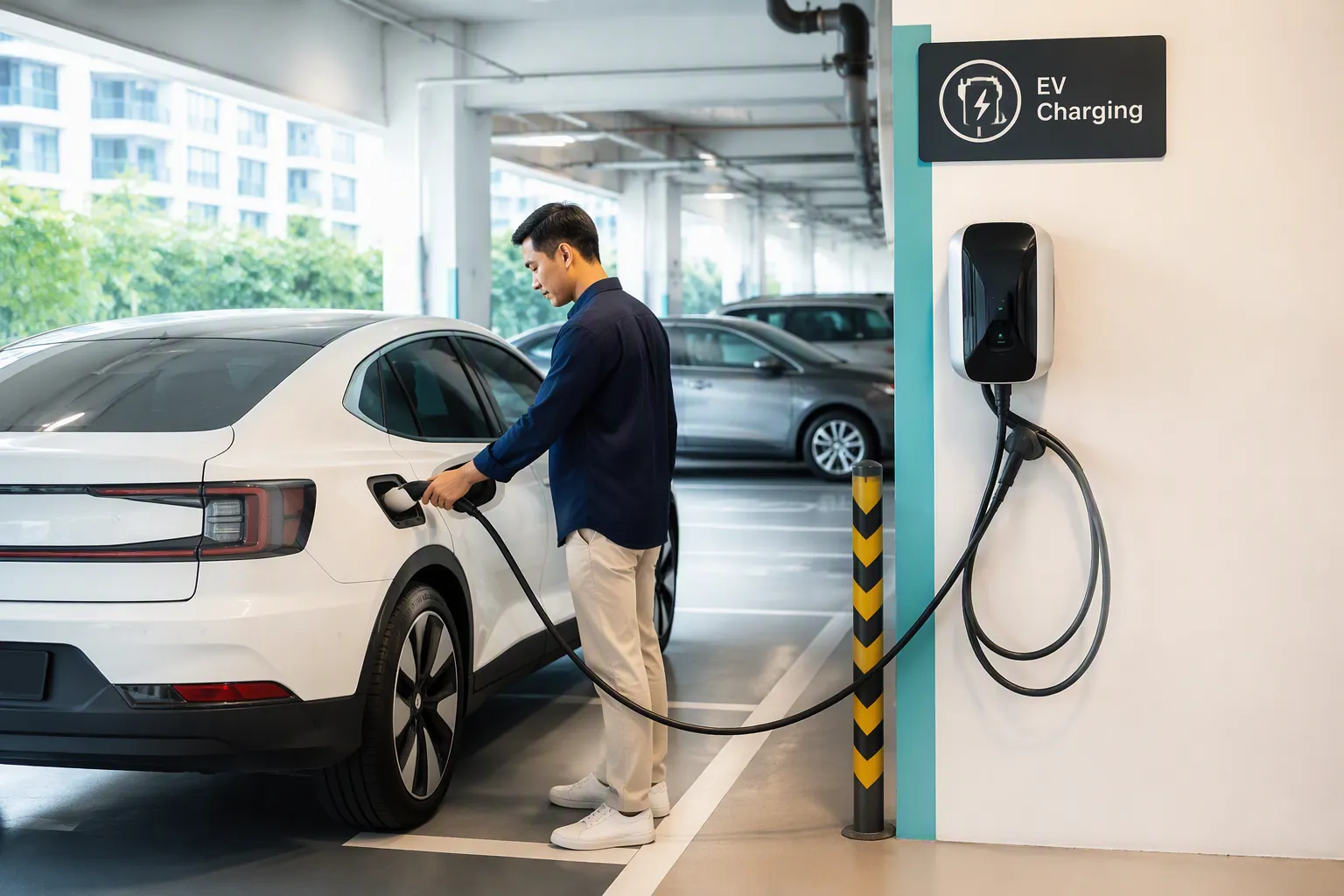
Most major shopping malls in Thailand have dedicated EV charging zones, usually in their parking garages. These stations predominantly feature the Type 2 connector. An EV owner can use charging network applications like EleXA or EVolt to see charger locations and their real-time availability before arriving.
Typical Costs and Charging Times
Charging at malls is typically a pay-per-use service, billed by the kilowatt-hour (kWh). The GB/T to Type 2 adapter is essential here. The time required depends on the car’s onboard charger. For a BYD Atto 3 with a 7kW onboard charger, a typical shopping trip can add significant range.
- The vehicle has a WLTP range of 420 km.
- A full charge (0-100%) on a 7kW AC charger takes approximately 9 hours and 42 minutes.
- This means an owner can add about 100 km of range in just over 2 hours of charging, a perfect duration for shopping or watching a movie. 🛍️
Overnight Charging at a Hotel or Condo
Destination charging is one of the most convenient ways to ensure a full battery for the next day’s journey.
Inquiring About EV Charging Facilities
Many hotels and condominiums now offer EV charging as an amenity. Before booking, an owner should call the property to confirm the availability of chargers and, most importantly, the connector type. Most will have Type 2 AC chargers, making the GB/T adapter a necessity for a stay.
Using Your Adapter for Destination Charging
Overnight charging is an ideal use case for the adapter. The slower pace of AC charging is gentle on the battery and allows the vehicle to be fully charged by morning. The owner simply connects their car using the adapter and can rest easy, knowing they will start the day with maximum range.
Finding Native GB/T DC Fast Chargers
For long-distance travel, DC fast charging is the priority. In this case, an adapter is not needed if the owner can find a station with a native GB/T plug.
Which Charging Networks Have GB/T Plugs
Some of Thailand’s major charging networks have invested in multi-standard stations to accommodate the growing number of Chinese EVs.
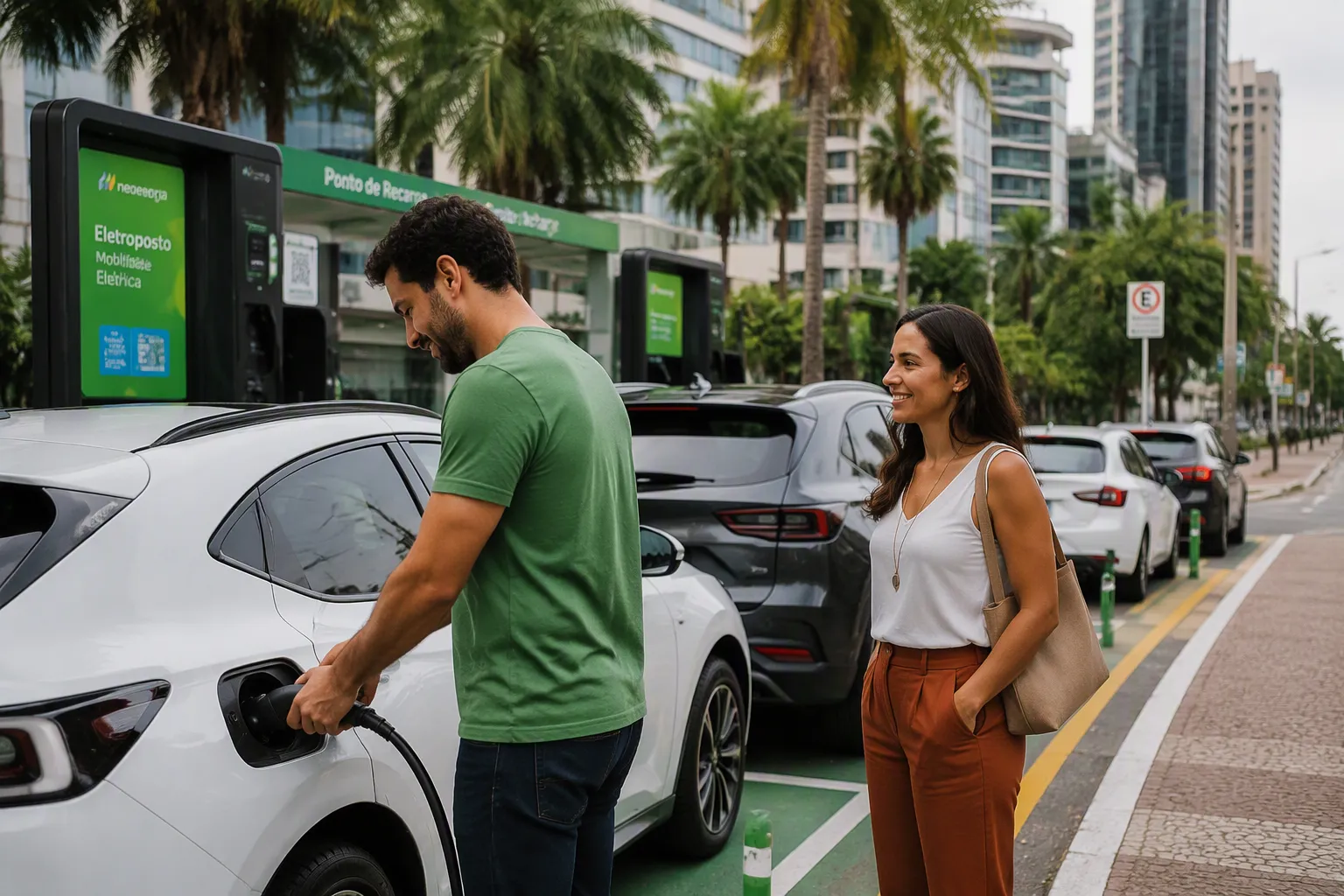
Tipp: Networks like PEA Volta und EA Anywhere are known to have a significant number of DC fast chargers equipped with native GB/T plugs alongside CCS2 and CHAdeMO.
Using Apps to Filter by Connector Type
The most efficient way to find these specific chargers is by using the network’s mobile app. These apps contain powerful filter functions. An owner can filter the map to show only stations with a “GB/T DC” connector. This simple step saves valuable time and eliminates the frustration of arriving at an incompatible fast-charging station. The hardware at these stations, sometimes from technologically advanced electric vehicle charging solution providers like TPSON, ensures reliable and rapid power delivery.
A quality GB/T to Type 2 adapter is an indispensable accessory for any Chinese EV owner in Thailand. It unlocks access to the country’s widespread public AC charging network. An owner’s investment in a certified, durable adapter ensures both convenience and the safety of their vehicle. Following the correct connection and safety procedures outlined in this Essential Guide to GB/T Adapters guarantees a confident and worry-free charging experience across the nation. 🚗⚡
FAQ
Can I use this adapter for DC fast charging?
No. This adapter is exclusively for AC charging at stations with a Type 2 connector. An owner’s vehicle must connect directly to a native GB/T plug for DC-Schnellladung, as no practical DC adapter solution exists.
Is a 22kW adapter always better than a 7kW one?
Not necessarily. The charging speed is limited by the car’s onboard charger. Most Chinese EVs in Thailand have a 7kW onboard charger, making a 32A / 7kW adapter perfectly sufficient and cost-effective for most users.
What happens if I lose my adapter?
Losing the adapter means an owner cannot use most public AC charging stations in Thailand. They should promptly purchase a replacement from their dealership or a specialized EV retailer to regain access to the widespread charging network.
Will using an adapter void my car’s warranty?
Using a high-quality, certified adapter should not void the vehicle’s warranty. For complete assurance, owners can purchase an official adapter directly from their car’s dealership, which guarantees compatibility and meets the manufacturer’s standards.
Why are some adapters more expensive than others?
Price often reflects build quality, safety certifications (CE, TÜV), and materials. Technologically advanced providers like TPSON use superior components like silver-plated copper pins and robust casings, ensuring better safety, efficiency, and a longer lifespan for the product.
Can I leave the adapter connected to the public charger?
No. An owner should always disconnect their adapter and store it securely after each use. Leaving it attached to the station’s cable risks theft or damage and can be a hazard for other people. ⚠️
What does the IP54 rating mean?
An IP54 rating indicates the adapter is protected from dust and water splashes from any direction. This makes it safe for use during light rain, but an owner should never submerge it in water or expose it to high-pressure jets.