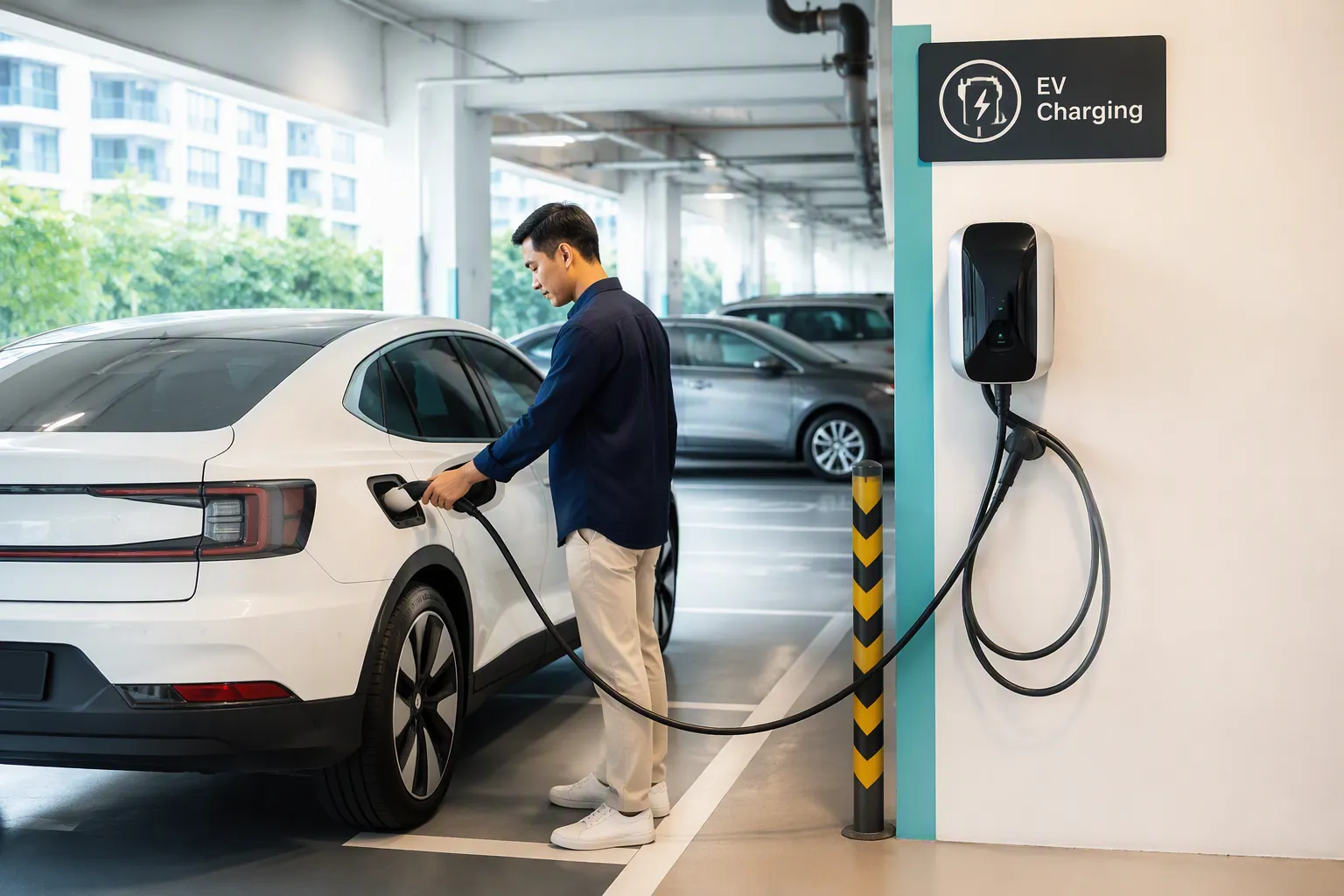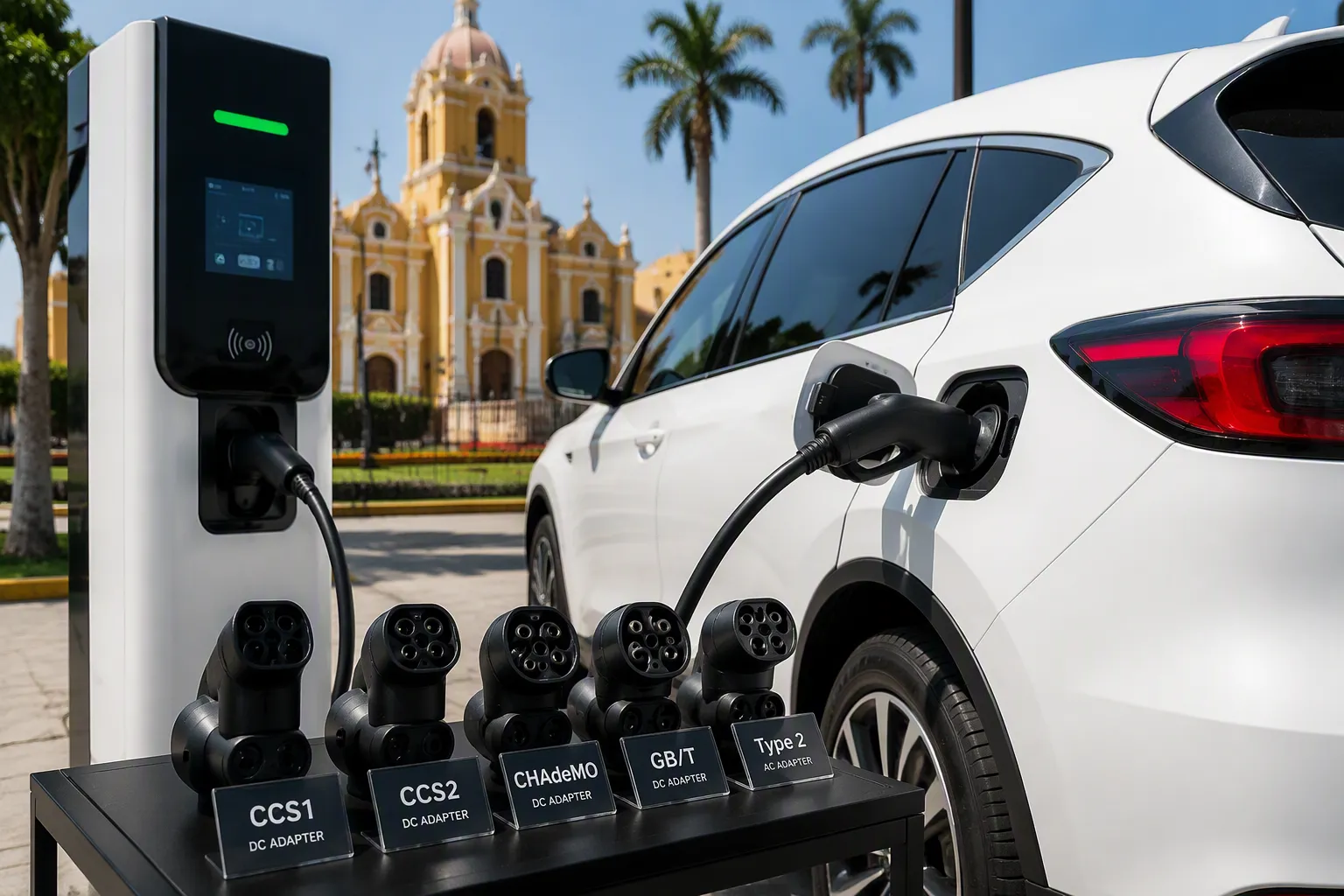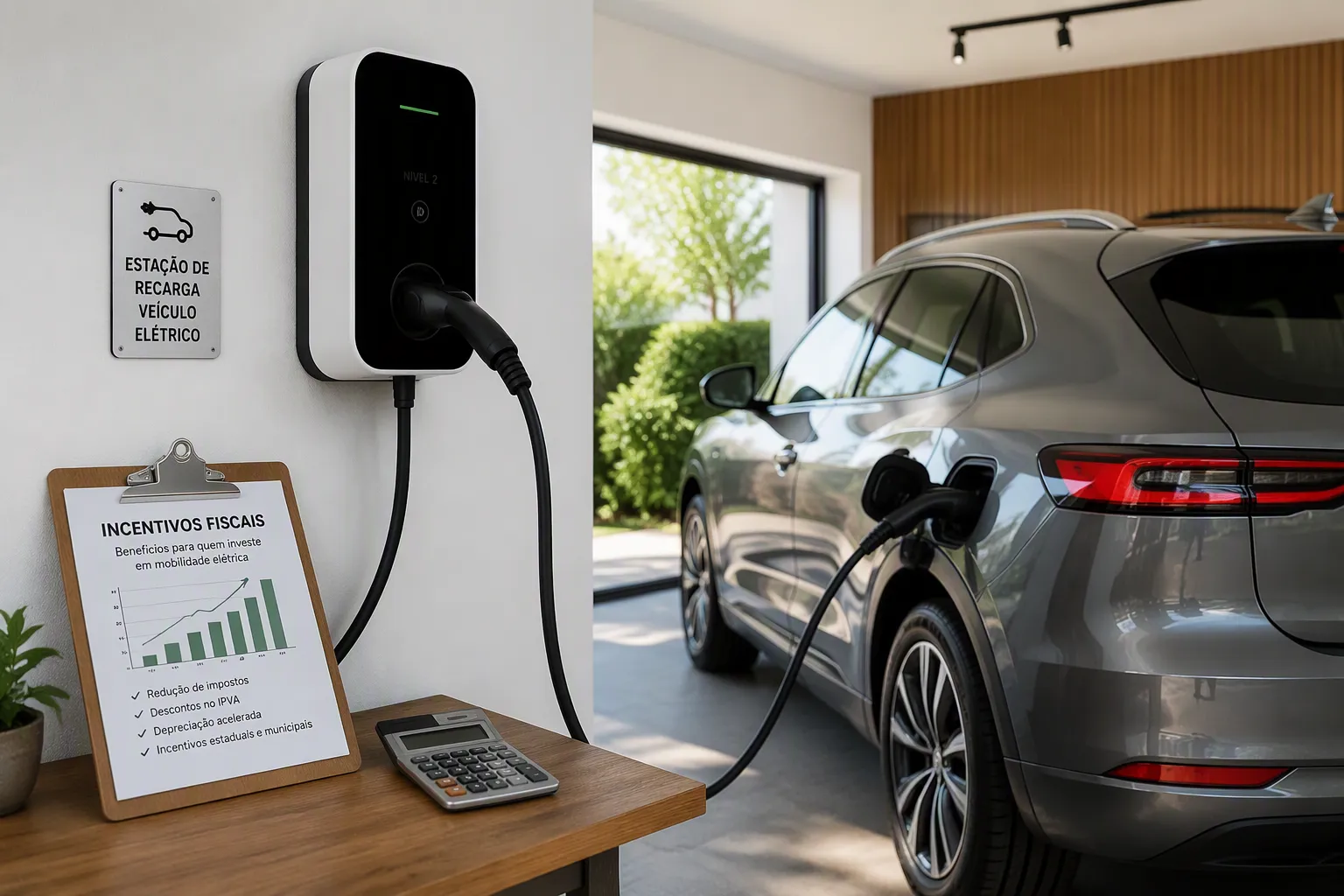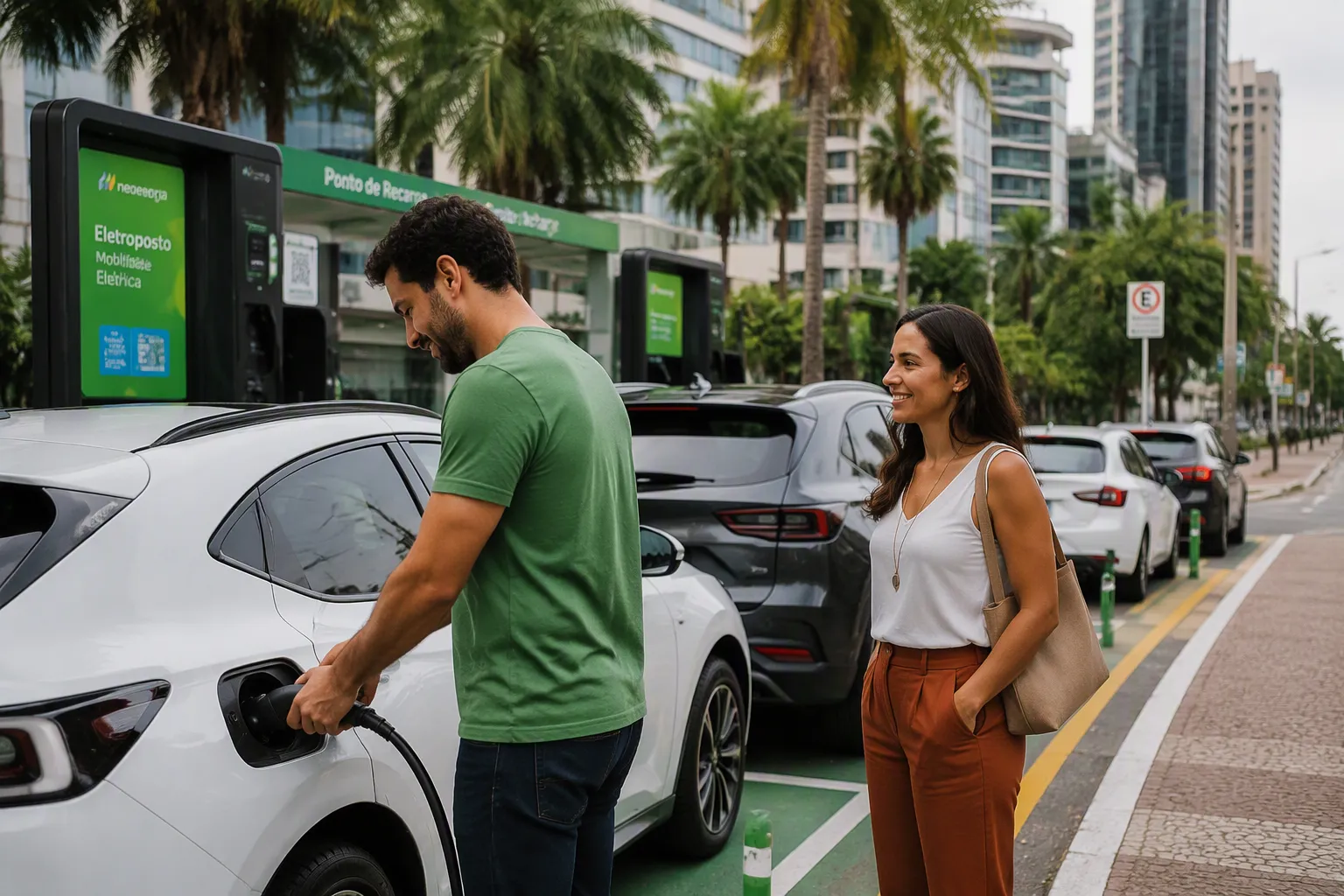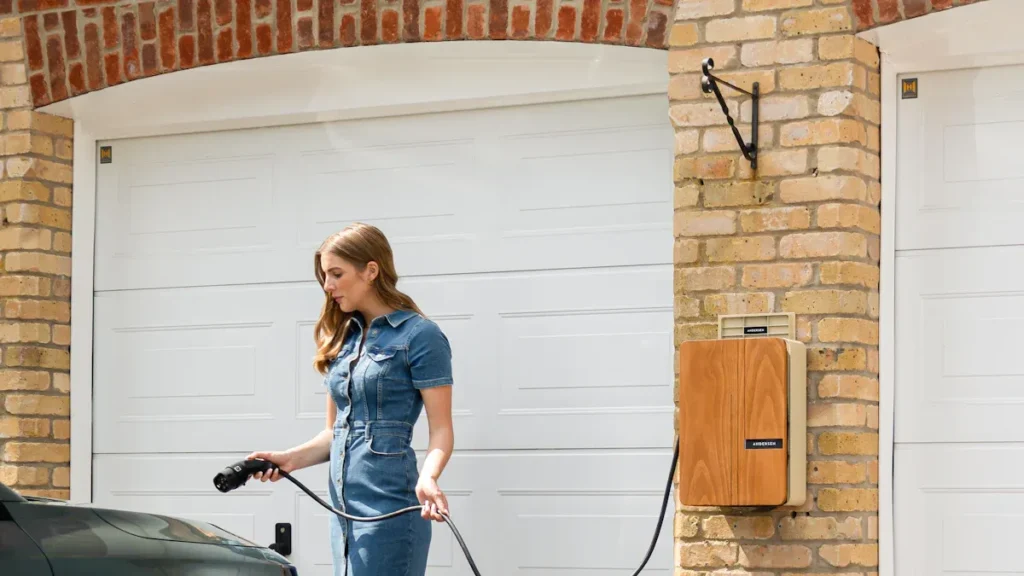

An EV owner can indeed charge an EV using a regular outlet. This process, known as Level 1 charging, utilizes a standard household socket for power. The charging speed from this type of outlet is the slowest available. This makes the charging method a temporary solution rather than a primary daily charging strategy for an EV.
Anmerkung: Während tragbare ev-ladegeräte often use a regular outlet, this method is best reserved for emergencies or occasional top-ups.
TPSON, a technologically advanced provider of EV-Ladelösungen, confirms that a dedicated EV-Ladegerät offers superior performance for the vehicle. Hersteller von EV-Ladegeräten design these basic systems for convenience, not speed, as the outlet provides a minimal charge.
What Is Charging at a Normal Socket?

Charging at a normal socket involves using the standard electrical outlets found in a home to power an electric vehicle. This method is formally known as Level 1 charging. It represents the most accessible but slowest way to charge an EV.
Understanding Level 1 Charging
The Standard 120-Volt Household Outlet
The power source for Level 1 charging is the common 120-volt household socket. This is the same type of regular outlet used for lamps, televisions, and other small appliances. Its universal availability makes it a convenient option. However, the power it delivers is limited.
Power Output Facts A standard 120-volt outlet used for Level 1 charging typically provides:
- A power output ranging from 1.0 to 1.8 kilowatts (kW).
- A current that should not exceed 10A for sustained charging sessions.
This low power output is the primary reason for the slow charging speeds associated with using a normal outlet.
How It Works and What to Expect
The process of charging from an outlet is straightforward. The driver simply plugs the vehicle’s mobile charging cable into the wall outlet and then connects the other end to the EV’s charge port. The vehicle will begin charging automatically. While simple, drivers should expect a very slow rate of charge. Charging via wall socket is not a rapid process; it adds only a few miles of range for every hour of charging.
The Equipment Needed to Charge an EV This Way
Charging at a normal socket requires specific, yet basic, equipment that typically comes standard with the purchase of a new electric vehicle.
The Mobile Connector Cable
Most EVs include a mobile connector cable. This is not just a simple cord; it is a specialized piece of equipment designed for safety and durability. High-quality cables meet strict technical requirements. They often use robust H07RN-F rubber cable, which is resistant to impacts, abrasion, and a wide range of chemicals. This construction ensures the cable can handle sustained use in various conditions, from -25°C to 60°C.
The In-Cable Control Box (ICCB)
A critical component of the mobile connector is the In-Cable Control Box (ICCB). This box, located between the domestic plug socket and the vehicle connector, acts as a safety device. It manages the communication between the household socket and the EV, ensuring the charging session is safe. The ICCB monitors the connection and regulates the electrical current. It prevents the regular outlet from overloading by limiting the charge rate, a key safety feature for charging from a normal socket. While this basic equipment enables charging, providers like TPSON focus on technologically advanced, dedicated chargers for superior safety and performance.
How Long Does It Take to Charge an Electric Car with a Regular Outlet?
The most significant drawback of using a regular outlet is the extremely long charging time. While convenient, charging at a normal socket is a test of patience. The low power output of a standard household outlet directly translates to a slow energy transfer to the vehicle’s battery. Understanding these speeds is crucial for managing expectations and planning vehicle usage.
The Reality of Level 1 Charging Speeds
Level 1 charging provides a minimal trickle of power. This method is not designed for rapid replenishment of a battery. It is better suited for overnight top-ups on vehicles with small batteries or for drivers who cover very few miles each day.
Mehr Reichweite pro Stunde
An EV owner can expect a very slow increase in driving range when using a standard 120-volt outlet. The power delivery is only sufficient to add a few miles for every hour the electric car is plugged in.
Typical Level 1 Charging Gains
- A regular outlet generally adds 3 bis 5 Meilen of range per hour of charging.
- This rate means a 10-hour overnight charging session might only add 30 to 50 miles of range.
This slow pace makes it difficult to recover significant range after a long day of driving.
Calculating Time for a Full Charge
Calculating the time to fully charge an electric car from a normal outlet reveals the impracticality of this method for daily use. For an EV with a common 60 kWh battery, a full charge from empty could take more than 20 hours. This lengthy duration means a driver might not even achieve a full charge over an entire weekend. The slow charging process from a standard outlet stands in stark contrast to the efficiency offered by dedicated solutions from advanced providers like TPSON.
Vergleich der Ladegeschwindigkeit
Putting Level 1 charging speeds into context highlights why most EV owners quickly seek faster alternatives. The difference between using a regular outlet and a dedicated charger is not minor; it is a fundamental change in the ownership experience.
Level 1 vs. Level 2 Heimaufladung
The most common upgrade for home charging is a Level 2 charger. This equipment uses a 240-volt circuit, similar to an electric stove or dryer, to deliver power much faster. A dedicated 7kW Level 2 charger can fully charge most electric cars with a 60kWh battery in approximately 7 bis 8 Stunden. This allows an owner to reliably charge an EV from empty to full overnight, every night. Level 1 charging simply cannot offer this level of practicality.
Level 1 vs. Public DC Fast Charging
The gap between Level 1 charging and public DC Fast Charging is even more dramatic. DC Fast Chargers are the high-powered stations found along major travel routes, designed to get drivers back on the road quickly during long trips. They bypass the car’s internal charger and supply DC power directly to the battery. The following table illustrates the immense difference when adding just 50 miles of range.
| Ladegerät Typ | Leistung | Time to Add 50 Miles of Range |
|---|---|---|
| Level 1 (Regular Outlet) | ~1,4 kW | Approximately 10 to 12 hours |
| 150kW DC Fast Charger | 50kW or higher | Less than 30 minutes |
This comparison shows that what takes an entire workday to accomplish with a standard outlet can be done during a short coffee break at a DC fast charging station.
The Pros and Cons of Using a Regular Outlet
Deciding whether to charge an EV with a normale Steckdose involves weighing its undeniable convenience against significant practical limitations. While the method is accessible, EV owners must understand both its benefits and its drawbacks before relying on it.
Die wichtigsten Vorteile
The primary appeal of charging at a normal socket lies in its simplicity and cost-effectiveness. These advantages make it a useful tool in specific situations.
Keine Installationskosten
The most compelling benefit is the complete avoidance of installation fees. An owner can begin charging their EV immediately using the equipment supplied with the vehicle. This contrasts sharply with the cost of a dedicated charger. The purchase and professional installation of a Level 2 home charging point typically fall between $1,000 and $2,000 in the US. Using a regular outlet eliminates this significant upfront expense.
Universal Portability and Convenience
A standard household socket is universally available. This portability offers a valuable safety net. An EV driver visiting friends or staying at a location without dedicated charging infrastructure can still add some charge to their vehicle overnight. This flexibility provides peace of mind, ensuring a basic charging option is almost always within reach.
Major Disadvantages
The downsides of using a normal outlet are substantial. They often outweigh the benefits for anyone using their electric vehicle as a daily driver.
Extremely Slow Charging Times
As detailed previously, the charging speed is the most significant drawback. Level 1 charging is incredibly slow, adding only a few miles of range per hour. This makes it impractical for replenishing a battery after a typical day’s commute, let alone preparing for a long journey. The slow rate can create range anxiety and limit the vehicle’s usability.
Potential Safety Hazards
Prolonged charging sessions place a continuous, heavy load on an electrical circuit. Using a normale Steckdose that is not on a dedicated circuit poses a real risk.
Electrical Safety Warning ⚠️ A standard outlet sharing a circuit with other appliances can easily overload. This can lead to tripped breakers, overheating wires, and, in worst-case scenarios, a fire hazard. A qualified electrician should always assess an outlet’s suitability for sustained EV charging.
A dedicated circuit is essential to prevent these issues and ensure the charging process is safe.
Long-Term Inefficiency
Slow charging can be less efficient than faster methods. During the long hours required to charge from an outlet, a greater percentage of energy can be lost as heat, both from the car’s onboard systems and the charging equipment itself. While minor for a single session, this inefficiency adds up over time, slightly increasing overall energy consumption compared to more advanced solutions from providers like TPSON.
Is Charging Your EV with a Regular Outlet Safe?
Safety is the foremost concern when charging your EV. While using a regular outlet is possible, it introduces risks that are not present with dedicated charging equipment. An EV owner must understand these potential hazards and take specific precautions to ensure a safe charging experience. The continuous, high-power draw of an EV is unlike any other household appliance.
Essential Safety Checklist
Following a simple safety checklist can significantly reduce the risks associated with charging from a domestic plug socket. These steps are not optional; they are critical for protecting the vehicle, the home, and its occupants.
Use a Dedicated Circuit
An electric vehicle requires a significant amount of power for many hours. Sharing a circuit with other appliances can easily cause an overload.
Safety Mandate: The Dedicated Circuit Electrical codes, including the National Electrical Code (NEC), have specific requirements for EV charging. A key rule is that an EV charger must be on its own dedicated circuit. This prevents the system from overloading when the EV is charging. A dedicated circuit ensures the EV is the only device drawing power, eliminating the risk of tripped breakers and overheating wires caused by other appliances.
Inspect the Outlet’s Condition
Before plugging in, an owner should always inspect the wall outlet. A household socket intended for charging an EV must be in excellent condition. Look for:
- Cracks in the faceplate
- Signs of discoloration or melting
- A loose fit when plugging in the cable
Any of these signs indicate the outlet may be old, damaged, or improperly wired. Using a compromised outlet for the heavy, sustained load of EV charging is a serious fire hazard.
Die Gefahren von Standard-Verlängerungskabeln
An owner must never use a standard indoor or outdoor extension cord to charge an EV. These cords are not designed for the high, continuous power transfer required for charging a vehicle. They can overheat quickly, melt, and cause a fire.
Proper EV charging cables are engineered to rigorous safety standards. They undergo extensive testing for crush resistance, electrical performance, and durability. Technologically advanced providers like TPSON ensure their products meet these stringent global benchmarks.
| Standard | Umfang | Markt |
|---|---|---|
| EN 50620 | Electric cables – Charging cables for electric vehicles | Europa |
| IEC 62893 series | Charging cables for electric vehicles | Europa |
| UL 2263 | Electric vehicle cable | Vereinigte Staaten |
| CSA C22.2 NO. 332:22 | Electric vehicle cable | Canada |
| JCS 4522 | Flexible charging cables | Japan |
Only a heavy-duty extension cord specifically rated for EV charging should ever be considered, and only for temporary, emergency use.
Wann Sie einen professionellen Elektriker rufen sollten
Home wiring is not something to experiment with. Certain situations demand the expertise of a qualified professional to ensure the safety of charging your EV.
Warning Signs of Old or Faulty Wiring
If an owner observes any of the following signs while using a regular outlet for charging, they should unplug the vehicle immediately and contact an electrician. These symptoms point to an overloaded circuit or faulty wiring.
- Lights in the house flickering or dimming when charging begins
- The outlet or plug feeling warm or hot to the touch
- A circuit breaker that repeatedly trips
- A faint burning smell coming from the outlet or electrical panel
- A buzzing or sizzling sound from the wall outlet
Ignoring these warnings can lead to severe electrical damage or a house fire.
Why a Home Electrical Inspection is a Smart Move
The safest approach for any EV owner considering home charging is to schedule an electrical inspection. A professional electrician can assess the home’s entire electrical system. They will verify that the wiring, breaker panel, and outlet are safe for the demands of EV charging. An electrician can also install a dedicated circuit for the regular outlet, making Level 1 charging much safer. This proactive step provides peace of mind and confirms the home’s electrical system meets all necessary safety codes for charging an electric vehicle.
How Much Does It Cost to Use a Regular Outlet?
The cost of charging an electric car is a primary consideration for any owner. Using a regular outlet is often perceived as the cheapest method because it requires no upfront installation investment. However, the final cost on an electricity bill depends on local energy rates and the efficiency of the charging process itself. Calculating this cost is straightforward, but owners must also account for hidden inefficiencies.
Calculating Your Electricity Costs
An owner can estimate charging expenses by understanding how electricity is measured and priced. The calculation is simple and reveals the direct cost of replenishing an EV’s battery.
Kilowattstunden (kWh) verstehen
Utility companies bill for electricity in kilowatt-hours (kWh), which is a unit of energy. The price per kWh varies by location and time of day. The average residential electricity rate is typically between 15 and 17 cents per kilowatt-hour. An owner can find the exact rate on their monthly utility statement. This figure is the foundation for calculating any charging cost.
Factoring in Charging Time
The cost to charge an EV is determined by the amount of energy added to the battery, not the time it takes. To calculate the cost of a full charging session, an owner multiplies the vehicle’s battery size in kWh by the electricity rate.
Example Calculation
- An electric car with a 75 kWh battery.
- An electricity rate of $0.15 per kWh.
- Gesamtkosten: 75 kWh × $0.15/kWh = $11.25 for a full charge.
This formula provides a clear baseline for the cost of charging at a normal socket.
The Hidden Cost of Inefficiency
While the direct cost seems low, charging from a household socket introduces inefficiencies that can increase the total energy consumed. These “hidden costs” stem from energy lost during the slow transfer of power.
Energy Loss During Slow Charging
Level 1 charging from a regular outlet is a very slow process. During these extended charging sessions, the EV’s onboard electronics and battery management systems must remain active for many hours. This continuous operation consumes power. A portion of the energy drawn from the outlet is lost as heat, never making it into the battery. This means the owner pays for more energy than the vehicle actually stores.
Comparing Cost vs. a Level 2 Charger
A dedicated Level 2 charger is significantly more efficient. It completes a charging session much faster, reducing the time the vehicle’s systems need to run and minimizing energy losses. While the price per kWh from the utility remains the same, less total energy is pulled from the wall to deliver the same amount of charge to the battery. Technologically advanced providers like TPSON engineer their charging solutions for optimal efficiency, ensuring more of the paid-for electricity powers the car. Over the lifetime of an EV, these small efficiency gains can lead to noticeable savings.
When Does Using a Regular Outlet Make Sense?
Despite its significant limitations, charging an EV with a regular outlet is a practical solution in specific circumstances. An owner must evaluate their driving habits and vehicle type to determine if this method aligns with their needs. For some, the convenience of a household socket outweighs the slow charging speed.
Ideal Scenarios for Level 1 Charging
Level 1 charging is not a one-size-fits-all solution, but it excels in situations where speed is not a priority. These scenarios make charging at a normal socket a viable and cost-effective option.
For Plug-in Hybrid Electric Vehicle (PHEV) Owners
Owners of Plug-in Hybrid Electric Vehicles (PHEVs) are ideal candidates for using a regular outlet. PHEVs have much smaller batteries than fully electric cars, often around 14 kWh. This allows them to gain a full charge in just 5-6 Stunden from a standard outlet. With a typical all-electric range of 20–40 Meilen, an overnight charging session is more than enough to replenish the battery for daily errands, maximizing the vehicle’s efficiency.
For Drivers with Very Short Daily Commutes
An EV driver with a very short daily commute may find Level 1 charging perfectly adequate. If a person drives only 20-30 miles per day, an overnight charging session can easily replace the energy used.
Overnight Charging Reality A 10-hour overnight charge typically adds 30 to 50 miles of range. This is often sufficient for drivers who use their electric car for local trips and do not need a full battery each morning.
When Visiting Locations Without EV Chargers
The universal availability of the standard outlet makes it an invaluable tool for travel. When visiting friends or family whose homes are not equipped with a dedicated EV charger, an owner can still add a useful amount of range to their vehicle overnight. This flexibility provides peace of mind and ensures a basic charging option is almost always available.
When You Should Absolutely Avoid It
For many Battery Electric Vehicle (BEV) owners, relying on a normal outlet is impractical and frustrating. The slow pace of charging makes it unsuitable for anyone with moderate to heavy driving needs.
As Your Primary Daily Charging Method
Using a standard outlet as the main method for charging your EV is highly discouraged for BEV owners. The slow charging rate of just 3-5 miles per hour makes it impossible to recover from a long day of driving. A full charge for a modern EV could take up to 50 hours, rendering the car unusable for long periods. This inefficiency makes it a poor long-term strategy. For reliable daily use, advanced solutions from providers like TPSON are far superior.
If You Drive Long Distances Regularly
Drivers who frequently cover long distances should not rely on this charging method. A lengthy commute or a weekend road trip can deplete a significant portion of the battery. Attempting to charge an EV with a large battery from a low state of charge using this method is impractical. It simply cannot replenish the required energy in a reasonable timeframe, limiting the usability of the electric car.
What Are the Better Alternatives for Home Charging?
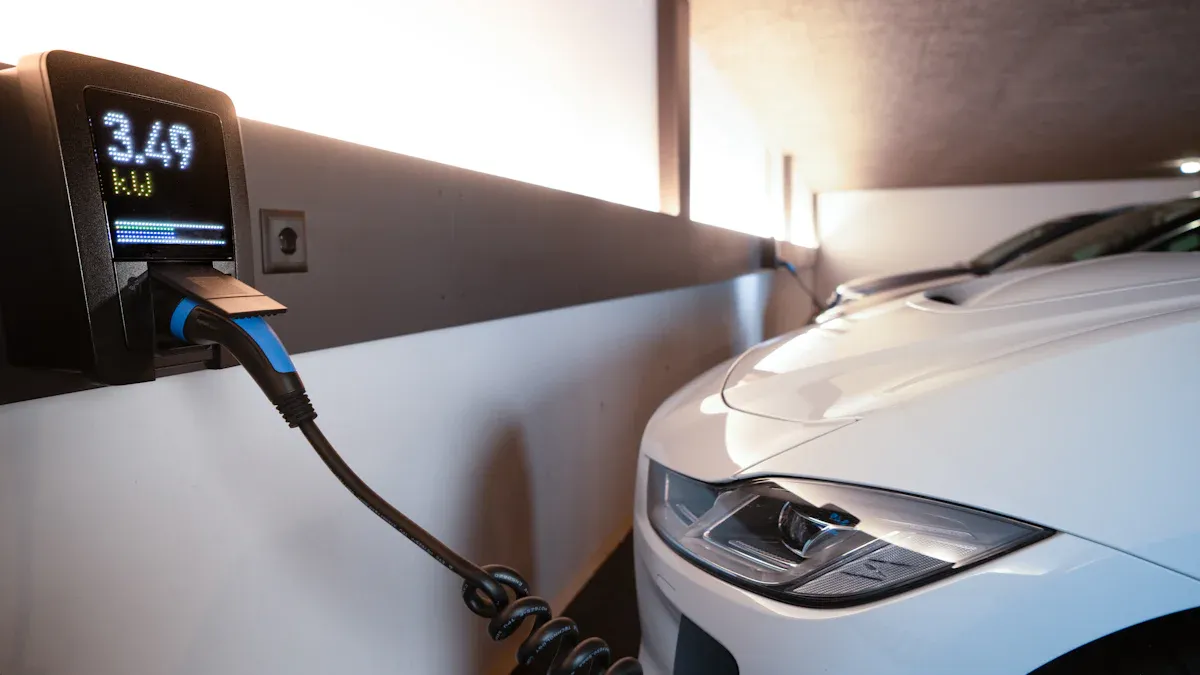
While a standard wall outlet offers a basic charging function, most EV owners will require faster and more robust solutions. A dedicated home wallbox and public charging networks provide superior alternatives for daily use and long-distance travel. These options deliver faster charging, enhanced safety, and greater convenience.
The Recommended Solution: Level 2 Chargers
For efficient and reliable charging at home, the industry standard is a Level 2 Ladegerät, commonly known as a wallbox. This solution transforms the EV ownership experience.
What Is a Level 2 Charger?
A Level 2 charger is a dedicated home wallbox that is professionally installed and wired directly into a home’s electrical system. Unlike a regular outlet, a wallbox operates on a higher voltage circuit to deliver power much more quickly. Technologically advanced providers like TPSON engineer these charging station units to meet strict safety and performance requirements. The power output of a wallbox makes it the ideal solution for overnight charging.
| Ladeleistung | Geschätzte Reichweite pro Stunde |
|---|---|
| 3,7 kW | 12–15 Meilen |
| 7 kW | 25–30 Meilen |
| 22 kW | 60–75 Meilen |
Vorteile schnelleren, sichereren Ladens
Der Hauptvorteil des Ladens mit einer Wallbox ist die Geschwindigkeit. Eine 7-kW-Wallbox kann ein Elektroauto über Nacht vollständig laden – eine Aufgabe, die mit einer herkömmlichen Steckdose Tage dauern könnte. Diese Geschwindigkeit stellt sicher, dass das Fahrzeug stets für einen ganzen Tag Fahrt bereit ist. Darüber hinaus ist eine fachgerecht installierte Ladestation von Natur aus sicherer. Sie nutzt einen eigenen Stromkreis, der für die dauerhafte elektrische Belastung ausgelegt ist, und eliminiert so die Überhitzungsrisiken, die mit einer normalen Wandsteckdose verbunden sind. Die britische Regierung bietet sogar Zuschüsse an, wie zum Beispiel bis zu 350 £ für Mieter und Wohnungseigentümer, um die Installation einer sichereren Wallbox erschwinglicher zu machen.
Smart-Funktionen für Einsparungen in Schwachlastzeiten
Moderne Wallbox-Systeme bieten intelligente Funktionen, die den Komfort erhöhen und die Kosten senken. Das Laden mit einer Wallbox kann durch intelligente Steuerungen optimiert werden, die oft über eine Smartphone-App verwaltet werden. Diese Funktionen ermöglichen es dem Eigentümer:
- Ladevorgänge so zu planen, dass sie in den Schwachlastzeiten beginnen, wenn der Strom am günstigsten ist.
- Den Energieverbrauch zu überwachen und die Ladekosten nachzuverfolgen.
- Das Laden automatisch basierend auf der CO₂-Intensität des Stromnetzes anzupassen.
- Einen “Boost-Ladevorgang” für sofortige Leistung bei Bedarf zu starten.
Optionen zum Laden außer Haus
Wenn man unterwegs ist, hält ein Netz öffentlicher Ladestationen ein Elektroauto in Bewegung. Diese lassen sich basierend auf ihrer Geschwindigkeit und ihrem Verwendungszweck in zwei Hauptkategorien einteilen.
Öffentliche Level-2-Ladestationen
Öffentliche Level-2-Ladestationen sind in ihrer Geschwindigkeit einer Heim-Wallbox ähnlich. Sie sind häufig an Zielorten wie Einkaufszentren, Arbeitsplätzen und öffentlichen Parkplätzen zu finden. Diese Art von Ladestation eignet sich perfekt, um den Akku des Fahrzeugs aufzuladen, während der Fahrer für einige Stunden beschäftigt ist. Es ist eine bequeme Möglichkeit, tagsüber eine beträchtliche Reichweite hinzuzufügen.
DC-Schnellladen für Roadtrips
Für Langstreckenfahrten sind DC-Schnellladestationen unerlässlich. Diese Hochleistungseinheiten können in weniger als einer Stunde hunderte Meilen Reichweite hinzufügen, was Roadtrips mit einem Elektrofahrzeug praktikabel macht. Diese Geschwindigkeit hat ihren Preis, wobei öffentliches Ultraschnellladen in der Regel etwa 99 Cent pro kWh. kostet. Der Preis kann zwischen den Netzwerken erheblich variieren.
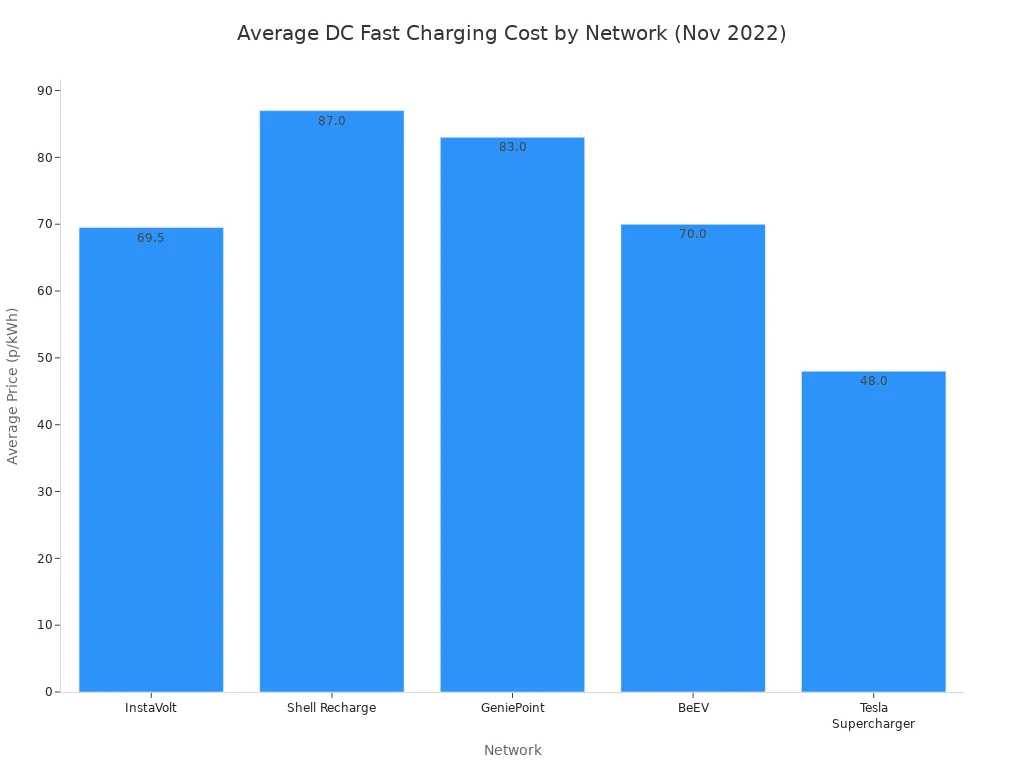
Diese Art von Ladestation ist auf Geschwindigkeit ausgelegt, nicht auf den täglichen Gebrauch, und bietet eine schnelle Ladung, um Fahrer wieder auf die Straße zu bringen.
Ein Eigentümer kann ein E-Auto mit einer normale Steckdose, laden, aber diese Methode ist keine praktikable Langzeitstrategie. Die langsame Geschwindigkeit des Level-1-Ladens macht es für Notfälle oder einige PHEV-Besitzer geeignet, die keine schnelle Vollladung benötigen. Für die meisten E-Auto-Fahrer sind die Einschränkungen beim Laden über eine normale Steckdose erheblich.
Wichtigste Erkenntnis 💡 75 % der BEV-Besitzer eine solche für ihr primäres Laden zu Hause. Technologisch fortschrittliche Anbieter wie TPSON entwickeln diese Lösungen für überlegene Leistung. Ein Eigentümer sollte das mobile Ladekabel für die Steckdose stets im Fahrzeug mitführen, um Ladeflexibilität zu gewährleisten.
FAQ
Kann jede normale Steckdose für das Laden von E-Autos verwendet werden?
Nein, nicht jede Steckdose ist geeignet. Ein Eigentümer sollte eine Steckdose an einem eigenen Stromkreis verwenden, die sich in einwandfreiem Zustand befindet. Die Verwendung alter oder beschädigter Steckdosen stellt ein erhebliches Sicherheitsrisiko dar. Eine professionelle Überprüfung kann bestätigen, ob eine Steckdose die notwendigen Anforderungen für das Laden erfüllt.
Ist eine Heimladestation besser als eine öffentliche Ladestation?
Eine Heimladestation bietet Bequemlichkeit und niedrigere Stromtarife über Nacht. Eine öffentliche Ladestation ist für lange Fahrten oder für Fahrer ohne Zugang zu Heimladung unerlässlich. Viele Eigentümer nutzen eine Kombination aus Heimladestation und öffentlicher Ladestation für maximale Flexibilität.
Was ist der Hauptunterschied zwischen einer Steckdose und einer Heimladestation?
Eine normale Steckdose (Level 1) ist langsam und fügt 3-5 Meilen Reichweite pro Stunde hinzu. Eine dedizierte Heimladestation (Level 2) ist viel schneller und fügt 25-30 Meilen pro Stunde hinzu. Eine Ladestation verfügt zudem über fortschrittliche Sicherheitsfunktionen, die bei der Verwendung einer Standardsteckdose nicht vorhanden sind.
Ist es günstiger, eine Steckdose anstelle einer dedizierten Ladestation zu verwenden?
Die Verwendung einer Steckdose vermeidet die anfänglichen Installationskosten einer Heimladestation. Allerdings ist eine dedizierte Ladestation energieeffizienter, was langfristig zu kleinen Einsparungen führen kann. Der Hauptvorteil einer Ladestation liegt in ihrer Geschwindigkeit und den verbesserten Sicherheitsfunktionen.
Benötige ich einen speziellen Adapter, um eine normale Steckdose zu verwenden?
Nein. Die meisten E-Autos werden mit einem mobilen Ladekabel geliefert, das für den direkten Anschluss an eine normale Haushaltssteckdose ausgelegt ist. Diese Ausrüstung ermöglicht es dem Eigentümer, ohne spezielle Adapter zu laden. Eine dedizierte Ladestation erfordert jedoch professionelle Installation.
Was sind die Sicherheitsanforderungen für die Verwendung einer normalen Steckdose?
Die wichtigste Sicherheitsregel ist die Verwendung eines eigenen Stromkreises. Dies verhindert eine Überlastung des elektrischen Systems. Ein Eigentümer muss die Steckdose außerdem auf Beschädigungen überprüfen und niemals ein herkömmliches Verlängerungskabel verwenden. Die Einhaltung dieser Anforderungen minimiert das Risiko von Brand oder elektrischen Schäden.
Warum wird eine dedizierte Ladestation empfohlen?
Eine dedizierte Ladestation wird aufgrund ihrer Geschwindigkeit, Sicherheit und Effizienz als empfohlene Lösung angesehen. Technologisch fortschrittliche Anbieter wie TPSON entwickeln jede Ladestation für optimale Leistung. Eine Ladestation bietet eine zuverlässige und schnelle Ladung, die eine normale Steckdose nicht erreichen kann.