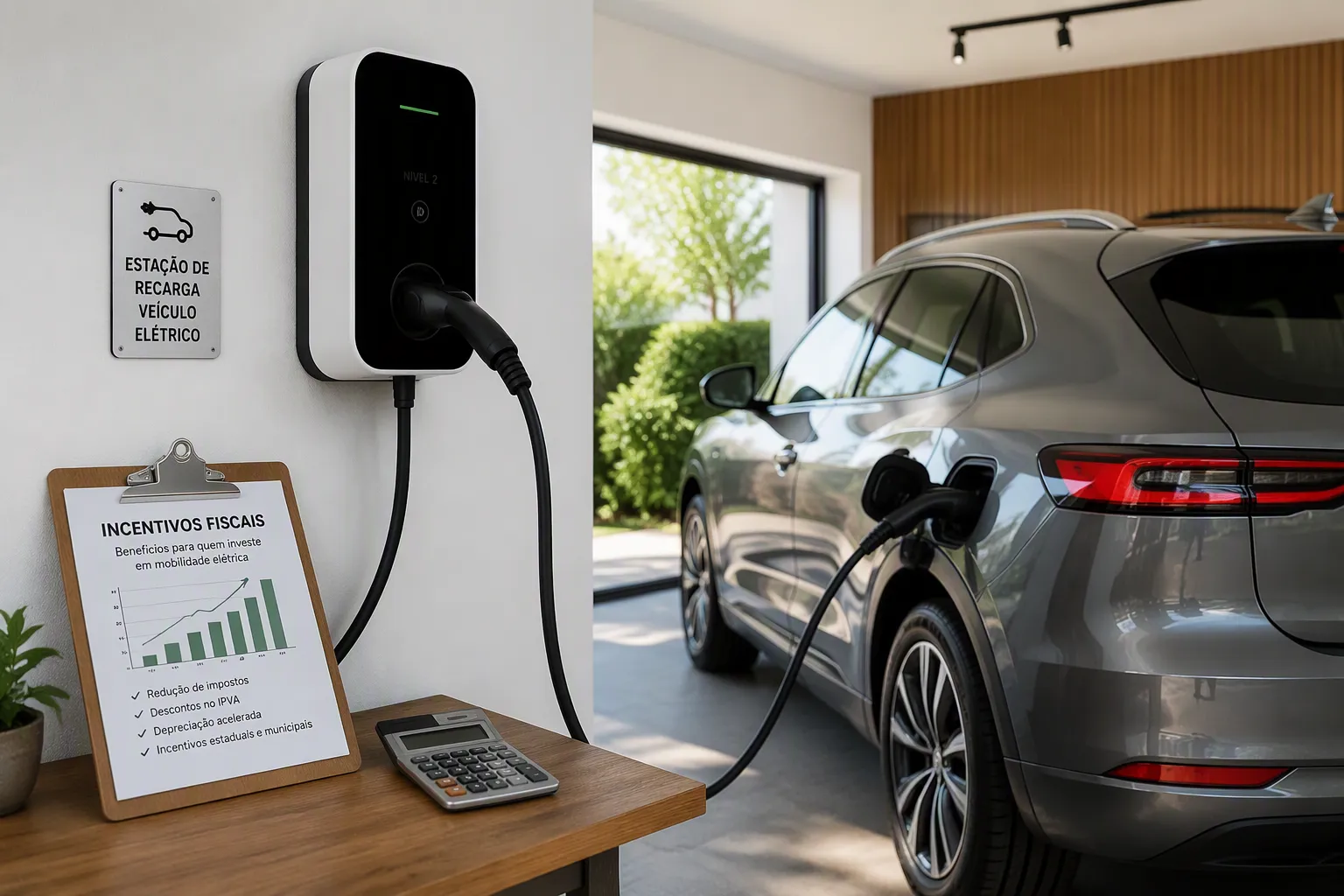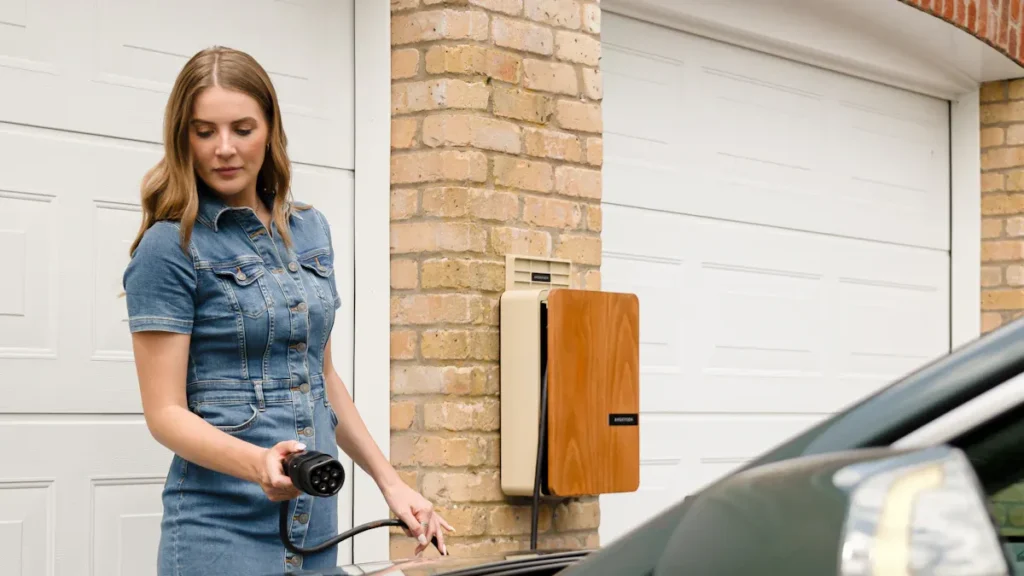

Hausbesitzer können höchstwahrscheinlich eine 7-kW-Ladestation installieren. Der entscheidende Faktor ist, sicherzustellen, dass das heimische Stromsystem für die Installation bereit ist. Dieses Upgrade ist beliebt; Umfragen zeigen, dass über 90 % der Elektrofahrzeugfahrer Zugang zum Laden zu Hause haben.
Eine leistungsstarke Ladestation verkürzt die Ladezeit erheblich. Sie kann ein Fahrzeug von leer auf voll in 4-8 Stunden, aufladen, verglichen mit 24+ Stunden bei einer einfachen tragbare ev-ladegeräte.
Viele Hersteller von EV-Ladegeräten bieten diese fortschrittlichen EV-Ladelösungen. an. Diese dedizierte ev-Ladegerät ist ein bedeutendes Upgrade. Technologisch fortschrittliche Anbieter wie TPSON bieten diese effektive Heimladestation an.
Schritt 1: Überprüfen Sie Ihre häusliche Stromversorgung
Bevor ein Hausbesitzer eine leistungsstarke 7-kW-Ladestation auswählen kann, muss er zunächst bestätigen, dass sein häusliches Stromsystem diese unterstützen kann. Dieser erste Schritt ist der wichtigste für eine sichere und erfolgreiche Installation. Er beinhaltet das Verständnis der Art der Stromversorgung des Hauses und der gesamten Kapazität, die es bewältigen kann.
Ihr Stromanschluss verstehen
Der elektrische Hausanschluss ist die Grundlage für alles, von der Beleuchtung bis zu großen Haushaltsgeräten. Für leistungsstarkes Elektroauto-Laden ist eine spezielle Art von Stromkreis erforderlich.
Was ist ein 240-Volt-Stromkreis?
Standard-Steckdosen in Nordamerika liefern 110-120 Volt, was für eine schnelle Level-2-Ladestation. unzureichend ist. Eine 7-kW-Ladestation benötigt einen 240-Volt-Stromkreis. Diese höhere Spannung ermöglicht einen größeren Leistungsfluss zum Fahrzeug und verkürzt die Ladezeit erheblich.
Die meisten nordamerikanischen Haushalte verwenden ein “Split-Phase”-System. Ein Transformator außerhalb des Hauses liefert zwei 120-Volt-“Phasen”-Leiter und einen Neutralleiter. Dieser Aufbau liefert:
- 120 Volt für Standardsteckdosen (unter Verwendung eines Phasenleiters und des Neutralleiters).
- 240 Volt für Hochleistungsgeräte (unter Verwendung beider Phasenleiter).
Dies unterscheidet sich von Systemen in anderen Teilen der Welt.
| Merkmal | Vereinigte Staaten | Europa (größter Teil des Kontinents) |
|---|---|---|
| Spannung | 110-120 Volt | 220-240 Volt |
| Frequenz | 60 Hertz | 50 Hertz |
| Übliche Steckertypen | Typ A (2-polig, flach), Typ B (3-polig, flach) | Typ C (2-polig, rund), Typ F (2-polig, rund, geerdet) |
Das nordamerikanische Split-Phase-System ist speziell dafür ausgelegt, beide Spannungsebenen aus einer einzigen Quelle an ein Wohngebäude zu liefern.

Haben Sie Zugang zu 240 Volt?
Die meisten modernen Häuser haben bereits Zugang zu 240 Volt. Hausbesitzer können nach Steckdosen Ausschau halten, die große Haushaltsgeräte versorgen.
- Elektrische Wäschetrockner
- Elektrische Backöfen oder Herde
- Zentralklimaanlagen
- Elektrische Warmwasserbereiter
Das Vorhandensein dieser Geräte ist ein starker Indikator dafür, dass der Hausanschlusskasten 240 Volt liefern kann. Der nächste Schritt ist zu prüfen, ob der Verteiler genügend Kapazität für ein weiteres Hochleistungsgerät wie eine Elektrofahrzeug-Ladestation hat.
Finden Sie Ihren Hauptverteiler
Der Hauptverteiler oder Sicherungskasten ist das Kontrollzentrum für das gesamte elektrische System eines Hauses. Der gesamte Strom vom Versorgungsunternehmen fließt durch diesen Kasten, bevor er auf verschiedene Stromkreise verteilt wird.
Lokalisieren Sie Ihren Sicherungskasten
Der Sicherungskasten ist typischerweise ein grauer Metallkasten, der an einer Wand montiert ist. Häufige Standorte sind:
- Garagen
- Kellerräume
- Technik-/Hauswirtschaftsräume
- Flure
Wenn man die Metalltür öffnet, werden die Reihen der Leistungsschalter sichtbar. Jeder Schalter schützt einen bestimmten Stromkreis davor, zu viel elektrischen Strom zu ziehen.
Den Hauptschalter ablesen
Oben oder unten im Verteiler befindet sich ein großer Schalter, der von den anderen getrennt ist. Dies ist der Hauptschalter. Er kontrolliert die gesamte Stromzufuhr zum Haus. Auf diesem einzelnen Schalter ist eine Zahl aufgedruckt, wie z.B. 100, 150, oder 200. Diese Zahl stellt den Gesamtstrom des Hauses in Ampere oder seine maximale elektrische Kapazität dar.
Bestimmen Sie den Strom Ihres Hauses in Ampere
Die Amperezahl ist der kritischste Faktor bei der Bestimmung, ob ein Haus für eine 7-kW-Ladestation bereit ist. Eine 7-kW-Ladestation zieht kontinuierlich etwa 30-32 Ampere und muss aus Sicherheitsgründen an einem dedizierten Stromkreis mit einem 40-Ampere-Schalter installiert werden.
Sind 100 Ampere ausreichend?
Ein Haus mit 100-Ampere-Anschluss könnte eine 7-kW-Ladestation unterstützen, ist aber oft unzureichend. Eine elektrische Lastberechnung ist notwendig, um sicherzugehen. Der 40-Ampere-Stromkreis der Ladestation muss zur Last der anderen großen Haushaltsgeräte des Hauses addiert werden. Wenn die Summe die Kapazität des Verteilers übersteigt, ist die Installation nicht sicher.
Sicherheit geht vor: Ein überlasteter Verteiler ist eine ernsthafte Brandgefahr. Installieren Sie niemals eine Hochleistungsladestation, ohne zu bestätigen, dass der Verteiler ausreichende Kapazität hat.
Berücksichtigen Sie den Bedarf anderer üblicher Haushaltsgeräte:
| Gerät | Typischer Amperebedarf |
|---|---|
| Elektroherde | 40 Ampere |
| Große Warmwasserbereiter | 30 oder 40 Ampere |
| Zentralklimaanlagen (4-5 Tonnen) | 35-60 Ampere |
| Electric Dryers | 30 Ampere |
Running an air conditioner and an electric dryer while the electric vehicle is charging could easily overload a 100-amp service, causing the main breaker to trip.
Why 200 Amps is Ideal
A 200-amp service is the modern standard and is considered ideal for homes with an electric vehicle. This capacity provides plenty of power for all household needs plus a dedicated circuit for electric car charging. Homeowners with 200-amp service rarely face issues with capacity, making the installation of a charging point straightforward. It also future-proofs the home for additional electric devices. Technologically advanced providers like TPSON design their electric vehicle charging points to integrate seamlessly with robust home electric systems.
How to Confirm Your Service Rating
A homeowner can confirm their service rating in a few ways:
- Check the Main Breaker: The number on the main breaker switch (
100,200, etc.) is the most direct indicator. - Inspect the Electric Meter: The meter base or the utility company’s wiring outside may have the amperage rating stamped on it.
- Call the Electric Utility: The utility company has records of the service supplied to the property and can confirm the amperage.
Knowing this information is the first concrete step toward installing a fast and convenient home charging station for your vehicle.
Step 2: Assess Your Circuit Breaker Panel
After confirming the home’s amperage, the next step is a detailed inspection of the circuit breaker panel itself. The panel’s physical space and existing electrical load are just as important as the total service capacity. This assessment determines if the panel can accommodate a new, high-power circuit for Laden von Elektroautos.
Does Your Panel Have Enough Space?
A 7kW charger requires a new, dedicated 240-volt circuit. This circuit needs its own double-pole breaker, which takes up physical space inside the electric panel.
Identifying Open Breaker Slots
A homeowner can perform a visual check of their panel. Open the panel door to view the rows of breakers.
- Occupied slots have a breaker switch filling the space.
- Open slots are empty spaces, often covered by a plastic or metal blank plate called a “knockout.”
A 240-volt breaker is twice the height of a standard 120-volt breaker. Therefore, it requires two open, vertically adjacent slots. If no such space is available, the installation becomes more complex.
What is a Tandem Breaker?
In some cases, an electrician can use “tandem” or “slim” breakers to free up space. A tandem breaker allows two separate circuits to fit into the space of a single standard breaker. However, not all panels accept them, and there are code limitations on their use. An electrician must verify if this is a safe and compliant option for a specific panel. It is not a universal solution for a full box.
Calculating Your Electrical Load
Even with enough physical space, the panel must have sufficient electrical capacity. A Lastberechnung. is a systematic analysis to ensure the new charger will not overload the home’s electric system.
What is a Load Calculation?
Think of a load calculation as creating an “electrical budget” for the home. It is a professional assessment performed by an electrician. The calculation totals the power consumption of all major electric appliances, lighting, and general-use outlets. The continuous load of the new electric vehicle charger is then added to this total. The final number must not exceed 80% of the main breaker’s rating to meet safety codes.
Professional Assessment is Key 💡 A proper load calculation is not a DIY task. It requires knowledge of national and local electric codes. An electrician will provide a definitive answer on whether the home’s current system can safely support the new charging point.
Major Appliances to Account For
The calculation must include all significant electric loads in the home. The power demands of these devices add up quickly.
| Gerät | Common Breaker Size |
|---|---|
| Central Air Conditioner | 30-50 Amps |
| Electric Water Heater | 30 Amps |
| Electric Range/Oven | 40-50 Amps |
| Electric Clothes Dryer | 30 Amps |
| Hot Tub or Spa | 50-60 Amps |
The electrician will factor in these existing loads before determining if there is enough capacity for the new 40-amp circuit required for a 7kW charger.
Why This Step is Critical for Safety
Adding a high-draw device like an electric vehicle charger without a load calculation is a major safety risk. An overloaded electric panel can lead to dangerous situations. The system’s wiring is not designed to handle excessive current, which can cause components to overheat and create a fire hazard. This is why a professional assessment is non-negotiable for any electric car charging installation.
Signs You Might Need a Panel Upgrade
Sometimes, the home’s electric system shows clear signs that it is already at or near its limit. Recognizing these symptoms can help a homeowner understand if a panel upgrade will be a necessary part of their vehicle charging project. Technologically advanced providers like TPSON design their charging point solutions to integrate with modern, robust electrical systems.
A Full Breaker Box
The most obvious sign is a lack of physical space. If every slot in the breaker box is already filled, there is no room to add the new double-pole breaker for the charger. This situation almost always requires an electrician to install a larger main panel or a sub-panel.
Flickering Lights and Tripped Breakers
Frequent issues can indicate an overloaded system struggling to keep up with demand. Homeowners should be alert for these warning signs:
- Lights that flicker or dim when a large appliance (like an air conditioner) turns on.
- Circuit breakers that trip regularly, cutting power to parts of the home.
- Buzzing or humming sounds coming from outlets or the breaker panel.
- A faint burning smell near outlets or the panel, which requires immediate attention.
These problems often stem from underlying issues such as outdated wiring or an insufficient number of circuits for the home’s needs. Adding a powerful charger to a system already showing these signs of stress is unsafe.
Outdated Fuse Boxes
Older homes may have a fuse box instead of a modern circuit breaker panel. Fuse boxes use single-use fuses that burn out to protect against overcurrent. These systems are considered obsolete and are generally unsuitable for the demands of a modern household, especially one with an electric vehicle. A home with a fuse box will require a full panel upgrade to a modern breaker system before a 7kW charger can be installed for the vehicle.
Step 3: Choose the Right 7kW Charger Hardware

Once a homeowner confirms their electrical system is ready, the next phase is selecting the physical EV charger. The market offers many options, so understanding the key differences in hardware is essential for making an informed decision. This choice impacts daily use, installation, and overall cost.
Festverdrahtete Ladegeräte vs. Plug-In-Ladegeräte
The first major decision is choosing between a hardwired unit and a plug-in model. Each type of charger offers distinct advantages.
Benefits of a Hardwired Unit
A hardwired charger connects directly to the home’s electrical wiring. An electrician permanently installs the unit, creating a seamless and robust connection. This setup is often preferred for outdoor installations because the sealed unit offers better protection against weather elements like rain and dust. A hardwired charger provides a clean, permanent look and eliminates the need for a high-voltage outlet.
Flexibility of a Plug-In Model
A plug-in charger connects to a dedicated 240-volt outlet, similar to an electric dryer. The primary benefit is flexibility. A homeowner can easily unplug the charger and take it with them if they move. This type of charger also allows for simple replacement if the unit ever needs to be upgraded or serviced, as it does not require another visit from an electrician.
Key Features for Your EV Home Charger
Modern EV chargers offer more than just power. They come with a range of features that enhance the charging experience, improve safety, and help manage energy costs.
Smart Features and Wi-Fi Connectivity
A smart EV home charger connects to a home’s Wi-Fi network, unlocking powerful features accessible through a smartphone app. These capabilities allow for optimized electric car charging. Technologically advanced providers like TPSON design their chargers with these intelligent functions. Common smart features include:
- Smart Charging Modes: The charger can automatically adjust charging sessions to avoid peak electricity rates, helping to lower energy bills.
- Terminplanung: Users can set a charging schedule, often for overnight, to take advantage of lower off-peak tariffs.
- Solare Integration: Some advanced chargers can use excess power from a home’s solar panels to charge the electric vehicle, maximizing self-consumption of renewable energy.
- App-Steuerung: A mobile app gives users full control to start, stop, and monitor charging sessions remotely and track energy usage over time.
Kabellänge und -management
The length of the charging cable is a practical but critical consideration. The cable must be long enough to comfortably reach the charge port on the electric vehicle, regardless of how it is parked. Standard cable lengths typically range from 18 to 25 feet (about 5.5 to 7.6 meters). A longer cable offers more flexibility, while a shorter one can be easier to manage. Many charger models also include built-in cable holsters or hooks to keep the garage tidy.
Sicherheitszertifizierungen (UL, ETL)
A quality charger must have safety certifications from a Nationally Recognized Testing Laboratory (NRTL).
Sicherheitshinweis 💡 Always choose a charger that is UL Listed or ETL Listed. These marks indicate that the product has undergone rigorous testing and meets established safety standards for North America. An uncertified charger poses a significant risk of fire and electrical shock.
Popular 7kW Charger Brands
The market for the 7kW charger is competitive, with several reputable brands offering reliable and feature-rich products. Models from companies like ChargePoint, JuiceBox, and Wallbox are consistently popular choices among consumers. These brands are known for their robust build quality, user-friendly apps, and advanced smart charging features.
When comparing models, homeowners can look at professional reviews and consumer ratings to gauge performance and reliability.

Ultimately, the best home charger depends on an individual’s budget, desired features, and specific vehicle needs. Researching these top brands is an excellent starting point for finding the perfect charger.
Step 4: Plan the Physical Installation Location

Strategic placement of the Heimlader is crucial for both convenience and cost-effectiveness. A homeowner should carefully consider the location before the installation begins. The right spot simplifies daily use and can significantly reduce installation expenses.
Selecting the Best Spot for Charging
Choosing the ideal location involves balancing several practical factors. The best spot is often a compromise between electrical access and parking habits.
Proximity to Your Breaker Panel
The distance from the breaker panel to the charging point directly impacts the installation cost. A shorter distance requires less wiring and conduit, reducing both material and labor expenses. An electrician will run a heavy-gauge cable from the panel to the charger, so a closer location is always more economical.
Where You Park Your EV
A homeowner must consider where they typically park their electric vehicle. The charger’s cable needs to reach the vehicle’s charging port easily. The location should allow for flexible parking, whether the vehicle is pulled in forward or backed in. This ensures a hassle-free charging experience every time.
Innen- vs. Außeninstallation
An indoor installation, usually in a garage, is often the simplest and most protected option. The charger is shielded from weather, which can extend its lifespan. An outdoor installation is a viable alternative for homes without a garage. However, it requires a weatherproof charger and may involve more complex wiring to protect it from the elements.
Considering Cable and Conduit Runs
The path the electrical wiring takes from the panel to the charger is a key part of the installation plan. An electrician will use conduit to protect the wiring.
Running Wires Through Walls
For a clean, professional look, an electrician can run the wiring inside walls. This method hides the conduit from view. It is an excellent choice for finished garages or when the charger is installed on an interior wall. This approach may involve more labor for cutting and patching drywall.
Surface-Mounted Conduits
A more straightforward method is mounting the conduit directly onto the surface of walls or ceilings. This approach is faster and less invasive than running wires through walls. While more visible, it is a practical and cost-effective solution for many installations, especially in unfinished basements or garages.
Weatherproofing for Outdoor Chargers
An outdoor installation demands a charger built to withstand the environment. Proper weatherproofing is essential for safety and durability. Technologically advanced providers like TPSON design robust electric vehicle charging solutions for various conditions.
Understanding NEMA Ratings
The National Electrical Manufacturers Association (NEMA) provides a rating system for electrical enclosures. This rating indicates the level of protection against environmental factors.
NEMA Enclosures for EV Chargers 💡
- NEMA 3R: Protects against falling rain, sleet, and external ice formation. It is suitable for many outdoor locations.
- NEMA 4/4X: Offers a higher level of protection. It is watertight and protects against hose-directed water, making it ideal for areas exposed to heavy rain or pressure washing.
Protecting Your Investment
A quality charger is a significant investment for any electric car charging setup. Choosing a unit with the correct NEMA rating for its location protects the device from moisture and debris. This ensures the charging point remains safe and functional for years, safeguarding the vehicle and the home’s electrical system. This final step in planning ensures a successful and durable installation.
Step 5: Hire a Professional for Installation
A safe and reliable home charging setup depends entirely on a professional installation. While it may seem tempting to save on costs, installing a high-power ev charger is a complex electrical task. Hiring a Elektrofachkraft ensures the work is done correctly and safely.
Why You Need a Qualified Electrician
A professional brings essential expertise that protects the home, the vehicle, and the homeowner. This is not a suitable DIY project.
Safety and Code Compliance
An electrician ensures the installation adheres to strict electrical safety codes. These regulations are complex and cover many critical details.
- Correct Circuit Protection: Every ev charger circuit requires a specific type of Residual Current Device (RCD) to protect against electric shock.
- Fachgerechte Verkabelung: Ein Elektriker wählt die richtige Kabeldimensionierung, um die 32-Ampere-Last eines 7-kW-Ladegeräts, zu bewältigen und Überhitzung zu verhindern.
- Lastmanagement: Der Fachmann bestätigt, dass das häusliche Elektrosystem die zusätzliche Belastung durch das Laden bewältigen kann.
Eine normgerechte Installation ist grundlegend für einen sicheren, langfristigen Betrieb.
Garantie und Versicherung
Die meisten Hersteller von Ladestationen verlangen eine Fachinstallation, um die Produktgarantie zu validieren. Eine fehlerhafte Selbstinstallation könnte die Garantie für eine teure Ladestation erlöschen lassen. Darüber hinaus decken Hausratversicherungen möglicherweise Schäden durch nicht normgerechte Elektroarbeiten nicht ab. Eine zertifizierte Installation schafft Sicherheit und schützt die Investition.
Wie man den richtigen Elektriker findet
Die Suche nach einem Elektriker mit spezifischer Erfahrung in der Installation von E-Auto-Ladestationen ist entscheidend. Hausbesitzer sollten auf mehrere wichtige Qualifikationen achten.
Nach Erfahrung mit E-Auto-Ladestationen fragen
Ein allgemeiner Elektriker kennt möglicherweise die spezifischen Anforderungen für E-Auto-Ladeequipment nicht. Hausbesitzer sollten Nachweise über spezielle Schulungen verlangen.
Wichtige Qualifikationen, auf die man achten sollte 🎓 Level 3 Award in der Installation von Ladepunkten für Elektrofahrzeuge. Die Mitgliedschaft in einem anerkannten "Competent Person Scheme" zeigt ebenfalls ein hohes Maß an Fachkompetenz und Verantwortungsbewusstsein für die Installation.
Mehrere Angebote einholen
Ein Hausbesitzer sollte mindestens zwei oder drei detaillierte Kostenvoranschläge einholen. Dies hilft bei der Kostenvergleichung und dem Verständnis des vollen Umfangs der geplanten Installation. Ein Kostenvoranschlag sollte die Kosten für Arbeitszeit, Material und eventuell erforderliche Genehmigungen klar aufschlüsseln.
Lizenzen und Bewertungen prüfen
Ein seriöser Installateur hat kein Problem damit, Nachweise über seine Lizenzen und seine Betriebshaftpflichtversicherung vorzulegen. Diese Versicherung schützt den Hausbesitzer im unwahrscheinlichen Fall von Sachschäden während der Installation. Das Prüfen von Online-Bewertungen kann ebenfalls Aufschluss über die Professionalität und Arbeitsqualität eines Elektrikers geben.
Der Installationsprozess Schritt für Schritt
Eine Standardinstallation folgt einem klaren, strukturierten Prozess von der ersten Anfrage bis zur finalen Übergabe.
Erstberatung und Kostenvoranschlag
Der Prozess beginnt mit einem Vor-Ort-Termin. Der Elektriker prüft den Hausanschlusskasten, bespricht den optimalen Standort für die Ladestation und plant den Kabelweg. Im Anschluss an diese Beratung erstellt er einen verbindlichen Kostenvoranschlag für die Gesamtinstallation.
Genehmigungen und Abnahmen
In vielen Regionen muss der Installateur die örtliche Netzgesellschaft (Distribution Network Operator, DNO) vor der Installation informieren. Dies stellt sicher, dass das lokale Stromnetz den neuen Ladepunkt unterstützen kann. Der Elektriker übernimmt alle notwendigen Formalitäten und macht den Prozess für den Hausbesitzer nahtlos.
Der Tag der Installation
Am vereinbarten Tag führt der Elektriker die physische Installation durch. Dazu gehören das Anbringen der Ladestation, das Verlegen des dedizierten Stromkreises vom Verteiler und die finalen Anschlüsse. Technologisch fortschrittliche Anbieter wie TPSON entwerfen ihre Ladestationen für eine unkomplizierte Installation durch qualifizierte Fachkräfte, um sicherzustellen, dass das System sicher und effizient in Betrieb genommen wird.
Schritt 6: Die Kosten einer 7-kW-Ladestation verstehen
Die Budgetplanung für eine Heimladestation erfordert das Verständnis der Kosten für sowohl die Hardware als auch die Fachinstallation. Ein Hausbesitzer kann ein genaues Budget erstellen, indem er diese Ausgaben aufschlüsselt. Der Gesamtpreis hängt von der gewählten Ladestation und der Komplexität der Installation ab.
Kosten der 7-kW-Ladeeinheit
Die erste Ausgabe ist die Ladestation selbst. Die Preise variieren je nach Marke und Ausstattung.
Durchschnittliche Preisspanne
Die Kosten für eine 7-kW-Ladeeinheit beginnen typischerweise bei etwa 600 £. Der Gesamtpreis für Kauf und Installation einer Heimladestation liegt im Allgemeinen zwischen £800 und £1.200. Einige fortschrittlichere Modelle können teurer sein.
Was den Preis beeinflusst
Mehrere Faktoren beeinflussen den Preis einer Ladestation.
- Markenreputation: Etablierte Marken können einen höheren Preis haben.
- Intelligente Funktionen: Ladestationen mit WLAN, App-Steuerung und intelligenten Lademodi kosten oft mehr. Technologisch fortschrittliche Anbieter wie TPSON statten ihre Einheiten mit diesen intelligenten Funktionen aus.
- Verarbeitungsqualität und Kabellänge: Eine robustere Bauweise oder ein längeres Ladekabel können ebenfalls den Preis der Einheit erhöhen.
Standard-Installationskosten
Die Installationskosten sind die zweite große Komponente der Gesamtausgaben. Der Kostenvoranschlag eines Elektrikers basiert oft auf einem “Standardinstallation”-Paket.
Was eine “Standard”-Installation umfasst
Eine Standardinstallation deckt typischerweise die wesentlichen Arbeiten für eine unkomplizierte Einrichtung ab. Ein Kostenvoranschlag eines Elektrikers beinhaltet üblicherweise:
- Kabelverlegung bis zu 10 Metern von der Schalttafel zum Ladegerät.
- Montage der Ladeeinheit an einer geeigneten Ziegel- oder Putzfläche.
- Alle notwendigen elektrischen Komponenten für einen sicheren Anschluss.
- Vollständige elektrische Prüfung und Zertifizierung der Installation.
Hinweis 📝 den Umfang einer Standardinstallation überschreiten, spiegelt der Preis den zusätzlichen Arbeits- und Materialaufwand wider.
Typische Kosten für eine einfache Installation
Für eine einfache Installation liegen die Kosten oft bei etwa 400 £. Zusammen mit einer 600-£-Ladestation, beläuft sich der Gesamtpreis für eine 7-kW-Ladestation inklusive Installation auf ungefähr 1.000 £. Diese Zahl bietet Hausbesitzern eine gute Orientierung.
Mögliche zusätzliche Kosten
Bei einigen Gebäuden sind umfangreichere Arbeiten erforderlich, als eine Standardinstallation abdeckt. Diese Situationen erhöhen die endgültigen Installationskosten.
Upgrades für elektrische Schalttafeln
Wenn der vorhandene Hausanschlusskasten veraltet ist oder nicht über ausreichend Kapazität verfügt, ist ein Upgrade erforderlich. Dies ist eine aufwändige Arbeit, die die Projektkosten erheblich erhöht.
Lange Kabelwege
Eine Standardinstallation umfasst bis zu 10 Meter Kabel. Wenn die Ladestation weiter vom Hausanschlusskasten entfernt liegt, erhöhen das zusätzliche Kabel und der Arbeitsaufwand den Installationspreis.
Verlegung von Erdleitungen für Außeninstallationen
Ein Außenladepunkt, der entfernt vom Haus liegt, kann die Verlegung von Erdleitungen erfordern. Das Ausheben eines Grabens zum Verlegen von Erdkabeln ist arbeitsintensiv und fügt den Gesamtinstallationskosten einen erheblichen Betrag hinzu.
Zuschüsse, Steuergutschriften und Förderungen
Finanzielle Anreize können die Gesamtkosten für den Kauf und die Installation einer 7-kW-Heimladestation erheblich reduzieren. Hausbesitzer können verschiedene Programme erkunden, die von Bundes-, Landes- und kommunalen Stellen angeboten werden. Diese Programme machen den Umstieg auf das Laden zu Hause erschwinglicher.
Bundessteuergutschriften
Die US-Bundesregierung bietet einen erheblichen Steuergutschrift an, um die Installation von Heimladestationen zu fördern. Dieser Anreiz, bekannt als die Steuergutschrift für Betankungseigentum für alternative Kraftfahrzeuge (Alternative Fuel Vehicle Refueling Property Credit), kann die Steuerschuld eines Hausbesitzers verringern.
Ein Hausbesitzer kann eine nicht erstattungsfähige Steuergutschrift in Höhe von 30 % der Gesamtkosten, maximal 1.000 US-Dollar, geltend machen. Diese Gutschrift umfasst sowohl die Ladegeräte-Hardware als auch die Installationskosten. Wichtige Aspekte der Gutschrift sind:
- Die Gutschrift gilt für den Kauf und die Installation von qualifizierten Ladegeräten.
- Sie umfasst nun auch Ladegeräte für 2- und 3-rädrige Elektrofahrzeuge.
- Auch bidirektionale Ladegeräte, die den Stromfluss vom Fahrzeug zurück ins Netz ermöglichen, sind förderfähig.
Förderfähigkeit ist entscheidend 🗺️.
Ein Hausbesitzer beantragt die Gutschrift durch Einreichung des Formulars 8911 zusammen mit seiner jährlichen Bundessteuererklärung. Er sollte alle Quittungen für das Gerät und die Installation als Nachweis für die Ausgaben aufbewahren.
Landes- und Kommunalprogramme
Neben der Bundesebene bieten viele Landes- und Kommunalregierungen eigene Anreize. Diese Programme variieren stark je nach Standort, bieten aber eine weitere Ebene möglicher Einsparungen. Hausbesitzer sollten die spezifischen Programme recherchieren, die in ihrem Bundesstaat, Landkreis oder ihrer Stadt verfügbar sind. Diese Anreize könnten in Form von direkten Barrabatten, Steuergutschriften des Bundesstaates oder reduzierten Genehmigungsgebühren erfolgen. Die Überprüfung offizieller Regierungs-Websites für Energie oder Verkehr ist der beste Weg, um aktuelle Möglichkeiten zu finden.
Rabatte von Versorgungsunternehmen
Elektrizitätsversorgungsunternehmen sind eine weitere ausgezeichnete Quelle für Rabatte. Viele Anbieter bieten finanzielle Anreize für Kunden, die eine Heimladestation installieren. Diese Programme helfen den Versorgern, die Nachfrage im Stromnetz zu steuern. Rabatte können als Vorabnachlass auf das Ladegerät selbst oder als Gutschrift auf die Rechnung nach der Installation gewährt werden. Einige Versorger bieten Sondertarife für Kunden an, die sich bereit erklären, ihre Fahrzeuge außerhalb der Stoßzeiten zu laden. Technologisch fortschrittliche Anbieter wie TPSON entwerfen intelligente Ladegeräte, die sich problemlos in diese Versorgerprogramme integrieren lassen und Hausbesitzern helfen, ihre Einsparungen automatisch zu maximieren.
Eine 7-kW-Ladestation ist für die meisten Haushalte eine wertvolle Aufrüstung. Eine erfolgreiche Installation hängt von wichtigen Schritten ab. Ein Hausbesitzer muss zunächst sein elektrisches System für die Installation bewerten. Eine professionelle Installation gewährleistet einen sicheren Heimladeaufbau. Diese Installation ist entscheidend für das Fahrzeug.
Die Installation eines hochwertigen Heimladegeräts verbessert das Ladeerlebnis für Elektroautos. Die Installation einer EV-Heimladestation ermöglicht schnelleres Laden. Diese EV-Ladegeräteinstallation macht das Laden eines Elektrofahrzeugs bequem. Die endgültige Installation der Heimladestation vervollständigt den Prozess für ein besseres Fahrzeugladen.
FAQ
Wie viel schneller ist ein 7-kW-Ladegerät?
Ein 7-kW-Ladegerät fügt pro Ladestunde etwa 25-30 Meilen Reichweite hinzu. Diese Geschwindigkeit ermöglicht es den meisten Elektrofahrzeugen, über Nacht vollständig aufzuladen. Es ist eine deutliche Verbesserung gegenüber einer Standard-Haushaltssteckdose.
Kann ich eine 7-kW-Ladestation selbst installieren?
Nein, ein Hausbesitzer sollte keine Selbstinstallation versuchen. Ein qualifizierter Elektriker muss das Ladegerät installieren.
Sicherheit geht vor! ⚡.
Brauche ich wirklich ein 7-kW-Ladegerät?
Ein 7-kW-Ladegerät ist ideal für die meisten EV-Besitzer, die Bequemlichkeit und Geschwindigkeit suchen. Hausbesitzer mit sehr kurzen täglichen Fahrten könnten langsamere Methoden verwenden. Ein 7-kW-Gerät bietet jedoch Flexibilität für unerwartete Fahrten und macht das Haus zukunftssicher.
Was ist der Hauptunterschied zwischen einem fest verdrahteten und einem steckerfertigen Ladegerät?
Ein fest verdrahtetes Ladegerät wird direkt an die Hausverkabelung angeschlossen und bietet eine dauerhafte und wetterfeste Lösung. Ein steckerfertiges Modell verwendet eine Hochleistungssteckdose. Dies bietet Flexibilität, da ein Hausbesitzer das Gerät leicht ausstecken und bewegen kann.
Was sind intelligente Lademerkmale?
Intelligente Funktionen geben den Nutzern eine größere Kontrolle über ihr Laden. Sie können Ladevorgänge planen, um günstigeren Strom außerhalb der Stoßzeiten zu nutzen. Technologisch fortschrittliche Anbieter wie TPSON bieten App-Steuerung für Fernüberwachung und Energiemanagement.
Kann eine Ladestation den Wert meiner Immobilie steigern?
Ja, ein professionell installierter Heimladepunkt kann den Immobilienwert steigern. Es ist ein wünschenswertes Merkmal für potenzielle Käufer mit Elektrofahrzeugen. Die Ladestation modernisiert das Haus und fügt eine Ebene der Bequemlichkeit hinzu.