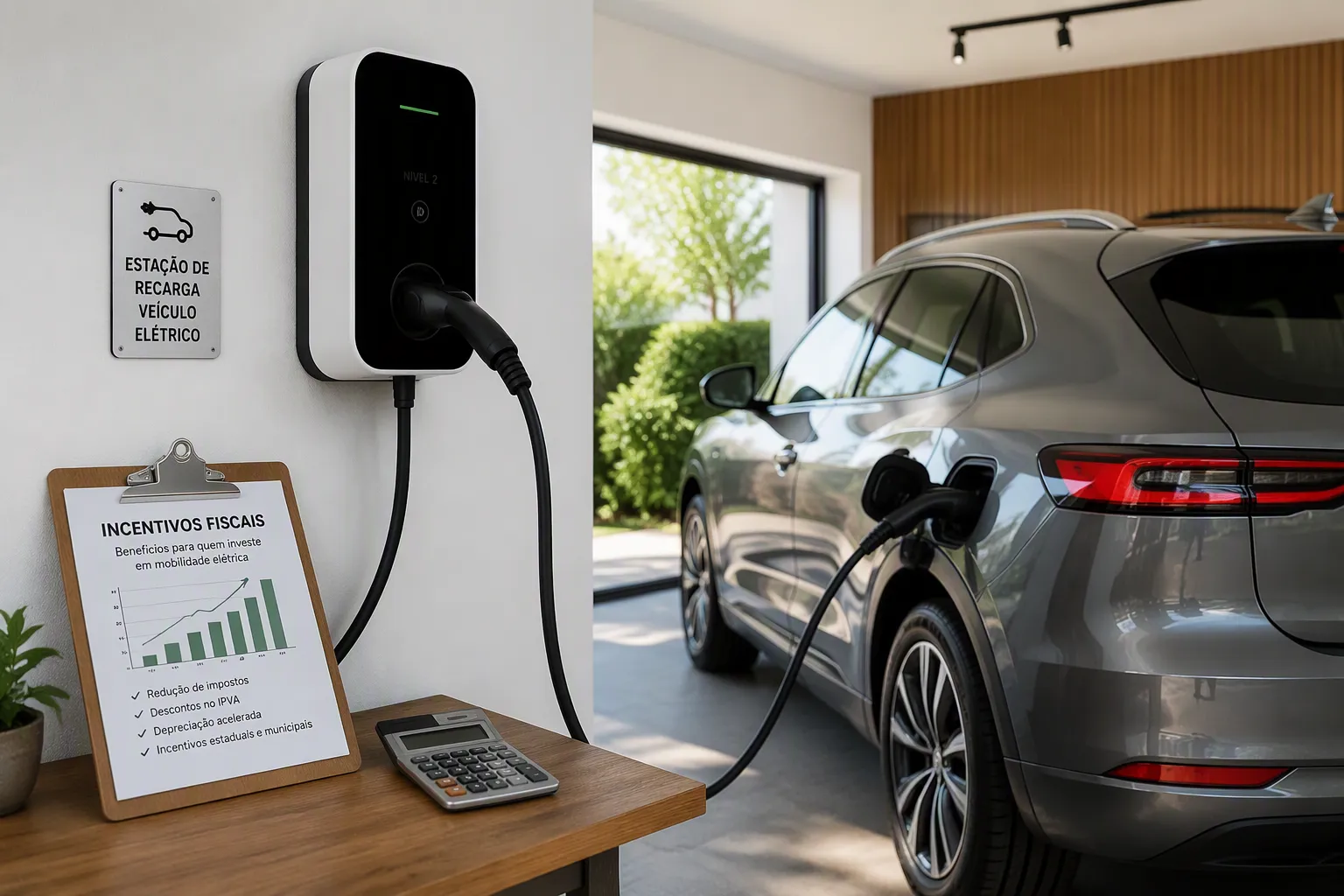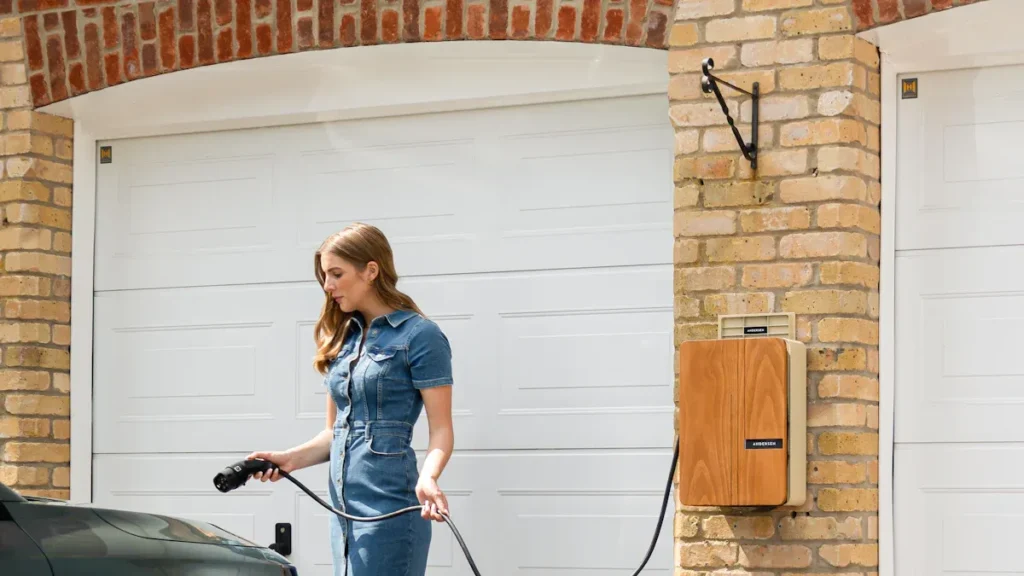

Preparing your home to install an electric car charging station requires careful planning. You must assess your electrical system, select the right EV-Ladegerät von seriösen Hersteller von EV-Ladegeräten, and address installation requirements. Consider that only about 1.6 million homes in the U.S. are equipped for charging, while most listings lack this feature. The process often involves overcoming challenges such as location selection and electrical capacity upgrades.
Herausforderung | Beschreibung |
|---|---|
Auswahl des Standorts | You need to pick a spot that is safe, accessible, and near a power source. |
Elektrische Kapazität | Upgrading your panel might be necessary to support a Level 2 charger. |
Compliance with Codes | Navigating local codes and permits demands attention to detail. |
Planning ahead ensures you install an electric car charging station smoothly and safely.
Assess Your Home for Electric Car Charging

Evaluate Your Electrical Panel and Capacity
Determining Available Electrical Load
Before you install a home charging point, you need to evaluate your electrical panel’s capacity. Most Level 2 electric car charging stations require a dedizierter 240-Volt-Stromkreis. The power draw can range from 30 to 100 amps, depending on the charger model. Many chargers use between 32 and 80 amps. Ideally, your panel should have a 200-amp capacity, but a 100-amp panel may be sufficient if your total household load allows it.
Level 2 chargers deliver about thirty-five miles of range per hour of charge.
You must have a dedicated 240-volt circuit for safe operation.
A licensed electrician can perform a load calculation to determine if your panel can handle the extra demand.
If your panel does not have enough capacity, you may need an upgrade before you proceed with electric car charging installation.
Locating and Accessing Your Panel
You should locate your main electrical panel and ensure it is accessible. Most panels are in garages, basements, or utility rooms. Easy access allows electricians to inspect, upgrade, or add circuits as needed. If your panel is far from your parking area, installation may require additional wiring, which can increase costs and complexity.
Inspect Existing Wiring and Safety
Checking Wiring Age and Condition
You must inspect your existing wiring before you install a home charging point. Outdated or damaged wiring may not support the high electrical demands of electric car charging.
Outdated or incompatible wiring can lead to fire hazards when charging electric vehicles. The high electrical voltages required for charging may exceed the capacity of traditional wiring, resulting in overheating and potential electrical fires.
Old wiring may not handle the power needed for EV chargers.
Inadequate supply can cause circuit overloads and overheating.
Proper assessment of your wiring is crucial to avoid installation failures and electrical hazards.
Upgrading for Safe Installation
Safety should always come first. You need to meet several standards to ensure your system can handle electric car charging. The table below outlines key safety requirements:
Sicherheitsstandard | Beschreibung |
|---|---|
Dedizierte Schaltkreise | Install the charger on its own circuit for maximum safety. |
FI-Schutz (RCD) | Use Residual Current Devices (RCDs) to protect against electrical faults. |
Überspannungsschutz | Add surge protection devices to guard against voltage spikes. |
Einhaltung von Vorschriften | Follow national and local codes, such as BS 7671, for proper RCD protection against DC components. |
Professionelle Installation | Always hire a qualified installer to check your system and complete the work. |
Upgrading your wiring and protection devices reduces the risk of fire and ensures reliable operation.
Decide Where to Install a Home Charging Point
Aufstellung des Ladegeräts im Innen- oder Außenbereich
Choosing the right location for your charging station affects both convenience and cost. You can install a home charging point indoors, such as in a garage, or outdoors near your driveway. Indoor installations offer better protection from weather and may simplify wiring. Outdoor installations require weatherproof equipment and may need extra safety measures.
Local laws and regulations may dictate where you can place your charger.
Always hire an expert to ensure compliance and safety.
Meeting national and local standards helps you avoid fines and ensures safe operation.
Proximity to Your Parking Area
Place your charging station as close as possible to your regular parking spot. Shorter cable runs reduce installation costs and make daily charging easier. Strategic placement also improves usage rates and convenience.
Strategic placement can enhance usage rates and profitability, while factors such as location, site conditions, and local regulations can influence installation expenses.
Local building codes and permitting requirements can affect costs.
The availability of skilled electricians and regional incentives may also impact your budget.
By carefully assessing your electrical system, inspecting your wiring, and choosing the best location, you set the stage for a safe and efficient electric car charging experience at home.
Choose the Right Electric Car Charging Station for Your Home
Compare Level 1 and Level 2 Chargers
Charging Speed and Power Needs
Selecting the right charger for your home starts with understanding the differences between Level 1 and Level 2 chargers. Level 1 chargers use a standard 120-volt outlet and deliver a slow charge. Level 2 chargers require a 240-volt circuit and provide much faster charging. The table below highlights the key differences in charging speed:
Ladegerät Level | Reichweite pro Stunde | Volle Ladezeit |
|---|---|---|
Stufe 1 | 2 to 5 miles | 8 und 24 Stunden |
Stufe 2 | 10 to 60 miles | 4 bis 8 Stunden |
Level 2 chargers offer greater efficiency and speed, making them ideal for daily use. You can expect Level 2 chargers to deliver up to 60 miles of range per hour, while Level 1 chargers provide only 2 to 5 miles.
Suitability for Your Driving Habits
Your driving habits play a crucial role in choosing a charger. If you drive short distances and have plenty of time to recharge overnight, a Level 1 charger may suffice. For longer commutes or frequent trips, a Level 2 charger ensures your vehicle is ready when you need it. Consider the following comparison:
Ladegerät Typ | Wirkungsgrad | Aufladegeschwindigkeit | Installationskosten | Energy Consumption |
|---|---|---|---|---|
Stufe 1 | 80% | 4 miles/hour | Unter | Höher |
Stufe 2 | 90% | 32 miles/hour | Höher | Unter |
Level 2 chargers consume less energy per mile and offer better cost efficiency. You receive more usable power for every kilowatt-hour consumed. Level 2 chargers typically deliver between 6.2 and 19.2 kW, while Level 1 chargers provide around 1.2 kW.
Explore Smart Features and Connectivity
Wi-Fi, Apps, and Remote Control
Modern chargers come equipped with smart features that enhance convenience and control. Many chargers offer Wi-Fi connectivity and mobile app integration. These features allow you to monitor charging sessions, receive real-time updates, and troubleshoot remotely. The table below outlines the benefits:
Nutzen Sie | Beschreibung |
|---|---|
Reliable Communication | Ensures uninterrupted data exchange between user, charger, and utility. |
Echtzeit-Aktualisierungen | Displays current station availability and pricing on apps. |
Remote Troubleshooting | Supports quick issue resolution and regular software updates. |
User Control | Lets you manage and monitor charging sessions from your phone. |
Optimierung der Leistung | Enables remote diagnostics and optimal charger performance. |
Zukunftssicher | Keeps your charger up-to-date with the latest software. |
You gain more control over your charger and can optimize charging times for cost savings.
Scheduling and Monitoring Charging
Smart chargers allow you to schedule charging during off-peak hours, reducing electricity costs. You can monitor energy usage and receive alerts about charging status. Features like dynamic load balancing and vehicle-to-grid support help manage your home’s electrical load and improve efficiency. Some chargers connect to solar systems, enabling sustainable charging.
Ensure Compatibility with Your Electric Car
Plug Types and Vehicle Requirements
You must verify that your charger matches your vehicle’s connector type. Most electric cars use Type 2 connectors, but some models require Type 1. Check your vehicle’s on-board charger capacity, as it determines the maximum power draw. For example, if your car supports only 3.3 kW, a higher-capacity charger will not increase charging speed.
Confirm the charger’s connector type matches your vehicle.
Check the vehicle’s charging rate and ensure the charger supports it.
Most chargers work with Type 2 connectors, but always verify compatibility.
Planning for Future Upgrades
Future-proofing your home charging setup is essential. Install smart chargers to prepare for technologies like bi-directional charging. Assess your home’s electrical capacity to support increased power demands. Plan for multiple vehicles if you expect your household to grow. Ensure your charger installation meets local codes for safety and compliance.
Tip: Planning for future needs helps you avoid costly upgrades and ensures your charger remains compatible with new electric vehicle technologies.
Installation Requirements and Costs for Electric Car Charging
Steps to Install an Electric Car Charger
Home Survey and Site Assessment
You begin the installation process with a thorough survey of your property. A Elektrofachkraft visits your home to assess the best location for your charging station. The electrician checks your parking area, the distance to your electrical panel, and the quality of your Wi-Fi if you plan to use smart charger features. This assessment ensures that the installation will be safe, efficient, and compliant with local codes.
Tip: A site assessment helps you avoid unexpected costs and ensures your charger works reliably from day one.
Electrical Work and Permits
After the survey, you move to the electrical work phase. The electrician determines if your current setup can support a Level 2 charger. If not, you may need an upgrade to handle the higher power demands. You must also secure the necessary permits before installation begins. Local authorities often require permits to ensure your installation meets safety standards. The electrician handles the paperwork and schedules inspections as needed.
Here is a typical step-by-step process for installing a home electric car charging station:
Choose the charger location based on where you park your vehicle.
Check your Wi-Fi signal strength for smart charger compatibility.
Select the type of charger and its charging rate.
Estimate installation costs and hire an approved electrician.
Pick a reliable chargepoint provider.
Verstehen der Installationskosten
Equipment and Charger Pricing
You should expect to pay between $500 and $700 for a Level 2 electric car charger. This price covers the charger itself, not the installation. The cost varies depending on the brand, features, and charging speed. Smart chargers with Wi-Fi and app integration may cost more, but they offer greater convenience and control.
Labor and Additional Materials
Installation costs for a Level 2 charger typically range from $800 to $2,500. The average installation cost is about $1,700. Several factors influence the final price, including the complexity of the installation, the distance from your electrical panel, and any required upgrades. If your installation requires additional wiring or a new outlet, costs can increase. Permits usually add $50 to $200 to the total.
Faktor | Beschreibung | Kostenbereich |
|---|---|---|
Outlet Availability | Existing NEMA 14-50 outlet can reduce costs. Verification by an electrician is needed. | $50 to $800 |
Kapazität der elektrischen Schalttafel | Upgrading may be necessary if the panel cannot support the charger. | $200 bis $3.000 |
Abstand zum Sicherungskasten | Longer distances increase wiring costs due to labor and materials. | $10 bis $20 pro Fuß |
Erlaubt | Required in some areas, ensuring compliance with local codes. | $50 bis $200 |
Wiring Type | Aluminum wiring may require costly upgrades to copper wiring. | Over $8,000 for complete rewiring |
Note: The total installation cost depends on your specific situation. Always request a detailed quote from your installer.
Upgrades Needed for Home Installation
Electrical Panel or Circuit Upgrades
Many homes require an electrical panel upgrade to support a Level 2 charger. If your panel lacks capacity, you must upgrade it to handle the increased load. This upgrade improves charging speed, enhances safety, and ensures compatibility with your vehicle. Upgrading your panel can cost between $200 and $3,000, depending on the complexity.
Reason | Erläuterung |
|---|---|
Aufladegeschwindigkeit | Higher electrical capacity enables faster charging speeds, critical for EV users needing quick refueling. |
Fahrzeug-Kompatibilität | Some EVs require higher capacity charging, necessitating an adequate electrical panel load. |
Sicherheit | Exceeding the panel’s capacity can lead to overheating and fire, posing risks to safety. |
Verlässlichkeit | Insufficient capacity may cause disruptions like brownouts, affecting EV charging reliability. |
Zukunftssicher | As EV usage increases, panels may need upgrades to meet higher energy demands. |
Adding a Dedicated Charging Circuit
A dedicated circuit is essential for safe and reliable operation. The electrician installs a new circuit specifically for your charging station. This step prevents overloads and reduces the risk of electrical hazards. If your wiring is outdated or made of aluminum, you may need to upgrade to copper wiring, which can be expensive but necessary for long-term safety.
Always hire a qualified electrician for your installation. Look for professionals with the right credentials and experience in electric car charging station installation.
Qualification/Requirement | Beschreibung |
|---|---|
Qualified Electrician | Must have completed a training course for installing EV charger equipment (Electric Vehicle Charging Installations 2921). |
Competent Person Scheme | Must be registered with a recognized scheme such as NICEIC. |
OZEV Approval | Installer should be approved by the Office for Zero Emission Vehicles (OZEV). |
You benefit from a safe, efficient, and future-ready charging setup when you follow these installation steps and invest in the right upgrades.
Home Regulations and Permits for Electric Car Charging Installation
Local Building Codes and Permit Process
Permit Application Steps
You must comply with local building codes when installing a home electric car charging station. In England, Part S building regulations require all new homes and buildings with parking spaces to include electric car charging points. Properties undergoing major renovations with more than ten parking spaces also need EV chargers. Residential homes typically require one charger per dwelling, while commercial properties have different requirements.
To begin the permit process, follow these steps:
Determine the specific permit requirements for your area.
Prepare all necessary documentation, including site plans and charger specifications.
Submit your EV charger permit application to the local authority.
Wait for the permit review and approval process.
The timeline for obtaining a permit usually ranges from one to four weeks. Most residential installations proceed quickly because the process is straightforward.
Inspection and Approval
After you receive your permit, you must schedule an inspection. Inspectors verify that your installation meets safety standards and local codes. They check wiring, circuit protection, and charger placement. Approval ensures your charging station operates safely and complies with all regulations. You should keep all documentation for future reference.
Tip: Completing inspections promptly helps you avoid delays and ensures your charger is ready for use.
Homeowner Association and Community Rules
Gaining HOA Approval
If you live in a community governed by a homeowner association (HOA), you need to secure approval before installing a charging station. HOAs often require architectural review, especially in condominiums where shared spaces add complexity. You must submit a formal request and provide details about the installation.
Rule Type | Beschreibung |
|---|---|
Architectural Approval | Requests for installations must be approved, especially in condominiums where complexity increases. |
Common-Use Charging Stations | Associations must establish rules for shared stations, including fees and usage limits. |
Legal and Easement Requirements | Associations may need to grant easements for electrical upgrades, requiring legal consultation. |
Comprehensive Policy | A policy should be developed to handle requests, including reviewing governing documents. |
Standortbewertung | Engage an engineer to assess electrical capacity and identify optimal locations for installations. |
Cost Responsibilities | Owners typically cover costs for individual installations, while associations manage common-use stations. |
Common Restrictions to Consider
You may encounter restrictions from your HOA regarding charger placement, electrical upgrades, or shared station usage. State laws often protect your rights. For example, California law prevents HOAs from imposing unreasonable restrictions on EV charging stations in designated parking areas. Illinois mandates that HOAs allow EV charging for both homeowners and renters. Understanding these laws empowers you to advocate for your installation.
Note: Review your HOA’s governing documents and consult with legal experts if you face challenges. State laws may support your right to install a charging station.
Utility Company Incentives and Programs
Rebates and Discounts for Installation
Many utility companies offer incentives to help offset the cost of installing a home charging station. You can benefit from programs such as:
Empower EV Program: Up to $2,500 rebate for income-eligible households, including a free Level 2 charger.
Residential Charging Solutions Rebate: Up to $700 for eligible customers to cover purchase and installation costs.
CCFA Charger Rebate: Up to $2,000 for Level 2 charger installation in the Bay Area.
These rebates reduce your upfront expenses and make home charging more affordable.
Special Electric Car Charging Rates
You can save money by enrolling in special electric car charging rates offered by utility providers. These rates often feature lower prices during off-peak hours. For example, users of the Octopus Go tariff report saving hundreds of pounds annually by charging overnight. Off-peak rates can be as low as 6.7p per kWh, compared to peak rates above 30p. By charging your vehicle during designated hours, you maximize savings and reduce your overall energy costs.
Anbieter | Cost/year | Peak Rate | Tarifname | Standing Charge | Außerhalb der Hauptgeschäftszeiten |
|---|---|---|---|---|---|
Ecotricity | £1,222.78 | 31.9p | 8p | 51.2p | 5 |
Gute Energie | £1,223.41 | 31.7p | Elektrisch | 51.68p | 5 |
Oktopus | £1,116.59 | 27.9p | 8.5p | 47.61p | 5 |
Charging during off-peak hours can lead to substantial long-term savings. Compare available tariffs to find the best option for your needs.
Select a Qualified Installer for Home Charging
Finding Licensed Electricians for Installation
Credentials and Certifications to Check
You need to choose an electrician with the right credentials for your electric car charging station installation. A licensed professional ensures your system meets safety and regulatory standards. When you review potential installers, look for the following qualifications:
A valid license for electrical installations in your state or locality.
Specific training or qualifications related to EV charger installations.
Experience with local regulations and safety standards.
Knowledge of the 18th Edition of the Wiring Regulations (BS 7671).
Familiarity with circuit protection and earthing arrangements.
Certification under a Competent Person Scheme, such as NICEIC or NAPIT.
A certified installer demonstrates a high level of expertise in electrical systems and charger functionality. This expertise ensures compatibility with your vehicle and the electrical grid. Compliance with local building codes is critical for a safe and legal installation.
Questions to Ask Potential Installers
Before you hire an electrician, ask targeted questions to assess their experience and reliability. Consider the following:
How many EV charger installations have you completed?
Are you familiar with the specific charger model I plan to install?
Can you provide proof of licensing and certification?
Do you carry insurance for electrical work?
Will you handle the permitting process and inspections?
What safety measures do you follow during installation?
Tip: A reputable installer will answer your questions clearly and provide documentation when requested.
Comparing Quotes and Services
Evaluating Pricing and Service Options
You should request quotes from multiple installers to compare pricing and services. Review each quote for a detailed breakdown of costs, including labor, materials, permits, and any potential upgrades. Some installers offer bundled packages that include both the charger and installation, while others charge separately.
Dienstmerkmal | Was zu beachten ist |
|---|---|
Itemized Pricing | Clear breakdown of labor and materials |
Umfang der Arbeiten | Detailed description of installation |
Zeitleiste | Estimated start and completion dates |
Zusätzliche Dienstleistungen | Panel upgrades, Wi-Fi setup, maintenance |
Choose an installer who provides transparent pricing and a clear scope of work. This approach helps you avoid unexpected expenses.
Understanding Warranties and Support
Warranties and post-installation support add value to your investment. Ask each installer about:
Warranty coverage for both parts and labor.
Duration of the warranty period.
Availability of ongoing support or maintenance services.
Response time for troubleshooting or repairs.
A strong warranty and reliable support give you peace of mind and protect your home charging system.
Preparing for Installation Day
Was Sie bei der Installation zu erwarten haben
On installation day, the electrician will arrive with the necessary tools and equipment. You should expect the following steps:
Review the installation plan and confirm the charger location.
Shut off power to the relevant circuits for safety.
Install the dedicated circuit and mount the Ladestation.
Connect the charger to your electrical panel.
Test the system for proper operation and safety compliance.
Note: The installation process usually takes a few hours, but complex upgrades may require more time.
Post-Installation Checklist
After installation, complete a checklist to ensure everything meets your expectations:
Confirm the charger operates correctly and charges your vehicle.
Review all safety features, such as circuit breakers and RCD protection.
Receive documentation for permits, inspections, and warranties.
Ask for a demonstration of smart features and app connectivity.
Store the installer’s contact information for future support.
By selecting a qualified installer and preparing for installation day, you ensure a safe, efficient, and hassle-free home charging experience.
Prepare for Daily Use and Maintenance of Your Home Charging Point
Setting Up and Customizing Your Charger
Connecting to Wi-Fi and Apps
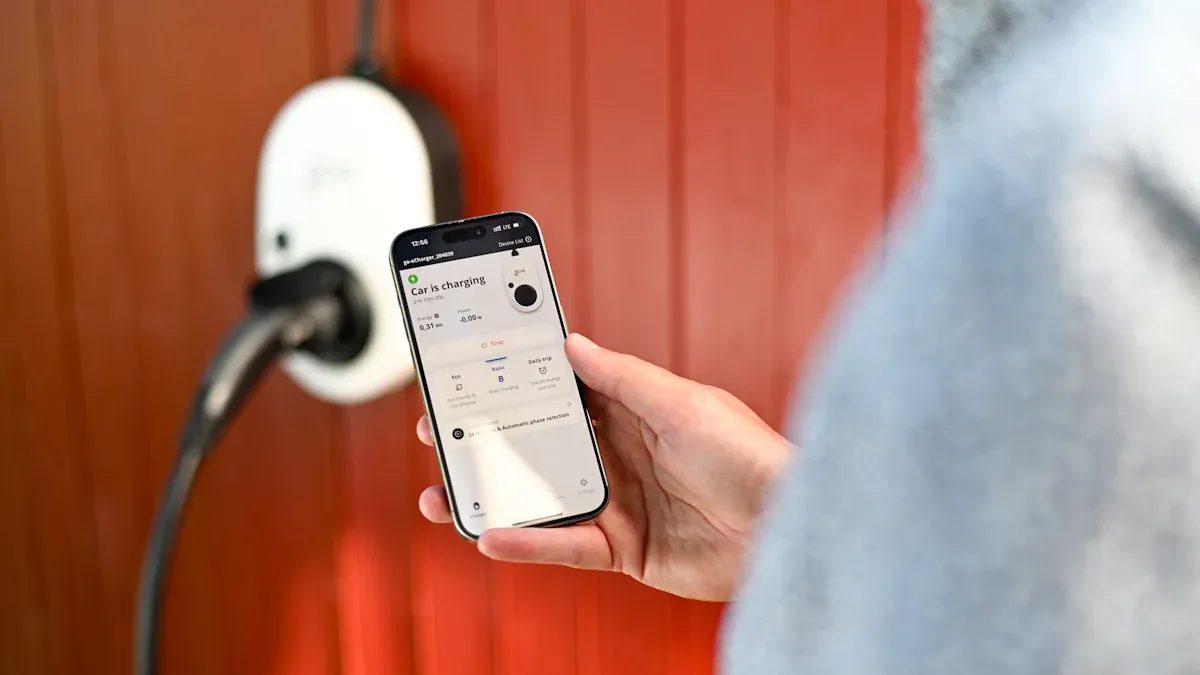
You can unlock the full potential of your home charging point by connecting it to Wi-Fi and compatible apps. Most modern chargers offer app integration, which allows you to monitor charging sessions, receive notifications, and access remote controls. Start by following the manufacturer’s instructions to connect your charger to your home network. Once connected, you can use the app to check charging status, track energy usage, and receive alerts if any issues arise. This setup supports smart charging features, helping you optimize energy consumption and costs.
Creating Charging Schedules
You can create charging schedules through your charger’s app or control panel. Scheduling lets you charge your vehicle during off-peak hours, which often means lower electricity rates. Set your preferred start and stop times to match your daily routine. Many home charging point systems allow you to adjust schedules easily, so you can adapt to changes in your driving habits or electricity pricing.
Safety and Best Practices for Electric Car Charging
Regelmäßige Inspektion und Reinigung
Maintaining your home charging point ensures safety and longevity. You should:
Keep the charging area clean and free from flammable materials.
Inspect the charger body for any unusual smells, damaged indicators, or loose wiring.
Check both internal and external components for signs of wear or damage.
Avoid overloading the power cord and ensure waterproofing, especially during rainy weather.
A clear area around your home charging point prevents hazards and supports efficient operation.
Fehlersuche bei allgemeinen Problemen
When you encounter issues with your home charging point, follow these steps:
Check that your vehicle is in the correct mode for charging and that the outlet has power.
Unplug the charging cable, wait a few seconds, and reconnect it.
Restart your vehicle and the charging station if possible.
Inspect the cable, connectors, and port for damage or debris.
Refer to your vehicle’s manual for troubleshooting tips and error codes.
Install any available software updates for your EV.
Contact customer support or a certified service center if problems persist.
Prompt troubleshooting helps you maintain reliable charging and prevents minor issues from becoming major repairs.
Planning for Future Home Charging Needs
Upgrading or Expanding Your System
As your needs change, you may want to upgrade your home charging point. Consider increasing your system’s capacity if you purchase a second electric vehicle or need faster charging. Upgrading your electrical panel or adding a higher-capacity charger prepares your home for future demands.
Adding Additional Charging Stations
If your household grows or you add more electric vehicles, you can install additional home charging points. Plan the layout to ensure each station has a dedicated circuit and safe access. Consult a qualified electrician to assess your electrical system and recommend the best configuration for multiple charging stations.
Maximizing Efficiency and Savings with Home Electric Car Charging
Aufladen außerhalb der Hauptgeschäftszeiten
Verständnis der Nutzungszeittarife
You can lower your die Stromkosten by taking advantage of time-of-use rates. Utility companies often offer reduced prices for ev charging during off-peak hours, usually late at night or early morning. These rates encourage you to shift your charging to periods when demand is low. You should review your utility provider’s schedule and identify the cheapest hours for charging your electric vehicle.
Tip: Charging during off-peak hours can cut your monthly energy bill and help balance the grid.
Here is a simple table to help you compare typical time-of-use rates:
Zeitspanne | Typical Rate (¢/kWh) | Charging Recommendation |
|---|---|---|
Peak Hours | 30 | Avoid charging |
Außerhalb der Hauptgeschäftszeiten | 7 | Preferred for charging |
Setting Up Automated Charging
You can automate your ev charging to maximize savings. Most smart chargers allow you to set charging schedules through their app or control panel. By programming your charger to start during off-peak hours, you avoid manual intervention and ensure your vehicle is ready each morning. Automated charging also helps you track energy usage and optimize your charging routine.
Set your preferred charging start and stop times.
Use app notifications to monitor charging progress.
Adjust schedules as your driving habits change.
Integrating with Solar or Home Energy Systems
Benefits of Solar-Powered Charging
Pairing your ev charging setup with solar panels increases efficiency and sustainability. You generate clean energy at home and use it for charging your vehicle. This approach reduces your reliance on the grid and lowers your carbon footprint. Solar-powered charging can also protect you from rising electricity prices.
Solar integration makes your ev charging greener and more cost-effective.
Battery Storage Options for Home
Adding battery storage to your home energy system provides backup power for ev charging. You store excess solar energy during the day and use it for charging at night. This setup ensures you have reliable power even during outages. Battery storage also lets you avoid peak rates and maximize your savings.
Choose a battery system that matches your charging needs.
Monitor battery levels to ensure consistent charging.
Consult an expert to design a system that supports both solar and ev charging.
Tracking Usage and Managing Costs
Using Apps and Reports for Monitoring
You can use apps and online dashboards to monitor your ev charging sessions. These tools provide detailed reports on energy consumption, charging times, and costs. By reviewing this data, you identify patterns and make informed decisions about your charging habits.
Merkmal | Nutzen Sie |
|---|---|
Usage Reports | Track charging frequency |
Kostenanalyse | Monitor monthly charging costs |
Alerts | Receive notifications for issues |
Adjusting Charging Habits for Savings
You can adjust your charging habits to maximize efficiency and reduce expenses. Charge your vehicle only when necessary and avoid topping off the battery too often. Take advantage of off-peak rates and solar energy whenever possible. Regularly review your charging data and update your schedule to reflect changes in your routine.
Consistent monitoring and smart scheduling help you get the most out of your ev charging investment.
You can prepare your home for an electric car charging station by following these essential steps:
Assess your electrical system and choose the right charger.
Understand installation requirements and local regulations.
Select a qualified installer for safety and compliance.
Careful planning leads to a convenient, safe, and cost-effective charging experience. Take the next step toward electric vehicle ownership and enjoy the benefits of charging at home.
FAQ
What is the difference between Level 1 and Level 2 EV charging at home?
Level 1 charging uses a standard outlet and charges your EV slowly. Level 2 charging uses a 240-volt outlet and charges your EV much faster. You get more miles per hour with Level 2, making it better for daily EV use.
Can I install an EV charging station myself?
You should not install an EV charging station yourself. Only a licensed electrician should handle the installation. This ensures your EV charger meets safety codes and works correctly. Professional installation protects your home and your EV from electrical hazards.
How do I know if my home electrical panel can support an EV charger?
You need an electrician to check your panel’s capacity. Most EV chargers require a dedicated circuit. If your panel cannot handle the extra load, you may need an upgrade. This step ensures your EV charges safely and efficiently every time.
Do I need a permit to install an EV charging station at home?
Most areas require a permit for EV charger installation. Permits ensure your EV charging setup meets local codes and safety standards. Your electrician usually handles the permit process. Always check with your local authority before starting your EV project.
What maintenance does a home EV charging station need?
You should inspect your EV charger regularly for damage or wear. Keep the area clean and dry. Check cables and connectors for signs of trouble. Follow the manufacturer’s instructions for care. Regular maintenance keeps your EV charging station safe and reliable.
Can I use solar panels to charge my EV at home?
Yes, you can use solar panels to power your EV charger. Solar energy reduces your electricity costs and supports sustainable EV charging. You may need a compatible inverter and battery storage for the best results. Consult an expert to design your EV solar system.
Wie lange dauert es, ein E-Auto zu Hause zu laden?
Charging time depends on your EV model and charger type. Level 1 chargers may take up to 24 hours for a full charge. Level 2 chargers usually take 4 to 8 hours. Always check your EV’s manual for specific charging times.
Wird sich meine Stromrechnung durch die Installation einer Ladestation für Elektroautos erhöhen?
Charging your EV at home will increase your electricity use. You can lower costs by charging during off-peak hours. Many utilities offer special EV rates. Monitoring your EV charging habits helps you manage your energy bill and maximize savings.