For most EV owners with off-street parking, home chargers represent a valuable investment. The initial cost of an EV Charger is quickly offset by major fuel savings and daily convenience. An EV owner’s ability to wake up to a full battery eliminates the need for expensive public charging. The financial benefit of home electric car charging for an EV is clear.
| Vehicle Type | Annual Fuel Cost (2025) | Annual Savings (vs. Petrol) |
|---|---|---|
| EV (home charging) | £700 | £800 |
| Petrol Car | £1,500 | N/A |
Technologically advanced EV charger manufacturers like TPSON are making efficient home charging for any EV a reality with their charger solutions.
Breaking Down the Total EV Charger Installation Cost in 2025
Understanding the full financial picture is crucial before committing to an EV charger installation. The total price tag consists of the charger unit itself and the professional installation, but potential hidden costs can also arise depending on a home’s existing electrical infrastructure.
What’s the Price for a Standard Installation?
A standard installation assumes your home’s electrical system is modern and can handle the new load without major changes. This is the most common and cost-effective scenario for many homeowners.
The Charger Unit Itself ($400 – $800)
In 2025, the market for Level 2 chargers is highly competitive. Homeowners can find a high-quality electric vehicle charger in the $400 to $800 range. Units at the lower end of this spectrum offer reliable, no-frills charging. Models at the higher end often include advanced features like Wi-Fi connectivity, smart scheduling apps, and dynamic load balancing. Technologically advanced manufacturers like TPSON provide sophisticated charger solutions that make efficient home charging a reality for any EV.
Labor and Permitting Fees
Hiring a professional is non-negotiable for a safe and compliant installation. The labor for a standard EV charger installation typically costs between $500 and $1,000. This fee generally covers:
- Mounting the charger unit to a wall.
- Running up to 30 feet (about 10 meters) of cable from the electrical panel to the charger.
- Installing a new dedicated 40-amp or 50-amp circuit breaker.
- All necessary safety checks and testing of the installation.
Note: Always hire a qualified installer. An improper installation can pose a serious safety risk and may void your EV’s warranty. The installer will manage the installation process from start to finish.
Additionally, most municipalities require a permit for installing an EV charger. These fees vary significantly by location.
| Region Type | Permit Fee Range (Approx.) |
|---|---|
| Major Metro Area | $200 – $1,000 |
| Suburban Area | $100 – $400 |
| Rural Area | $75 – $300 |
What Are the Hidden Costs to Watch For?
While many homeowners will only face standard costs, some properties require extra work. Identifying these potential needs early helps create an accurate budget for installing an EV charger. The average cost of installing a charger can increase significantly if your home needs upgrades.
Electrical Panel Upgrades
Many older homes have 100-amp electrical panels, which may not have enough capacity to support an EV charger alongside other household appliances. Upgrading to a 200-amp panel is a common requirement. This is a significant job that can add to the overall cost of installation.
- Average Panel Upgrade Cost: $600 – $3,000
- When It’s Needed: If your current panel is at or near capacity.
- Benefit: A panel upgrade future-proofs your home for other electrical needs beyond just your EV.
Complex Wiring and Trenching
The location of the charger relative to your electrical panel also impacts the final price. A standard installation assumes a straightforward wiring run through an attached garage. If the installation is more complex, costs will rise. For example, installing a dedicated charger in a detached garage requires running armored cable underground in a trench.
| Additional Work | Average Cost Per Foot |
|---|---|
| Trenching for Conduit | $5 – $15 |
| Outdoor-Rated Wiring | $7 – $10 |
This extra work ensures the installation is safe and durable. A long or complicated wiring path is one of the most common reasons for a higher-than-expected installation quote.
Understanding Charger Levels for Your Home
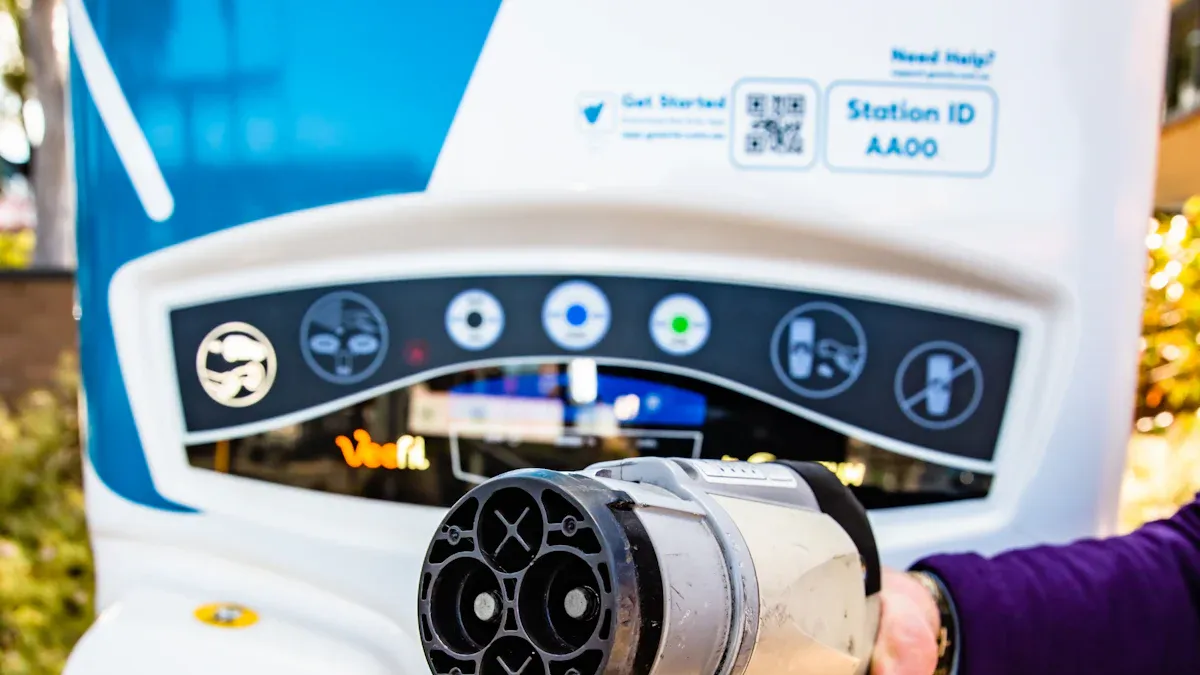
An EV owner needs to understand the different types of chargers available for home use. The choice between Level 1 and Level 2 charging depends on driving habits, vehicle battery size, and the need for speed. Each level offers distinct advantages and is suited for different scenarios.
Level 1 Charging: The Slow and Steady Option
Level 1 charging is the most basic method available. It uses a standard 120-volt wall outlet, the same kind used to power a television or a lamp. This simplicity makes it accessible to every EV owner from day one.
Using Your Standard Wall Outlet
Every new electric vehicle typically comes with a Level 1 charging cord. An EV owner can simply plug this cord into any standard household outlet to begin charging. No special installation is required. This plug-and-play convenience is its biggest appeal. However, the trade-off is speed. A Level 1 charger adds only about 3 to 5 miles of range for every hour of charging. This slow rate means a full charge can take several days for an EV with a large battery.
When Level 1 Is Enough
Despite its slow speed, Level 1 charging can be a practical solution for some drivers. It is often sufficient for:
- Plug-in Hybrid Electric Vehicles (PHEVs): These vehicles have smaller batteries and can often fully recharge overnight.
- Low-Mileage Drivers: If an owner drives less than 30-40 miles per day, an overnight Level 1 session can replenish the daily usage.
- Temporary Situations: It serves as a reliable backup or a primary method for those who cannot immediately install a faster charger.
Level 2 Charging: The Home Standard
For the majority of EV owners, a Level 2 charger is the recommended standard for home charging. These units provide a much faster and more convenient experience, making them a worthwhile investment for daily EV use.
Faster Speeds for Daily Use
Level 2 chargers use a 240-volt circuit, similar to an electric stove or clothes dryer. This higher voltage allows for significantly faster charging speeds. A professionally installed Level 2 charger can replenish an EV battery much more quickly than a Level 1 cord. The exact speed depends on the charger’s amperage and the vehicle’s onboard capabilities.
| Charger Amperage | Typical Charging Speed (Miles of Range per Hour) |
|---|---|
| 32-amp | 25-30 miles |
| 40-amp | 30-35 miles |
| 48-amp | 35-44 miles |
This speed ensures that even an EV with a nearly empty battery can be fully charged overnight, ready for the next day’s journey.
Why Most Homeowners Choose Level 2
The decision to upgrade to Level 2 is clear for most daily drivers. The primary benefit is the assurance of a full battery every morning, regardless of the previous day’s travel. This eliminates range anxiety and the reliance on public charging stations. Advanced home charging points, like those from manufacturers such as TPSON, often include smart features. These allow owners to schedule charging during off-peak hours when electricity is cheapest, maximizing cost savings. For these reasons, a Level 2 charger is the most practical and popular choice for a dedicated home charging setup.
How Home Electric Car Charging Saves You Money
The primary financial advantage of owning an electric vehicle (EV) emerges when an owner charges it at home. Home EV charging provides substantial savings compared to both gasoline and public charging stations. Understanding the numbers reveals just how quickly the initial investment in a home charger can pay for itself. The long-term financial benefits make the upfront cost a worthwhile expenditure for most drivers.
Home vs. Public Charging: A Cost-Per-Mile Comparison
A direct comparison between charging an EV at home and using public networks highlights a significant price difference. The convenience of home charging is matched by its superior affordability, especially when an owner optimizes their charging schedule.
The Math on Off-Peak Home Charging
Charging an EV at home is significantly cheaper than buying gasoline. The cost depends on local electricity rates. Data from early 2025 shows the average price for residential electricity.
| Month | Average Cost (¢/kWh) |
|---|---|
| January | 15.95 |
| February | 16.44 |
| March | 17.11 |
Using an average rate of 17 cents per kilowatt-hour (kWh), an EV that gets 3.5 miles per kWh would cost just under 5 cents per mile to drive. For a daily 40-mile commute, the daily charging costs would be less than $2.00. This calculation demonstrates the fundamental savings of electric car charging at home.
The High Cost of Public DC Fast Chargers
Public DC fast chargers offer incredible speed, often adding hundreds of miles of range in under an hour. This convenience comes at a premium. The rates at these stations can be two to four times higher than residential electricity prices. An EV owner might pay 40 to 60 cents per kWh or more.
Pro Tip: Public fast chargers are best used for long road trips or emergencies. Relying on them for daily charging negates much of the potential savings an EV offers. Consistent home charging is the key to minimizing your charging costs.
Unlocking Maximum Savings with EV Tariffs
Utility companies are increasingly offering special electricity plans, often called Time-of-Use (TOU) or EV tariffs. These plans create an opportunity for EV owners to reduce their charging costs even further by shifting their energy consumption to off-peak hours.
Finding Cheap Overnight Electricity Rates
Many utilities structure their rates to encourage electricity use when overall grid demand is low, typically late at night. An EV tariff might offer a standard rate of 27 cents/kWh during peak afternoon hours but drop to as low as 7 cents/kWh during an overnight off-peak window. An EV owner with access to such a plan can dramatically lower their transportation fuel budget. Finding these plans usually involves a quick search on a local utility provider’s website or a phone call to their customer service department.
How Smart Scheduling Pays Off
This is where modern technology makes a huge difference. Smart chargers, like those from advanced providers such as TPSON, work with mobile apps to automate the charging process. An owner simply plugs in their EV when they get home. The smart system does the rest.
The app monitors electricity prices and automatically starts the charging session when rates are lowest. This process removes any need for manual guesswork.
- It ensures the vehicle prioritizes charging during the cheapest off-peak window.
- It can respond to real-time price fluctuations in dynamic rate plans, pausing and resuming charging to maximize savings.
- The EV is always ready by the owner’s set departure time, fully charged using the most affordable electricity.
Automating the electric car charging schedule can reduce charging expenses by an additional 30-60%. This smart management transforms a home charger from a simple power source into a powerful cost-saving tool.
Calculating Your Personal Break-Even Point
Determining the financial return on a home EV charger involves a straightforward calculation. An owner can estimate when the savings from charging at home will completely cover the initial installation cost. This break-even point is a personal calculation that depends heavily on driving habits and local utility costs.
A Simple Formula for Your Return on Investment
An owner can find their break-even point with a basic formula. This calculation provides a clear timeline for the return on investment for the new charger.
Formula:
Total Installation Cost / Annual Savings = Years to Break Even
The total installation cost includes the charger unit and any professional labor fees. The annual savings represent the difference between home charging costs and the previous expense of petrol or public EV charging.
Factoring in Your Annual Mileage
Annual mileage is the most significant factor in the break-even calculation. High-mileage drivers save money faster because they consume more fuel. An individual who drives more miles will see a quicker return on their EV charger investment. Each mile driven using cheap home electricity instead of expensive petrol contributes directly to paying off the charger.
Using Your Local Electricity Rates
Local electricity rates determine the cost of each charging session. An EV owner should use the price per kilowatt-hour (kWh) from their utility bill for an accurate calculation. Owners on a Time-of-Use tariff can use their lower off-peak rate. A lower electricity rate accelerates the payback period for the EV charger.
How Long Until Your Charger Pays for Itself?
The time it takes for a home charger to pay for itself varies. A daily commuter will break even much faster than an occasional driver. The following examples illustrate how mileage impacts the return on investment.
Example for a Daily Commuter
High-mileage drivers see the fastest payback. An EV driver covering 15,000 miles annually benefits significantly from home charging. These individuals often reach their break-even point within 2-4 years. This rapid return makes a home charger an excellent financial decision for anyone with a long daily commute.
| Category | Estimated Cost/Saving (Annual) |
|---|---|
| Petrol Fuel Cost | £1,800 |
| Home EV Charging Cost | £750 |
| Annual Savings | £1,050 |
With a typical installation cost of £1,000, this EV driver would pay off the charger in less than one year.
Example for a Lower-Mileage Driver
Consider an EV owner who drives about 5,000 miles per year. This driver uses their vehicle for local errands and occasional trips. While they still save money compared to petrol, the payback period for their charger will be longer. Their annual savings might be closer to £350. With a £1,000 installation cost, the break-even point would be just under three years. For this type of driver, the convenience of the charger is as important as the financial return. Advanced chargers from providers like TPSON offer smart features that help maximize savings even for lower-mileage users.
Are Federal and State Incentives Still Available for Installation?
An EV owner can significantly lower the cost of installing an EV charger by taking advantage of government incentives. These programs are designed to encourage EV adoption by reducing the financial barrier of the initial installation. Both federal and state-level incentives can make the investment in home charging much more affordable.
The Federal Tax Credit for EV Chargers
The U.S. government offers a significant tax credit to help homeowners with the cost of an EV charger installation. This credit, known as the Alternative Fuel Vehicle Refueling Property Credit, directly reduces an owner’s tax liability.
Who Qualifies for the 30% Credit?
The federal tax credit for EV charger installation remains active for the 2025 tax year in many eligible areas. The Inflation Reduction Act renewed this incentive, which covers 30% of the total cost of hardware and installation, up to a maximum of $1,000. To qualify, the installation must take place at a primary residence located in an eligible census tract. The credit has also been updated to include bidirectional charging equipment, which allows an EV to power a home. A qualified installer can help determine if a specific property is eligible for the credit.
How to Claim Your Savings on Form 8911
Claiming the credit is a straightforward process for an EV owner. An individual must complete and file IRS Form 8911, “Alternative Fuel Vehicle Refueling Property Credit,” with their annual tax return. The form requires information about the charger and the total installation costs.
Important Note: An owner should keep all receipts from the charger purchase and the professional installation. This documentation is necessary to substantiate the claim. Consulting a tax professional is always recommended to ensure compliance with all requirements.
State and Local Utility Rebates
Beyond the federal credit, many states and local utility companies offer their own rebates and incentives. These programs can often be combined with the federal credit, further reducing the cost of installing an EV charger.
Researching Incentives in Your Area
The availability and value of local incentives vary widely. An EV owner should start by checking their local utility provider’s website for any active rebate programs. These rebates often come as a direct cash payment after the installation is complete. Some states also offer their own tax credits or government grants. A professional installer is often aware of local programs and can provide valuable guidance.
State-Specific Rebate Deadlines to Know
State and utility programs often have limited funding and strict deadlines. It is crucial for an EV owner to research these opportunities before beginning the installation. Missing a deadline could mean losing out on hundreds of dollars in savings.
| Incentive Type | Where to Look | Key Consideration |
|---|---|---|
| State Tax Credits | State Department of Revenue website | Often have specific eligibility rules and deadlines. |
| Utility Rebates | Local electric utility provider’s website | May require pre-approval before the installation. |
| Local Grants | City or county government websites | Funding is often limited and awarded on a first-come basis. |
Acting quickly is essential. These programs help make the installation of an EV charger an even smarter financial decision for any EV driver.
Is the Convenience Worth the Upfront Cost?
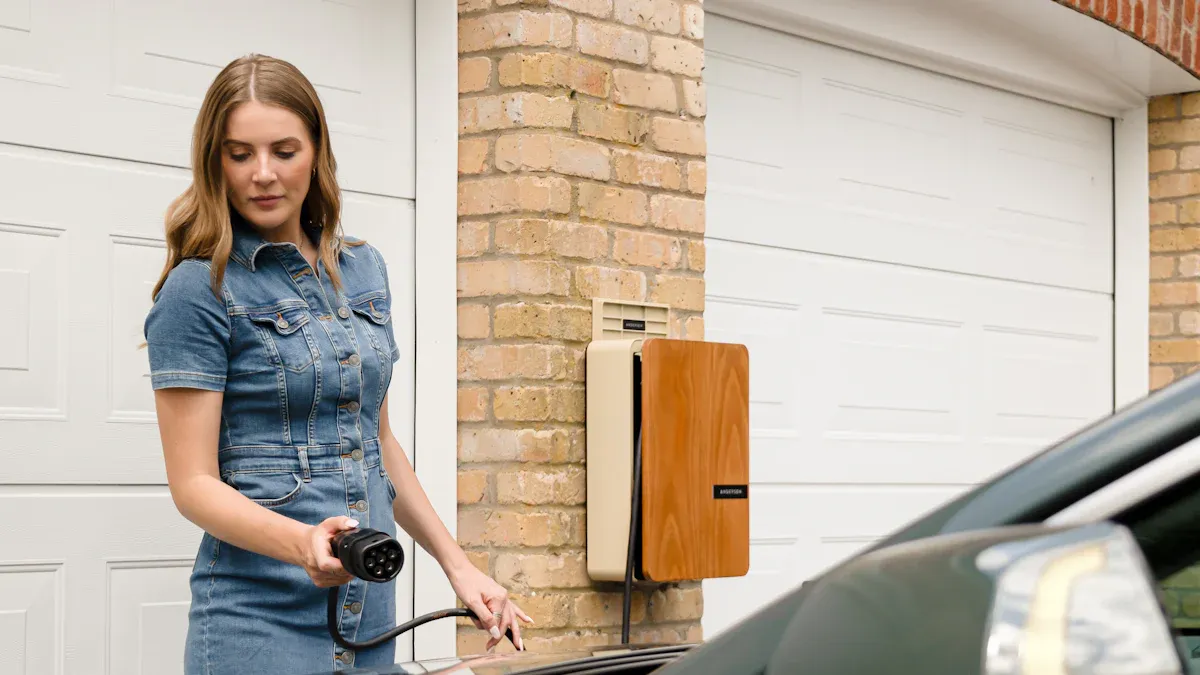
While financial savings are a major driver, the daily convenience of a home charger is often the most compelling reason for installation. The upfront cost buys more than just cheaper miles; it purchases a seamless and stress-free EV ownership experience. The benefits of charging at home transform the daily routine for an EV driver.
The Value of Waking Up to a Full Battery
The ability to start each day with a fully charged vehicle is a game-changer. This simple luxury fundamentally improves the EV ownership experience and removes common points of friction associated with driving.
No More Gas Station Trips
A home charger eliminates the need for weekly trips to the petrol station. An EV owner no longer has to detour from their route, wait in line, or handle dirty fuel pumps. Instead, refueling becomes an effortless overnight process. This convenience saves valuable time and simplifies daily logistics, making the EV lifestyle significantly more pleasant.
Eliminating “Range Anxiety”
“Range anxiety” is the fear that an EV will run out of power before reaching a destination or charging station. A dedicated home charger is the most effective cure for this concern. Waking up to a full battery provides more than enough range for typical daily driving. This assurance allows an EV owner to drive with confidence, knowing they have a reliable and full “tank” every morning.
Smarter Charging for a Healthier Battery
A modern home charger does more than just deliver power; it helps protect the vehicle’s most expensive component—the battery. Smart charging practices extend battery lifespan, preserving the EV’s value and performance over time. These benefits add another layer of value to the charger investment.
Protecting Your EV’s Battery
The way an EV is charged directly impacts its long-term battery health. While DC fast chargers are useful for road trips, frequent use can accelerate battery degradation. Studies show that relying on slower Level 2 charging at home is gentler on the battery.
Pro Tip: For optimal battery health, most experts recommend the “20-80 rule.” This involves keeping the battery’s state of charge between 20% and 80% for daily use, which reduces stress on the lithium-ion cells. A home charger makes this routine easy to follow.
Using Apps to Manage Charging
Advanced chargers, like those from providers such as TPSON, come with sophisticated mobile apps. These applications are powerful tools for managing an EV’s battery health and charging schedule. Key features often include:
- Setting Charge Limits: An owner can set a maximum charge level, such as 80%, to prevent overcharging and prolong battery life.
- Smart Scheduling: The app can automatically start and stop charging sessions to align with off-peak electricity rates, combining battery care with cost savings.
- Remote Monitoring: Drivers can check their charging status and manage settings from anywhere, providing complete control.
These smart features ensure the EV is always ready when needed, without compromising battery longevity. The benefits of this intelligent charging system make a modern home charger an indispensable tool for any EV owner.
When Is Charging an Electric Car at Home NOT Worth It?
A home charger is a powerful tool, but it is not the right choice for every EV owner. For some drivers, the upfront cost and installation complexity outweigh the potential benefits. Specific circumstances can make public or workplace charging a more practical and cost-effective solution.
If You’re a Very Low-Mileage Driver
An individual who drives infrequently may find that a dedicated home charger is an unnecessary expense. The financial return on investment depends heavily on fuel consumption, and low usage extends the payback period significantly.
Relying on Workplace or Public Charging
Many companies now offer free or subsidized electric car charging as an employee perk. An EV owner with access to this benefit can cover most of their charging needs at no cost. If their workplace provides reliable charging, the primary financial incentive for a home installation disappears. Similarly, living next to an affordable public charging station can serve the same purpose.
Doing the Math for Infrequent Use
The break-even calculation changes dramatically for a low-mileage driver. An EV owner who drives only a few thousand miles per year will save much less on fuel compared to a daily commuter. This minimal saving means it could take many years to recoup the installation cost. In this scenario, the convenience of home charging may not justify the significant upfront investment.
If You Rent or Lack Off-Street Parking
The biggest barrier to home charging is often logistical, not financial. Renters and residents without dedicated off-street parking face considerable hurdles that can make installing a charger impractical or impossible.
Challenges for Apartment Dwellers
Renters and flat owners must navigate a complex process to get a charger installed. Obtaining the necessary permissions is a critical first step.
- Renters must secure written permission from their landlord.
- Flat owners often need consent from a freeholder, management company, or residents’ association.
- Proof of these legal rights is essential for any grant applications.
Logistically, charging an electric car in an apartment complex often requires an OZEV-approved installer. These specialists handle complex building regulations and can assess the feasibility of running cables to parking areas. This specialized work can increase installation costs. Furthermore, most grant schemes require dedicated off-street parking, a feature many apartments lack.
Public Charging Networks and Workplace Charging
For an EV driver facing these obstacles, the public charging network is the default solution. The growing infrastructure of fast chargers and destination chargers at supermarkets and gyms makes owning an EV without a home unit entirely feasible. Paired with workplace charging, this strategy provides a reliable way to keep an EV powered up. Advanced charging solutions from providers like TPSON are also becoming more common in public and commercial spaces, improving the experience for those who rely on them.
For most daily EV drivers, a home charger installation offers significant benefits. The combination of lower charging costs and unmatched convenience makes this EV charger a valuable asset. The initial installation cost is a consideration, but the long-term benefits are clear. An EV owner’s final decision on a home charger installation depends on their driving needs and parking situation. Evaluating personal needs will determine if a home EV charger installation is the right choice. Advanced EV charger options from providers like TPSON can enhance the experience.
FAQ
How long does a standard EV charger installation take?
A professional installer typically completes a standard Level 2 charger installation in two to four hours. The process involves mounting the unit, running the electrical wiring from the panel, and installing a new circuit breaker. More complex jobs may take longer.
Can an owner install an EV charger themselves?
An owner should not attempt a DIY installation. A qualified electrician must perform the work to ensure safety and compliance with local electrical codes.
Safety Alert: Improper installation creates a serious fire hazard and can void both the charger and vehicle warranties. Always hire a professional.
Do all EVs use the same home charger plug?
Yes, nearly all modern electric vehicles sold use the same J1772 connector for Level 1 and Level 2 charging. This standardization ensures that a home charger will be compatible with most current and future EVs, regardless of the manufacturer.
What is a “smart charger”?
A smart charger connects to Wi-Fi, allowing an owner to control it via a mobile app. Technologically advanced providers like TPSON offer solutions that enable features like scheduled charging for off-peak rates, remote monitoring, and energy usage tracking to maximize savings.
Will an EV charger increase my property’s value?
Yes, a professionally installed home EV charger can be an attractive feature for potential buyers. As electric vehicles become more common, having a dedicated charging solution already in place adds convenience and appeal, potentially increasing a home’s market value.
Is a Level 2 charger necessary for a plug-in hybrid (PHEV)?
A Level 2 charger is not always necessary for a PHEV. These vehicles have smaller batteries that can often fully recharge overnight using a standard Level 1 cord. However, a Level 2 unit provides faster charging and more flexibility.
What happens if the power goes out while charging?
If a power outage occurs, the EV charger will simply stop delivering electricity to the vehicle. Modern chargers are designed to safely resume charging once power is restored. The outage will not harm the charger or the electric vehicle’s battery.