
Can I Use a Level 1 Charger in My Malaysian Condo’s Car Park? A Safety Guide
Yes, you can use a Level 1 charger in a Malaysian condo with written approval from management and an electrician’s safety check on the socket and wiring.

Yes, you can use a Level 1 charger in a Malaysian condo with written approval from management and an electrician’s safety check on the socket and wiring.

Yes, Colombia’s power grid can handle gradual Level 1 EV charging. The main concern isn’t national capacity but local transformers and home wiring safety.

Yes, you can safely charge your EV in the rain. EV chargers and vehicle ports are engineered with weatherproof seals and safety protocols that prevent electric flow until a secure connection is made.

Thinking of a DIY EV charger install? Our safety checklist for Thai homeowners details the serious risks, from voiding warranties to violating MEA/PEA rules.

Our analysis shows Colombia’s electrical grid can support limited EV chargers now, but mass adoption will overwhelm local distribution networks without upgrades.

While a licensed electrician can legally install an EV charger, it requires special skills. An improper installation risks fire, voids warranties, and can damage your EV.
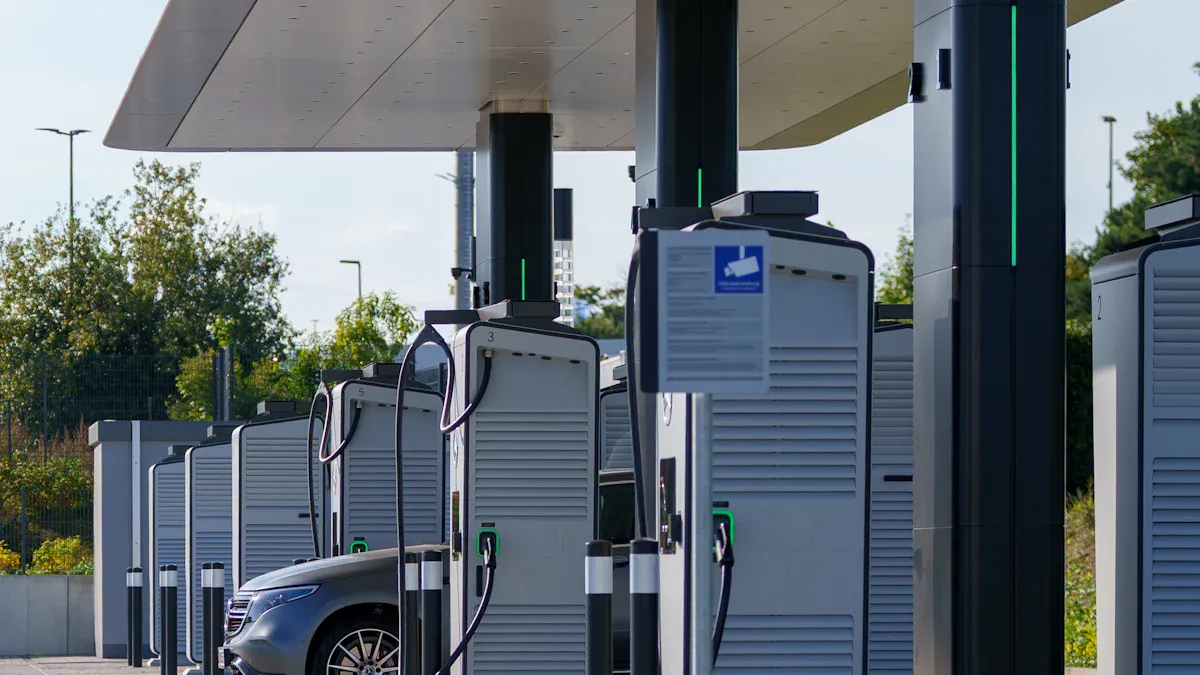
The true cost for a Chilean apartment dweller without home EV charging is CLP $50k to $150k+ monthly, combining public charging fees, time, and hidden expenses.
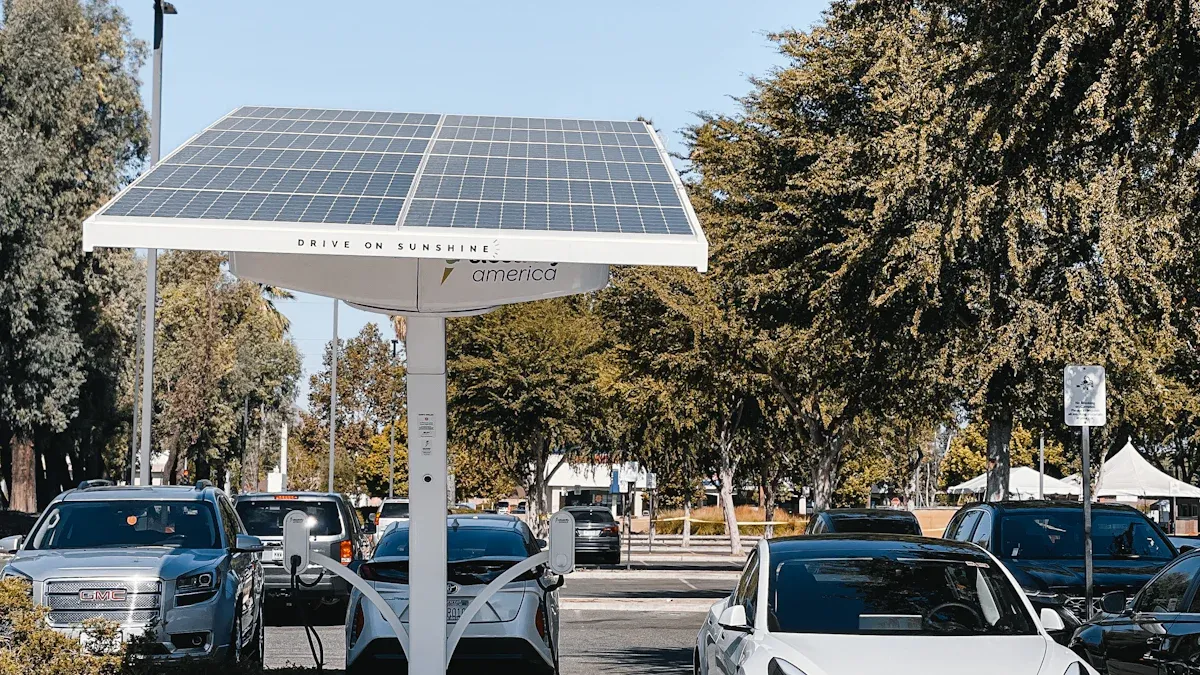
Calculate the ROI of EV charging for your UK business with our 2025 guide. Get the formula, cost data, and revenue projections for a payback period of 3-6 years.

Calculate the profitability of an EV charging station in Brazil by analyzing CAPEX, OPEX, and revenue. Our guide provides formulas to project your ROI and payback period.

Estimate your monthly cost for Level 1 EV charging in Argentina. Based on 2025 rates, expect to pay ARS 5,100-23,900 depending on your subsidy tier and mileage.
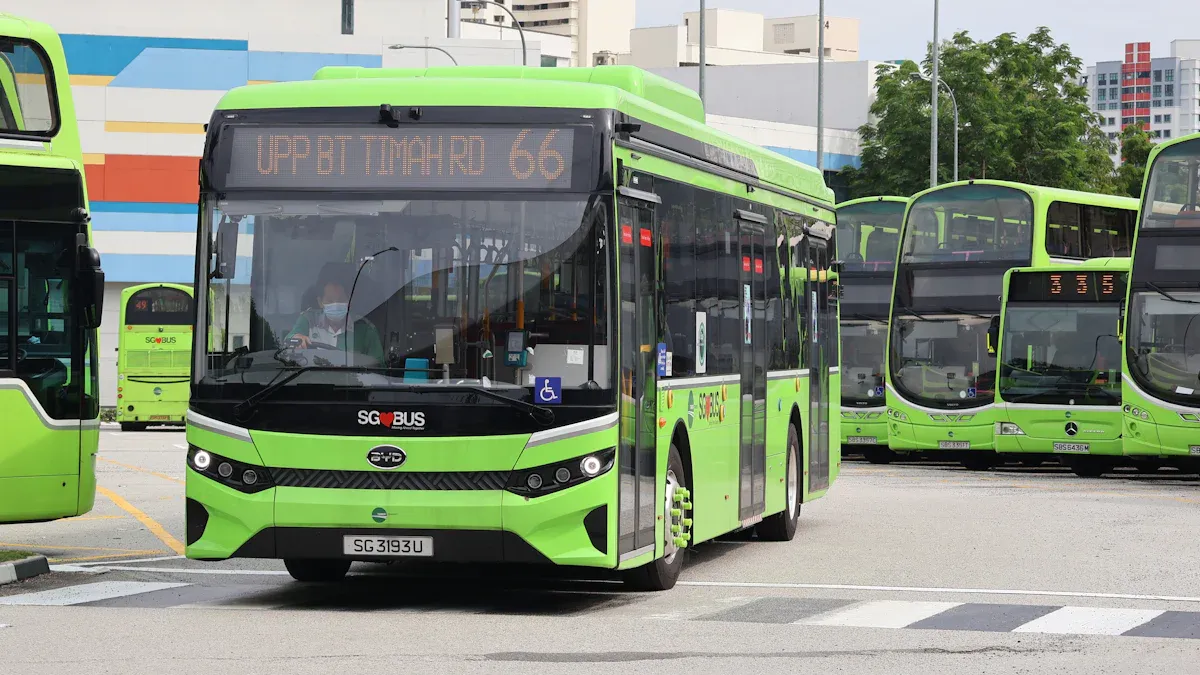
Attract high-value tourists and boost revenue by offering commercial EV charging. This essential amenity makes your Peruvian hotel a top choice for EV drivers.

Attract EV tourists to your Vietnam hotel by installing Level 2 AC chargers and updating OTA listings. This guide details infrastructure and marketing strategies.
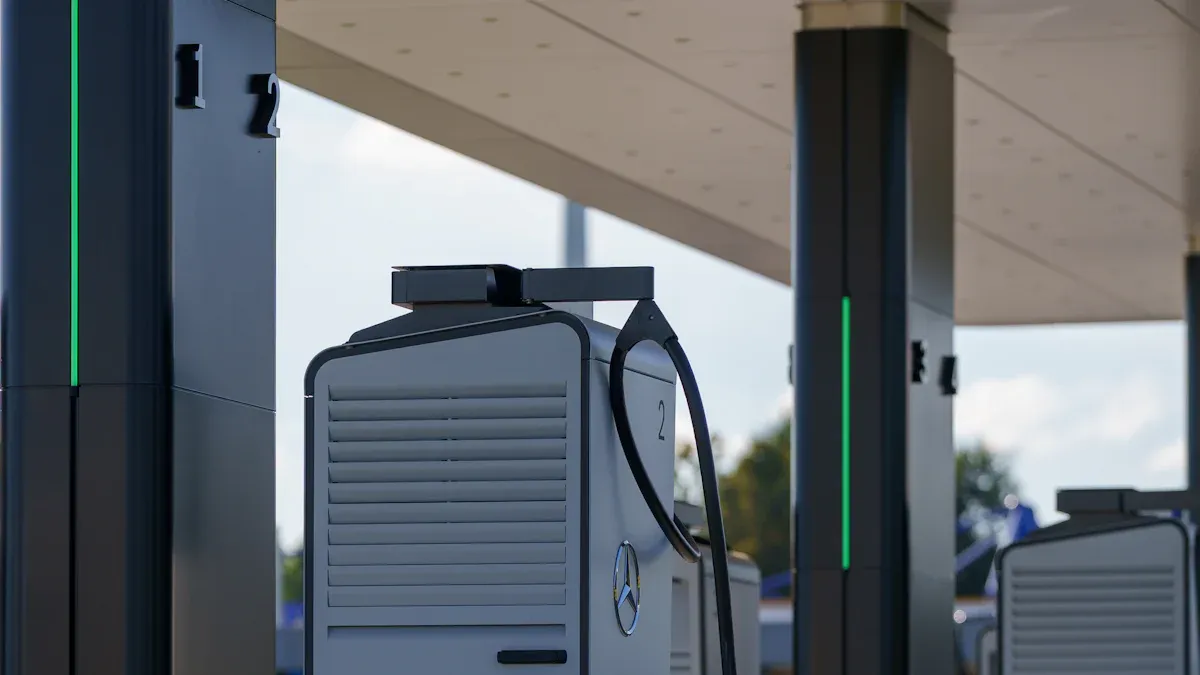
Building a private EV charging depot in Spain? This guide helps fleet managers navigate regulations, grid upgrades, hardware selection, and MOVES III funding.

This 2025 financial guide details commercial EV charging in Chile, with costs from $3,000 to $100,000+, a 3-10 year payback, and ROI analysis for your investment.
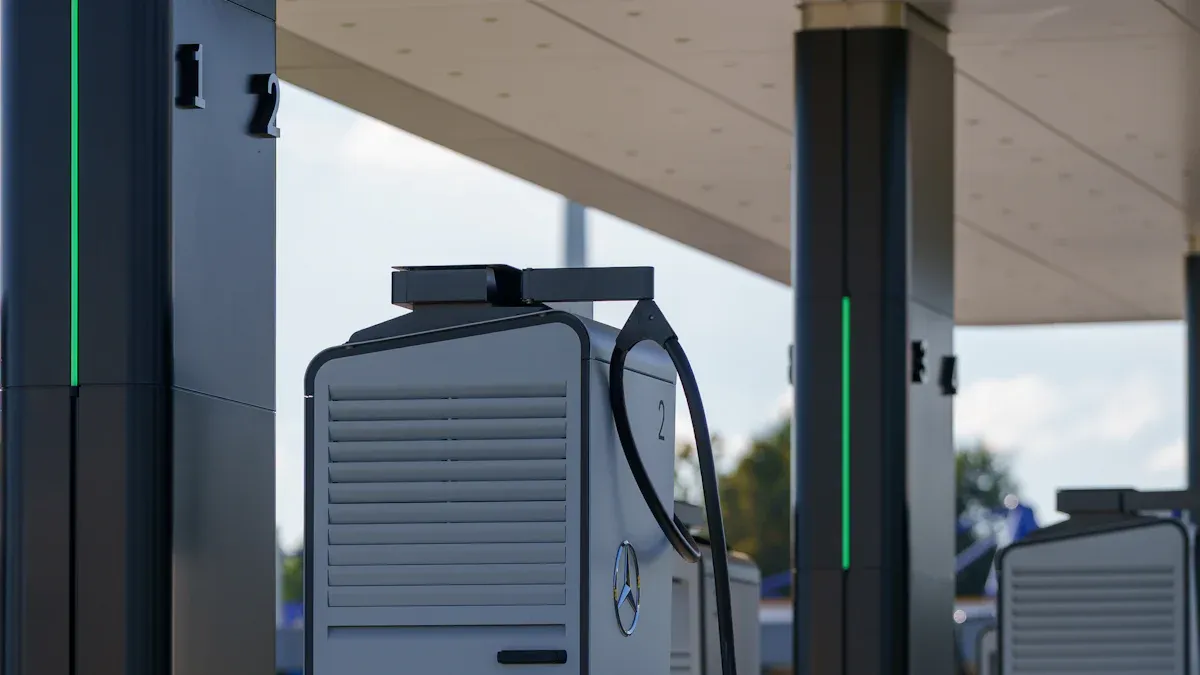
Get a guide for integrating commercial EV charging in new Singapore projects. It details EVCA’s 1% mandate, TR 25 compliance, and technical planning for developers.

In 2025, the Netherlands offers no direct government rebates for private home EV chargers. Incentives now focus on business tax deductions (MIA/VAMIL).

Yes, free EV charging stations exist, but they’re rare. Find them at supermarkets, hotels, and some public lots, but be aware of time limits and parking fees.

Yes, certified portable EV chargers are safe for Spanish EV owners. They use built-in RCDs, temperature sensors, and ground fault detection to prevent shock or fire.