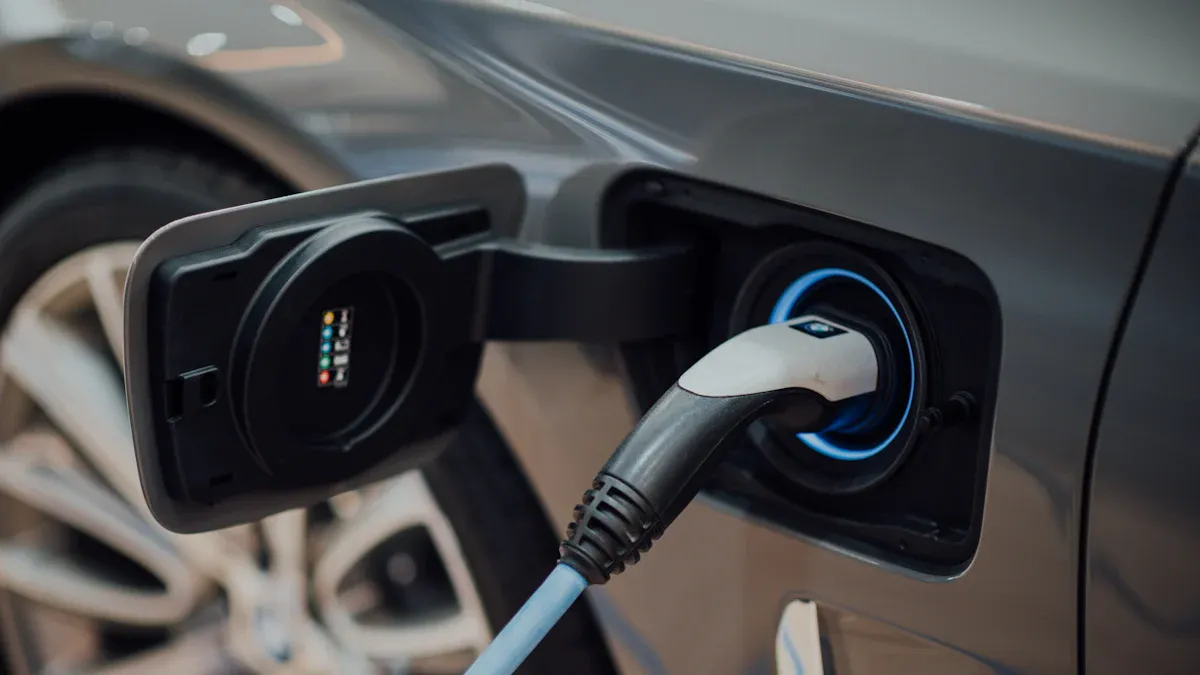
How To Install an EV Charger At Home
Ready to install an EV charger at home? This guide covers choosing a Level 2 charger, assessing your electrical panel, and hiring a qualified electrician for a safe setup.

Ready to install an EV charger at home? This guide covers choosing a Level 2 charger, assessing your electrical panel, and hiring a qualified electrician for a safe setup.

Installing an EV charger involves assessing your electrical panel, choosing a Level 2 unit, and hiring a licensed electrician to run a dedicated 240V circuit.
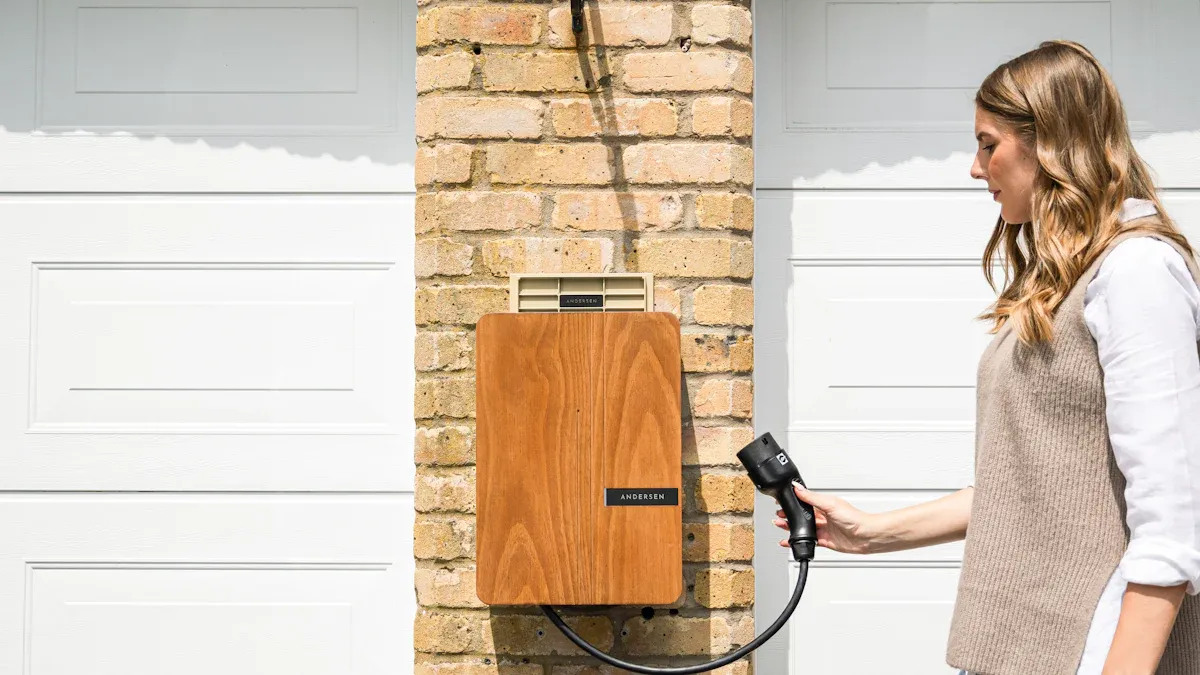
Access Canadian government rebates for your EV charger installation. Get up to $750 back by following our guide on eligibility, approved chargers, and applications.
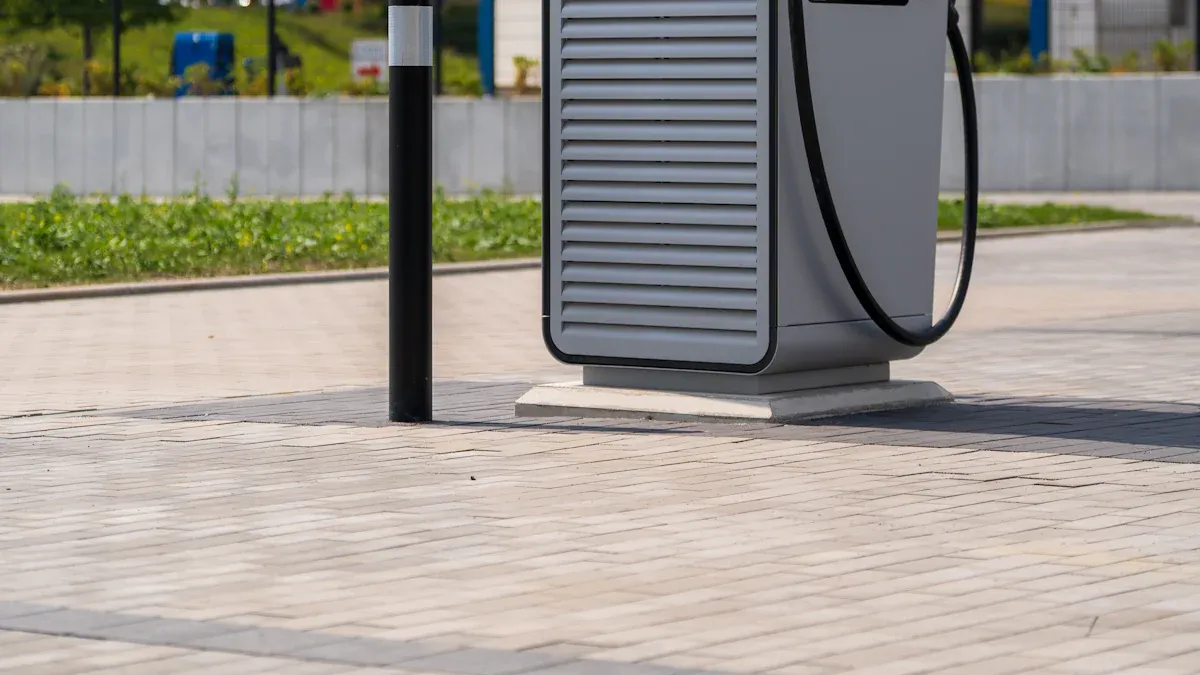
Easily find EV charging stations using dedicated apps like PlugShare, your car’s navigation, or Google Maps. Filter by plug type and check real-time availability.
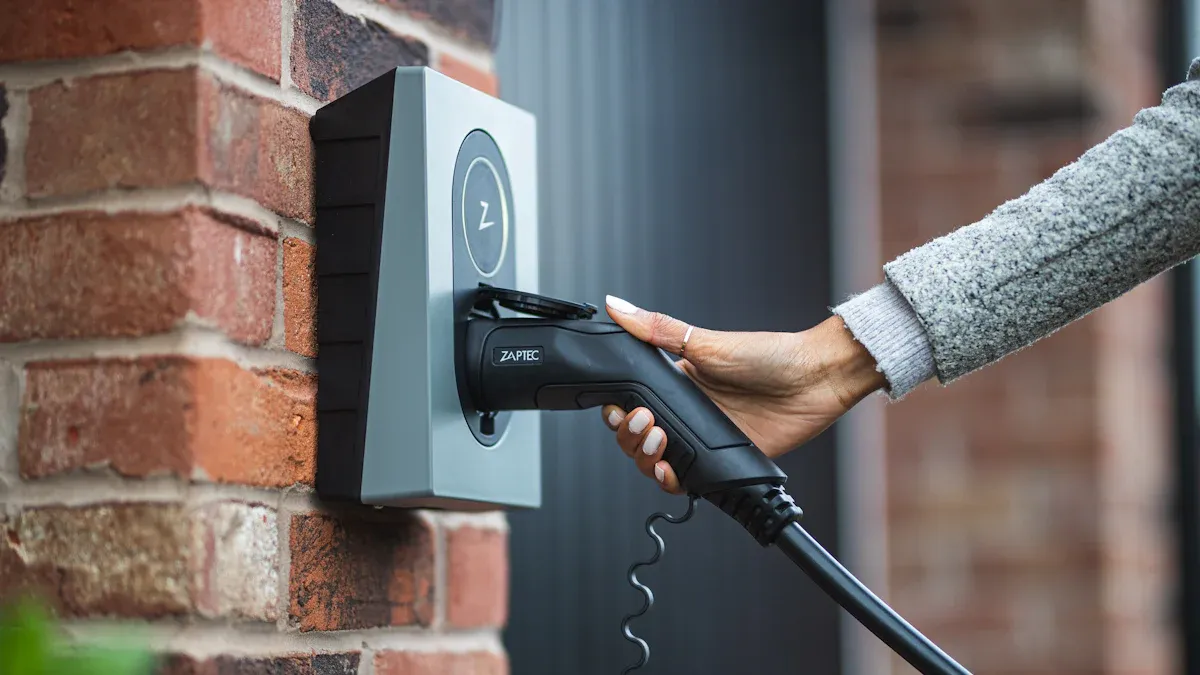
Find a qualified electrician in Colombia by verifying their Matrícula Profesional and RETIE certification. Assess their EV charger installation experience for a safe home setup.
Living in France? Your ‘droit à la prise’ is a legal right to install an EV charger. This guide shows how to convince your landlord or HOA by following the law.
Select the right EV charging box in France by matching power (7.4kW, 11kW) to your home’s electrical system and your car’s capacity. This guide covers it all.
Ready to choose the best EV charger in Germany? This 2025 guide details why an 11 kW smart wallbox is the top choice for home charging, covering costs and features.
Choosing an EV charging solution for a UK apartment requires assessing your site, using smart chargers for compliance, and implementing dynamic load management.

Choosing a portable EV charger for Malaysia? Ensure it has a BS 1363 (Type G) plug, a 230V/50Hz rating, and adjustable amps for safe charging from a 13A socket.
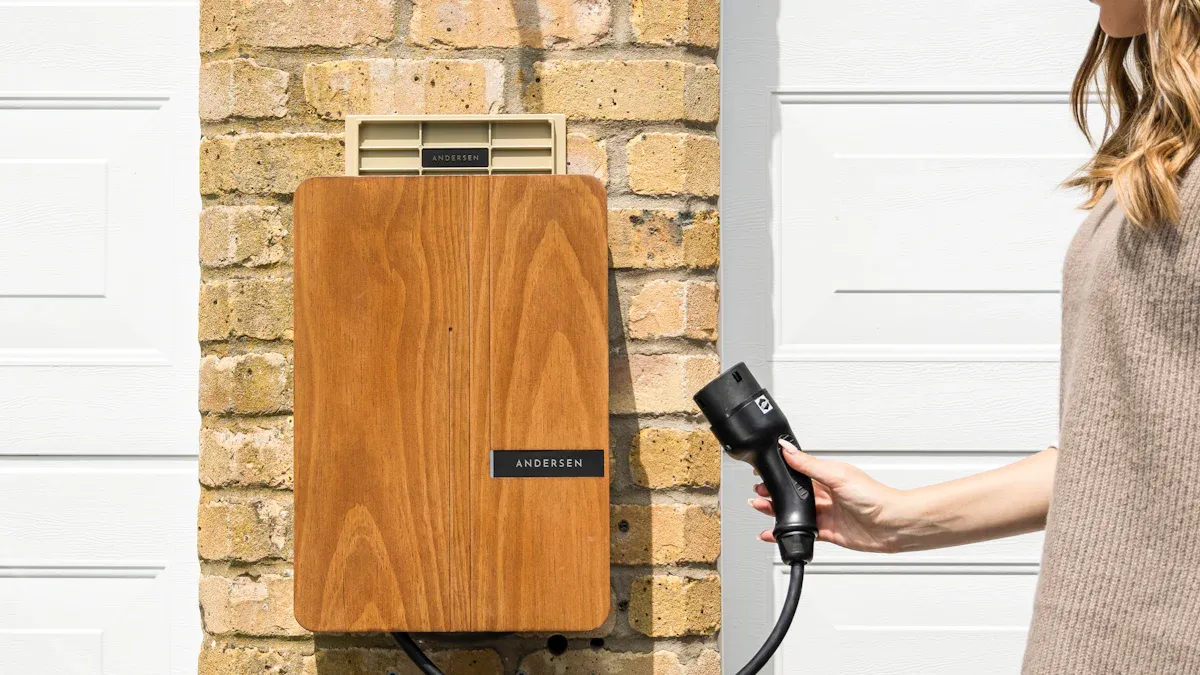
Choose a reliable portable EV charger for Brazil by ensuring it has dual-voltage (127V/220V) support, INMETRO certification, and a high IP65+ weather rating.

Choose the best EV charger for your Singapore home by selecting a TR 25:2022 compliant AC Level 2 unit matched to your single or three-phase power supply.

Charge an EV at home using a standard 120V wall outlet for basic needs or a 240V Level 2 charger for faster, safer charging that ensures a full battery overnight.

Charge your EV at home with a wall box or standard outlet, or use public stations for fast charging on the go. This guide covers how to find and use chargers.
Select a charging box for Argentina with built-in overvoltage/undervoltage protection (OVP/UVP) to shield your EV from grid instability and prevent costly damage.

Calculate your EV charging cost by multiplying your electricity rate ($/kWh) by the energy added (kWh). For a full charge, use: Rate x Battery Size = Total Cost.

Smart load balancing technology solves the apartment EV charging problem by intelligently distributing power, allowing more chargers on existing electrical systems.

Attract more customers to your Spanish retail business by installing an EV charging station. This turns your location into a destination for high-value EV drivers.