The Dangers of Cheap, Uncertified EV Adapters: A Warning for All European Drivers
Dangers of Cheap Adapters include fire, electric shock, and voided insurance. Choose certified EV adapters to protect your vehicle, home, and safety.

Dangers of Cheap Adapters include fire, electric shock, and voided insurance. Choose certified EV adapters to protect your vehicle, home, and safety.
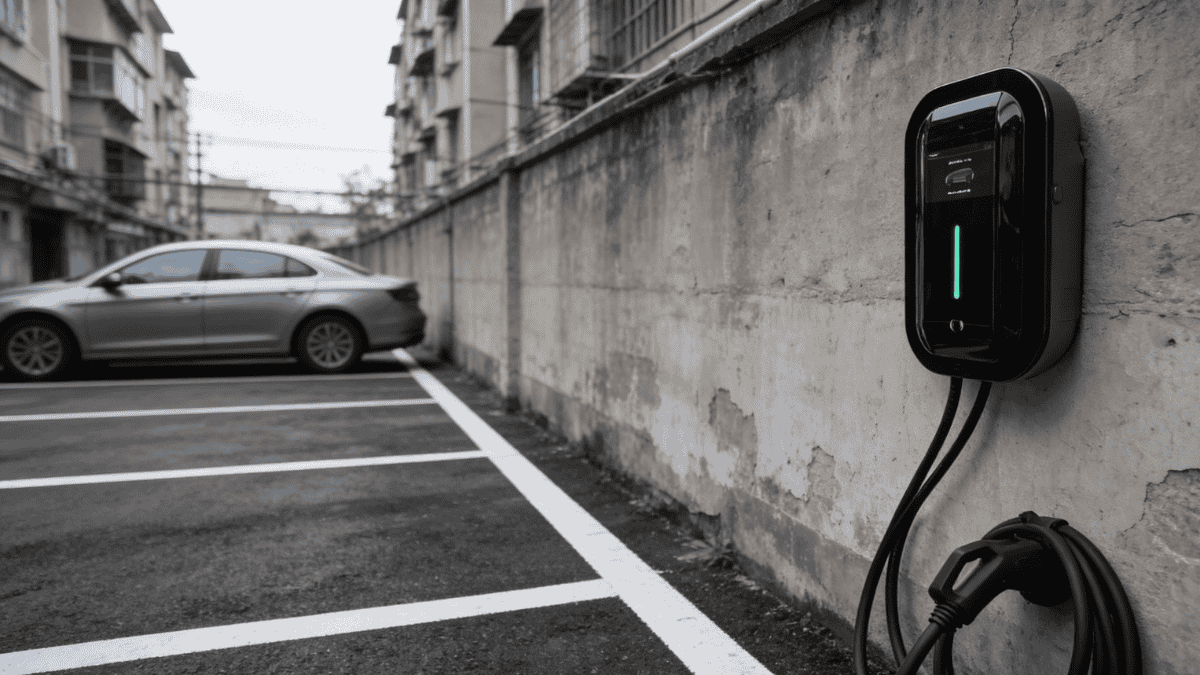
Using a 12-gauge extension cord for EV charging is a common point of confusion that carries significant safety implications depending on the amperage of the charger. While 12 AWG is standard for many household tools, it is often insufficient for the sustained 16-amp or 20-amp loads of Level 1 and Level 2 chargers, making it vital to understand the “continuous load” rules before plugging in.
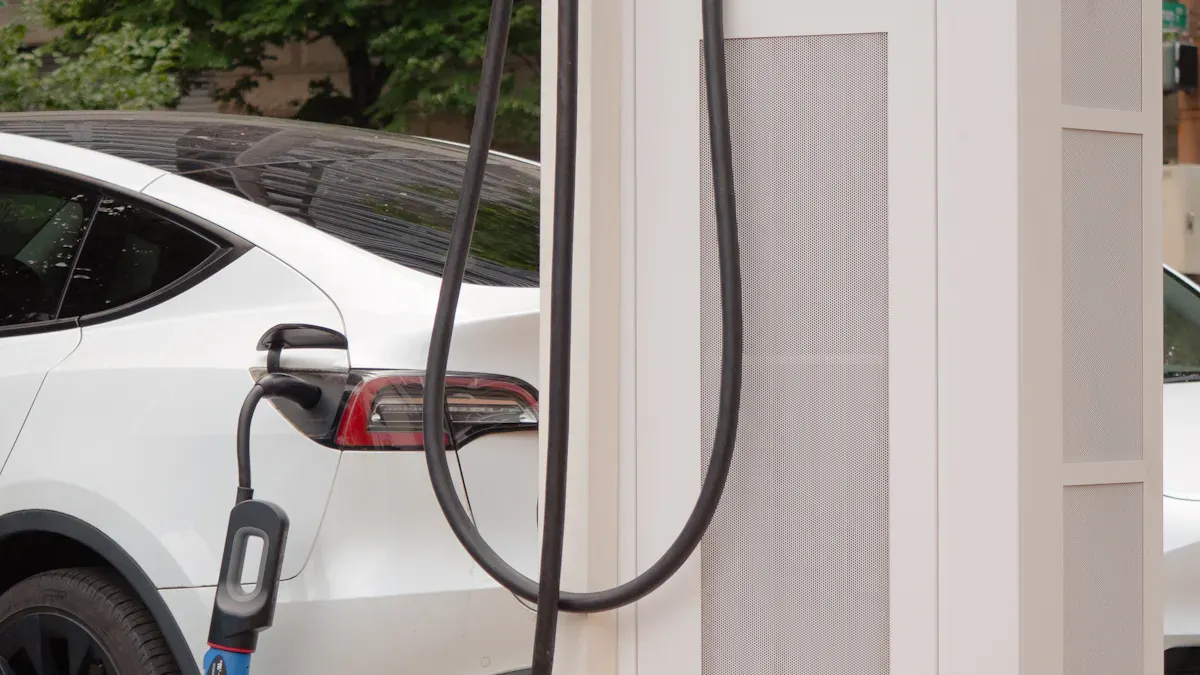
The business case for Level 3 EV chargers at French supermarkets and malls centers on increased sales, new revenue streams, and enhanced brand value.

Not all extension cords are created equal, especially when tasked with carrying the continuous, high-wattage load required by an electric vehicle. Finding the best extension cord involves identifying products with the correct wire gauge and weather-resistant insulation, coupled with a deep understanding of the safety protocols necessary to prevent electrical fires during prolonged use.
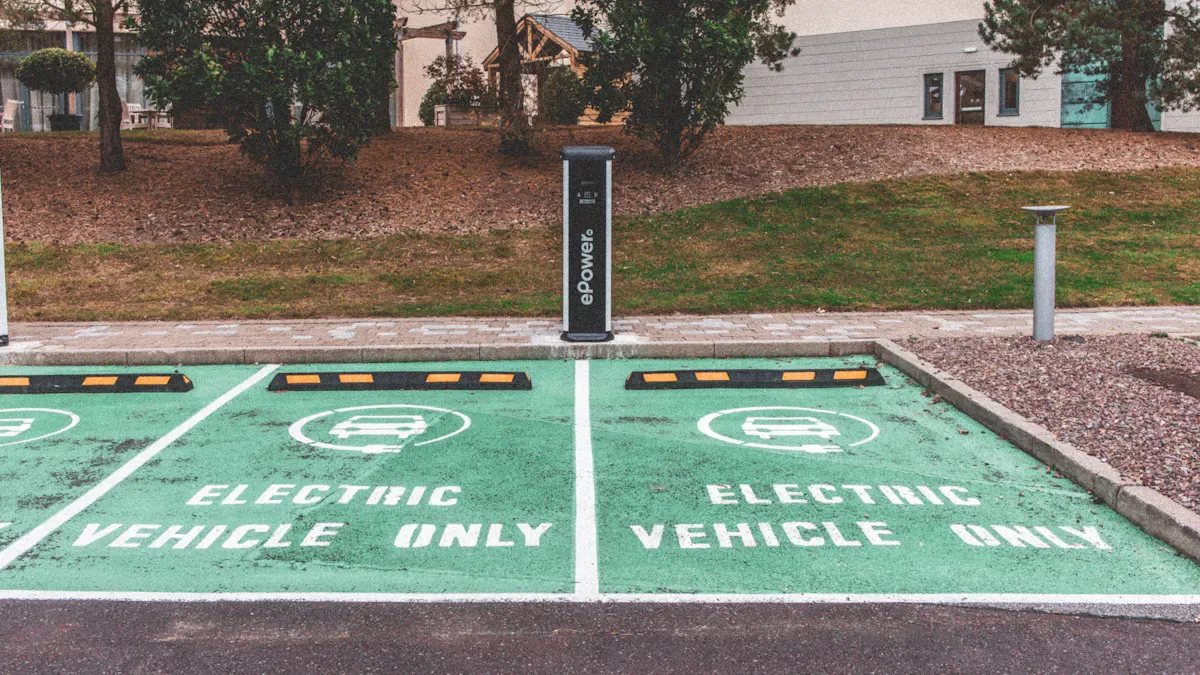
The business case for Level 2 EV chargers at hotels in Thailand: boost bookings, meet guest demand, and support sustainability with smart charging solutions.
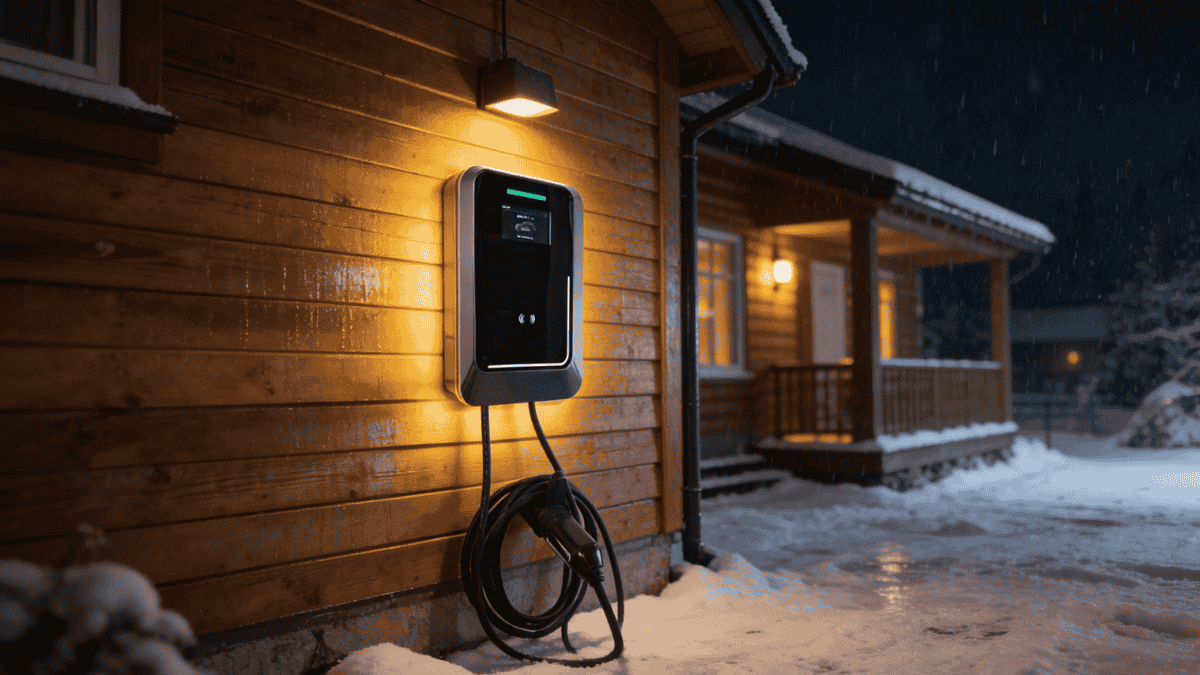
While the standard cables provided with EV chargers are often sufficient, specialized extension and management solutions are frequently required to bridge the gap in complex garage or driveway layouts. This guide explores the engineering requirements for heavy-duty EV extensions and the best practices for cable storage to prevent tripping hazards and premature wear on expensive connectors.

The business case for EV chargers in Brazilian apartments: boost property value, attract tenants, and future-proof investments with sustainable solutions.
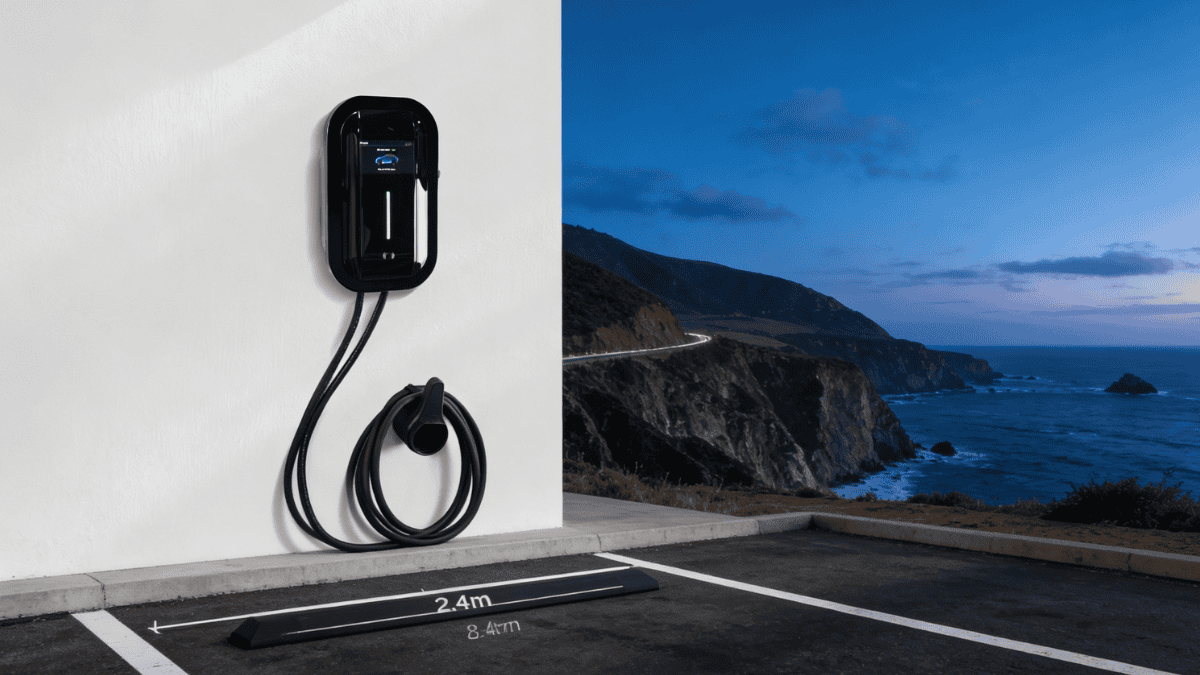
A sophisticated EV fleet charging strategy prioritizes maximum vehicle uptime while minimizing peak-demand utility charges through scheduled off-peak charging. By integrating telematics with smart charging platforms, fleet managers can gain granular control over energy consumption, ensuring that operational efficiency is maintained at the lowest possible cost per mile.

Commercial EV Charging boosts bookings, revenue, and guest loyalty for Italian hotels and restaurants while enhancing sustainability and ROI.
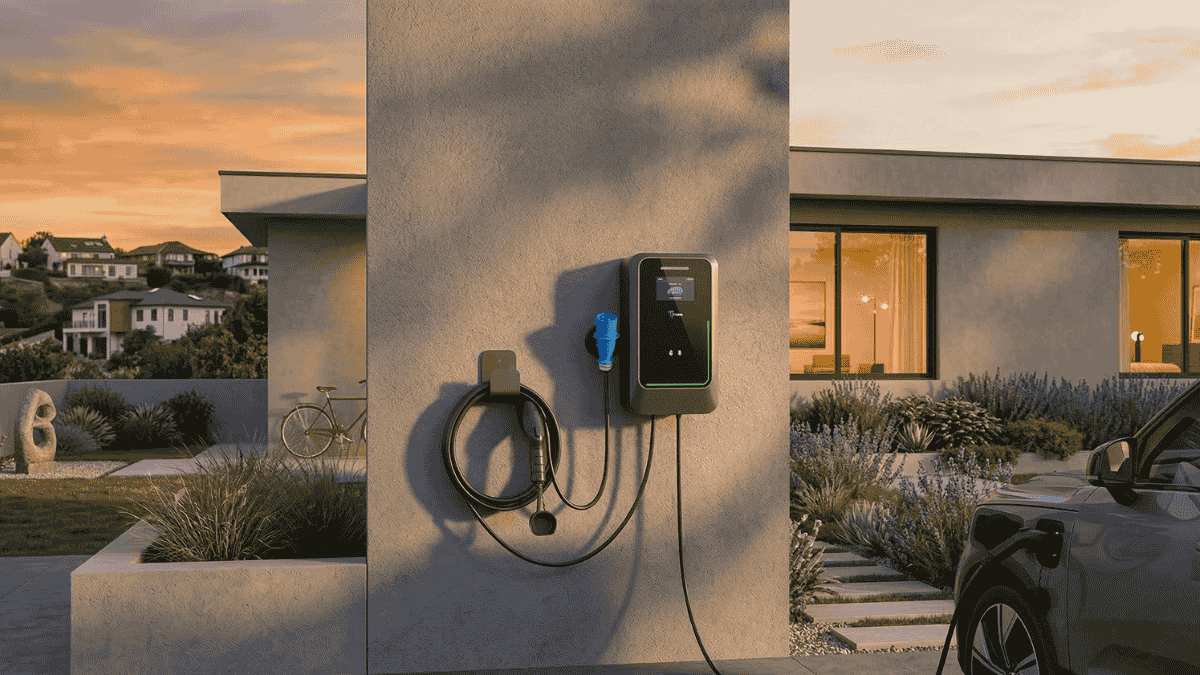
Transitioning a commercial fleet to electric power demands an infrastructure that can grow alongside your vehicle count without requiring a total system overhaul. Scalability in fleet charging hinges on modular hardware and intelligent load-sharing software that can dynamically distribute power, ensuring that every vehicle is mission-ready without exceeding the site’s peak electrical limits.

University campuses represent unique micro-grids that require highly scalable and smart charging solutions to accommodate students, faculty, and visitors. Implementing a centralized charging management system allows educational institutions to balance high-density demand with campus-wide sustainability goals while maintaining the flexibility to expand as EV adoption grows.
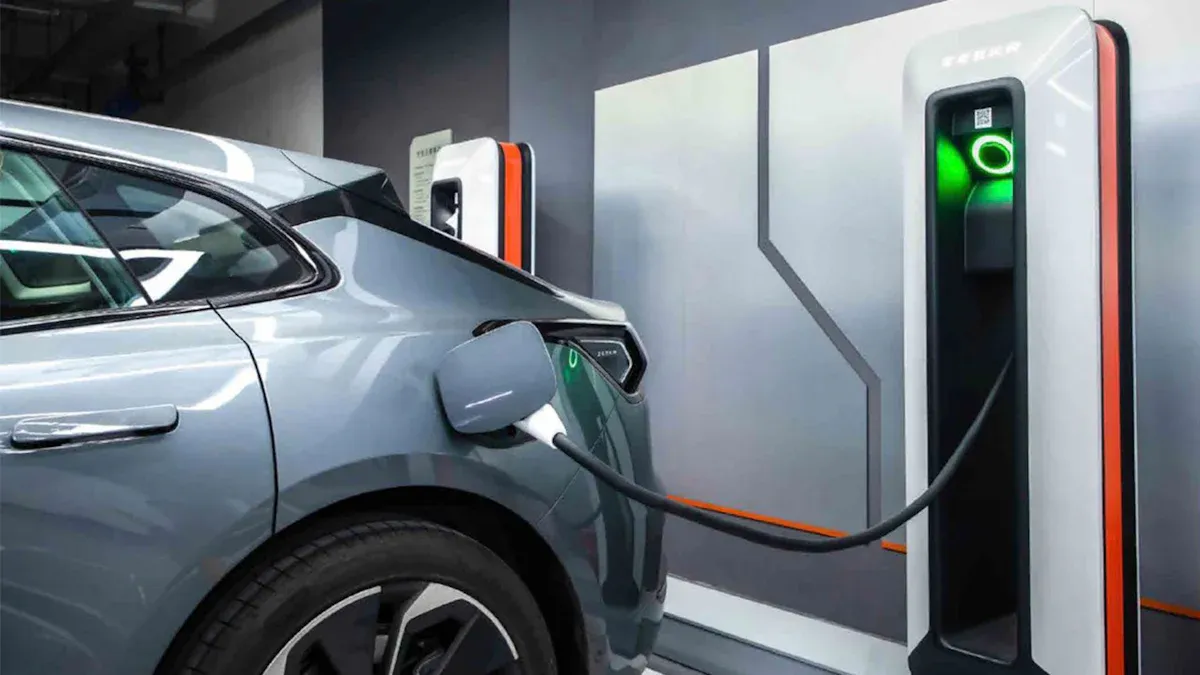
Tethered vs. untethered AC wall chargers: Compare convenience, cost, and flexibility to choose the best EV charging solution for German homes in 2025.
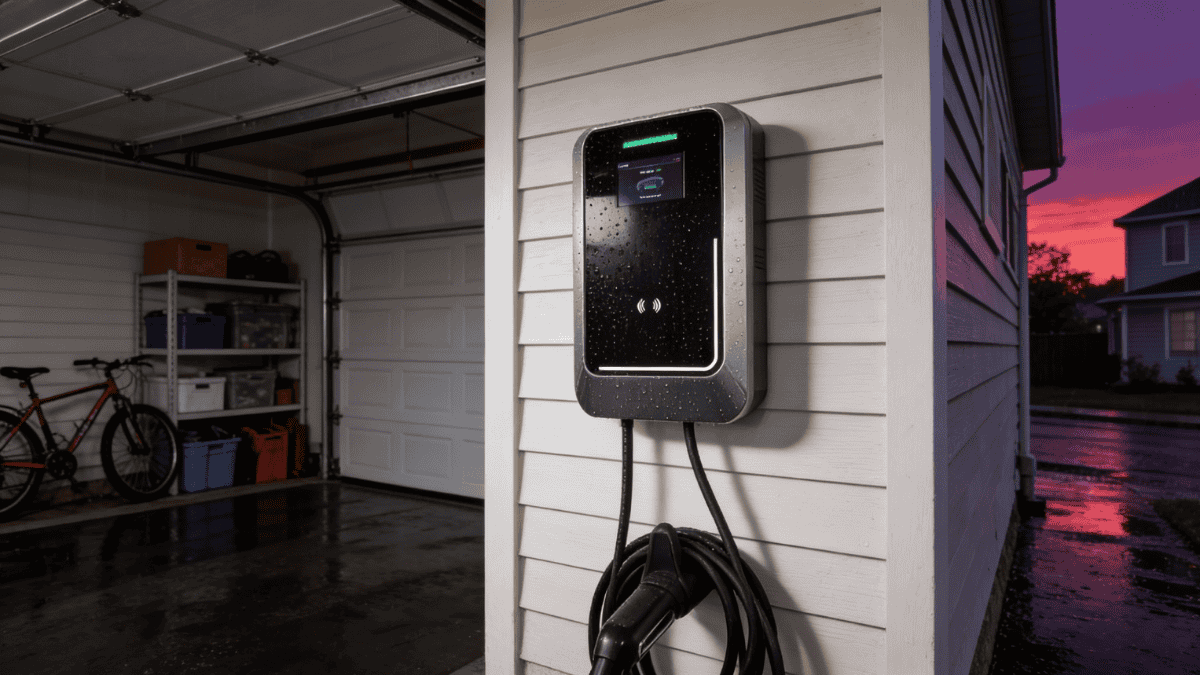
In the modern competitive labor market, offering workplace EV charging has become a cornerstone of a premium employee benefits package. By providing a reliable way for staff to charge during office hours, companies not only support their employees’ transition to sustainable transport but also significantly improve retention rates among environmentally conscious professionals.

End the billing nightmare for French properties with smart EV charging systems that automate, clarify, and simplify multi-user billing and compliance.

Calculating the Return on Investment (ROI) for parking lot charging stations involves analyzing more than just direct charging fees; it includes increased property desirability, government tax incentives, and potential carbon credit sales. This analysis provides the data-driven framework necessary for stakeholders to understand the payback period and long-term financial viability of large-scale charging deployments.
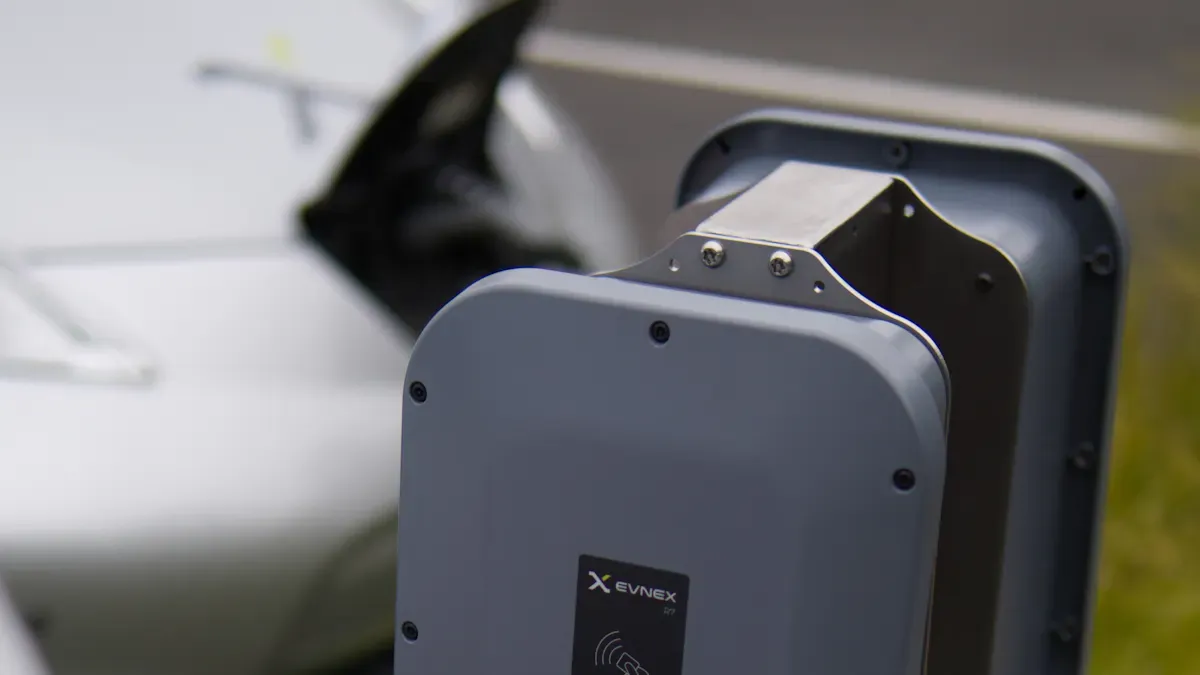
Portable EV chargers tackle charging challenges in Indonesia by offering flexible, reliable solutions for drivers facing limited infrastructure and range anxiety.
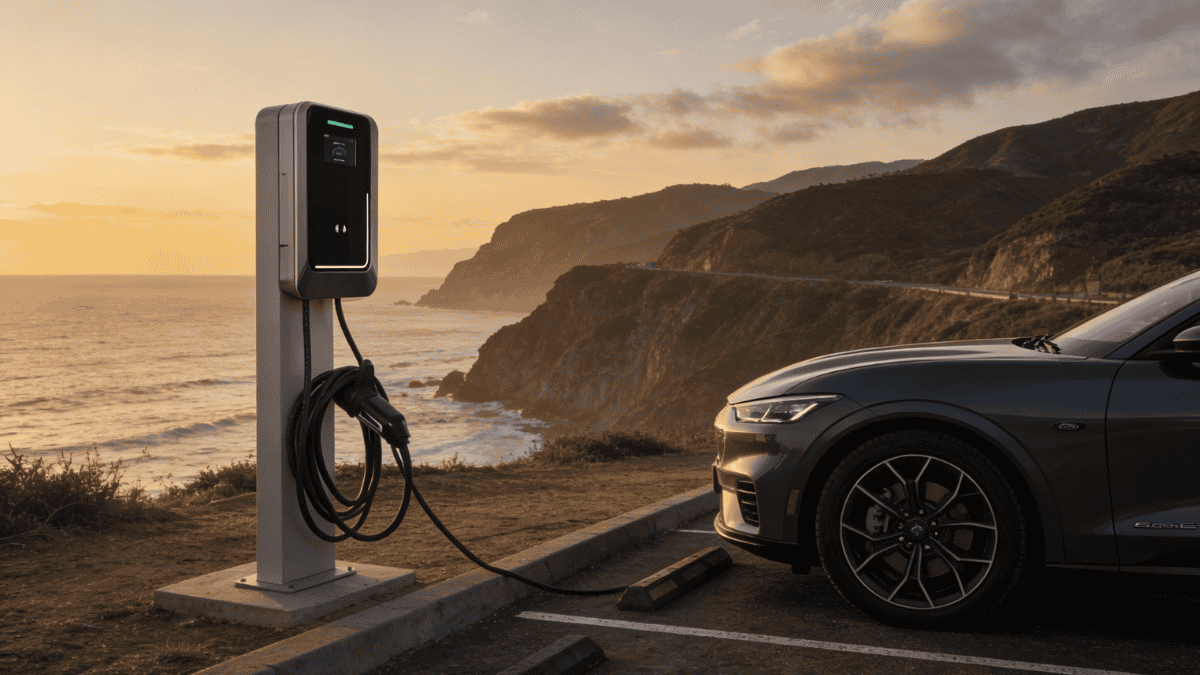
A successful commercial EV charging deployment begins long before the first trench is dug, requiring meticulous load calculations and site layout planning to minimize disruption to existing operations. By following a structured execution roadmap—from initial utility coordination to final commissioning—businesses can avoid costly mid-project corrections and ensure a seamless rollout.
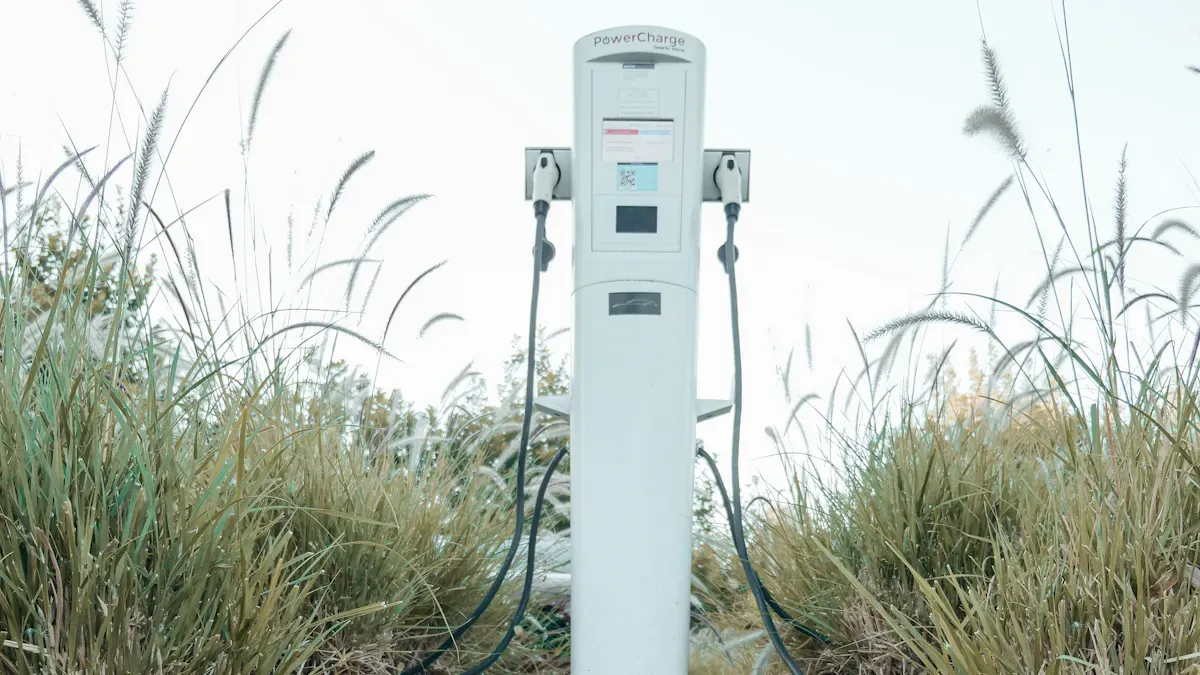
Level 3 chargers in Indonesia ease range anxiety by enabling fast, reliable charging for EV drivers, supporting both daily commutes and long-distance travel.