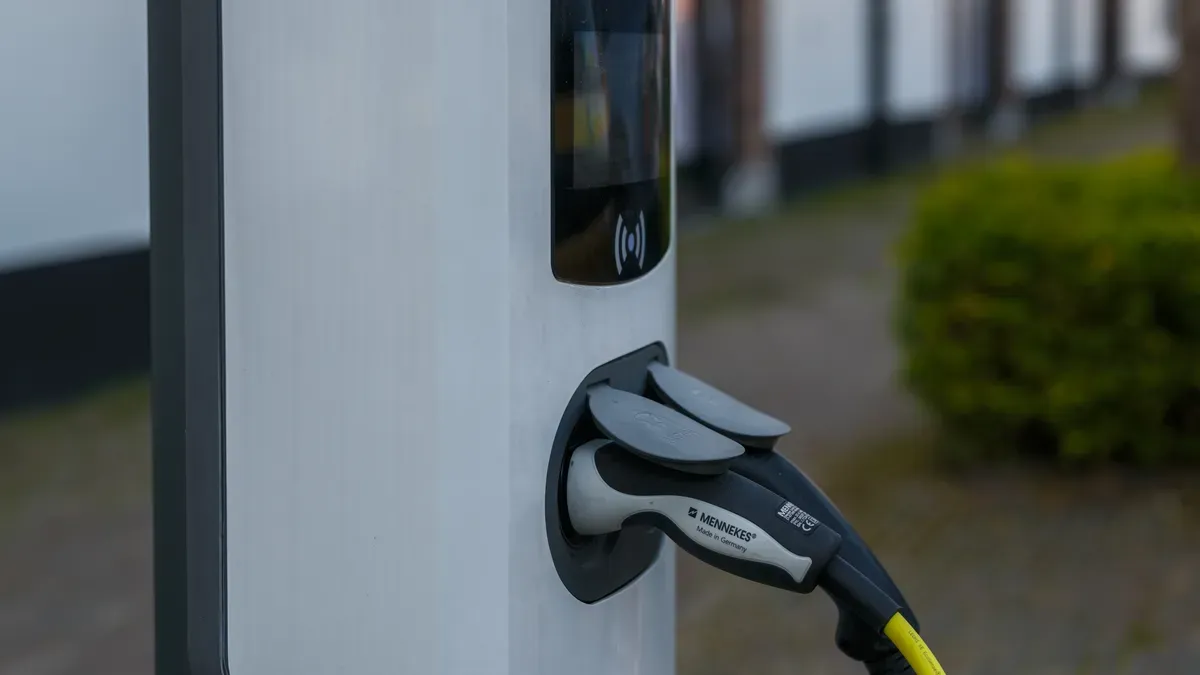
What is the Best Overall EV Charging Solution for New Owners in Peru?
A home Level 2 charger is the best overall EV charging solution for new owners in Peru, offering convenience, cost savings, and future compatibility.

A home Level 2 charger is the best overall EV charging solution for new owners in Peru, offering convenience, cost savings, and future compatibility.
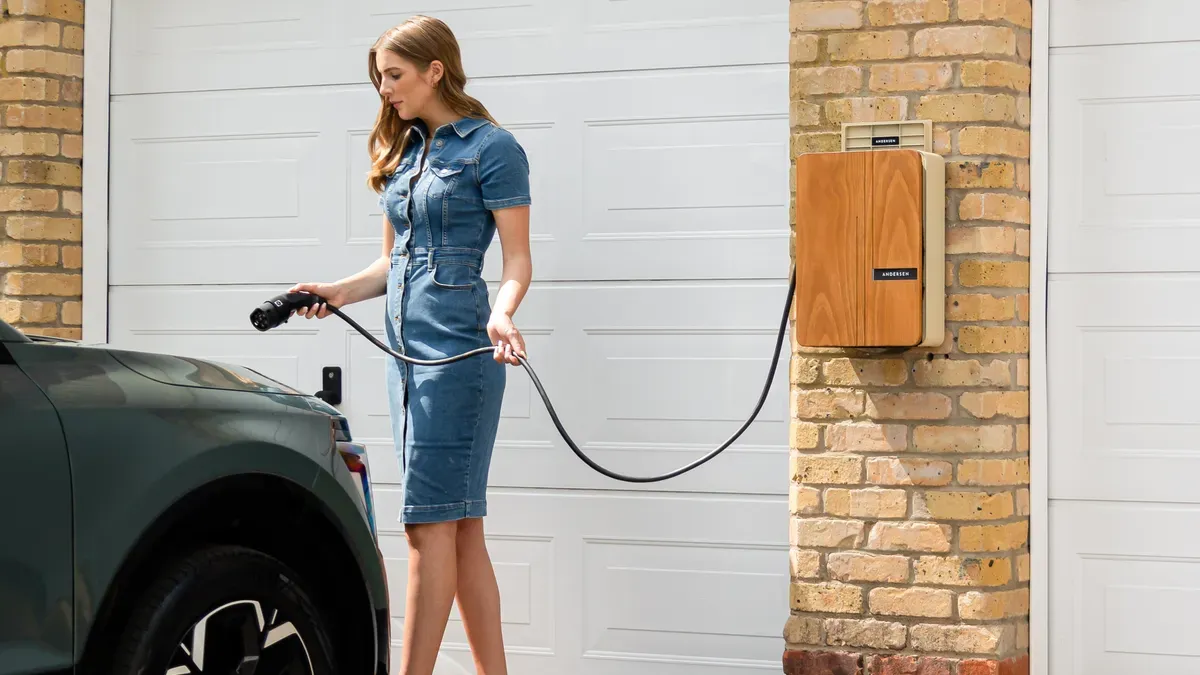
The average cost to fully charge an electric car in the US ranges from $8 to $24, depending on battery size, electricity rates, and charging location.
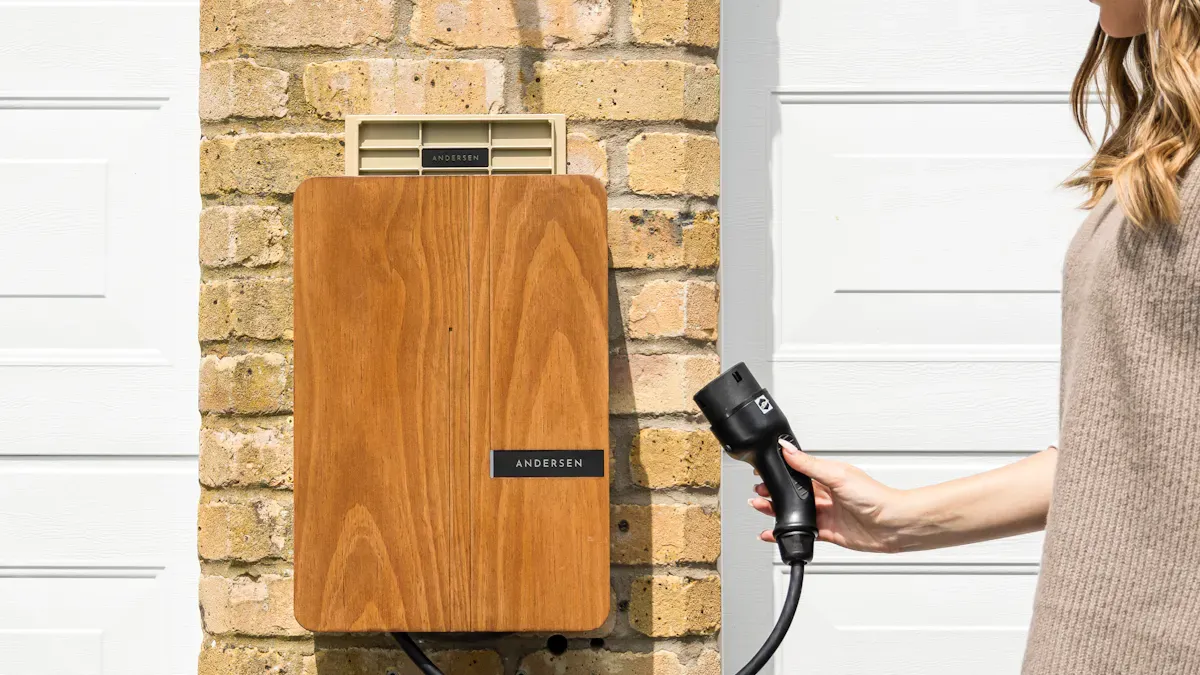
The average cost for a home EV charging station and installation ranges from $1,000 to $2,500, depending on charger type, labor, and upgrades.
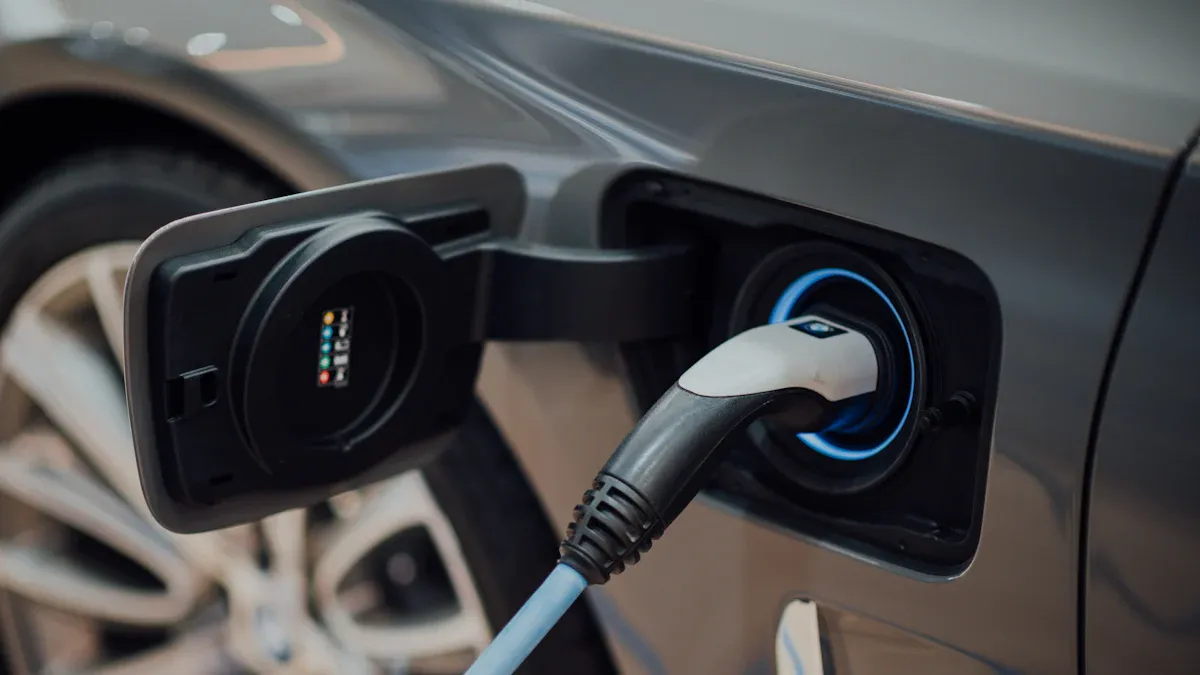
The 80% rule for EV means charging up to 80% to protect battery health, boost efficiency, and extend battery lifespan for daily electric vehicle use.
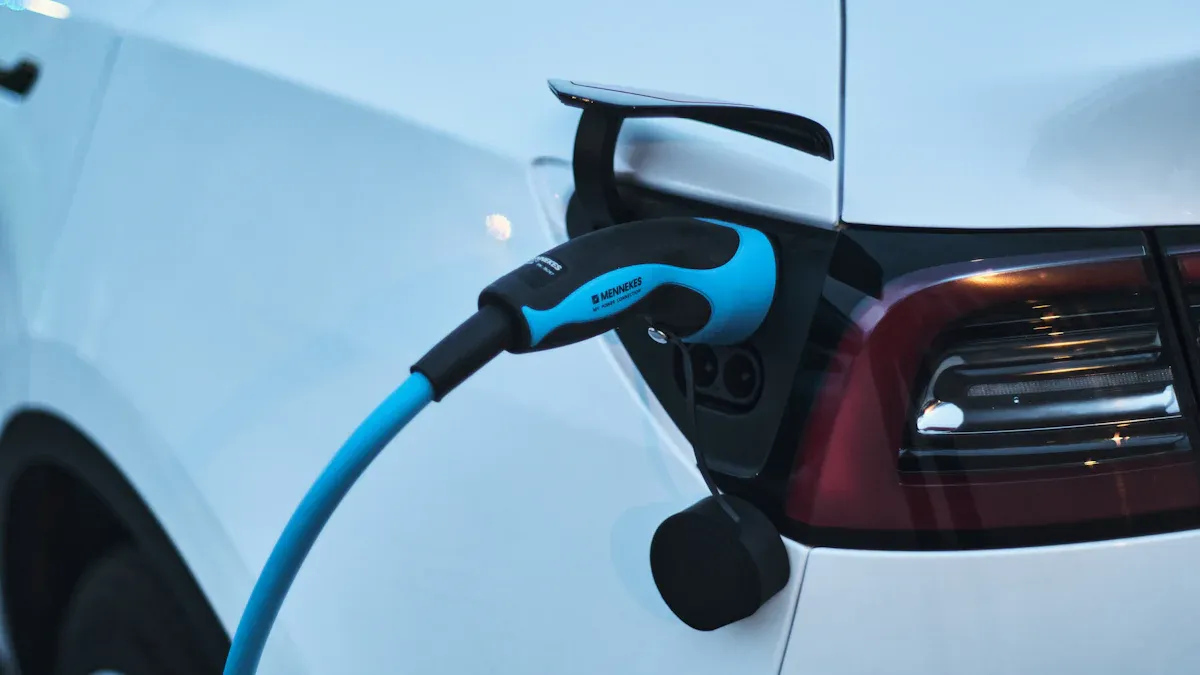
The 80/20 charging rule means keeping your battery between 20% and 80% charge to reduce wear, extend lifespan, and maintain optimal performance.
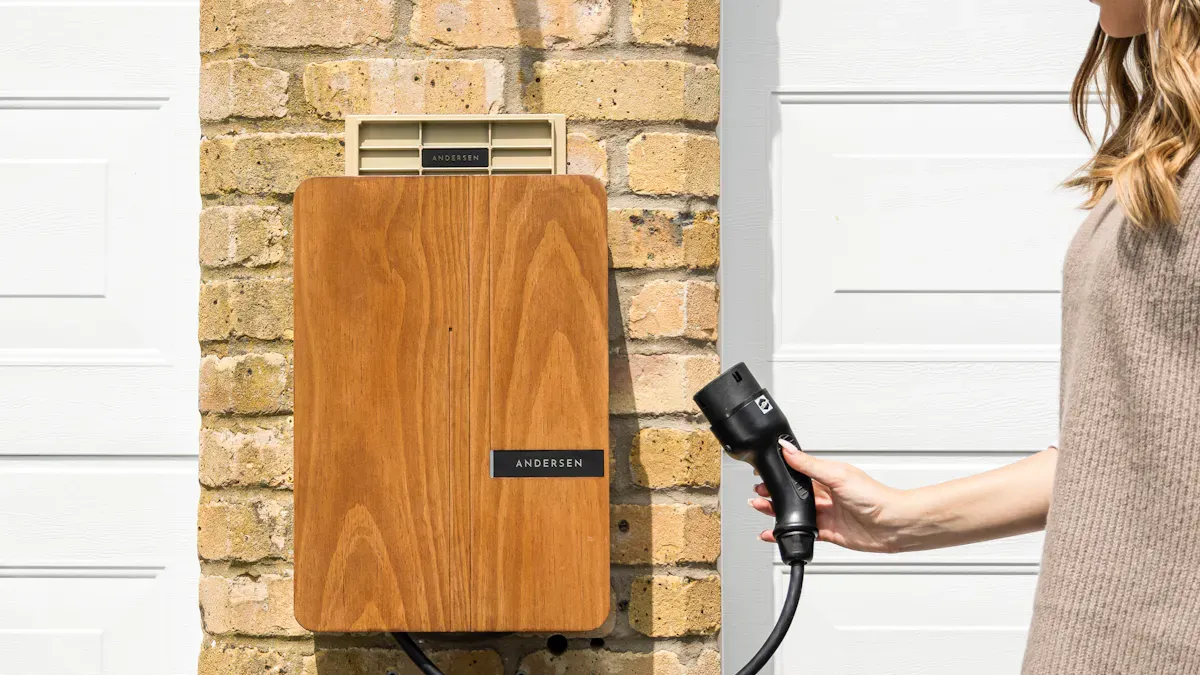
A Type 2 Connector is the European EV charging standard, offering compatibility, safety, and fast charging for most new electric vehicles.
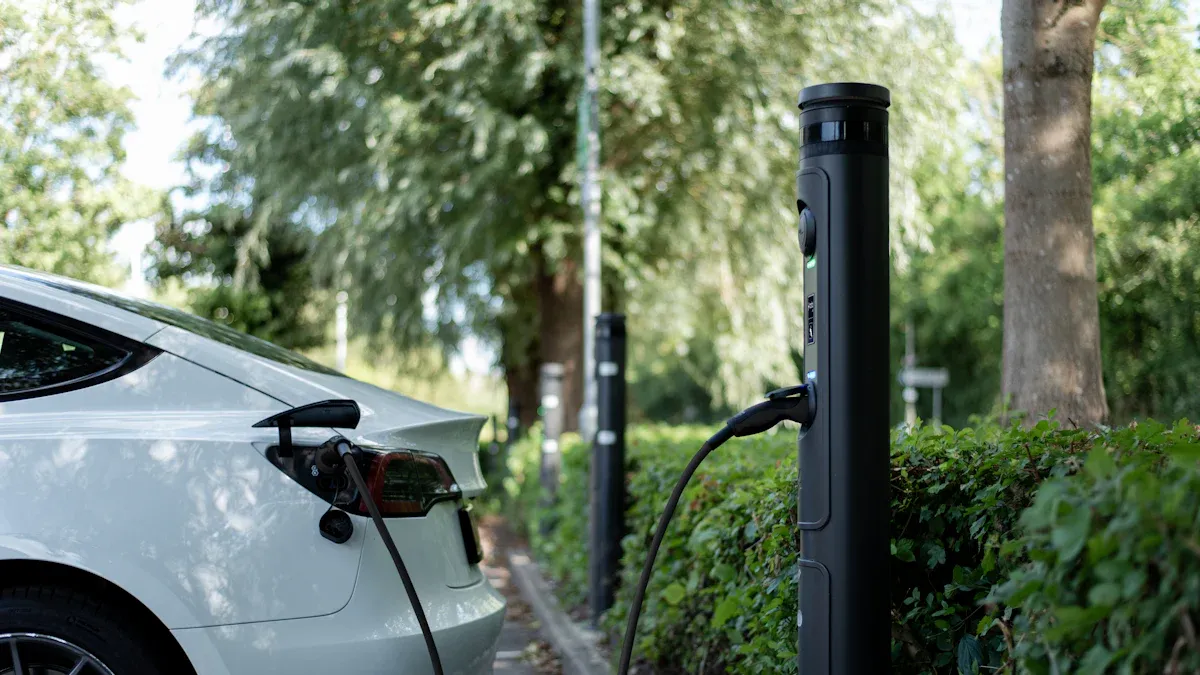
A level 2 EV charger uses a 240-volt outlet to charge electric vehicles faster, adding 15-30 miles of range per hour for convenient home or public charging.
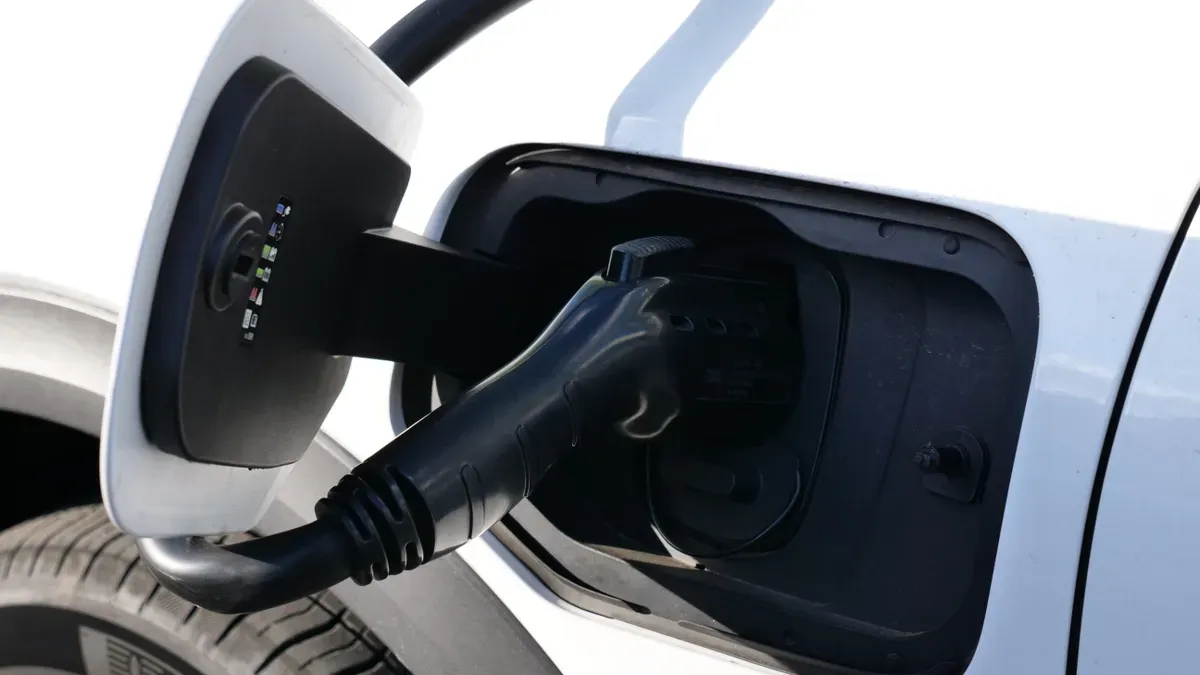
A J1772 Connector is the standard plug for Level 1 and Level 2 EV charging in North America, ensuring safe, reliable charging for most electric vehicles.

A smart EV charging network offers secure, efficient charging for apartments, boosting tenant satisfaction, energy savings, and property value.
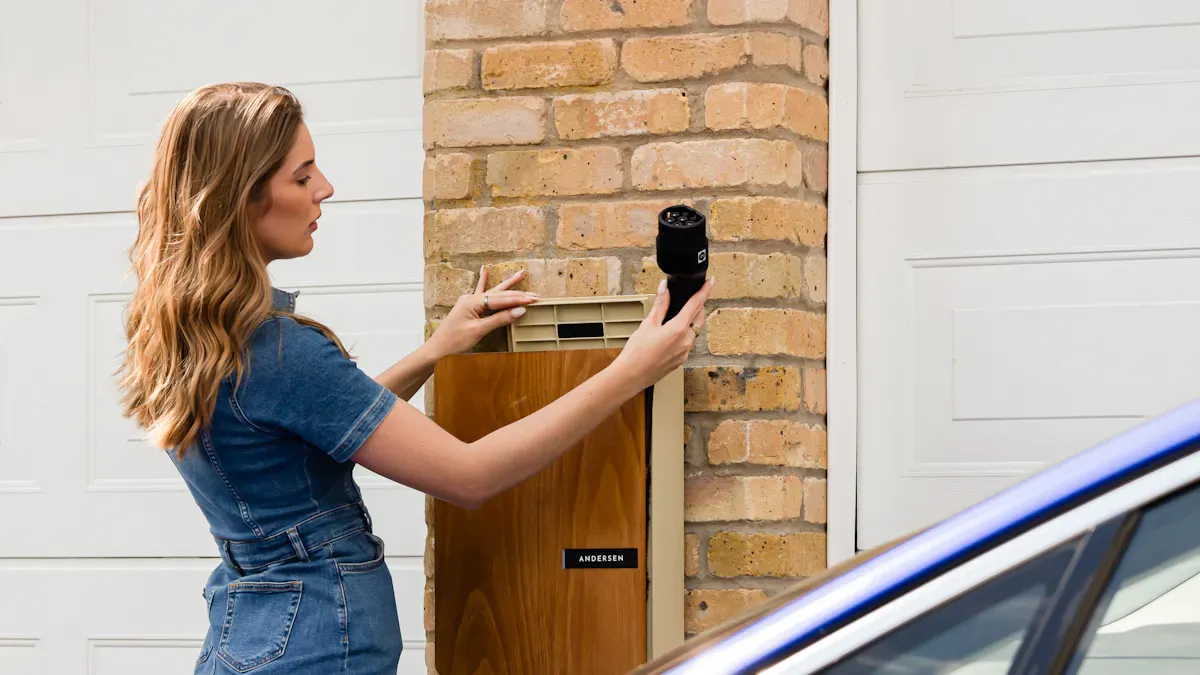
A box charging station is a dedicated home EV charger for UK drivers, offering safe, efficient charging and compatibility with most electric vehicles in 2024.
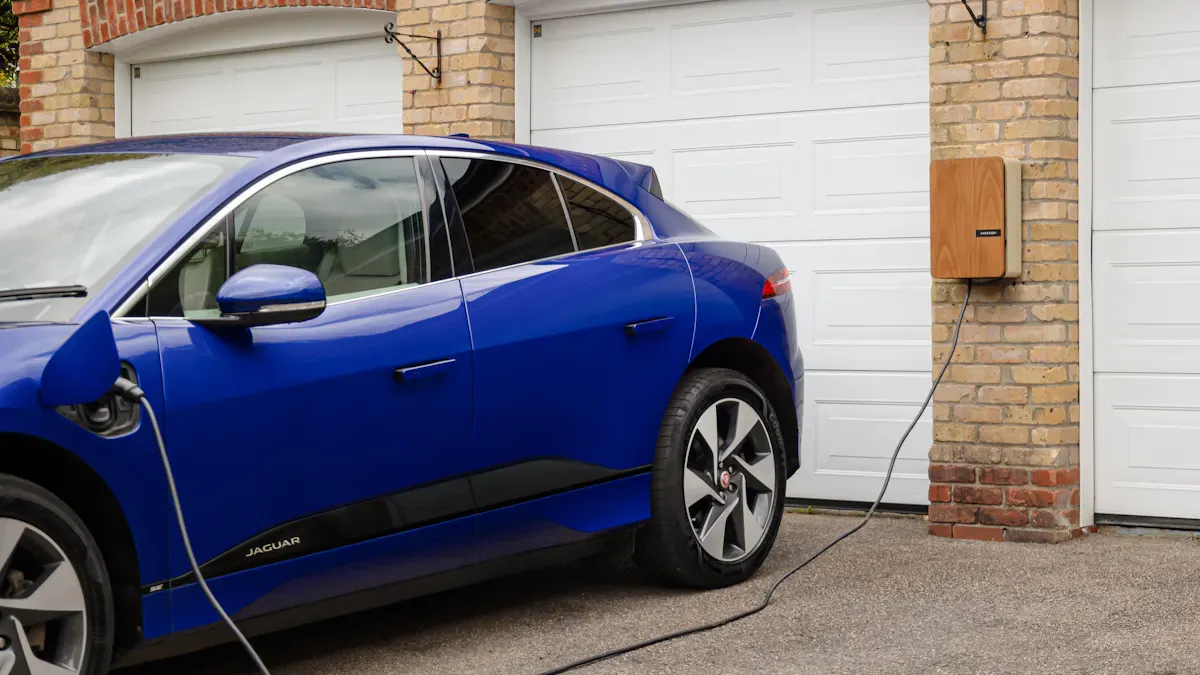
Federal, state, and local incentives or rebates can offset home EV charging station costs. See eligibility, savings, and how to combine programs for maximum benefit.
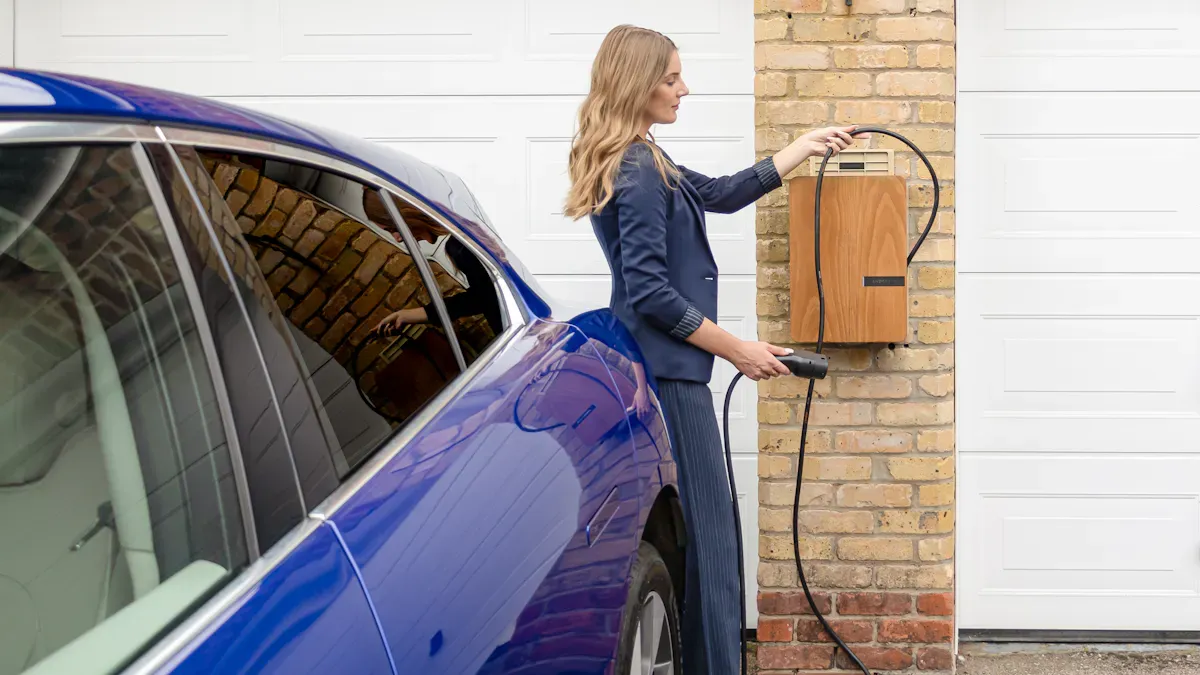
Fix Level 1 Charger issues with step-by-step troubleshooting for Brazilian EV owners. Address slow charging, interruptions, and error codes safely at home.
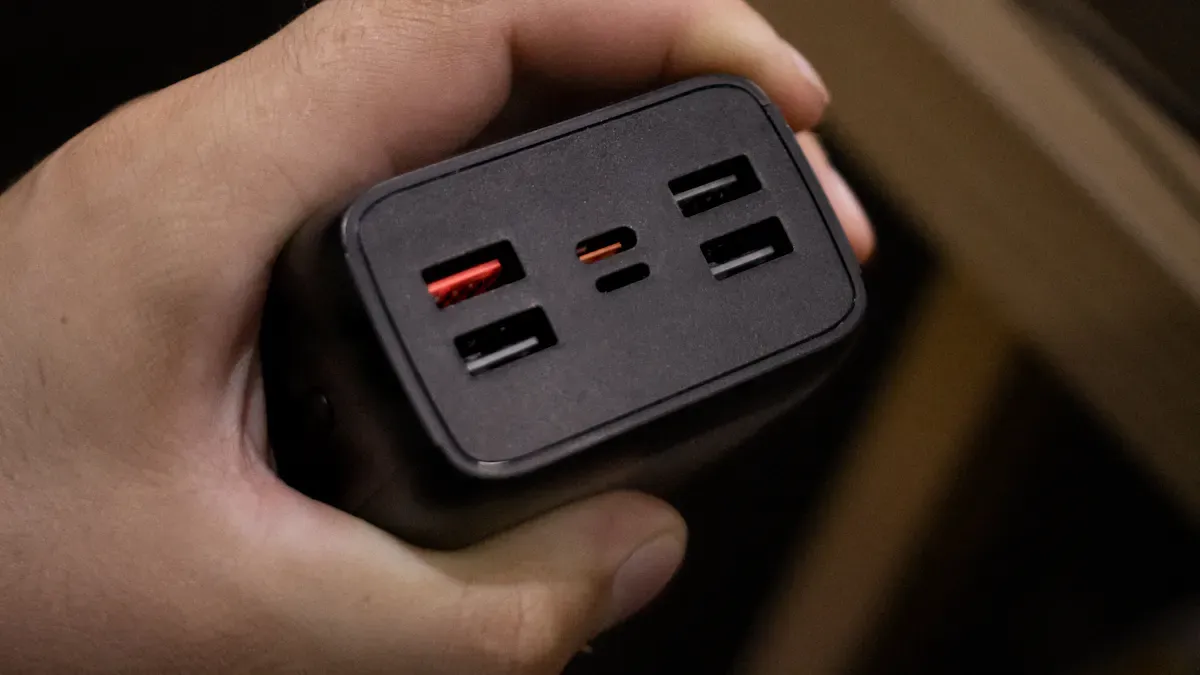
Solve AC Wall Charger issues fast. Identify faults, fix common problems, and know when to replace your charger for safe, reliable device charging.
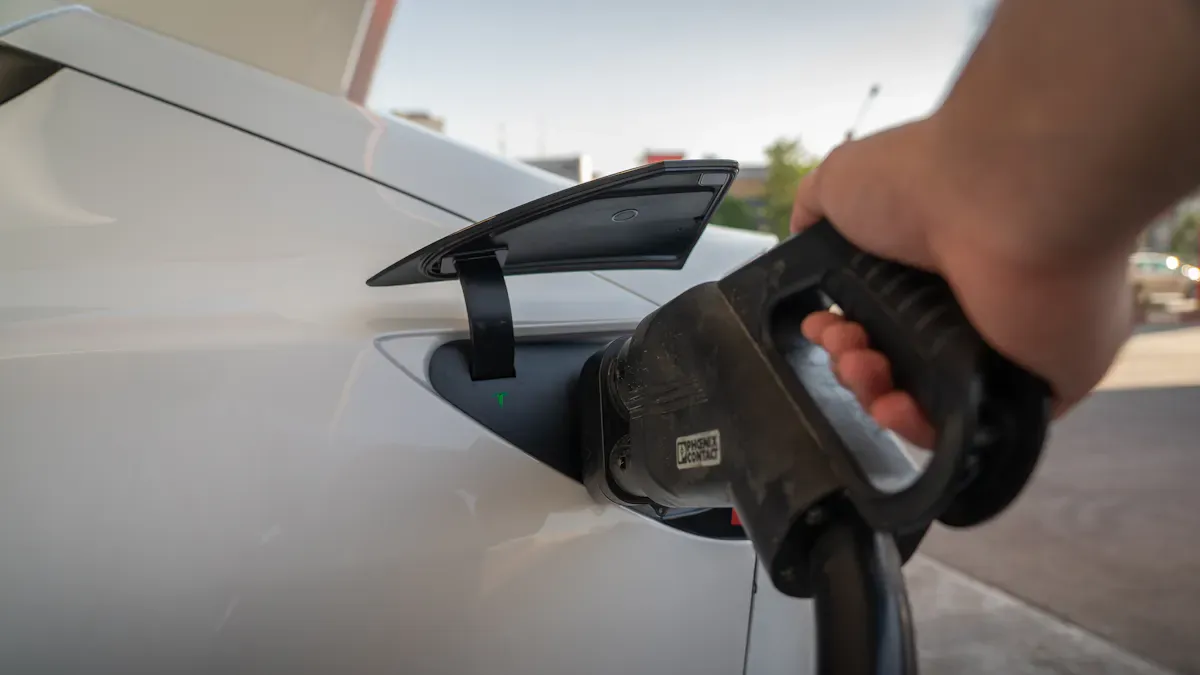
Car charge issues in Brazil often stem from adapter mismatches or voltage problems. Check compatibility, voltage, and certified adapters for safe EV charging.

Electric field solver systems calculate total electric fields from point charges using vector addition and superposition for precise results.
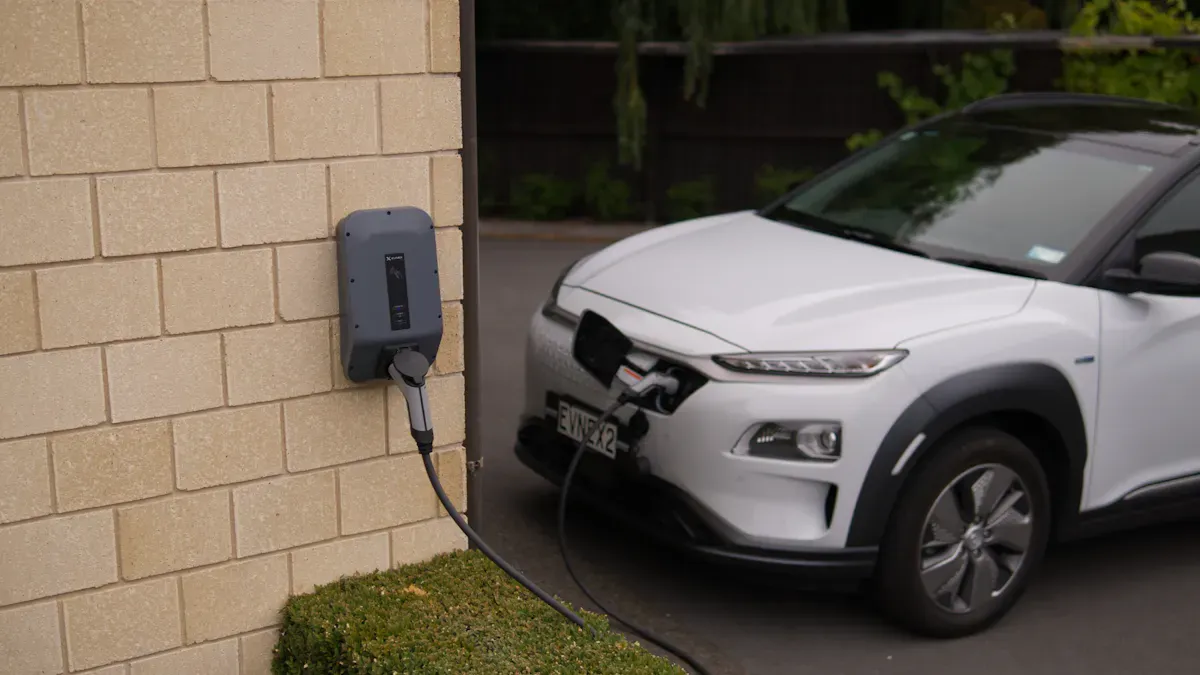
Renters in Malaysia benefit from Level 1 EV chargers with easy setup, portability, and cost savings—no landlord approval or complex installation needed.
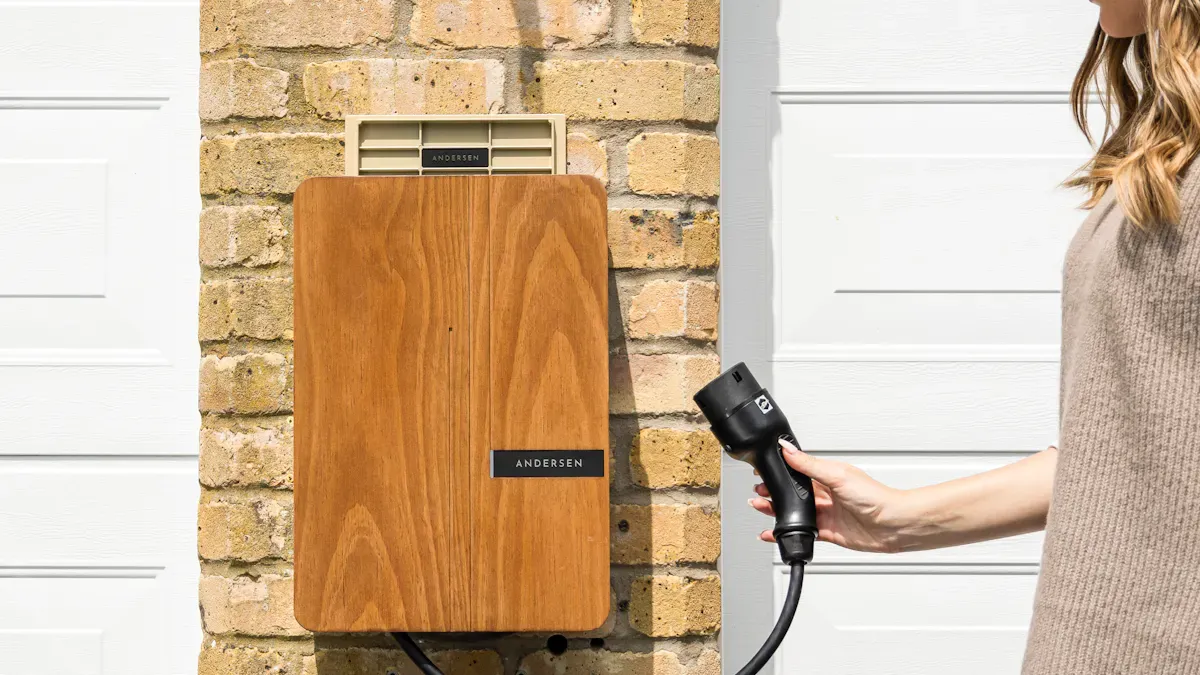
Avoid slow public charging in Singapore with a home Level 2 charger. Enjoy faster, reliable EV charging and start each day ready for the road.
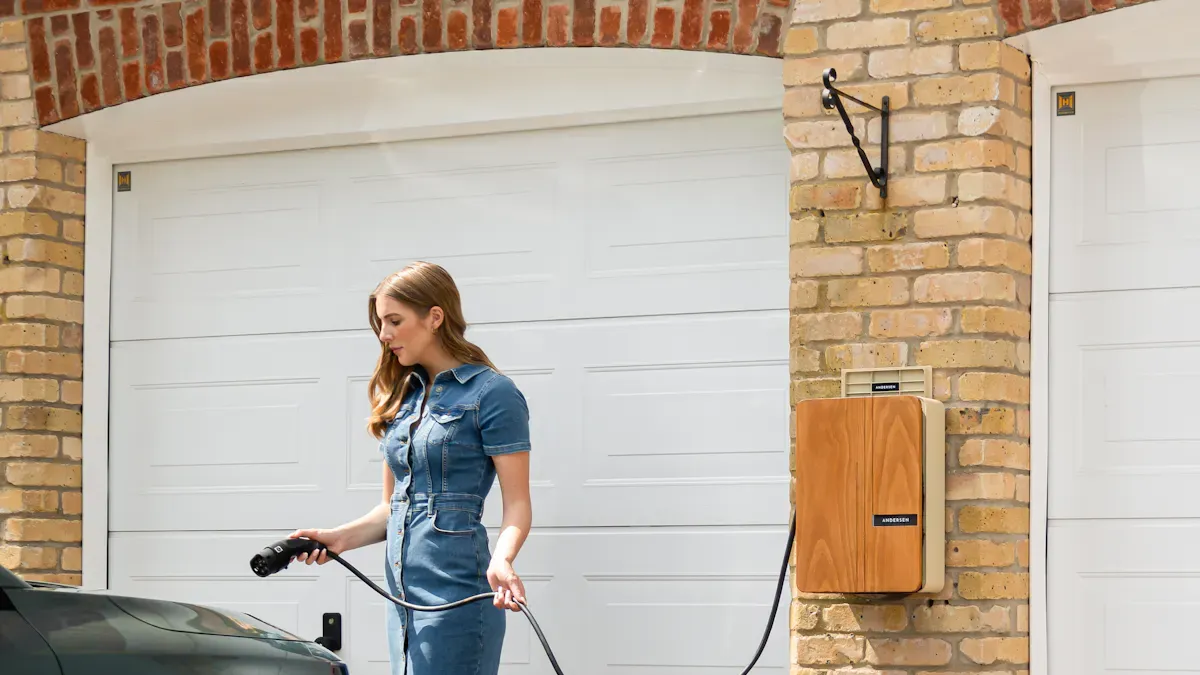
Portable EV Charger tips for UK travel: charge safely anywhere, choose the right model, and maximize convenience for your electric vehicle journeys.