
Is Installing a Home EV Charger Worth the Cost in 2025
In 2025, home electric car charging installation costs $900-$1,800. This investment is often worth it, paying for itself through major fuel savings and daily convenience.

In 2025, home electric car charging installation costs $900-$1,800. This investment is often worth it, paying for itself through major fuel savings and daily convenience.

A home EV charging point installation typically costs between $800 and $2,500. This price includes the charger unit and labor, but can increase with panel upgrades.

A home EV charger installation typically costs between $1,200 and $2,500. This price covers the charger and standard labor for your electric car charging points.

EV charging costs depend on location, time of day, charger speed, and your vehicle’s battery. Charging at home overnight on a time-of-use plan is the cheapest way.
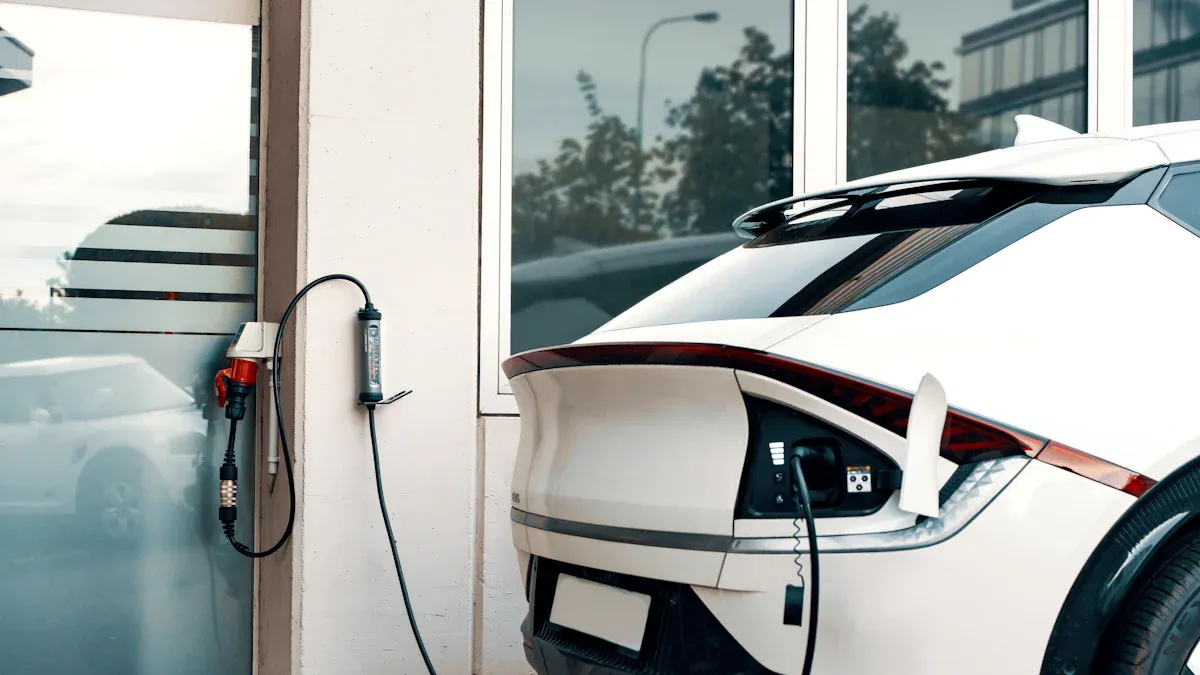
Installing a home charging point is essential for the future of home charging. It provides faster, safer charging, slashes running costs, and ends reliance on public stations.

The future of portable EV charging stations is defined by ultra-fast speeds, wireless solutions, and smart, solar-powered designs for true on-the-go power.
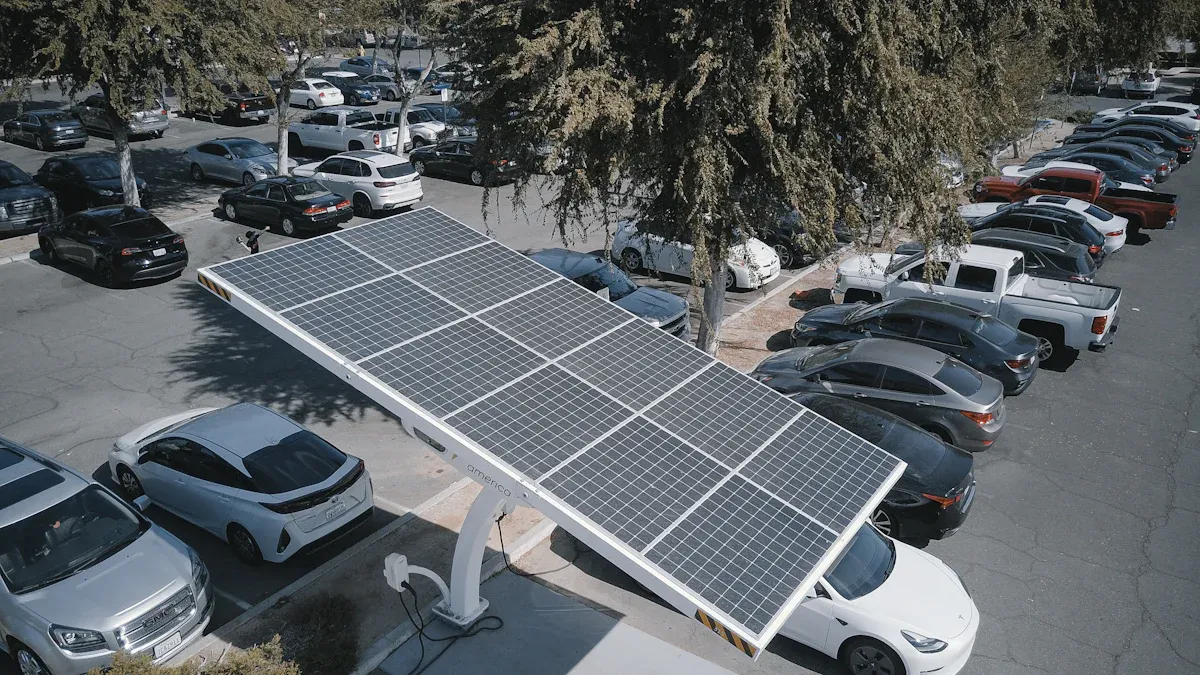
What’s the future of EV charging in 2025? Expect AI-driven reliability, seamless Plug & Charge payments, V2G grid support, and the NACS standard to redefine it.

The future of home EV charging is bidirectional, allowing your car to power your home. See how V2H, AI-powered scheduling, and wireless tech will shape 2025.
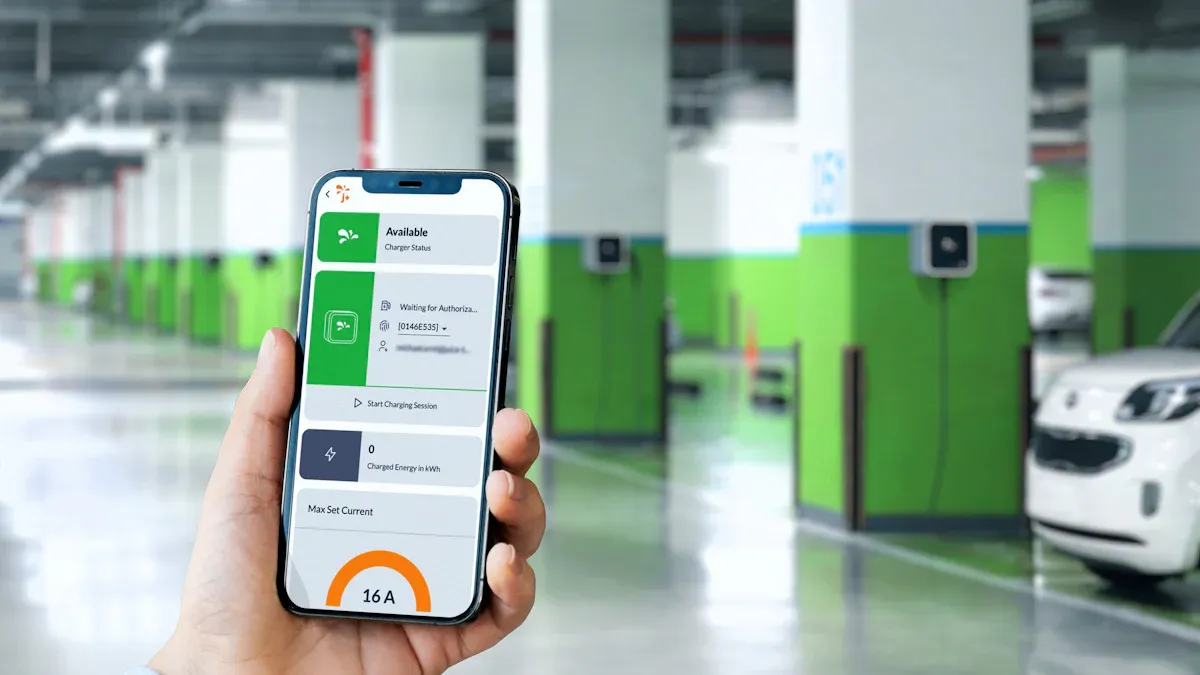
Struggling to find reliable electric car charging points? This guide reviews the 5 best apps for locating chargers, planning routes, and avoiding broken stations.

The future of EV home charging in the UK centers on bidirectional V2H/V2G tech, AI-driven automation, and advanced solar integration for total energy independence.

What are the innovations to watch in home EV charging? Key advances include V2G to power your home and AI software to cut costs, but you’ll need new hardware.

Portable chargers are key to ending range anxiety by turning any outlet into a power source. The future of EV charging relies on this flexibility for daily use.

The future of home charging points in 2025 is defined by AI-driven scheduling, V2H/V2G bi-directional power, and direct DC solar integration to cut costs.

The future of fast charging points is defined by 350kW+ speeds, wireless charging, and V2G tech that turns EVs into power sources. NACS standardization simplifies use.
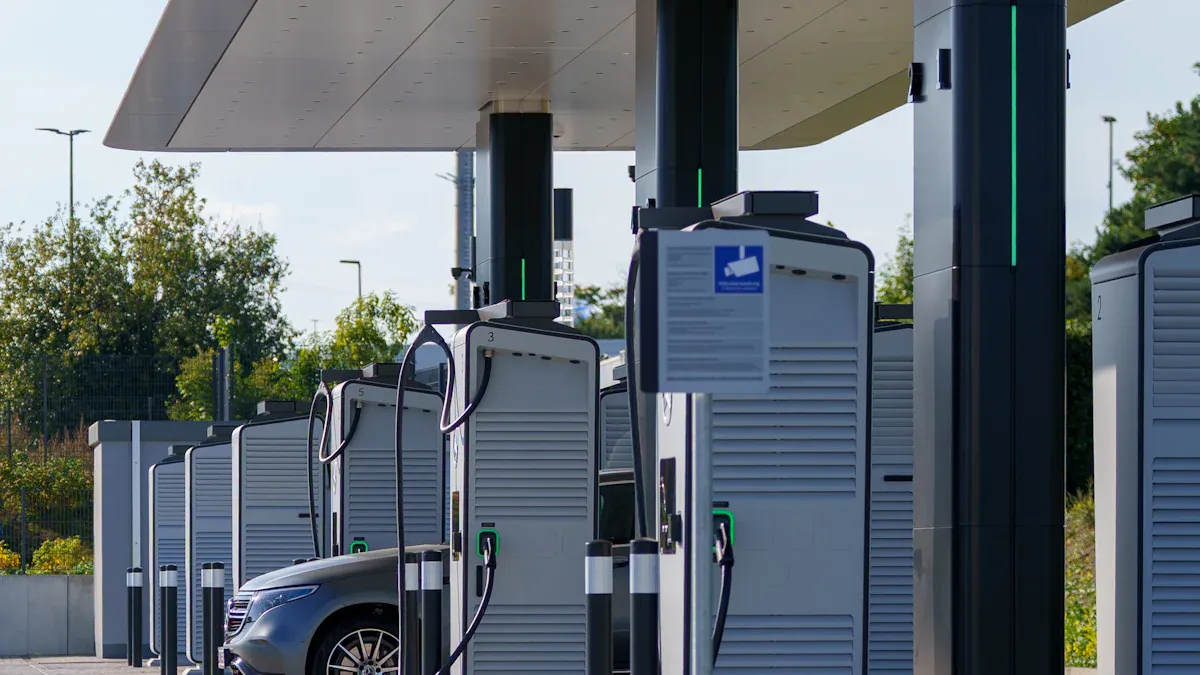
The future of electric car charging in the UK is defined by ultra-rapid 350kW+ speeds, smart vehicle-to-grid (V2G) integration, and wireless technology.

The future of electric car charging points includes ultra-fast hubs, wireless charging roads, and V2G tech that pays you to power the grid, making it effortless.
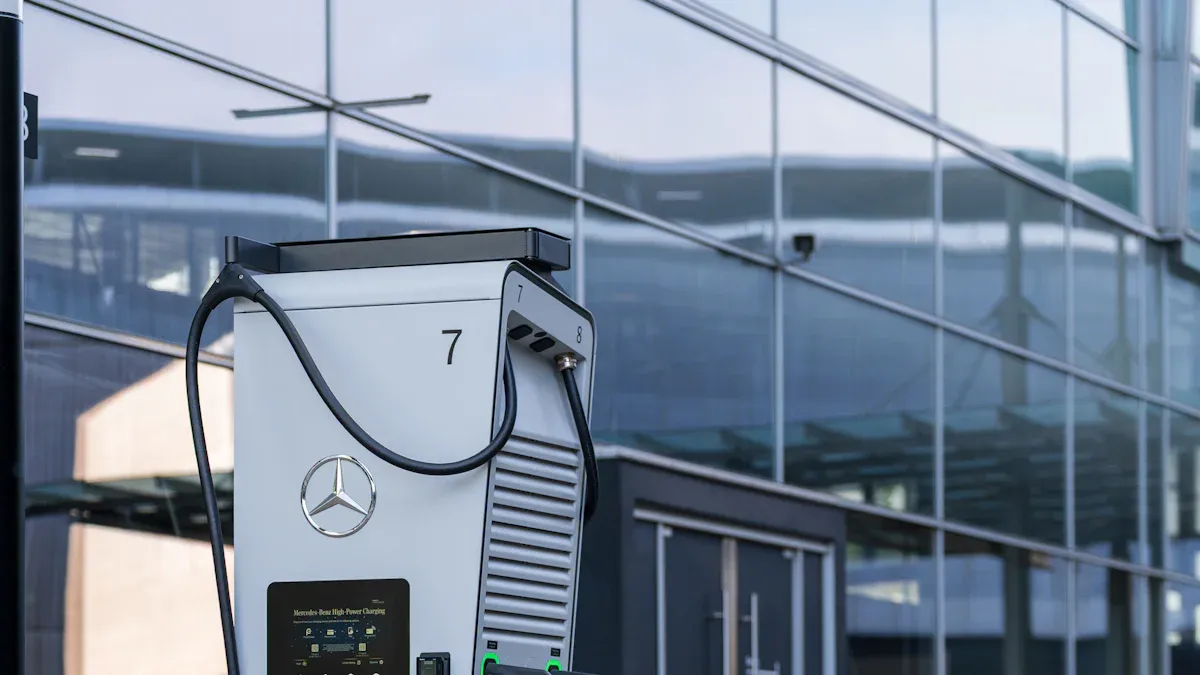
The future of EV charging stations is driven by tech like ultra-fast and smart charging, strategic infrastructure growth, and new regulations for a seamless network.
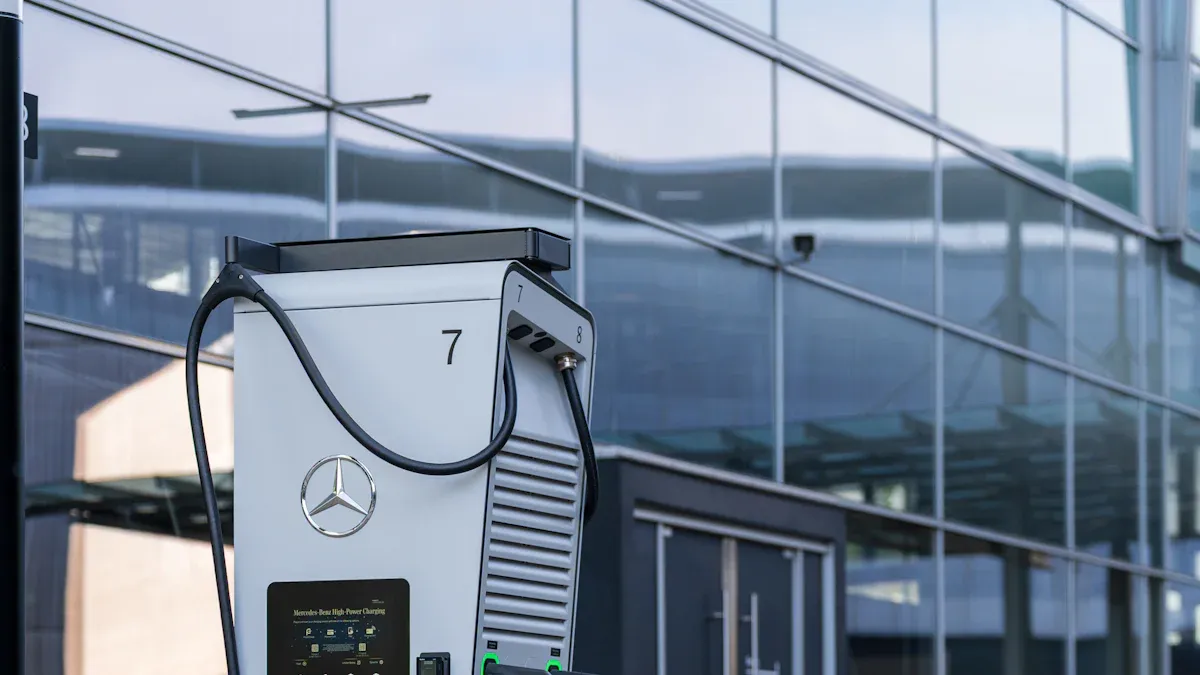
The future of EV charging is online. Digital solutions like AI, V2G, and unified networks are creating a smarter, faster, and connected infrastructure for your EV.