Most electric vehicle owners see a home شاحن ev as a smart investment. They value added convenience, lower charging costs, and reliable access to حلول شحن السيارات الكهربائية. Over 75% of EV owners prefer home charging over public stations. This choice delivers faster charging, enhanced safety, and increased property value. الشركات المصنعة لشاحن السيارة الكهربائية offer شواحن السيارات الكهربائية المحمولة and advanced models for every home. A home charger provides peace of mind and supports daily EV use.
- Faster charging and reduced wait times
- Lower costs compared to public stations
- Increased property value
Convenience of a Home EV Charger
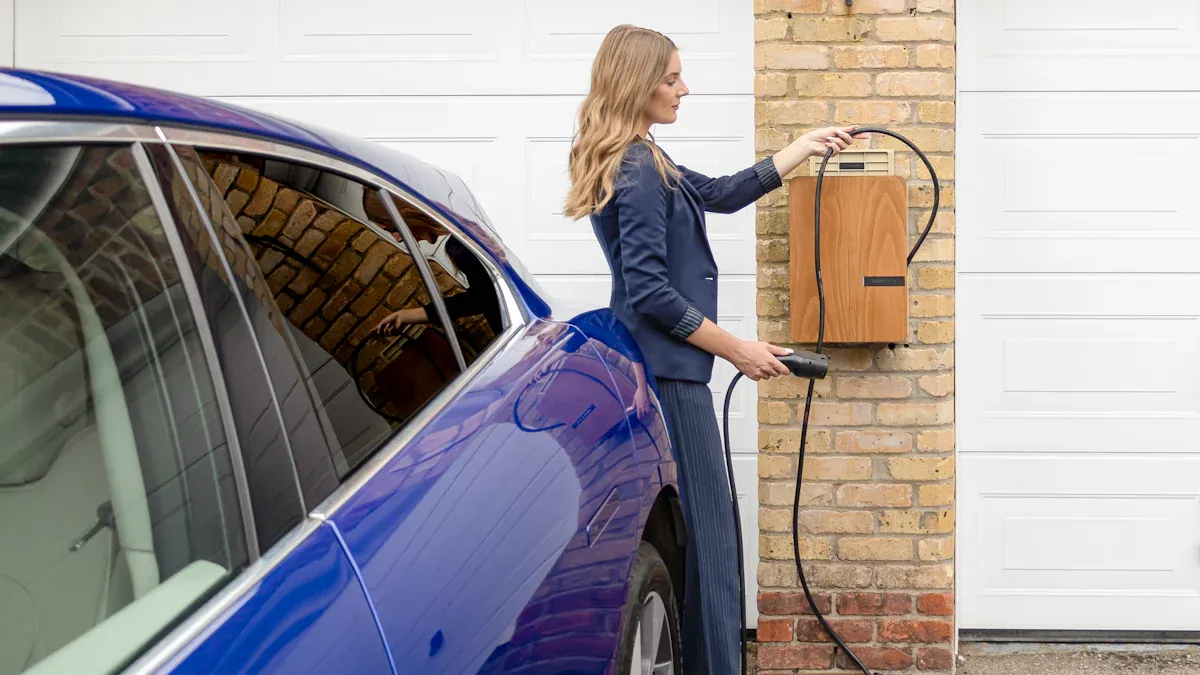
Charge Your Electric Vehicle Without Leaving Home
Owning a شاحن الهواء المنزلي transforms the daily routine for electric vehicle owners. They no longer need to plan trips around public charging stations. Instead, they can charge your electric vehicle in the comfort of their own home. This added convenience ranks as the top reason for installing a charger, according to recent surveys.
Overnight Charging Made Easy
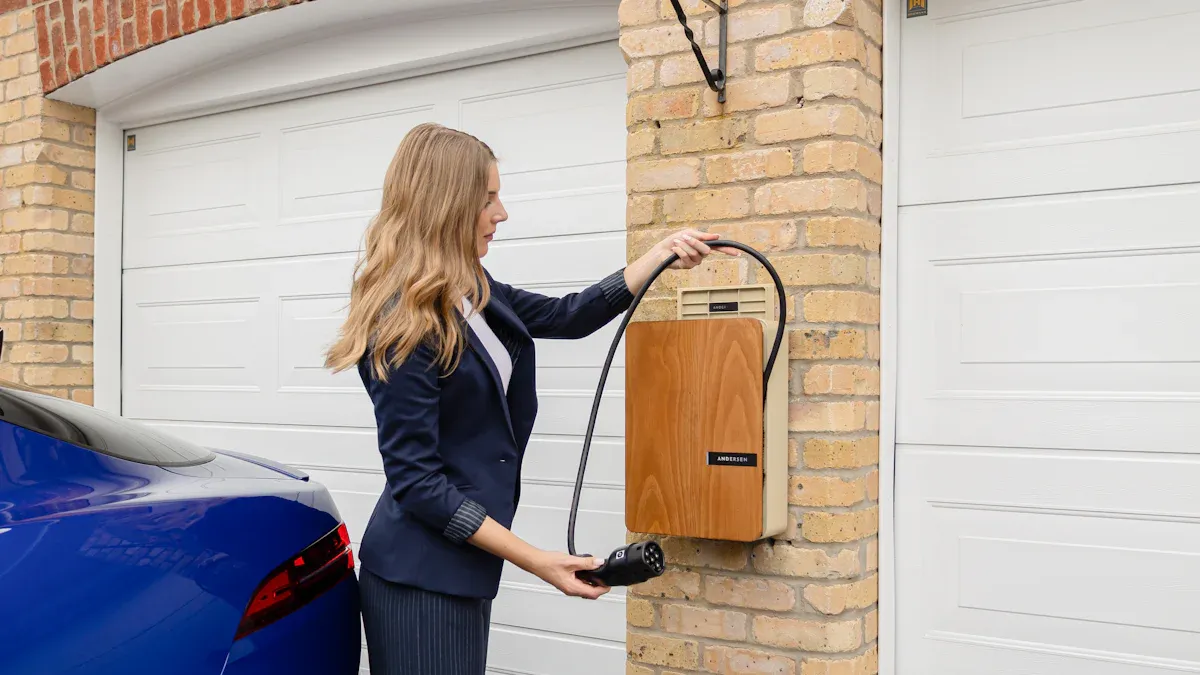
Many EV owners appreciate the simplicity of plugging in their vehicle before bed. The home charger works quietly through the night, ensuring the battery reaches full capacity by morning. This process eliminates the need to visit public stations late at night or early in the morning. Drivers wake up knowing their EV is ready for the day ahead.
Skip Public Charging Lines
Public charging stations often experience long wait times, especially during peak hours. With a home charger, drivers avoid these lines entirely. They gain control over their charging schedule and never worry about station availability. This freedom allows them to focus on their daily activities without interruption.
نصيحة: Home charging not only saves time but also reduces stress for busy families and professionals.
Always Ready to Drive
A home ev charger ensures that the vehicle remains prepared for any journey. Owners can charge your electric vehicle whenever it suits their schedule, making spontaneous trips possible.
Start Each Day with a Full Battery
Drivers who use a home charger start each morning with a fully charged battery. This reliability supports daily commutes, errands, and unexpected travel. They never face the inconvenience of a low battery or the uncertainty of finding an available public charger.
Flexibility for Busy Lifestyles
Busy individuals benefit from the flexibility that home charging provides. They can plug in their EV after work, during dinner, or overnight. The charger adapts to their routine, not the other way around. This flexibility proves essential for families with multiple vehicles or professionals with unpredictable schedules.
The most common reasons cited by electric vehicle owners for installing a home charger include convenience, cost savings, efficiency, energy monitoring, and solar energy integration. The table below summarizes these motivations:
| السبب | الوصف |
|---|---|
| الملاءمة | Home charging is the most convenient method, allowing EV owners to charge without detours. |
| الوفورات في التكاليف | Smart chargers enable access to off-peak electricity rates, reducing charging costs significantly. |
| الكفاءة | Home chargers provide faster charging times compared to standard sockets, enhancing user experience. |
| مراقبة الطاقة | Some chargers offer reports on energy usage, helping users track and manage their consumption. |
| تكامل الطاقة الشمسية | Certain chargers can utilize energy generated from solar panels, promoting sustainability. |
Home charging offers unmatched convenience and flexibility for EV owners. They enjoy the freedom to charge your electric vehicle at any time, avoid public station hassles, and maintain readiness for every drive.
Charging Speed and Efficiency with an Electric Car Charger
Level 2 EV Charger vs. Standard Outlets
Faster Charging Times Explained
Level 2 electric car chargers deliver a significant upgrade over standard household outlets. A typical Level 1 outlet provides about 2 to 5 miles of range per hour. In contrast, a Level 2 electric car charger can add 20 to 30 miles of range per hour. This difference means that drivers can fully recharge most EV batteries overnight instead of waiting more than a full day. Homeowners who install a Level 2 ev charger experience faster charging speeds, which supports their daily driving needs.
ملاحظة: Level 2 chargers require a 240-volt outlet, similar to those used for large appliances.
Time Savings for Daily Use
Time matters for busy families and professionals. With a Level 2 electric car charger, drivers can plug in their EV after work and have a full battery by morning. This convenience eliminates the need to plan around long charging sessions. Many users find that a Level 2 charger fits seamlessly into their routines, allowing them to maximize their time at home.
مقارنة سريعة:
| نوع الشاحن | Charging Speed (Miles/Hour) | حالة الاستخدام النموذجي |
|---|---|---|
| Level 1 (120V) | 2-5 | Emergency or backup |
| المستوى 2 (240 فولت) | 20-30 | الشحن المنزلي اليومي |
Comparing Home and Public Charging Speeds
Typical Home Charging Duration
Most EV owners rely on home charging for daily use. A Level 2 electric vehicle charger can recharge a depleted battery in 6 to 10 hours, depending on battery size. This duration fits well with overnight charging habits. Drivers wake up to a fully charged vehicle, ready for the day’s commute or errands. Home charging also reduces the need for frequent stops at public stations.
When Public Fast Charging Is Useful
Public fast chargers, often found along highways or in urban centers, provide rapid charging for long trips or emergencies. These stations can add 60 to 100 miles of range in 20 to 30 minutes. However, public fast charging is not always necessary for daily driving. Most drivers use home charging for routine needs and turn to public stations only during road trips or when they need a quick top-up.
نصيحة: Combining a home electric car charger with occasional public fast charging offers the best balance of convenience and flexibility.
Homeowners who invest in a Level 2 ev charger enjoy faster charging speeds, greater efficiency, and more control over their daily routines. They reduce reliance on public infrastructure and ensure their EV remains ready for any journey.
Cost Savings of a Home EV Charger
Lower Electricity Costs at Home
Home charging offers electric vehicle owners a practical way to achieve cheaper ev charging. By plugging in their EV at home, they can take advantage of lower electricity rates, especially during off-peak hours. Many utility companies provide special rates for EV owners who charge their vehicles overnight. This approach helps drivers reduce their monthly energy bills and maximize their savings.
Off-Peak Charging Advantages
Charging an EV during off-peak hours allows owners to benefit from reduced electricity costs. Utility providers often set lower rates at night when demand drops. Drivers who schedule their charging sessions for these hours see significant savings over time. This strategy makes home charging one of the most cost-effective options for EV owners.
Utility Incentives and Rebates
Many regions offer incentives to encourage the installation of a home ev charger. These programs help offset the initial cost and make cheaper ev charging more accessible. The table below highlights a popular incentive available to homeowners:
| اسم الحافز | الوصف | التغطية |
|---|---|---|
| Electric Vehicle Homecharge Scheme | Grants to assist with the installation of home charging points for EVs. | Up to 75% of costs |
Drivers who take advantage of these incentives can lower their upfront expenses and start saving sooner.
Integrating Solar Power with Your EV Charger
Pairing a charger with solar panels creates additional opportunities for savings. Homeowners who use solar energy for home charging reduce their reliance on grid electricity and enjoy lower energy costs.
Charging with Renewable Energy
Charging an EV with solar power can significantly lower or even eliminate grid electricity costs. This integration allows homeowners to use self-generated energy, which leads to reduced energy bills. Utilizing free electricity from solar panels for EV charging results in substantial savings.
- Charging with solar energy can lower or eliminate grid electricity costs.
- Maximizing self-generated solar energy leads to reduced energy bills.
- Free electricity from solar panels provides substantial savings.
Maximizing Home Energy Efficiency
Homeowners who integrate solar power with their EV charger consume energy that would otherwise be wasted or sent back to the grid. This setup increases overall home energy efficiency and supports a sustainable lifestyle.
Long-Term Savings Compared to Public Charging
Over several years, home charging proves much more affordable than relying on public stations. The cost per mile drops, and drivers avoid the higher rates associated with rapid public chargers.
Cost Per Mile Analysis
The table below compares the costs of home charging and public charging over five years:
| طريقة الشحن | التكلفة لكل كيلووات/ساعة (2025) | Annual Cost Estimate (10,000 miles) | 5-Year Savings Estimate |
|---|---|---|---|
| Home Charging (off-peak) | £0.14 – £0.18 | £300 – £500 | Several thousand pounds |
| Public Charging (rapid) | £0.55 – £0.79 | Likely more expensive than petrol | غير متاح |
Drivers who choose home charging can save several thousand pounds over five years compared to frequent public charging.
Reducing Vehicle Wear and Tear
Charging at home also reduces wear and tear on the EV. Frequent use of rapid public chargers can stress the battery and shorten its lifespan. Homeowners who rely on a home ev charger for daily charging help maintain their vehicle’s performance and longevity, which leads to additional long-term savings.
Impact of an EV Charger on Property Value
Attracting Future Buyers
Home EV Charger as a Selling Feature
A home equipped with an EV charger stands out in today’s property market. Many buyers now prioritize modern amenities that support sustainable living. The limited availability of homes with dedicated charging solutions increases their desirability, especially among those who already own an EV or plan to purchase one soon. Sellers who install a home EV charger often see a direct benefit when listing their property.
- Installing an EV charger can increase a home’s value by up to £5,000, making it a worthwhile investment for sellers.
- Properties equipped with EV chargers stand out in a crowded market, attracting attention from buyers looking for modern amenities.
- With only a small percentage of homes having EV chargers, those that do may be more desirable, particularly to electric vehicle owners.
Appeal to Eco-Conscious Homebuyers
Eco-conscious buyers actively seek homes that align with their values. Features such as energy-efficient appliances, solar panels, and EV charging stations appeal to this group. The presence of a home EV charger signals a commitment to sustainability and future-ready living. These buyers often show a willingness to pay a premium for properties that support their lifestyle.
- Homes with EV chargers are increasingly sought after by eco-conscious buyers, enhancing their appeal and marketability.
- The presence of an EV charger can lead to quicker sales and potentially higher offers, as buyers are willing to pay a premium for sustainable features.
Note: Sustainable features like EV charging stations can help a property sell faster and for a higher price.
Home Appraisal and Market Value
How Electric Car Chargers Affect Value
Real estate market data shows a clear link between installing a home EV charger and increased property value. The type of charger, location, and overall market conditions all play a role in determining the final impact. In many cases, sellers report a boost in value after adding a charging station.
- Installing a home EV charger can potentially increase property value by up to £5,000, depending on factors such as location, charger type, and market conditions.
Appraisers now consider EV charging infrastructure when evaluating homes, especially in areas with high rates of electric vehicle adoption. This addition can make a property more competitive and attractive to a wider range of buyers.
Regional Differences in Demand
Demand for home EV chargers varies across regions. Urban areas, such as London, offer more public charging options, with an average of 210 public chargers per 100,000 people. In contrast, Northern Ireland has only 24 public chargers per 100,000 people, making home charging solutions more valuable in these locations. Over 85% of public chargers are located in urban centers, which creates a disparity in access for rural homeowners.
- Urban areas host over 85% of public chargers, indicating a disparity in access compared to rural areas.
- London has an average of 210 public chargers per 100,000 people, significantly higher than the UK average of 80.
- Northern Ireland has the lowest number of public chargers, with only 24 per 100,000 people.
Properties in regions with fewer public charging stations often see a greater increase in value when equipped with a home EV charger. Buyers in these areas recognize the convenience and long-term benefits of private charging infrastructure.
Safety and Reliability of a Home EV Charger
Professional Installation and Safety Standards
متطلبات السلامة الكهربائية
Professional installation of a home EV charger ensures compliance with strict معايير السلامة. Certified electricians follow industry regulations to protect residents and property. Installers must adhere to guidelines that address electrical hazards and system reliability. The following table outlines essential requirements for safe installation:
| المتطلبات | الوصف |
|---|---|
| Ground Fault Circuit Interrupter (GFCI) | Mandatory for outdoor installations to prevent electric shocks. Recommended for indoor setups. |
| BS-EN-61851-1:2019 | Standard that installers must follow for EV charger installations. |
| IET Wiring Regulations BS 7671:2018+A1:2020 | Certification proving competency in electrical systems and EV-specific requirements. |
| Electric Vehicles (Smart Charge Points) Regulations | Regulations that require new installations to have features like pre-configured charging schedules and improved security protocols. |
Installers use these standards to guarantee safe operation and long-term reliability. They select equipment that meets regulatory requirements and test systems before activation.
Avoiding DIY Risks
Attempting to install an EV charger without professional help introduces significant risks. Unqualified individuals may overlook critical safety steps or use improper wiring. These mistakes can lead to electric shocks, fire hazards, or system failures. Certified electricians possess the training and experience to manage high-current loads safely. They also ensure that the installation passes local inspections and meets all legal requirements.
Tip: Always hire a licensed electrician for EV charger installation to avoid costly mistakes and ensure peace of mind.
Built-In Safety Features of Electric Car Chargers
الحماية من التيار الزائد والارتفاع المفاجئ للتيار الزائد
Modern EV chargers include ميزات السلامة المتقدمة that protect users and vehicles. Manufacturers design these systems to handle high-current loads and prevent electrical hazards. Key features include:
- Ground Fault Circuit Interrupter (GFCI) or Residual Current Device (RCD) monitors electricity flow and shuts off power during faults.
- Robust earthing and residual current devices (RCDs) prevent electric shocks and system damage.
- Overcurrent protection safeguards the charger and vehicle from power surges.
These features work together to reduce the risk of electrical accidents during charging.
Weatherproof and Durable Designs
Home EV chargers must withstand various environmental conditions. Manufacturers use weatherproof materials and durable enclosures to protect internal components. Chargers designed for outdoor use resist rain, dust, and temperature fluctuations. This durability ensures reliable charging performance year-round.
- Weatherproof designs protect against moisture and debris.
- Rugged construction extends the lifespan of the charger.
- Maintenance costs for vehicles using home EV charging are typically 15-20% lower than those using public charging stations.
A well-installed and maintained EV charger provides safe, reliable charging for years. The average installation cost ranges from £600 to £1,000, but long-term savings and reduced maintenance expenses make it a worthwhile investment.
Smart Features of Modern EV Chargers

Remote Monitoring and Scheduling
Control Charging from Your Smartphone
Modern EV chargers offer remote access through dedicated smartphone apps. Owners can start or stop charging sessions from anywhere. These apps provide real-time updates on charging status and estimated completion times. Users receive notifications when their EV reaches full charge, which helps them plan their day efficiently.
Set Charging Times for Savings
Scheduling charging sessions allows owners to take advantage of lower electricity rates. Many smart chargers enable users to set charging times during off-peak hours. This feature can reduce electricity rates by 50% or more compared to peak hours. Annual savings from off-peak charging often reach hundreds of pounds, depending on driving habits. Lower energy rates also decrease the cost per mile, making EV ownership more cost-effective.
Tip: Setting charging schedules in advance helps maximize savings and ensures the EV is ready when needed.
Usage Tracking and Charge Reports
Monitor Energy Consumption
Smart EV chargers provide detailed usage tracking through integrated apps and smart meters. Owners can view energy consumption patterns and monitor costs over time. Tracking electricity usage is essential for benefiting from time-of-use tariffs. Many energy suppliers offer apps that display consumption data, helping users understand their charging habits.
- Scheduling charging times to match off-peak rates
- Using smart meters to track electricity usage
- Monitoring usage through supplier apps
Optimize Charging Habits
Charge reports help owners identify opportunities to improve efficiency. By analyzing usage data, drivers can adjust their charging routines to reduce costs. Charging during off-peak hours leads to significant savings. Lower energy rates enhance the overall value of owning an EV.
- Charging during off-peak hours reduces electricity rates.
- Annual savings from optimized charging can be substantial.
- Lower rates decrease the cost per mile.
التكامل مع أنظمة المنزل الذكي
Voice Control and Automation
Integration with smart home systems adds convenience and flexibility. Many EV chargers support voice control through platforms like Amazon Alexa or Google Assistant. Owners can start or stop charging with simple voice commands. Automation features allow the charger to respond to routines, such as charging when the vehicle arrives home.
Compatibility with Home Energy Management
Smart EV chargers work seamlessly with advanced energy management systems. Integration with solar panels and batteries creates a comprehensive solution for efficient energy use. The table below highlights key benefits and features of smart home integration:
| Benefit/Feature | الوصف |
|---|---|
| Charging Speed Optimization | Balances time and efficiency, improving overall charging efficiency by reducing heat loss. |
| Grid Carbon Intensity Tracking | Allows charging during low carbon intensity periods, reducing environmental impact. |
| الجدولة الذكية | Automates charging sessions to avoid demand charges, saving costs for commercial installations. |
| Integration with Solar Panels and Batteries | Creates a comprehensive energy management system, maximizing efficiency and minimizing costs. |
| Energy Flow Hierarchy Optimization | Ensures EV chargers use surplus solar energy, reducing grid dependency. |
| Appliance Scheduling | Coordinates appliance use with EV charging to prevent overloads and optimize energy use. |
| Smart Home Occupancy Detection | Adjusts energy consumption based on whether anyone is home, optimizing charging times. |
| Weather Data Integration | Adjusts charging schedules based on weather forecasts, improving efficiency. |
| Voice Control Integration | Provides convenient management of charging through voice commands. |
| Geofencing | Automates charging based on vehicle location, ensuring consistent charging behavior. |
| Load Shedding Automation | Protects against supply interruptions by prioritizing essential loads during high consumption. |
| Energy Monitoring Dashboards | Visualizes consumption patterns and savings, helping users understand and optimize their energy use. |
| Third-party Integrations | Expands functionality beyond manufacturer features, allowing for custom programming and automation. |
Smart features in modern EV chargers enhance convenience, improve energy management, and help owners save money. These innovations support a seamless charging experience at home and optimize the benefits of EV ownership.
اعتبارات عملية لتركيب شاحن كهربائي منزلي
Upfront Costs and Installation Process
نطاق السعر النموذجي
The initial investment for a home EV charger varies based on several factors. Most installations cost between $800 and $1,500, including hardware and professional labor. This price range covers standard Level 2 chargers, which offer faster charging speeds compared to basic outlets. Some homeowners may qualify for rebates or incentives, reducing the overall expense. These financial benefits make the transition to home charging more accessible for many families.
Factors Affecting Installation Cost
Multiple elements influence the final cost of installing a charger. The complexity of the electrical system, distance from the main panel to the installation site, and the need for upgrades all play a role. For example, outdated consumer units may require replacement to support the charger’s dedicated circuit. Additional safety features, such as surge protection devices and weatherproof enclosures, can increase costs but enhance reliability. Professional installation remains essential to avoid risks like overheating or water ingress, which can lead to costly repairs.
Tip: Homeowners should request a detailed quote and confirm that the installer follows current regulations to ensure long-term safety.
Space and Electrical Requirements
Assessing Your Home’s Setup
Before installing a charger, homeowners must evaluate their property’s electrical and spatial readiness. The following table outlines common requirements for a successful installation:
| المتطلبات | التفاصيل |
|---|---|
| Electrical System Evaluation | Inspect the home’s electrical panel to handle additional load. |
| الدائرة المخصصة | Should be appropriately sized for the charger’s power requirements. |
| Appropriate Wiring and Outlets | Wire gauge must match circuit amperage; secure connections are essential. |
| Ground Fault Circuit Interrupter | Safety measure to prevent electric shocks, mandatory for outdoor setups. |
| Location and Accessibility | Installation site should be easily accessible and weatherproofed outdoors. |
| Off-street Parking | Most installations require dedicated off-street parking. |
| Wi-Fi Connection | Smart chargers often need internet connectivity. |
A thorough assessment helps prevent common challenges, such as insufficient electrical capacity or improper cable routing. Upgrading the central consumer unit or adding isolation switches may be necessary for older homes.
التصاريح واللوائح المحلية
Local authorities often require permits for charger installations. Electricians must comply with safety codes, including proper earthing and bonding. These regulations protect residents and property from electrical hazards. Homeowners should verify that their installer holds the necessary certifications and follows all legal requirements.
When a Home EV Charger May Not Be Necessary
السكن في الشقق والشقق السكنية
Residents of apartments or condos may face obstacles when considering home charging. Shared parking areas, limited electrical capacity, and the need for landlord approval can complicate installation. In these cases, public charging stations or community charging solutions may offer more practical alternatives.
Low Mileage or Occasional Drivers
Individuals who drive infrequently or cover short distances may not require a dedicated charger at home. Relying on public charging infrastructure can meet their needs without the upfront investment. Evaluating driving habits, convenience, and budget helps determine if home charging is the best solution.
Note: Homeowners should consider charging speed, installation requirements, budget, and convenience before deciding on a charger.
اتخاذ القرار: هل شاحن السيارات الكهربائية المنزلي مناسب لك؟
تقييم عادات القيادة الخاصة بك
Daily Commute and Travel Needs
Drivers must evaluate their daily mileage and travel patterns before investing in a home EV charger. Individuals who commute less than 100 kilometers each day typically need to charge their EV every two or three days. Those with average daily travel, such as 20 miles, often find weekly charging sufficient, leaving extra range for unexpected trips. The following table illustrates how driving habits influence charging frequency:
| Daily Mileage (km) | تردد الشحن |
|---|---|
| Less than 100 | Every 2-3 days |
| Average (20 miles) | Weekly with range to spare |
A home charger suits those who rely on their EV for daily commutes, school runs, or frequent errands. They benefit from the flexibility to charge overnight and avoid disruptions caused by low battery levels.
Access to Public Charging Stations
The availability of public charging stations also affects the need for a home EV charger. Urban residents may find public infrastructure sufficient for occasional use. However, public stations often experience high demand during peak hours, leading to wait times and inconvenience. Rural or suburban homeowners face limited access, making private charging solutions more attractive. TPSON offers advanced charging technology that supports reliable home charging, even in areas with fewer public options.
Note: Drivers who travel long distances or live in regions with limited public charging infrastructure gain the most value from installing a home EV charger.
Weighing the Pros and Cons of a Home EV Charger
Personal Convenience vs. Cost
Installing a home EV charger delivers significant convenience. Owners can charge their vehicles overnight and start each day with a full battery. This routine eliminates the hassle of searching for available public stations and ensures the EV remains ready for use. The convenience of home charging fits seamlessly into daily routines, especially for busy families and professionals.
- Home charging is typically more cost-effective than public stations.
- Homeowners can take advantage of lower electricity rates during off-peak hours.
- The convenience of charging at home fits seamlessly into daily routines.
Despite these advantages, the initial investment for installation requires careful consideration. Costs include hardware, professional labor, and potential upgrades to the electrical system. Many homeowners offset these expenses through utility incentives and rebates. TPSON’s solutions offer advanced features that maximize long-term savings and reliability.
Long-Term Value for Your Lifestyle
A home EV charger represents a strategic investment for those committed to electric mobility. The long-term benefits often outweigh the upfront costs. Home charging is more cost-effective than public stations, especially when using off-peak electricity rates. Owners experience substantial savings over time, and the convenience enhances daily life.
The following table summarizes the main pros and cons:
| الإيجابيات | السلبيات |
|---|---|
| Convenience of home charging | Initial installation costs |
| Cost savings compared to public charging | Considerations on charger type |
| Potential increase in home value | غير متاح |
- Home charging is more cost-effective than public stations.
- Off-peak electricity rates can reduce charging expenses.
- Long-term savings often outweigh initial installation costs.
A home EV charger increases property value and appeals to future buyers who prioritize sustainability. TPSON’s advanced chargers integrate with smart home systems, providing additional features such as remote monitoring and energy optimization. For most EV owners, the investment in a home charger delivers convenience, cost savings, and long-term value.
Tip: Drivers should assess their daily mileage, access to public charging, and long-term goals before making a decision. A home EV charger offers the greatest benefits to those who use their EV regularly and seek reliable, cost-effective charging.
A home ev charger offers several important benefits for EV owners:
- Charging at home saves time by avoiding public station queues.
- Home charging costs less than public options, especially with off-peak rates.
- Owners start each day with a full battery and do not worry about station availability.
- Charging at home supports clean energy and sustainability.
Most EV owners find a home charger to be a smart investment. They should evaluate their driving habits, home setup, and future needs before making a decision.
الأسئلة الشائعة
كم من الوقت يستغرق تركيب شاحن كهربائي منزلي؟
A certified electrician usually completes installation in two to four hours. The process includes assessing the electrical system, mounting the charger, and testing safety features.
هل يمكن لشاحن السيارة الكهربائية المنزلي أن يعمل مع الألواح الشمسية؟
Most modern chargers integrate with solar power systems. Homeowners can use solar energy to charge their vehicles, reducing electricity costs and supporting sustainability.
Is a permit required for installation?
Local authorities often require permits for EV charger installation. Electricians handle the paperwork and ensure compliance with safety codes.
ما هي الصيانة التي يحتاج إليها شاحن السيارة الكهربائية المنزلي؟
Routine inspection and cleaning keep the charger in optimal condition. Owners should check cables for wear and ensure connections remain secure.
هل سيزيد شاحن السيارة الكهربائية المنزلي من فاتورة الكهرباء؟
Charging at home increases electricity usage. Off-peak rates and solar integration help minimize costs. Owners often save compared to public charging.
هل يمكن للمستأجرين تركيب شاحن كهربائي منزلي؟
Renters need landlord approval before installation. Some portable chargers offer a solution for temporary setups.
What safety features do modern EV chargers include?
| الميزة | المزايا |
|---|---|
| الحماية من التيار الزائد | Prevents electrical overload |
| Weatherproof design | Ensures outdoor durability |
| Ground fault detection | Reduces shock risk |
Tip: Always choose chargers certified to meet safety standards.