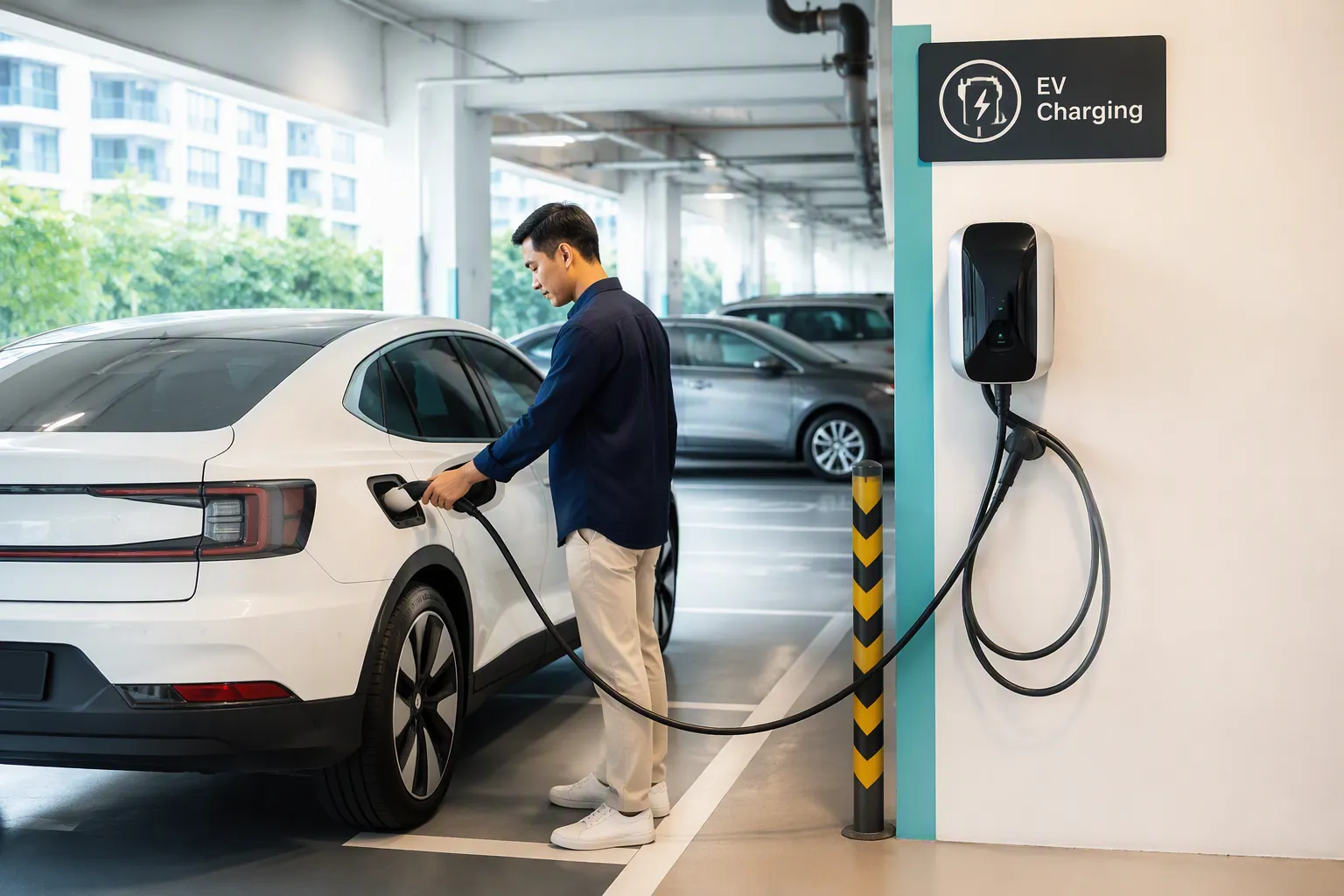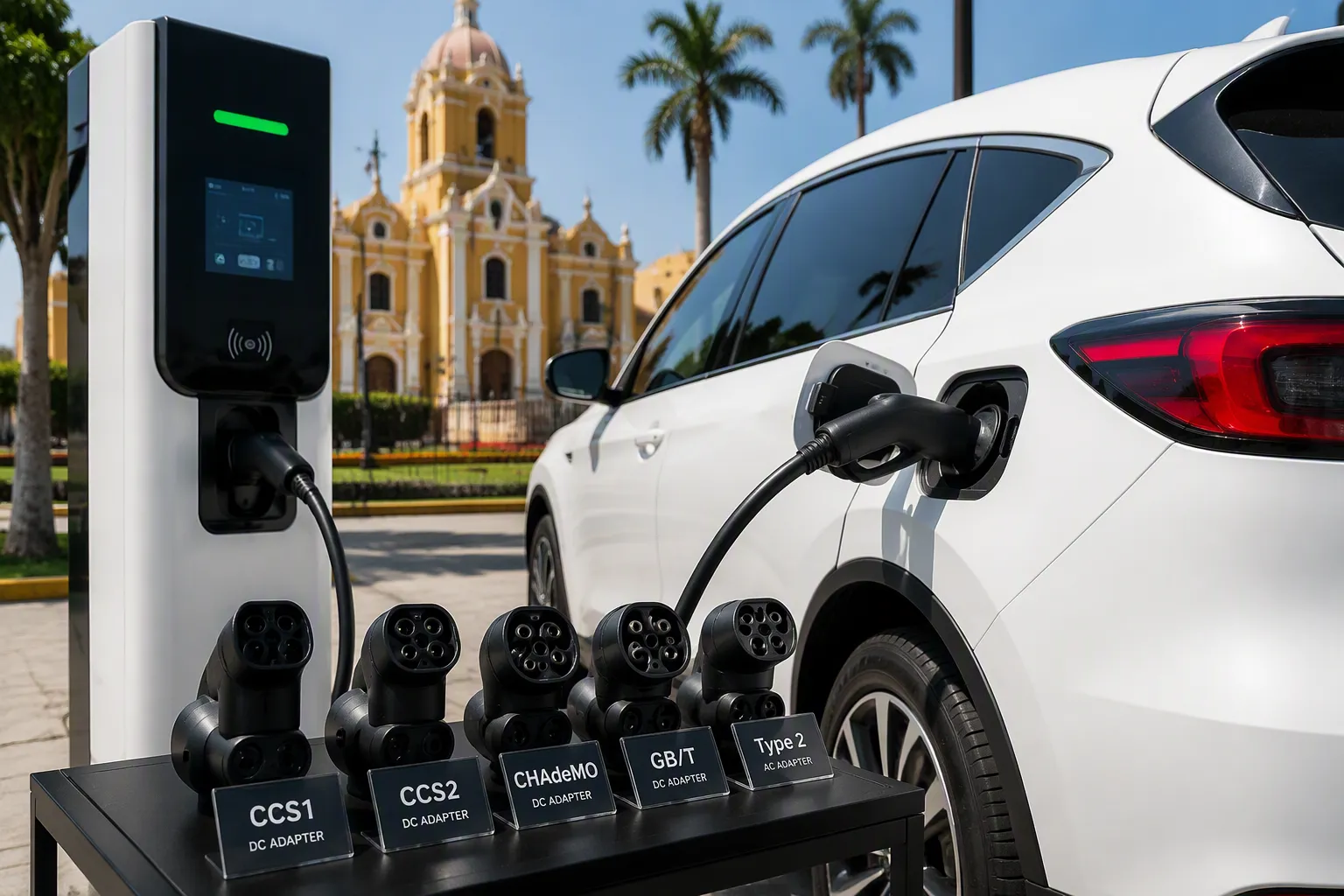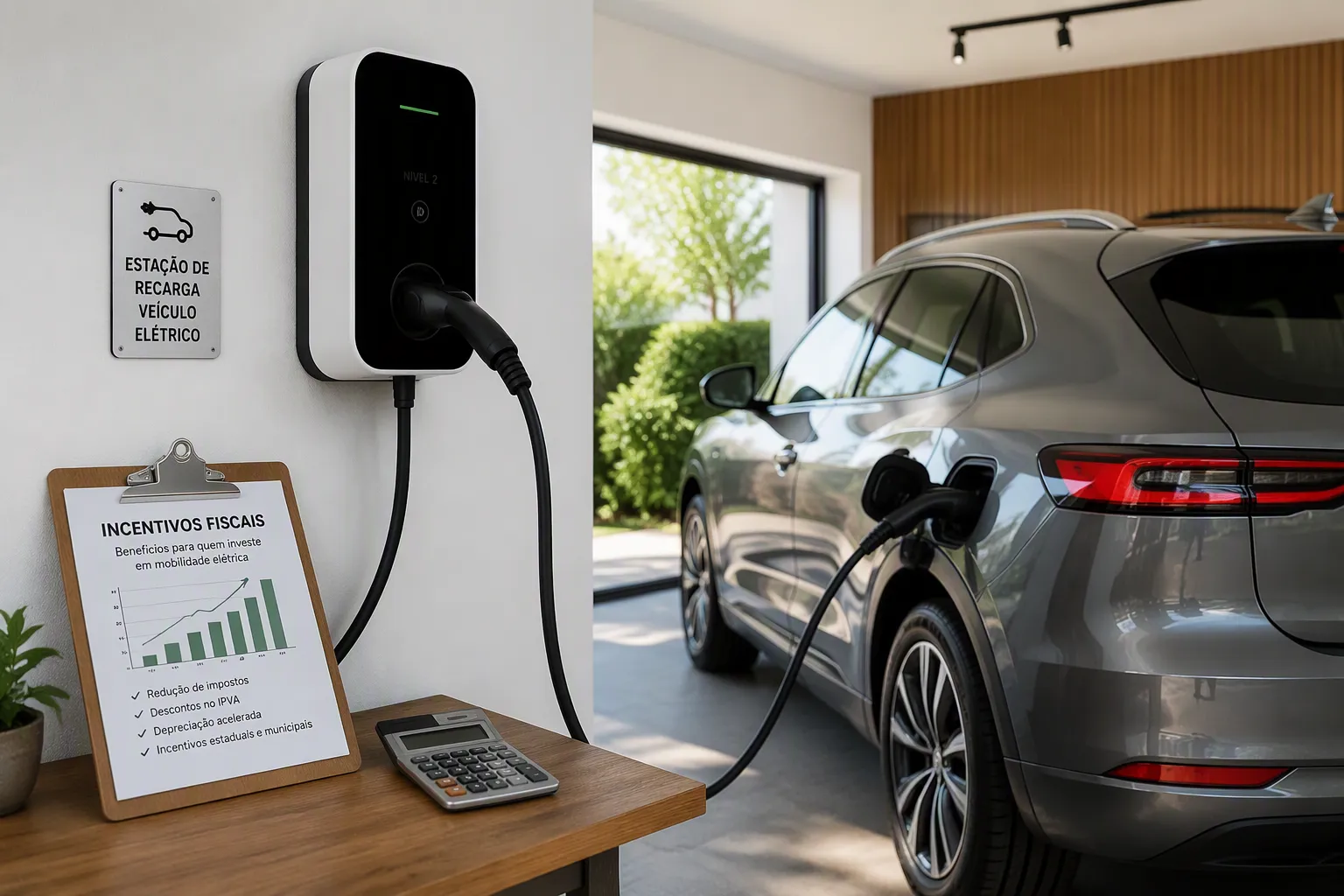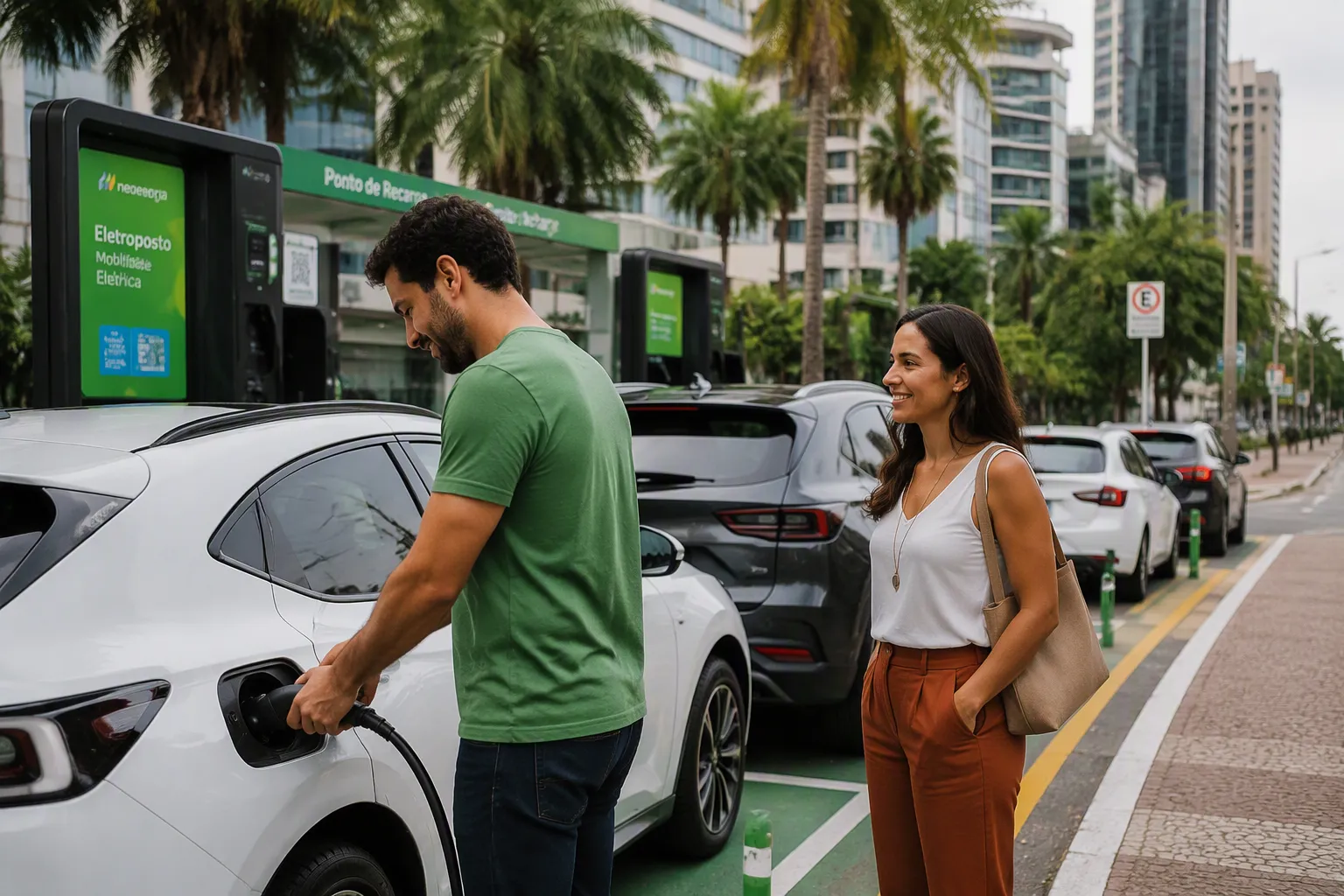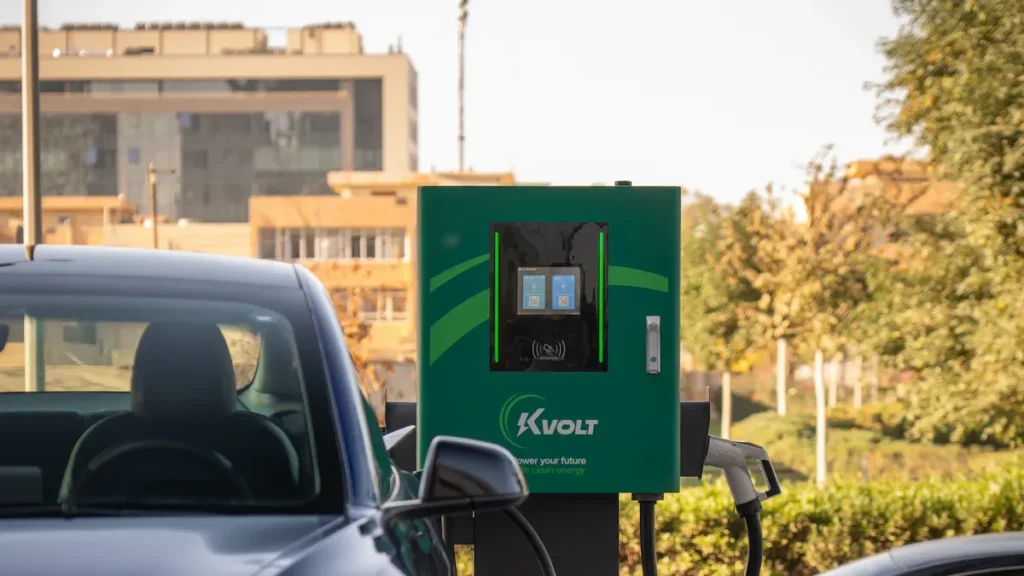
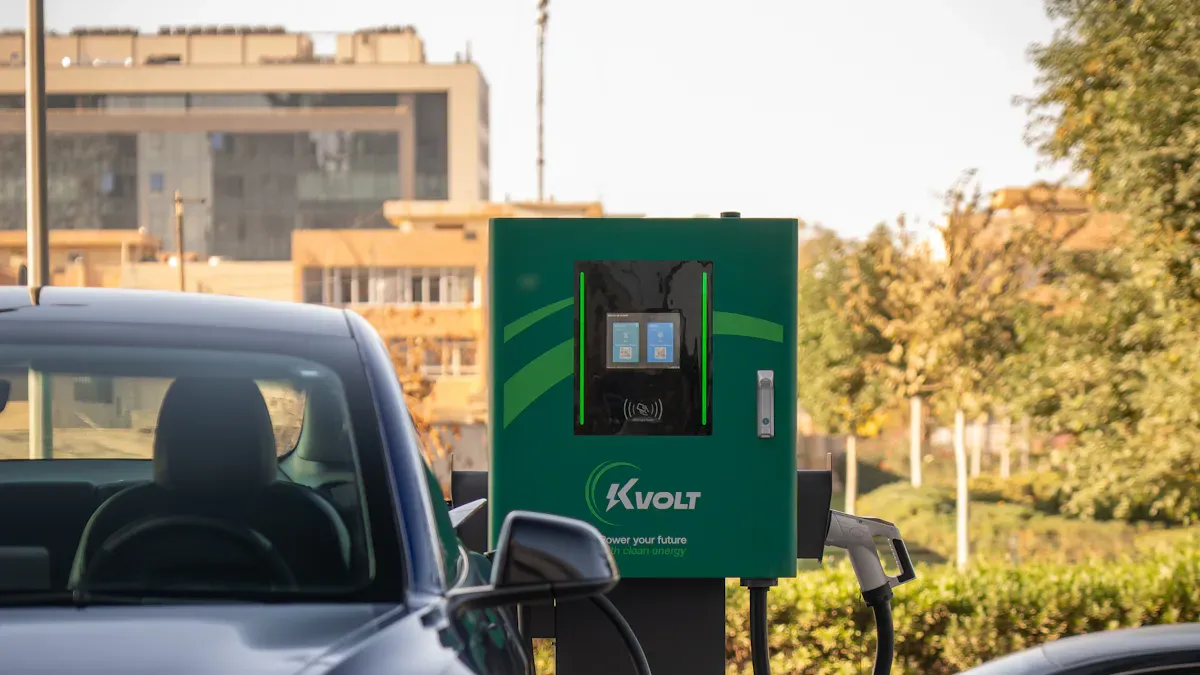
In 2025, the real cost per kWh for DC fast charging in Argentina stands at approximately 180 ARS. Drivers using electric vehicle charging stations see this rate reflected on their bills at most public شاحن السيارة الكهربائية locations. This pricing directly impacts the electric vehicle market, shaping daily charging habits and influencing decisions about حلول شحن السيارات الكهربائية. الشركات المصنعة لشاحن السيارة الكهربائية and providers of شواحن السيارات الكهربائية المحمولة also monitor these rates to stay competitive in Argentina’s evolving landscape.
Real Cost Per kWh: What You Pay for DC Fast Charging in Argentina
Average Price Range in 2025
Drivers in Argentina encounter a real cost per kWh for DC fast charging that averages between 170 ARS and 190 ARS in 2025. Most public charging stations display these prices clearly, allowing electric vehicle owners to estimate their expenses before plugging in. Charging networks set rates based on several factors, including station location, demand, and operational expenses. TPSON, a technologically advanced electric vehicle charging solution provider, helps optimize station efficiency and maintain competitive pricing.
Note: The real cost per kWh may fluctuate throughout the year due to changes in electricity supply and demand.
The following table summarizes typical price ranges at DC fast charging stations:
| نوع محطة الشحن | Average Price (ARS/kWh) | Typical Range (ARS/kWh) |
|---|---|---|
| حضري | 180 | 170 – 190 |
| المناطق الريفية | 175 | 165 – 185 |
| الطريق السريع | 185 | 175 – 195 |
Electric vehicle owners should check station apps or websites for the latest prices before charging. Charging costs remain a significant consideration for those planning long trips or daily commutes.
How the Real Cost Per kWh Is Calculated
Charging station operators calculate the real cost per kWh using several components. They start with the wholesale electricity rate, which forms the base price. Operators add retail markups, station fees, and service charges. Taxes and surcharges further increase the final amount. Infrastructure maintenance and recovery costs also contribute to the total.
The calculation process includes:
- Wholesale electricity purchase.
- Retail markup for operational expenses.
- Station fees and service charges.
- Taxes and surcharges.
- Infrastructure and maintenance recovery.
Charging networks, such as TPSON, use advanced monitoring systems to track electricity consumption and optimize station performance. These systems help reduce unnecessary costs and improve reliability.
Tip: Drivers can lower their charging expenses by choosing stations with transparent pricing and efficient billing models.
Charging stations may use per-kWh billing or combine per-session fees with per-minute charges. The real cost per kWh reflects all these factors, giving electric vehicle owners a clear picture of their expenses. Operators update prices regularly to match electricity market conditions and demand patterns.
Electricity Costs and Pricing Structure
Electricity Rates for DC Fast Charging
Wholesale vs. Retail Electricity Pricing
Electricity rates for DC fast charging in Argentina depend on both wholesale and retail pricing. Wholesale electricity comes from the national grid. Power generators supply this energy to charging station operators. Retail electricity pricing includes the base rate plus markups. These markups cover operational costs, station maintenance, and profit margins. Charging stations must monitor electricity demand closely. High electricity demand can increase wholesale prices, especially during peak hours. Retail rates reflect these fluctuations. Operators adjust their electricity pricing structures to match market conditions. This approach ensures that stations recover their expenses and remain profitable.
Regional Variations in Electricity Costs
Electricity costs vary across Argentina. Urban centers often see higher electricity rates due to increased energy consumption and grid congestion. Rural areas may benefit from lower electricity tariffs, but they face challenges with grid reliability and load management. The cost of electricity also depends on local energy policies and infrastructure investments. Some regions implement special tariffs to encourage efficient energy usage. These tariffs help balance electricity demand and reduce strain on the grid. Regional differences in electricity consumption patterns influence the final price that drivers pay at DC fast charging stations.
Station Fees and Service Charges
Per-Session and Per-Minute Fees
Charging stations often apply additional charges beyond the electricity rate. Per-session fees cover the cost of accessing the charging point. Per-minute fees account for the duration of energy consumption. These charges help operators manage station load and discourage unnecessary occupation of charging spots. Drivers should review the fee structure before starting a charging session. Transparent pricing allows users to estimate their total costs accurately.
Per-kWh Billing Models
Many stations use per-kWh billing models. This approach charges drivers based on the exact amount of electricity consumed. Per-kWh billing promotes fairness and aligns costs with actual energy usage. It also encourages efficient energy consumption and reduces waste. Charging networks update their billing systems to reflect changes in electricity demand and grid load. This flexibility supports both station operators and EV owners.
Taxes, Surcharges, and Additional Costs
National and Local Taxes
Argentina imposes national and local taxes on electricity consumption. These taxes increase the overall cost of charging. National taxes fund energy infrastructure projects and grid improvements. Local taxes support municipal services and regional development. Drivers must consider these charges when calculating their total expenses.
Infrastructure and Maintenance Recovery
Charging station operators include infrastructure and maintenance recovery fees in their pricing. These fees cover the cost of equipment upgrades, grid connections, and ongoing maintenance. Reliable power delivery depends on regular investment in station infrastructure. Operators monitor energy consumption and grid load to plan future upgrades. These efforts ensure that stations meet growing electricity demand and provide consistent service.
Note: Understanding the breakdown of electricity costs helps drivers make informed decisions about where and when to charge their vehicles.
Demand and Electricity Demand Charges Impact
Understanding Demand in the Charging Market
Growth of EV Adoption and Charging Demand
Argentina has seen a steady rise in electric vehicle adoption. More drivers choose EVs each year, which increases electricity consumption at public charging stations. As the number of vehicles grows, the demand for fast charging also rises. Charging networks must monitor energy usage to ensure the grid can handle the extra load. This growth in demand puts pressure on station operators to manage electricity supply efficiently. They must balance energy consumption with the available power from the grid.
Peak Usage Patterns
Charging stations experience peak periods when many vehicles connect at once. These peak times often occur during evenings or weekends. High demand during these hours leads to increased electricity consumption and greater strain on the grid. Operators track load patterns to predict when peak demand will occur. They use this information to plan energy management strategies. By understanding peak usage, networks can reduce the risk of grid overload and maintain reliable service.
Electricity Demand Charges Explained
How Demand Charges Affect DC Fast Charging Costs
Electricity demand charges play a major role in the cost structure for DC fast charging. Utilities apply these charges based on the highest level of power drawn during a billing cycle. When stations experience peak load, the demand charges increase. This cost gets passed on to drivers through higher per-kWh rates or additional fees. Demand charges can make up a significant portion of the total electricity bill for charging station operators. They must consider both energy consumption and peak power usage when setting prices. The impact of electricity demand charges becomes more noticeable as EV adoption grows and peak periods become more frequent.
Strategies for Managing Demand Charges
Operators use several strategies to control electricity demand charges. One common approach is load management, which involves spreading out charging sessions to avoid peak demand spikes. Some stations use energy storage systems to supply power during peak periods, reducing reliance on the grid. This technique, known as peak shaving, helps lower demand charges by limiting the highest power draw. Operators may also encourage drivers to charge during off-peak hours through pricing incentives. Effective management of electricity demand and load can lead to more stable electricity costs for both operators and drivers. Peak shaving and smart energy management ensure that charging remains affordable as the market expands.
Note: By understanding demand patterns and implementing peak shaving, charging networks can minimize electricity demand charges and support a more reliable grid.
Influencing Factors on Real Cost Per kWh
Location-Based Cost Differences
Urban vs. Rural Charging Costs
Urban charging stations in Argentina often face higher electricity demand due to dense populations and increased vehicle usage. These stations experience frequent peak periods, which lead to elevated demand charges and higher overall costs. Operators in cities must manage grid load carefully to avoid excessive power draw during peak times. Rural stations, by contrast, see lower energy consumption and less intense demand. This difference in load reduces the impact of demand charges, resulting in slightly lower costs for drivers. However, rural areas sometimes struggle with grid reliability, which can affect station efficiency and maintenance expenses.
Proximity to Major Routes and Cities
Stations near major highways and city centers attract more vehicles, increasing electricity demand and energy consumption. High traffic leads to frequent peak load events, which raise demand charges for operators. These locations require robust grid connections and advanced load management strategies. Proximity to busy routes also means operators must invest in infrastructure to handle surges in power usage. As a result, costs at these stations can exceed those in less trafficked areas.
Time of Day and Dynamic Pricing
Peak vs. Off-Peak Electricity Rates
Electricity rates for DC fast charging fluctuate based on the time of day. During peak hours, when grid demand and energy consumption soar, operators pay higher tariffs and pass these costs to drivers. Off-peak periods offer lower rates, as electricity demand drops and grid load decreases. Many charging networks encourage users to charge during off-peak times to minimize costs and reduce strain on the grid. This approach supports better energy management and helps operators control demand charges.
Real-Time Pricing Models
Charging providers in Argentina increasingly use real-time pricing models to reflect current grid conditions and market fluctuations. The following table highlights key features of these models:
| الميزة | الوصف |
|---|---|
| Real-time adjustments | Charging fees are adjusted based on grid conditions and energy market fluctuations. |
| Off-peak rates | Charging sessions can be aligned with off-peak times to provide cost savings. |
| Renewable energy availability | Pricing can be optimized based on the availability of renewable energy sources for reliability. |
These models allow operators to respond quickly to changes in electricity demand and energy consumption. Real-time pricing, including time-of-use pricing, helps balance grid load and encourages drivers to charge when renewable energy is abundant. This strategy improves efficiency and supports peak shaving efforts, reducing the impact of demand charges.
Charging Network Providers and Plans
Major Providers in Argentina
Several major charging network providers operate across Argentina. These companies manage station infrastructure, monitor electricity demand, and implement advanced load management systems. Providers invest in grid upgrades and energy storage to support peak shaving and maintain reliable service. Their strategies focus on minimizing demand charges and optimizing energy consumption.
Membership, Subscription, and Loyalty Programs
Charging networks offer various plans to help drivers manage costs. Membership and subscription programs provide discounted rates during off-peak hours and reward frequent users. Loyalty programs encourage consistent charging habits, which can help operators predict demand and manage grid load more effectively. These plans often include incentives for charging during periods of low electricity demand, supporting both cost savings and efficient grid management.
Tip: Drivers can reduce their charging expenses by selecting plans that align with their typical energy consumption patterns and by charging during off-peak periods.
السياسات والحوافز الحكومية
Subsidies and Incentives for EV Charging
Argentina’s government plays a significant role in shaping the cost landscape for DC fast charging. Policymakers recognize the importance of electric mobility for reducing emissions and modernizing transportation. They have introduced several measures to encourage both infrastructure development and EV adoption.
- Direct Subsidies: The national government offers financial support to charging station operators. These subsidies help offset installation costs for DC fast chargers. Operators can apply for grants that cover a portion of equipment and grid connection expenses.
- Tax Benefits: Some provinces provide tax exemptions or reductions for companies investing in EV charging infrastructure. These incentives lower the operational costs for charging networks.
- Import Duty Reductions: Authorities have reduced import duties on charging equipment and related technology. This policy makes advanced charging hardware more affordable for providers.
- Public-Private Partnerships: The government collaborates with private companies to expand the charging network. These partnerships often include co-financing agreements and technical support.
نصيحة: EV owners should monitor announcements from the Ministry of Energy and local governments. New incentive programs may appear as Argentina’s EV market grows.
The following table summarizes key incentives available in 2025:
| نوع الحافز | الوصف | Beneficiaries |
|---|---|---|
| Direct Subsidies | Grants for charger installation | Charging station operators |
| الإعفاءات الضريبية | Reduced taxes for infrastructure investment | Charging network providers |
| Import Duty Reductions | Lower tariffs on charging equipment | Equipment importers |
| الشراكات بين القطاعين العام والخاص | Co-financing and technical support | Private sector, municipalities |
These incentives help reduce the real cost per kWh by lowering the initial and ongoing expenses for operators. As a result, drivers may benefit from more competitive charging rates.
Regulatory Changes Affecting Costs
Regulatory frameworks continue to evolve as Argentina adapts to the rapid growth of electric vehicles. The government updates policies to ensure fair pricing, grid stability, and consumer protection.
- Price Regulation: Authorities monitor charging station pricing to prevent excessive markups. Some regions have introduced maximum allowable rates for public DC fast charging.
- Grid Access Rules: New regulations require utilities to prioritize grid upgrades in areas with high EV adoption. These rules aim to minimize bottlenecks and reduce the risk of demand charges escalating.
- Standardization: The government promotes standardized billing and transparent pricing models. This policy helps drivers compare costs across different networks.
- Renewable Energy Mandates: Some provinces encourage or require charging stations to source a portion of their electricity from renewables. This mandate can stabilize long-term costs and support sustainability goals.
ملاحظة: Regulatory changes may impact both operators and drivers. Staying informed about new rules ensures compliance and helps drivers anticipate shifts in charging costs.
Government policies and incentives remain crucial for the continued expansion of Argentina’s EV charging infrastructure. These measures not only lower costs for operators but also improve accessibility and affordability for all EV owners.
Comparison of DC Fast Charging Costs with Other Charging Options
Home Charging Electricity Costs
Residential Electricity Rates in Argentina
Home charging remains the most cost-effective option for many electric vehicle owners. Residential electricity rates in Argentina typically range from 45 to 65 ARS per kWh, depending on the region and utility provider. These rates are significantly lower than those at public DC fast charging stations. Most households benefit from stable pricing, which allows drivers to predict their monthly charging expenses with greater accuracy.
Note: Some regions offer time-of-use rates, providing further savings for charging during off-peak hours.
Installation and Equipment Expenses
Setting up a home charging station involves upfront costs. Owners must purchase a Level 2 charger, which usually costs between 200,000 and 350,000 ARS. Installation fees vary based on electrical upgrades and labor, often adding another 100,000 to 200,000 ARS. Despite these initial expenses, home charging offers long-term savings due to lower electricity rates and the convenience of overnight charging.
AC Public Charging Costs
Typical AC Charging Pricing Structures
Public AC charging stations use different pricing models. Many charge per kWh, with rates averaging 90 to 120 ARS per kWh. Some locations add session fees or per-minute charges, especially in high-traffic areas. These costs remain lower than DC fast charging but higher than home charging.
Speed, Convenience, and Cost Differences
AC charging delivers slower charging speeds compared to DC fast charging. Most AC stations provide 7 to 22 kW, which suits longer parking durations. Drivers often use AC chargers at shopping centers, workplaces, or public parking lots. While AC charging costs less, it requires more time to replenish a battery. DC fast charging offers speed and convenience for road trips or urgent needs, but at a premium price.
Total Cost of Ownership and Charging Habits
Impact of Charging Choices on Long-Term Costs
Charging habits directly influence the total cost of owning an electric vehicle. Drivers who rely primarily on home charging benefit from the lowest per-kWh rates. Those who frequently use DC fast charging face higher ongoing expenses. A balanced approach, using home charging for daily needs and public charging for travel, helps manage costs effectively.
Financial Considerations for EV Owners
Electric vehicle owners should evaluate both upfront and recurring costs. Home charging requires an initial investment but reduces long-term expenses. Public charging, especially DC fast charging, increases operational costs but adds flexibility. Careful planning and awareness of local rates enable owners to optimize their charging strategy and minimize total ownership costs.
| خيار الشحن | Typical Cost (ARS/kWh) | Upfront Equipment Cost | سرعة الشحن |
|---|---|---|---|
| الشحن المنزلي | 45 – 65 | عالية | Slow to Moderate |
| AC Public Charging | 90 – 120 | لا يوجد | معتدل |
| الشحن السريع بالتيار المستمر | 170 – 190 | لا يوجد | سريع |
Tip: Combining home and public charging can provide both savings and convenience for electric vehicle owners.
Practical Implications for EV Owners: Managing Charging Costs
Monthly and Annual Charging Cost Estimates
Typical Usage Scenarios for Different Drivers
Electric vehicle owners in Argentina face different electricity demand patterns based on their driving habits. City commuters often charge their vehicles at home during off-peak hours, which helps reduce electricity demand charges and lowers overall costs. Long-distance drivers rely more on DC fast charging stations, especially during peak travel periods. Their energy consumption increases, leading to higher demand charges and greater electricity usage. Families with multiple vehicles see higher energy consumption and must monitor their charging schedules to avoid peak demand spikes.
Cost Projections by Vehicle Type
Cost projections vary by vehicle type and energy consumption. Compact EVs with smaller batteries require less energy, resulting in lower electricity bills and reduced demand charges. Larger SUVs and commercial vehicles consume more energy, especially during peak periods, which increases both electricity demand charges and total costs. The following table illustrates estimated monthly and annual costs for different vehicle types:
| نوع المركبة | Monthly Energy Consumption (kWh) | Estimated Monthly Costs (ARS) | Estimated Annual Costs (ARS) |
|---|---|---|---|
| سيارة كهربائية مدمجة | 120 | 21,600 | 259,200 |
| Mid-size Sedan | 180 | 32,400 | 388,800 |
| Large SUV/Van | 250 | 45,000 | 540,000 |
Note: These estimates assume a mix of home and DC fast charging, with higher costs during peak demand periods.
Budgeting for DC Fast Charging and Road Trips
Planning for Regular and Occasional Use
Drivers who plan regular road trips must account for increased energy consumption and higher electricity demand charges. They should estimate the number of fast charging sessions required each month and factor in peak pricing. Occasional users can achieve savings by scheduling trips during off-peak hours, which reduces both energy consumption and demand charges. Monitoring energy usage patterns helps drivers optimize their charging schedules and avoid unexpected costs.
Managing Unexpected Charging Expenses
Unexpected charging expenses often arise from unplanned trips or peak demand events. Drivers can manage these costs by setting aside a monthly budget for electricity and demand charges. Using station apps to track real-time energy consumption and peak pricing helps prevent bill surprises. Energy storage solutions, such as portable batteries, provide backup during high demand periods and support cost control.
Tips for Minimizing Electricity and Charging Costs
Choosing the Right Charging Plan or Provider
Selecting an appropriate charging plan or provider plays a key role in managing electricity demand charges and overall costs. Many networks offer plans that reward off-peak energy consumption and provide discounts for frequent users. Comparing providers based on their demand charges, energy management features, and billing transparency leads to better savings.
Leveraging Off-Peak and Discounted Rates
Drivers can maximize savings by charging during off-peak hours when electricity demand is lower. Smart energy management systems automate charging schedules to align with periods of low grid demand. Utilizing local energy sources, such as solar panels, further reduces reliance on the grid and lowers electricity bills. Energy storage systems store excess energy during low-demand times and release it during peak periods, supporting demand shaving and improving efficiency. These strategies help drivers control energy consumption, minimize demand charges, and achieve long-term savings.
Tip: Combining renewable energy sources with smart charging and demand shaving techniques enhances energy efficiency and reduces overall costs for electric vehicle owners.
Future Trends in Real Cost Per kWh
Anticipated Price Changes and Market Growth
Argentina’s electric vehicle market continues to expand, and this growth will shape the real cost per kWh for DC fast charging. Analysts expect the number of EVs on the road to double by 2027. This surge will increase overall demand at charging stations. As more vehicles require fast charging, station operators must respond to higher peak demand periods. Utilities may adjust electricity rates to reflect this increased load, especially during times of maximum demand.
Market experts predict that the real cost per kWh could experience moderate increases in the short term. These changes will result from rising infrastructure investments and the need to manage higher demand. However, as the charging network matures and more stations open, competition among providers may help stabilize prices. Some regions may even see lower costs if local governments introduce new incentives or if renewable energy sources become more widely available.
Note: Drivers should monitor market updates and policy changes, as these factors can influence both electricity rates and demand charges.
Technological Advancements and Their Impact
Technology will play a critical role in shaping future charging costs. Smart grid systems will allow operators to better manage demand by distributing electricity more efficiently. These systems can predict peak demand periods and adjust charging schedules to minimize strain on the grid. As a result, operators can reduce demand charges and pass savings on to drivers.
Energy storage solutions, such as large-scale batteries, will help stations store electricity during periods of low demand. Operators can then use this stored energy during peak demand times, reducing reliance on the grid and lowering overall costs. Advanced demand management software will also enable real-time adjustments, ensuring that stations avoid unnecessary demand spikes.
The following table highlights key technological trends and their expected impact on demand and electricity costs:
| التكنولوجيا | Impact on Demand | Effect on Electricity Costs |
|---|---|---|
| تكامل الشبكة الذكية | Smoother demand curves | Lower peak-related expenses |
| Energy Storage Systems | Reduced peak demand | More stable electricity pricing |
| Real-Time Monitoring | Faster demand response | Improved cost efficiency |
Charging hardware will also improve. Faster, more efficient chargers will shorten session times, reducing congestion and spreading demand more evenly throughout the day. As these technologies become standard, both operators and drivers will benefit from greater reliability and more predictable costs.
Tip: Staying informed about new charging technologies and demand management strategies can help drivers make smarter decisions and control their long-term charging expenses.
Argentina’s real cost per kWh for DC fast charging in 2025 appears on bills at most stations, ranging from 170 to 190 ARS. Operators set prices based on electricity rates, station fees, and demand charges. Demand shapes costs, especially during peak periods. Drivers see these costs reflected in their bills and must monitor demand to manage expenses. Understanding real cost per kWh and demand trends helps drivers anticipate future prices and make informed decisions.
Market analysts expect demand to rise, which may affect prices and bills in coming years.
الأسئلة الشائعة
What is the average cost per kWh for DC fast charging in Argentina in 2025?
Drivers pay between 170 and 190 ARS per kWh at most DC fast charging stations. This rate includes electricity, station fees, and taxes. Prices may change based on location and demand.
Why does DC fast charging cost more than home charging?
DC fast charging uses advanced equipment and draws high power from the grid. Operators pay higher electricity rates and demand charges. These costs result in higher prices for drivers compared to home charging.
Do charging costs change depending on the time of day?
Yes. Many stations use dynamic pricing. Rates increase during peak hours when demand is high. Drivers can save money by charging during off-peak periods.
Are there extra fees besides the per-kWh rate?
Some stations add per-session or per-minute fees. These charges cover station access and help manage congestion. Drivers should check the station’s pricing details before charging.
How do government incentives affect charging costs?
Government subsidies, tax breaks, and reduced import duties lower infrastructure expenses for operators. These incentives help keep charging rates competitive and support network expansion.
Can drivers reduce their charging expenses?
Drivers can join membership programs, charge during off-peak hours, and compare providers. Using home charging for daily needs also lowers overall costs.
Which charging option is best for long trips?
الشحن السريع بالتيار المستمر offers the fastest charging speed. It suits long-distance travel and urgent needs. However, it costs more than home or AC public charging.
Will DC fast charging become cheaper in the future?
Market growth, new technology, and more competition may stabilize or lower prices. Government policies and renewable energy use could also reduce costs over time.