Poland has emerged as the primary growth engine for the Eastern European electric vehicle (EV) market in 2026, driven by a 50% year-on-year expansion in charging infrastructure and a strategic shift toward high-power DC charging along the TEN-T transport corridors. With the implementation of the تنظيم البنية التحتية للوقود البديل (AFIR) and the launch of the Mój Elektryk 2.0 subsidy program, the Polish market is successfully transitioning from a niche adopter phase to a robust industrial ecosystem, positioning itself as a critical transit hub connecting Western European networks with emerging Baltic and Balkan markets.
In This Comprehensive Market Report:
Poland’s 2026 EV Market Dynamics
As of early 2026, the Polish electromobility sector is no longer defined by “potential” but by execution and industrial scaling. The cumulative fleet of electric vehicles and plug-in hybrids in Poland has surpassed 160,000 units, with battery electric vehicles (BEVs) representing the vast majority of new registrations. This surge is not merely a consumer trend but a structural shift led by a مصنعة لوحدات شحن المركبات الكهربائية focus on localizing production and enhancing the reliability of public charging.
The “Polish EV Outlook” indicates that the market is benefiting from Poland’s unique position as a manufacturing powerhouse for بطاريات الليثيوم أيون and charging hardware. Investments in battery production have contributed to a 2.6% boost in national GDP, while exports of شواحن السيارات الكهربائية to neighboring EU countries have quadrupled compared to 2022 levels.
Poland EV Infrastructure Growth Indicators (2024-2026)
| Indicator | منتصف عام 2024 | Mid-2025 | 2026 Forecast |
|---|---|---|---|
| Public Charging Points | 6,424 | 9,624 | 14,500+ |
| DC Fast Charging Share | 27% | 35% | 48% |
| Avg. Distance Between Stations | 3.2 km | 2.1 km | 1.8 km |
AFIR Compliance and Infrastructure Density
The mandatory implementation of the تنظيم البنية التحتية للوقود البديل (AFIR) has been the single most significant catalyst for network expansion in Poland. Under these EU rules, Poland is required to ensure that charging pools are located every 60 km along the TEN-T core network. By 2026, the focus has shifted from mere coverage to power output and user experience.
Operators are now required to provide ad-hoc payment options (credit card readers) and transparent pricing at all new public stations. This regulatory pressure has led to a “cleansing” of the market, where unreliable or slow AC stations are being replaced or supplemented by high-performance شواحن التيار المستمر للمركبات الكهربائية capable of delivering 150kW to 350kW. This is essential for long-haul travel through Poland’s central logistics corridors, such as the A1 and A2 motorways.
The Subsidy Landscape: Mój Elektryk 2.0 and Beyond
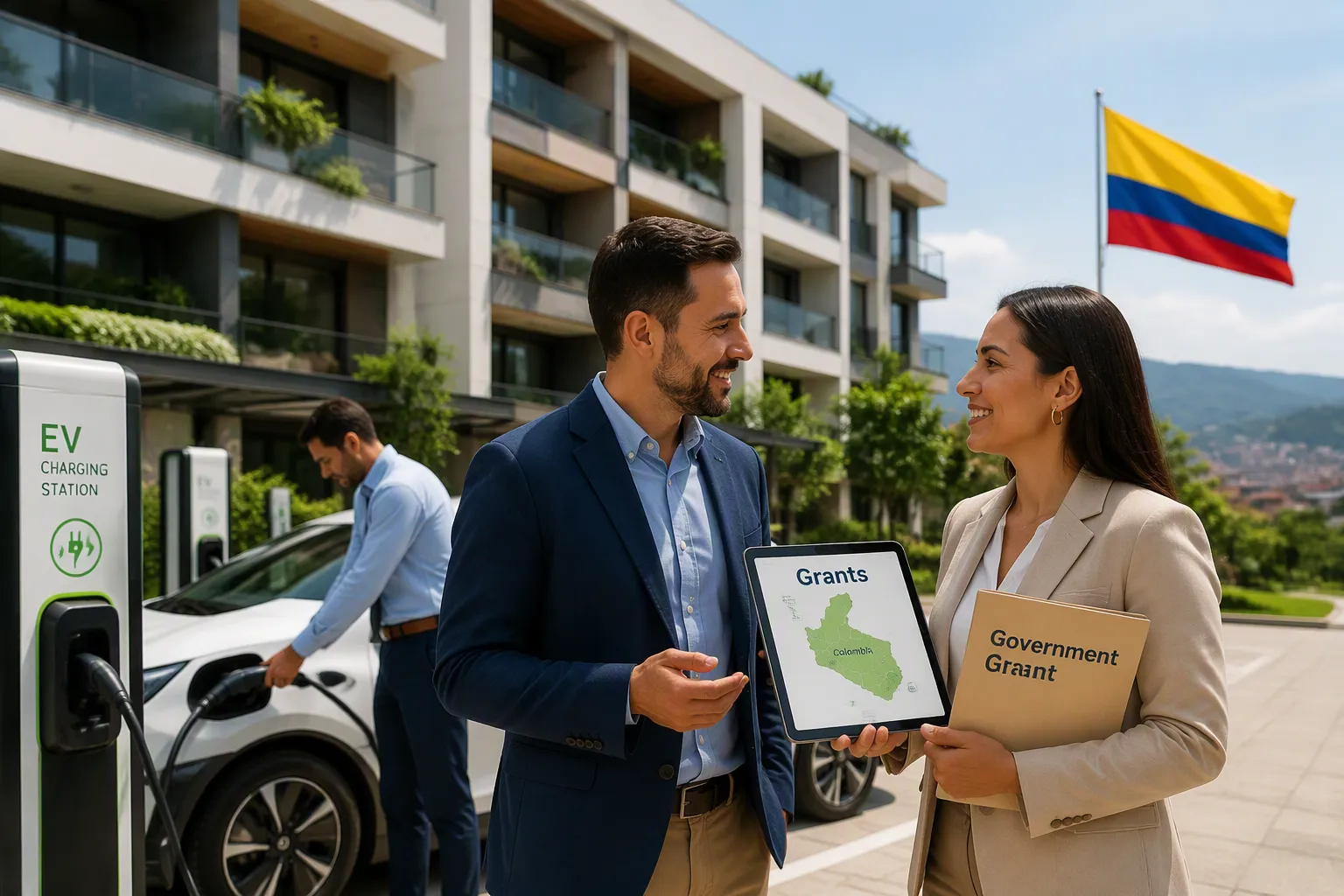
Despite early 2026 budget concerns, the Polish government has introduced Mój Elektryk 2.0 (NaszEauto), allocating PLN 1.1 billion to sustain adoption momentum. The new program extends eligibility to non-governmental organizations, medical facilities, and schools, while providing up to PLN 40,000 for M1 category passenger vehicles.
A critical component of this fiscal strategy is the interoperability bonus. Projects that integrate ISO 15118 standards (Plug & Charge) and bidirectional V2G capabilities receive priority funding. This ensures that Poland’s grid—traditionally reliant on coal—can use the growing EV fleet as a decentralized battery storage system, stabilizing renewable energy integration.
Technical Standards: AC vs. DC Deployment Trends
In the residential and workplace sectors, smart AC charging remains the dominant solution. Most new multi-family residential buildings in major cities like Warsaw, Kraków, and Wroc?aw are now required by law to be “EV-ready,” with connection capacities of at least 3.7kW per parking space. For these applications, high-durability شواحن التيار المتردد الكهربائية with integrated load balancing are the preferred choice for property managers looking to avoid expensive grid upgrades.
Conversely, the public sector is witnessing a DC-first investment strategy. Operators such as GreenWay Polska and Orlen Charge are prioritizing “HUB” locations where multiple high-speed chargers co-exist. By mid-2026, it is projected that fast chargers (50kW+) will constitute 50% of the total public infrastructure in Poland, a massive leap from just 11% in 2022.
Commercial Fleet Electrification and Logistics
Poland’s status as the logistics heart of Europe makes Heavy-Duty Vehicle (HDV) charging a top priority. Government mandates require that by the end of 2025, at least 20% of municipal bus fleets must be zero-emission. In 2026, this requirement increases to 46% for new bus procurements.
The logistics sector is also pivoting toward أنظمة الشحن بقدرة ميجاوات (MCS) to support electric semi-trucks. Strategic partnerships are deploying ultra-high-power stations at key border crossings and logistics parks, ensuring that the TCO (Total Cost of Ownership) for electric freight remains competitive with diesel alternatives.
Frequently Asked Questions
1. What is the current status of the Mój Elektryk program in 2026?
The program has transitioned into Mój Elektryk 2.0 (NaszEauto), with a refreshed budget of PLN 1.1 billion. It supports passenger cars, light commercial vehicles, and for the first time, broadens eligibility to include medical and educational institutions.
2. How does Poland’s charging network compare to Western Europe?
While the total number of points is lower than in countries like Germany or the Netherlands, Poland’s infrastructure density is growing faster (50% YoY). The average distance between chargers has dropped significantly to approximately 1.8 km in urban centers.
3. Is it possible to pay for charging without a subscription in Poland?
Yes. Under the AFIR regulations active in 2026, all new public charging points in Poland must allow for ad-hoc payments (credit card or QR code) without requiring a pre-existing contract or mobile app account.
Reference Sources and Industry Citations:
1. Poland EV Infrastructure Growth – Mobility Portal Europe 2025-2026 Report
2. AFIR Implementation and AC/DC Standards – Bender Technical Analysis
3. Poland Electric Vehicle Market Legal Framework – Dudkowiak & Putyra Electromobility Index
4. European EV Charging Industry Trends 2026 – Wallbox 2026 Outlook
5. Poland EV Outlook and Public Charger Statistics – Polish Alternative Fuels Association (PSNM)