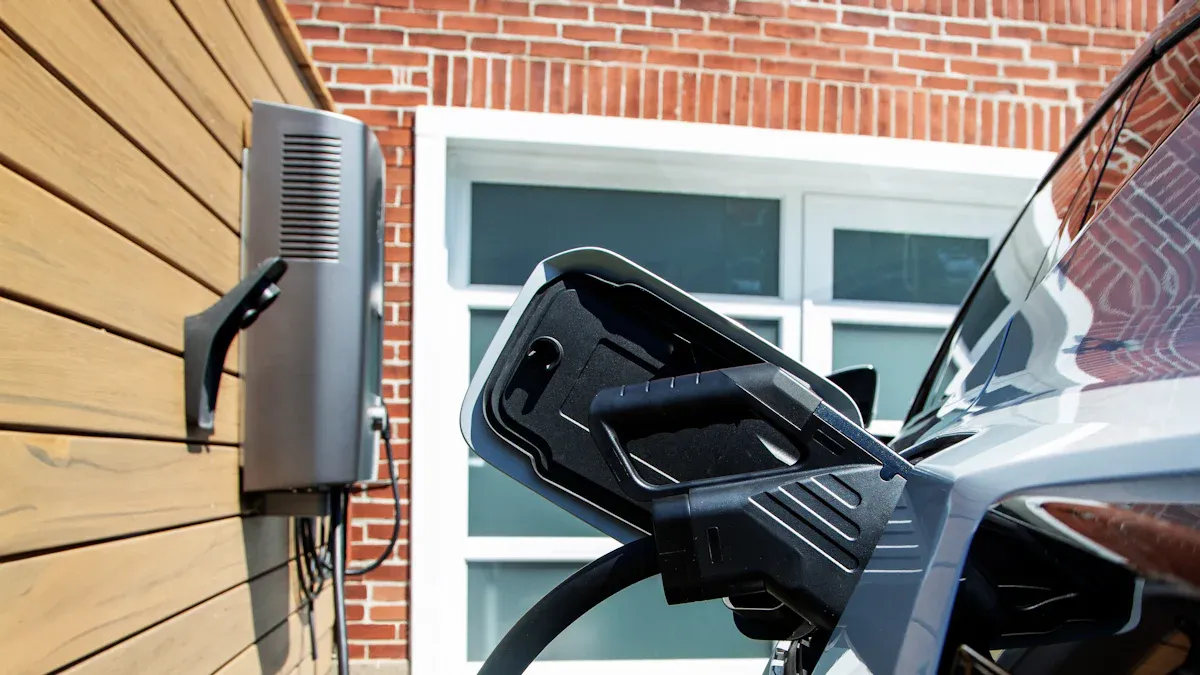
يشهد الطلب على السيارات الكهربائية في فرنسا ارتفاعًا كبيرًا. وتُبرز البيانات الحديثة هذا النمو بالنسبة لمالكي السيارات الكهربائية:
- ارتفعت مبيعات السيارات الكهربائية التي تعمل بالبطاريات بنسبة 138%.
- ارتفعت مبيعات السيارات الهجينة القابلة للشحن بنسبة مذهلة بلغت 486%.
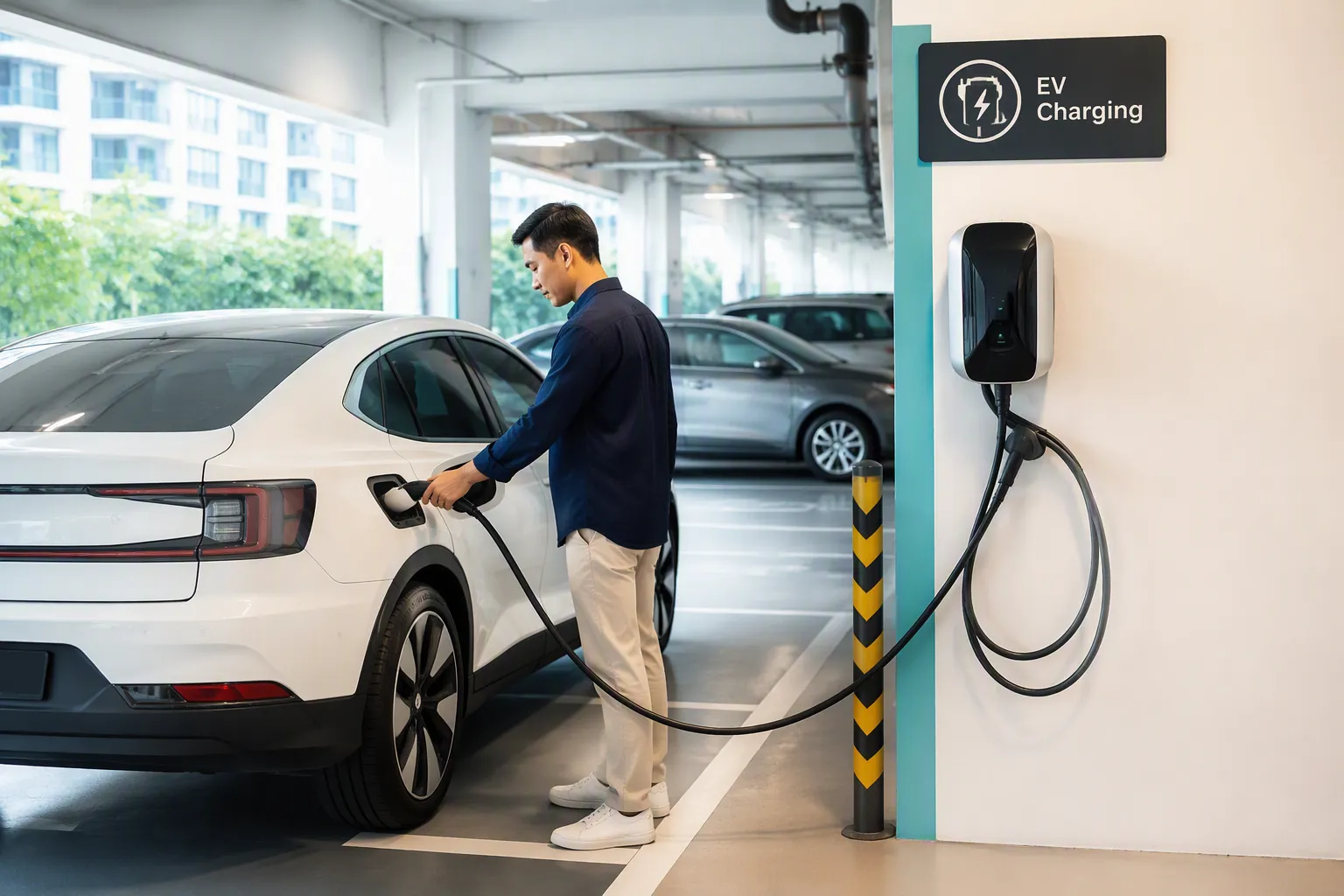
بالنسبة للسكان، يجعل هذا التحول الشحن المنزلي أمراً ضرورياً. ويُعد ‘الحق في التوصيل’ حقاً قانونياً يتيح تركيب محطة شحن شخصية. وهو أداة أساسية في الجهود الرامية إلى إقناع المالك أو مجلس إدارة المجمع السكني. ويمكن للسكان تجاوز شواحن السيارات الكهربائية المحمولة إلى دائم حلول شحن السيارات الكهربائية. الشركات المصنعة لشاحن السيارة الكهربائية مثل شركة TPSON، وهي مزود حلول شحن المركبات الكهربائية المتطورة تقنيًّا، تبسط عملية تركيب شاحن السيارة الكهربائية.
حقك القانوني: شرح مفهوم ‘Droit à la Prise’
يُعد ‘droit à la prise’، أو ‘الحق في الحصول على مقبس كهربائي’، نصاً قانونياً قوياً لصالح المقيمين في فرنسا. فهو يمنح الأفراد الحق في طلب تركيب نقطة الشحن لسيارتهم الكهربائية في موقف سيارات مشترك. هذا الحق ليس موضوعًا للتفاوض؛ بل هو حق قانوني. وفهم مبادئه هو الخطوة الأولى نحو الحصول على حل شحن شخصي.
ما هو ‘Droit à la Prise’؟
يوفر ‘الحق في التوصيل’ مسارًا واضحًا للحصول على محطة شحن منزلية. وهو يحدد مسؤوليات وحقوق جميع الأطراف المعنية.
حق محمي قانونًا
هذا الحق منصوص عليه في القانون الفرنسي. وهو يمنح المستأجر أو المالك المشارك الصلاحية للقيام بالأعمال اللازمة لتلبية احتياجاته من حيث التوصيل الكهربائي. ولا يجوز للمالك أو جمعية مالكي المنازل (HOA) رفض هذا الطلب دون أسباب مشروعة ومحددة قانونًا.
التركيب على نفقتك الخاصة
يتحمل مقدم الطلب التكلفة الكاملة للمشروع. ويشمل ذلك شراء معدات الشحن والتركيب الكامل. وتقدم الشركات المزودة المتطورة تقنيًّا مثل TPSON حلول متنوعة لتلبية مختلف الميزانيات والمتطلبات الفنية.
للاستخدام الشخصي فقط
محطة الشحن المركبة مخصصة للاستخدام الحصري للشخص الذي طلبها. ويتم توصيل الجهاز بعداد الكهرباء الشخصي الخاص به أو بعداد فرعي مخصص، مما يضمن أن يتم تحميله تكاليف استهلاكه مباشرةً.
من الذي يحق له التمتع بهذا الحق؟
يحدد القانون فئات السكان الذين يمكنهم ممارسة هذا الحق. وتشمل شروط الأهلية معظم الأشخاص الذين يعيشون في المباني التي تضم مواقف سيارات مشتركة.
المستأجرون في المباني متعددة الوحدات
يمكن للمستأجر الذي لديه مكان مخصص لوقوف السيارة أن يمارس حقه في ‘droit à la prise’. وعليه إخطار المالك بذلك، الذي يقوم بدوره بإحالة الطلب إلى جمعية مالكي الوحدات السكنية في المبنى أو ‘هيئة إدارة جمعية مالكي الوحدات السكنية’.
المالكين المشاركين في الوحدات السكنية
يمكن لأي مالك شريك في مجمع سكني أن يُخطر جمعية الملاك مباشرةً بنيته تركيب محطة شحن. وتعتبر الإجراءات المتبعة بالنسبة للمالكين الشركاء أكثر بساطة مقارنةً بالإجراءات المتبعة بالنسبة للمستأجرين. وينطبق هذا الحق على كل من أماكن وقوف السيارات الداخلية والخارجية داخل المجمع السكني.
الاستثناءات والقيود الرئيسية
ملاحظة مهمة: قد لا ينطبق هذا الحق إذا كان سكان المبنى السكني قد صوتوا بالفعل على تركيب نظام شحن جماعي، أو إذا كان هناك نظام قائم بالفعل. كما أن الاستحالة الفنية، على الرغم من ندرتها، تُعد سببًا محتملاً آخر للرفض.
الإطار القانوني
هناك قانونان رئيسيان يشكلان الأساس القانوني لـ‘الحق في التقاط الصور’. وهما يمنحان كل طلب القوة القانونية اللازمة.
قانون 10 يوليو 1965
ينظم هذا القانون شؤون المجمعات السكنية في فرنسا. ويحدد القواعد الأساسية لإدارة المناطق المشتركة. وقد أدت التعديلات التي أُجريت على هذا القانون إلى إدراج الحق في حلول الفوترة الفردية بشكل تدريجي.
المرسوم الصادر في 25 ديسمبر 2020
وقد عزز هذا المرسوم حق ‘droit à la prise’ ووضّحه بشكل كبير. كما بسط إجراءات الإخطار وقلص المدة الزمنية المتاحة لجمعية مالكي المنازل لتقديم اعتراضها. ويجعل المرسوم عملية التركيب أسرع وأكثر ضمانًا لمالكي السيارات الكهربائية.
كيفية إقناع المالك: دليل تفصيلي للمستأجر
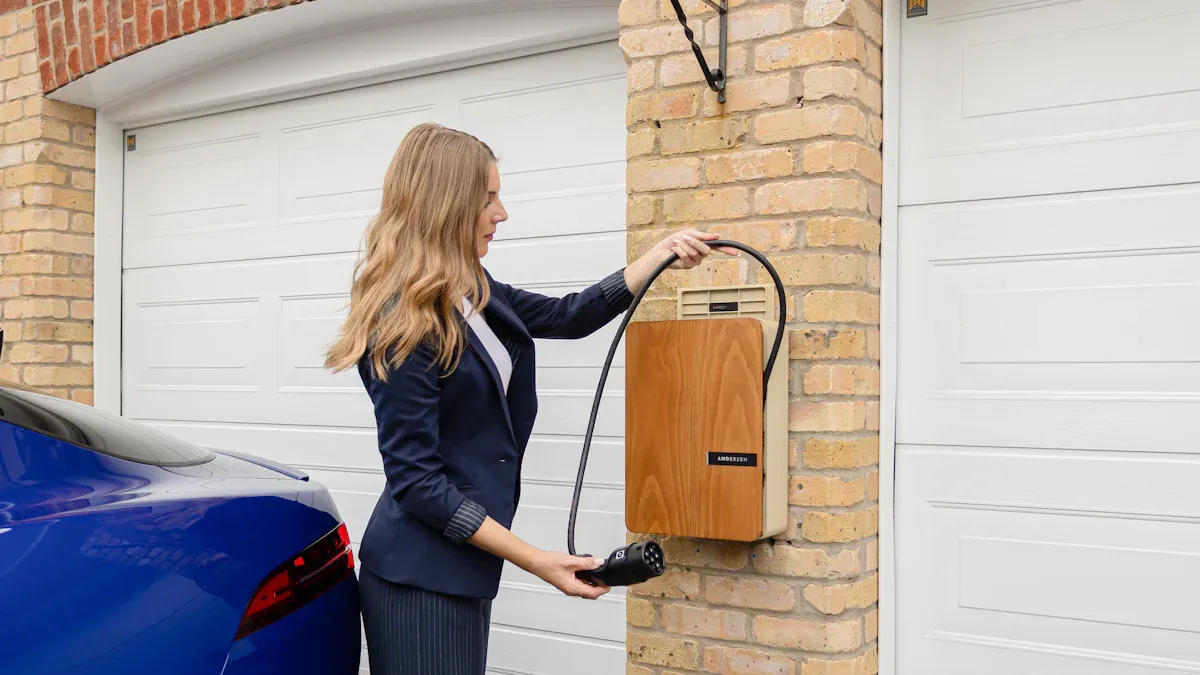
يتطلب حصول المستأجر على شاحن شخصي للسيارات الكهربائية اتباع إجراء رسمي محدد قانونًا. والهدف من ذلك ليس إقناع المالك عن طريق الإقناع، بل ممارسة حق قانوني بالشكل الصحيح. يوضح هذا الدليل الخطوات الدقيقة التي يجب على المستأجر اتباعها. ويعتمد النجاح على الإعداد الدقيق والالتزام بالإجراءات القانونية.
الخطوة 1: قم بإعداد إخطارك الرسمي
من الضروري أن تكون البداية قوية. يجب على المستأجر جمع جميع المعلومات والوثائق اللازمة قبل الاتصال بالمالك. ويُظهر هذا الاستعداد الجدية ويضمن أن يكون الطلب متوافقًا مع القانون منذ اليوم الأول.
شرط إرسال الخطاب المسجل
تبدأ العملية برمتها بإخطار رسمي مكتوب. وينص القانون الفرنسي على وجوب إرسال هذا الإخطار عبر رسالة مسجلة مع إشعار بالاستلام. وتوفر هذه الطريقة دليلاً لا جدال فيه على تاريخ استلام المالك للطلب، وهو ما يبدأ سريان المهلة القانونية.
ما الذي يجب تضمينه في رسالتك
يجب أن تتضمن الرسالة وصفًا شاملاً للأعمال المخطط لها. وينبغي على المستأجر أن يعبّر بوضوح عن نيته في ممارسة ‘حق الاستلام’. ومن التفاصيل الأساسية التي يجب تضمينها ما يلي:
- وصف تفصيلي لأعمال التركيب المقترحة.
- العلامة التجارية والطراز لمحطة الشحن المختارة.
- اسم المُركِّب المعتمد الذي سيقوم بتنفيذ العمل.
- خطة فنية أو رسم تخطيطي للتركيب.
العثور على عامل تركيب مؤهل
يجب على المستأجر الاستعانة بفني تركيب حاصل على شهادة “البنية التحتية لإعادة شحن المركبات الكهربائية” (IRVE). وتعد هذه الشهادة إلزامية للقيام بهذا النوع من الأعمال، فهي تضمن أن عملية التركيب تستوفي جميع معايير السلامة، كما أنها شرط أساسي للحصول على الدعم المالي. وغالبًا ما يمكن لمزودي الخدمات المتقدمين تقنيًّا، مثل TPSON، أن يوصوا بمتخصصين معتمدين لتركيب معدات الشحن الخاصة بهم.
إنشاء مخطط التثبيت
يُعد الرسم التخطيطي الواضح عنصراً أساسياً في الإخطار. تُظهر هذه الخطة الفنية، التي أعدها مُركِّب IRVE، الموقع المقترح لمحطة الشحن. كما تحدد مسار الكابلات الكهربائية من اللوحة الكهربائية المشتركة إلى مكان وقوف سيارة المستأجر. وتساعد هذه الوسيلة البصرية المالك وجمعية الملاك على فهم نطاق المشروع.
الخطوة 2: إخطار المالك
بعد الانتهاء من إعداد الملف الكامل، تتمثل الخطوة التالية في إخطار مالك العقار رسميًا. ويُعد هذا الإجراء بداية رسمية للإجراءات القانونية الرامية إلى إقناع المالك وجمعية مالكي الوحدات بالموافقة على المشروع.
إرسال ‘الرسالة المسجلة’
يرسل المستأجر حزمة الإخطار الكاملة إلى المالك عبر خطاب مسجل مع إشعار بالاستلام. ويجب أن تتضمن هذه الحزمة الخطاب التوضيحي، وعرض الأسعار المقدم من المُركِّب، ومخطط التركيب. ويُعتبر إرسال الخطاب بداية سريان الالتزامات القانونية على المالك.
أهمية الإقرار
إشعار الاستلام (إشعار بالاستلام) هو الإثبات الخاص بالمستأجر. فهو يؤكد التاريخ الدقيق الذي تلقى فيه المالك الطلب. ويُعد هذا التاريخ نقطة البداية للموعد النهائي المحدد بشهر واحد المتاح للمالك لاتخاذ الإجراء اللازم. وينبغي على المستأجر الاحتفاظ بهذا الإيصال في مكان آمن.
الخطوة 3: الواجب القانوني للمالك
عند استلام الإخطار، تقع على عاتق المالك مسؤوليات محددة وذات مواعيد زمنية محددة. ويقوم المالك بدور الوسيط بين المستأجر وجمعية مالكي المبنى (HOA)، أو ’السينديك‘.
المهلة الزمنية المحددة لشحن البضائع خلال شهر واحد
يمنح القانون المالك مهلة شهر واحد من تاريخ استلام الطلب لإحالة طلب المستأجر الكامل إلى جمعية مالكي الوحدات السكنية. ويجب على المالك إرسال الملف إلى أمين الجمعية بنفس الطريقة: رسالة مسجلة مع إشعار بالاستلام. وهذه الخطوة واجب قانوني وليست خيارًا.
ماذا لو لم يتخذ المالك أي إجراء؟
وإذا لم يقم المالك بإحالة الطلب خلال فترة الشهر الواحد، يحق للمستأجر اتخاذ الإجراءات مباشرةً. وعندئذٍ يمكن للمستأجر إرسال الإخطار مباشرةً إلى جمعية الملاك. ويجب أن يرفق المستأجر نسخة من الخطاب المسجل الأصلي والإيصال الذي يثبت أن المالك لم يلتزم بالموعد النهائي. وهذا يضمن عدم تمكن المالك غير المتجاوب من عرقلة طلب تركيب محطة الشحن.
الخطوة 4: دور جمعية مالكي الوحدات السكنية (المدير)
جمعية مالكي المنازل، التي تديرها رئيس النقابة, ، يلعب دورًا محوريًّا بعد أن يحيل المالك الطلب. ولا يتمتع أمين الجمعية بالسلطة اللازمة للموافقة على المشروع أو رفضه. بل إن وظيفته إدارية بحتة. حيث يضمن أمين الجمعية التزام الإجراءات بالمواعيد القانونية ويقوم بإبلاغ جميع الأطراف المعنية. وأصبح الآن جهد المستأجر لإقناع المالك مسألة رسمية يتعين على جمعية الملاك معالجتها.
استلام الطلب
يتسلم أمين الجمعية رسميًا ملف مشروع المستأجر من المالك. ويتضمن هذا الملف الوصف التفصيلي للأعمال، وعرض الأسعار المقدم من المُركِّب، والرسم التخطيطي الفني. ويُعد استلام أمين الجمعية لهذه الرسالة المسجلة تاريخًا حاسمًا جديدًا. فمن هذا التاريخ تبدأ فترة الرد المحددة بثلاثة أشهر الممنوحة لجمعية الملاك. ويجب على أمين الجمعية إضافة إخطار المستأجر إلى جدول أعمال الاجتماع العام القادم للجمعية لأغراض إعلامية.
فترة الاستجابة التي تبلغ ثلاثة أشهر
ينص القانون على مهلة صارمة مدتها ثلاثة أشهر لكي ترد جمعية مالكي الوحدات السكنية. وخلال هذه الفترة، لا يجوز لرئيس الجمعية الاعتراض على التركيب إلا لأسباب محددة للغاية ومشروعة. ويُعد الاعتراض إجراءً قانونيًا جادًّا، حيث يتطلب من جمعية مالكي الوحدات السكنية رفع دعوى رسمية أمام المحكمة القضائية (المحكمة القضائية).
نقطة قانونية مهمة: لا يمكن لجمعية مالكي المنازل أن تكتفي بالتصويت بـ“لا” أو إرسال خطاب رفض. فالطعن القانوني الرسمي هو الشكل الوحيد الصحيح للاعتراض. وإذا فاتت جمعية مالكي المنازل هذا الموعد النهائي المحدد بثلاثة أشهر، يكتسب المستأجر تلقائيًا الحق في المضي قدمًا في عملية التركيب.
يجب على مدير المجمع السكني إدارة هذا الجدول الزمني بعناية. فالمالك والمستأجر يعتمدان على اجتهاد مدير المجمع السكني.
إبلاغ المالكين المشاركين الآخرين
من المهام الرئيسية للمدير إخطار جميع المالكين الآخرين بشأن مشروع تركيب محطة الشحن. وعادةً ما يقوم المدير بذلك عن طريق إضافة هذا الموضوع إلى جدول أعمال الاجتماع العام المقبل (الاجتماع العام).
- الغرض: هذا البند من جدول الأعمال مخصص “للتعريف بالموضوع”، وليس “للتصويت”.”
- الإجراء: يقوم الملاك المشاركون بمراجعة تفاصيل المشروع. ولا يحق لهم التصويت لمنع حق الفرد.
- النتيجة: تضمن هذه الخطوة الشفافية داخل المجمع السكني. كما تتيح للجنة إدارة المجمع عرض أي حلول محتملة لفرض الرسوم الجماعية قد تكون لها الأسبقية على الطلب الفردي.
يُعد هذا التواصل جزءًا أساسيًا من العملية. فهو يبقي المجتمع على اطلاع، مع احترام الحق القانوني للمستأجر في امتلاك محطة شحن خاصة به.
دليل المالك المشارك لتركيب محطات الشحن
بالنسبة للمالكين المشاركين في المجمعات السكنية الفرنسية، فإن عملية ممارسة ‘حق الشراء’ (droit à la prise) تكون أكثر مباشرة مقارنة بالمستأجرين. حيث يتواصل المالك المشارك مباشرة مع جمعية الملاك (HOA)، أو رئيس النقابة, ، مما يلغي دور المالك كوسيط. ويتطلب هذا المسار المبسط إعدادًا دقيقًا لضمان تركيب نقاط الشحن بسلاسة ونجاح.
الخطوة 1: قم بإعداد تفاصيل مشروعك
يجب على المالك المشارك إعداد ملف مشروع كامل ومحترف قبل إخطار الاتحاد. ويُعد هذا الإعداد أساسًا لتحقيق نتيجة ناجحة، فهو يُظهر نية جادة ومدروسة جيدًا للمضي قدمًا في المشروع.
اختيار محطة الشحن الخاصة بك
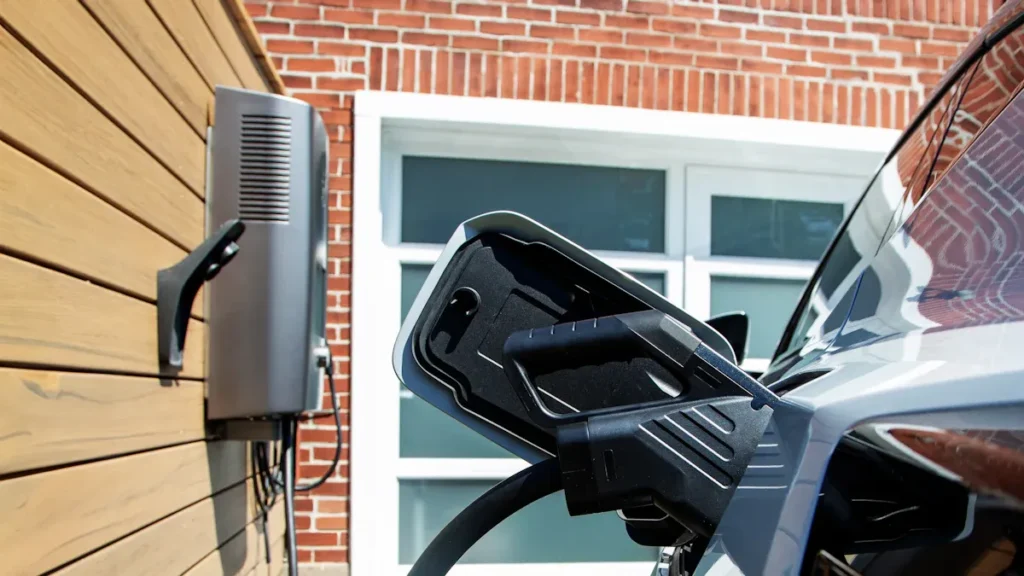
يتعلق القرار الأول باختيار المعدات المناسبة. يجب على المالك المشارك أن يأخذ في الاعتبار سعة شحن سيارته، وعاداته اليومية في القيادة، وميزانيته. وتقدم الشركات المزودة المتطورة تقنيًّا، مثل TPSON، خدمة مجموعة متنوعة من الطرازات. إن سعر شراء محطة شحن للسيارات الكهربائية يختلف حسب قدرة الخرج.
| نوع محطة الشحن | نطاق سعر الشراء (يورو) |
|---|---|
| 7 كيلوواط | 400 يورو – 1,200 يورو |
| 22 كيلو وات | 700 يورو – 1,500 يورو |
يقدم هذا الجدول تقديرًا عامًا لتكلفة الوحدة نفسها، باستثناء تكلفة التركيب.
Obtaining a Quote and Technical Plan
A co-owner must engage a certified “Infrastructure for Recharging Electric Vehicles” (IRVE) installer. This professional will assess the site and provide two essential documents:
- A detailed quote outlining the full cost of the installation.
- A technical plan or diagram showing the charger’s location and the electrical wiring route.
These documents form the core of the formal notification.
Understanding Power Connection Options
The IRVE installer will also determine the best way to connect the charger to the building’s power. A qualified electrician must first assess the condominium’s electrical infrastructure. This check confirms if the existing system can support the new load. Several connection methods exist for the installation of an electric charging point.
- Individual Metering: The most common solution involves connecting the charger to the co-owner’s personal electricity meter. If this is not feasible, a dedicated sub-meter is installed. This ensures the co-owner pays only for their own electric consumption.
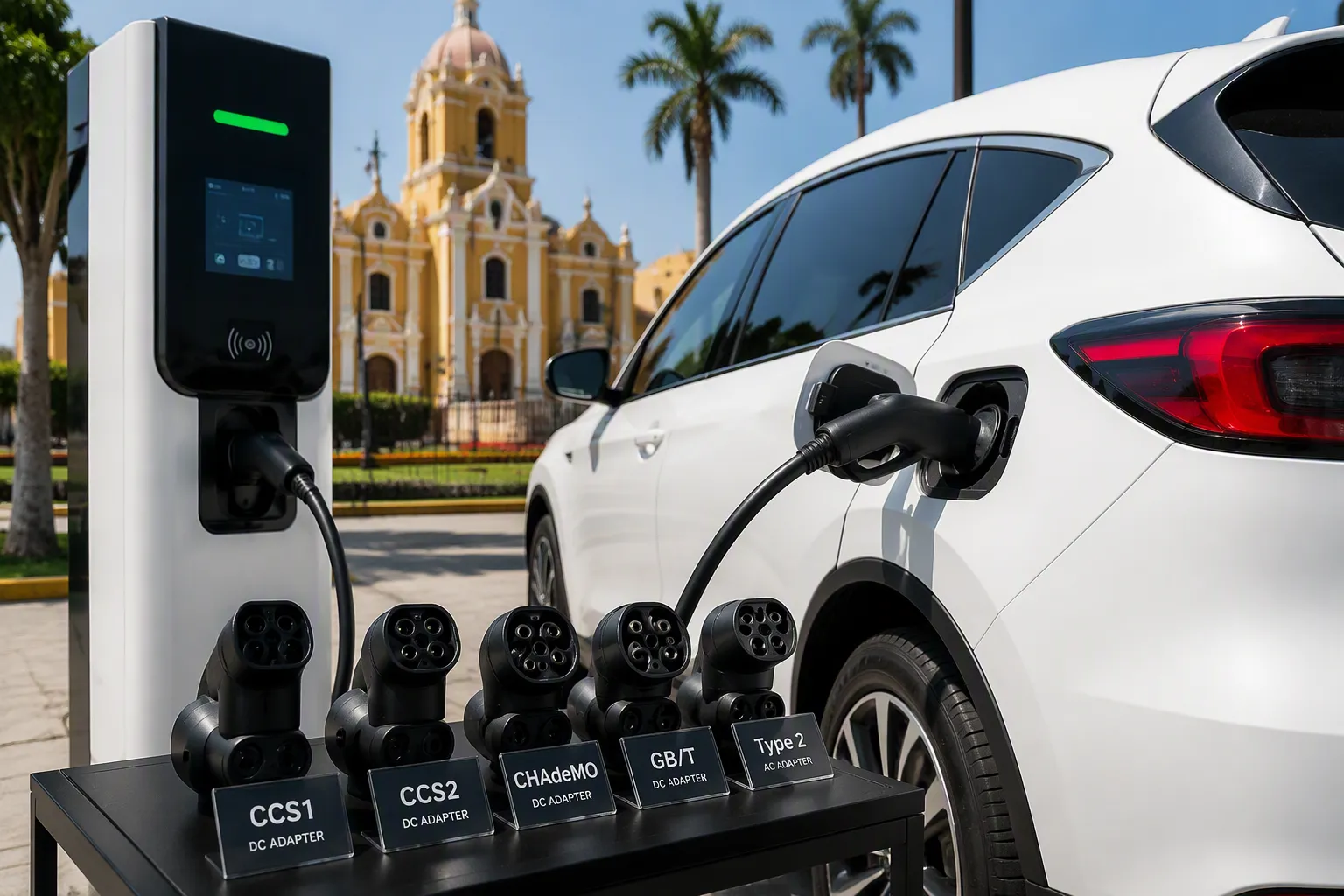
- Socket Type: The installation of a charging point can use a standard Type 2 socket, which is the universal solution for most electric vehicles. In some cases, a simple reinforced socket in the private parking space may be sufficient for lower-power charging needs.
Step 2: Notify the HOA (Syndic) Directly
With a complete project file, the co-owner can officially begin the legal process. This step involves direct and formal communication with the condominium management.
Drafting the Registered Letter
The co-owner must draft a formal letter to the syndic. This letter is a notification of intent, not a request for permission. It should clearly state the co-owner’s plan to exercise their ‘droit à la prise’. The letter must be sent via registered mail with acknowledgment of receipt (رسالة مسجلة مع إشعار بالاستلام) to create a legal record of the notification date.
Essential Documents to Attach
The registered letter is incomplete without the supporting documents. The co-owner must include the entire project file to provide the syndic with all necessary information.
Checklist of Attachments:
- وصف مفصل للأعمال المخطط لها.
- The technical plan and diagram from the IRVE installer.
- The formal quote for the complete project.
This complete package ensures the notification is legally compliant.
Step 3: The HOA’s Response and Timeline
Once the syndic receives the notification, a strict legal timeline begins. The syndic’s role is primarily administrative. It must process the notification according to the law governing condominiums.
The Three-Month Objection Period
The law gives the HOA a three-month period to object to the installation of charging stations. An objection cannot be a simple refusal. The HOA must have a legitimate, legally defined reason, such as a pre-existing plan for a collective charging solution. To formalize the objection, the syndic must file a case with the judicial tribunal within this three-month window. If the deadline passes without a formal legal challenge, the co-owner automatically wins the right to proceed with the work.
Adding to the General Meeting Agenda
The syndic has a duty to inform all other co-owners of the project. The syndic accomplishes this by adding the notification to the agenda of the next general meeting (الاجتماع العام). This step ensures transparency within the community.
‘Information’ vs. ‘Vote’
It is critical to understand the nature of this agenda item. The topic is added for information only, not for a vote. The other co-owners can review the project details, but they cannot vote to approve or deny it. The ‘droit à la prise’ is an individual right. A vote by the general assembly cannot override it. This procedure respects the co-owner’s legal right while keeping the rest of the condominium informed about the upcoming charging installation.
Can Your EV Charger Request Be Refused?
While the ‘droit à la prise’ is a strong legal right, it is not absolute. A homeowners’ association (HOA) can object to a request, but only under very specific and limited circumstances defined by law. Understanding these grounds is crucial for any resident planning an تركيب شاحن السيارة الكهربائية.
Legitimate Grounds for Refusal
An HOA can only block a request for three legally recognized reasons. The burden of proof lies entirely with the HOA.
Pre-existing Collective Solution
The HOA can refuse the request if the building already has a collective charging infrastructure. If a shared system is already in place and operational for residents to use, the individual’s right to a personal installation may not apply.
Planned Future Collective Installation
An HOA can also object if it has formally decided to implement a building-wide collective installation.
Important Condition: The HOA must have officially voted on this collective project قبل the resident submitted their individual request. The work for this collective solution must also be scheduled to begin within a reasonable timeframe.
Proven Technical Impossibility
This is the rarest reason for refusal. The HOA must provide a detailed technical report from a qualified expert. The report must prove that the building’s electrical system or structure cannot support any new charging connection, even after potential upgrades.
Illegitimate Reasons for Refusal
Many common objections from an HOA are not legally valid. A resident should not accept a refusal based on these illegitimate claims.
Cost Concerns for the HOA
The individual requesting the charger bears all costs. Therefore, the HOA cannot use financial impact on the condominium as a reason for refusal. The project has no direct cost to the other co-owners.
Aesthetic Objections
Concerns about the appearance of the charging station or its wiring are not a valid legal basis for an objection. The ‘droit à la prise’ prioritizes the need for EV charging over aesthetic preferences.
Lack of General Interest
The right to a plug is an individual right. An HOA cannot deny a request simply because other residents do not need or want a personal charging station. A lack of majority interest is irrelevant.
The Formal Objection Process
An HOA cannot simply say “no.” It must follow a strict legal procedure to voice its objection.
The HOA’s Three-Month Deadline
From the moment the syndic receives the complete request, the HOA has three months to act. This period is for the HOA to either accept the project or formally challenge it in court.
Requirement to File in Court
A simple letter of refusal is not a valid objection. To formally object, the syndic, acting on behalf of the HOA, must file a case with the judicial tribunal (المحكمة القضائية). This is the only legitimate way to challenge the request.
Consequences of a Missed Deadline
If the HOA fails to file a case in court within the three-month window, the resident automatically wins the right to proceed. The silence of the HOA is legally considered an approval. The resident can then begin the work as described in their notification.
How to Contest an Unjust Refusal
A resident who receives an unjust refusal from their homeowners’ association (HOA) has a clear legal path forward. The ‘droit à la prise’ protects the resident, and an illegitimate objection does not end the process. The resident can challenge the HOA’s decision in court. This action ensures that the law, not unfounded concerns, determines the outcome.
Consulting a Legal Expert
Facing a formal objection from an HOA requires a strategic response. A resident should immediately seek advice from a legal expert, such as an lawyer specializing in real estate or condominium law. This professional provides essential guidance and support.
A legal expert performs several key functions:
- Reviews the Objection: The expert analyzes the HOA’s refusal to determine if it has any legal merit.
- Verifies Compliance: They check if the HOA followed the correct legal procedure, including filing the objection with the court within the three-month deadline.
- Prepares the Case: The expert helps the resident gather all necessary documentation, including the original notification, the project details for their chosen TPSON charger, and correspondence with the syndic.
- Represents the Resident: The lawyer will represent the resident’s interests in all legal proceedings.
نصيحة احترافية: Engaging a legal expert early demonstrates a resident’s commitment to enforcing their rights. It often signals to the HOA that the resident will not back down from an unlawful refusal.
The Role of the Judicial Tribunal
The judicial tribunal (المحكمة القضائية) is the legal authority that resolves disputes between a resident and their HOA. When an HOA files a formal objection, this court becomes the decision-maker. The tribunal does not conduct a vote or survey opinions; it applies the law to the facts of the case.
The tribunal’s role is to examine the evidence presented by both sides. It will specifically assess whether the HOA’s objection is based on one of the few legitimate grounds for refusal. The judge will review the technical plans, the building’s status, and any plans for collective solutions. If the court finds the HOA’s objection to be unfounded, it will rule in favor of the resident. The tribunal’s decision is legally binding. A favorable ruling effectively dismisses the HOA’s objection, granting the resident the definitive right to proceed with the installation of their charging station.
Individual vs. Collective Charging Points in Condominiums
Residents in French condominiums face a choice between two paths for electric vehicle charging: an individual approach or a collective one. Each method has distinct advantages, processes, and financial implications. Understanding this choice is key to developing the right strategy for a condominium building.
The Individual Approach: Your ‘Droit à la Prise’
The ‘droit à la prise’ empowers a single resident. It is a direct and legally protected route to securing a personal charging station. This approach focuses on individual needs over community consensus.
Pros: Speed and Control
The primary benefit is speed. A resident does not need to wait for a general meeting vote. They control the entire process, from selecting a technologically advanced TPSON charger to scheduling the installation. This individual right to install ensures a quick resolution for their charging needs.
Cons: Full Financial Responsibility
The main drawback is cost. The resident who makes the request is responsible for 100% of the expenses. This includes the equipment, the work of the certified installer, and any necessary metering hardware.
The Collective Approach: A Building-Wide Solution
A collective solution aims to equip the entire building’s parking area. This forward-thinking approach treats EV charging as a building utility, similar to lighting or internet access. It is a comprehensive strategy for condominiums.
Pros: Shared Costs and Future-Proofing
A collective project spreads the cost across the condominium or among participating residents. This often makes it more affordable per person than installing individual charging points. A collective installation also future-proofs the building, preparing the electrical infrastructure for growing demand.
Cons: Requires a Majority Vote
The main obstacle is the requirement for a vote. A collective project must be approved by a majority of co-owners at a general meeting. This process can be slow and is subject to delays and debate.
Proposing a Collective Solution
Any co-owner or the syndic can propose a collective charging project. The proposal must be added to the agenda of a general meeting. A successful proposal requires convincing a majority of the benefits of a shared, collective system.
When a Collective Solution Overrides Your Right
An individual’s ‘droit à la prise’ is powerful but not absolute. A decision by the condominium to pursue a collective solution can take precedence.
Impact of a Voted Collective Project
If the condominium has already voted to implement a collective charging system, the syndic can legitimately object to an individual request. The existence of a formal collective plan supersedes the individual’s right. This prevents redundant or conflicting work within the building.
Timelines for Collective Implementation
An HOA cannot use a vague future plan to block a request. For a collective project to be a valid reason for refusal, the work must be planned to start within a reasonable timeframe after the vote. This ensures the collective solution is a genuine project, not just a tactic to delay individual requests.
Financing the Installation for Your Electric Cars
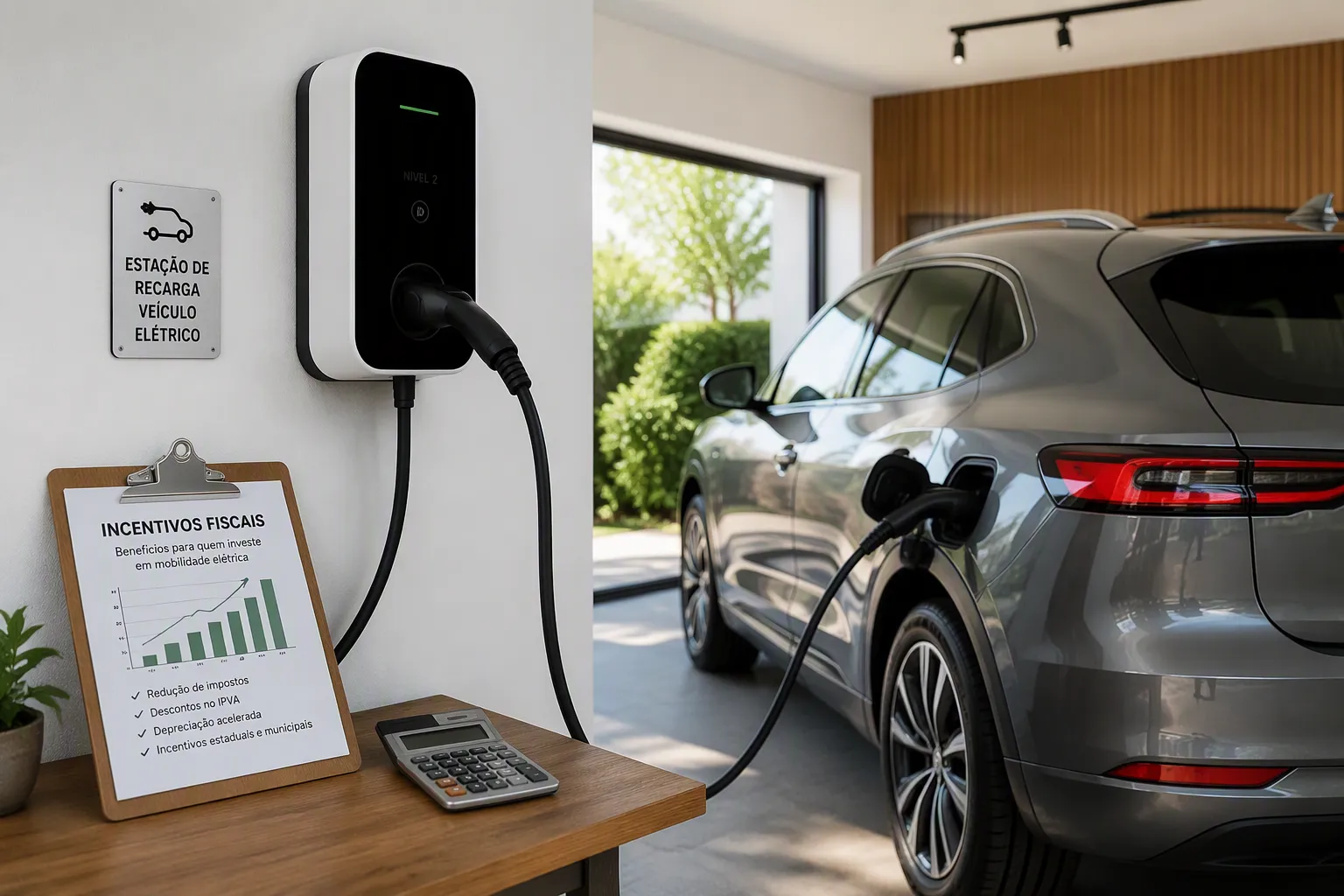
Financial aid programs significantly reduce the cost of installing a home charger for electric cars. Residents can access several national subsidies to make charging their car more affordable. These programs support both individual and collective projects for cars.
The Advenir Program: Your Primary Subsidy
The Advenir program is a key financial incentive for EV charging infrastructure. It provides direct subsidies for the purchase and installation of charging points for cars.
Subsidy for Individual Installations
A resident exercising their ‘droit à la prise’ can receive a subsidy covering 50% of the cost. The aid is capped at €960 per charging point for a single car. This makes the project much more accessible for the owner of the car.
Subsidy for Collective Projects
The Advenir program offers even more attractive aid for collective solutions in a condominium. A collective project can receive a subsidy covering 50% of the cost, with a cap of up to €1,660 per charging point. This encourages a condominium to invest in shared infrastructure for multiple cars.
الأهلية وعملية تقديم الطلبات
ملاحظة: The certified IRVE installer manages the Advenir application on behalf of the car owner. The subsidy is deducted directly from the final invoice, simplifying the process for the owner of the car.
The Tax Credit (Crédit d’Impôt)
A tax credit for acquiring a charging system provides another layer of financial support. This credit applies to a primary or secondary residence for the owner of the car.
Percentage of Costs Covered
The tax credit covers 75% of the التكلفة الإجمالية. This includes the price of the equipment and the installation labor for the car owner. Technologically advanced providers like TPSON offer solutions that qualify for this credit.
Financial Cap per Person
The credit is capped at €300 per charging system. This limit applies per person, so a couple can claim up to €600 for two separate charging points for their cars. This is a significant benefit for households with multiple cars.
How to Claim on Your Tax Return
A resident claims the credit when filing their annual income tax return. They must declare the expense and keep the invoice from the installer as proof for their car.
Reduced VAT Rate
A reduced Value-Added Tax (VAT) rate lowers the overall project cost for many cars. This tax benefit applies to specific types of properties and work.
Understanding the 5.5% VAT
The standard VAT rate of 20% is reduced to 5.5% for the supply and installation of EV charging equipment. This applies to work done in residential buildings, including condominiums, that are more than two years old.
Which Work Qualifies?
The reduced rate applies to the entire project. This includes the charging station itself and all labor costs for the installation. This benefit makes charging solutions more affordable for owners of cars in older condominiums. The collective benefit for cars is substantial.
Local and Regional Aid
National programs provide a strong financial foundation for EV charger installations. Many cities and regions in France offer additional local aid. These programs often complement national subsidies, further reducing costs for residents. They can make a significant difference, especially for larger collective projects.
Examples: Paris and Normandy Region
Different regions have unique approaches to promoting electric mobility. Paris and the Normandy region offer excellent examples of local support.
The city of Paris provides specific subsidies for condominiums. It supports the pre-cabling of parking areas for future charging needs. This aid targets collective infrastructure, covering a percentage of the work. The goal is to prepare buildings for a future where every parking space may need a charger. This type of collective investment is highly encouraged.
The Normandy region also has a robust program. It offers grants to individuals, businesses, and local authorities. The aid often focuses on encouraging collective installations. This regional support makes a collective project a more financially viable option for many co-owners.
How to Find Local Subsidies
Finding local aid requires some proactive research. The availability and terms of these programs change. Residents should check for the most current information. A technologically advanced provider like TPSON can sometimes offer guidance on local incentives for their charging solutions. Here are key resources for finding subsidies:
- Official City Websites (
town hall): A resident’s local town hall website is the best starting point. Search for terms like “charging station subsidy” or “electric vehicle aid”. - مواقع مجالس المناطق (
المجلس الإقليمي): يوضح موقع الحكومة الإقليمية البرامج الأوسع نطاقاً. وغالباً ما تدعم هذه البرامج المشاريع الجماعية الكبيرة. - وكالات الطاقة المحلية: تقدم منظمات مثل الوكالة المحلية للطاقة والمناخ (ALEC) استشارات متخصصة. فهي تتابع كل المساعدات المتاحة للمشاريع المتعلقة بالطاقة، بما في ذلك شحن السيارات الكهربائية.
- مُثبّت البنية التحتية لشحن المركبات الكهربائية (IRVE): غالباً ما يكون المثبّت المعتمد على علم بالبرامج المحلية. يمكنه إعلام مالك السيارة بالمساعدات التي تنطبق على مشروعه المحدد، سواء كان فردياً أو جماعياً.
غالباً ما تُعطي هذه البرامج المحلية الأولوية للحلول الجماعية. فهي تهدف إلى تجهيز المباني بأكملها لتلبية العدد المتزايد من المركبات الكهربائية.
‘الحق في المنفذ’ هو حق قانوني، وليس تفاوضاً مع المالك. يعتمد النجاح على اتباع إجراء الإخطار الرسمي بكل التفاصيل المطلوبة. يملك المالك وجمعية الملاك أسباباً محددة وضيقة جداً للرفض. تجعل المساعدات المالية الكبيرة شحن المركبات الكهربائية أكثر تكلفة من أي وقت مضى للسكان.
نصيحة قابلة للتنفيذ: يجب على الأشخاص البدء اليوم بصياغة خطابهم المسجل وجمع تفاصيل المشروع لإنفاذ حقهم في الحصول على حل شحن شخصي.
الأسئلة الشائعة
ما هو ‘الحق في المنفذ’؟
‘الحق في المنفذ’ هو حق قانوني فرنسي. يسمح للمستأجر أو الشريك بالملكية بتركيب محطة شحن شخصية للمركبات الكهربائية في منطقة وقوف مشتركة. يتحمل الفرد جميع التكاليف المرتبطة بالتركيب.
هل يمكن للمالك رفض طلب المستأجر؟
لا يمكن للمالك رفض الطلب شخصياً. لديه واجب قانوني بإحالة إخطار المستأجر الكامل إلى جمعية ملاك المبنى (HOA) خلال شهر واحد. يعمل المالك كوسيط فقط في هذه العملية.
من يدفع مقابل تركيب شاحن المركبات الكهربائية؟
يدفع المقيم الذي يمارس حقه في ‘الحق في المنفذ’ تكلفة المشروع بأكمله. وهذا يشمل معدات الشحن وجميع أعمال التركيب التي يقوم بها محترف معتمد. يمكن لبرامج المساعدات المالية المساعدة في تقليل هذه النفقات الشخصية بشكل كبير.
ما هو مثبت البنية التحتية لشحن المركبات الكهربائية (IRVE)؟
مثبت البنية التحتية لشحن المركبات الكهربائية (IRVE) هو محترف معتمد لتركيب بنية شحن المركبات الكهربائية في فرنسا. تعتبر تعيين مثبت معتمد من IRVE شرطاً قانونياً. كما يضمن ذلك أهلية المشروع للحصول على إعانات وطنية مثل برنامج Advenir.
ما هي المدة المتاحة لجمعية الملاك للاعتراض؟
لدى جمعية الملاك فترة صارمة مدتها ثلاثة أشهر للاعتراض بعد تلقي الإخطار الرسمي. يكون الاعتراض صالحاً فقط إذا رفعت جمعية الملاك قضية إلى المحكمة القضائية (المحكمة القضائية) على أساس شرعي ومحدد قانونياً.
ماذا يحدث إذا فاتت جمعية الملاك الموعد النهائي؟
إذا لم تقدم جمعية الملاك اعتراضاً رسمياً في المحكمة خلال فترة الثلاثة أشهر، يحصل المقيم تلقائياً على الحق في المضي قدماً. يمكن للمقيم بعد ذلك بدء أعمال التركيب كما هو موضح في إخطاره الأصلي.
هل يمكن للمقيم اختيار أي شاحن مركبات كهربائية؟
نعم، يمكن للمقيم اختيار محطة الشحن التي يفضلها. تقدم شركات مزودة حلول شحن المركبات الكهربائية المتقدمة تقنياً مثل TPSON نماذج متنوعة تلبي المعايير الفنية وتؤهل للحصول على مساعدات مالية، مما يمنح المقيمين المرونة والاختيار لمشروعهم.