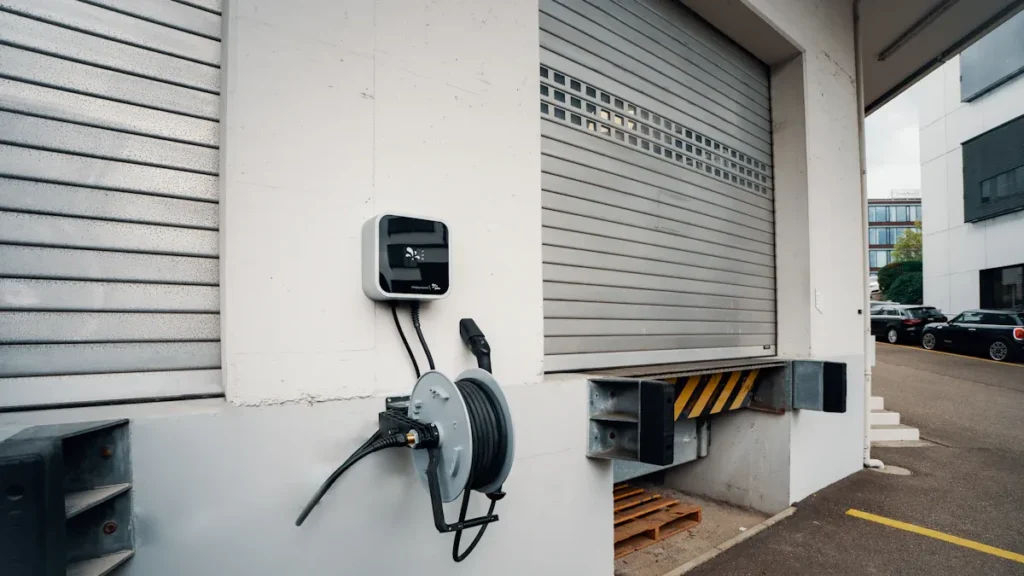

المستوى 2 النموذجي شاحن السيارة الكهربائية uses about 7,200 watts (7.2 kilowatts) of power. This setup has become the standard for home ev charging. It provides a full charge overnight for most electric vehicles. Research shows over 80% of owners charge their cars at home, making this a popular solution. However, the power needed varies widely. الشركات المصنعة لشاحن السيارة الكهربائية عرض متنوع حلول شحن السيارات الكهربائية. The range spans from 1,400 watts for basic شواحن السيارات الكهربائية المحمولة to over 19,000 watts for a high-end charger.
Understanding Power for Your Electric Car Charger
To choose the right electric car charger, one must first understand the basic electrical terms involved. These concepts explain how quickly a charger can add energy to a vehicle and how that energy is measured for billing.
Watts, Kilowatts, and Amps Explained
The specifications on any charger involve a few key units. Understanding the difference between power and current is fundamental.
Power vs. Electrical Current
Power and current are related but distinct concepts. Think of electricity flowing through a wire like water through a hose.
- Current (Amps or A): This measures the volume of electrical charge flowing. It is like the amount of water moving through the hose.
- Voltage (Volts or V): This is the electrical potential difference, or pressure, pushing the current. It is similar to the water pressure in the hose.
- Power (Watts or W): This measures the rate of energy transfer. It is the total work the electricity can do at any moment. A kilowatt (kW) is simply 1,000 watts.
A 7.2 كيلوواط charger, for instance, can deliver 7.2 kilowatts of power to an EV’s battery in one hour.
How Watts and Amps Relate
The relationship between these units is simple and direct. Power is the product of voltage and current. This formula helps determine a charger’s power output.
For a typical Level 2 charger in the US, the circuit provides 240 volts. If a charger is set to draw 30 amps, its power output is:
240 Volts × 30 Amps = 7,200 Watts (or 7.2 kW)
This calculation is essential for matching a charger to a home’s electrical system.
Kilowatt-Hours (kWh): The Unit on Your Bill
While watts measure the rate of power, your utility company bills you for the total energy you consume. This is where the kilowatt-hour (kWh) comes in.
Measuring Energy, Not Power
A kilowatt-hour (kWh) is a unit of energy, not power. It is officially defined as the total energy consumed when a 1,000-watt appliance runs for one hour. If your 7.2 kW charger runs for one hour, it consumes 7.2 kWh of energy. Your electric bill shows your total consumption in kWh.
How kWh Connects to Your EV Battery Size
The capacity of an electric vehicle’s battery is also measured in kWh. A car with a 60 kWh battery requires 60 kWh of energy to go from empty to full. If you add 30 kWh of energy, you have filled the battery halfway. The size of your battery in kWh and the power of your charger in kW determine how long it takes to recharge. A larger battery pack, measured in kWh, will take longer to fill than a smaller one. The cost of a full charge depends on the battery’s total kWh capacity and the price per kWh from your utility.
Power Needs for Different Home EV Charging Levels

The power an EV charger requires depends directly on its charging level. Home charging solutions are categorized into two main types: Level 1 and Level 2. Each has distinct power requirements, installation needs, and charging speeds.
Level 1 Charger: The 120V Basic Option
A Level 1 charger is the most basic charging method available. It uses a standard electrical outlet, making it universally accessible without any special installation.
Power Usage: 1,400 to 1,900 Watts
Level 1 chargers plug into a common 120-volt household circuit. These circuits typically deliver 12 to 16 amps of current. Using the power formula, this results in a power output between 1,400 watts (1.4 kW) and 1,900 watts (1.9 kW). This low power draw is gentle on a home’s electrical system.
Required Circuit: Standard Household Outlet
The primary advantage of a Level 1 charger is its simplicity. It requires no electrical modifications and works with any standard three-prong outlet.
ملاحظة: For safety and consistent performance, a Level 1 charger should be plugged into a dedicated circuit. Using it on a circuit with other appliances can cause the breaker to trip.
Best For: Low-Mileage Drivers & PHEVs
The trade-off for this convenience is slow charging speed. A Level 1 charger typically adds only 3 to 5 miles of range for every hour of charging. This makes it a practical solution for:
- السيارات الكهربائية الهجينة القابلة للشحن (PHEVs): These vehicles have smaller batteries that can be fully recharged overnight.
- السائقين ذوي الأميال المنخفضة An owner who drives 30-40 miles per day can easily replenish that range with 8-10 hours of overnight charging.
Level 2 Charger: The 240V Home Charging Standard
إن شاحن المستوى 2 is the most common and recommended solution for dedicated home charging. It offers a significant boost in charging speed by using a higher-voltage circuit.
Power Usage: 3,300 to 19,200 Watts
Level 2 chargers operate on a 240-volt circuit, similar to an electric dryer or oven. The power they deliver varies based on the amperage of the circuit, which can range from 16 amps up to 80 amps. This results in a wide power spectrum, from 3.3 kW all the way to 19.2 kW for the most powerful residential models.
Common Home Setup: 7,200 Watts (30A on 240V)
Most EV owners find that a 7,200-watt (7.2 kW) charger provides the perfect balance of speed and electrical demand. This setup, which runs on a 40-amp breaker, can fully charge most EVs overnight. For an EV with a 60 kWh battery, a 7.2 kW charger can deliver a full charge in about 9 hours, accounting for a typical 10% efficiency loss during the charging process. This speed ensures even long-range EVs are ready to go each morning.
Required Circuit: Dedicated 240V Outlet
Installing a level 2 charger is a more involved process that requires professional expertise. A licensed electrician must install a dedicated circuit that runs directly from the main electrical panel. Key installation requirements include:
- مخصص 208V or 240V circuit.
- A two-pole circuit breaker, typically 40 or 50 amps.
- Heavy-gauge wiring to handle the continuous electrical load safely.
- An assessment of the home’s main electrical panel to ensure it has enough capacity. Older homes with 100-amp service may need an upgrade.
Hiring an experienced electrician is crucial. They will ensure the installation is safe, compliant with local codes, and correctly sized for both the charger and the home’s electrical system.
How Power Usage Affects Your EV Charging Cost

The power of a charger influences speed, but the energy consumed determines the final bill. Understanding how to calculate the cost to power an electric car is essential for every owner of electric vehicles. The calculation is straightforward and empowers owners to manage their expenses effectively.
The Formula for Calculating Charging Cost
An owner can estimate their نفقات الشحن with a simple three-step formula. This calculation combines the charger’s power, the duration of the charging session, and the local electricity rate.
Step 1: Find Your Charger’s Kilowatt Rating
First, identify the power output of the charger in kilowatts (kW). This is usually listed on the unit itself. For example, a common Level 2 charger has a rating of 7.2 kW. This figure represents the rate of energy transfer.
Step 2: Determine Your Charging Time in Hours
Next, determine how long the charger will run. If a 7.2 kW charger runs for one hour, it consumes 7.2 kilowatt-hours (kWh) of energy. If it runs for five hours, it consumes 36 kWh (7.2 kW × 5 hours).
Step 3: Know Your Electricity Rate ($/kWh)
Finally, find the price of electricity on a recent utility bill. This rate is expressed in dollars or cents per kilowatt-hour ($/kWh). This is the amount the utility company charges for each kWh of energy consumed.
The basic formula to find the total cost of a charging session is:
Total Energy Consumed (kWh) × Your Electricity Rate ($/kWh) = Total Cost
Example Cost Scenarios for Electric Vehicles
Applying this formula to real-world situations clarifies the typical cost of home charging.
Daily Cost for an Average Commute
An average American commute is about 40 miles round-trip. Most EVs use approximately 1 kWh of energy to travel 3-4 miles. A 40-mile drive, therefore, requires about 12 kWh of energy. With a national average electricity rate of around $0.17 per kWh, the daily charging cost is:
12 kWh × $0.17/kWh = $2.04
This makes the daily cost to power an electric car significantly lower than refueling a gasoline vehicle.
Monthly Cost for a 7.2 kW Charger
An owner driving 1,200 miles per month would need roughly 360 kWh of energy. The total monthly charging cost at an average rate of $0.17 per kWh would be:
360 kWh × $0.17/kWh = $61.20
This monthly cost is a fraction of what most drivers spend on gasoline, highlighting one of the key financial benefits of EV ownership.
Saving Money with Time-of-Use (TOU) Rates
Many utility companies offer special rate plans that can dramatically lower the cost of EV charging. These are known as Time-of-Use (TOU) plans.
What Are TOU Plans?
TOU plans are pricing structures that vary the cost of electricity based on the time of day. This approach helps manage demand on the electrical grid.
- ساعات الذروة: Electricity is most expensive during periods of high demand, such as late afternoons and early evenings when people return from work.
- ساعات خارج الذروة: Electricity is cheapest late at night and in the early morning when overall demand is low.
- Smart Meter Requirement: Most TOU plans require a smart meter, which automatically tracks and reports energy usage by the hour to the utility.
The Benefit of Off-Peak Charging
The financial advantage of TOU plans is significant. By scheduling charging sessions during off-peak hours, EV owners can pay a much lower rate per kWh. As electricity rates vary widely across the United States, savings can be substantial in high-cost states.

For example, some utilities in California offer rates that are 30-50% lower during off-peak windows. An owner can program their vehicle or charger to begin charging automatically after 9 PM or midnight to take advantage of these savings.
| مزود المرافق | المنطقة | سعر الذروة (سنت/كيلوواط ساعة) | سعر خارج الذروة (سنت/كيلوواط ساعة) | ساعات الذروة |
|---|---|---|---|---|
| PG&E (E-TOU-C) | كاليفورنيا | ~26–29 | ~18–20 | 4–9 PM daily |
| ساذرن كاليفورنيا إديسون | كاليفورنيا | متفاوتة | متفاوتة | 4–9 PM weekdays |
| باسيفيك باور | واشنطن، أوريغون، كاليفورنيا | ~28 | ~10 | 2–10 PM (summer) |
By shifting a 12 kWh daily charging session to an off-peak rate of $0.10/kWh instead of a peak rate of $0.28/kWh, an owner saves over 60% on their charging cost for that day.
Factors That Determine Your Actual Power Needs
Choosing the right home charging setup involves more than just picking a charger off the shelf. An owner’s specific power requirements depend on three critical elements: the vehicle’s capabilities, daily driving patterns, and the home’s existing electrical infrastructure. A careful review of these factors ensures a safe and efficient charging experience.
Your Vehicle’s Onboard Charger Limit
The electric vehicle itself plays a major role in determining charging speed. A wall charger can only deliver as much power as the car is designed to accept.
How Your EV Limits Charging Speed
Every electric vehicle contains an onboard charger. This component converts the alternating current (AC) from a wall outlet into direct current (DC) to store in the battery. This onboard unit has a maximum power rating, measured in kilowatts (kW). If a home has a 11.5 kW charger but the car’s onboard charger is limited to 7.2 kW, the charging session will not exceed 7.2 kW.
Finding Your Car’s Max AC Charging Rate
Identifying a vehicle’s maximum AC charging rate is a straightforward process. This specification is crucial for matching a home charger to the car’s capabilities. Owners can find this information in several places:
- دليل المالك.
- The vehicle’s official specification sheet.
- Documentation provided at the time of purchase.
If the documentation is not readily available, an owner can also contact the car manufacturer or an authorized dealer for the correct specification.
Your Daily Driving Habits
An owner’s daily routine directly influences their charging needs. The distance driven each day determines how much energy must be replenished overnight.
Low vs. High Mileage Needs
A driver who commutes 20 miles per day can easily replenish that range with a lower-power charger or even a Level 1 setup. However, a high-mileage driver covering 80+ miles daily will benefit from a more powerful Level 2 charger to ensure the battery is full each morning. More demanding driving requires faster charging.
Calculating Miles Added Per Hour of Charging
The number of miles added per hour of charging depends on both the charger’s output and the car’s efficiency. Vehicle efficiency is measured in miles per kilowatt-hour (miles/kWh). A car with excellent efficiency (5+ miles/kWh) will gain more range in an hour than a less efficient car (under 3 miles/kWh) using the exact same charger.
Your Home’s Electrical Panel Capacity
The final piece of the puzzle is the home’s electrical system. The main electrical panel must have enough capacity to support the continuous load of an EV charger.
How to Assess Your Main Panel
The main electrical panel, or breaker box, distributes electricity throughout the home. The total capacity is indicated on the main breaker, typically labeled with a number like “100A” or “200A”. An owner should also check for available physical space for a new two-pole breaker required for a Level 2 charger.
When an Electrical Upgrade is Necessary
Older homes with 100-amp service or less may not have sufficient capacity for a powerful Level 2 charging station, especially with other large appliances running. If the panel is already full or lacks the required capacity, an electrical service upgrade performed by a licensed electrician becomes necessary for a safe installation.
Matching an Electric Car Charger to Your Home’s System
Selecting the right electric car charger requires a careful match between the device, the vehicle, and the home’s electrical system. Technologically advanced electric vehicle charging solution providers like TPSON offer a range of products to meet diverse needs. Safety codes and installation types are key considerations in this process.
The 80% Rule for Electrical Circuits
Electrical safety standards are paramount for high-power installations. The “80% Rule” is a fundamental principle that ensures a circuit does not become overloaded.
Understanding Continuous Loads
The National Electrical Code (NEC) defines a continuous load as any device that runs at maximum power for three or more hours. EV charging sessions easily meet this definition. For these loads, the NEC mandates specific safety margins to prevent overheating and potential hazards. The circuit should only be loaded to 80% of its maximum rating.
Sizing Your Breaker Correctly
Properly sizing the circuit breaker is a critical safety step. An electrician will apply a 125% sizing factor to account for the continuous load. This means the breaker must be rated for 125% of the charger’s amperage draw.
Formula for Safety:
Breaker Size (Amps) = Charger's Maximum Amperage × 1.25
على سبيل المثال 40-amp charger requires a 50-amp circuit breaker (40A × 1.25 = 50A). This ensures neither the breaker nor the wiring will overheat during a long charging session.
Common Home Charger Amperage Setups
Home chargers are available in several common amperage configurations. Each one offers a different charging speed and has specific circuit requirements.
16-Amp Chargers (3.8 kW)
A 16-amp charger delivers about 3.8 kW of power. This setup is a significant step up from Level 1 charging. It is an excellent choice for plug-in hybrids (PHEVs) or for EV owners with shorter daily commutes.
30/32-Amp Chargers (7.2-7.7 kW)
إن 32-amp charger is the most popular home charging solution, providing about 7.7 kW. This power level can fully charge most electric vehicles overnight, making it a practical and efficient standard for the majority of EV owners.
40/48-Amp Chargers (9.6-11.5 kW)
For maximum speed, 40-amp and 48-amp chargers deliver 9.6 kW and 11.5 kW, respectively. These powerful units are ideal for long-range EVs, such as the Tesla Model S or Y. A 48-amp charger can add over 40 miles of range per hour, ensuring even a nearly empty battery is full by morning.
التركيبات السلكية الصلبة مقابل التركيبات الموصولة بالكهرباء
An owner must also choose between a hardwired or a plug-in installation for their charger.
Benefits of a Hardwired Charger
A hardwired charger is connected directly to the home’s electrical circuit. This permanent installation is often safer, more durable, and better suited for outdoor locations where it is protected from the elements. Some high-amperage chargers (above 40 amps) may require a hardwired setup.
Flexibility of a Plug-In Charger
A plug-in charger connects to a 240V outlet, similar to an electric dryer. This offers greater flexibility. An owner can easily unplug the unit for replacement or take it with them if they move.
Do I Need an Electrical Panel Upgrade for Home Charging?
Installing a Level 2 charger is a significant electrical project. Many homeowners wonder if their current system can handle the added demand. An electrical panel upgrade is sometimes necessary to ensure a safe and reliable installation.
Signs Your Panel May Be Insufficient
Several clear signs indicate a home’s electrical panel may not be up to the task of supporting a new EV charger. Recognizing these indicators is the first step in assessing a home’s readiness.
Older Homes with 60-100 Amp Service
Homes built several decades ago often have electrical service rated for 60 or 100 amps. These systems were not designed for the high, continuous power draw of modern appliances and electric vehicles.
- Panels installed before 2008 may lack modern safety features like proper GFCI (Ground Fault Circuit Interrupter) protection.
- الوحدات المغلقة في هياكل خشبية أو الوحدات البلاستيكية القديمة التي تظهر عليها أضرار حرارية تحتاج إلى استبدال.
- قد تواجه خدمة كهربائية بقدرة 100 أمبير صعوبة في دعم شاحن قوي إلى جانب الأجهزة الرئيسية الأخرى مثل نظام التدفئة والتهوية وتكييف الهواء أو الموقد الكهربائي.
لوحة قواطع ممتلئة بدون مساحة فارغة
يمكن أن يكشف الفحص البصري للوحة القواطع عن الكثير. إذا لم يكن للوحة فتحات فارغة، فلا يوجد مكان فعلي لإضافة قاطع الدائرة ثنائي القطب الجديد المطلوب لشاحن المستوى 2. علاوة على ذلك،, انقطاع تشغيل قواطع الدوائر الحالية بشكل متكرر يشير إلى أن النظام يعمل بالفعل بالقرب من طاقته القصوى.
عملية ترقية لوحة الكهرباء
ترقية لوحة الكهرباء هي مهمة للمحترفين. العملية منهجية وتضمن أن النظام الكهربائي للمنزل آخرومتوافق مع اللوائح وجاهز للاحتياجات المستقبلية.
استشارة كهربائي مرخص
الخطوة الأولى هي استشارة كهربائي مرخص. سيقوم بإجراء تقييم شامل وإدارة المشروع بأكمله. تشمل العملية عادةً:
- المسح الأولي: يقوم الكهربائي بفحص اللوحة والأسلاك الحالية.
- عرض سعر مفصل: يقدمون عرض سعر مفصل للمواد والعمالة.
- التصاريح: يحصل الكهربائي على جميع التصاريح اللازمة من السلطات المحلية لضمان أن العمل يتوافق مع قوانين البناء.
- التركيب: يقومون بإزالة لوحة القواطع القديمة وتركيب الوحدة الجديدة ذات السعة الأعلى.
- الاختبار والشهادة: يجري الكهربائي اختبارات شاملة ويصدر شهادة فحص كهربائي.
التكاليف والجداول الزمنية النموذجية
تختلف تكلفة ترقية اللوحة بناءً على السعة المطلوبة وأسعار العمالة المحلية. يمكن غالبًا إكمال الترقية القياسية في يوم إلى يومين.
ملاحظة: هذه التكاليف تقديرية. يجب على المالك دائمًا الحصول على عرض سعر مفصل من كهربائي مؤهل.
| تصنيف اللوحة | التكلفة التقديرية للمواد | العمالة والشهادات النموذجية |
|---|---|---|
| 100 أمبير | $120–$220 | $350–$550 |
| 200 أمبير | $220–$320 | $450–$750 |
بدائل الترقية الكاملة للوحة
ليست ترقية اللوحة الكاملة دائمًا الخيار الوحيد. تقدم التكنولوجيا الحديثة حلولًا ذكية يمكن أن تساعد أصحاب المنازل على تجنب هذه النفقة الكبيرة.
أجهزة التقسيم الذكية وأجهزة مشاركة المنافذ
يسمح جهاز التقسيم الذكي لجهازين عاليي الاستطاعة، مثل شاحن السيارة الكهربائية ومجفف الملابس، بمشاركة دائرة 240 فولت واحدة. يقوم الجهاز تلقائيًا بتحويل الطاقة إلى جهاز واحد فقط في كل مرة، مما يمنع التحميل الزائد.
شواحن السيارات الكهربائية بأنظمة إدارة الأحمال
تأتي العديد من الشواحن الحديثة مزودة بإدارة أحمال مدمجة. تراقب هذه الأنظمة إجمالي استهلاك الكهرباء في المنزل في الوقت الفعلي. عندما يكون الطلب الإجمالي مرتفعًا، يقلل النظام تلقائيًا الطاقة الموجهة إلى شاحن السيارة الكهربائية. تضمن توزيع الطاقة الذكي هذا عدم تعرض اللوحة للتحميل الزائد أبدًا، مما يجعله حلاً آمنًا وفعالًا للمنازل ذات السعة الكهربائية المحدودة. تجعل هذه التكنولوجيا شحن السيارة الكهربائية المنزلي متاحًا دون ترقيات مكلفة.
بالنسبة لمعظم مالكي السيارات الكهربائية، يمثل شاحن المستوى 2 بقدرة 7.2 كيلوواط المعيار المثالي للشحن المنزلي. يوفر هذا الإعداد توازنًا بين سرعات الشحن السريعة والحمل الكهربائي الذي يمكن إدارته للمنازل الحديثة. يتراوح متوسط تكلفة الشحن الشهرية عادةً من $50 إلى $70، وهو توفير كبير. تجعل هذه التكلفة المنخفضة شحن السيارة الكهربائية خيارًا ماليًا ذكيًا. يجب على المالكين دائمًا استشارة كهربائي مؤهل لتقييم سعة منازلهم قبل أي تثبيت.
الأسئلة الشائعة
ما مقدار الكهرباء الذي يستخدمه شاحن المستوى 2؟
يستخدم شاحن بقدرة 7.2 كيلوواط 7.2 كيلوواط ساعي في الساعة. يمكن للمالك معرفة كمية الكهرباء المستخدمة بضرب تصنيف الشاحن بالكيلوواط في ساعات الشحن. يظهر هذا الحساب إجمالي الكيلوواط ساعي المستهلك ويساعد في تتبع استخدام الكهرباء بالكيلوواط ساعي.
ما هي متوسط التكلفة الشهرية لشحن السيارة الكهربائية في المنزل؟
متوسط التكلفة الشهرية لشحن السيارة الكهربائية المنزلي هو $50-$70. تعتمد هذه التكلفة على مقدار الكهرباء التي يستخدمها السائق، وكفاءة مركبته بالأميال لكل كيلوواط ساعي، والسعر المحلي لكل كيلوواط ساعي.
هل يمكن لأي منزل تثبيت شاحن سيارة كهربائية من المستوى 2؟
يمكن لمعظم المنازل الحديثة دعم شاحن سيارة كهربائية من المستوى 2. قد تحتاج المنازل القديمة إلى ترقية. يجب على الكهربائي تقييم مقدار الكهرباء الذي يمكن أن توفره اللوحة بالكيلوواط ساعي وما إذا كان يمكنها التعامل مع استهلاك الكهرباء المضاف.
ما مقدار الكهرباء الذي تستهلكه المركبات الكهربائية لكل ميل؟
تستهلك معظم المركبات الكهربائية حوالي 1 كيلوواط ساعي للسفر من 3 إلى 4 أميال. تساعد هذه الكفاءة (الأميال لكل كيلوواط ساعي) في تقدير مقدار الكهرباء المطلوبة للرحلة. معرفة الكيلوواط ساعي لكل ميل هو مفتاح فهم إجمالي استهلاك الكهرباء.
كيف أحسب استهلاكي الشهري للكهرباء لسيارتي الكهربائية؟
يمكن للمالك تقدير استهلاكه الشهري للكهرباء بقسمة الأميال الشهرية على تصنيف أميال سيارته لكل كيلوواط ساعي. هذا يكشف عن إجمالي الكيلوواط ساعي المطلوب. معرفة مقدار الكهرباء المستخدمة يساعد في إدارة تكلفة شحن السيارة الكهربائية.
ما مقدار الكهرباء الذي تحتاجه نماذج السيارات الكهربائية المختلفة؟
يختلف حسب حجم البطارية.
- قد تحتوي السيارة الكهربائية الأصغر على بطارية 40 كيلوواط ساعي.
- قد تحتوي السيارة الأكبر على بطارية 100 كيلوواط ساعي.
يحدد حجم البطارية بالكيلوواط ساعي مقدار الكهرباء اللازمة للشحن الكامل.
لماذا تعتبر الكيلوواط ساعي مهمة للمركبات الكهربائية؟
تقيس وحدة الكيلوواط ساعي سعة البطارية (مثل 60 كيلوواط ساعي) واستهلاك الطاقة. ترتبط مباشرة بمدى السير ووقت الشحن. فهم الكيلوواط ساعي يساعد المالكين على معرفة مقدار الكهرباء التي تحتفظ بها سيارتهم وتستخدمه.