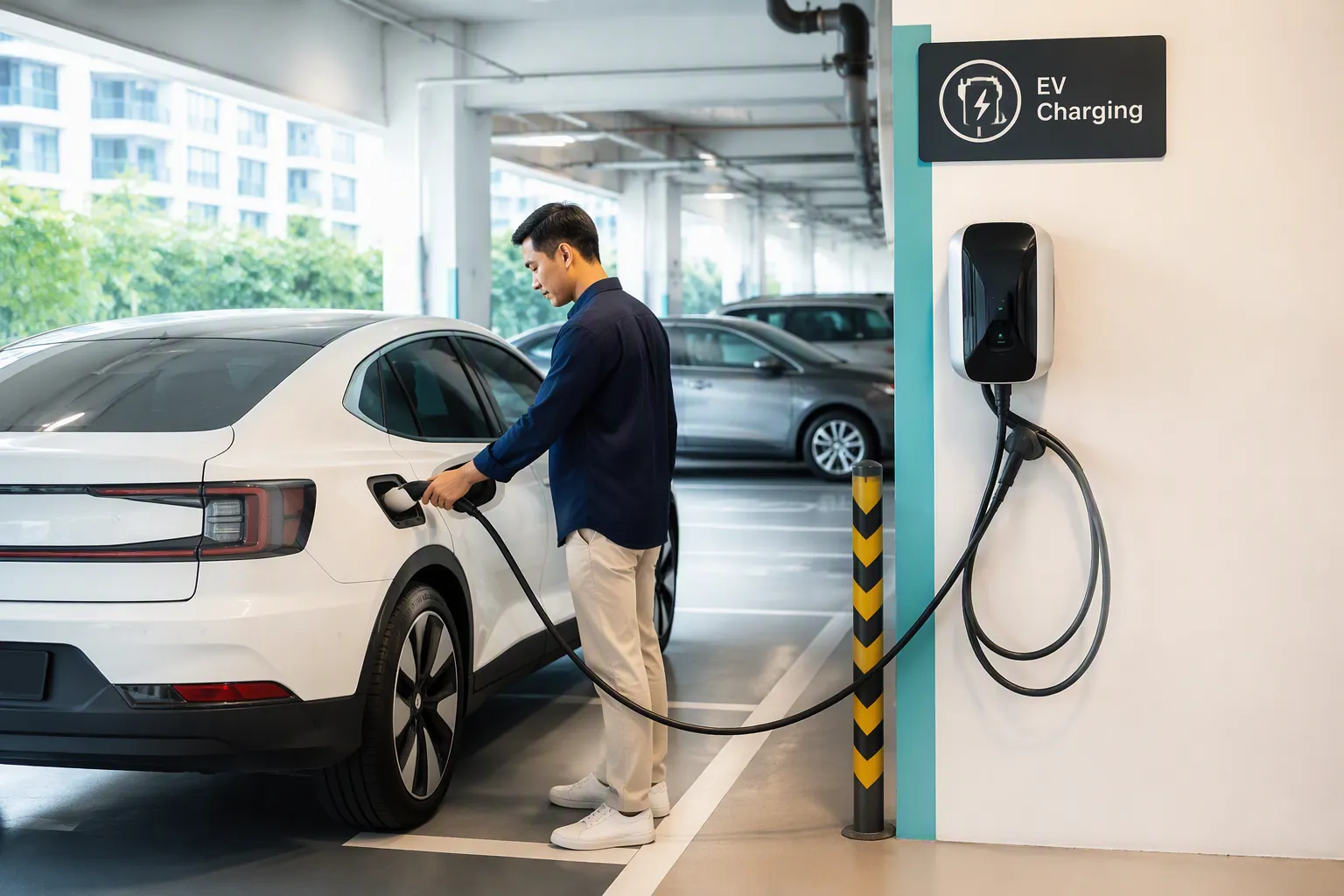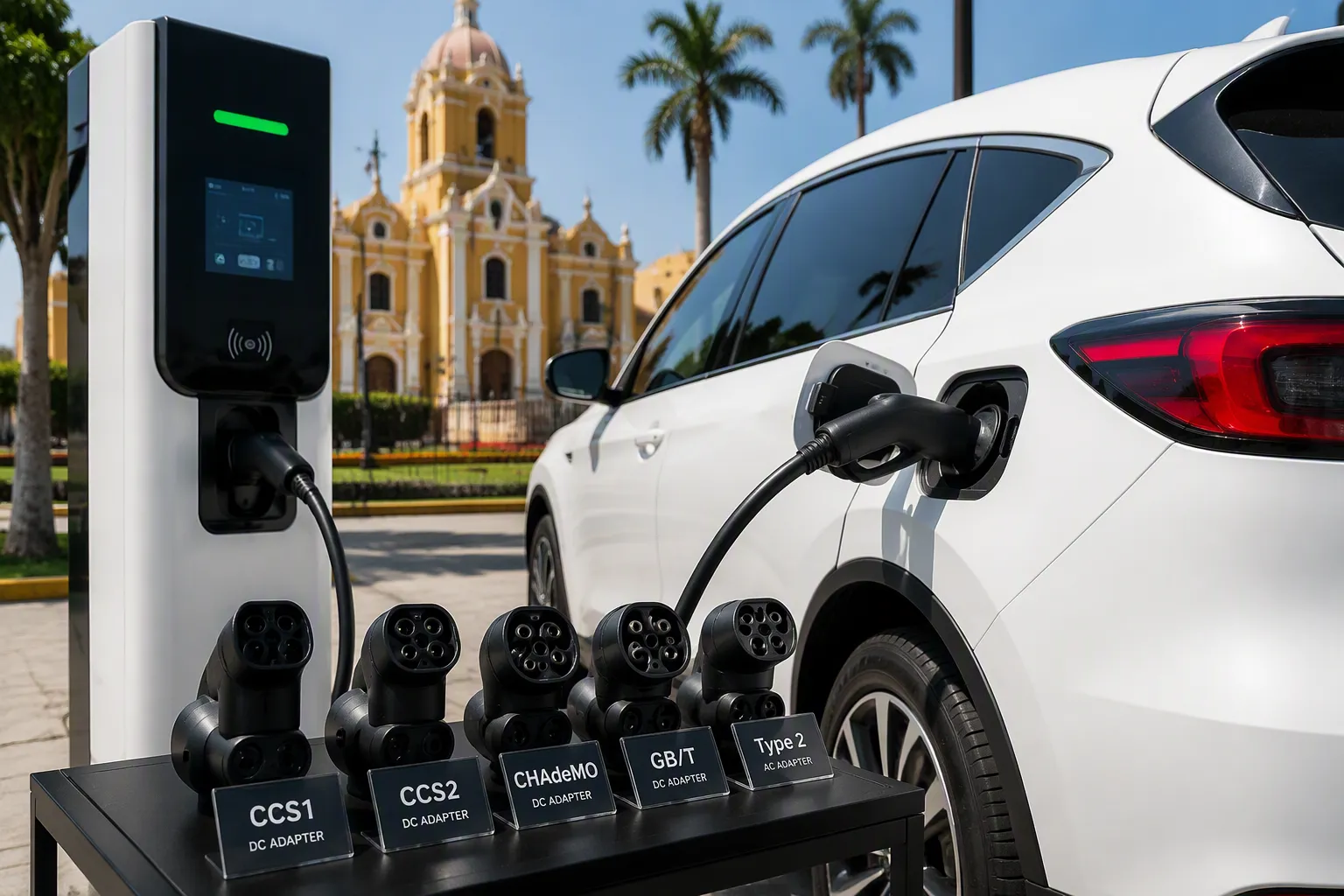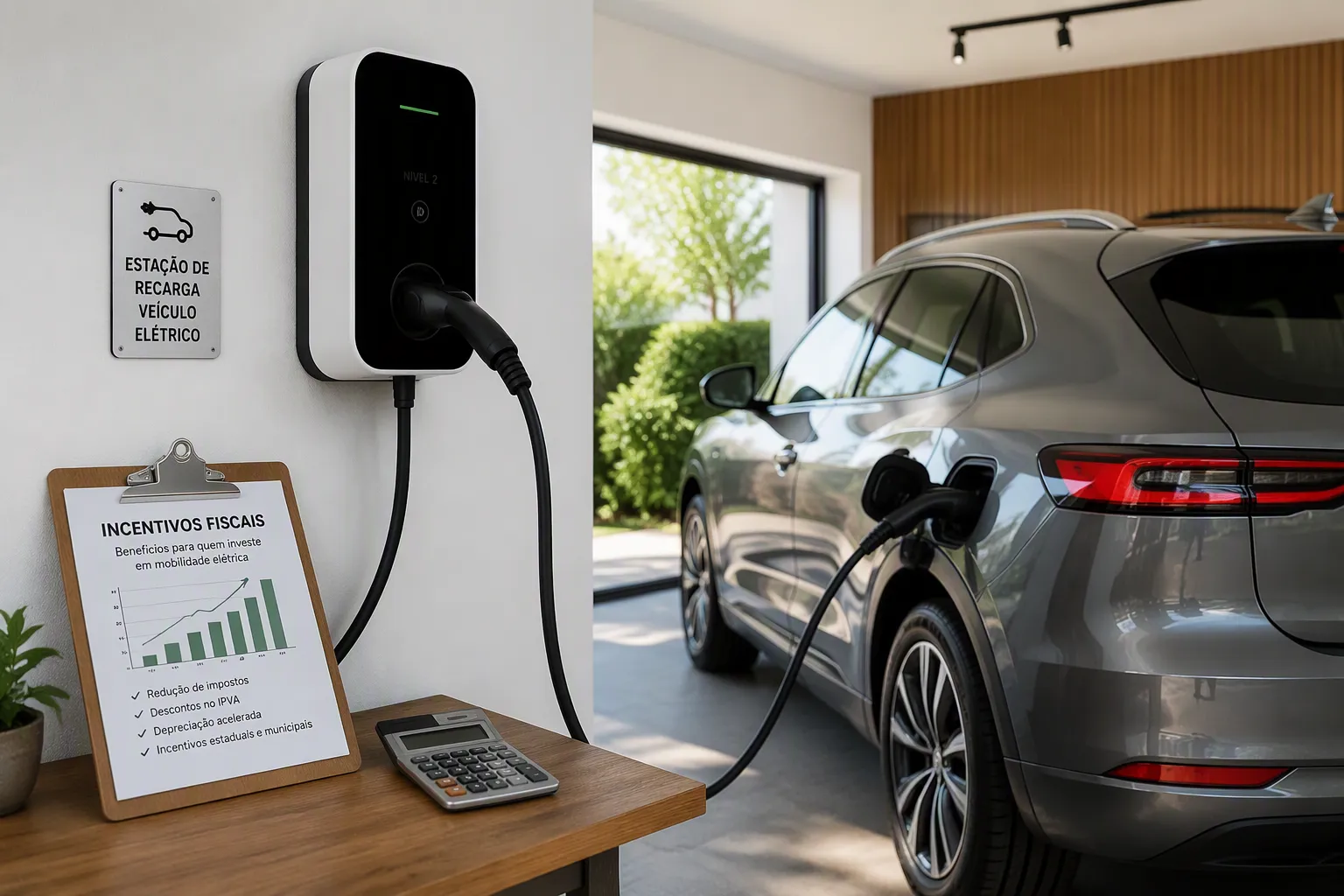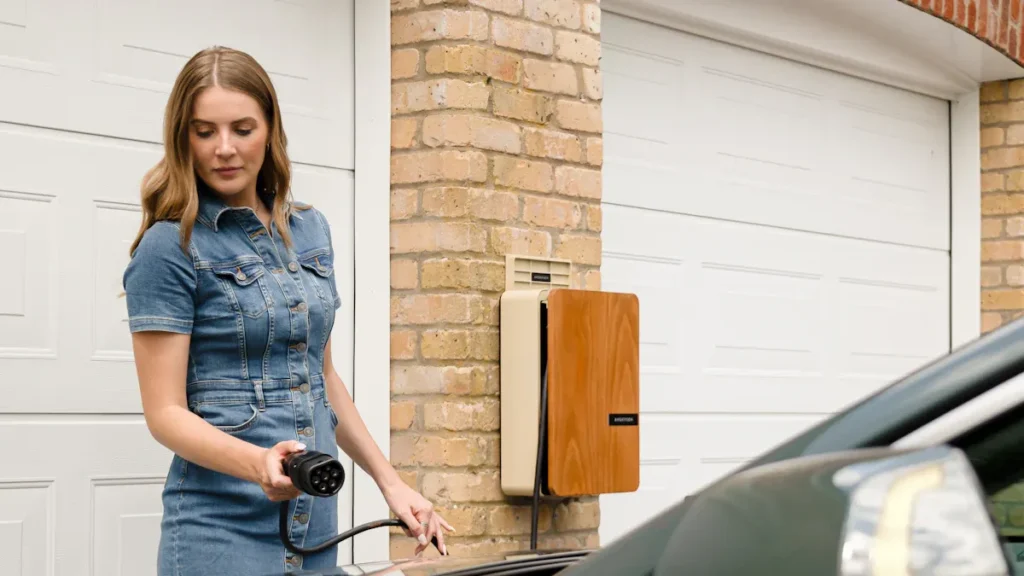
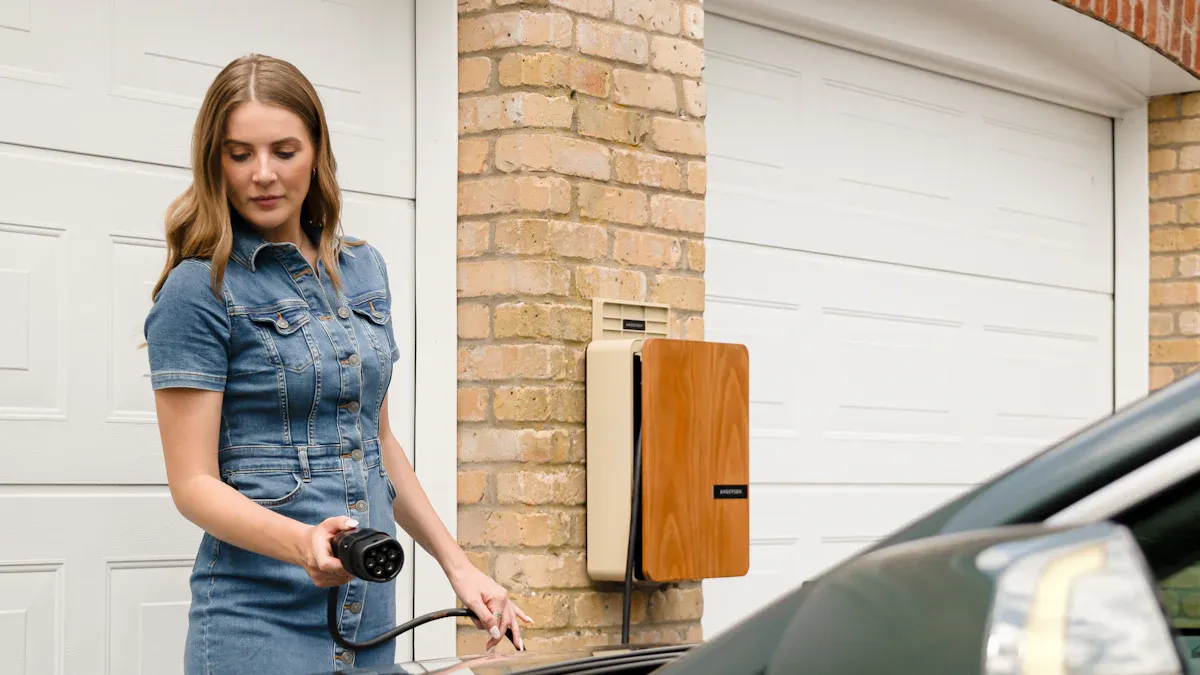
تركيب المنزل شاحن السيارة الكهربائية يظل تركيب شواحن السيارات الكهربائية في الهواء الطلق عملية آمنة ومباشرة عند اتباع أفضل الممارسات. نماذج شواحن السيارات الكهربائية الخارجية المعتمدة من علامات تجارية مرموقة الشركات المصنعة لشاحن السيارة الكهربائية تتحمل الظروف الجوية القاسية وتوفر أداءً موثوقاً. يتمتع أصحاب المنازل براحة يومية مع شواحن السيارات الكهربائية المنزلية، حيث يشحنون سياراتهم الكهربائية في المنزل دون عناء. يضمن التركيب الاحترافي الامتثال السليم والسلامة، مما يجعل إعدادات شواحن السيارات الكهربائية الخارجية حلاً عملياً للعديد من الأسر.
- تحمي المعدات المعتمدة من المخاطر الكهربائية.
- يتبع المثبتون المحترفون القوانين المحلية لضمان راحة البال.
فوائد شواحن السيارات الكهربائية المنزلية في الهواء الطلق
الراحة في الشحن اليومي
يغير الشحن الخارجي للسيارات الكهربائية الروتين اليومي لأصحاب المركبات الكهربائية. يمكن للسائقين إيقاف سيارتهم الكهربائية وتوصيلها بالشاحن دون الحاجة للمناورة في مساحات المرآب الضيقة أو التعامل مع كابلات متشابكة. غالباً ما تضع الإعدادات الخارجية الشاحن أقرب إلى مكان وقوف السيارات، مما يقلل الحاجة إلى كابلات طويلة ويقلل الفوضى. يبسط هذا الترتيب عملية الشحن، خاصة للأسر التي لديها عدة سائقين أو مركبات.
يسلط الجدول التالي الضوء على الاختلافات الرئيسية بين الشحن الخارجي والداخلي:
| الميزة | الشحن الخارجي | الشحن الداخلي |
|---|---|---|
| القرب من موقف السيارات | يمكن تركيبه بالقرب من أماكن وقوف السيارات | قد يتطلب حبالاً أطول من المرآب |
| إمكانية الوصول | وصول أسهل لمستخدمين متعددين | محدود بالوصول إلى المرآب |
| الملاءمة | مواقع شحن أكثر مرونة | موقع ثابت، أقل مرونة |
تسمح تركيبات شواحن السيارات الكهربائية الخارجية للمستخدمين بشحن مركباتهم في أي وقت، بغض النظر عن إمكانية الوصول إلى المرآب. تدعم هذه المرونة الجداول الزمنية المزدحمة وتضمن بقاء السيارة الكهربائية جاهزة للاستخدام اليومي. يتجنب أصحاب المنازل أيضاً إزعاج تحريك مركبات أخرى للوصول إلى شاحن داخل المرآب.
وضع مرن لأي منزل
يتكيف وضع شاحن السيارة الكهربائية الخارجي مع مجموعة واسعة من تخطيطات المنازل. لا تتضمن كل عقار مرآباً، وتعتمد بعض الأسر على وقوف السيارات في الشارع أو الممر. توفر التركيبات الخارجية حلولاً لهذه السيناريوهات، مما يضمن أن يتمتع كل مالك سيارة كهربائية بشحن موثوق في المنزل.
- للمنازل التي لا تحتوي على مرآب، يوفر تركيب الشاحن على حائط خارجي أو قاعدة وصولاً مريحاً للمركبات المتوقفة بالخارج.
- في حالات وقوف السيارات المختلطة، يسمح وضع الشاحن بالقرب من جدار المرآب ولكن في الخارج بالشحن سواء كانت السيارة الكهربائية متوقفة بالداخل أو الخارج.
تقلل هذه المرونة تكاليف التركيب من خلال إزالة الحاجة إلى أعمال كهربائية واسعة داخل المنزل. يمكن لأصحاب المنازل اختيار الموقع الأكثر عملية بناءً على عادات وقوف السيارات وتصميم العقار.
لا حاجة لمرآب
يتردد العديد من السائقين في شراء سيارة كهربائية بسبب الاعتقاد الخاطئ بأن المرآب ضروري للشحن المنزلي. تلغي شواحن السيارات الكهربائية الخارجية هذه الحاجز. يمكن لسكان المنازل المتلاصقة أو الثنائية أو المنازل ذات المساحة الداخلية المحدودة تركيب شاحن سيارة كهربائية منزلي والاستفادة من مزايا الشحن في المنزل.
تتحمل الشواحن المصنفة للاستخدام الخارجي الظروف الجوية ودرجات الحرارة القصوى، وتوفر خدمة آمنة وموثوقة على مدار العام. توسع هذه القدرة اعتماد السيارات الكهربائية من خلال جعل الشحن متاحاً لمجموعة أوسع من الأسر. تساعد التركيبات الخارجية أيضاً في التحكم في التكاليف من خلال تجديدات أو ترقيات المرآب باهظة الثمن.
السلامة ومقاومة العوامل الجوية لتركيب شاحن السيارة الكهربائية الخارجي
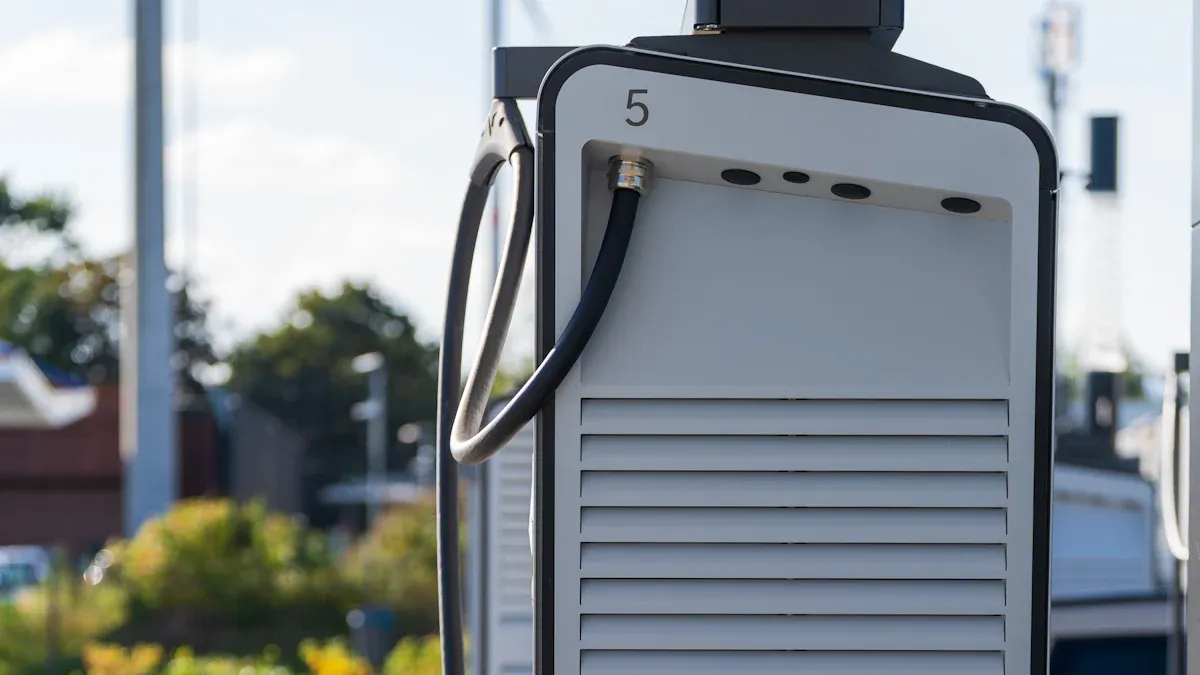
يتطلب تركيب شاحن السيارة الكهربائية الخارجي اهتماماً دقيقاً للسلامة ومقاومة العوامل الجوية. يضمن اختيار المعدات المناسبة واتباع أفضل الممارسات أداءً موثوقاً ويحمي الأشخاص والممتلكات.
اختيار شاحن سيارة كهربائية منزلي مقاوم للعوامل الجوية
يعد اختيار الشواحن المقاومة للعوامل الجوية ضرورياً للاستخدام الخارجي. تتميز هذه الشواحن بعلب قوية تحمي الإلكترونيات الحساسة من المطر والثلج والغبار. يجب على أصحاب المنازل دائماً التحقق من التصنيفات والشهادات المحددة قبل شراء شاحن سيارة كهربائية منزلي.
شرح تصنيفات NEMA و IP
يستخدم المصنعون تصنيفات NEMA و IP للإشارة إلى مستوى الحماية التي يوفرها الغلاف. تساعد هذه التصنيفات المشترين على مقارنة المنتجات واختيار أفضل خيار لبيئتهم.
| نوع الغلاف | ميزات الحماية |
|---|---|
| النوع 3R | للاستخدام الداخلي والخارجي، الحماية ضد الأتربة المتساقطة والمطر والبرد والثلج وتشكل الجليد الخارجي |
| النوع 4 | الحماية ضد الماء الموجه بالخرطوم، مناسب للمناطق ذات التلامس المباشر مع الماء |
| النوع 4X | أعلى مستوى من الحماية، يقاوم التآكل، مناسب للبيئات القاسية والمناطق الساحلية ذات هواء مالح |
يوفر شاحن المستوى 2 بغلاف من النوع 4 أو 4X مقاومة فائقة للعوامل الجوية للمنازل في المناطق ذات الأمطار الغزيرة أو الهواء المالح. تشير تصنيفات IP، مثل IP66، أيضاً إلى مقاومة الماء والغبار. يجب على أصحاب المنازل مطابقة التصنيف مع مناخهم المحلي للحصول على أفضل أداء.
أهمية شهادة UL
تشير شهادات مثل UL و ETL إلى أن الشاحن يلبي معايير السلامة الصارمة. تضمن هذه الشهادات أن المنتج اجتاز اختبارات صارمة للسلامة الكهربائية والمتانة. يسلط الجدول التالي الضوء على النقاط الرئيسية حول شهادة ETL, ، والتي تحظى باعتراف واسع في أمريكا الشمالية:
| النقاط الرئيسية حول شهادة ETL | الوصف |
|---|---|
| ضمان السلامة | يضمن أن شواحن السيارات الكهربائية تفي بمعايير السلامة الصارمة، مما يقلل مخاطر الأعطال الكهربائية ومخاطر الحريق. |
| الامتثال | يضمن الامتثال للوائح السلامة في أمريكا الشمالية، مما يبسط التركيب والاستخدام. |
| ثقة المستهلك | يبني ثقة المستهلك حيث تخضع المنتجات لاختبارات صارمة وتفتيش منتظم. |
| الفعالية من حيث التكلفة | يوفر ضماناً موثوقاً للسلامة دون تضخيم الأسعار مقارنة بشهادة UL. |
| القدرة على التكيف | يتكيف مع لوائح السلامة المتطورة، مما يضمن الامتثال للمعايير المستقبلية. |
| مخاطر الشواحن غير المعتمدة | يمكن أن يؤدي استخدام شواحن غير معتمدة إلى مخاطر سلامة ومسؤوليات قانونية محتملة. |
نصيحة: اختر دائماً شواحن السيارات الكهربائية المنزلية ذات شهادة UL أو ETL لراحة البال والامتثال لقوانين البناء المحلية.
التركيب الاحترافي لشواحن السيارات الكهربائية الخارجية
يظل التركيب الاحترافي هو النهج الأكثر أمانًا لأي مشروع لشاحن المركبات الكهربائية الخارجي. كهربائيون مرخصون يجلب الخبرة ويضمن أن كل خطوة تفي بمعايير السلامة الحالية.
كهربائيون مرخصون فقط
- يمتلك الكهربائيون المرخصون التدريب والتأمين المطلوبين للتركيب الآمن.
- يفهمون تعقيدات الأسلاك الخارجية ويمكنهم تحديد أفضل موقع للكفاءة والسلامة.
- تساعد خبرتهم في منع المخاطر وضمان عمل الشاحن بموثوقية.
التصاريح والقوانين المحلية
- يتعامل الكهربائيون مع جميع التصاريح اللازمة ويضمنون امتثال التركيب لقوانين البناء المحلية.
- يتحققون من أن الأسلاك وقواطع الدائرة والتأريض تستوفي أحدث المتطلبات.
- يحمي التوثيق السليم أصحاب المنازل من المشكلات القانونية ويدعم مطالبات الضمان.
ملاحظة: قد يؤدي تخطي التصاريح أو تجاهل القوانين إلى غرامات أو مشاكل تأمينية أو ظروف غير آمنة.
السلامة الكهربائية والتأريض
السلامة الكهربائية أمر بالغ الأهمية لكل تركيب خارجي لشاحن المركبات الكهربائية. يمنع التأريض السليم وحماية الأعطال الصدمات والحرائق وتلف المعدات.
- التأريض غير السليم يمكن أن يسبب صدمات كهربائية أو حرائق.
- تضيف الشواحن المزودة بحماية مدمجة ضد أعطال التأريض أو قاطع دائرة عطل الأرضية (GFCI) طبقة إضافية من السلامة.
- تزيد مخاطر الحريق إذا لم يتم تأريض الشاحن بشكل صحيح، خاصةً أن الحرائق يمكن أن تنتشر إلى بطارية المركبة الكهربائية.
- تقل مخاطر الصعق الكهربائي عندما تبقى كابلات الشحن بعيدة عن الأرض وعن متناول الأطفال.
- يعيد التأريض السليم للدائرة 240 فولت تيارات الزيادة الكهربائية إلى الأرض، مما يحمي كلًا من الشاحن والمركبة.
- تضمن أجهزة انقطاع مراقبة الأرض (GMI) تأريض الدائرة قبل السماح بتدفق التيار.
- يمكن لأجهزة التيار المتبقي (RCDs) تقليل الأعطال الكهربائية بنحو 92% في تركيبات شحن المركبات الكهربائية.
تذكير السلامة: استخدم دائمًا خدمة تركيب احترافية لضمان التأريض الصحيح والامتثال لجميع معايير السلامة.
اختيار أفضل موقع لشاحن المركبات الكهربائية المنزلي

اختيار المكان المناسب لشاحن المركبات الكهربائية الخارجي يمكن أن يعزز الراحة والسلامة والأداء طويل المدى. يجب على أصحاب المنازل تقييم عدة عوامل قبل بدء عملية التركيب.
اعتبارات إمكانية الوصول ومواقف السيارات
القرب من المركبة
يقلل وضع الشاحن بالقرب من مكان وقوف المركبة الكهربائية من طول الكابل ويقلل من المخاطر. يسمح الشاحن المثبت بالقرب من مكان الوقوف الرئيسي باتصالات سريعة وخالية من المتاعب. غالبًا ما تؤدي سهولة الوصول إلى محطات الشحن إلى رضا أعلى للمستخدم وتشجع على الشحن المتكرر، مما يدعم الروتين اليومي.
| العامل | الوصف |
|---|---|
| القرب من سيارتك الكهربائية | اختر موقعًا قريبًا من مكان وقوف سيارتك لتقليل طول الكابل والمخاطر. |
| الوصول إلى الطاقة الكهربائية | تأكد من أن الموقع يسمح بالوصول بسهولة إلى لوحة التوزيع الكهربائية الخاصة بك للتركيب. |
| مأوى من العناصر | قم بالتركيب في منطقة مغطاة لحماية الشاحن من الظروف الجوية. |
| اعتبارات السلامة | اختر بقعة خالية من المخاطر مثل المياه الراكدة والمناطق ذات الازدحام الشديد. |
| الجماليات والجاذبية الجمالية | ضع في الاعتبار كيف يؤثر موقع الشاحن على مظهر منزلك وجاذبيته الخارجية. |
تجنب مخاطر التعثر
تظل السلامة أولوية قصوى أثناء التركيب. تجنب وضع الكابلات عبر الممرات أو الممرات، حيث يمكن أن يخلق ذلك مخاطر التعثر. اختر مكانًا يحافظ على بقاء الأسلاك بعيدًا عن مناطق الحركة المرورية العالية. يفضل المستخدمون خيارات الشحن التي تتناسب بسلاسة مع حياتهم اليومية، لذا فإن الشاحن الموضع جيدًا يدعم كلًا من الراحة والسلامة.
| النتائج الرئيسية | الوصف |
|---|---|
| أهمية إمكانية الوصول | ترتبط سهولة الوصول إلى محطات الشحن برضا أعلى للمستخدم. |
| تردد الشحن | يفضل المستخدمون خيارات الشحن المريحة التي تناسب روتينهم اليومي، مما يؤثر على عدد مرات شحنهم. |
| تفضيل الموقع | أهم مواقع الشحن هي المنزل والعمل والمناطق العامة، مما يؤكد على الحاجة إلى بنية تحتية شحن يسهل الوصول إليها. |
إدارة الكابلات لشواحن المركبات الكهربائية الخارجية
حلول التخزين
تمديد الإدارة السليمة للكابلات عمر معدات شحن المركبات الكهربائية وتحافظ على نظافة المنطقة. استخدم حوامل المحاقن للوصلات وخطافات J لإبقاء الكابلات بعيدة عن الأرض. يحمي تخزين الشواحن المحمولة في حقائب مخصصة من الغبار والتلف الميكانيكي.
- امسح الكابلات بانتظام لإزالة الأوساخ والرواسب اللزجة.
- استخدم حوامل للوصلات عند عدم الاستخدام لمنع تراكم الرطوبة.
تقلل الإدارة السليمة للكابلات بين جلسات الشحن - باستخدام الحوامل المدمجة أو أنظمة إدارة الكابلات - من الإجهاد على الكابل وتساعد في إطالة عمره الافتراضي.
إبقاء الكابلات بعيدة عن الأرض
تواجه الكابلات المتروكة على الأرض تآكلًا متزايدًا من الأوساخ والماء وحركة الأقدام. أبقِ الكابلات مرتفعة لمنع التدهور وتقليل خطر التعثر. تجنب لف الكابلات أو ثنيها أكثر من اللازم، وافحصها بانتظام بحثًا عن شقوق أو أسلاك مكشوفة.
- تجنب مد الكابلات عبر الأرصفة.
- أبقِ الكابلات بعيدة عن الأرض لتجنب تعرضها للأوساخ والماء.
- أزل تراكم الجليد بعناية وقم بتدفئة الوصلات المجمدة برفق.
عوامل الشمس والظل والمأوى
تؤثر أشعة الشمس والظل والمأوى على أداء وعمر شواحن المركبات الكهربائية الخارجية. يمكن أن يزيد ارتفاع درجة الحرارة من خطر الانحراف الحراري في بطاريات المركبات الكهربائية. تستخدم الشركات المصنعة مواد تتحمل درجات الحرارة العالية، لكن التعرض المستمر للحرارة لا يزال يسرع من تدهور المكونات. تتعرض الشواحن المثبتة تحت هياكل الظل أو مظلات الطاقة الشمسية لإجهاد حراري أقل وتحافظ على وقت تشغيل أعلى. تبلغ الأساطيل البلدية عن موثوقية ممتازة عند استخدام تصاميم حرارية محسنة ومأوى.
- تقلل الشواحن الموجودة تحت الظل أو المأوى من الإجهاد الحراري.
- تساعد المواد الموثوقة وأنظمة التبريد السائل على تبديد الحرارة.
- يمكن أن يقصر التعرض المستمر لأشعة الشمس عمر الشاحن الافتراضي.
يمكن أن يحمي اختيار موقع به بعض الظل الطبيعي أو إضافة مظلة كلًا من الشاحن والمركبة الكهربائية، مما يضمن أداءً متسقًا على مدار العام.
حماية شاحن المركبات الكهربائية الخارجي الخاص بك
تظل أمنية شاحن المركبات الكهربائية الخارجي أولوية قصوى لأصحاب المنازل. تمنع استراتيجيات الحماية الفعالة الاستخدام غير المصرح به وتردع السرقة أو التخريب. من خلال الجمع بين التكنولوجيا الذكية والإجراءات المادية القوية، يمكن لأصحاب المنازل ضمان شحن موثوق وآمن لمركبتهم الكهربائية.
منع الاستخدام غير المصرح به لشواحن المركبات الكهربائية المنزلية
يمكن أن يؤدي الوصول غير المصرح به إلى محطات الشحن إلى زيادة تكاليف الكهرباء ومخاطر السلامة المحتملة. يمكن لأصحاب المنازل تنفيذ عدة حلول عملية للتحكم في من يستخدم شاحنهم.
آليات القفل
Physical locks provide a straightforward way to secure charging equipment. Many outdoor charging stations feature built-in locking mechanisms or support the use of padlocks. Homeowners often choose lockable enclosures or cable locks to prevent unauthorized disconnection or removal. Positioning the charger in a well-lit area and using protective enclosures with locks further discourages tampering. Security signage and motion sensor lights also act as visible deterrents.
ميزات الشاحن الذكي
Smart chargers offer advanced security through digital controls. Many models require user authentication via a mobile app or a physical key before activation. Homeowners can set up smart scheduling tools to limit charging to specific hours, reducing the window for unauthorized use. Remote monitoring features send alerts for unusual activity, providing real-time oversight. Integration with smart home technology allows for even greater control and flexibility. Scheduled charging and app-based authorization ensure only approved users can access the charger.
Tip: Combining physical locks with smart charger features creates a layered security approach that maximizes protection.
Physical Security for Outdoor EV Chargers
Physical security measures protect the charger from theft, vandalism, and accidental damage. Proper installation and hardware selection play a crucial role in safeguarding the equipment.
خيارات التركيب
Secure mounting deters theft and prevents accidental dislodging. Wall-mounted chargers should use tamper-resistant bolts and be anchored to solid surfaces. Pedestal-mounted units benefit from installation on reinforced concrete bases. Some homeowners install bollards around the charger. These sturdy posts act as barriers, protecting the equipment from vehicle collisions and discouraging direct access by vandals or thieves. Security cameras and professional CCTV systems provide additional monitoring and evidence in case of incidents.
Tamper-Resistant Hardware
Tamper-resistant hardware adds another layer of defense. Chargers equipped with specialized screws or locking covers make unauthorized removal difficult. Cable management systems keep cords organized and less accessible to potential thieves. Insurance-approved security systems and 24/7 monitoring services offer peace of mind for those seeking the highest level of protection.
Note: Combining multiple security measures—such as bollards, locks, cameras, and tamper-resistant hardware—creates a comprehensive defense for any outdoor ev charger installation.
Outdoor Conditions and Home EV Charger Performance
Weather Impacts on Outdoor EV Chargers
Rain, Snow, and Ice
Outdoor home EV chargers face a range of weather challenges throughout the year. Rain can introduce moisture into connectors and enclosures, increasing the risk of corrosion or electrical faults. Snow and ice may block access to the charging port or freeze moving parts, making it difficult to connect the charger to the EV. Cold weather reduces battery efficiency, which leads to longer charging times and decreased driving range. Extreme cold can also cause charger components to contract, lowering efficiency and increasing the chance of failure. Level 1 chargers are more susceptible to these issues than Level 2 or DC fast chargers. Outdoor charging stations remain more vulnerable to weather-related problems compared to indoor setups, but manufacturers continue to invest in rigorous testing to ensure reliable performance under harsh conditions.
درجات الحرارة القصوى
High temperatures accelerate wear and tear on charger components, which affects both performance and lifespan. Charger parts may expand in extreme heat, risking damage and raising maintenance costs. Engineers have developed solutions such as advanced insulation and active cooling systems to counteract these temperature effects. Extreme temperatures can significantly impact battery performance, resulting in reduced driving range and charging efficiency for the EV. Outdoor chargers must withstand these fluctuations to deliver consistent service. Manufacturers design enclosures and electronics to operate safely in a wide range of climates, but regular monitoring remains essential.
Maintenance Tips for Home EV Chargers Outdoors
عمليات التفتيش المنتظمة
Routine inspections help maintain the safety and reliability of outdoor EV chargers. Owners should schedule periodic checks for wear, damage, or loose connections. Inspecting the charging cable for cracks, cuts, or excessive bending prevents unexpected failures. Monitoring the charger’s temperature during use helps identify overheating before it becomes a problem. Testing ground fault circuit interrupter (GFCI) protection ensures the system responds correctly to electrical faults. Professional servicing every 12 to 24 months provides an extra layer of assurance.
Cleaning and Upkeep
Keeping the charger clean supports optimal performance. Use a damp cloth to wipe down the exterior and check vents for blockages. Remove dirt and debris regularly to prevent buildup that could interfere with operation. Owners should protect the charger from the elements by using a weatherproof enclosure. Following the manufacturer’s guidelines for maintenance ensures the charger remains in good condition. Updating firmware improves performance and security, while monitoring energy consumption helps identify irregularities. Avoid overloading the charger beyond its rated capacity to prevent damage. Scheduling professional maintenance and adhering to recommended procedures extend the lifespan of the EV charging equipment.
Tip: Consistent care and attention to outdoor EV chargers help prevent costly repairs and ensure safe, reliable charging in any weather.
Common Mistakes to Avoid with Outdoor EV Charger Installation
Using Non-Weatherproof Home EV Chargers
Homeowners sometimes select chargers not designed for outdoor use. This mistake exposes the ev charging system to rain, snow, and humidity. Electric shock can occur when plugs or connectors become wet, especially if the charger lacks residual-current protection. Frayed cables and faulty equipment increase fire risks, making regular inspections essential. Certified equipment with weatherproof enclosures protects against these hazards and ensures safe operation. Using non-weatherproof chargers outdoors can lead to costly repairs and safety incidents.
Tip: Always choose chargers with proper weatherproof ratings and schedule routine maintenance to prevent accidents.
DIY Installation Risks
Some individuals attempt to install an outdoor ev charger without professional help. This approach introduces several dangers:
- Electrical fires may result from poor connections or overloaded circuits.
- Code violations can occur if the installation does not meet National Electrical Code (NEC) or local standards, leading to failed inspections and expensive corrections.
- Insurance policies often exclude coverage for damage caused by unpermitted or non-professional electrical work.
- EV manufacturers may void warranties if the charging system is not professionally installed.
- Incorrect handling of 240-volt power poses a risk of serious injury or death.
Professional installation ensures compliance with safety standards and protects both property and personal well-being.
Ignoring Local Codes and Permits
Skipping local code compliance and permit requirements creates legal and financial risks. Unauthorized installations expose the property to electrical malfunctions and potential fires. Lack of permits can reduce the property’s resale value, as buyers may view the home as a liability. Insurance companies may terminate coverage for unpermitted installations, leaving the homeowner responsible for damages. Legal penalties include fines and orders to remove the charger.
- Overlooking electrical capacity can damage the home’s wiring and create hazards.
- Improper placement of the charger leads to inconvenience and premature wear.
- Using subpar wiring or materials increases inefficiency and fire risk.
- Failing to plan for future needs may require costly upgrades later.
- Not considering energy efficiency raises utility costs.
- DIY installations can void warranties and affect insurance coverage.
Note: Compliance with local codes and permits safeguards property value, insurance coverage, and personal safety.
سوء إدارة الكابلات
Poor cable management remains a common oversight during outdoor ev charger installation. When homeowners neglect to organize charging cables, they introduce several safety and operational risks. Cables left lying on the ground or draped across walkways can quickly become hazards for anyone moving around the property. People may trip over loose cables, leading to falls and possible injuries. Children and pets face an even greater risk, especially in busy households.
Unsecured cables often become tangled or pinched under vehicle tires. This repeated stress causes the cable insulation to wear down, exposing wires to moisture and dirt. Over time, these conditions can result in electrical failures or even fire hazards. Outdoor environments add further challenges. Rain, snow, and UV exposure accelerate cable deterioration when cables remain exposed. Regular maintenance and inspection of charging cables help identify early signs of wear and tear. Addressing cable damage promptly prevents potential electrical failures and extends the life of the ev charging system.
Homeowners should consider the following best practices for effective cable management:
- Use wall-mounted holsters or cable reels to keep charging cords off the ground.
- Install J-hooks or dedicated cable hangers near the ev charger to organize cables after each use.
- Store portable chargers in weatherproof bags or enclosures when not in use.
- Routinely inspect cables for cracks, cuts, or exposed wires, especially after severe weather.
- Avoid running cables across driveways or high-traffic areas to minimize trip hazards.
Tip: Organized cable management not only improves safety but also enhances the appearance of the charging area. A tidy setup signals attention to detail and helps maintain the value of the ev charging equipment.
Poor cable management can also impact the performance of the ev charger. Tangled or damaged cables may interrupt the charging process, causing frustration and delays. In severe cases, exposed wires can create short circuits, damaging both the charger and the ev. By investing in proper storage solutions and routine inspections, homeowners protect their investment and ensure reliable charging for years to come.
Ensuring Compliance and Peace of Mind for Home EV Chargers
Understanding Local Regulations
Homeowners must navigate several regulations before beginning an outdoor ev charger installation. Local authorities often require property ownership or landlord permission. Those with off-street parking experience a smoother process, while residents without dedicated parking may need additional approvals. Regulations also mandate the use of approved installers, such as those recognized by OZEV, to guarantee safety and compliance. The home’s electricity supply must support the charger’s capacity, sometimes necessitating upgrades. Placing the charger near the electric meter increases efficiency and meets regulatory standards.
| المتطلبات | الوصف |
|---|---|
| Property ownership or landlord permission | Must own the property or have permission from the landlord before installation. |
| مواقف السيارات | Homeowners with off-street parking have a straightforward installation process; those without may need local authority permissions. |
| Approved EV charger installers | Use qualified installers, preferably those approved by OZEV, to ensure compliance and safety. |
| Electricity supply | Ensure the home’s power supply can support the charger’s capacity, which may require upgrades. |
| Installation location | The charger should be installed near the electric meter for efficiency. |
Regulations change based on location, so homeowners should consult local planning offices before proceeding. Adhering to these requirements helps avoid delays and ensures a safe installation.
Keeping Warranty and Insurance Valid
Maintaining warranty and insurance coverage for home ev chargers requires careful attention during installation. Homeowners should always hire a licensed electrician. Professional installation not only meets safety standards but also preserves warranty and insurance validity. Following local codes and securing permits remains essential to avoid fines and safety issues. Insurers and manufacturers often void coverage for DIY installations, which can lead to costly repairs and legal complications.
- Hiring a licensed electrician ensures safety and compliance with regulations.
- Professional installation helps maintain warranty and insurance validity.
- Following local codes and obtaining permits is crucial to avoid fines and safety issues.
- DIY installations can lead to voiding warranties and insurance coverage.
- Risks include potential fines for code violations and safety hazards.
A step-by-step approach supports compliance:
- Obtain a building permit from the local planning office.
- Provide proof of insurance for the electrician.
- Pay the necessary permit fees.
- Hire a qualified electrician for the installation.
- Schedule required inspections.
Tip: Proper documentation and professional installation protect homeowners from unexpected expenses and ensure peace of mind.
Future-Proofing Your Outdoor EV Charger Installation
Planning for future needs during outdoor ev charger installation helps homeowners adapt to evolving ev technology. Selecting chargers that anticipate advancements in charging standards ensures compatibility with new vehicle models. Choosing a location that allows for upgrades supports faster charging capabilities and new features. Extra panel capacity or accessible wiring simplifies future enhancements.
- Opt for chargers that anticipate future advancements in EV technology and charging standards.
- Ensure compatibility with upcoming electric vehicle models and industry developments.
- Choose a location that allows for future upgrades to accommodate new features or faster charging capabilities.
- Ensure the site has extra panel capacity or accessible wiring for easier upgrades.
- Prepare for smart EV chargers as part of the evolving Internet of Things (IoT) ecosystem.
- Understand the importance of wiring for smart technology in new builds.
- Certified installers will consider future electrical needs beyond immediate requirements.
- Ensure there is capacity in the home’s panels for additional EVs or electrification projects.
Smart chargers and IoT integration represent the next step in home ev chargers. Certified installers evaluate long-term electrical needs, making it easier to add more evs or electrification projects later. Homeowners who plan ahead enjoy greater flexibility and avoid costly upgrades.
Outdoor home EV charger installation offers a safe and efficient solution when homeowners follow industry best practices. Experts emphasize the importance of التركيب الاحترافي, proper location selection, and compliance with safety standards:
| الجانب الرئيسي | التفاصيل |
|---|---|
| التركيب الاحترافي | Using a licensed electrician is often legally required to ensure safety and compliance. |
| اختيار الموقع | Proper placement of the charger is crucial for convenience and future flexibility. |
| الامتثال لمعايير السلامة | Installations must adhere to national wiring codes for safety and reliability. |
| ميزات السلامة | Chargers should include GFCI, AFCI, surge protection, and proper earthing for safety. |
| Risks of DIY Installations | DIY work can void warranties and may be illegal in many areas, emphasizing the need for professionals. |
Homeowners choose outdoor charging for faster charging times, improved safety, and the flexibility to manage their ev charging routine regardless of weather. Consult a licensed electrician to enjoy a hassle-free experience and make outdoor charging part of daily life.
الأسئلة الشائعة
Can homeowners install an outdoor EV charger themselves?
Only licensed electricians should install outdoor EV chargers. Professional installation ensures compliance with safety codes and protects warranties. DIY installation increases risks of electrical hazards and may void insurance coverage.
كم من الوقت يستغرق شحن سيارة كهربائية في الهواء الطلق؟
يعتمد وقت الشحن على مستوى طاقة الشاحن وحجم بطارية السيارة. معظم شواحن المستوى 2 تضيف 20-30 ميلاً من المدى في الساعة. الظروف الخارجية لا تؤثر بشكل كبير على سرعة الشحن.
هل شواحن السيارات الكهربائية الخارجية آمنة أثناء المطر أو الثلج؟
شواحن السيارات الكهربائية الخارجية المعتمدة تتميز بهياكل مقاومة للعوامل الجوية وآليات أمان. تعمل هذه الشواحن بأمان في المطر والثلوج والظروف القاسية الأخرى. تساعد الفحوصات الدورية في الحفاظ على الأداء والسلامة. ما الصيانة التي تتطلبها شواحن السيارات الكهربائية الخارجية؟.
يجب على المالكين فحص الكابلات والموصلات بانتظام للتأكد من عدم وجود تآكل أو تلف. يضمن تنظيف السطح الخارجي للشاحن والتأكد من خلوّه من الحطام التشغيل الأمثل. يُوصى بجدولة فحوصات مهنية كل 12-24 شهرًا.
هل يمكن ترقية شواحن السيارات الكهربائية الخارجية في المستقبل؟.
تدعم العديد من شواحن السيارات الكهربائية الخارجية الترقيات المستقبلية. يمكن لأصحاب المنازل التخطيط لمستويات طاقة أعلى أو ميزات ذكية من خلال اختيار مواقع تركيب مرنة وضمان سعة كهربائية كافية.
كيف يمكن لأصحاب المنازل منع الاستخدام غير المصرح به لشاحن السيارات الكهربائية الخارجي؟.
تساعد الأقفال المادية، ومصادقة الشاحن الذكي، وساعات الشحن المجدولة في منع الاستخدام غير المصرح به. تقدم العديد من الشواحن عناصر تحكم قائمة على التطبيقات لتعزيز الأمان.
هل تزيد شواحن السيارات الكهربائية الخارجية من قيمة المنزل؟.
غالبًا ما تعزز شواحن السيارات الكهربائية الخارجية قيمة العقار. يقدر المشترون الراحة والجاهزية للسيارات الكهربائية. يدعم التركيب السليم والتوثيق قيمة إعادة البيع.
ماذا يجب أن يفعل أصحاب المنازل إذا توقف الشاحن عن العمل؟.
أولاً، تحقق من إمداد الطاقة وافحص الكابلات للتأكد من عدم وجود تلف مرئي. إذا استمرت المشكلة، اتصل بكهربائي مرخص أو بشركة تصنيع الشاحن للحصول على مساعدة مهنية.
تركيب شواحن السيارات الكهربائية المنزلية في الهواء الطلق أصبح سهلاً 1.