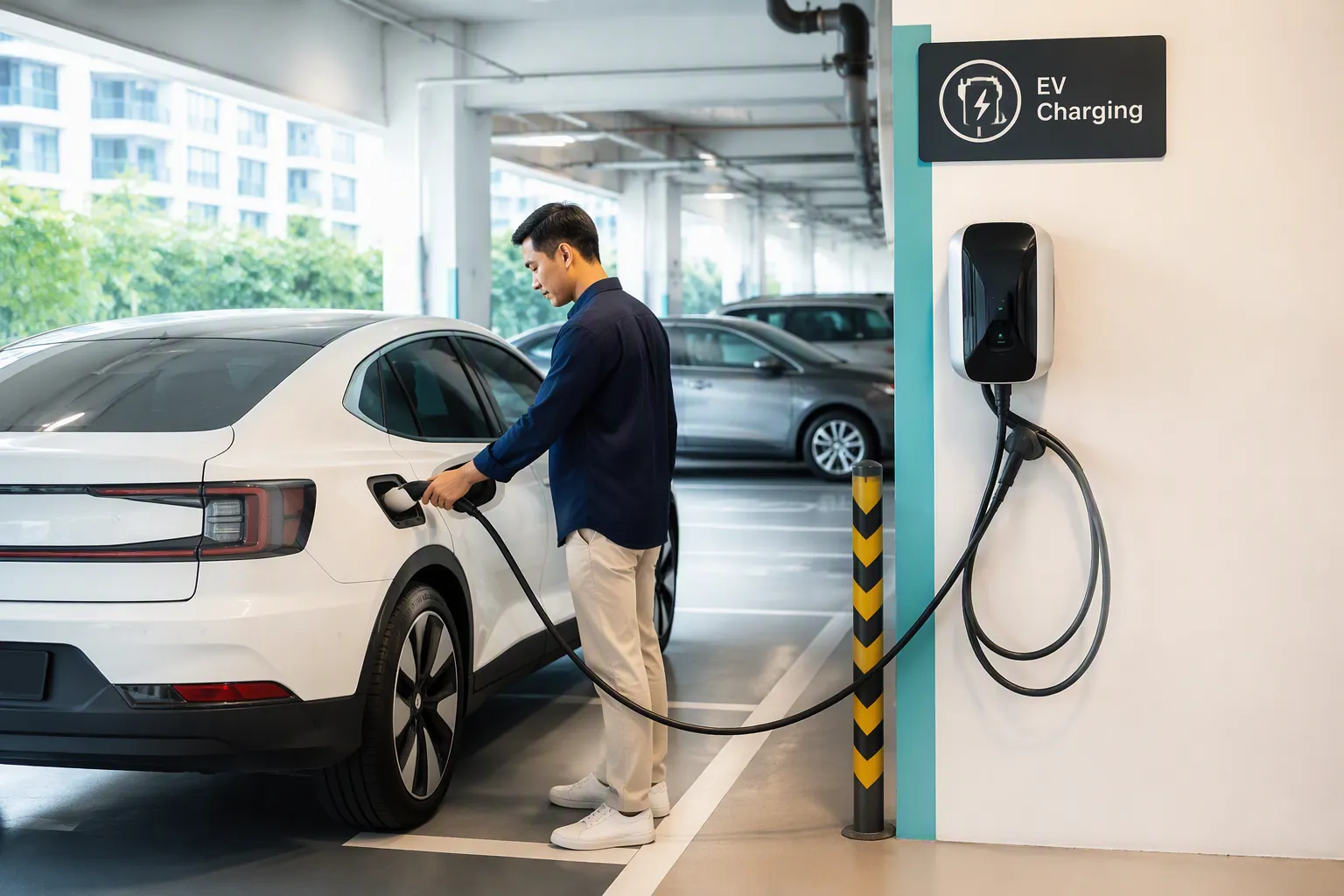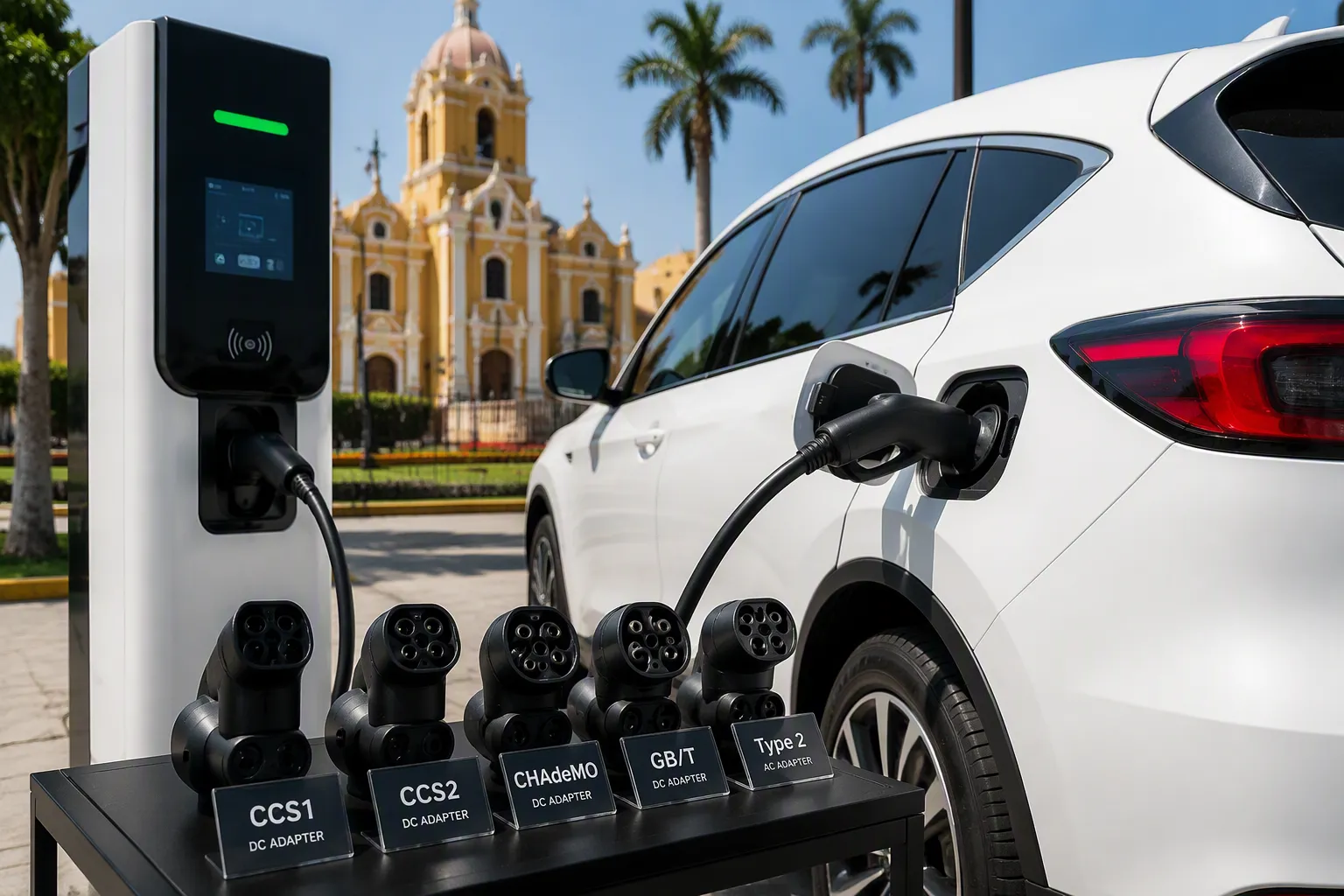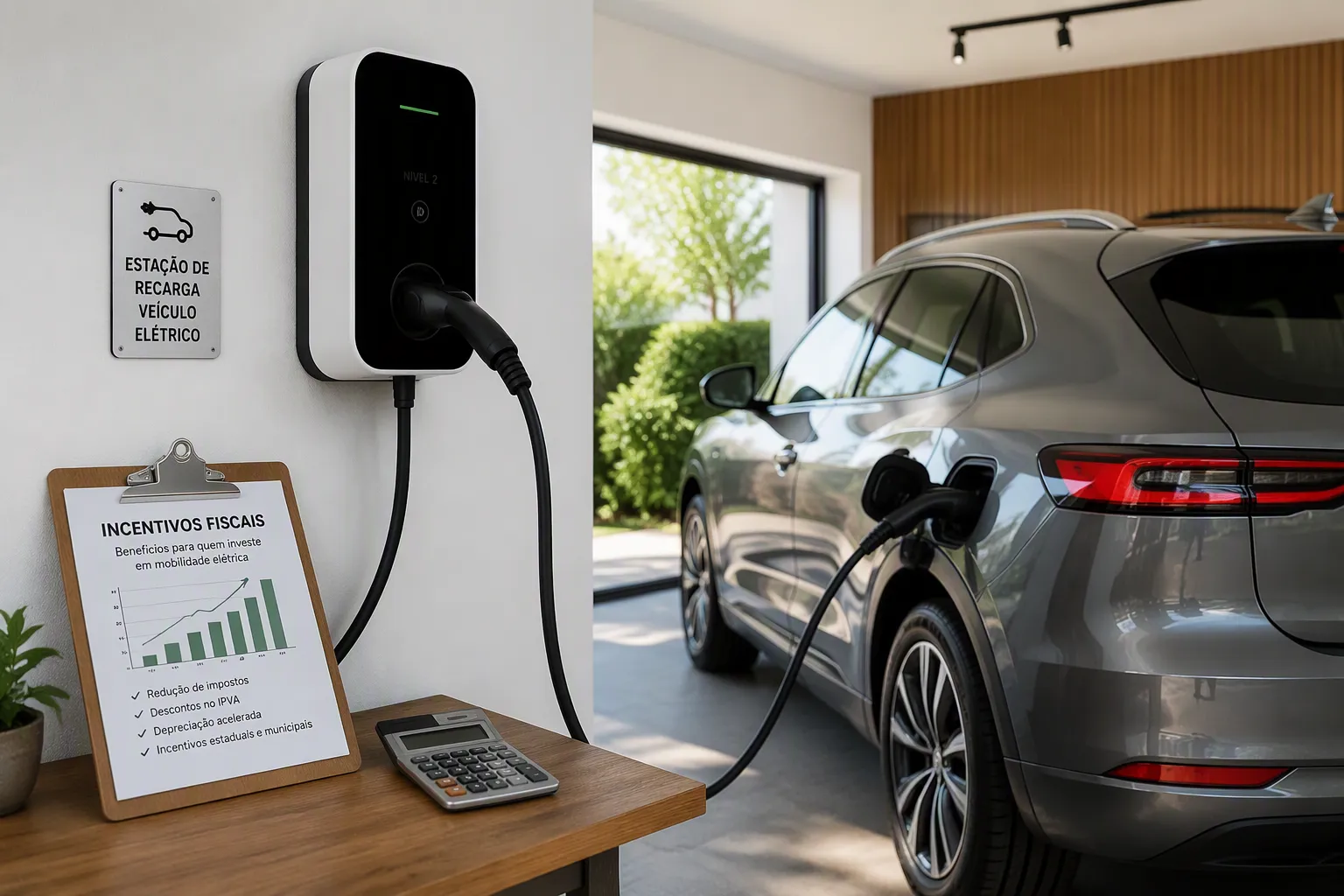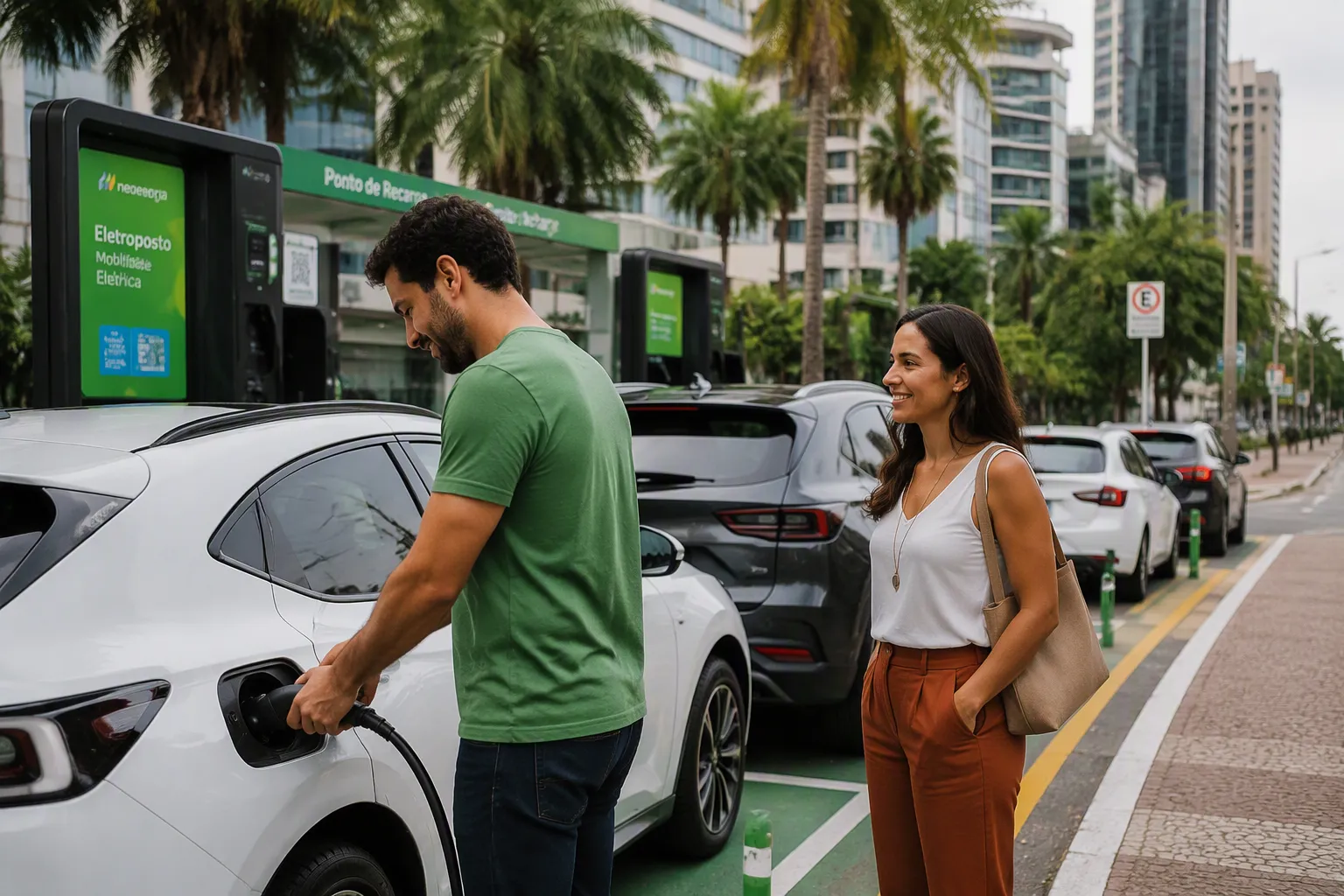

Smart commercial charging stations transform business operations in Singapore. These stations generate new revenue streams and drive customer engagement. Many business owners recognize the value of investment in EV charging solutions, especially with leading EV charger manufacturers offering advanced technology. Stations support sustainable growth while reducing costs and enhancing brand reputation. Businesses that install smart commercial charging stations also benefit from portable EV chargers, which increase flexibility and attract more drivers seeking an EV Charger.
Direct Financial Benefits of Smart Commercial Charging Stations

Smart commercial charging stations deliver measurable financial advantages for every business in Singapore. These stations create new revenue streams and reduce operational costs, making them a strategic investment for companies seeking profitability in the evolving ev landscape.
Increased Revenue Streams from EV Charging
Charging Fees and Monetization Opportunities
Businesses can unlock multiple revenue channels by integrating ev charging into their operations. Charging fees form the foundation of direct income, as ev drivers pay to use the stations. However, the potential for monetization extends far beyond simple usage fees. Companies can implement idle fees, which encourage efficient use of charging infrastructure and generate additional revenue when vehicles remain connected after charging completes.
Many businesses also leverage advertising and digital screens at charging stations. These displays offer targeted promotions or third-party advertisements, creating a steady stream of advertising revenue. Retailers and hospitality providers often see increased sales from retail and amenity upsell, as ev drivers spend more time on-site while their vehicles charge. Fleet and subscription contracts provide another lucrative opportunity, with businesses offering dedicated charging network access to commercial fleets or regular users for a recurring fee. Charging-as-a-Service (CaaS) models allow companies to offer managed charging solutions to other organizations, further expanding revenue opportunities.
Key Revenue Streams from Smart Commercial Charging Stations:
- Charging fees
- Idle fees
- Advertising and screens
- Retail and amenity upsell
- Fleet and subscription contracts
- Charging-as-a-Service (CaaS)
- Energy resale
Strategic use of these monetization methods ensures that every business maximizes the financial return from its charging network.
Strategic Partnerships with EV Service Providers
Collaboration with ev service providers enhances the profitability of charging stations. By partnering with established ev charging network operators, businesses gain access to a broader customer base and benefit from integrated payment systems. These partnerships often include revenue-sharing agreements, where both parties profit from increased charging activity.
TPSON, a technologically advanced electric vehicle charging solution provider, enables businesses to join established charging networks and access advanced management tools. These collaborations streamline operations and ensure that stations remain competitive in Singapore’s dynamic ev market. Strategic partnerships also open doors to joint marketing campaigns and bundled service offerings, further increasing revenue potential.
Cost Savings Through Smart Technology
Energy Management and Optimization
Smart commercial charging stations use advanced energy management systems to optimize electricity consumption. These systems monitor real-time demand and adjust charging rates to balance load across the network. Smart load balancing solutions, such as Versinetic’s LinkRay, dynamically allocate power based on current usage and available capacity. This approach maximizes infrastructure utilization and prevents costly grid upgrades.
Businesses benefit from lower electricity bills because smart charging stations avoid unnecessary energy losses. AC chargers, in particular, deliver efficient energy transfer and reduce consumption by eliminating the need for inverters and storage. This efficiency translates into significant operational savings over time.
Maintenance Reduction with Smart Commercial Charging Stations
Maintenance costs represent a major concern for any business operating a charging network. Smart commercial charging stations, especially those using AC technology, require less maintenance than traditional rapid DC chargers. AC chargers feature simpler designs and fewer components, resulting in lower installation costs—often starting from £3,500-5,000 per unit, which is 5 to 20 times cheaper than rapid DC alternatives.
Routine upkeep becomes more manageable, and the risk of unexpected breakdowns decreases. Businesses experience fewer service interruptions and reduced downtime, which further enhances profitability. The combination of lower installation expenses, efficient energy use, and minimal maintenance requirements positions smart commercial charging stations as a cost-effective solution for Singapore’s ev market.
Tip: Investing in smart commercial charging stations not only reduces operational costs but also ensures long-term sustainability for every business.
Enhanced Customer Attraction and Retention with EV Charging

Drawing EV Owners to Business Locations
Location-Based Traffic Generation for EV Users
Smart commercial charging stations attract ev owners to business premises. These stations serve as magnets for drivers who need reliable charging options. Businesses in Singapore place charging infrastructure in high-traffic areas, increasing visibility and footfall. EV drivers often plan their routes based on charging availability, so a well-placed station brings consistent traffic. Many businesses see a rise in visits from ev users who prioritize locations with accessible charging. This strategy boosts customer engagement and creates new opportunities for revenue generation.
Tip: Businesses can use digital maps and apps to highlight their charging stations, making it easier for ev drivers to find and visit their locations.
Cross-Selling and Upselling Opportunities
Charging stations provide a unique platform for cross-selling and upselling. While ev drivers wait for their vehicles to charge, they spend time exploring nearby products and services. Retailers, cafes, and hotels use this window to promote special offers and premium services. Many businesses report increased sales from ev customers who purchase additional items during their charging sessions. Charging infrastructure creates a captive audience, allowing businesses to maximize revenue through targeted promotions and bundled packages.
Improving Customer Experience and Loyalty
Convenience and Value-Added Services for EV Drivers
EV drivers value convenience and reliability. Smart commercial charging stations deliver both by offering advanced features and value-added services. These stations guarantee charge assurance, ensuring that drivers experience minimal downtime and efficient charging. Energy management systems automate load scheduling, allowing drivers to charge during off-peak hours and save costs. Continuous technical support provides quick issue resolution, maintaining high uptime and customer satisfaction.
| Service Feature | Contribution to Customer Experience |
|---|---|
| Charge Assurance | Guarantees reliability and efficiency of charging infrastructure, reducing downtime and enhancing productivity. |
| Energy Management | Automates load management, allowing for optimal scheduling of charging sessions during off-peak times, saving costs. |
| 24/7 Technical Support | Provides continuous monitoring and remote assistance, ensuring quick resolution of issues and maintaining uptime. |
These features create a seamless charging experience for ev drivers, encouraging repeat visits and fostering loyalty.
Building Long-Term Relationships with EV Customers
Businesses build lasting relationships with ev customers by consistently delivering value. Reliable charging infrastructure and attentive service encourage drivers to return. Many businesses implement loyalty programs and personalized offers for frequent ev users. These initiatives reward repeat visits and strengthen customer bonds. Over time, businesses see increased retention rates and higher lifetime revenue from their ev customer base. The combination of convenience, reliability, and targeted engagement positions businesses as preferred destinations for electric vehicle owners.
Note: Investing in smart commercial charging stations helps businesses nurture long-term loyalty and unlock sustained revenue growth from the expanding ev market.
Competitive Advantage and Brand Value from Smart Commercial Charging Stations
Differentiation in the EV Market
Unique Selling Proposition for EV Customers
Businesses in Singapore use smart commercial charging stations to create a unique selling proposition for ev customers. These stations offer advanced features such as real-time monitoring, seamless payment options, and reliable uptime. EV drivers choose locations that guarantee a smooth charging experience. Companies that provide these benefits attract a loyal base of electric vehicle users. They also gain a reputation for innovation and customer focus. As the ev market expands, businesses with smart charging infrastructure stand out as leaders in service quality.
Standing Out Among Competitors with Smart Charging
Smart commercial charging stations help businesses distinguish themselves from competitors. Many companies still rely on basic charging solutions. Businesses that invest in smart technology offer faster charging, better user interfaces, and integrated loyalty programs. These features encourage repeat visits from ev drivers. Companies also use data analytics from charging stations to understand customer behavior and improve services. This approach supports business growth by increasing customer retention and attracting new ev users.
Companies that prioritize smart charging solutions position themselves as forward-thinking and responsive to market trends.
Sustainability and Corporate Image Enhancement
Environmental Leadership Through EV Infrastructure
Businesses that install smart commercial charging stations demonstrate environmental leadership. These stations support the adoption of electric vehicles, which reduces carbon emissions and promotes cleaner transportation. Companies that champion ev infrastructure show a commitment to sustainability. This commitment appeals to environmentally conscious consumers and partners. Many organizations also use their charging networks to educate the public about the benefits of electric mobility. This strategy builds trust and enhances the company’s reputation as a responsible corporate citizen.
Meeting ESG Goals and Public Expectations
Smart commercial charging stations help businesses meet ESG (Environmental, Social, and Governance) goals. Companies comply with energy regulations and green building standards by using advanced charging technology. These stations lower utility costs while maintaining operational efficiency. Investors and developers value businesses that align with sustainability initiatives. The table below highlights how smart charging supports ESG objectives:
| ESG Benefit | Description |
|---|---|
| Compliance with energy regulations | Smart charging stations help businesses adhere to environmental regulations. |
| Lower utility costs and operational efficiency | These stations reduce electricity expenses and support economic sustainability. |
| Support for sustainability and ESG goals | Charging infrastructure aligns with broader initiatives, appealing to ESG-focused stakeholders. |
Businesses that achieve ESG targets gain a competitive edge in the ev market. They also meet the expectations of customers, investors, and regulators. This alignment drives long-term growth and strengthens brand value.
Smart Features That Maximize Profitability for EV Charging
Real-Time Monitoring and Analytics in Smart Commercial Charging Stations
Performance Tracking and Reporting
Smart commercial charging stations use real-time monitoring and analytics to drive operational efficiency. Operators track charging activity, parking space usage, and revenue trends through advanced dashboards. This data helps managers make informed decisions about resource allocation and station performance. By analyzing usage patterns, businesses can identify peak periods and adjust their strategies to maximize throughput. Real-time insights also support dynamic pricing, allowing operators to respond quickly to changes in demand and optimize profitability. These features ensure that stations operate at maximum capacity and deliver consistent financial returns.
Predictive Maintenance and Issue Resolution
Smart stations leverage predictive maintenance tools to minimize downtime and reduce repair costs. Sensors and analytics platforms monitor equipment health and detect early signs of wear or malfunction. When the system identifies a potential issue, it alerts technicians before a breakdown occurs. This proactive approach reduces unexpected outages and extends the lifespan of charging equipment. Operators benefit from lower maintenance expenses and improved reliability, which enhances customer satisfaction and encourages repeat visits. Real-time monitoring also streamlines the resolution process, ensuring that stations remain available for EV drivers.
Real-time data and analytics not only improve operational efficiency but also enhance the customer experience by reducing wait times and streamlining the charging process.
Dynamic Pricing and Demand Management for EV Charging
Flexible Pricing Strategies for EV Users
Dynamic pricing allows operators to adjust charging rates based on real-time demand. During peak hours or special events, stations can increase prices to capitalize on high demand. In off-peak periods, operators offer competitive rates to attract more users. This flexibility maximizes revenue potential and ensures that charging infrastructure remains profitable throughout the day. Dynamic pricing also encourages users to charge their vehicles during less busy times, which helps balance demand and reduces congestion at popular stations.
Load Balancing and Peak Demand Control
Smart commercial charging stations use advanced load management systems to optimize energy consumption and prevent grid overload. These systems schedule charging sessions during off-peak hours, taking advantage of lower electricity prices and reducing operational costs by up to 30-40%. Dynamic load management adjusts charging power in real time, ensuring that stations do not exceed grid capacity. This approach minimizes the need for costly infrastructure upgrades and supports grid stability.
| Benefit Type | Description |
|---|---|
| Cost Reduction | Implementing dynamic pricing and smart scheduling can significantly lower operational expenses. |
| Energy Efficiency | Load management and forecasting optimize charging usage, leading to energy savings and reduced peak-demand charges. |
| Grid Stability | Real-time balancing of charging demands helps prevent capacity overloads and supports grid demand response programs. |
| Evidence Type | Description |
|---|---|
| Dynamic Tariff Optimization | Scheduling charging during off-peak hours to take advantage of lower electricity prices, reducing costs by 30-40%. |
| Dynamic Load Management (DLM) | Adjusting charging power based on real-time consumption to avoid grid overload and costly upgrades. |
| Energy Efficiency | Integrating load management to optimize usage and minimize peak-demand charges. |
Smart features like real-time analytics, predictive maintenance, and dynamic pricing empower businesses to maximize the profitability of their charging infrastructure. These capabilities ensure that stations deliver reliable service, reduce costs, and support long-term growth in Singapore’s evolving EV market.
Implementation Strategies for Smart Commercial Charging Stations in Singapore
Site Selection and Integration for EV Charging
High-Traffic Locations and Accessibility for EV Drivers
Selecting the right site for a charging station shapes its success. Businesses in Singapore often choose high-traffic areas, such as shopping malls, office complexes, and transport hubs. These locations attract a steady flow of EV drivers and maximize utilization rates. Location intelligence plays a vital role in optimizing deployment and profitability. By analyzing site volume potential and forecasting demand, operators can identify prime spots for charging infrastructure. Scenario simulation helps test different site options, ensuring the charging network reaches the right audience and avoids market overlap.
| Evidence Aspect | Description |
|---|---|
| Location Intelligence | Critical for optimizing deployment and profitability of EV charging stations. |
| Site Volume Potential | Helps identify prime deployment sites by analyzing potential customer volume. |
| Demand Forecasting | Models EV adoption curves to predict future demand for charging stations. |
| Ancillary Revenue Evaluation | Assesses additional revenue opportunities that can arise from strategic site selection. |
| Visitor Profile Understanding | Tailors offerings to customer demographics to enhance revenue. |
| Scenario Simulation | Allows testing of different site scenarios to maximize market share and minimize cannibalization. |
| Risk Management | In-depth analysis aids in validating investment decisions for new sites. |
| Profit Maximization | Optimizes pricing strategies to balance volume and margin, enhancing overall profitability. |
Accessibility remains essential. Charging stations must be easy to find and use. Clear signage, convenient parking, and integration with navigation apps help EV drivers locate charging points quickly. These factors increase station usage and support the broader adoption of electric vehicles.
Seamless Integration with Existing Business Operations
Integrating charging infrastructure with current business operations ensures minimal disruption. Businesses often conduct site selection and spatial planning to align charging stations with customer flow. Load analysis and grid impact studies help determine the best way to connect charging systems without straining existing electrical capacity. Many operators also integrate renewable energy solutions, such as solar panels, to power charging stations and reduce operational costs.
| Best Practices for EV Charging Stations in Singapore’s Commercial Areas |
|---|
| Site selection and spatial planning |
| Load analysis and grid impact |
| Integrate renewable energy solutions with EV charging systems |
A seamless integration strategy allows businesses to enhance their service offerings while supporting the growing adoption of EVs.
Regulatory Compliance and Incentives for EV Charging Stations
Navigating Local Regulations for Smart Commercial Charging Stations
Singapore enforces strict regulations for installing charging stations. The Electric Vehicle Charging Bill requires developers of new or renovated buildings to include charging infrastructure. Electrical capacity must support at least 1.3 kilo-volt amperes per parking lot. At least one-fifth of the total electrical capacity must go to charging points. Developers can meet requirements by installing smart charging points at about 4-5% of parking lots, with flexibility in charger power ratings.
All EV chargers must meet Land Transport Authority safety standards and be certified and registered. Registered Responsible Persons must oversee proper use and maintenance. Operators must maintain service uptime, hold public liability insurance, and share data under a new licensing regime. New buildings and those with major upgrades must be EV-ready, with minimum chargers and spare capacity. For condominiums, a 50% voting threshold allows charger installation if contracts last no longer than ten years and do not use MCST funds. These rules promote accessibility and support the expansion of the charging network.
- Install charging infrastructure in new or renovated buildings
- Ensure electrical capacity supports 1.3 kVA per parking lot
- Dedicate at least one-fifth of total capacity to charging points
- Meet LTA safety standards and register all chargers
- Maintain service uptime and public liability insurance
- Achieve minimum charger provisions in new developments
Leveraging Government Grants and Support for EV Infrastructure
Singapore’s government offers grants and incentives to encourage investment in charging infrastructure. These programs help offset installation costs and support the adoption of EVs. Businesses can apply for funding to upgrade electrical systems, install smart charging stations, and integrate renewable energy sources. Government support reduces financial barriers and accelerates the growth of the charging network. By leveraging these incentives, businesses can enhance their competitiveness and contribute to Singapore’s vision for sustainable mobility.
Tip: Businesses should stay updated on new grants and regulatory changes to maximize the benefits of their charging investments.
Key Considerations and Challenges for Smart Commercial Charging Stations
Upfront Investment vs. Long-Term Gains in EV Charging
Cost-Benefit Analysis for Smart Commercial Charging Stations
Businesses in Singapore face important decisions when evaluating the cost-benefit profile of smart commercial charging stations. Initial investment often includes equipment, installation, and integration with existing infrastructure. Operators must assess the total cost of ownership, which covers maintenance, energy consumption, and software updates. Charging stations generate revenue through charging fees, idle fees, and partnerships. These income streams offset upfront costs and support profitability. Government incentives reduce financial barriers and encourage adoption. Owners should analyze projected utilization rates and ancillary revenue opportunities. A clear understanding of these factors helps businesses make informed investment choices.
Tip: Operators can use financial modeling tools to compare different charging solutions and estimate long-term returns.
ROI Projections and Payback Periods
Return on investment (ROI) remains a critical metric for charging station deployment. Businesses calculate ROI by comparing total investment against expected revenue and operational savings. Payback periods vary based on station location, utilization, and charging technology. High-traffic sites often deliver faster returns due to increased charging activity. Smart stations with advanced energy management systems reduce electricity costs and maintenance expenses. Operators track performance metrics to refine pricing strategies and maximize profitability. Many businesses achieve payback within three to five years, especially when leveraging government grants and optimizing station placement.
| ROI Factor | Impact on Payback Period |
|---|---|
| Utilization Rate | Higher usage shortens payback time |
| Energy Efficiency | Lower costs accelerate ROI |
| Government Incentives | Grants reduce upfront investment |
| Maintenance Savings | Smart stations minimize ongoing expenses |
Technology Upgrades and Scalability for EV Charging Solutions
Future-Proofing Smart Commercial Charging Infrastructure
Singapore’s EV market evolves rapidly. Businesses must future-proof charging stations to remain competitive. Operators invest in modular hardware and scalable software platforms. These upgrades support integration with renewable energy sources and advanced energy management systems. Cybersecurity measures protect charging infrastructure from threats and ensure secure communication. Owners monitor regulatory frameworks and adapt to new policies. Flexible business models allow operators to respond to changing market conditions and customer needs.
| Module | Key Focus Areas |
|---|---|
| Business Models and Economics of EV Charging | Ownership models, revenue streams, total cost of ownership, government incentives. |
| Cybersecurity for EV Charging Infrastructure | Threat landscape, secure communication, physical security, supply chain security. |
| Integration with Renewable Energy Sources | Solar PV and wind integration, energy management systems, off-grid solutions. |
| Regulatory Frameworks and Policy | National policies, interoperability regulations, building codes, accessibility. |
Note: Modular charging stations simplify upgrades and reduce downtime during technology transitions.
Adapting to Evolving EV Market Needs
Charging stations must adapt to shifts in EV adoption and technology. Operators monitor market trends and customer preferences. They upgrade hardware to support faster charging and new vehicle models. Software platforms enable real-time analytics and predictive maintenance. Businesses expand charging networks as EV adoption increases. Owners collaborate with industry partners to access new revenue streams and optimize station performance. Scalability ensures that charging solutions meet future demand and maintain profitability.
Charging infrastructure that evolves with the market positions businesses for sustained growth and leadership in Singapore’s EV landscape.
Smart commercial charging stations drive business profitability in Singapore. They deliver direct financial gains and support customer engagement. Research shows that smart charging can lower electricity costs by nearly 20% and reduce emissions by 15% during peak demand. Businesses that invest in these solutions secure long-term growth and a competitive edge. Evaluating site potential, using smart features, and leveraging government incentives help each business maximize returns and align with Singapore’s sustainability goals. Smart charging stations position every business for future growth.
FAQ
What are smart commercial charging stations?
Smart commercial charging stations use advanced technology to manage energy, monitor performance, and optimize charging. These stations support businesses by increasing revenue, reducing costs, and improving customer satisfaction.
How do businesses earn revenue from EV charging stations?
Businesses collect charging fees, idle fees, and advertising income. They also benefit from partnerships with EV service providers and offer subscription models for regular users.
Are government incentives available for installing EV charging stations in Singapore?
Yes. Singapore offers grants and support programs for businesses that install EV charging infrastructure. These incentives help reduce installation costs and encourage sustainable mobility.
What maintenance do smart charging stations require?
Smart charging stations use predictive maintenance tools. Operators monitor equipment health and address issues before breakdowns occur. This approach lowers repair costs and minimizes downtime.
How can businesses choose the best location for a charging station?
Businesses analyze traffic patterns, customer demographics, and site accessibility. High-traffic areas, such as malls and transport hubs, attract more EV drivers and maximize station usage.
Do smart charging stations support dynamic pricing?
Yes. Operators adjust charging rates based on real-time demand. Dynamic pricing increases revenue during peak hours and encourages off-peak usage.
What features improve customer experience at EV charging stations?
Stations offer real-time monitoring, seamless payment options, and 24/7 technical support. Value-added services, such as loyalty programs and personalized offers, enhance customer satisfaction.