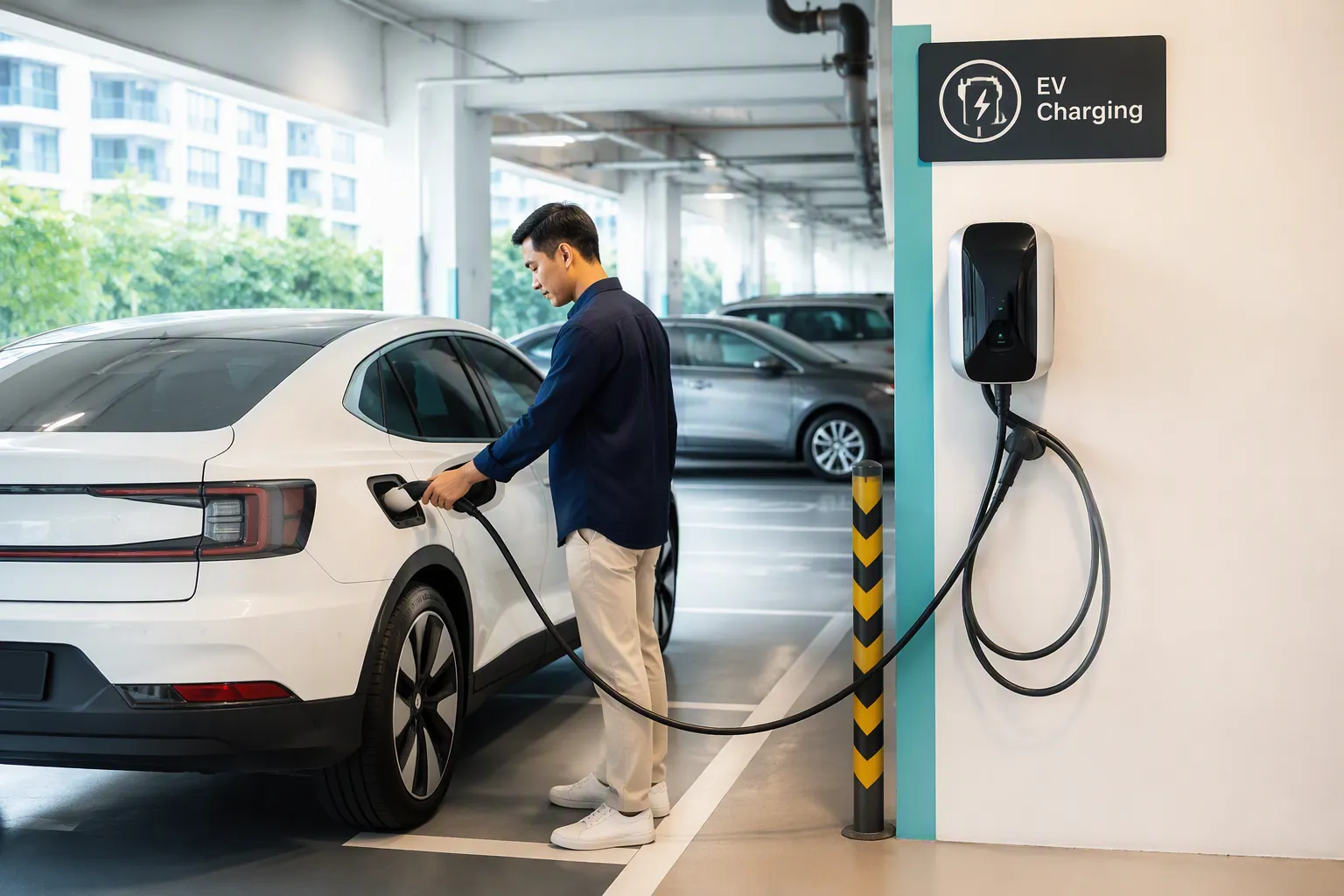
Level 3 charging offers UK drivers a faster and more convenient option for a long journey, especially during road trips. While level 2 charging remains valuable for overnight stops or destinations where longer parking is expected, the speed difference stands out. Many EV charger manufacturers now deliver advanced EV charging solutions, including portable ev chargers. The table below highlights how level 3 charging can add up to 200 miles of range in just 30 minutes, compared to the much slower rate of level 2 charging.
| Charger Type | Power Output | Range Added in 30 Minutes |
|---|---|---|
| Level 2 | Up to 22kW | Takes much longer to achieve similar range |
| Level 3 | 60kW to 350kW | Up to 200 miles |
Level 2 vs. Level 3 Charging: Understanding the Basics
What Is Level 2 Charging?
How Level 2 Charging Works
Level 2 charging uses alternating current (AC) to replenish an EV battery. Most home and workplace installations in the UK rely on this method. The charger connects to the electric car using a Type 2 connector, which features seven pins and supports a range of power outputs. Drivers plug their EV into the charge point, and the system delivers energy at a moderate charging speed. This process suits daily EV charging needs and provides a reliable solution for owning an electric vehicle.
Typical Charging Speeds for Level 2
Charging speed for Level 2 depends on the power output and the vehicle’s battery capacity. A typical home charger delivers 7.4 kW, adding 25-30 miles of range per hour. Commercial installations can reach up to 22 kW, offering 75-80 miles per hour. For example, a 7 kW charger can recharge an electric car with a 40 kWh battery in about 4-6 hours, while a 22 kW charger completes the task in 1-2 hours. These charge point speeds make Level 2 ideal for overnight charging or longer stops.
Common Use Cases for Level 2
Level 2 charging types serve daily routines. Drivers use them at home, workplaces, and public locations. Most electric cars in the UK accept Type 2 connectors, making Level 2 highly compatible. EV charging at this level suits situations where vehicles remain parked for extended periods, such as overnight stays or during work hours.
What Is Level 3 Charging?
How Level 3 Charging Works
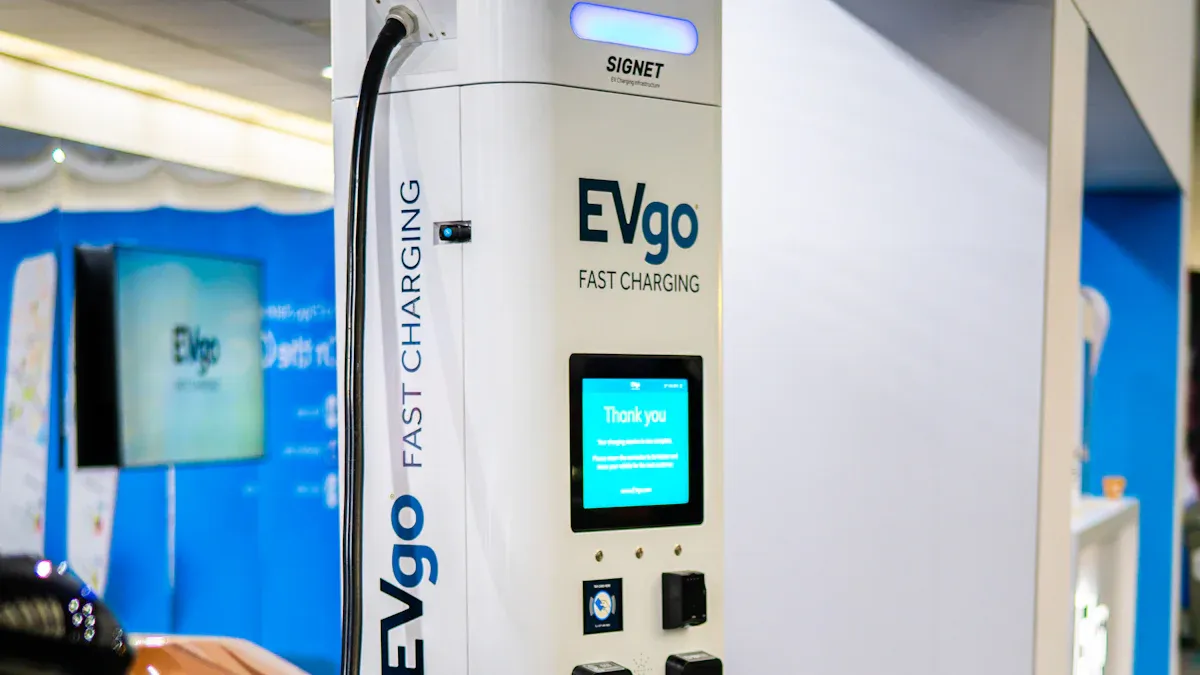
Level 3 charging, also known as DC fast chargers, uses direct current to deliver rapid energy transfer. These fast chargers bypass the vehicle’s onboard AC converter, sending power straight to the battery. Level 3 charging starts at 50 kW and can reach up to 350 kW for ultra-rapid chargers. The process enables quick top-ups, especially during long road trips.
Typical Charging Speeds for Level 3
Charging speed for Level 3 far exceeds Level 2. A 50 kW charger adds about 100 miles in 30-40 minutes. Ultra-rapid fast chargers, ranging from 150 to 350 kW, can add up to 200 miles in just 20 minutes, depending on the electric car. These speeds make Level 3 charging the preferred option for drivers needing fast turnaround during travel.
Common Use Cases for Level 3
Level 3 charging types suit motorway service stations, rapid charging networks, and locations where drivers require quick top-ups. EV charging at this level supports long journeys and minimizes downtime. Fast chargers provide convenience for electric vehicle charging during road trips, allowing drivers to continue their journey with minimal delay.
Key Differences Between Level 2 and Level 3 Charging
Charging Speed Comparison
| Feature | Level 2 Chargers | Level 3 Chargers |
|---|---|---|
| Charging Speed | 20-30 miles of range per hour | Up to 80% charge in about 30 minutes |
| Cost | Generally lower installation costs | Higher installation costs due to power requirements |
| Convenience | Ideal for daily use at home or work | Best for quick top-ups during long trips |
Level 3 charging delivers much faster charging speed than Level 2. Drivers benefit from rapid energy transfer, especially when using fast chargers on major routes.
Connector Types and Compatibility
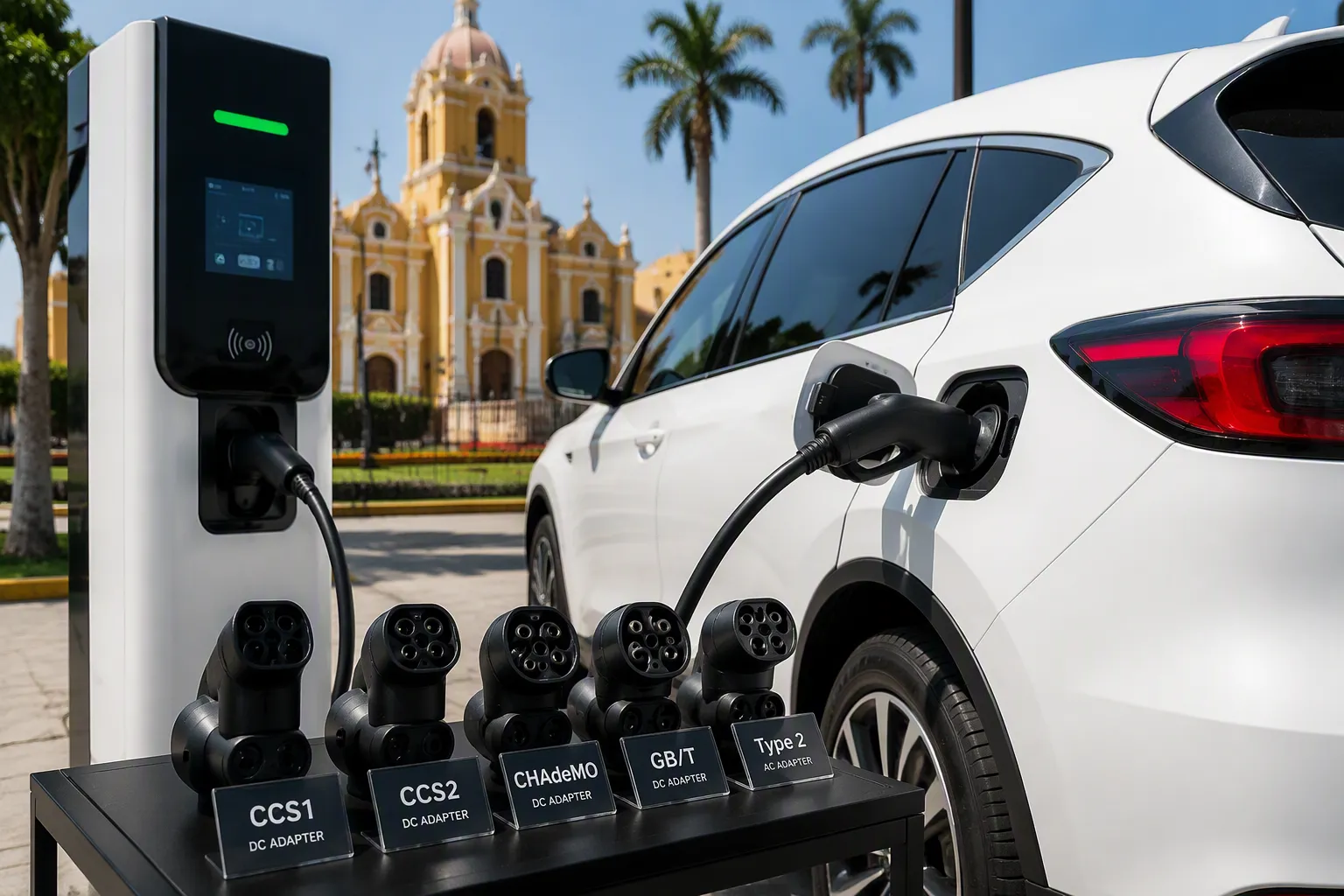
- Type 2 connectors dominate Level 2 charging in the UK.
- Most electric cars accept Type 2, supporting both fast and slow charging.
- Level 3 charging uses DC fast chargers, which require specific connectors such as CCS or CHAdeMO.
- Compatibility depends on the EV model and the charging types available.
Impact on Battery Health
- Level 3 charging offers super quick charging, ideal for fast top-ups.
- Frequent use of DC fast chargers can accelerate battery degradation.
- Level 2 charging provides a gentler process, supporting longer battery lifespan and less wear.
Tip: Drivers should balance fast charging with regular Level 2 charging to protect battery health and maximize efficiency.
Charging an Electric Vehicle: Real-World Charging Times
Factors Affecting Charging Speed
Battery Size and State of Charge
Battery size plays a crucial role in determining how long charging takes. Larger batteries require more time to reach full capacity, even when using the same charger. The state of charge also influences charging speed. Charging is fastest when the battery is between 20% and 80%. Below 20% or above 80%, the charging rate slows down to protect battery health. Drivers often notice that charging an electric vehicle becomes less efficient outside this optimal range.
Charger Power Output
The power output of a charger directly affects how quickly an EV can recharge. Level 2 chargers typically deliver up to 22kW, while Level 3 chargers can provide between 50kW and 350kW. Not all vehicles can utilize the maximum power output, so compatibility matters. Battery health and age also impact charging speed, as older batteries may charge slower.
Weather and Temperature Effects
Temperature and weather conditions influence charging performance. Cold weather slows down chemical reactions in the battery, reducing charging speed. High temperatures may cause the battery management system to limit charging to prevent overheating. Drivers planning a long journey should consider seasonal effects when estimating charging times.
Typical Charging Time Scenarios
Level 2 Charging Time Examples
- Level 2 chargers add about 25-30 miles of range per hour.
- Overnight charging usually takes 6-10 hours, depending on battery size.
- For a long journey, drivers often use Level 2 charging at hotels or during extended stops.
Level 3 Charging Time Examples
- DC fast chargers (50-149kW) can charge most EVs from 10% to 80% in 30-60 minutes.
- Ultra-rapid chargers (150kW+) reduce charging time to just 18-30 minutes for compatible vehicles.
- Level 3 charging is ideal for quick top-ups during a journey, minimizing downtime.
| Charger Type | Typical Power Output | Time to Charge 10%-80% | Range Added per Hour |
|---|---|---|---|
| Level 2 | Up to 22kW | 6-10 hours | 25-30 miles |
| Level 3 (Fast) | 50-149kW | 30-60 minutes | 100-200 miles |
| Level 3 (Ultra) | 150kW+ | 18-30 minutes | 200+ miles |
Planning Charging Stops on Long Road Trips
Estimating Time Needed per Stop
Drivers estimate charging time by considering battery size, current state of charge, and charger power output. Apps like PlugShare and ChargePoint help locate charging stations along the route. Knowing the vehicle’s range and how weather affects performance allows for more accurate planning.
Balancing Charging and Driving Time
Successful long journey planning involves balancing charging stops with driving time. Drivers maximize charging opportunities during meal breaks or sightseeing. Choosing Level 3 chargers for quick stops and Level 2 chargers for overnight stays ensures efficient use of time. They adapt their strategy based on charger availability and vehicle compatibility.
Tip: Charge whenever possible during a journey, even if the battery is not low, to avoid unexpected delays and keep the battery topped up.
EV Charging Availability Across the UK
Level 2 Charger Locations in the UK
Public Charging Networks
Drivers in the UK rely on a robust charging network for Level 2 charging. The public network of charge points covers urban centers, retail parks, and city streets. Operators such as Pod Point, BP Pulse, and Shell Recharge maintain thousands of public EV charge points. These charging stations support daily charging needs and offer convenient access for electric vehicle owners. The charging infrastructure continues to expand, making Level 2 charging more accessible for both residents and visitors.
Destination Charging at Hotels and Restaurants
Hotels and restaurants across the UK provide destination charging for guests. Many establishments install Level 2 charge points in their parking areas. Travelers benefit from overnight charging while staying at hotels or dining at restaurants. This approach supports longer journeys and reduces range anxiety. Destination charging also encourages EV adoption by offering reliable charging options at popular destinations.
Level 3 Charging Locations in the UK
Rapid Charging Networks
Rapid charging networks play a vital role in supporting long-distance travel. Companies such as Ionity, Gridserve, and InstaVolt operate rapid chargers at key locations. These rapid charging stations deliver high power output, enabling quick top-ups for electric vehicles. The charging network includes hundreds of rapid chargers along major highways and in urban areas. Drivers can access rapid charging at shopping centers, petrol stations, and business parks.
Motorway Service Stations
Motorway service stations serve as strategic hubs for rapid charging. Operators install rapid chargers at nearly every major motorway service area. Travelers benefit from fast charging during rest stops, minimizing downtime on long journeys. Motorway service stations offer amenities such as food, restrooms, and Wi-Fi, allowing drivers to recharge both their vehicles and themselves. The presence of rapid charging stations at these locations ensures reliable access for cross-country travel.
Finding Chargers on Major UK Routes
Using Apps and Maps for Charger Locations
Drivers use several methods to locate charge points and charging stations along major routes. Apps such as Zap-Map, PlugShare, and ChargePoint provide live data, real-time availability, and route planning features. The table below highlights key features of these apps:
| App Name | Features |
|---|---|
| Zap-Map | Live data on over 25,000 charging points, real-time availability, user reviews, and costs. |
| PlugShare | Global network of stations with detailed filters for plug types and charging speeds. |
| ChargePoint | Tracking charging sessions and costs, useful for planning routes. |
Drivers also use Google Maps and Apple Maps to find charging stations. Dedicated EV charge point finder apps are available on app stores, offering additional filters and user reviews.
Coverage Gaps and Regional Differences
Coverage gaps exist in rural areas and some regions. Urban centers and motorways feature dense charging infrastructure, while remote locations may have fewer charge points. Drivers should plan routes carefully and check app data for real-time updates. Rapid chargers remain concentrated along major highways, supporting public fast charging and reducing travel delays. Regional differences in charging network density highlight the importance of route planning for long journeys.
Tip: Drivers should always check the availability of rapid chargers before starting a trip, especially when traveling through less-populated regions.
Costs and Practical Considerations for EV Charging
Charging Costs: Level 2 vs. Level 3
Pricing Models (Per kWh, Per Minute)
Charging costs for EVs in the UK depend on the type of charger and the pricing model. Most public charging stations use either a per kWh or per minute model. Per kWh pricing charges drivers for the actual energy used, while per minute pricing bills for the time spent plugged in. The table below compares typical costs:
| Charging Type | Cost per kWh (£) | Cost for 60kWh Charge (£) |
|---|---|---|
| Level 2 Charging | 0.30 – 0.40 | 18 – 24 |
| DC Fast Charging | 0.45 – 0.85 | 27 – 51 |
Home charging remains the most affordable option, especially with time-of-use tariffs. Public charging, especially fast and ultra-fast options, can be significantly more expensive. For example, rapid public charging can reach £0.70 per kWh, making a full charge cost up to £42.
Memberships and Subscriptions
Many charging networks offer memberships or subscriptions. These programs provide discounted rates, priority access, and exclusive benefits. For instance, networks like ubitricity, Pod Point, and bp Pulse offer lower rates for members. Joining a network can help drivers save money, especially for those who rely on charging on the go during frequent road trips.
Practical Tips for Long Road Trips
Maximizing Charging Efficiency
Drivers can maximize charging efficiency by following these strategies:
- Understand the EV’s range and charge rate to avoid unnecessary stops.
- Start each trip with a full battery by charging at home.
- Plan routes to include fast chargers and always have a backup option.
- Combine charging stops with meal or rest breaks.
- Drive efficiently by maintaining proper tire pressure and using Eco mode.
Using technology, such as route planning apps, helps drivers locate the best charging points and minimize range anxiety. Choosing slower roads, using ventilated seats, and lightening the vehicle’s load can further improve efficiency.
Managing Wait Times and Queues
Peak travel periods can lead to queues at popular charging stations. Drivers should:
- Plan charging stops in advance to ensure availability.
- Use apps like Zap-Map for real-time updates on charging point status.
- Charge during off-peak hours when possible.
- Check station hours, especially in rural areas, to avoid restricted access.
These steps help reduce waiting times and keep the journey on schedule.
Preparing for Unexpected Delays
Unexpected delays can occur due to charger faults or high demand. Drivers should always have a backup charging location in mind. Carrying a portable charger from providers like TPSON adds flexibility for charging on the go. Keeping the battery above 20% reduces the risk of running out of power if a charger is unavailable.
Impact on Travel Budget and Planning
Estimating Total Trip Costs
The choice between Level 2 and Level 3 charging impacts the overall travel budget. Level 2 chargers are more affordable and suit overnight charging, while Level 3 chargers offer speed but at a higher price. For a 60kWh charge, costs can range from £18 at home to over £50 at some public fast chargers. Drivers should estimate total trip costs by considering the number of charging stops, charger types, and network fees.
Saving Money on Charging
To save money, drivers can:
- Plan charging stops and research public charging stations along the route.
- Join charging networks for discounted rates and exclusive benefits.
- Optimize charging speed by selecting the most suitable charger for each stop.
Using Level 2 chargers when possible remains the most cost-effective strategy. Relying solely on Level 3 chargers increases expenses and may not always be necessary for efficient charging on the go.
Note: Careful planning and smart use of charging networks help drivers manage costs and reduce range anxiety during long road trips.
Choosing the Right EV Charging Level for Your Trip
When to Use Level 2 Charging
Overnight Stops and Destination Charging
Level 2 charging offers a practical solution for many UK drivers during overnight stops and at destinations. Hotels, restaurants, and shopping centers often provide these chargers, allowing drivers to replenish their EV batteries while engaging in other activities. This approach supports a seamless travel experience, as drivers can charge their vehicles while they rest, dine, or shop.
- Level 2 chargers deliver between 10 to 75 miles of range per hour, which suits overnight charging needs.
- Public Level 2 chargers remain accessible at many destinations, making it easy for drivers to maintain their vehicle’s charge.
- These chargers bridge the gap between slow home charging and rapid DC fast charging, offering versatility for various travel scenarios.
- Local businesses benefit from increased visitor numbers, supporting economic growth.
- Environmental advantages include reduced greenhouse gas emissions and improved air quality, contributing to sustainable travel.
Level 2 charging fits situations where time is not a constraint. Drivers can leave their EVs plugged in overnight or during extended activities, ensuring a full battery for the next leg of the journey.
Rural and Less-Traveled Routes
Rural areas and less-traveled routes in the UK may lack extensive rapid charging infrastructure. Level 2 chargers often serve as the primary option in these regions. Drivers planning a long journey through remote locations should identify available Level 2 charging points in advance.
- Public Level 2 chargers frequently appear at local hotels, inns, and community centers.
- Charging while exploring rural attractions or staying overnight ensures the EV remains ready for continued travel.
- This approach reduces range anxiety and supports flexible route planning.
Tip: Drivers should always maintain a minimum battery charge of 20% in remote areas to ensure a comfortable margin for unexpected situations.
When to Use Level 3 Charging
Fast Charging on Motorways
Level 3 charging provides the fastest charging speeds available, making it essential for long-distance travel on UK motorways. Rapid and ultra-rapid chargers, typically located at motorway service stations and major routes, enable drivers to quickly replenish their EV batteries.
| Charging Level | Description | Ideal Use |
|---|---|---|
| Level 3 (DC Fast Charging) | Provides the fastest charging speeds, allowing for quick replenishment of electric vehicle batteries. | Essential for minimizing downtime on long journeys. |
- Rapid and ultra-rapid chargers offer the fastest option for drivers.
- These chargers are ideal for quick top-ups during a long journey, especially when time is limited.
Level 3 charging allows drivers to maximize their time on the road, reducing the need for extended stops.
Minimizing Downtime on Long Journeys
Drivers seeking to minimize downtime during a journey rely on Level 3 charging. The ability to add significant range in a short period ensures that travel remains efficient and convenient.
- Fast charging stations at motorway services support quick rest breaks and meal stops.
- Drivers can plan their route to include Level 3 charging points, ensuring minimal disruption to their schedule.
This strategy proves especially valuable for business travelers, families, or anyone with tight time constraints.
Combining Level 2 and Level 3 Charging
Hybrid Charging Strategies
A hybrid approach to charging combines the strengths of both Level 2 and Level 3 charging. Drivers can use Level 2 chargers for overnight stops and destination charging, then switch to Level 3 charging for fast top-ups during the main segments of a long journey.
- Start the day with a full battery from an overnight Level 2 charge.
- Use Level 3 charging for quick boosts on motorways or major routes.
- Plan charging stops to coincide with meals or breaks, maximizing efficiency.
This strategy balances cost, convenience, and battery health, ensuring a smooth travel experience.
Adapting to Charger Availability
Charger availability can vary by region and route. Drivers must adapt their charging strategy based on real-time information and route planning tools.
- Use apps like ONEEV, ABRP, and Zap-Map to locate reliable chargers and access real-time data.
- Always plan both a primary and a backup charging stop to accommodate potential issues with charger availability.
- In cold weather, plan for longer charging stops due to slower charging rates.
- Maintain a minimum battery charge of 20-30% to ensure flexibility and avoid range anxiety.
Note: Adapting to changing conditions and charger availability helps drivers maintain confidence and control throughout their journey.
Level 3 charging stands out as the best option for most UK road trips, offering quick top-ups and reducing downtime. Level 2 charging remains valuable for overnight stops and destination visits. Drivers should plan their route, check charger availability, and budget for charging costs. The table below highlights the ideal use for each charger level:
| Charger Level | Charging Speed | Typical Locations | Ideal Use |
|---|---|---|---|
| Level 2 | 25 miles of range per hour | Homes, workplaces, public | Overnight and destination charging |
| Level 3 | 100 miles in 30 minutes | Public locations | Quick top-ups for long journeys |
Tip: Combining Level 2 and Level 3 charging maximizes convenience and minimizes travel time.
FAQ
What is the main difference between Level 2 and Level 3 charging?
Level 2 charging uses AC power and charges slower. Level 3 charging uses DC power and charges much faster. Drivers choose Level 3 for quick top-ups during long trips.
Can all electric vehicles use Level 3 chargers?
Not every electric vehicle supports Level 3 charging. Most newer models accept DC fast charging, but some older or entry-level EVs only use Level 2.
How can drivers find charging stations along their route?
Drivers use apps like Zap-Map or PlugShare. These apps show real-time charger locations, availability, and user reviews. Planning ahead helps avoid delays.
Does fast charging harm the battery?
Frequent Level 3 charging can cause faster battery wear. Level 2 charging is gentler and helps maintain battery health over time.
Are Level 3 chargers available in rural areas?
Level 3 chargers mostly appear at motorway service stations and urban centers. Rural areas often rely on Level 2 chargers at hotels or community centers.
How much does it cost to charge at Level 3 compared to Level 2?
Level 3 charging costs more per kWh. Drivers pay £0.45–£0.85 per kWh for Level 3, while Level 2 costs £0.30–£0.40 per kWh.
What should drivers do if a charger is out of service?
Drivers check apps for backup locations. Carrying a portable charger adds flexibility. Keeping the battery above 20% helps avoid emergencies.