يوفر الشحن من المستوى 3 للسائقين في المملكة المتحدة خيارًا أسرع وأكثر ملاءمة للرحلات الطويلة، لا سيما أثناء الرحلات البرية. وفي حين يظل الشحن من المستوى 2 خيارًا مفيدًا للتوقف الليلي أو في الوجهات التي يُتوقع فيها وقوف السيارة لفترة أطول، فإن الفارق في السرعة واضح للغاية. كثيرون الشركات المصنعة لشاحن السيارة الكهربائية تقدم الآن تقنيات متطورة حلول شحن السيارات الكهربائية, بما في ذلك شواحن السيارات الكهربائية المحمولة. يوضح الجدول أدناه كيف يمكن للشحن من المستوى 3 أن يضيف ما يصل إلى 200 ميل من المدى في غضون 30 دقيقة فقط، مقارنةً بمعدل الشحن الأبطأ بكثير في المستوى الثاني.
| نوع الشاحن | ناتج الطاقة | المسافة المضافة في غضون 30 دقيقة |
|---|---|---|
| المستوى 2 | حتى 22 كيلو وات | يستغرق الأمر وقتًا أطول بكثير لتحقيق مدى مماثل |
| المستوى 3 | من 60 كيلوواط إلى 350 كيلوواط | حتى 200 ميل |
الشحن من المستوى 2 مقابل المستوى 3: فهم الأساسيات
ما هو شحن المستوى 2؟
كيفية عمل الشحن من المستوى 2
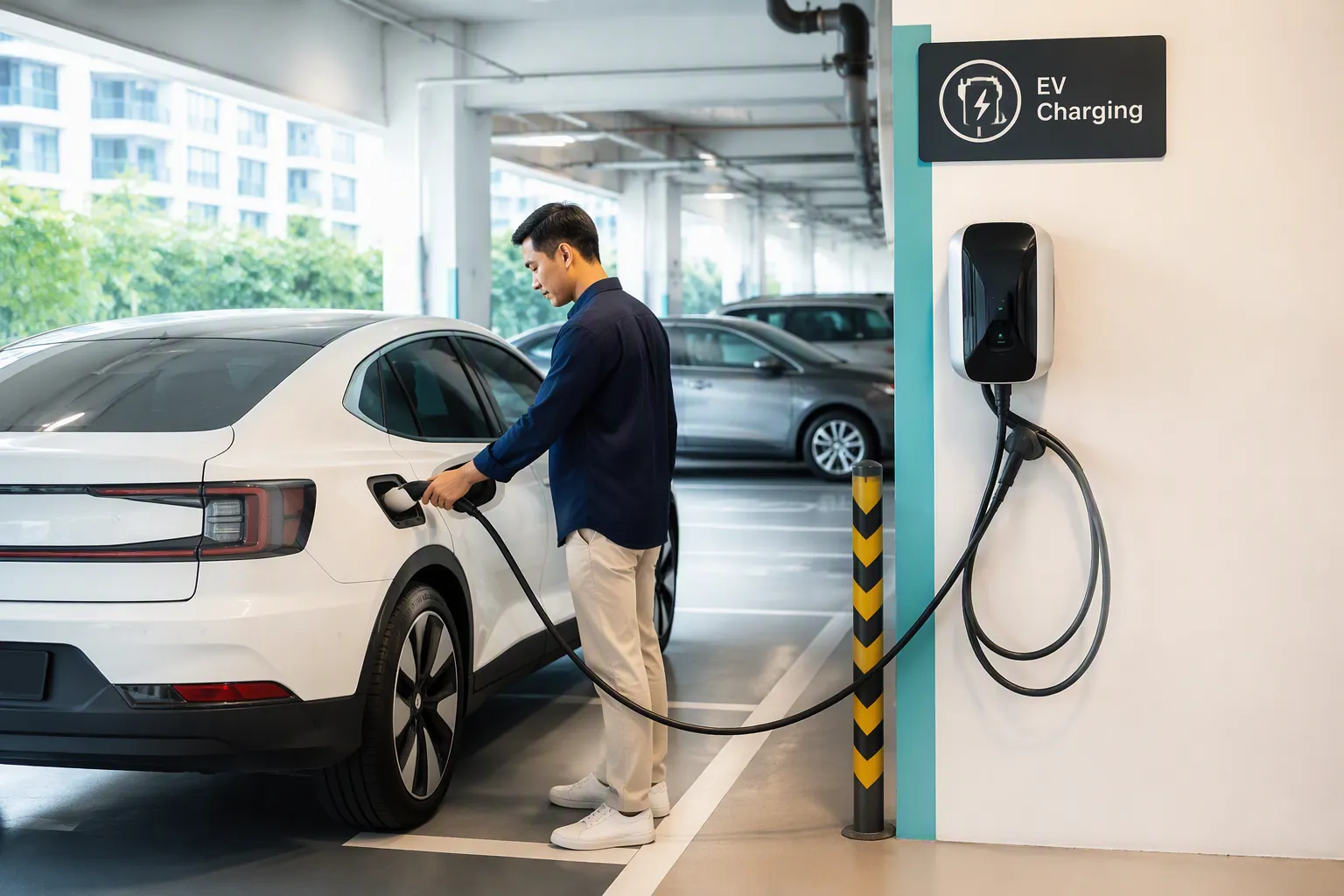
يستخدم الشحن من المستوى 2 التيار المتردد (AC) لإعادة شحن بطارية السيارة الكهربائية. وتعتمد معظم المنشآت المنزلية ومناطق العمل في المملكة المتحدة على هذه الطريقة. ويتم توصيل الشاحن بالسيارة الكهربائية باستخدام موصل من النوع 2، الذي يحتوي على سبعة دبابيس كما أنه يدعم مجموعة متنوعة من مستويات الطاقة. يقوم السائقون بتوصيل سياراتهم الكهربائية بنقطة الشحن، ويقوم النظام بتزويدها بالطاقة بسرعة شحن معتدلة. وتناسب هذه العملية احتياجات الشحن اليومية للسيارات الكهربائية، وتوفر حلاً موثوقًا لمالكي السيارات الكهربائية.
سرعات الشحن المعتادة للمستوى 2
تعتمد سرعة الشحن في المستوى 2 على الطاقة الناتجة وسعة بطارية السيارة. يوفر الشاحن المنزلي العادي 7.4 كيلوواط، مما يضيف مدىً يتراوح بين 25 و30 ميلاً في الساعة. يمكن أن تصل قدرة المنشآت التجارية إلى 22 كيلوواط، مما يوفر سرعة تتراوح بين 75 و80 ميلاً في الساعة. على سبيل المثال، هناك يمكن لشاحن بقدرة 7 كيلوواط إعادة شحن سيارة كهربائية مزودة ببطارية سعة 40 كيلوواط/ساعة في غضون 4 إلى 6 ساعات تقريبًا, ، في حين أن الشاحن بقدرة 22 كيلوواط ينجز المهمة في غضون ساعة إلى ساعتين. وتجعل سرعات الشحن هذه من المستوى 2 الخيار المثالي للشحن أثناء الليل أو أثناء فترات التوقف الطويلة.
حالات الاستخدام الشائعة للمستوى 2
تُستخدم أنواع الشحن من المستوى 2 في الأنشطة اليومية. حيث يستخدمها السائقون في المنازل وأماكن العمل والأماكن العامة. وتدعم معظم السيارات الكهربائية في المملكة المتحدة موصلات النوع 2، مما يجعل الشحن من المستوى 2 متوافقًا بشكل كبير. ويُعد شحن السيارات الكهربائية في هذا المستوى مناسبًا للحالات التي تظل فيها المركبات متوقفة لفترات طويلة، مثل أثناء الليل أو خلال ساعات العمل.
ما هو الشحن من المستوى الثالث؟
كيفية عمل شحن المستوى 3
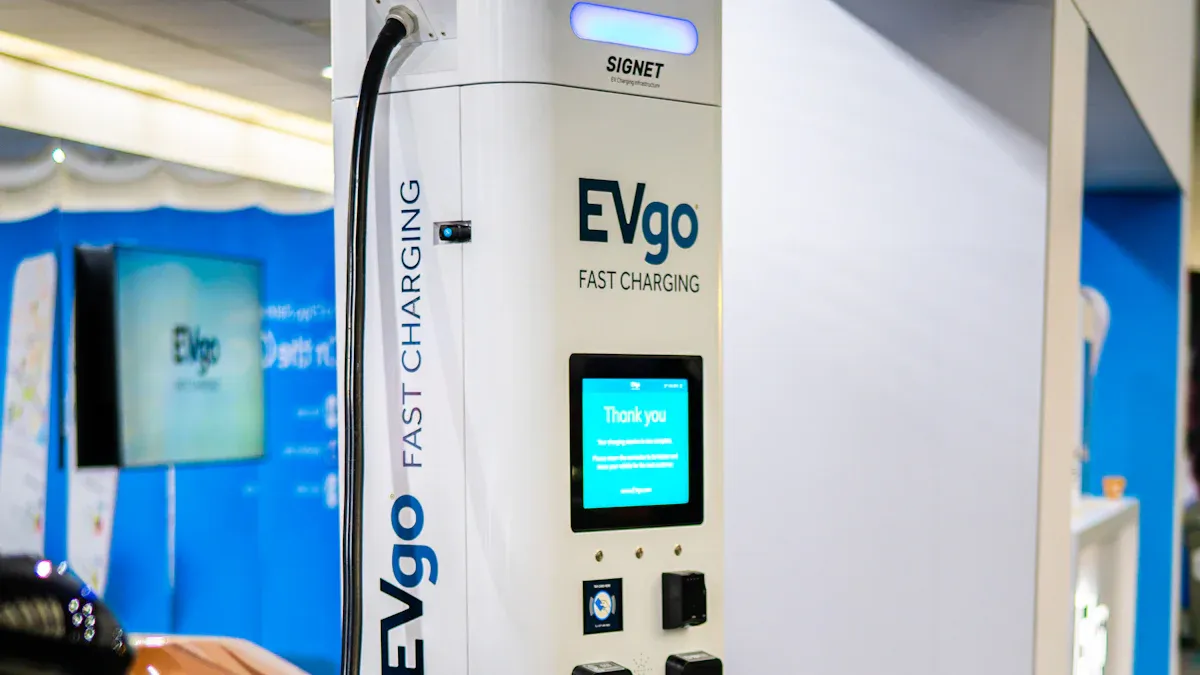
الشحن من المستوى 3, ، والمعروفة أيضًا باسم شواحن التيار المستمر السريعة، تستخدم التيار المستمر لتوفير نقل سريع للطاقة. تتجاوز هذه الشواحن السريعة محول التيار المتردد المدمج في السيارة، وترسل الطاقة مباشرةً إلى البطارية. يبدأ الشحن من المستوى 3 عند 50 كيلوواط ويمكن أن يصل إلى 350 كيلوواط في حالة الشواحن فائقة السرعة. وتتيح هذه العملية إعادة الشحن السريع، خاصةً أثناء الرحلات الطويلة على الطرق.
سرعات الشحن المعتادة للمستوى 3
تتجاوز سرعة الشحن في المستوى 3 سرعة الشحن في المستوى 2 بكثير. فجهاز الشحن بقدرة 50 كيلوواط يضيف حوالي 100 ميل في غضون 30 إلى 40 دقيقة. أما أجهزة الشحن فائقة السرعة، التي تتراوح قدرتها بين 150 و350 كيلوواط، فيمكنها إضافة ما يصل إلى 200 ميل في غضون 20 دقيقة فقط، اعتمادًا على نوع السيارة الكهربائية. هذه السرعات تجعل المستوى 3 يُعد الشحن الخيار المفضل للسائقين الذين يحتاجون إلى إنجاز سريع أثناء السفر.
حالات الاستخدام الشائعة للمستوى 3
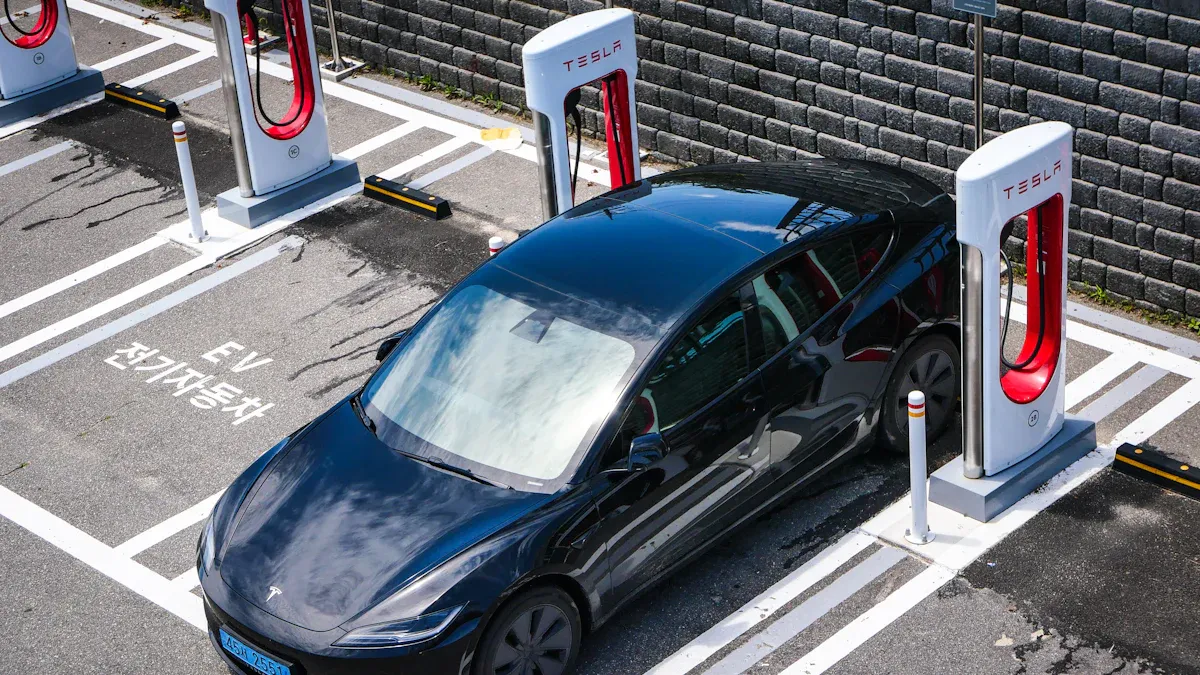
تُعد أنواع الشحن من المستوى 3 مناسبة لمحطات الخدمة على الطرق السريعة، وشبكات الشحن السريع، والمواقع التي يحتاج فيها السائقون إلى شحن سريع. ويدعم شحن السيارات الكهربائية في هذا المستوى الرحلات الطويلة ويقلل من وقت التوقف. وتوفر أجهزة الشحن السريع الراحة لشحن السيارات الكهربائية أثناء الرحلات البرية، مما يتيح للسائقين مواصلة رحلتهم بأقل تأخير ممكن.
الاختلافات الرئيسية بين الشحن من المستوى 2 والشحن من المستوى 3
مقارنة سرعة الشحن
| الميزة | شواحن المستوى 2 | شواحن من المستوى 3 |
|---|---|---|
| سرعة الشحن | مدى يبلغ 20-30 ميلاً في الساعة | شحن يصل إلى 80% في حوالي 30 دقيقة |
| التكلفة | تكاليف تركيب أقل بشكل عام | ارتفاع تكاليف التركيب بسبب متطلبات الطاقة |
| الملاءمة | مثالي للاستخدام اليومي في المنزل أو العمل | الأفضل لإعادة الشحن السريع أثناء الرحلات الطويلة |
يوفر الشحن من المستوى 3 سرعة شحن أعلى بكثير من المستوى 2. ويستفيد السائقون من سرعة نقل الطاقة، لا سيما عند استخدام أجهزة الشحن السريع على الطرق الرئيسية.
أنواع الموصلات والتوافق
- تُعد موصلات النوع 2 هي السائدة في عمليات الشحن من المستوى 2 في المملكة المتحدة.
- تدعم معظم السيارات الكهربائية معيار الشحن من النوع 2، الذي يتيح الشحن السريع والبطيء على حد سواء.
- يستخدم الشحن من المستوى 3 شواحن سريعة تعمل بالتيار المستمر، والتي تتطلب موصلات محددة مثل CCS أو CHAdeMO.
- يعتمد التوافق على طراز السيارة الكهربائية وأنواع الشحن المتاحة.
التأثير على صحة البطارية
- يوفر الشحن من المستوى 3 شحنًا فائق السرعة، وهو مثالي لإعادة الشحن السريع.
- قد يؤدي الاستخدام المتكرر لشواحن التيار المستمر السريعة إلى تسريع تدهور أداء البطارية.
- يوفر الشحن من المستوى 2 عملية أكثر سلاسة, ، مما يساهم في إطالة عمر البطارية وتقليل تآكلها.
نصيحة: ينبغي على السائقين الموازنة بين الشحن السريع والشحن العادي من المستوى 2 للحفاظ على سلامة البطارية وتحقيق أقصى قدر من الكفاءة.
شحن السيارة الكهربائية: أوقات الشحن في الواقع العملي
العوامل المؤثرة في سرعة الشحن
حجم البطارية وحالة الشحن
يلعب حجم البطارية دورًا حاسمًا في تحديد المدة التي يستغرقها الشحن. فالبطاريات الأكبر حجمًا تتطلب وقتًا أطول للوصول إلى سعتها الكاملة، حتى عند استخدام الشاحن نفسه. كما تؤثر حالة الشحن أيضًا على سرعة الشحن. ويكون الشحن أسرع عندما تكون البطارية بين 20٪ و80٪. عند انخفاض الشحن عن 20% أو ارتفاعه فوق 80%، يتباطأ معدل الشحن لحماية صحة البطارية. وغالبًا ما يلاحظ السائقون أن شحن السيارة الكهربائية يصبح أقل كفاءة خارج هذا النطاق الأمثل.
قدرة الخرجة للشاحن
يؤثر ناتج الطاقة للشاحن بشكل مباشر على سرعة إعادة شحن السيارة الكهربائية. عادةً ما توفر شواحن المستوى 2 ما يصل إلى 22 كيلوواط، في حين أن شواحن المستوى 3 يمكنها توفير ما بين 50 كيلوواط و350 كيلوواط. لا تستطيع جميع المركبات الاستفادة من الحد الأقصى لناتج الطاقة، لذا فإن التوافق أمر مهم. كما تؤثر حالة البطارية وعمرها على سرعة الشحن، حيث قد تستغرق البطاريات الأقدم وقتًا أطول في الشحن.
تأثيرات الطقس ودرجة الحرارة
تؤثر درجة الحرارة والظروف الجوية على أداء الشحن. الطقس البارد يؤدي ذلك إلى إبطاء التفاعلات الكيميائية في البطارية، مما يقلل من سرعة الشحن. وقد تدفع درجات الحرارة المرتفعة نظام إدارة البطارية إلى تقييد عملية الشحن لمنع ارتفاع درجة الحرارة بشكل مفرط. وعلى السائقين الذين يخططون لرحلة طويلة أن يأخذوا التأثيرات الموسمية في الاعتبار عند تقدير أوقات الشحن.
سيناريوهات زمنية نموذجية للشحن
أمثلة على مدة الشحن في المستوى 2
- تضيف شواحن المستوى 2 حوالي 25-30 ميلاً من المدى في الساعة.
- عادةً ما يستغرق الشحن الليلي من 6 إلى 10 ساعات، حسب حجم البطارية.
- في الرحلات الطويلة، غالبًا ما يلجأ السائقون إلى الشحن من المستوى الثاني في الفنادق أو أثناء فترات التوقف الطويلة.
أمثلة على مدة الشحن في المستوى 3
- يمكن لشواحن التيار المستمر السريعة (50-149 كيلوواط) شحن معظم السيارات الكهربائية من 10% إلى 80% في غضون 30-60 دقيقة.
- تقلل أجهزة الشحن فائقة السرعة (150 كيلوواط فأكثر) من وقت الشحن إلى ما بين 18 و30 دقيقة فقط للمركبات المتوافقة معها.
- يُعد الشحن من المستوى 3 خيارًا مثاليًّا لإعادة الشحن السريع أثناء الرحلة، مما يقلل من وقت التوقف إلى أدنى حد.
| نوع الشاحن | ناتج الطاقة النموذجي | مدة الشحن 10%-80% | النطاق المضاف في الساعة |
|---|---|---|---|
| المستوى 2 | حتى 22 كيلو وات | 6-10 ساعات | 25-30 ميلاً |
| المستوى 3 (سريع) | 50-149 كيلوواط | 30-60 دقيقة | 100-200 ميل |
| المستوى 3 (فائق) | 150 كيلو وات+ | 18-30 دقيقة | أكثر من 200 ميل |
التخطيط لمحطات الشحن خلال الرحلات الطويلة بالسيارة
تقدير الوقت اللازم لكل محطة
تقديرات السائقين وقت الشحن من خلال مراعاة حجم البطارية، وحالة الشحن الحالية، وقوة خرج الشاحن. وتساعد تطبيقات مثل PlugShare وChargePoint في تحديد مواقع محطات الشحن على طول المسار. كما أن معرفة مدى المركبة وكيفية تأثير الطقس على أدائها يتيح التخطيط بشكل أكثر دقة.
التوازن بين وقت الشحن ووقت القيادة
يتطلب التخطيط الناجح للرحلات الطويلة تحقيق التوازن بين محطات الشحن ووقت القيادة. ويستغل السائقون فرص الشحن إلى أقصى حد خلال فترات استراحة تناول الطعام أو زيارة المعالم السياحية. ويضمن اختيار شواحن المستوى 3 للتوقفات السريعة وشواحن المستوى 2 للإقامة الليلية الاستخدام الفعال للوقت. ويقومون بتعديل استراتيجيتهم بناءً على توفر الشواحن وتوافق المركبة معها.
نصيحة: احرص على شحن البطارية كلما أمكن ذلك أثناء الرحلة، حتى لو لم تكن مستويات شحنها منخفضة، لتجنب أي تأخيرات غير متوقعة وللحفاظ على شحن البطارية في أعلى مستوياته.
توافر محطات شحن السيارات الكهربائية في جميع أنحاء المملكة المتحدة
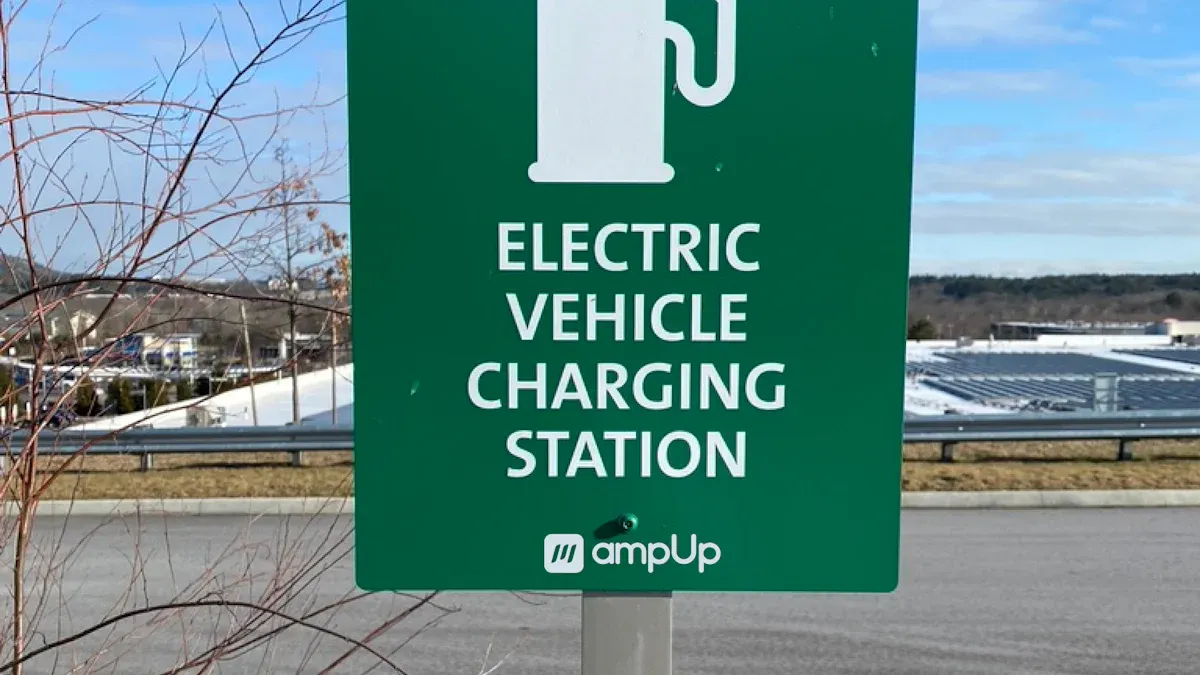
مواقع شواحن المستوى 2 في المملكة المتحدة
شبكات الشحن العامة
يعتمد سائقو السيارات الكهربائية في المملكة المتحدة على شبكة شحن قوية للشحن من المستوى الثاني. وتغطي الشبكة العامة لمحطات الشحن المراكز الحضرية ومجمعات المتاجر وشوارع المدن. وتقوم شركات تشغيل مثل Pod Point وBP Pulse وShell Recharge بصيانة آلاف نقاط الشحن العامة للسيارات الكهربائية. وتلبي محطات الشحن هذه احتياجات الشحن اليومية وتوفر وصولاً مريحاً لمالكي السيارات الكهربائية. وتستمر البنية التحتية للشحن في التوسع، مما يجعل الشحن من المستوى 2 أكثر سهولة لكل من المقيمين والزوار.
الشحن في الفنادق والمطاعم
توفر الفنادق والمطاعم في جميع أنحاء المملكة المتحدة خدمة الشحن في الوجهة للضيوف. وتقوم العديد من المنشآت بتركيب محطات شحن من المستوى الثاني في مواقف السيارات الخاصة بها. ويستفيد المسافرون من خدمة الشحن الليلي أثناء إقامتهم في الفنادق أو تناولهم الطعام في المطاعم. ويساعد هذا النهج على القيام برحلات أطول ويقلل من القلق بشأن مدى السير. كما تشجع خدمة الشحن في الوجهة على اعتماد السيارات الكهربائية من خلال توفير خيارات شحن موثوقة في الوجهات الشهيرة.
مواقع الشحن من المستوى 3 في المملكة المتحدة
شبكات الشحن السريع
تلعب شبكات الشحن السريع دورًا حيويًّا في دعم السفر لمسافات طويلة. وتقوم شركات مثل «Ionity» و«Gridserve» و«InstaVolt» بتشغيل محطات شحن سريع في مواقع رئيسية. وتوفر محطات الشحن السريع هذه طاقة خرج عالية، مما يتيح إعادة شحن المركبات الكهربائية بسرعة. إن شبكة الشحن وتشمل مئات من محطات الشحن السريع على طول الطرق السريعة الرئيسية وفي المناطق الحضرية. ويمكن للسائقين الاستفادة من خدمة الشحن السريع في مراكز التسوق ومحطات الوقود والمجمعات التجارية.
محطات الخدمة على الطرق السريعة
تُعد محطات الخدمة على الطرق السريعة مراكز استراتيجية للشحن السريع. حيث يقوم المشغلون بتركيب أجهزة شحن سريعة في كل منطقة خدمة رئيسية على الطرق السريعة تقريبًا. ويستفيد المسافرون من الشحن السريع أثناء فترات الراحة، مما يقلل من وقت التوقف في الرحلات الطويلة. توفر محطات الخدمة على الطرق السريعة مرافق مثل الطعام ودورات المياه وخدمة الواي فاي، مما يتيح للسائقين إعادة شحن سياراتهم واستعادة طاقتهم. ويضمن وجود محطات الشحن السريع في هذه المواقع إمكانية الوصول الموثوقة للسفر عبر البلاد.
العثور على محطات شحن على الطرق الرئيسية في المملكة المتحدة
استخدام التطبيقات والخرائط للعثور على مواقع أجهزة الشحن
يستخدم السائقون عدة طرق لتحديد مواقع نقاط الشحن ومحطات الشحن على طول الطرق الرئيسية. وتوفر تطبيقات مثل Zap-Map وPlugShare وChargePoint بيانات حية ومعلومات عن التوافر في الوقت الفعلي، بالإضافة إلى ميزات تخطيط المسار. ويُبرز الجدول أدناه الميزات الرئيسية لهذه التطبيقات:
| اسم التطبيق | الميزات |
|---|---|
| Zap-Map | بيانات مباشرة حول أكثر من 25,000 نقطة شحن, ، وتوافر الخدمة في الوقت الفعلي، وتقييمات المستخدمين، والتكاليف. |
| بلج شير (PlugShare) | شبكة عالمية من المحطات مزودة بفلاتر تفصيلية لأنواع القوابس وسرعات الشحن. |
| تشارج بوينت | تتبع جلسات الشحن وتكاليفها، وهو أمر مفيد لتخطيط المسارات. |
كما يستخدم السائقون تطبيقي «Google Maps» و«Apple Maps» للعثور على محطات الشحن. وتتوفر في متاجر التطبيقات تطبيقات مخصصة للبحث عن نقاط شحن السيارات الكهربائية، توفر معايير تصفية إضافية وتقييمات المستخدمين.
ثغرات التغطية والاختلافات الإقليمية
توجد ثغرات في التغطية في المناطق الريفية وبعض المناطق. تتميز المراكز الحضرية والطرق السريعة بكثافة البنية التحتية للشحن، في حين قد تحتوي المناطق النائية على عدد أقل من نقاط الشحن. يجب على السائقين تخطيط مساراتهم بعناية والتحقق من بيانات التطبيق للحصول على تحديثات في الوقت الفعلي. لا تزال محطات الشحن السريع مركزة على طول الطرق السريعة الرئيسية، مما يدعم الشحن السريع العام ويقلل من تأخيرات السفر. تسلط الاختلافات الإقليمية في كثافة شبكة الشحن الضوء على أهمية تخطيط المسار للرحلات الطويلة.
نصيحة: ينبغي على السائقين دائمًا التحقق من توفر محطات الشحن السريع قبل بدء الرحلة، خاصةً عند السفر عبر المناطق الأقل كثافة سكانية.
Costs and Practical Considerations for EV Charging
Charging Costs: Level 2 vs. Level 3
Pricing Models (Per kWh, Per Minute)
Charging costs for EVs in the UK depend on the type of charger and the pricing model. Most public charging stations use either a per kWh or per minute model. Per kWh pricing charges drivers for the actual energy used, while per minute pricing bills for the time spent plugged in. The table below compares typical costs:
| نوع الشحن | Cost per kWh (£) | Cost for 60kWh Charge (£) |
|---|---|---|
| شحن المستوى 2 | 0.30 – 0.40 | 18 – 24 |
| الشحن السريع بالتيار المستمر | 0.45 – 0.85 | 27 – 51 |
Home charging remains the most affordable option, especially with time-of-use tariffs. Public charging, especially fast and ultra-fast options, can be significantly more expensive. For example, rapid public charging can reach £0.70 per kWh, making a full charge cost up to £42.
العضويات والاشتراكات
Many charging networks offer memberships or subscriptions. These programs provide discounted rates, priority access, and exclusive benefits. For instance, networks like ubitricity, Pod Point, and bp Pulse offer lower rates for members. Joining a network can help drivers save money, especially for those who rely on charging on the go during frequent road trips.
Practical Tips for Long Road Trips
تعظيم كفاءة الشحن إلى أقصى حد ممكن
يمكن للسائقين maximize charging efficiency by following these strategies:
- Understand the EV’s range and charge rate to avoid unnecessary stops.
- Start each trip with a full battery by charging at home.
- Plan routes to include fast chargers and always have a backup option.
- Combine charging stops with meal or rest breaks.
- Drive efficiently by maintaining proper tire pressure and using Eco mode.
Using technology, such as route planning apps, helps drivers locate the best charging points and minimize range anxiety. Choosing slower roads, using ventilated seats, and lightening the vehicle’s load can further improve efficiency.
Managing Wait Times and Queues
Peak travel periods can lead to queues at popular charging stations. Drivers should:
- Plan charging stops in advance to ensure availability.
- Use apps like Zap-Map for real-time updates on charging point status.
- الشحن خلال ساعات الذروة المنخفضة عندما يكون ذلك ممكنًا.
- التحقق من ساعات عمل المحطات، خاصة في المناطق الريفية، لتجنب الوصول المقيد.
هذه الخطوات تساعد في تقليل أوقات الانتظار والحفاظ على الرحلة وفقًا للجدول الزمني.
الاستعداد للتأخيرات غير المتوقعة
قد تحدث تأخيرات غير متوقعة بسبب أعطال الشواحن أو الطلب المرتفع. يجب أن يكون لدى السائقين دائمًا موقع شحن احتياطي في الاعتبار. يحمل شاحنًا محمولًا من مزودي خدمات مثل TPSON يضيف مرونة للشحن أثناء التنقل. الحفاظ على مستوى البطارية فوق 20% يقلل من خطر نفاد الطاقة إذا لم يتوفر شاحن.
التأثير على ميزانية السفر والتخطيط
تقدير إجمالي تكاليف الرحلة
يؤثر الاختيار بين الشحن من المستوى 2 والمستوى 3 على ميزانية السفر الإجمالية. شواحن المستوى 2 أكثر اقتصادية وتناسب الشحن أثناء الليل، بينما توفر شواحن المستوى 3 السرعة ولكن بسعر أعلى. لشحن بطارية سعة 60 كيلوواط/ساعة، يمكن أن تتراوح التكاليف من 18 جنيهًا إسترلينيًا في المنزل إلى أكثر من 50 جنيهًا إسترلينيًا في بعض شواحن الشحن السريع العامة. يجب على السائقين تقدير إجمالي تكاليف الرحلة من خلال النظر في عدد محطات الشحن وأنواع الشواحن ورسوم الشبكة.
توفير المال على الشحن
لتوفير المال، يمكن للسائقين:
- التخطيط لمحطات الشحن والبحث عن محطات الشحن العامة على طول الطريق.
- الانضمام إلى شبكات الشحن للحصول على أسعار مخفضة ومزايا حصرية.
- تحسين سرعة الشحن عن طريق اختيار الشاحن الأنسب لكل محطة.
استخدام شواحن المستوى 2 عندما يكون ذلك ممكنًا يبقى الاستراتيجية الأكثر فعالية من حيث التكلفة. الاعتماد فقط على شواحن المستوى 3 يزيد النفقات وقد لا يكون ضروريًا دائمًا للشحن الفعال أثناء التنقل.
ملاحظة: التخطيط الدقيق والاستخدام الذكي لشبكات الشحن يساعدان السائقين على إدارة التكاليف وتقليل قلق المدى أثناء رحلات الطريق الطويلة.
اختيار مستوى شحن المركبة الكهربائية المناسب لرحلتك
متى تستخدم الشحن من المستوى 2
التوقفات الليلية والشحن في الوجهة
يقدم الشحن من المستوى 2 حلاً عمليًا للعديد من السائقين في المملكة المتحدة خلال التوقفات الليلية وفي الوجهات. غالبًا ما توفر الفنادق والمطاعم ومراكز التسوق هذه الشواحن، مما يسمح للسائقين بإعادة شحن بطاريات مركباتهم الكهربائية أثناء الانخراط في أنشطة أخرى. يدعم هذا النهج تجربة سفر سلسة، حيث يمكن للسائقين شحن مركباتهم أثناء الراحة أو تناول الطعام أو التسوق.
- توفر شواحن المستوى 2 ما بين 10 إلى 75 ميلاً من المدى في الساعة, ، مما يناسب احتياجات الشحن أثناء الليل.
- تبقى شواحن المستوى 2 العامة متاحة في العديد من الوجهات، مما يسهل على السائقين الحفاظ على شحن مركباتهم.
- تجسر هذه الشواحن الفجوة بين الشحن المنزلي البطيء والشحن السريع بالتيار المستمر، مما يوفر تنوعًا لسيناريوهات السفر المختلفة.
- تستفيد الشركات المحلية من زيادة أعداد الزوار، مما يدعم النمو الاقتصادي.
- تشمل المزايا البيئية انخفاض انبعاثات غازات الاحتباس الحراري وتحسين جودة الهواء، مما يساهم في السفر المستدام.
يناسب الشحن من المستوى 2 الحالات التي لا يكون الوقت فيها قيدًا. يمكن للسائقين ترك مركباتهم الكهربائية موصولة بالشحن أثناء الليل أو خلال الأنشطة الممتدة، مما يضمن بطارية كاملة للجزء التالي من الرحلة.
الطرق الريفية والأقل ازدحامًا
قد تفتقر المناطق الريفية والطرق الأقل ازدحامًا في المملكة المتحدة إلى بنية تحتية واسعة للشحن السريع. غالبًا ما تكون شواحن المستوى 2 الخيار الأساسي في هذه المناطق. يجب على السائقين الذين يخططون لرحلة طويلة عبر مواقع نائية تحديد نقاط الشحن من المستوى 2 المتاحة مسبقًا.
- تظهر شواحن المستوى 2 العامة بشكل متكرر في الفنادق المحلية والنزل ومراكز المجتمع.
- الشحن أثناء استكشاف المعالم الريفية أو المبيت ليلاً يضمن بقاء المركبة الكهربائية جاهزة لمواصلة السفر.
- يقلل هذا النهج من قلق المدى ويدعم التخطيط المرن للطريق.
نصيحة: يجب على السائقين دائمًا الحفاظ على الحد الأدنى لشحن البطارية عند 20% في المناطق النائية لضمان هامش مريح للحالات غير المتوقعة.
متى تستخدم الشحن من المستوى 3
الشحن السريع على الطرق السريعة
الشحن من المستوى 3 يوفر أسرع سرعات الشحن المتاحة، مما يجعله ضروريًا للسفر لمسافات طويلة على الطرق السريعة في المملكة المتحدة. تمكن الشواحن السريعة والفائقة السرعة، الموجودة عادة في محطات خدمة الطرق السريعة والطرق الرئيسية، السائقين من إعادة شحن بطاريات مركباتهم الكهربائية بسرعة.
| مستوى الشحن | الوصف | الاستخدام المثالي |
|---|---|---|
| المستوى 3 (الشحن السريع بالتيار المستمر) | يوفر أسرع سرعات الشحن، مما يسمح بإعادة شحن سريعة لبطاريات المركبات الكهربائية. | ضروري لتقليل وقت التوقف في الرحلات الطويلة. |
- تقدم الشواحن السريعة والفائقة السرعة الخيار الأسرع للسائقين.
- هذه الشواحن مثالية للتعبئة السريعة أثناء رحلة طويلة، خاصة عندما يكون الوقت محدودًا.
يسمح الشحن من المستوى 3 للسائقين بتحقيق أقصى استفادة من وقتهم على الطريق، مما يقلل الحاجة إلى توقفات ممتدة.
تقليل وقت التوقف في الرحلات الطويلة
يعتمد السائقون الذين يسعون لتقليل وقت التوقف أثناء الرحلة على الشحن من المستوى 3. تضمن القدرة على إضافة مدى كبير في فترة قصيرة بقاء السفر فعالاً ومريحًا.
- تدعم محطات الشحن السريع في خدمات الطرق السريعة فترات الراحة السريعة وتوقفات الوجبات.
- يمكن للسائقين تخطيط طريقهم لتشمل نقاط الشحن من المستوى 3، مما يضمن الحد الأدنى من التعطيل لجدولهم الزمني.
تثبت هذه الاستراتيجية قيمتها خاصة لمسافرين الأعمال والعائلات أو أي شخص لديه قيود زمنية صارمة.
الجمع بين الشحن من المستوى 2 والمستوى 3
استراتيجيات الشحن الهجين
يجمع النهج الهجين للشحن بين نقاط قوة الشحن من المستوى 2 والمستوى 3. يمكن للسائقين استخدام شواحن المستوى 2 للتوقفات الليلية والشحن في الوجهة، ثم التحول إلى الشحن من المستوى 3 للتعبئة السريعة خلال الأجزاء الرئيسية من رحلة طويلة.
- ابدأ اليوم ببطارية كاملة من شحن المستوى 2 أثناء الليل.
- استخدم الشحن من المستوى 3 لدفعات سريعة على الطرق السريعة أو الطرق الرئيسية.
- خطط لمحطات الشحن لتتزامن مع الوجبات أو فترات الراحة، لتحقيق أقصى قدر من الكفاءة.
توازن هذه الاستراتيجية بين التكلفة والراحة وصحة البطارية، مما يضمن تجربة سفر سلسة.
التكيف مع توفر الشاحن
قد يختلف توفر الشواحن حسب المنطقة والمسار. يجب على السائقين تكييف استراتيجية الشحن بناءً على المعلومات في الوقت الفعلي وأدوات تخطيط المسار.
- استخدم تطبيقات مثل ONEEV وABRP وZap-Map لتحديد مواقع الشواحن الموثوقة والوصول إلى البيانات في الوقت الفعلي.
- خطط دائمًا لمحطة شحن رئيسية وأخرى احتياطية لاستيعاب المشكلات المحتملة في توفر الشواحن.
- في الطقس البارد، خطط لفترات شحن أطول بسبب معدلات الشحن الأبطأ.
- حافظ على حد أدنى لشحن البطارية بنسبة 20-30% لضمان المرونة وتجنب قلق المدى.
ملاحظة: يساعد التكيف مع الظروف المتغيرة وتوفر الشواحن السائقين على الحفاظ على الثقة والتحكم طوال رحلتهم.
المستوى 3 يبرز الشحن من المستوى 3 كأفضل خيار لمعظم رحلات الطرق في المملكة المتحدة، حيث يوفر تعبئة سريعة ويقلل من وقت التوقف. يظل الشحن من المستوى 2 مفيدًا للتوقف ليلاً وزيارات الوجهات. يجب على السائقين تخطيط مسارهم والتحقق من توفر الشواحن وتخصيص ميزانية لتكاليف الشحن. يسلط الجدول أدناه الضوء على الاستخدام المثالي لكل مستوى شحن:
| مستوى الشاحن | سرعة الشحن | المواقع النموذجية | الاستخدام المثالي |
|---|---|---|---|
| المستوى 2 | 25 ميلاً في الساعة | المنازل، أماكن العمل، الأماكن العامة | الشحن ليلاً وفي الوجهات |
| المستوى 3 | 100 ميل في 30 دقيقة | مواقع عامة | تعبئة سريعة للرحلات الطويلة |
نصيحة: يجمع بين الشحن من المستوى 2 والمستوى 3 بين تحقيق أقصى قدر من الراحة وتقليل وقت السفر.
الأسئلة الشائعة
ما الفرق الرئيسي بين الشحن من المستوى 2 والمستوى 3؟
يستخدم الشحن من المستوى 2 طاقة التيار المتردد ويشحن ببطء. الشحن من المستوى 3 يستخدم الشحن من المستوى 3 طاقة التيار المستمر ويشحن بسرعة أكبر بكثير. يختار السائقون المستوى 3 للتعبئة السريعة أثناء الرحلات الطويلة.
هل يمكن لجميع المركبات الكهربائية استخدام شواحن المستوى 3؟
لا تدعم كل مركبة كهربائية الشحن من المستوى 3. تقبل معظم الموديلات الأحدث الشحن السريع بالتيار المستمر، لكن بعض السيارات الكهربائية القديمة أو المبتدئة تستخدم المستوى 2 فقط.
كيف يمكن للسائقين العثور على محطات الشحن على طول مسارهم؟
يستخدم السائقون تطبيقات مثل Zap-Map أو PlugShare. تعرض هذه التطبيقات مواقع الشواحن في الوقت الفعلي وتوفرها وتقييمات المستخدمين. يساعد التخطيط المسبق في تجنب التأخيرات.
هل الشحن السريع يضر بالبطارية؟
يمكن أن يتسبب الشحن المتكرر من المستوى 3 في تآكل أسرع للبطارية. الشحن من المستوى 2 أكثر لطفًا ويساعد في الحفاظ على صحة البطارية بمرور الوقت.
هل تتوفر شواحن المستوى 3 في المناطق الريفية؟
تظهر شواحن المستوى 3 غالبًا في محطات خدمة الطرق السريعة والمراكز الحضرية. تعتمد المناطق الريفية غالبًا على شواحن المستوى 2 في الفنادق أو المراكز المجتمعية.
كم تبلغ تكلفة الشحن بالمستوى 3 مقارنة بالمستوى 2؟
تبلغ تكلفة الشحن من المستوى 3 أكثر لكل كيلوواط ساعة. يدفع السائقون 0.45–0.85 جنيه إسترليني لكل كيلوواط ساعة للمستوى 3، بينما تبلغ تكلفة المستوى 2 0.30–0.40 جنيه إسترليني لكل كيلوواط ساعة.
ماذا يجب أن يفعل السائقون إذا كان الشاحن خارج الخدمة؟
يتحقق السائقون من التطبيقات للعثور على مواقع احتياطية. إن حمل شاحن محمول يضيف مرونة. يساعد الحفاظ على شحن البطارية فوق 20% في تجنب حالات الطوارئ.