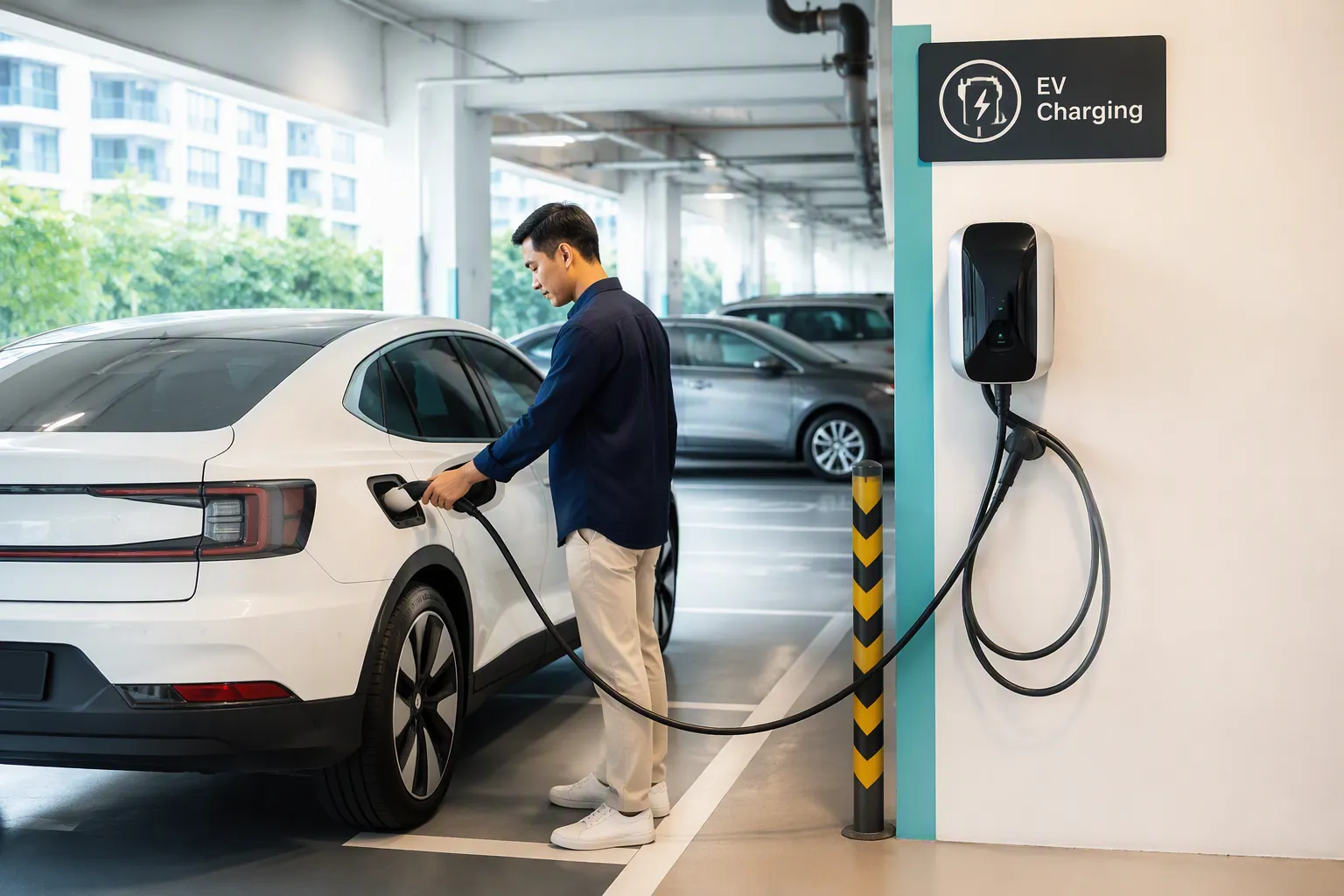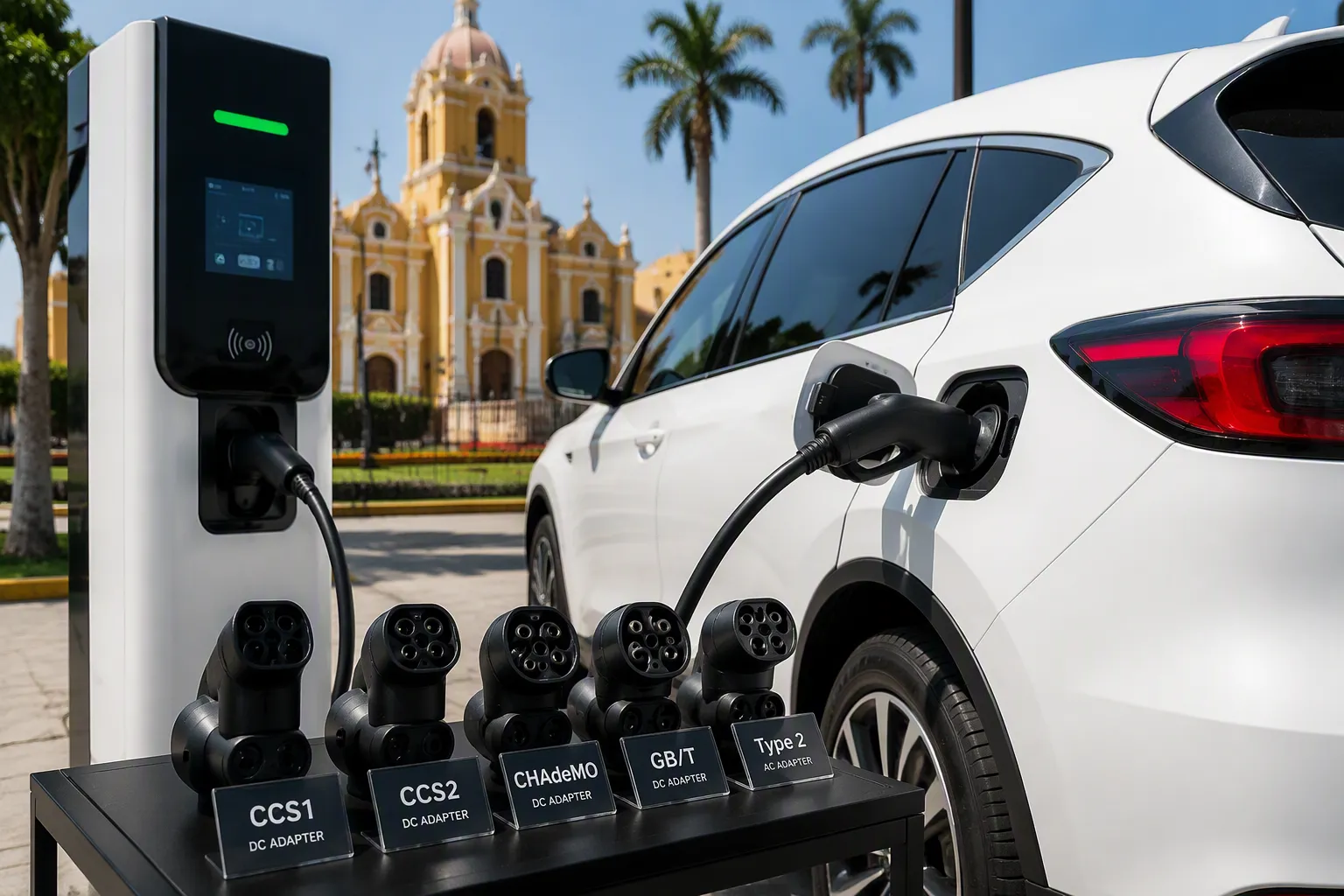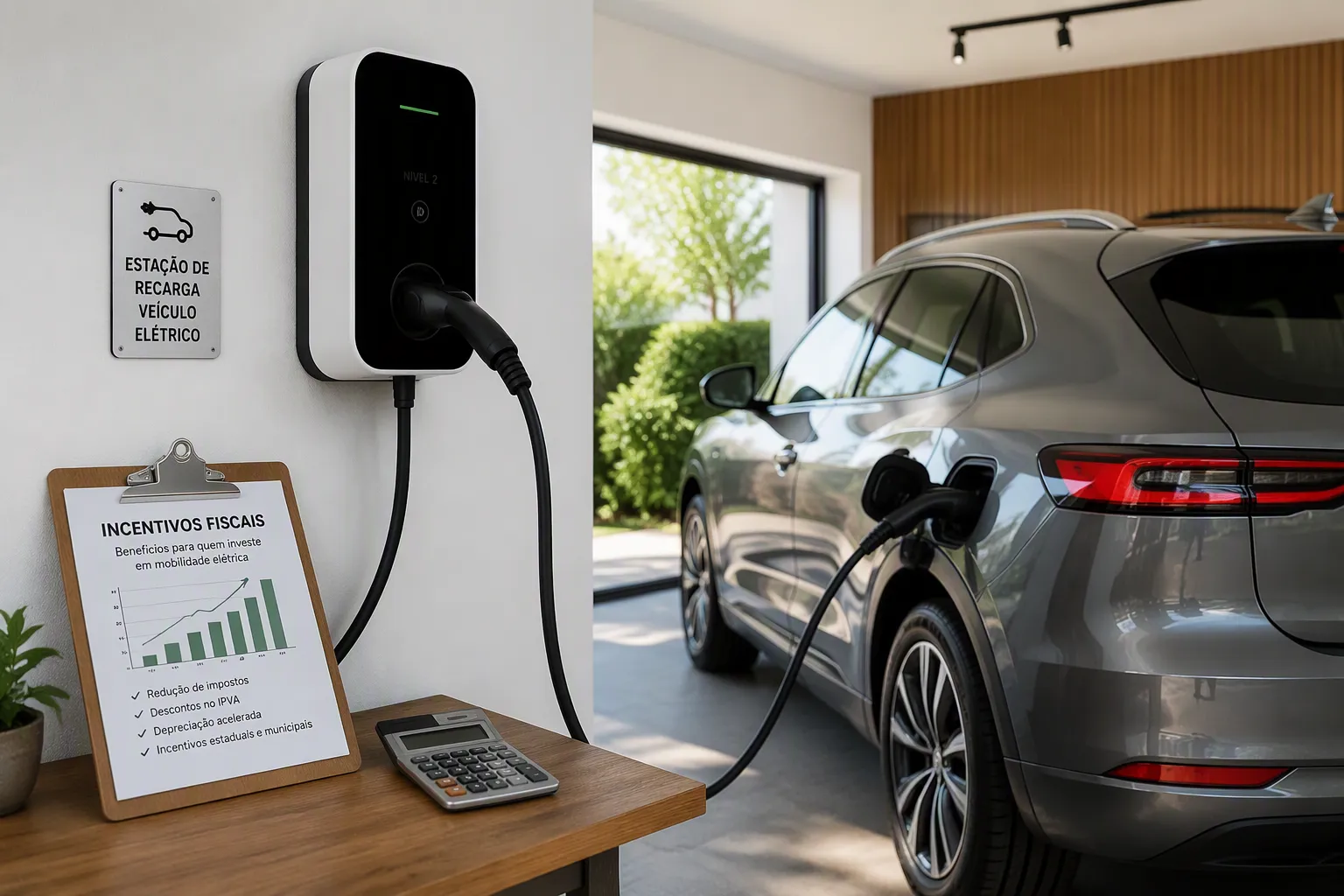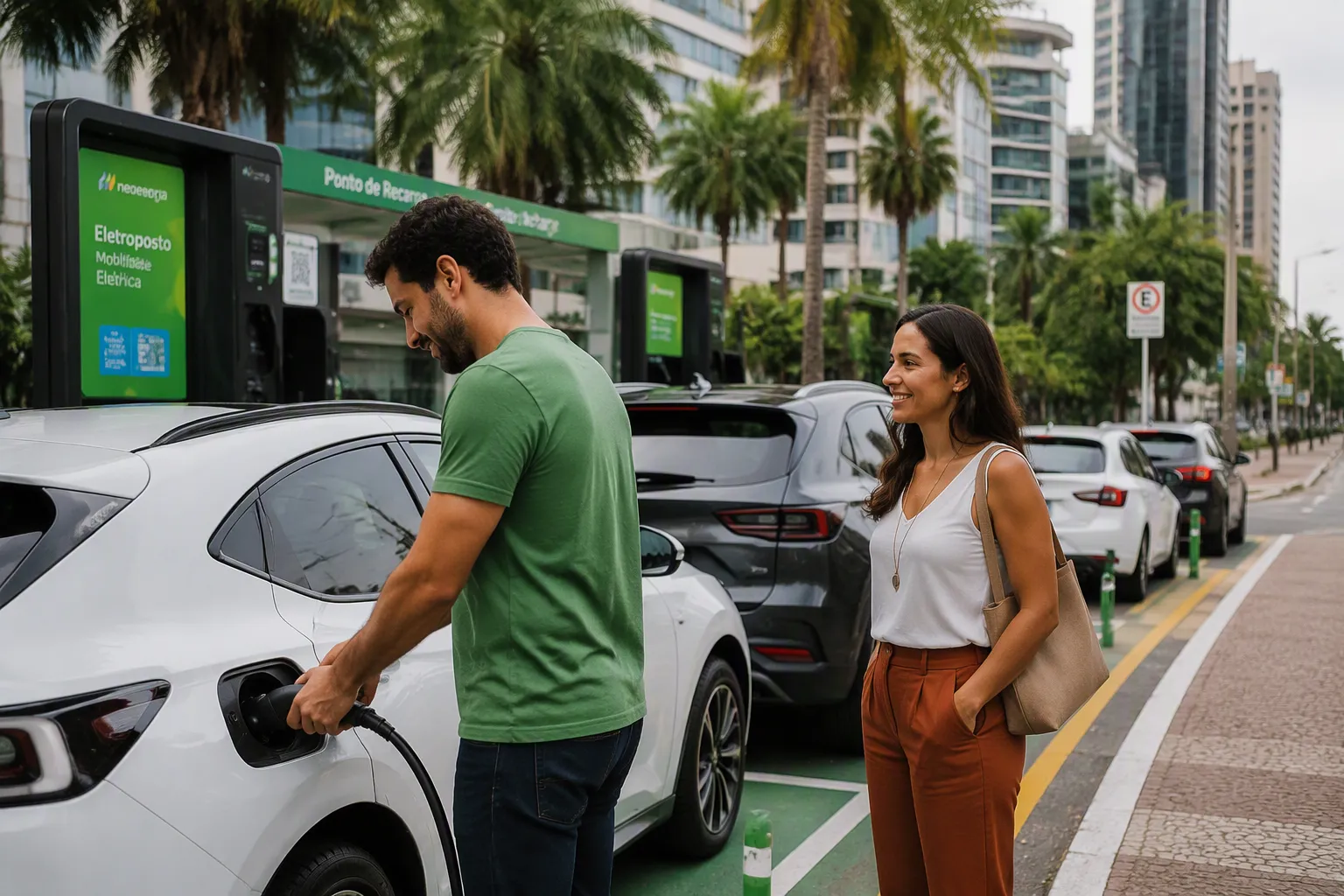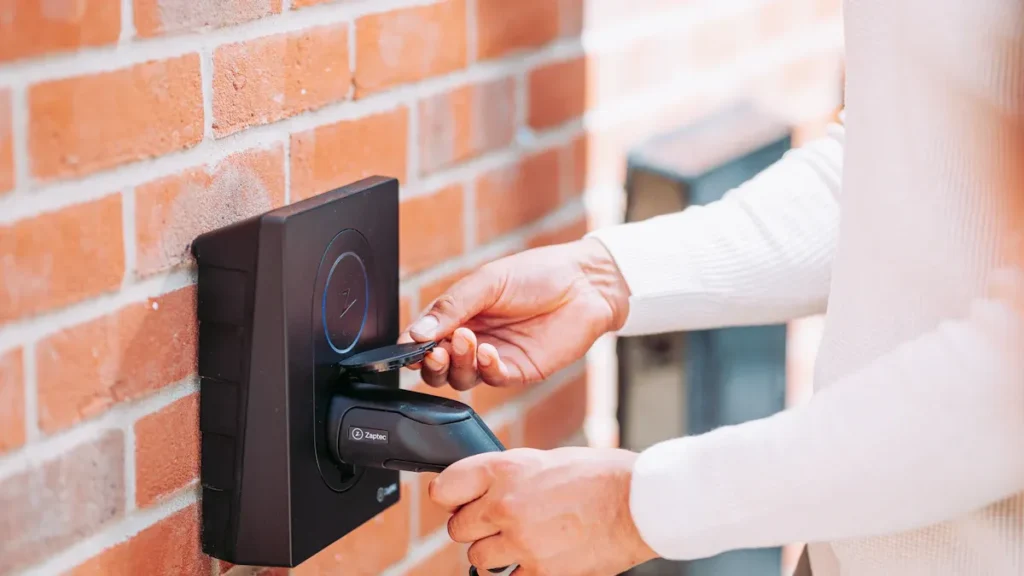
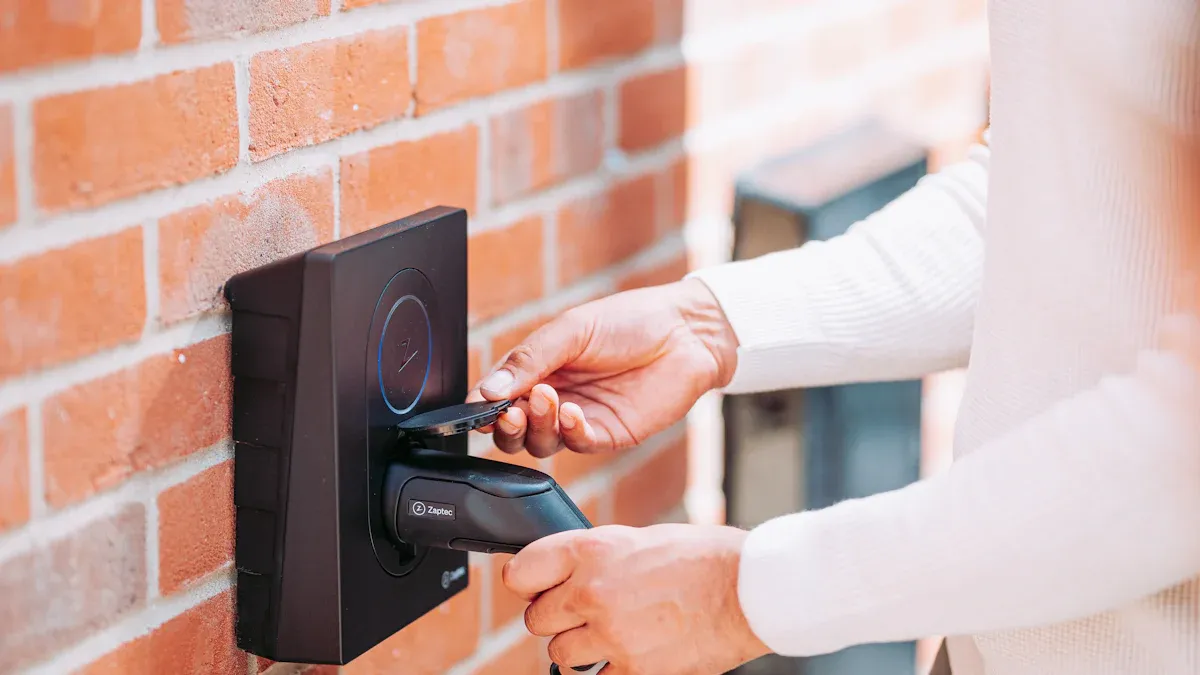
The future of home ev charging is transforming home energy management. Modern home ev chargers are evolving beyond simple vehicle power-up. They are becoming smart ev charging systems designed to lower energy costs. While some intelligent features arrive via software updates, advanced capabilities like powering a home during an outage require a new bidirectional EV Charger. Leading EV charger manufacturers, such as the technologically advanced provider TPSON, are developing these next-generation solutions for home ev charging.
Will My Current Charger Become Obsolete?
An EV driver’s investment in a home charger raises a critical question: will new technology make it obsolete? The answer depends on the charger’s capabilities and the driver’s future goals. Many of today’s smart chargers are designed to evolve, but accessing the most revolutionary features will require new hardware. This section explores the line between software-driven enhancements and necessary hardware replacements.
Software Updates vs. Hardware Replacement
The distinction between a simple software update and a full hardware replacement is central to future-proofing a home charging setup. Many intelligent features can be added remotely, while others are physically impossible without new internal components.
Smart Features You Can Get via Software
Smart EV chargers connect to the internet, a feature that allows manufacturers to push over-the-air (OTA) firmware updates. This capability is similar to how smartphones receive new features and security patches. It ensures the charger can adapt to new software releases and evolving energy management standards without physical intervention.
These updates can unlock a host of powerful, cost-saving functionalities. Many of these enhancements are already available on current smart EV charging systems.
- Smart Scheduling: This core feature allows users to program charging sessions to coincide with off-peak electricity tariffs. The charger waits for these low-cost periods to begin delivering power, significantly reducing charging expenses.
- Dynamic Load Balancing: A charger with this feature monitors a home’s total electricity use in real time. It automatically adjusts the EV’s charging speed to prevent overloading the main electrical panel, a crucial safety measure for any home.
- Solar Integration: Often called ‘eco-charging,’ this function enables the charger to divert surplus energy from a home’s solar panels directly to the EV. This maximizes the use of self-generated renewable energy.
- Energy Monitoring: Through a connected app, users can track the energy (in kWh) delivered during each session. This data provides clear insights into an EV’s running costs and helps with household energy budgeting.
When a Full Hardware Upgrade is Necessary
While software can add intelligence, it cannot change a charger’s fundamental physical design. A full hardware upgrade becomes necessary when a driver wants to access capabilities that the existing unit was not built to support.
Key Takeaway: The most significant driver for a hardware upgrade today is the desire for bidirectional charging. Standard chargers are designed for one-way power flow: from the grid to the vehicle. They lack the internal components needed to reverse this process.
Therefore, if the goal is to use an EV to power a home (V2H) or sell energy back to the grid (V2G), a new, specialized bidirectional charger is non-negotiable. The adoption of these advanced systems is a key trend shaping the future of home EV charging.
The Hardware for Bidirectional Charging
Bidirectional charging transforms an electric vehicle from a simple mode of transportation into a mobile energy storage unit. This functionality requires a complete rethinking of the charging hardware, as it involves complex power conversion and communication protocols.
Why V2H and V2G Require New Chargers
Standard home EV chargers perform one primary task: converting alternating current (AC) from the home’s electrical supply into direct current (DC) that the vehicle’s battery can store. They are engineered exclusively for this one-way energy transfer.
Vehicle-to-Home (V2H) and Vehicle-to-Grid (V2G) functions require the opposite: converting the DC power stored in the EV’s battery back into AC power that a home or the electrical grid can use. This reverse energy flow is physically impossible for a standard charger. It requires entirely different internal electronics designed for two-way power conversion. Additionally, the EV itself must be compatible, with a battery management system capable of discharging energy.
The Role of Bidirectional Inverters
The critical component enabling two-way power flow is the bidirectional inverter.
- Standard Charger: Contains a simple AC-to-DC rectifier.
- Bidirectional Charger: Incorporates a sophisticated inverter that manages both AC-to-DC conversion (for charging the car) and DC-to-AC conversion (for powering the home or grid).
This bidirectional inverter is the core technology that differentiates next-generation chargers from current models. It works with the EV’s onboard systems and a communication interface to safely manage the energy transfer, making it the cornerstone of advanced home ev charging.
Is Your Smart Charger Ready for the Future?
Determining if a current smart charger has a pathway to future innovations involves checking its communication standards and the manufacturer’s long-term product strategy. These factors indicate whether a device can integrate with the evolving smart grid and energy ecosystem.
Checking for OCPP 2.0.1 Compliance
The Open Charge Point Protocol (OCPP) is a universal application protocol that allows EV charging stations and network management systems from different vendors to communicate with each other. While older versions like OCPP 1.6J are common, OCPP 2.0.1 is the version designed for the future. It includes native support for advanced smart charging functionalities, including V2G.
A charger that is certified for OCPP 2.0.1 is better prepared to integrate with future utility programs and energy services. The home charging market is moving toward this standard, and some advanced models already support it.
| Model/PN | Data Protocol |
|---|---|
| EnergyForce Vision | OCPP1.6J, OCPP2.0.1 |
Checking a charger’s technical specifications for OCPP 2.0.1 compliance is a strong indicator of its forward-compatibility.
Reviewing Manufacturer Upgrade Paths
Leading EV charger manufacturers, such as the technologically advanced provider TPSON, are actively developing next-generation solutions. It is wise for consumers to review a manufacturer’s public roadmap and announcements regarding their plans for bidirectional charging and other advanced features. Some companies may offer upgrade paths or trade-in programs for existing customers when new hardware becomes available. Investigating these options provides clarity on whether a current investment aligns with a manufacturer’s vision for their smart EV charging systems.
The Future of Home EV Charging: Key Innovations
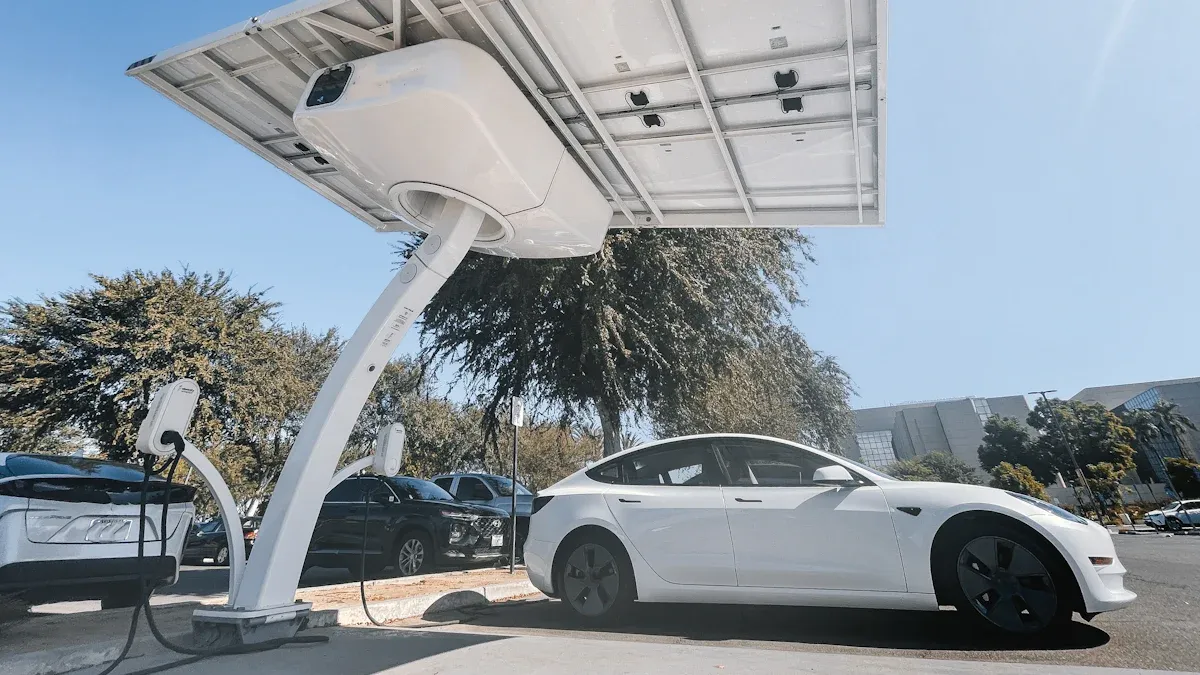
The evolution of home EV charging points toward a deeply integrated and intelligent energy ecosystem. The charger is no longer just a plug; it is becoming the central hub for managing vehicle energy needs, home power, and grid interaction. These key innovations are not distant concepts. They are emerging technologies that will redefine the relationship between a driver, their vehicle, and their home.
Vehicle-to-Everything (V2X): Your EV as a Power Source
Vehicle-to-Everything (V2X) is a revolutionary technology that enables bidirectional energy flow. It transforms electric vehicles from passive energy consumers into active participants in the energy landscape. This capability is at the heart of the future of home ev charging. The V2X market is expanding rapidly, with some forecasts projecting a compound annual growth rate (CAGR) of 51.9% from 2023 to 2030. This growth highlights the industry’s shift toward these powerful, versatile systems.
Vehicle-to-Home (V2H): Backup Power for Your House
Vehicle-to-Home (V2H) technology allows an EV owner to use their car’s battery to power their home during a grid outage. A bidirectional charger converts the DC energy from the car’s battery into AC power compatible with household appliances.
How it Works: During a blackout, a V2H system automatically isolates the home from the grid and draws power from the EV. A typical EV battery can store 60-80 kWh of energy, enough to power an average home for two to four days. This turns the vehicle into a reliable home energy battery solution, eliminating the need for a separate, noisy fossil fuel generator.
Vehicle-to-Grid (V2G): Earning Money from the Grid
Vehicle-to-Grid (V2G) takes the concept a step further. It allows EV owners to sell excess energy from their vehicle’s battery back to the electrical grid. Utility companies can draw on this power during periods of high demand, helping to stabilize the grid. In return, the EV owner receives payment or bill credits. V2G programs create a new revenue stream for EV owners, turning their parked car into a grid-supporting asset. Technologically advanced providers like TPSON are at the forefront of creating the innovative charging solutions required for this grid interaction.
Vehicle-to-Load (V2L): Your Portable Power Outlet
Vehicle-to-Load (V2L) is the simplest form of bidirectional charging. It allows users to plug standard electrical devices directly into their EV, using it as a large, mobile power bank. This feature is incredibly useful for:
- Powering tools at a worksite
- Running appliances during a camping trip
- Charging devices during a tailgate party
V2L does not require a special home charger and is often enabled through a dedicated outlet on the vehicle itself.
AI-Powered Smart Charging
Artificial Intelligence (AI) is the brain behind next-generation smart ev charging systems. AI algorithms analyze vast amounts of data to make intelligent decisions that optimize charging for cost, efficiency, and convenience. This smart charging technology moves beyond simple timers to create a truly automated and responsive system.
How AI Optimizes Your Charging Times
AI-powered smart charging automates the process of finding the cheapest and most efficient times to charge. While manual scheduling is possible, AI uses sophisticated computing power to analyze countless variables in real-time, a task impossible to perform manually, especially for commercial fleets. This optimization can dramatically lower energy expenses. For residential users, AI-driven smart ev charging systems can reduce charging costs by up to 75% by shifting charging to off-peak hours and integrating with renewable energy.
Syncing with Time-of-Use (TOU) Utility Rates
Many utility providers offer Time-of-Use (TOU) or dynamic pricing plans where electricity costs vary throughout the day. AI excels at capitalizing on these rates. The system automatically:
- Monitors real-time electricity prices from the utility.
- Identifies the lowest-cost off-peak windows.
- Initiates charging only during these periods.
- Pauses charging when prices spike.
This dynamic response ensures the vehicle is always charged at the lowest possible price without any manual intervention from the user.
Predictive Charging Based on Driving Patterns
Advanced AI systems learn an owner’s unique behavior to anticipate future energy needs. The system analyzes various data points to build a predictive model.
| Data Source | How AI Uses It |
|---|---|
| Historical Driving Data | Predicts daily commute distance and weekend travel habits. |
| Calendar Integration | Notes upcoming long-distance trips or appointments. |
| Real-Time Telematics | Monitors the vehicle’s current state of charge (SOC). |
| User Preferences | Allows the user to set a minimum required charge level by a certain time. |
By understanding when and how far a person typically drives, the AI ensures the vehicle has enough range for the next trip while still maximizing charging during low-cost periods. This represents a key part of the integration with smart home technology.
Seamless Solar and Home EV Charging Integration
Combining a home solar panel system with an EV charger creates a powerful synergy, allowing drivers to power their vehicles with clean energy generated right on their own rooftop. This solar ev charging setup offers a truly sustainable charging experience.
Using Sunshine to Fuel Your Car for Free
The most direct benefit of solar-powered charging is the ability to use self-generated electricity to fuel a car. A smart charger with a “solar-only” or “eco” mode will monitor solar production in real time. When the solar panels generate more power than the house is using, the charger diverts that surplus energy directly into the EV’s battery. This process effectively provides free, zero-emission fuel for driving.
Storing Excess Solar Energy in Your EV
An EV battery can also function as a storage device for excess solar power. On a sunny day, the solar panels might generate more clean energy than the home and EV can use at that moment. Instead of sending this valuable energy back to the grid for a low credit, a smart system can store it in the vehicle’s battery. This stored energy can then be used to power the home in the evening (via V2H) or for driving the next day.
What to Look for in a Solar-Ready Charger
To achieve seamless integration, the components of the system must be compatible. Homeowners should look for specific features when planning for solar and home ev charging.
- Smart Charger with Solar Mode: The charger must have a dedicated mode to track and use surplus solar generation.
- Current Transformer (CT) Clamps: These devices are installed in the electrical panel to measure solar production and home consumption, providing the data the charger needs to operate.
- System Compatibility: The charger, solar inverter, and electrical panel must all be able to handle the combined electrical load. A qualified installer can verify this.
- Power Output: A Level 2 charger (7kW to 22kW) is generally recommended to effectively absorb surplus solar power during peak sun hours.
These developments are making it easier than ever for homeowners to create a self-sufficient and environmentally friendly energy ecosystem.
The Ultimate Convenience: Wireless Charging
The next frontier in home EV charging eliminates cables entirely. Wireless charging, also known as inductive charging, promises the ultimate convenience: an owner simply parks their vehicle over a designated spot, and charging begins automatically. This “park and charge” experience removes the daily routine of plugging and unplugging, representing a significant leap in user-friendliness.
How Inductive (Wireless) Charging Works
Inductive charging uses the principle of electromagnetic induction to transfer energy without physical contact. The system consists of two main components working in tandem.
- Transmitter Pad: A charging pad, installed on the floor of a garage or parking space, is connected to a power source. When activated, it generates a fluctuating magnetic field.
- Receiver Pad: A second pad is installed on the underside of the electric vehicle. When the vehicle parks over the transmitter, the magnetic field induces an electric current in the receiver pad.
- Power Conversion: This induced current is then converted from AC to DC to replenish the vehicle’s battery.
In simple terms: The process is very similar to how modern smartphones charge wirelessly. The ground pad and the vehicle pad must be aligned correctly for the energy transfer to occur efficiently.
The Current State of Wireless Technology
Wireless EV charging is rapidly moving from concept to reality. While it has been trialed on public transport like taxis and buses, the technology is now emerging for the residential market. Several major automotive manufacturers are actively developing or offering this feature, signaling strong industry commitment. Key players include:
- VW
- Stellantis
- Toyota
- Tesla
- Geely
Porsche announced it will be the first manufacturer to bring an 11kW wireless system to market maturity. The all-electric generation of the Cayenne will offer this option starting in 2026, initially launching in Europe. This development shows that high-power wireless solutions are becoming commercially viable. Technologically advanced providers like TPSON are at the forefront, creating the innovative charging solutions needed to support this new ecosystem.
Comparing Efficiency, Speed, and Cost
When evaluating wireless technology, EV owners must consider its performance against traditional wired chargers. The future of home ev charging depends on balancing convenience with practical performance metrics.
A key challenge for wireless systems has been overcoming energy loss, but ongoing research is closing this gap. The table below outlines the current state of the technology.
| Metric | Wireless Charging Performance | Comparison to Wired Charging |
|---|---|---|
| Efficiency | Modern residential pads achieve 90% to 93% efficiency. | This is highly comparable to the efficiency of standard wired Level 2 chargers. |
| Speed | Systems like Porsche’s upcoming 11kW unit offer solid Level 2 speeds. | While not yet matching the fastest wired chargers, speeds are sufficient for overnight charging. Solutions are expected to offer faster charging by 2025. |
| Cost | The upfront cost for the hardware and installation is currently higher. | Owners pay a premium for the added convenience and cutting-edge technology. |
Ultimately, the decision to adopt wireless charging will depend on an owner’s priority. Those who value seamless, automated charging may find the extra cost a worthwhile investment for a truly effortless experience.
The Financial Bottom Line: Costs vs. Savings
While the technology is exciting, the decision to upgrade often comes down to finances. Evaluating the upfront investment against long-term financial benefits is crucial for any EV owner. Next-generation home ev chargers promise significant returns, but understanding the complete cost picture is the first step.
Upfront Costs for Next-Gen Home EV Chargers
The initial investment for bidirectional technology is higher than for standard chargers. This cost covers more complex hardware and potentially more involved installation work.
Estimated Price of Bidirectional Chargers
The price for a next-generation bidirectional charger reflects its advanced capabilities. The hardware itself is more sophisticated than a standard one-way charger. Owners can expect the total upfront cost for the unit and professional installation to be substantial, potentially reaching several thousand pounds.
Factoring in Installation and Panel Upgrades
Installation is a significant part of the total cost. Fees for a qualified electrician can range from £500 to £1,000. This price depends on the complexity of the home’s existing electrical system. Some homes may also require an electrical panel upgrade to handle the two-way flow of power, adding to the overall expense.
Unlocking Savings and Revenue
The higher upfront cost of bidirectional chargers is offset by their ability to generate savings and even revenue. These systems create new opportunities for energy efficiency and cost savings.
Calculating Your Potential V2H Savings
Vehicle-to-Home (V2H) functionality offers direct savings by providing backup power during an outage. This eliminates the need to purchase a separate home battery or a fossil-fuel generator. The value comes from ensuring energy security and avoiding the costs associated with power disruptions.
Estimating Earnings from V2G Programs
Vehicle-to-Grid (V2G) programs allow owners to sell power back to the grid. Utilities may offer payments or bill credits for this service, especially during peak demand hours. Participating in these programs turns a parked EV into an active asset that can generate income.
Leveraging Federal and State Incentives
Governments often provide incentives to encourage the adoption of clean energy technologies. EV owners should research available grants, tax credits, or rebates for purchasing and installing bidirectional chargers. These programs can significantly reduce the net cost of the investment.
Analyzing Your Return on Investment (ROI)
A thorough ROI analysis helps determine if a bidirectional charger is a sound financial decision for an individual’s circumstances.
How Fast Can a V2X Charger Pay for Itself?
The payback period for a V2X charger depends on several factors. These include local electricity rates, the frequency of V2G participation, and the value placed on home backup power. In areas with high energy costs and robust utility programs, the ROI can be surprisingly fast.
Impact on Your EV’s Battery Health
A primary concern for EV users is the effect of V2X activity on battery longevity. Increased charging and discharging cycles can accelerate degradation.
The industry is actively addressing this challenge. Technologically advanced providers like TPSON are developing solutions that align with research projects aimed at preserving battery life. Key initiatives include:
- BEVScanV2X: A project developing tools to monitor battery health and advise on optimal V2X usage.
- BADGE & SAMBA: Initiatives creating smart algorithms and health modules to mitigate degradation and prolong battery life.
- ARC: A project focused on managing the effects of rapid charging, a potential aspect of V2X.
These efforts in the home ev charging sector aim to ensure that owners can access V2X benefits without compromising their vehicle’s most valuable component.
Charging Solutions Without a Private Driveway
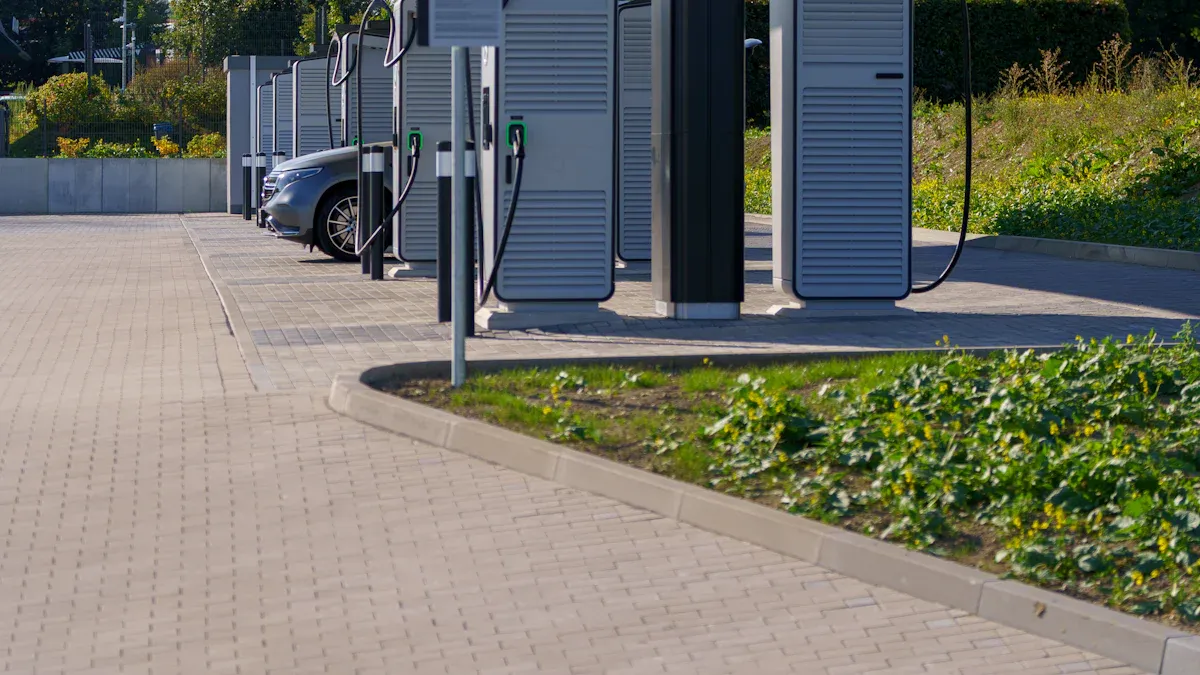
The widespread adoption of electric vehicles depends on accessible charging for everyone, not just those with private driveways. Urban residents and apartment dwellers face unique challenges. However, innovative solutions are transforming public spaces and shared properties into viable charging locations. These developments are crucial for making EV ownership practical for millions of potential drivers.
Innovations in Public and Street-Side Charging
Public infrastructure is rapidly expanding to meet demand. Cities are integrating charging technology directly into the urban landscape, making it more convenient than ever to power up without a dedicated garage.
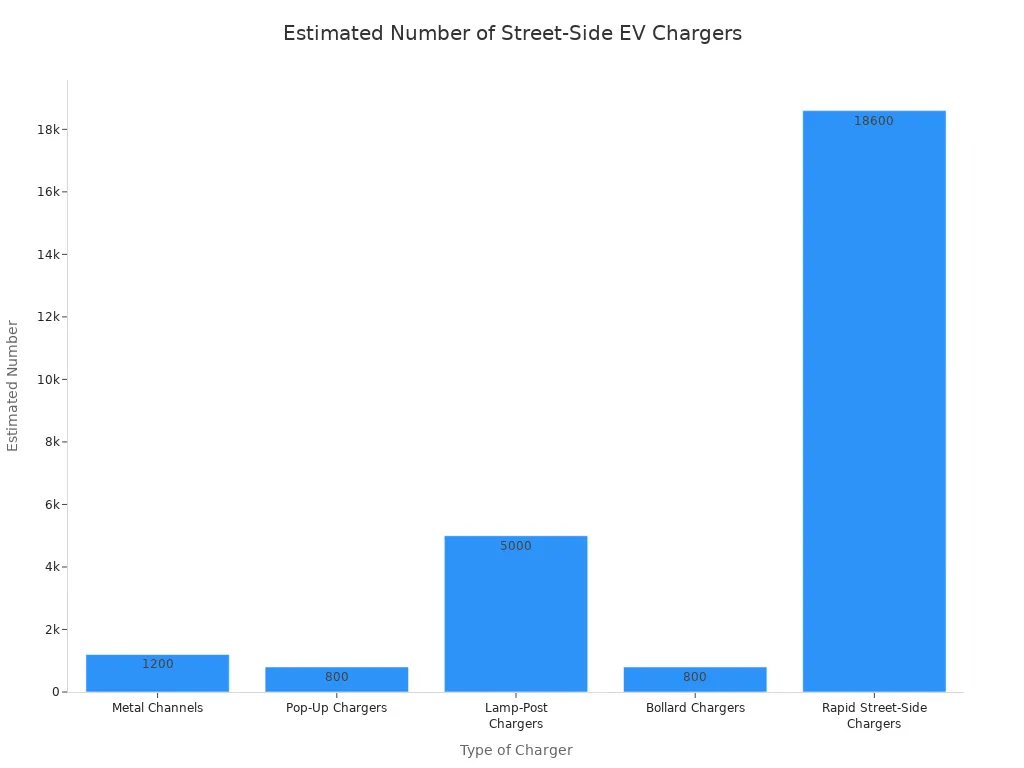
The Growth of Lamp Post Chargers
Lamp post chargers represent a clever and efficient approach to expanding the public network. This method retrofits existing streetlights with charging sockets. It leverages the existing electrical infrastructure, which minimizes disruptive street work and reduces installation costs. This discreet solution provides accessible overnight charging for residents on streets with limited parking options.
Curbside Charging Solutions for Urban Areas
Beyond lamp posts, a variety of curbside solutions are emerging. These include pop-up chargers that retract into the pavement, dedicated bollard chargers, and rapid charging stations installed directly on streets. The growth in this area is significant. As of early 2025, on-street chargers accounted for 36% of all public charging devices, with a 35% increase in urban chargers in just one year.
Charging Access for Apartment Buildings
Residents of multi-unit dwellings (MUDs) or apartment blocks face a distinct set of hurdles. Installing chargers in these properties involves navigating shared infrastructure and gaining approval from property managers or landlords.
Upgrading Multi-Unit Dwelling (MUD) Infrastructure
Upgrading MUDs for electric vehicle charging presents several challenges. Property managers often cite high costs and installation complexity as major barriers. Many requests from residents are rejected due to these concerns.
Key Challenge: A primary issue is managing the building’s electrical capacity. Installing multiple chargers can overload the system. Intelligent energy management systems, like those developed by technologically advanced providers such as TPSON, are essential. These systems use load balancing to distribute available power efficiently across all active chargers, avoiding expensive grid upgrades.
Understanding “Right-to-Charge” Laws
To address these barriers, some regions are introducing “Right-to-Charge” laws. These regulations aim to prevent landlords or property management companies from unreasonably denying a resident’s request to install a charging point. These laws empower tenants and apartment owners, making it easier to get the necessary approvals for a personal charger installation.
The Role of Community Charging
Community-led initiatives offer another powerful solution. These projects empower neighborhoods to develop their own shared charging infrastructure, filling gaps left by commercial providers.
Exploring Neighborhood Charging Hubs
Successful community charging hubs demonstrate the power of local action.
- In Musselburgh, East Lothian, a small on-street hub was installed on a grass verge, serving residents without obstructing walkways.
- A community centre car park in Prestonpans became home to a mini-hub, providing charging for nearby homes.
These projects show that communities can identify suitable local sites and secure investment to build valuable charging assets for residents.
The Impact of Faster Public DC Charging
While slower on-street chargers are ideal for overnight use, faster public DC charging stations are also vital. These rapid chargers, like the 50kW units installed on a wide highway in Fettes Avenue, Edinburgh, can add significant range in under an hour. They serve a mix of users, including residents needing a quick top-up, taxi drivers, and visitors, making EV ownership more flexible for those without home charging.
How to Prepare Your Home for Future Charging Tech
Proper preparation is essential for a seamless transition to advanced home ev charging. An owner must assess their property’s electrical readiness, select the right hardware, and engage a certified professional. This proactive approach ensures the home charging infrastructure is safe, efficient, and ready for future innovations.
Evaluating Your Home’s Electrical System
Before installing any charger, a thorough evaluation of the home’s electrical system is the first critical step. This assessment determines if the existing setup can safely handle the additional electrical demand.
Do You Need an Electrical Panel Upgrade?
An electrical panel, or consumer unit, is the heart of a home’s electrical system. A qualified electrician must inspect it to confirm there is enough spare capacity for a new charging circuit.
- Dedicated Circuit: Most Level 2 chargers require their own dedicated circuit, typically needing at least 40 amps.
- Panel Capacity: If the current panel is full or lacks the capacity to handle this new load, an upgrade will be necessary.
- Supply Type: The home’s electricity supply (single-phase or three-phase) also influences charger choice. Single-phase is common and supports up to 7kW, while three-phase can handle faster 22kW units.
Conducting a Home Energy Load Calculation
A professional electrician performs a load calculation to understand the home’s total energy consumption. This process identifies the maximum power the home uses at any given time. It ensures that adding an EV charger will not overload the system, preventing potential hazards and ensuring reliable operation.
Choosing the Right Charger for Your Needs
Selecting the right charger involves more than just picking the fastest model. An owner should balance their daily driving needs with their vehicle’s specific technical capabilities.
Aligning Tech with Your Driving Habits
A driver who commutes short distances may only need a standard 7kW charger for overnight replenishment. Someone with a longer commute or less predictable schedule might benefit from a faster charger or advanced smart ev charging systems that can optimize charging times. The goal is to choose technology that fits the user’s lifestyle.
Matching a Charger to Your EV’s Capabilities
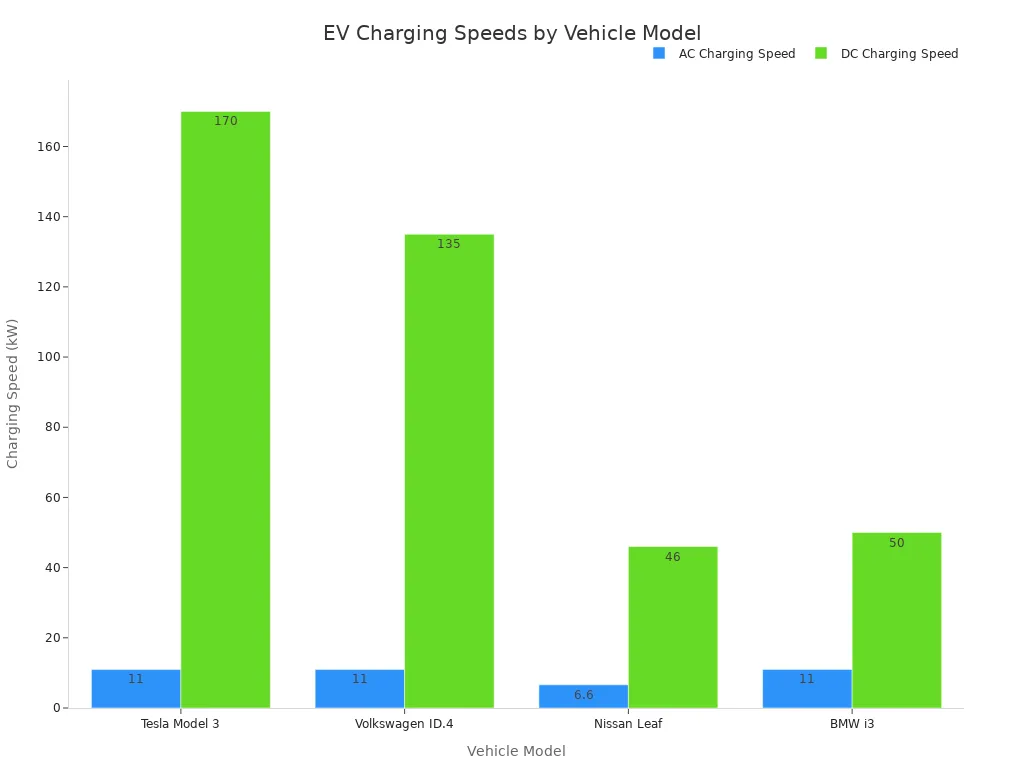
A vehicle’s design dictates its maximum charging speed. Installing a charger that is more powerful than the car can handle offers no benefit.
Note: It is crucial to check the vehicle’s manual for its maximum AC charging rate. A car with a 7kW onboard charger will not charge any faster on a 22kW station.
The vehicle’s charging port must also match the charger’s connector, such as a Type 2 (Mennekes) port common on most modern EVs.
Finding and Working with a Qualified Electrician
The safety and performance of a home charger depend entirely on a professional installation. Hiring an electrician with specific EV charger experience is non-negotiable.
How to Vet an EV Charger Installer
An EV owner should verify an installer’s credentials before hiring them. A qualified professional will possess several key certifications.
- OZEV Authorization: Installers must be authorized by the Office for Zero Emission Vehicles (OZEV) to be eligible for certain government grants.
- Level 3 Qualification: A specific Level 3 award in EV Charge Point Installation is a primary requirement.
- Regulatory Compliance: The electrician must demonstrate competency with IET Wiring Regulations (BS 7671) and the IET Code of Practice for Electric Vehicle Charging Equipment Installation.
- Insurance: The installer must carry full insurance for electrical work.
Navigating Permits and Inspections
A certified installer will manage the entire permitting and inspection process. This includes notifying the local Distribution Network Operator (DNO) of the installation, which is a legal requirement. The electrician ensures the work complies with all local building codes and safety standards, providing the homeowner with peace of mind.
The future of home ev charging points toward a smarter, more integrated energy ecosystem. Advanced features require new hardware, but this investment unlocks significant savings and energy independence through clean energy integration. An owner must evaluate their driving habits and home setup to make a forward-thinking choice. Preparing now allows drivers to harness innovations from smart ev charging systems, making EV ownership more convenient and financially rewarding.
FAQ
What is the main difference between a standard and a bidirectional charger?
A standard charger only sends power to the car. A bidirectional charger allows two-way energy flow. This enables an EV to power a home (V2H) or send energy back to the electrical grid (V2G).
Can any EV use a bidirectional charger?
No, not all EVs support bidirectional charging. The vehicle’s manufacturer must enable this feature in its design. An owner must check their car’s specifications to confirm V2X compatibility before purchasing the hardware.
Will V2G and V2H damage my EV’s battery?
Frequent cycling can affect battery health over time. However, advanced systems are designed to manage this risk. Technologically advanced providers like TPSON are developing smart algorithms to optimize V2X usage and preserve battery longevity.
Do I need solar panels to use a smart charger?
No. A smart charger optimizes charging with any electricity source to save money on utility bills. Solar panels simply enhance the savings by providing a source of free, clean energy for the vehicle.
Is wireless EV charging available now?
Wireless charging is an emerging technology. While some automotive brands plan to release it soon, it is not yet widely available for residential use. It represents the next major step in charging convenience.
How do I know if my home needs an electrical upgrade?
A qualified electrician must perform a load calculation on the home’s electrical panel. This professional assessment determines if the system has enough capacity for a new charger, ensuring a safe and compliant installation.
What is OCPP and why does it matter?
OCPP (Open Charge Point Protocol) is a universal communication standard. It allows chargers and network systems from different brands to work together. The latest version, OCPP 2.0.1, is crucial because it supports advanced smart charging and V2G functions.