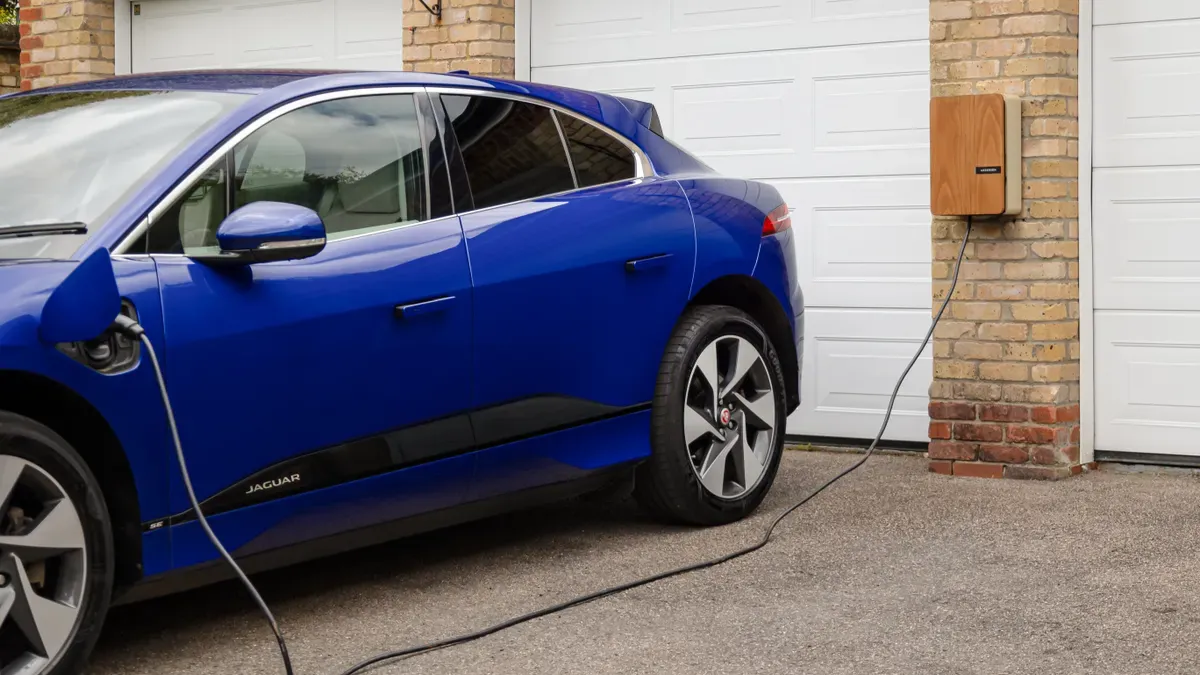
Charging an electric car in the UK often brings higher costs at public EV charging stations compared to home setups. Many drivers notice that public charging can reach £0.48 per kWh, while home charging averages around £0.27 per kWh. Most EV owners, about 81%, rely on home or work chargers, leaving only a small group using public options. To reduce the cost to charge, drivers should compare EV charger manufacturers, select the right chargers, and take advantage of offers from public charging networks. Careful planning helps lower the cost and maximizes value from every charge.
Understanding Public EV Charging Costs

Why the Cost to Charge Varies
Factors Affecting Cost of Charging
Many drivers notice that the cost to charge at public chargepoints can change from one location to another. Several factors influence these differences. The table below outlines the main reasons why charging costs fluctuate across the UK:
| Factor | Description |
|---|---|
| Grid Charges and Infrastructure | Costs for grid upgrades and capacity expansion are passed on to consumers. |
| Lack of Price Caps | Public charging prices are not protected by price caps, exposing operators to market volatility. |
| VAT Disparity | Public charging incurs a 20% VAT rate, while domestic electricity is only 5%. |
| Charging Speed | Different charging speeds can lead to varying costs for consumers. |
| Charger Network Differences | Variability in the quality and coverage of charging networks affects pricing. |
| Location | Costs can vary significantly based on geographic location. |
| Time of Day | Prices may fluctuate depending on the time of day when charging occurs. |
| Payment Methods | Different payment methods can influence the overall cost of charging. |
Regional electricity prices also play a major role. Electricity costs differ across the UK, so charging providers set their prices based on local rates. This means that the cost to charge at public chargepoints in one city may be higher than in another. Charging operators must adjust their pricing strategies to cover these regional differences, which leads to a wide range of charging costs for consumers. For example, the SmartPower EV Tariff varies by region, and drivers can check their local rates online.
Comparing Public vs. Home Charging Costs
Comparing EV charging costs at home and at public charging stations reveals a clear difference. Home charging usually offers a lower cost to charge, with an average cost of using a public chargepoint often nearly double the cost to charge at home. Public EV charging includes a higher VAT rate and additional infrastructure fees, which increase the overall price. Charging your EV at home can cost around £0.27 per kWh, while public charging points often charge £0.48 per kWh or more. The lack of price caps on public charging also means that prices can rise quickly during periods of high demand or market volatility.
Typical Cost of Charging an Electric Car in the UK
Average Prices for Different Charger Types
The cost to charge at public chargepoints depends on the type of charger used. The table below shows the average cost per kWh, the cost of a full charge, and the cost per mile for each charger type:
| Charging Speed | Cost per kWh | Cost of a Full Charge | Cost per Mile |
|---|---|---|---|
| Slow | 50p | £22.00 | 11.1p |
| Fast | 59p | £25.96 | 13.0p |
| Rapid | 73p | £32.12 | 16.1p |
| Ultra-rapid | 77p | £33.88 | 17.0p |

Drivers who use rapid or ultra-rapid chargers pay a higher cost to charge at rapid chargers, but they benefit from shorter charging times. Slow and fast chargers offer a lower cost per kWh, making them a better choice for those who can leave their electric vehicles plugged in for longer periods.
Real-World Examples of Charging Costs
Fully charging an EV at a public charging station can cost between £22 and £34, depending on the charger speed. For example, charging an electric car with a slow charger may cost £22 for a full charge, while using an ultra-rapid charger can push the cost of a full charge to nearly £34. The cost per mile also increases with faster chargers, so drivers who want to minimize the cost to charge should consider their charging habits and needs. Comparing EV charging costs at different charging points helps drivers find the best value and avoid unnecessary expenses.
Tip: Drivers can save money by planning their charging stops and choosing the right charger for their needs. Checking the average cost before charging helps avoid surprises.
Choose the Right Charger to Lower Cost
Types of Public EV Chargers
Public EV chargers in the UK come in several types, each with different speeds and costs. Drivers can save money by understanding these differences and selecting the most suitable option for their needs.
| Charger Type | Charging Speed | Cost per kWh |
|---|---|---|
| Slow | Up to 7kW | 30-75p |
| Fast | 7-22kW | 30-75p |
| Rapid | 50kW | 30-75p |
| Ultra-Rapid | 150kW+ | 30-75p |
Slow Chargers and Cost Benefits
Slow chargers offer up to 7kW and usually cost less per session. They work best for overnight or long-duration parking. Many drivers use slow chargers at home or in workplaces, but some public locations also provide them. The lower speed means a longer wait, but the cost per kWh often remains at the lower end of the range.
Fast Chargers and Cost to Charge
Fast chargers deliver between 7kW and 22kW. These chargers suit drivers who plan to park for a few hours, such as during shopping or at leisure centers. The cost per kWh for fast chargers often matches slow chargers, but the charging process finishes more quickly.
Rapid Chargers and Cost of Charging
Rapid chargers provide 50kW and can charge an EV much faster. The cost per kWh for rapid chargers tends to be higher, with averages around 69p per kWh. These chargers work well for drivers who need a quick top-up during a journey.
Ultra-Rapid Chargers and Cost Considerations
Ultra-rapid chargers deliver 150kW or more. They offer the fastest charging times but usually come with the highest cost per kWh. Drivers should use ultra-rapid chargers only when necessary, as the premium price can add up quickly.
Matching Charger Speed to Your Needs
Selecting the right charger speed helps drivers avoid unnecessary expenses. The following table highlights key factors to consider:
| Factor | Description |
|---|---|
| Estimation of charging demands | Drivers should assess how much energy they need before choosing a charger. |
| Power availability | The available power at a location can affect which chargers operate efficiently. |
| Integration of renewable energy | Some sites use renewable sources, which can lower operational costs. |
Avoiding Overpaying for Speed
- Drivers should match the charger speed to their vehicle’s maximum charging capacity.
- Paying for a faster charger than the EV can handle leads to wasted money.
- Understanding the cost differences between charger types helps drivers make economical choices.
Planning for Longer Stays to Save Cost
Drivers who plan to park for several hours can benefit from using slow or fast chargers. These chargers cost less per kWh and suit situations where time is not a constraint. Planning ahead allows drivers to save money and avoid the higher rates of rapid or ultra-rapid chargers.
When to Use Each Charger Type for Best Value
Balancing Convenience and Cost
Drivers must balance convenience with cost. Rapid and ultra-rapid chargers provide speed but at a premium. Slow and fast chargers offer better value for those who can wait. Choosing the right charger for each situation ensures efficient use of time and money.
Maximizing Savings on Charging an Electric Car
Charging costs vary by station, power level, and network. Drivers who stay aware of these variations can plan their charging stops and maximize savings. Using the right charger at the right time helps keep EV running costs low.
Tip: Always check your EV’s charging capability before selecting a charger. This simple step prevents overpaying for speed you cannot use.
Use Charging Networks and Subscriptions to Reduce Cost
Popular Public EV Charging Networks in the UK
Public EV charging networks play a major role in determining the cost to charge at public chargepoints. The UK market features several widely used networks, each with its own pricing structure and benefits.
- 82% of public charging stations in the UK require payment for use.
- Average prices by charger type:
- Slow charging (7kW): £0.45 per kWh
- Fast charging (50kW): £0.65 per kWh
- Super charging (150kW+): £0.79 per kWh
- Some operators, such as Ionity, add a 30% premium during peak hours.

| Charging Type | Average Price (p/kWh) | Notes |
|---|---|---|
| Slow Charging (7kW) | 45 | Basic electricity price stratification |
| Fast Charging (50kW) | 65 | Basic electricity price stratification |
| Super Charging (150kW+) | 79 | Peak hour premium may apply |
| Membership Discount | Varies | BP Pulse offers a 10% discount with fee |
| Parking Fee | 6/hour | Central London charging stations may apply |
Membership Benefits and Cost Savings
Many networks offer memberships that lower the cost to charge. For example, BP Pulse provides a 10% discount for members, while Ionity and Fastned offer reduced per-kWh rates for a monthly fee. Memberships can help drivers save on the cost to charge at rapid chargers and other public chargepoints.
| Charging Network | Membership Fee | Cost per kWh (Members) | Cost per kWh (Non-Members) |
|---|---|---|---|
| ChargerNet | £20/year | £4 for first hour, £12/hour thereafter | N/A |
| Ionity | £16.99/month | 35p | 69p |
| Fastned | £9.99/month | 45p | 65p |
| BP | £7.99/month | 44p – 67p | 57p – 69p |
Loyalty Programs and Cost to Charge
Loyalty programs reward frequent users with points or credits, reducing the overall cost. Some networks provide exclusive discounts or free charging sessions after a certain number of uses. These programs help drivers manage the cost to charge at work or while traveling.
Subscription Plans vs. Pay-As-You-Go Cost
Subscription plans and pay-as-you-go options both impact the cost to charge. Drivers should compare these models to find the best fit for their charging habits.
How Subscriptions Lower Cost of Charging
Subscription plans often provide lower per-kWh rates, capped fees, and extra benefits. OVO’s Charge Anytime plan, for instance, costs £27.50 per month, much less than the average monthly fuel cost for petrol or diesel cars. Charge Anywhere plans can save drivers over £220 a year, with monthly fees as low as £2 for ‘Light Boost’ and £8 for ‘Turbo Boost’, offering 10-15% discounts compared to pay-as-you-go rates.
- Subscription plans offer:
- Lower per-kWh rates
- Capped monthly fees
- Additional benefits for frequent users
When Pay-As-You-Go Is More Cost-Effective
For occasional users, pay-as-you-go may be more economical. Without fixed monthly fees, drivers only pay for what they use. High-mileage drivers benefit more from subscriptions, while average drivers often find pay-as-you-go cheaper. Calculating the number of charges needed to break even on a subscription helps determine the best option.
Maximizing Discounts and Offers
Drivers can further reduce the cost to charge by taking advantage of discounts and special offers.
| Charging Network | Discount | Time Period | Notes |
|---|---|---|---|
| TotalEnergies UK | 5% off | 7pm – 4pm, 1st Sept – 30th Sept | Automatic discount |
| Osprey | 20% off | 7pm – 11pm | Automatic for Octopus members |
| Be.EV | 10% off | 9pm – 7am | Automatic with subscription option |
| InstaVolt | 5% off | 21st Aug – 21st Sept 2025 | Automatic with app/card |
| PoGo Charge | £0.65 per kWh | 18th Aug – 10th Nov | Select locations |
| bp pulse | 50% off hot drinks | Until 30.09.2025 | One drink per charge per visit |
Seasonal Promotions for Public EV Charging
Networks frequently run seasonal promotions, such as off-peak discounts or special rates during holidays. Plunge pricing, which offers 20% to 50% off during renewable energy surges, can also lower the cost to charge.
Referral Bonuses and Cost Reductions
Referral programs allow drivers to share charging credit with friends, further reducing costs. Monthly competitions and loyalty rewards can provide additional savings. Participating in cashback and loyalty programs, as well as using community charging platforms, helps maximize value from every charge.
Tip: Engage with local EV communities and use peer-to-peer charging platforms to access more affordable charging points.
Charge at Off-Peak Times for Lower Cost

How Time-Based Pricing Impacts Cost of Charging
Time-based pricing has become a common feature in public EV charging across the UK. Charging networks now offer reduced rates during off-peak hours, which encourages drivers to charge their vehicles when electricity demand is lower. This approach helps users save on the cost to charge and supports a more balanced electricity grid. Many drivers notice that charging an electric car at night or early in the morning often results in a lower cost of charging compared to peak daytime hours.
Identifying Off-Peak Hours for Public EV Charging
Off-peak hours vary by network, but most providers offer significant savings during late-night and early-morning periods. The table below highlights typical off-peak times and the potential savings per full charge:
| Off-Peak Hours | Savings per Full Charge |
|---|---|
| 12 am – 5 am | £10 – £12 |
| 8 pm – 7 am (some networks) | 10-15% savings |
Drivers who plan their charging sessions during these hours can reduce the overall cost to charge their EVs. Many public charging networks display off-peak times on their apps or websites, making it easier for users to schedule their sessions for maximum savings.
Price Differences by Time of Day
Charging prices can fluctuate significantly throughout the day. Peak hours, usually in the late afternoon and early evening, often see the highest rates. Off-peak periods, such as overnight, provide the lowest cost to charge. Some networks may also introduce mid-day discounts during periods of low demand. Drivers who remain flexible with their charging times can take advantage of these lower rates and minimize their costs.
Scheduling Charging Sessions to Save Cost
Proper scheduling plays a crucial role in reducing the cost to charge at public EV charging stations. Many tools and apps help drivers find the best times and locations for affordable charging.
Using Apps to Track Cost to Charge
Several apps and platforms assist drivers in tracking the cost to charge and identifying the cheapest public charging options:
- The Charge Scheme: Offers 20-50% savings on charging costs through salary sacrifice and helps users locate the most affordable charging stations.
- Tap Electric: Provides Price Intel and Map Intel tools, allowing drivers to compare charger pricing and understand costs before starting a session.
- Chargemap: Lists over 500,000 charge points, with filters for free power points and fast chargers, and includes community-driven insights for better decision-making.
These resources enable drivers to make informed choices and avoid unnecessary expenses.
Setting Reminders for Cheaper Charging
Many charging apps allow users to set reminders for off-peak hours. By scheduling charging sessions during these times, drivers can consistently benefit from lower rates. Setting up notifications ensures that drivers never miss an opportunity to save on the cost to charge. Some EVs also offer built-in scheduling features, making it even easier to plan for the lowest cost.
Tip: Setting reminders for off-peak charging not only saves money but also helps avoid long queues at busy chargers.
Benefits of Off-Peak Charging an Electric Car
Charging during off-peak hours provides several advantages beyond just reducing the cost to charge.
Saving Money and Reducing Wait Times
Charging an electric car during off-peak periods allows drivers to take advantage of lower electricity rates. The table below summarizes the main benefits:
| Benefit | Description |
|---|---|
| Lower Charging Costs | Off-peak rates reduce the cost to charge |
| Shorter Wait Times | Fewer users at chargers during off-peak hours |
| Increased Charger Availability | More chargers available late at night or early morning |
Drivers who charge during these times often experience less competition for chargers, leading to a smoother and more convenient experience.
Environmental Impact and Cost Savings
Charging at off-peak times not only lowers costs but also supports a greener grid. Electricity demand is lower during these periods, which means a higher proportion of renewable energy may be available. This reduces the environmental impact of public charging and helps drivers contribute to a more sustainable future.
Note: Aligning charging habits with off-peak hours benefits both the wallet and the environment.
Plan Your Charging Stops to Minimize Cost
Using Apps and Maps to Find Low-Cost Public EV Charging
Best Apps for Comparing Cost of Charging
Drivers in the UK can use several apps to compare the cost of charging at different public chargepoints. These apps provide real-time information, route planning, and filters for charger speed and price. The table below highlights some of the most popular options:
| App Name | Key Features |
|---|---|
| Chargemap | Filter for free charging points, community feedback, detailed information on charging pools. |
| Zapmap | UK-wide map, search and filter for charging points, smart route planner for electric routes. |
| Electroverse | Route planning, filter by socket type and speed, live info on price and availability. |
Community feedback on these platforms helps drivers avoid unexpected costs and find reliable chargers. Many users share tips and experiences, which can improve the overall charging experience.
Locating Cheaper or Free Chargers
Apps like Zapmap and Chargemap allow users to filter for free or low-cost chargers. Drivers can also benefit from community-driven insights, which highlight hidden gems and less crowded charging points. These features help drivers plan their routes efficiently and minimize the cost of public EV charging.
Locating Free or Low-Cost Public EV Chargers
Supermarkets and Retail Locations Offering Cost Savings
Many supermarkets and retailers in the UK offer free EV charging as a customer incentive. Stores such as Lidl and Sainsbury’s provide free charging points in their car parks. These locations often place chargers near store entrances, making them convenient for shoppers. Drivers who combine shopping with charging can reduce their overall cost and save time.
Public Parking and Community Chargers with Lower Cost
Public car parks and service stations frequently provide free or low-cost chargers. Community charging schemes also exist, offering affordable options for local residents. The OVO Charge app consolidates access to over 17 different charging networks, making it easier to find available chargers and manage billing. Real-time availability and route planning features help drivers avoid unnecessary costs and locate the best charging points.
Avoiding Pricey Pitfalls in Public EV Charging
Hidden Fees That Increase Cost to Charge
Some public charging providers add hidden fees that can increase the total cost. For example, a connection fee of £2 may apply in addition to the cost per kWh, which can reach up to £0.54 per kW at fast DC chargers. The total cost for charging a 75 kWh EV can range from £27.50 to £40.50, depending on the provider and charger type. Drivers should always check the fee structure before starting a charging session.
Checking Charger Availability to Avoid Extra Cost
Checking charger availability before arrival helps drivers avoid extra costs and long waits. Many apps, such as PlugShare and Electroverse, display real-time status updates for public chargepoints. Some networks offer reservation systems, allowing drivers to secure a charging slot in advance. This reduces the risk of paying peak prices or incurring additional costs due to waiting or searching for alternative chargers.
Tip: Planning ahead with the right apps and checking availability can help drivers avoid costly surprises and make the most of every public charging session.
Combine Charging with Other Savings Opportunities
Workplace Charging and Cost Benefits
Employer-Provided Charging and Cost to Charge
Many UK businesses now offer workplace charging for employees who drive electric vehicles. This approach provides substantial cost benefits. The Workplace Charging Scheme (WCS) covers up to 75% of the purchase and installation costs for EV charge points, with a cap of £350 per socket. Businesses can apply for up to 40 sockets, which can result in savings of up to £14,000. For example, Costain installed 34 sockets and saved approximately £12,000. Employees who use workplace chargers often pay less than they would at public charging stations, making this option attractive for daily commuters.
- The WCS covers most installation costs for workplace chargers.
- Companies can install multiple chargers, increasing convenience for staff.
- Employees benefit from lower charging costs compared to public infrastructure.
Tax Incentives and Perks for Lower Cost
Several tax incentives and grants help reduce the cost of installing EV chargers in the UK. Grants cover up to 75% of installation costs for both commercial and residential properties, with a maximum of £350. Drivers without a driveway can access the EV charge point grant, which supports the purchase and installation of chargers. The Workplace Charging Scheme also supports up to 40 sockets per applicant for eligible organizations. These incentives make it easier for drivers to access affordable charging and reduce their overall expenses.
Note: In the UK, grants and tax incentives play a key role in lowering the cost of charging for both businesses and individuals.
Destination Charging at Hotels and Supermarkets
Free Charging for Customers and Cost Savings
Hotels and supermarkets increasingly offer destination charging for EV drivers. These locations provide convenient charging options, helping to alleviate charging anxiety. Many hotels and supermarkets offer free charging for customers, which reduces reliance on more expensive public charging infrastructure. Drivers who take advantage of these chargers can lower their overall charging costs while enjoying other services.
- Destination charging at hotels and supermarkets is convenient for EV drivers.
- Free charging for customers helps reduce public charging expenses.
- These chargers are often located near entrances for easy access.
Bundling Charging with Shopping or Stays to Reduce Cost
Destination charging allows drivers to charge their vehicles while shopping or staying at a hotel. This strategy means drivers can return to a fully charged vehicle, reducing the need for additional charging stops. By charging during routine activities, drivers decrease demand for public charging stations and further lower costs.
| Activity | Charging Benefit |
|---|---|
| Shopping | Charge while shopping, save time |
| Hotel Stay | Charge overnight, avoid extra stops |
Tip: Bundling charging with everyday activities maximizes convenience and cost efficiency.
Multi-Use Charging Strategies for Cost Efficiency
Charging While Running Errands to Save Cost
Drivers can maximize cost efficiency by charging their EVs while running errands. This strategy leverages time that would otherwise be spent waiting, allowing drivers to complete tasks and charge simultaneously. By choosing locations with chargers, such as supermarkets or leisure centers, drivers reduce the need for separate charging trips.
Coordinating with Friends or Family for Shared Cost
Coordinating charging sessions with friends or family can further reduce costs. Sharing chargers at home or at community locations helps distribute expenses and makes charging more affordable. Some drivers also use data-driven optimization tools to schedule charging based on time-of-use rates, which can lead to significant savings.
- Leveraging time-of-use rates helps drivers save on charging costs.
- Adding renewable energy sources, such as solar panels, reduces reliance on grid power.
- Automation tools optimize charging schedules for maximum efficiency.
Callout: Multi-use charging strategies, including running errands and sharing chargers, help drivers lower costs and improve convenience.
Extra Tips for Everyday Savings on Public EV Charging
Monitor Your Charging Habits and Cost
Tracking Usage and Cost of Charging
Drivers who monitor their charging habits gain better control over the cost to charge. Many apps and online platforms allow users to log each charging session, track the amount of energy used, and record the cost. These tools help drivers identify patterns in their charging behavior. By reviewing this data, they can spot expensive charging locations and avoid unnecessary costs. Regular tracking also helps drivers compare the cost of charging at different chargers and networks.
Setting Monthly Budgets for Public EV Charging
Setting a monthly budget for public charging helps drivers manage expenses. They can estimate the average cost based on previous months and adjust their charging habits to stay within budget. Some apps offer budgeting features that alert users when they approach their spending limit. Drivers who set clear goals for the cost to charge often find it easier to avoid overspending. This practice encourages smarter choices when selecting chargers and planning charging stops.
Keep Your Electric Car Efficient to Lower Cost
Battery Care and Maintenance for Cost Savings
Proper battery care reduces the overall cost of charging an electric car. Drivers should avoid letting the battery drain completely before charging. Regular maintenance, such as checking for software updates and keeping the battery at optimal temperatures, extends battery life. Well-maintained batteries charge more efficiently and require fewer sessions at public chargers. This approach lowers the cost and improves the reliability of the EV.
Driving Techniques to Extend Range and Reduce Cost
Efficient driving techniques help drivers get more miles from each charge. Smooth acceleration, gentle braking, and maintaining steady speeds reduce energy consumption. Drivers who plan routes to avoid heavy traffic also save on the cost to charge. Using regenerative braking and minimizing the use of air conditioning further extends the range. These habits decrease the frequency of public charging and lower overall cost.
Stay Updated on New Offers to Save on Cost to Charge
Following EV News and Forums for Cost Tips
Staying informed about the latest offers and cost-saving tips benefits every EV owner. Drivers can follow industry news, join online forums, and subscribe to newsletters focused on public charging. These sources often share updates about new chargers, changes in cost, and special promotions. Knowledge of current trends helps drivers make informed decisions and maximize savings.
Signing Up for Alerts on Public EV Charging Deals
Many charging networks and apps provide alerts for discounts and deals. Drivers who sign up for notifications receive timely information about reduced rates, seasonal offers, and new charger installations. These alerts help drivers plan charging sessions to take advantage of lower cost to charge. Staying proactive ensures that drivers never miss opportunities to save on public charging.
Tip: Regularly checking for new deals and maintaining efficient charging habits leads to consistent savings.
UK drivers can lower public EV charging costs by planning ahead, choosing the right charger, and using network subscriptions. They can also engage with platforms like &Charge to earn rewards and stay informed.
- Drivers earn kilometers for feedback and online shopping, redeemable for free charging.
- Completing challenges unlocks credits for free sessions or vouchers.
- Bookmarking stations keeps users updated on changes and feedback.
Applying these strategies helps every EV owner make charging more affordable and efficient.
FAQ
What is the cheapest way to charge an electric car in the UK?
Charging at home overnight with a dedicated EV tariff usually offers the lowest cost. Public slow chargers at supermarkets or workplaces can also provide free or discounted charging for customers or employees.
Do public EV charging stations have hidden fees?
Some public charging stations add connection or parking fees. Drivers should always check the provider’s pricing details in advance. Many apps display total estimated costs before starting a session.
How can drivers find free public EV chargers?
Apps like Zapmap and Chargemap help drivers locate free or low-cost public chargers. Supermarkets, hotels, and some public car parks often provide complimentary charging for customers or guests.
Are EV charging subscriptions worth it?
Subscriptions benefit frequent users by lowering per-kWh rates and offering exclusive discounts. Occasional users may save more with pay-as-you-go options. Drivers should compare their monthly charging needs before choosing.
Can charging at off-peak times really save money?
Yes. Many networks offer lower rates during off-peak hours, such as late at night or early morning. Charging during these periods reduces costs and often ensures better charger availability.
What should drivers do if a public charger is unavailable?
Drivers should check real-time availability using charging apps before arrival. If a charger is busy, these apps suggest nearby alternatives, helping drivers avoid unnecessary waiting or extra costs.
Do all EVs support rapid or ultra-rapid charging?
Not all electric vehicles support high-speed charging. Drivers should check their vehicle’s maximum charging rate to avoid paying for speed their car cannot use.
How can drivers maximize battery life and reduce charging costs?
Regular battery maintenance, avoiding deep discharges, and using efficient driving techniques help extend battery life. These habits reduce the frequency of public charging and lower overall costs.