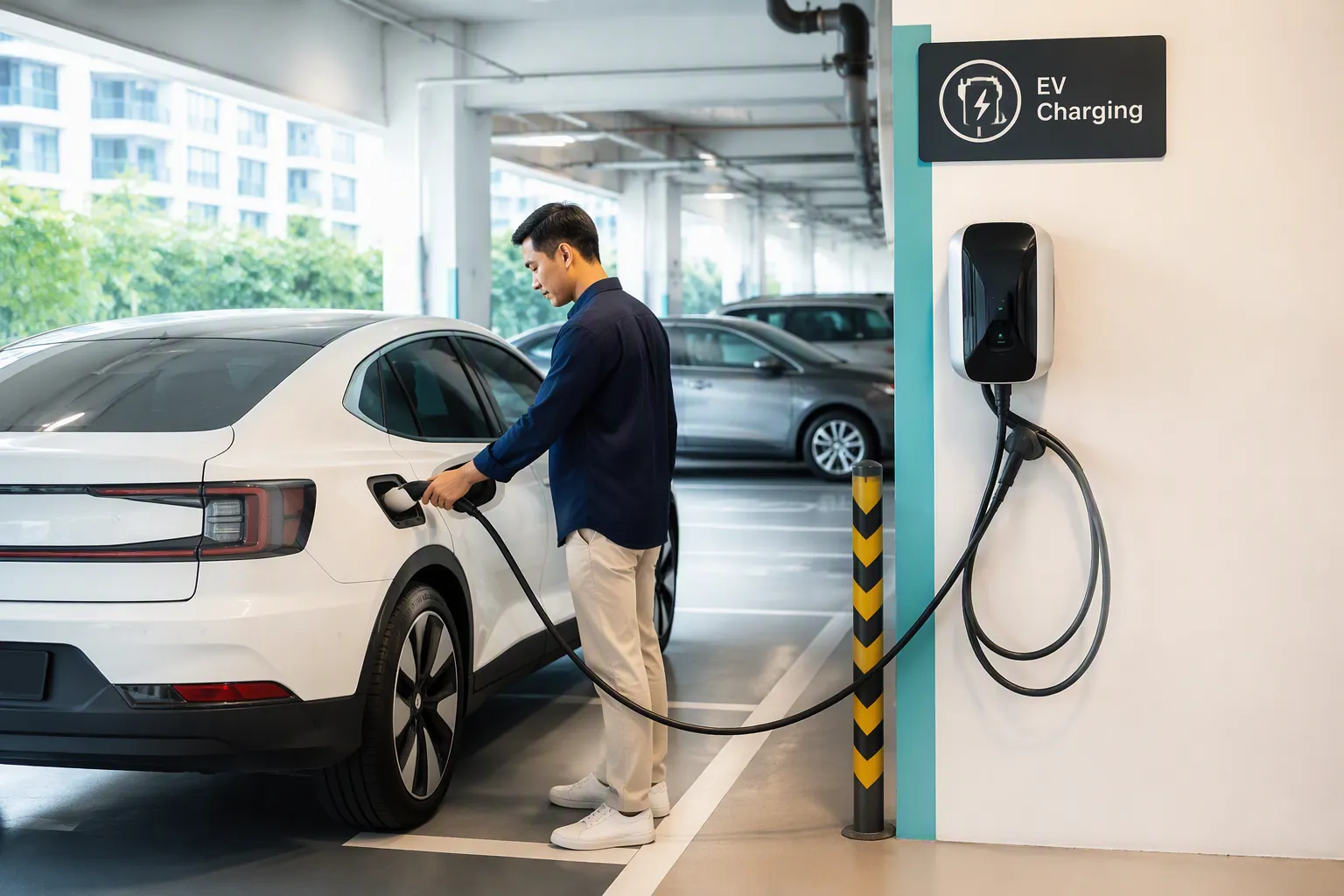
Drivers across the UK can find free electric car charging facilities at nearly 2,000 locations as of February 2025. Supermarkets, retail parks, and hotels often provide free electric car chargers for customers. Public car parks, workplaces, and community centers also offer free electric vehicle chargers, making it easier to charge my electric car for free. Many sites feature free charging points from leading EV charger manufacturers, supporting a range of EV charging solutions. Some venues even provide portable EV chargers for added convenience. Free EV charging encourages more drivers to switch to electric vehicles, with chargers available at popular destinations. These free electric car charging facilities help reduce running costs while supporting sustainable travel.
Where to Charge My Electric Car for Free in the UK
Supermarkets with Free Electric Car Chargers
Supermarkets remain among the most common locations offering free electric car chargers in the UK. Many drivers choose to charge their electric car while shopping, taking advantage of convenient access and short charging sessions. Although most supermarkets have transitioned away from widespread free electric car charging, select stores still provide free electric vehicle chargers, often with restrictions.
Tesco
Tesco has installed chargers at hundreds of stores across the UK. Some locations offer free charging points, but this is becoming less common. Drivers usually find slow chargers available for free, with time limits enforced during busy periods. Tesco often requires customers to use the chargers while shopping, and some sites may request proof of purchase.
Sainsbury’s
Sainsbury’s provides free electric car charging at a limited number of stores. These chargers typically operate at slower speeds and may include parking time restrictions. Sainsbury’s locations offer free electric car chargers mainly to customers, and access may require a minimum spend or loyalty card registration.
Lidl
Lidl offers free charging at select stores, though availability varies. Drivers can charge their electric car for free while shopping, but most chargers operate at slower speeds. Lidl enforces parking time limits to ensure fair access for all customers.
Morrisons
Morrisons supports free electric car charging at some locations. Drivers often find free EV charging points in store car parks, with access limited to customers. Morrisons may require a purchase or loyalty card for charger activation.
Asda
Asda provides free electric car chargers at select stores. These chargers usually operate at slower speeds and are available to customers during store opening hours. Asda enforces parking restrictions to prevent misuse of free charging points.
Waitrose
Waitrose offers free electric car charging at a handful of stores. Drivers can charge their electric car for free while shopping, but chargers may require registration or proof of purchase. Waitrose locations offer free electric car chargers mainly to customers, with time limits enforced.
Supermarkets, hotels, and public car parks represent the most common locations offering free electric car charging in the UK. Attractions, universities, and national parks also provide free charging points for visitors.
Retail Parks and Shopping Centers Offering Free Charging
Retail parks and shopping centers frequently install free electric car chargers to attract visitors. These locations offer free charging points for customers, but restrictions often apply.
Major Retail Parks (e.g., Westfield, Bluewater)
Major retail parks such as Westfield and Bluewater provide free electric car charging for shoppers. Drivers can charge their electric car for free while visiting stores, restaurants, or leisure facilities. Access to chargers may require a purchase or proof of visit.
| Restriction Type | Description |
|---|---|
| Access Hours | Chargers may only be available during retail park opening hours. |
| Location | Chargers are situated in public car parks, often limited to customers. |
| Time Limit | Charging is restricted to a set period, especially during busy times. |
| Purchase Requirement | Some sites require a purchase to use the charging station. |
Shopping Malls (e.g., The Trafford Centre, Meadowhall)
Shopping malls such as The Trafford Centre and Meadowhall offer free electric car charging for visitors. Chargers are located in designated parking areas, and access may require a minimum spend or loyalty card. Time limits ensure fair use of free charging points.
Car Dealerships with Free Charging (e.g., Nissan, BMW)
Car dealerships like Nissan and BMW provide free electric car chargers for customers and test drivers. These chargers support a range of electric car charging solutions, including rapid and fast chargers. Dealerships may restrict access to customers or require advance booking.
Tip: Drivers can maximize free charging by combining shopping or leisure activities with charging sessions at retail parks and malls.
Hotels and Hospitality Venues with Free Electric Car Chargers
Hotels and hospitality venues increasingly offer free electric car charging to attract guests. The availability of free EV charging varies by region and hotel type.
Hotel Chains with Free Charging (e.g., Premier Inn, Holiday Inn)
Hotel chains such as Premier Inn and Holiday Inn provide free electric car chargers at select locations. Guests can charge their electric car for free during their stay, but access may require advance booking or registration. Staff typically issue instructions or RFID cards to activate chargers.
Independent Hotels and B&Bs
Independent hotels and B&Bs often install free electric car chargers to differentiate themselves. Smaller cities show higher percentages of hotels offering free charging, with St Davids in Wales leading at 22%. Milton Keynes, Central London, and St Albans also feature hotels with free EV charging. Regional disparities exist, with major cities offering fewer free charging points.
Advance Booking and Guest-Only Access
Hotels usually restrict free electric car charging to registered guests. Drivers must speak to hotel staff for access, receive instructions, and may be issued an RFID card to activate the charger. Some venues require advance booking to guarantee charger availability.
- Guests typically need to speak to hotel staff to access free EV charging.
- Staff provide instructions on how to connect and initiate a charge.
- An RFID card may be issued to activate the charger.
Note: Only 6% of hotels in major UK cities offer electric car charging facilities, while smaller cities provide more options for free EV charging.
TPSON delivers technologically advanced solutions for electric car charging, supporting hotels, supermarkets, and retail parks with reliable free charging infrastructure.
Public Car Parks and On-Street Free Charging Points
Public car parks and on-street locations across the UK offer drivers convenient access to free charging points. These sites help reduce the cost of electric car charging and support sustainable travel for both residents and visitors.
Council-Run Car Parks
Many local councils have installed free public charging points in council-run car parks. These chargers often serve as an incentive for drivers to visit town centers and local businesses. Most council car parks provide slow or fast chargers, with clear signage indicating availability. Drivers can use these free electric vehicle chargers during posted hours, but some councils enforce time limits to ensure fair access. Parking fees may still apply, even when charging remains free.
Park and Ride Facilities
Park and ride facilities in major cities frequently feature free charging points for electric vehicles. These locations allow commuters to park outside city centers and use public transport for the remainder of their journey. Free chargers at park and ride sites typically operate at fast speeds, making them ideal for topping up while away from the vehicle. Drivers benefit from reduced congestion and lower travel costs when they charge their electric car at these facilities.
On-Street Charging Points
On-street charging points have become more common in residential neighborhoods and city centers. Some local authorities provide free electric car chargers on selected streets, especially in areas with limited off-street parking. These chargers support residents who do not have access to private driveways. On-street free charging points usually offer slow or fast charging, with usage monitored to prevent overstaying. Drivers should check local council websites for up-to-date information on free public charging points in their area.
Workplaces and Offices Offering Free Charging
Employers across the UK recognize the benefits of providing free charging for staff and visitors. Workplace charging supports employees who drive electric vehicles and encourages the adoption of sustainable commuting habits.
Employer-Provided Charging
Many businesses install free electric car chargers for employees and guests. These chargers are often located in staff parking areas and operate during business hours. Access to free charging at work depends on several criteria, which organizations must meet to qualify for government support. The table below outlines the main requirements for workplace charging:
| Criteria | Description |
|---|---|
| Registered Business or Organization | Must be a UK-based registered business, charity, or public sector body. |
| Public Support Limit | Must be a public authority or have received less than €200,000 in public funding in the last three fiscal years. |
| Need for EV Charging Points | Must demonstrate a need for EV charging infrastructure for staff, customers, or fleet vehicles. |
| Location and Parking Requirements | Must operate in the UK and have dedicated off-street parking available for staff or fleet vehicles. |
| Property Ownership or Consent | Must own the property or have landlord consent for installation of EV chargers. |
Employees usually register their vehicles with the company to access free charging. Some employers use booking systems to manage charger availability and prevent congestion.
Business Parks
Business parks increasingly offer free charging points as part of their amenities. These sites attract tenants by providing modern infrastructure, including free electric car chargers for staff and visitors. Business parks often feature multiple chargers, supporting both slow and fast charging. Tenants benefit from reduced commuting costs and improved sustainability credentials.
Community, Leisure, and Tourist Attractions with Free Charging
Community centers, leisure venues, and tourist attractions play a vital role in expanding access to free EV charging. These locations help drivers charge their electric car for free while enjoying local amenities or exploring new destinations.
Libraries and Community Centers
Libraries and community centers in many towns now provide free electric car chargers for visitors. These sites support local residents who may not have home charging options. Free charging points at community venues encourage greater participation in local events and activities.
Sports and Leisure Centers
Sports clubs, gyms, and leisure centers frequently install free charging points to attract members. Drivers can charge their electric car while attending fitness classes or sporting events. The most common types of chargers at these venues include slow and fast chargers, suitable for longer visits.
- Gyms
- Visitor attractions
- Zoos
- National Trust properties
Museums, Zoos, and Theme Parks
Museums, zoos, and theme parks across the UK increasingly offer free electric car charging to enhance the visitor experience. These attractions often install multiple chargers in their parking lots. Notable examples include Chester Zoo, which provides 26 chargers at 7kW each, and Penbryn Beach in Wales, which offers a 7kW charger for visitors. Many museums and zoos list free charging points on their websites, making it easy for drivers to plan their trips.
| Type of Attraction | Examples |
|---|---|
| Museums | Various museums across the UK |
| Garden Centres | Local garden centres |
| Theatres | Community theatres |
| Zoos | National and local zoos |
| National Trust Sites | Waddesdon Manor, other properties |
National Trust and Country Estates
National Trust properties and country estates provide free charging points for guests. These sites support sustainable tourism and encourage visitors to explore the countryside in electric vehicles. Many National Trust locations, such as Waddesdon Manor, feature free electric car chargers in their parking areas. Drivers can charge their electric car for free while touring historic houses, gardens, and natural landscapes.
Tip: Drivers can maximize the benefits of free EV charging by combining leisure activities with charging sessions at community venues and tourist attractions.
How to Find Free EV Charging Stations in the UK
Using Mobile Apps to Find Free Electric Car Chargers
Mobile apps have become essential tools for drivers who want to find free electric car charging points near you. These apps help users locate chargers, check real-time availability, and plan routes across the public charging network. The most widely used apps in the UK include Zap-Map, PlugShare, and ChargePoint App.
Zap-Map
Zap-Map offers extensive coverage of electric car charging locations throughout the UK. The app provides live status updates for many chargers, helping drivers avoid unavailable or broken units. Users benefit from a route planner and detailed site information. According to user feedback, Zap-Map gives drivers confidence that they will find free EV charging when needed.
| App Name | Features | User Feedback |
|---|---|---|
| Zap-Map | Real-time availability, route planner, site info | “An absolute god-send!” – Robert Llewellyn; “Gives you confidence…” – Hayley Thompson |
PlugShare
PlugShare relies on crowdsourced reviews and photos to enhance reliability. Drivers can check charger functionality and avoid poorly maintained units. PlugShare offers user feedback on charger performance, making it easier to find free electric car charging points that work as expected.
| App Name | Features | User Feedback |
|---|---|---|
| PlugShare | Crowdsourced reviews, reliability scores, photos | “Excellent for avoiding broken or poorly maintained units” |
ChargePoint App
ChargePoint App supports session management and payment options. Drivers can search for free chargers, manage their charging sessions, and save favorite locations. The app features a user-friendly design, ensuring ease of use for all drivers.
- Charger search tools help users locate nearby free electric car charging points.
- Site information provides details about each charging location.
- Session management allows users to monitor their charging progress.
Tip: Drivers who want to know how to charge your electric car at public sites should use these apps to filter for free chargers and check real-time availability.
How to Find Free EV Charging Stations on Websites and Online Maps
Websites and online maps play a vital role in helping drivers find free EV charging. Platforms such as Google Maps, Zap-Map Website, and Open Charge Map allow users to locate chargers and filter by type or cost. Google Maps proves highly effective for planning longer trips or finding stations at holiday destinations. Drivers can filter for free electric car charging points and select suitable chargers for their needs.
Zap-Map Website
Zap-Map Website offers a comprehensive database of electric car charging locations. Users can search for free chargers, view site details, and plan routes across the UK. The platform supports filtering for free EV charging and displays real-time status updates.
Open Charge Map
Open Charge Map provides global coverage of electric car charging stations. Drivers can search for free chargers, read reviews, and access site information. The platform supports filtering by charger type and cost, making it easier to find free electric car charging.
Local Council Websites
Local council websites list public charging points and provide information on how to use a public charging point. Councils often update their sites with new free chargers and details about access requirements. Drivers can check council websites to find free electric car charging points near their homes or workplaces.
In-Store and On-Site Information for Free Charging
Many stores and venues display information about free chargers on-site. Drivers can use store directories or speak to customer service desks to find free electric car charging.
Store Directories
Store directories often list the location of free chargers within parking areas. Drivers can consult these directories to find free electric car charging points and plan their visit.
Customer Service Desks
Customer service desks provide guidance on how to use a public charging point. Staff can direct drivers to available free chargers and explain any access restrictions.
Note: Drivers who want to find free electric car charging should combine app searches, website checks, and in-store information for the best results.
Filtering for Free Charging Points
Using Payment Filters on Apps and Maps
Drivers in the UK can save money by using payment filters on popular apps and maps to find free electric car charging points near you. These tools help users quickly identify locations that offer free charging, making it easier to plan journeys and reduce costs. Most apps and maps include advanced filtering options that allow users to select only free chargers, ensuring they do not waste time at paid stations.
Many EV charging apps, such as Zap-Map and PlugShare, provide detailed information about each charging location. Users can filter by connector type, network, and charging speed. These filters help drivers match their vehicle’s requirements with available chargers. Real-time updates on charger status improve decision-making, as drivers can see which chargers are currently available or in use.
The following table highlights key features of the most popular apps and maps for finding free electric car charging points in the UK:
| App Name | Features |
|---|---|
| EV Charging Apps | Filter by connector type, network, and speed. Community feedback for reporting issues. |
| Zap Map App | Extensive info on charging network, live availability, pricing, and filtering options. |
| Google Maps | Suggests optimal charging stops based on vehicle model, connector compatibility, and speed. |
| ZapMap | Real-time updates on charging status, route planning with charging stops. |
Most apps also allow users to read community feedback. This feature lets drivers comment on facilities, report issues, and share tips about free EV charging. Community input helps others avoid broken or poorly maintained chargers and find the best free options.
To filter for free electric car charging points, users should:
- Open their preferred EV charging app or map.
- Select the filter or search option.
- Choose “free” under payment or pricing filters.
- Narrow results by connector type, speed, or network if needed.
- Check real-time availability before heading to the location.
Tip: Drivers who want to find free electric car charging should always check for updates, as charger status and availability can change quickly.
Using these filters, drivers can locate free chargers at supermarkets, retail parks, hotels, and public car parks. They can also find free EV charging at community centers and tourist attractions. By planning ahead, drivers ensure they make the most of free charging opportunities and avoid unnecessary detours.
Apps and maps with payment filters make it simple to find free electric car charging points near you. These tools support the growing network of free chargers across the UK and help drivers save money on every journey.
Types of Free Electric Car Chargers Available
Drivers in the UK encounter several types of free electric car chargers when searching for convenient charging options. The most common categories include slow, fast, and rapid chargers. Each type offers different power outputs and charging times, which influence where drivers choose to charge their vehicles.
| Charger Type | Power Output (kW) | Description |
|---|---|---|
| Slow | Up to 6kW AC | Includes three-pin domestic plugs and is typically used for home charging. |
| Fast | 7kW to 22kW AC | Commonly found in public charging networks and home wallboxes. |
| Rapid | Up to 50kW DC | Utilizes CCS and CHAdeMO connectors, providing quick charging options. |
Slow Chargers (3kW–7kW) for Free Charging
Typical Locations for Slow Chargers
Slow chargers appear most often at community centers, libraries, and smaller hotels. Many drivers also use a home EV charger for overnight charging. These chargers suit locations where vehicles remain parked for several hours. Some public car parks and workplaces in the UK provide slow chargers as part of their free EV charging offerings.
Charging Times for Slow Chargers
Charging with a slow charger requires patience. Most electric vehicles need between 6 and 12 hours to reach a full charge. This time frame works well for overnight stays or long visits. Drivers who rely on slow chargers should plan their schedules accordingly.
| Charger Type | Power Output (kW) | Time to Full Charge |
|---|---|---|
| Slow | < 8 | 6-12 hours |
Note: Slow chargers offer a reliable solution for drivers who park for extended periods and want to take advantage of free charging.
Fast Chargers (7kW–22kW) at Free Charging Points
Where to Find Free Fast Chargers
Fast chargers are widely available at supermarkets, retail parks, and public car parks. Many shopping centers and leisure venues in the UK install these chargers to attract visitors. Drivers often find fast chargers at hotels and business parks as well. These locations support free electric car chargers to encourage longer stays and repeat visits.
Charging Times for Fast Chargers
Fast chargers reduce charging times significantly. Most electric vehicles reach a full charge in 2 to 3 hours. This speed allows drivers to top up their batteries while shopping or attending meetings.
| Charger Type | Power Output (kW) | Time to Full Charge |
|---|---|---|
| Fast | 8-22 | 2-3 hours |
Tip: Fast chargers provide a balance between speed and convenience for drivers seeking free EV charging during daily activities.
Rapid Chargers (43kW+) and Free Charging
Availability of Free Rapid Chargers
Rapid chargers deliver the quickest charging experience. These units appear less frequently as free options, but some car dealerships, select retail parks, and tourist attractions offer them. Rapid chargers use CCS or CHAdeMO connectors and can add significant range in a short period.
Limitations and Restrictions for Rapid Charging
Free rapid chargers often come with strict time limits or access controls. Many sites restrict use to customers or require proof of purchase. Most rapid chargers provide up to an 80% charge in about 30 minutes, making them ideal for quick stops.
| Charger Type | Power Output (kW) | Time to Full Charge |
|---|---|---|
| Rapid | 50-90 | 30 minutes (80% charge) |
Drivers should always check for restrictions before using free rapid chargers, as high demand and limited availability can lead to queues.
Free electric car chargers in the UK support a range of charging needs, from overnight home charging to quick top-ups during travel. Understanding the differences between slow, fast, and rapid chargers helps drivers maximize the benefits of free electric car charging.
Access Restrictions and Requirements for Free Electric Car Charging
Electric vehicle drivers in the UK often encounter specific access rules when using free chargers. These requirements help businesses manage demand and ensure fair use of limited resources. Understanding these restrictions allows drivers to plan their charging sessions efficiently and avoid unexpected costs.
Customer-Only Free Charging
Many businesses restrict free charging to their own customers. Supermarkets, hotels, and retail parks often install chargers as a benefit for shoppers or guests. These locations want to prioritize those who support their services.
Proof of Purchase Requirements
Some sites require drivers to show a receipt or proof of purchase before activating free chargers. Staff may ask for a till receipt or booking confirmation. This policy ensures that only genuine customers benefit from the free service.
Loyalty Schemes and Memberships
A number of businesses link access to free chargers with loyalty programs or memberships. Drivers may need to scan a loyalty card or enter a membership number at the charging point. These schemes reward repeat customers and help companies track charger usage.
Time Limits and Parking Rules for Free Charging
Free charging points in the UK often come with strict time limits and parking rules. These measures prevent long-term occupation of chargers and increase availability for all drivers.
Maximum Stay Periods
- Many chargers have a maximum stay period. Drivers can only use the charger for a set amount of time before charging stops.
- After the time limit, continued use may incur a fee or penalty.
- Some locations monitor vehicles and issue fines for overstaying.
Parking Fees vs. Charging Fees
- Free chargers do not always mean free parking. Drivers may need to pay for parking while using the charger.
- Always check posted parking restrictions before starting a charging session.
- Some sites offer free parking during charging, while others separate parking and charging fees.
Tip: Reviewing both parking and charging rules helps drivers avoid unexpected costs and ensures compliance with site policies.
Registration and Access Cards for Free Charging
Access to free chargers sometimes requires registration or a special access card. These steps help operators manage usage and maintain security.
RFID Cards (e.g., bp pulse free charge card)
Many networks issue RFID cards for charger activation. For example, the bp pulse free charge card allows users to start a session by tapping the card on the charger. This method provides quick and secure access to free charging.
App Registration and Account Setup
Some chargers require drivers to register through a mobile app or online portal. Registration involves creating an account and linking vehicle details. The app may generate a digital pass or QR code for charger access. This process helps operators monitor usage and prioritize certain vehicles, such as taxis or fleet cars.
- Time limits often apply, even with registered access.
- Membership or subscription may be necessary for some networks.
- Priority use may exist for specific user groups.
| Provider | Access Hours | Additional Information |
|---|---|---|
| Osprey Charging | 24/7 | Accepts multiple payment methods, no obligation to spend at on-site facilities. |
| ESB Energy | 24/7 | Public EV charging network available at all times. |
| Smart Charge | 24/7 | Ultra-rapid charging service with 24/7 support team. |
Drivers should always check the requirements for each location before arrival. Proper preparation ensures smooth access to free EV charging and maximizes the benefits of the growing network of chargers in the UK.
Opening Hours and Availability of Free Chargers
Store Opening Times
Store opening hours play a significant role in determining when drivers can access free chargers. Most supermarkets, retail parks, and shopping centers in the UK provide free charging only during their standard business hours. These hours usually range from early morning until late evening, but they can vary by location and day of the week. Drivers should always check the specific opening times for each site before planning a visit.
Many stores post clear signage near their chargers, indicating when free charging is available. Staff at customer service desks can also provide up-to-date information about charger access. Some locations restrict the use of free chargers to active shopping periods. For example, a supermarket may allow free charging only while a customer shops inside the store. This policy helps ensure that more drivers can benefit from the limited number of chargers.
A table below summarizes typical store opening hours for free chargers:
| Store Type | Typical Opening Hours | Charger Access Policy |
|---|---|---|
| Supermarkets | 7am – 10pm | Free charging during open hours |
| Retail Parks | 9am – 8pm | Free charging for customers |
| Shopping Centers | 10am – 9pm | Chargers available when open |
Note: Drivers should always confirm opening hours on the store’s website or app before relying on free chargers.
24/7 Access Points
Some free chargers in the UK offer 24/7 access, providing greater flexibility for electric vehicle owners. These chargers are often located in public car parks, park and ride facilities, or at certain hotels. Drivers who need to charge outside regular business hours can benefit from these round-the-clock options.
Free EV charging at 24/7 access points supports shift workers, travelers, and those with unpredictable schedules. These chargers do not depend on store opening times, so drivers can use them at any hour. Local councils and some national networks maintain these chargers to ensure continuous availability.
Key features of 24/7 free chargers include:
- Unrestricted access, day or night
- Clear instructions posted at the charging site
- Security measures such as lighting and CCTV for user safety
Tip: Drivers should check for any parking restrictions or overnight fees, even when using free chargers at 24/7 locations.
The combination of store-based and 24/7 free chargers gives drivers in the UK a wide range of options. By understanding when and where free charging is available, drivers can plan their journeys more efficiently and reduce charging costs. Free chargers remain a valuable resource for those seeking to maximize the benefits of electric vehicle ownership.
Charge My Electric Car for Free at Home and Work
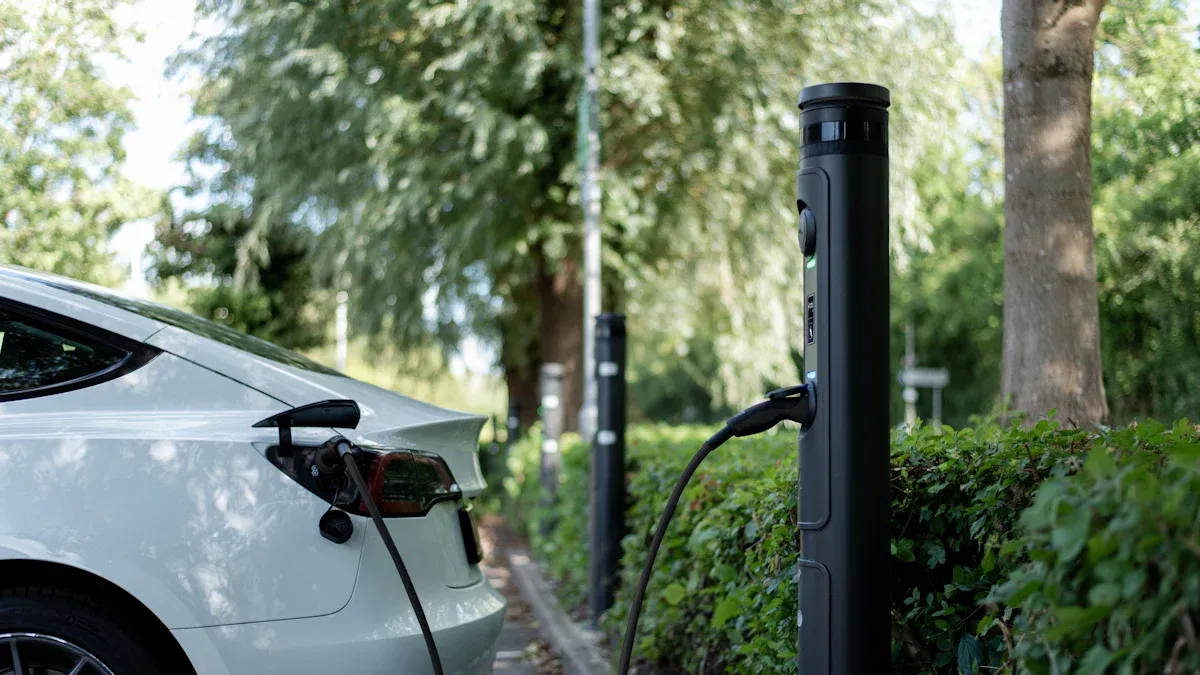
Home Charging Options and Free Electric Car Chargers
Government Grants (EV Chargepoint Grant)
The UK government supports drivers who want to install free electric car chargers at home. Several grant programs help reduce the cost of purchasing and installing a home EV charger. The table below outlines the main options available:
| Grant Name | Description | Amount Available |
|---|---|---|
| EV Chargepoint Grant | Funding for purchasing and installing home chargepoints. | Up to £350 or 75% of the cost |
| EV Chargepoint Grant for Landlords | Grants for landlords to install chargepoints in social housing. | Up to £350 per installation |
| LEVI Capability Fund | Supports local authorities in planning and delivering EV chargepoints. | £8 million fund for resource funding |
These grants make electric car charging at home more affordable for homeowners and landlords. Many drivers choose to apply for these programs to access free or subsidized chargers.
Solar Panel Integration for Free Charging
Solar panel integration offers a sustainable way to achieve free electric car charging at home. Homeowners who install solar panels can generate their own electricity, which powers their vehicles without relying on the grid. This approach reduces or eliminates charging costs and protects against future energy price hikes. Studies show that EVs charged with solar energy can emit up to 80% less carbon dioxide over their lifetime, supporting cleaner air and a healthier planet.
- Homeowners can generate their own electricity for charging.
- Excess solar energy provides ‘free fuel’ for vehicles.
- Solar panels help reduce long-term energy expenses.
The UK has seen rapid growth in solar PV installations, which aligns with the increasing adoption of electric vehicles. This trend highlights the shift toward sustainable transportation and free EV charging solutions.
Off-Peak and Free Tariffs from Energy Providers
Some energy providers in the UK offer off-peak or free tariffs for electric car charging at home. These tariffs allow drivers to charge their vehicles overnight or during specific hours at no extra cost. By scheduling charging sessions during these periods, drivers can take advantage of free electricity and further reduce their running costs. Comparing energy tariffs helps drivers find the best deals for home EV charger use.
Workplace Charging Schemes for Free EV Charging
Workplace Charging Scheme (WCS)
The Workplace Charging Scheme, funded by the Office for Zero Emissions Vehicles, encourages businesses to install free electric car chargers for employees and visitors. The scheme covers 75% of installation costs, up to £350 per socket, for a maximum of 40 sockets per workplace. All UK businesses can apply if they have off-street parking and a demonstrated need for chargers.
- The scheme is open to all businesses that meet eligibility criteria.
- Financial support makes electric car charging at work more accessible.
- Many organizations participate to promote sustainable commuting.
Employer-Subsidized Charging
Some employers go beyond government support by fully subsidizing the cost of workplace chargers. They provide free charging as an employee benefit, which helps attract and retain staff who drive electric vehicles. This approach also supports company sustainability goals.
Employee Access Rules
Employers often set rules for using free chargers at work. Employees may need to register their vehicles, book charging slots, or follow time limits to ensure fair access. Clear policies help maximize the benefits of free EV charging for everyone in the workplace.
Tip: Drivers should ask their employer about available workplace charging schemes and any rules for accessing free electric car charging at work.
Tips for Making the Most of Free Electric Car Charging
Planning Your Route to Find Free EV Charging Stations
Drivers in the UK can maximize free charging by planning their routes with the right tools. Route planning apps help users locate chargers along their journey and filter for free options. The table below outlines effective strategies for finding free electric car charging stations:
| Strategy | Description |
|---|---|
| Zapmap | Covers 95% of the UK’s public charging network, allows filtering for ‘free-to-use’ locations, and includes a route planner. |
| PodPoint | Offers access to a wide range of public chargers without a subscription, with pay-as-you-go simplicity. |
| Top Tip | Use Zapmap alongside PodPoint to verify which PodPoint chargers are free. |
Combining Charging with Shopping or Activities
Many drivers combine charging with daily activities to save time. They can charge their vehicles while shopping, dining, or visiting attractions. Supermarkets, shopping centers, and leisure venues often provide free chargers for customers. This approach allows drivers to make the most of their time and ensures they do not miss free charging opportunities.
Avoiding Busy Times at Free Chargers
Peak hours can lead to queues at popular free chargers. Drivers should plan charging sessions during off-peak times, such as early mornings or late evenings. Checking real-time availability on apps helps avoid waiting and ensures access to free chargers when needed.
Maximizing Charging Efficiency at Free Charging Points
Monitoring Charging Sessions
Drivers should monitor their charging sessions to avoid overstaying and to free up chargers for others. Most apps provide notifications when charging is complete. This practice supports fair use and helps more people benefit from free charging.
Etiquette and Sharing Free Chargers
Good etiquette improves the experience for everyone. Drivers should move their vehicles promptly after charging and avoid occupying chargers longer than necessary. Sharing chargers fairly encourages a positive community and increases access for all.
Staying Updated on Free Charging Offers and Locations
Drivers can stay informed about new free charging locations and offers by using several methods:
- Use Zapmap to filter results and show stations relevant to your location, making it easier to find charging options on the go.
- Free charging locations are often found at:
- Accommodation: Hotels and B&Bs may offer free charging.
- Attractions: Museums and theatres often provide free charging for visitors.
- Retail car parks: Supermarkets and shopping centres may have free or discounted charging.
Following Retailer Announcements
Retailers frequently announce new free chargers or limited-time offers. Drivers should check store websites, newsletters, and social media for updates. Staying alert to these announcements helps drivers find free electric car charging before others.
Joining EV Communities and Forums
EV communities and online forums provide valuable tips and updates. Members share information about new free chargers, report issues, and recommend the best locations. Joining these groups helps drivers stay ahead and make the most of free charging opportunities.
Drivers in the UK can access free chargers at supermarkets, retail parks, hotels, public car parks, workplaces, and community venues. Apps and websites help users locate free chargers and filter for “free to use” options. Always check for restrictions before using free chargers. Home and workplace grants make electric car charging more affordable. Planning ahead ensures drivers maximize opportunities for free chargers and reduce costs.
Staying informed about new free chargers helps drivers benefit from the expanding network.
FAQ
What types of electric car chargers are usually free in the UK?
Most free chargers in the UK are slow (3kW–7kW) or fast (7kW–22kW) units. Rapid chargers (43kW+) rarely offer free charging. Drivers often find free chargers at supermarkets, hotels, public car parks, and community centers.
Do drivers need to register before using free EV chargers?
Many free charging points require registration through an app or website. Some locations issue RFID cards for access. Drivers should check requirements before arrival to avoid delays.
Can anyone use free electric car chargers at supermarkets?
Supermarkets usually reserve free chargers for customers. Staff may ask for proof of purchase or a loyalty card. Non-customers may face restrictions or penalties.
Are there time limits for free electric car charging?
Yes, most free charging points enforce time limits. These limits help ensure fair access for all drivers. Overstaying may result in fines or additional fees.
How can drivers find free EV charging stations quickly?
Drivers can use apps like Zap-Map or PlugShare. These apps allow users to filter for free charging points and check real-time availability. Store directories and council websites also provide useful information.
Do free chargers always include free parking?
Not always. Some locations offer free charging but require payment for parking. Drivers should read posted signs and check parking policies before starting a charging session.
Is home charging ever completely free?
Home charging can be free if powered by solar panels or during off-peak hours with special energy tariffs. Government grants may also reduce installation costs for home chargers.