
Smart charging explained shows how drivers can cut electricity costs immediately. TPSON delivers advanced EV charging solutions that let users schedule home EV charging during low-rate periods. Many choose a smart EV Charger from leading EV charger manufacturers to manage their energy bill and save money. Smart features help optimize charging for every vehicle, including portable EV chargers. With the right smart system, households control their energy use and benefit from efficient electricity management.
Smart Charging Explained: The Direct Path to Savings
How Smart Charging Reduces Your Electricity Bill
Lowering Power Demand and Energy Use
Smart charging explained shows how households can manage their electricity use more efficiently. By shifting charging sessions to off-peak hours, users take advantage of lower rates and reduce overall charging costs. This approach not only helps save money but also supports grid stability. The mechanisms behind these savings include optimizing charging times, dynamic tariffs, and advanced load management. The table below highlights the main ways smart charging explained delivers these benefits:
| Mechanism | Description |
|---|---|
| Optimizing charging times | Adjusts charging based on price signals to manage peak load effectively. |
| Dynamic tariffs | Implements variable pricing to encourage charging during off-peak hours. |
| Load management | Manages the distribution of electricity to prevent overloads and optimize grid capacity. |
| Vehicle-to-grid (V2G) | Allows EVs to provide energy back to the grid during peak demand, reducing overall energy use. |
| Vehicle-to-building (V2B) | Enables EVs to supply power to buildings, enhancing energy efficiency. |
| Delaying charging | Postpones charging to times when electricity costs are lower, reducing generation costs and emissions. |
Smart charging explained also leverages pricing strategies that have proven effective in both European and global markets. Households can see cost savings that offset the expense of additional chargers, especially when using time-of-use tariffs and demand response programs.
- Smart charging utilizes cheaper electricity rates during off-peak hours, potentially saving users 18.1% per MWh compared to traditional charging.
- Households can reduce annual energy costs by 25-132% in major European markets through time-of-use tariff optimization.
- A typical 4kW solar array can save over £400 yearly on energy bills when integrated with smart charging.
Real-World Savings from Smart EV Charging
Many families and individuals have experienced significant reductions in their charging costs by adopting smart charging explained strategies. For example, CITA EV’s intelligent charging systems enable users to charge during off-peak hours, leading to electricity cost reductions of up to 70%. This capability not only lowers immediate expenses but also contributes to overall energy savings.
In a case study from Norwich, a family implemented smart heating controls and solar energy solutions, resulting in a 45% reduction in their overall energy costs by the end of winter. This demonstrates the potential for significant savings through smart home technologies.
CITA EV’s data also indicates that users of their smart home EV chargers can recover installation costs within 12-18 months due to reduced energy bills. Households utilizing these chargers report average savings of £35-45 per month, showcasing the financial advantages of smart charging explained.
What Makes Home EV Charging “Smart”
Key Features of Smart AC Wall Chargers
Smart charging explained highlights the advanced features that set modern home EV charging apart from standard methods. The table below compares smart home EV charging with traditional charging:
| Feature | Smart Home EV Charging | Standard Charging |
|---|---|---|
| Connectivity to home networks and apps | Yes | No |
| Scheduling charging to off-peak times | Yes | No |
| Real-time monitoring and remote control | Yes | No |
| Integration with renewable energy sources | Yes | No |
| Cost and carbon emissions optimization | Yes | No |
| Support for grid stability | Yes | No |
| Detailed energy usage insights | Yes | No |
Smart home EV chargers connect to home networks and apps, allowing users to schedule charging during off-peak times. They provide real-time monitoring and control, integrate with renewable energy sources, and optimize charging to reduce both costs and carbon emissions. These features help maintain grid stability and give users detailed insights into their energy use.
Automation and Remote Control Benefits
Automation and remote control play a crucial role in maximizing the benefits of smart charging explained. Smart plugs and chargers enable scheduling, remote shutdown, and real-time energy monitoring, which help eliminate standby power consumption and optimize appliance usage. Automation features such as occupancy-based controls, time-based routines, and integration with weather data allow devices to operate only when needed, reducing unnecessary energy use.
- Smart plugs eliminate standby power waste by completely cutting power to devices when not in use.
- Scheduling strategies shift high-energy activities to off-peak periods, optimizing energy consumption.
- Remote control capabilities allow managing appliances while away from home, preventing unnecessary energy use.
- Real-time monitoring, automated scheduling, and remote control capabilities typically generate 15-30% reductions in standby power consumption.
TPSON, as a technologically advanced electric vehicle charging solution provider, offers smart AC wall chargers that incorporate these automation and remote control features. Users can monitor and manage their charging sessions from anywhere, ensuring that their home EV charging remains efficient and cost-effective.
Smart charging explained empowers households to take control of their energy use, reduce charging costs, and save money while supporting a more sustainable energy future.
Smart Charging and Off-Peak Hours
Why Charging at Off-Peak Times Saves Money
Understanding Utility Rate Structures
Utility companies design rate structures to encourage efficient energy use. Time-of-use tariffs, such as Economy 7 and Economy 10, offer cheaper electricity during periods of lower demand. These tariffs reward households that shift consumption to off-peak hours. Smart charging solutions, like those from TPSON, help users take advantage of these rates by automating charging schedules. Many smart tariffs encourage families to use energy more intelligently, shifting consumption to times when it’s greener and less expensive.
Tip: Households can save money by aligning their home EV charging with off-peak hours. This approach reduces costs and supports a more sustainable energy grid.
The Impact of Peak vs. Off-Peak Charging
Charging an electric vehicle during peak hours increases costs due to higher demand. Off-peak charging, on the other hand, takes advantage of lower rates and less strain on the grid. Most EV charging tariffs are based on time-of-use pricing, which means costs vary depending on demand. Off-peak hours are encouraged for charging to maximize savings. Advanced technologies improve charging efficiency during these periods.
| Charging Period | Typical Cost | Grid Demand | Savings Potential |
|---|---|---|---|
| Peak | High | High | Low |
| Off-Peak | Low | Low | High |
The EDF electric car tariff offers lower rates during off-peak hours. Charging overnight can lead to significant savings compared to peak hours. Smart scheduling can adjust charging speeds to maximize savings. Charging during off-peak hours can reduce costs by 50-70% compared to peak times.
Scheduling Home EV Charging for Maximum Savings
Setting Up Charging Schedules
Smart charging systems allow users to set up charging schedules that align with off-peak hours. Many households program their chargers to start charging late at night or early in the morning. This practice ensures that vehicles charge when electricity is cheapest. TPSON’s smart AC wall chargers provide automated scheduling features, making it easy to optimize charging times.
- Charging during off-peak hours can significantly reduce electricity costs.
- Utilizing time-of-use rates helps in saving money by charging when electricity is cheaper.
- Overnight charging is often the most convenient and economical option for most EV owners.
Using Smart Charging Apps and Tools
Smart charging apps and tools simplify the process of scheduling home EV charging. These platforms offer real-time monitoring, automated scheduling, and remote control. Users can track energy consumption, adjust charging times, and receive notifications about rate changes. TPSON’s smart solutions integrate seamlessly with home networks, providing detailed insights and control.
Note: Smart charging apps help users adapt to changing tariffs and maximize savings by ensuring charging occurs during off-peak hours.
Smart charging explained demonstrates how technology empowers households to manage energy use, save money, and support a greener future.
Smart EV Charging and Electricity Tariffs
Making the Most of Variable Rate Tariffs
Syncing Charging with Low-Rate Periods
Variable rate tariffs, also known as time-of-use tariffs, offer different electricity prices depending on the time of day. These tariffs encourage users to shift their energy consumption to off-peak hours, when rates are lower. For electric vehicle owners, this means they can schedule home EV charging sessions during these periods to reduce charging costs. Smart charging systems, such as those from TPSON, allow users to automate this process and maximize savings.
- Customers can save over £700 a year with smart EV tariffs.
- Charging during off-peak times can lead to additional savings of up to £239 per year.
- Smart charging enables access to off-peak rates beyond standard hours, increasing overall savings.
Smart tariffs reward users who adjust their charging habits. By syncing charging with low-rate periods, drivers can significantly lower their annual charging costs.
Tracking and Responding to Rate Changes
Electricity rates under variable tariffs can change frequently. Smart charging solutions help users track these changes and respond in real time. Many smart chargers and apps provide notifications about rate shifts, allowing users to adjust their charging schedules quickly. This flexibility ensures that charging costs remain as low as possible.
| Application scenario | Primary bill driver | Recommended control approach | Key trade-offs |
|---|---|---|---|
| High demand charges | Peak kW intervals | Peak shaving with demand cap | Needs SOC reserve discipline |
| Strong TOU spread | kWh price windows | TOU arbitrage with controlled charging | Risk of demand spikes while charging |
| Export capped | Curtailed PV | PV capture and self-consumption | Needs enough kWh to absorb midday surplus |
Smart charging platforms often map variable tariffs into actionable control windows. They can also layer controls to prioritize solar PV usage or battery discharge, further reducing charging costs.
Strategies for Flat Rate Tariffs
Consistent Savings with Smart Charging
Flat rate tariffs offer a single, predictable price for electricity throughout the day. This structure provides price stability, making it easier for users to budget their energy expenses. While the savings potential may not match that of variable tariffs, smart charging still delivers benefits. By optimizing charging sessions and avoiding unnecessary energy use, drivers can keep charging costs under control.
Tip: Even with a flat rate, scheduling charging during times of lower household demand can help avoid peak load charges and improve overall efficiency.
Comparing Flat and Variable Tariff Benefits
Choosing between flat and variable tariffs depends on individual needs and flexibility. The table below highlights the main differences:
| Feature | Variable Tariff Energy | Fixed Tariff Energy |
|---|---|---|
| Price Stability | Fluctuates with market prices | Locked-in for contract period |
| Flexibility | High – can benefit from cheaper rates | Limited |
| Risk of Price Increase | High – rates may rise anytime | None during contract |
| Savings Potential | Greater if charging during off-peak | Predictable, but limited |
| Best for | Flexible users with energy management tools | Budget certainty seekers |
Flat rate tariffs suit those who prefer predictable costs and simple budgeting. Variable tariffs offer greater long-term savings for users who can manage their charging habits and respond to changing rates. Smart charging technology, such as TPSON’s advanced charger, supports both tariff types by optimizing charging sessions and reducing overall charging costs.
Leveraging Renewable Energy with Home EV Charging
Integrating Solar Power for Extra Savings
Charging Directly from Solar Panels
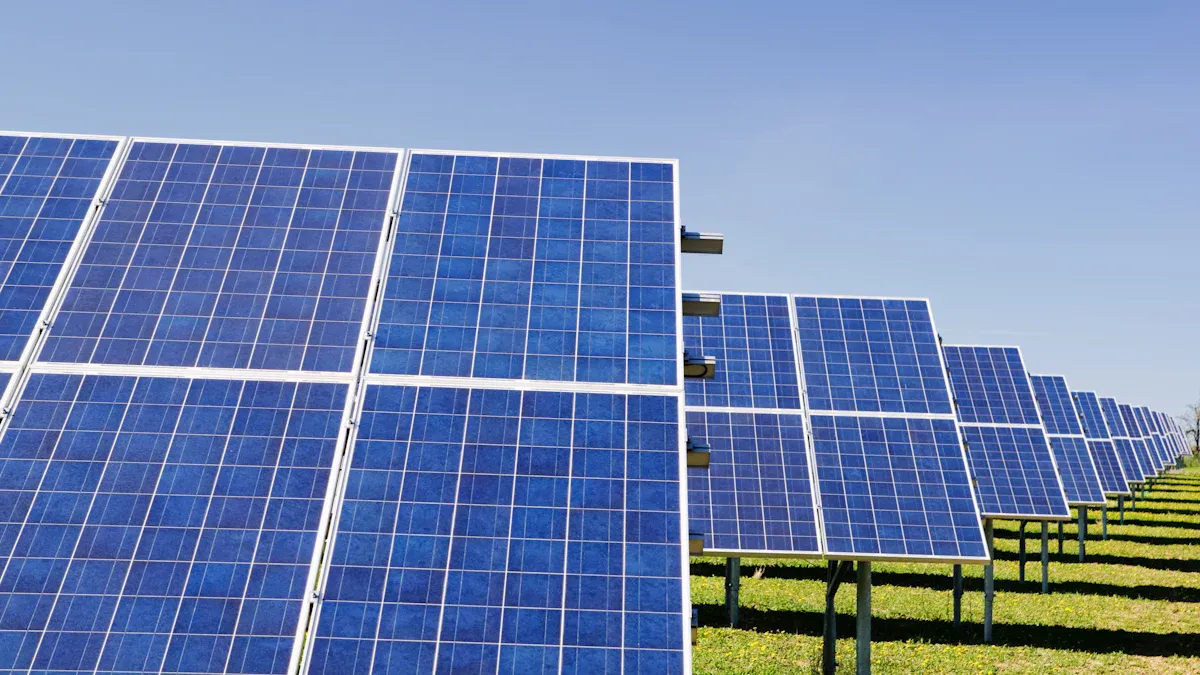
Many households now choose to pair solar panels with home EV charging. This approach allows drivers to use electricity generated on-site, which reduces reliance on the grid and lowers costs. When a smart charger connects to a solar array, it can automatically prioritize solar power for charging sessions. This method supports a sustainable lifestyle and helps families cut their energy bills.
Utilizing a standard 4kW solar array in the UK can lead to annual savings exceeding £400 on energy costs when charging an electric vehicle. These savings come from using free, renewable energy instead of purchasing electricity from the grid. TPSON offers advanced solutions that help users maximize the benefits of solar integration.
- Self-consumption savings: Households use their own solar electricity, reducing grid dependence.
- Improved land productivity: Solar canopies over parking areas provide shade and shelter while generating power.
- Enhanced customer experience: Drivers enjoy protection from weather, which increases satisfaction.
Storing Solar Energy for Nighttime Use
Solar panels generate electricity during daylight hours. However, many drivers need to charge their vehicles at night. By adding a battery storage system, households can store excess solar energy produced during the day and use it for home EV charging after sunset. This approach ensures that renewable energy powers the vehicle even when the sun is not shining.
Battery storage systems work seamlessly with smart charging technology. The charger can draw from stored solar energy first, then switch to grid power if needed. This setup supports a sustainable energy routine and helps reduce overall electricity costs.
Taking Advantage of Green Energy Incentives
Local and Federal Programs for Home EV Charging
Many regions offer incentives to encourage the adoption of renewable energy and sustainable transportation. These programs may include grants, rebates, or reduced taxes for installing solar panels, battery storage, or smart home EV charging equipment. Local authorities often provide additional support for projects that combine renewable energy with electric vehicle infrastructure.
TPSON designs its solutions to meet the requirements of these incentive programs. By choosing compatible equipment, households can lower their upfront costs and accelerate their return on investment.
How to Qualify and Apply for Incentives
To benefit from green energy incentives, households must follow specific steps:
- Research available programs in the local area.
- Select approved products and certified installers.
- Submit required documentation, such as proof of purchase and installation.
- Complete any inspections or compliance checks.
Tip: Always check the latest guidelines from local authorities before starting a project. Incentive programs may change or have limited funding.
By leveraging renewable energy and taking advantage of available incentives, families can make home EV charging more sustainable and cost-effective.
Earning Rewards and Incentives with Smart Charging
Utility Company Programs for Smart EV Charging
Demand Response and Time-of-Use Rewards
Utility companies offer a variety of programs that reward households for participating in smart EV charging. These programs encourage users to shift their charging sessions to times when the grid experiences less demand. By doing so, they help balance the grid and reduce overall charging costs. The following table outlines common program types and the rewards available:
| Program Type | Description | Rewards/Incentives Offered |
|---|---|---|
| Time-of-Use (TOU) Rates | Electricity prices vary by time of day; encourages shifting EV charging to off-peak hours. | Lower electricity rates during off-peak times. |
| Direct Load Control (DLC) | Utility remotely cycles major appliances during peak events to reduce load. | Fixed annual rebate (£25–£100) or monthly bill credit. |
| Critical Peak Pricing (CPP) | Higher electricity prices during a few critical peak days to incentivize reduced usage. | Financial incentive to cut usage during peak hours. |
| Critical Peak Rebates (CPR) | Customers get paid for each kWh reduced below normal usage during declared events. | Bonus payment per kWh saved (e.g., £1.00/kWh). |
Demand response programs provide financial incentives for reducing energy use during peak times. Homeowners can receive rebates or credits on their bills for participating. They can adjust the energy consumption of EV charge points and other appliances during peak hours without affecting daily routines. These strategies help lower electricity bills and support grid reliability.
How to Enroll and Maximize Benefits
Enrolling in these programs usually involves a few simple steps. Households should contact their utility provider to check eligibility and available offers. After selecting a suitable program, they may need to install a compatible smart charger, such as those from TPSON. Registration often requires submitting basic information and agreeing to program terms.
To maximize benefits, users should:
- Set charging schedules to align with off-peak periods.
- Monitor notifications from their utility about upcoming peak events.
- Use smart charging apps to automate participation and track rewards.
Tip: Regularly reviewing program updates ensures that households do not miss new opportunities to reduce charging costs.
Manufacturer and Third-Party Offers
Cashback, Rebates, and Loyalty Programs
Manufacturers and third-party providers also offer incentives for purchasing and using smart AC wall chargers. For example, the Sync Energy Pro Charger Twin (Three Phase) provides dual 7.4kW charging for two vehicles at once. It features smart OCPP connectivity, built-in 4G, and RFID access control. Pricing starts at £1399.00 for the dual 7.4kW version and increases for models with integrated payment terminals.
Many providers offer:
- Cashback on qualifying charger purchases.
- Rebates for installing energy-efficient charging equipment.
- Loyalty programs that reward frequent use or referrals.
These incentives help offset the initial cost of home EV charging and encourage the adoption of advanced charging solutions.
Referral Bonuses for Home EV Charging
Referral programs allow users to earn bonuses by recommending smart charging products to friends or family. When a referred customer purchases and installs a charger, both parties may receive a reward, such as a bill credit or gift card. These programs create a network effect, making it easier for more households to access smart charging technology.
TPSON, as a technologically advanced electric vehicle charging solution provider, supports these initiatives by offering compatible products and seamless integration with incentive programs. By taking advantage of these rewards, households can further reduce their charging costs and enjoy the benefits of smart energy management.
Practical Tips for Maximizing Smart Charging Savings
Choosing the Best Smart AC Wall Charger
Essential Features for Home EV Charging
Selecting the right home charging unit is crucial for maximizing savings and ensuring reliable performance. The best smart AC wall charger models offer advanced features that support both cost efficiency and long-term durability. The following table outlines key criteria to consider:
| Criteria | Description |
|---|---|
| Open Standard Protocols (OCPP) | Supports OCPP 1.6J or 2.0.1, providing flexibility and avoiding vendor lock-in. |
| Connectivity Redundancy | Includes 4G LTE failover, maintaining smart scheduling even with unreliable Wi-Fi. |
| Hardware Resilience & IP Ratings | Professional-grade hardware with IP65 certification for protection against environmental factors. |
| Advanced Energy Intelligence | Offers solar integration and dynamic load balancing to maximize renewable energy use. |
TPSON, as a technologically advanced electric vehicle charging solution provider, incorporates these features into its home charging units. This approach ensures users benefit from both robust hardware and intelligent energy management.
Ensuring Compatibility with Your Vehicle and Home
Compatibility remains essential when choosing a home charging unit. Most households find that 7kW chargers are more affordable to purchase and install than 22kW models. While 22kW chargers deliver faster charging, they often require significant electrical upgrades. A smart ev charger optimizes energy costs by utilizing off-peak tariffs, which leads to long-term savings. Always confirm that the charger matches both the vehicle’s requirements and the home’s electrical capacity.
Monitoring and Managing Your Energy Use
Using Apps and Dashboards for Tracking
Modern home charging units come equipped with apps and dashboards that simplify energy management. These tools provide a range of features:
| Feature | Description |
|---|---|
| Location Finder | Helps users locate nearby charging stations and check compatibility. |
| Real-Time Status Updates | Displays station availability to minimize wait times. |
| Payment Integration | Enables secure, in-app payments for convenience. |
| Route Planning | Assists in planning efficient routes based on charging station locations. |
| Usage History & Analytics | Tracks charging sessions, costs, and energy usage over time. |
| Reservation Options | Allows users to reserve charging spots in advance. |
These features help users make informed decisions and optimize their charging routines.
Setting Alerts and Notifications for Savings
Regular monitoring of energy use leads to increased savings. Real-time energy monitoring allows users to track consumption and optimize usage. Off-peak charging enables significant cost reductions, while automatic scheduling ensures charging occurs when electricity is least expensive. Integration with solar energy further reduces costs. Smart meters and dashboards encourage mindful energy usage, providing real-time data that helps users adjust their habits and lower overall consumption.
Building Smart Charging Habits
Reviewing and Adjusting Charging Patterns
Developing effective charging habits maximizes savings. Charging during off-peak hours, such as nights or weekends, takes advantage of lower electricity rates. Using smart charging features to schedule sessions ensures the vehicle charges only when needed, avoiding unnecessary costs. Managing electricity usage by preventing overcharging also helps maintain battery health and reduces expenses. Maintaining the state of charge between 20% and 80% optimizes both performance and longevity.
Adapting Schedules for Seasonal Changes
Adjusting charging patterns seasonally can further reduce electricity costs. Charging during periods of renewable energy surplus, which vary throughout the year, allows users to benefit from lower rates. Dual tariff schemes often incentivize charging when renewable energy is abundant. Many current behaviors create peaks in demand during evenings, when prices are highest. By adapting schedules to seasonal changes, users can mitigate these costs and enhance the efficiency of their home ev charging setup.
Common Mistakes to Avoid with Smart Charging
Overlooking Utility Rate Changes
Electricity rates often change throughout the year. Many households forget to review their utility provider’s pricing structure. This oversight can lead to higher energy bills, even when using smart charging solutions. Utility companies may adjust rates based on demand, season, or new regulations. When users do not stay informed, they may miss opportunities to shift charging sessions to cheaper periods. Regularly checking for updates on tariffs helps drivers take full advantage of off-peak rates and maximize savings.
Staying Updated on Pricing
Tip: Set a monthly reminder to review your utility provider’s website or app for any changes in electricity pricing. This habit ensures that charging schedules remain aligned with the lowest available rates.
Ignoring Charger Software Updates
Many drivers overlook the importance of keeping their smart charging equipment up to date. Software updates often include new features, security patches, and compatibility improvements. Failing to install these updates can reduce the effectiveness of smart charging and may even cause technical issues.
Why Updates Matter for Savings
- Firmware compatibility issues can arise when the vehicle’s software does not match the charger’s protocol requirements.
- Software glitches may cause random interruptions in charging or display incorrect status information.
- These problems can prevent charging from starting, disrupt ongoing sessions, and reduce the overall efficiency and reliability of the smart charging process.
TPSON recommends that users enable automatic updates or check for new releases regularly. This practice helps maintain optimal performance and ensures that all smart features function as intended.
Missing Out on Available Incentives
Many regions offer financial incentives for installing smart charging solutions or integrating renewable energy. Some households miss these benefits because they do not research available programs or fail to submit the required documentation. Incentives can include rebates, grants, or reduced taxes, which lower the initial investment and speed up the return on investment.
Finding and Applying for Programs
Note: Visit local government and utility provider websites to find current incentive programs. Prepare all necessary documents, such as proof of purchase and installation, before applying. Early application increases the chance of receiving support before funding runs out.
By avoiding these common mistakes, drivers can unlock the full potential of their smart charging setup and achieve greater savings with every charge.
Smart EV charging empowers households to reduce electricity bills through intelligent scheduling and automation. Studies show that AI-managed charging and smart tariffs can lower annual costs by up to £340 and decrease dual-fuel bills by 15-25%. Choosing a smart EV charger and optimizing home EV charging routines delivers immediate and long-term savings. TPSON provides advanced solutions that help families maximize efficiency. Starting smart EV charging at home ensures both financial and environmental benefits.
FAQ
What is smart charging for home EVs?
Smart charging uses intelligent scheduling and automation to optimize charging times. It reduces electricity costs by aligning charging sessions with off-peak hours and variable tariffs.
How does a smart AC wall charger save money?
A smart AC wall charger schedules charging during low-rate periods. It monitors energy use and integrates with renewable sources. TPSON offers advanced solutions that maximize savings.
Can smart charging work with solar panels?
Smart charging systems connect to solar arrays. They prioritize solar energy for charging sessions. Battery storage enables nighttime charging using stored solar power.
What features should users look for in a smart charger?
Key features include OCPP protocol support, 4G LTE connectivity, IP65 hardware resilience, and energy intelligence. TPSON chargers offer these features for reliable performance.
How do users monitor and manage charging costs?
Apps and dashboards track energy consumption. They provide real-time updates, usage analytics, and notifications. Users adjust charging schedules to maximize savings.
Are incentives available for installing smart charging solutions?
Many regions offer rebates, grants, or reduced taxes for smart charging installations. TPSON designs products to meet incentive requirements. Users should research local programs and apply early.