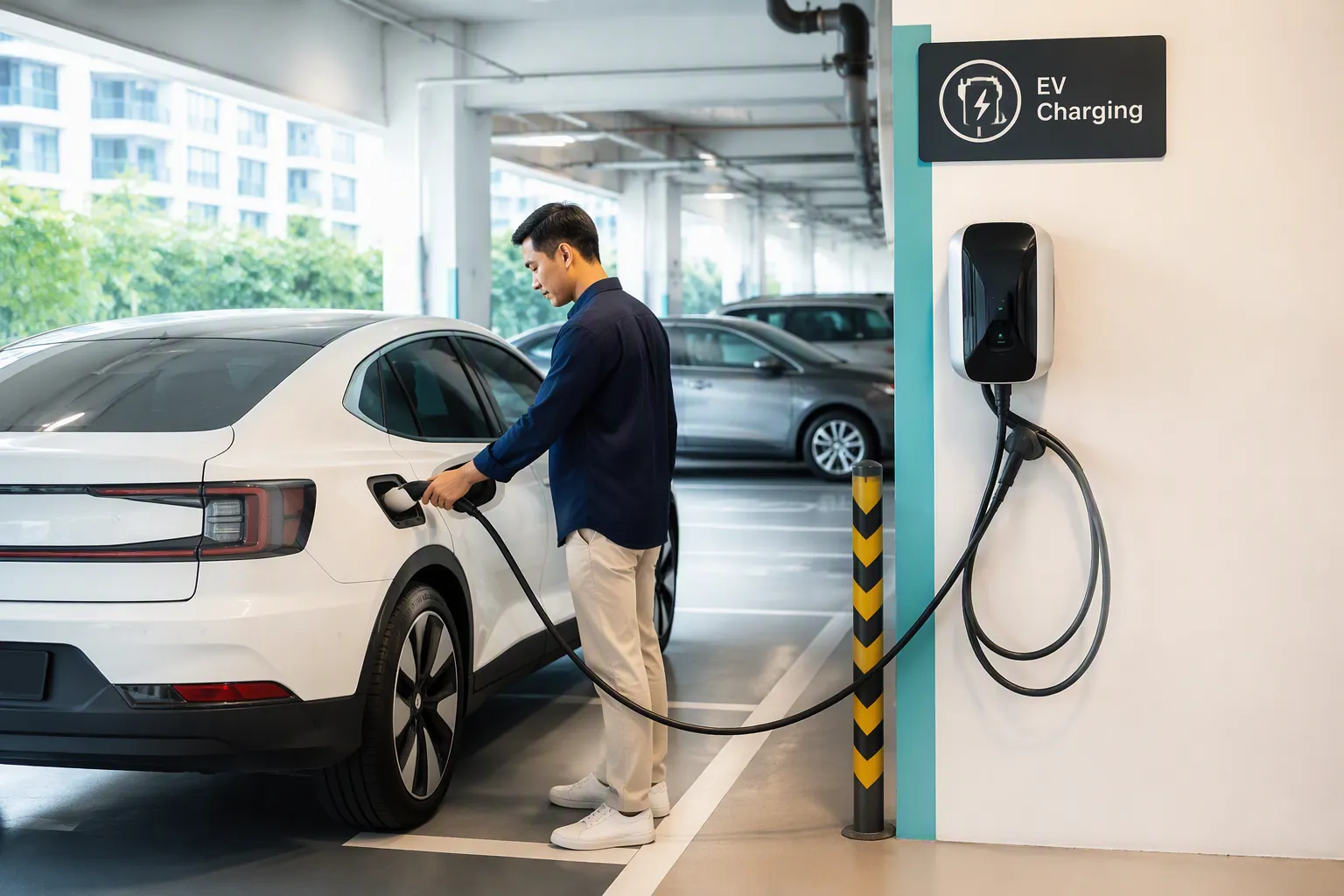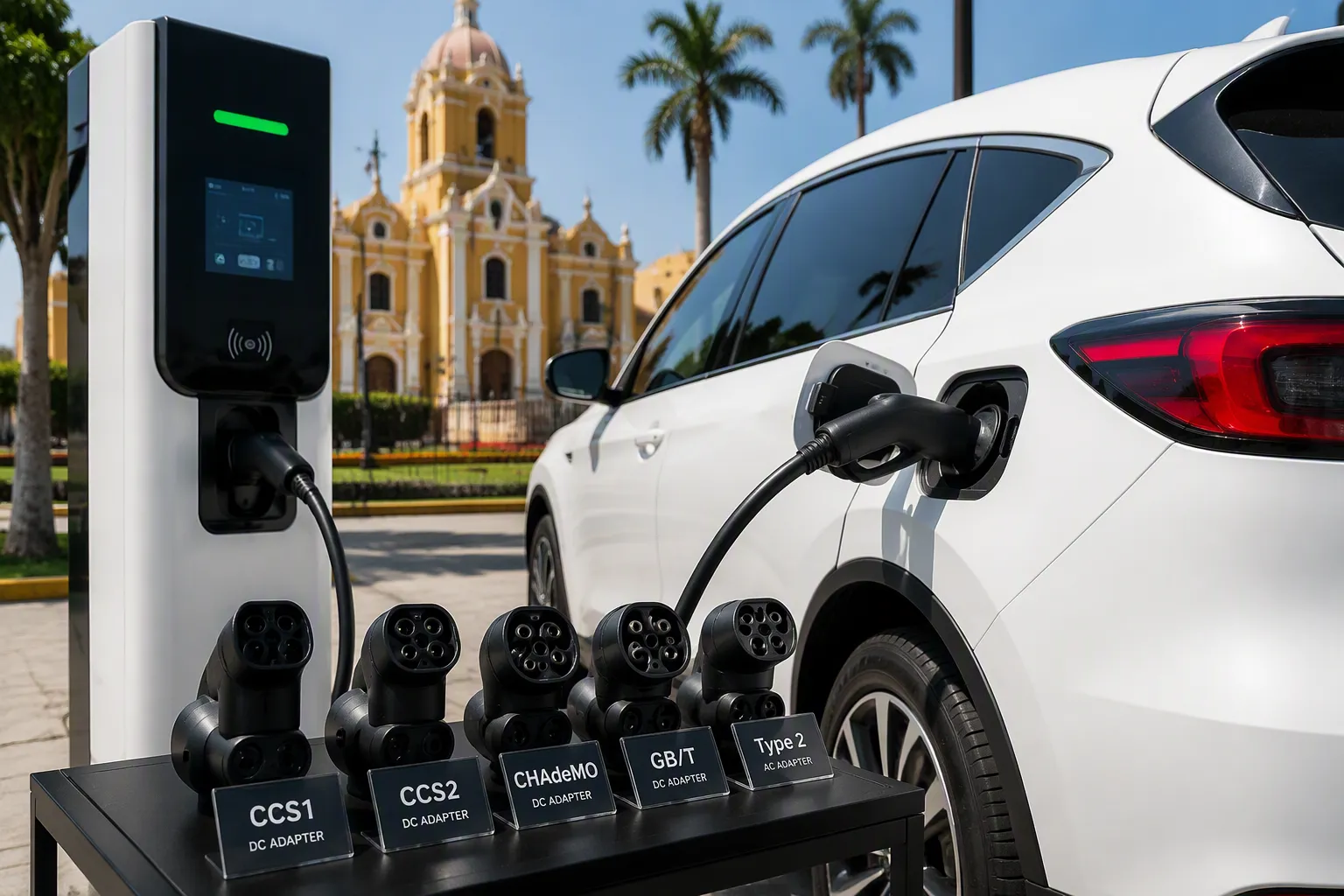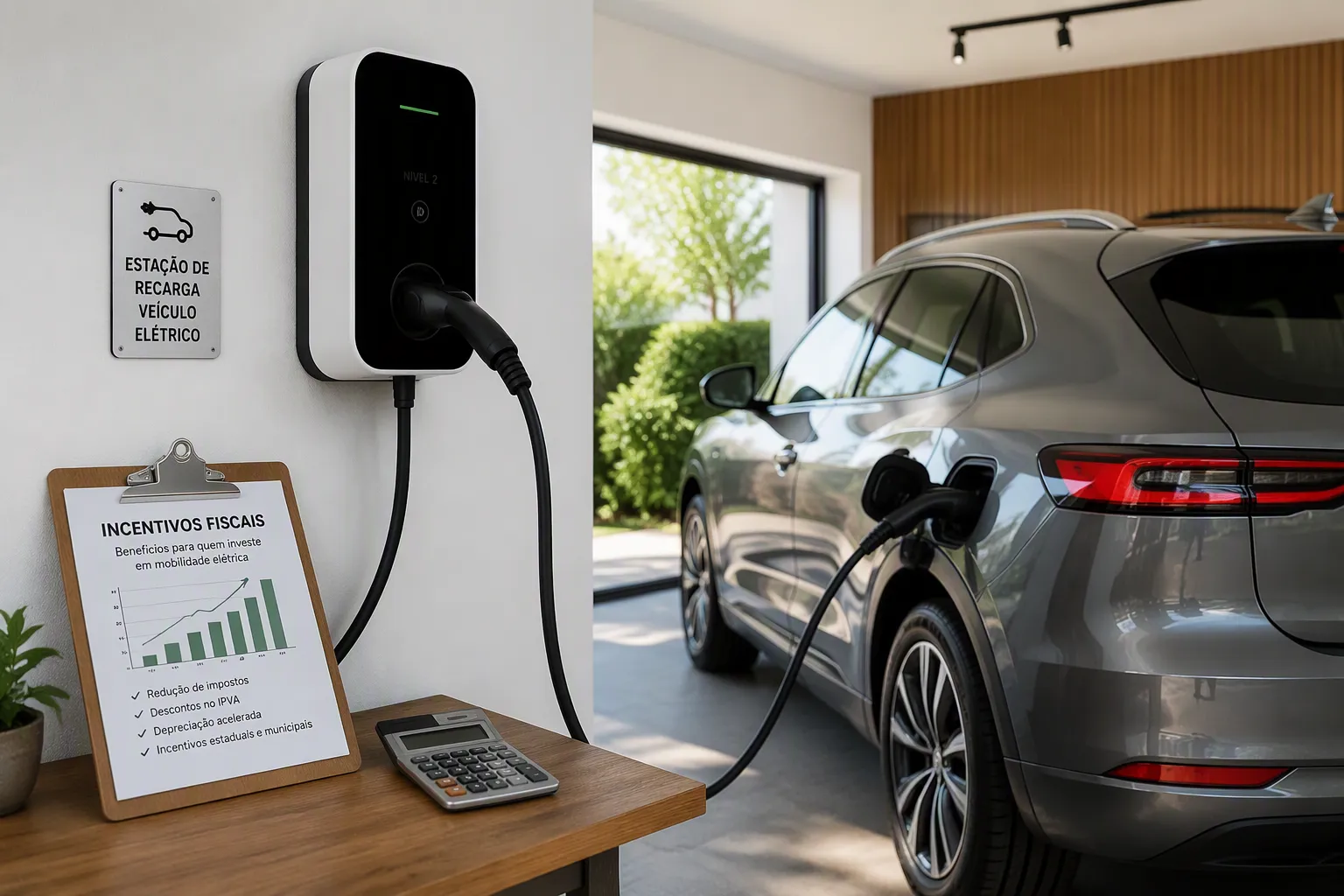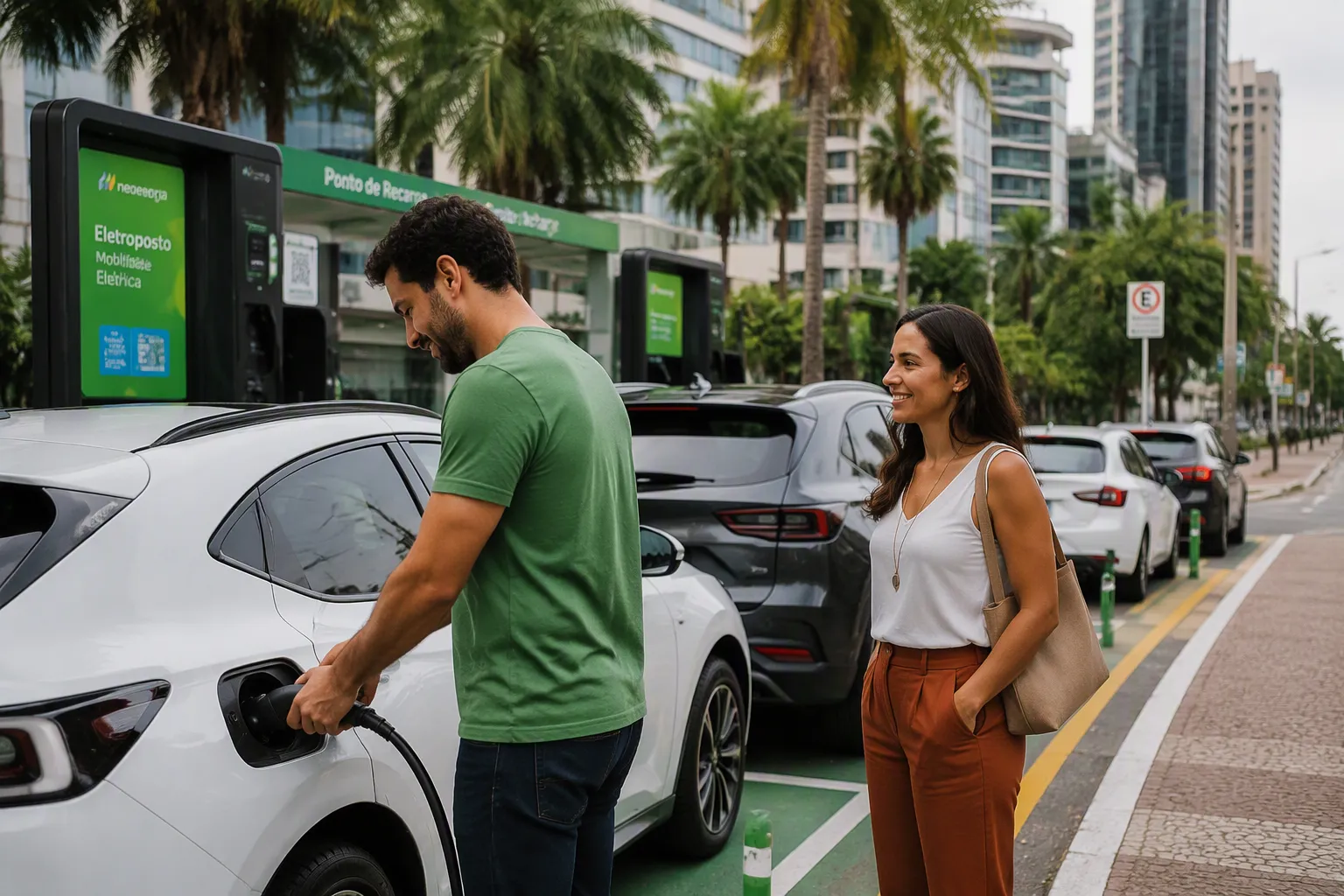

The average electric car charger installation cost for a home Зарядное устройство для электромобилей typically falls between $1,200 and $2,500. This price includes both the hardware unit and standard professional labor. The final cost to install can, however, range from as low as $800 for a simple setup to over $5,000 for complex installations requiring significant electrical work.
The total cost to install EV chargers depends heavily on the hardware. Производители зарядных устройств для электромобилей, including technologically advanced providers like TPSON, offer diverse Решения для зарядки электромобилей. Choosing a specific EV Charger over basic портативные зарядные устройства для электромобилей is a key decision when installing an electric car charger, influencing the average cost of installing an electric car charger at home.
What Makes Up the Total Electric Car Charger Installation Costs?

Understanding the final bill for an electric car charger installation requires breaking it down into two primary components: the price of the charging unit itself and the cost of professional labor. The choices a homeowner makes in each category significantly influence the total electric car charger installation costs.
The Charger Unit: Hardware Prices
The charger, also known as Electric Vehicle Supply Equipment (EVSE), is the first major expense. The hardware prices can vary by several hundred dollars depending on its capabilities, features, and brand.
Зарядные устройства уровня 1 и уровня 2
- Level 1 Charger: This is not a dedicated unit but rather a simple cord that comes with most electric vehicles. It plugs into a standard 120-volt wall outlet. Charging is extremely slow, adding only 3-5 miles of range per hour.
- Level 2 Charger: This is the focus for home installation. A Level 2 charger uses a 240-volt circuit, similar to an electric dryer. It dramatically speeds up charging, adding 25-60 miles of range per hour, making it the practical choice for an electric car charger at home.
Smart vs. Basic (Dumb) Chargers
The technology inside the charger also affects its price.
- Basic Chargers: These units simply deliver power to the vehicle. They lack connectivity and advanced features, offering a lower upfront cost.
- Умные зарядные устройства: These chargers connect to your home’s Wi-Fi. This allows you to schedule charging sessions for off-peak electricity rates, track energy usage, and control the charger via a smartphone app. Technologically advanced providers like TPSON offer these sophisticated EV charging solutions.
Привязанные и непривязанные зарядные устройства
This choice comes down to convenience and aesthetics.
- Привязанные зарядные устройства: These units have a charging cable permanently attached. This is highly convenient as the cable is always ready to use.
- Зарядные устройства без привязи: These units have a universal socket but no attached cable. The driver must use the portable cable that came with their EV. This offers a cleaner look when not in use.
Popular Brands and Price Points
The brand name and its associated features play a large role in the hardware cost. Well-known brands offer reliability and advanced smart features, which is reflected in their cost. The cost to install is directly impacted by the unit selected.
| Бренд | Модель | Approximate Hardware Cost |
|---|---|---|
| Tesla | Wall Connector | $450 – $500 |
| Tesla | J1772 Wall Connector | $550 – $580 |
| JuiceBox | JuiceBox 40 | ~$600 |
| ChargePoint | Home Flex | $700 – $750 |
Installation Labor: What You’re Paying For
The second major part of the electric car charger installation costs is the professional labor. Safely installing an electric car charger is not a DIY project; it requires a skilled and licensed professional. The cost of fitting an electric car charger covers expertise, safety, and compliance.
Что включает “стандартная установка”
A “standard” electric car charging point installation package typically covers all the essential steps to get your charger up and running safely. The process usually takes around three to four hours.
What’s Included in a Standard Job?
- Оценка объекта: The electrician evaluates your home’s main electrical panel and available capacity. They help determine the best charger location near your parking space.
- Hardware Mounting: The charging unit is securely mounted to a wall or post.
- Электромонтажные работы: The installer runs appropriate wiring from the electrical panel to the charger location and installs a new, dedicated 240-volt circuit breaker.
- Финальные проверки для обеспечения корректной и безопасной работы зарядного устройства. The electrician performs comprehensive tests to verify proper operation, safety features, and communication between the charger and vehicle.
- Customer Walkthrough: The installer provides a final demonstration, showing you how to operate the charger and use its smart features.
Typical Labor Cost Range
Labor costs vary by region and the complexity of the job. For a standard residential installation, homeowners can expect an electrician to charge between $60 and $100 per hour. The total labor portion for a straightforward installation often falls between $375 and $625. This figure can increase if the job requires more complex wiring or panel upgrades.
The Importance of a Licensed Electrician
Hiring a licensed electrician is non-negotiable when installing an electric car charger. An expert ensures the installation adheres to all national and local electrical codes, which is critical for several reasons:
- Безопасность: Improper wiring is a serious fire hazard and can damage your home’s electrical system or your expensive EV.
- Compliance: A licensed professional will handle necessary permits and ensure the work passes inspection, which is often required for rebates.
- Warranty: Many EV charger manufacturers require professional installation to keep the product warranty valid.
Ultimately, the electric car charger cost for labor is an investment in safety, reliability, and peace of mind.
Key Factors That Influence the Cost to Install EV Chargers
While a “standard installation” provides a useful baseline, the final electric car charger installation costs are rarely standard. Several critical factors related to a home’s unique characteristics can significantly increase the project’s complexity and price. Understanding these variables helps homeowners anticipate the true cost to install an EV charger.
Your Home’s Electrical System
The existing electrical infrastructure is the single most important factor influencing the final bill. An EV charger places a significant, sustained load on a home’s system, and not all homes are immediately ready for it.
Electrical Panel Capacity and Upgrades
The electrical panel, or electrical panel, is the heart of a home’s electrical system. It must have enough spare capacity to handle the new, dedicated circuit for the EV charger. Many older homes have 100-amp panels that may already be near their limit. An electrician will perform a load calculation to determine if an upgrade is necessary.
Upgrading a panel is a major job that adds considerable expense. The cost to upgrade an electrical panel typically falls between $500 and $2,500. The final price depends on the home’s size and the intricacy of the installation. For example, moving from a 100 A to a 200 A unit requires heavier cabling and additional protective devices.
| Consumer Unit Rating | Эти затраты являются оценочными. Владельцу всегда следует получать детальный расчет у квалифицированного электрика. | Typical Labour & Certification |
|---|---|---|
| Ориентировочная стоимость материалов | Типичные работы и сертификация | 100 А |
| 120–220 у.е. | 350–550 у.е. | 200 А |
Age and Condition of Wiring
The age of a home’s wiring can also impact the cost to install EV chargers. Older wiring may not comply with current electrical safety regulations for high-power circuits. During the assessment, an electrician might find that existing wiring is outdated or unsafe, requiring replacement before installing an electric car charger. This essential safety work is an additional, and often unforeseen, expense.
Installation Location and Complexity
The physical placement of the charger and the path the cable must take from the panel to the unit play a huge role in determining labor time and material prices.
Расстояние от электрического щита
The distance between the electrical panel and the desired charger location directly affects the cost. A longer distance requires more armored electrical cable, which is expensive, and increases the labor hours needed to run and secure it.
Примечание: A standard installation often assumes the charger is mounted on the same wall as the electrical panel or within a few metres. Every additional metre of cable adds to the total cost.
Complex Cable Routing (Through Walls or Ceilings)
A simple installation involves running a cable along the surface of a garage wall. However, if the cable must be routed through finished interior walls, across ceilings, or between floors to reach the parking space, the job becomes much more complex. This type of work involves drilling, fishing wires, and potentially plaster repair, all of which increase labor time for the electric car charging point installation.
Trenching and Groundworks for Detached Garages
Installing an electric car charger in a detached garage or on a driveway post presents a unique challenge. The electrical cable must be run underground from the house to the charging location. This process, known as trenching, requires digging a channel, laying conduit, and backfilling the trench. This additional groundwork can add $150 to $400 or more to the project, depending on the distance and the type of surface (e.g., soil vs. concrete).
Administrative and Regional Costs
Beyond the hardware and direct labor, several other costs contribute to the final invoice. These factors vary significantly based on where a homeowner lives.
Local Permit and Inspection Fees
Most local authorities require a permit for an electrical project of this scale. The electrician will typically handle the permit application process. After the work is complete, a local inspector may need to visit the site to verify that the installation meets all safety codes. The fees for these permits and inspections are passed on to the homeowner and can range from $50 to over $300.
Regional Differences in Labor Rates
The cost to install EV chargers is also subject to regional economic factors. Labour rates for qualified electricians are generally higher in major metropolitan areas and the southeastern regions compared to more rural parts of the country. This geographical difference in wages will be reflected in the quotes received for the installation. When choosing a technologically advanced solution from a provider like TPSON, ensuring the installer is qualified is just as important as the hardware itself.
How Much Does It Cost to Install an EV Charger After Incentives?
The initial installation price is not the final number for many homeowners. Various government and utility incentives can dramatically reduce the total expense. Understanding these programs is key to determining сколько стоит установить зарядное устройство для электромобиля for your specific situation. These financial aids make the investment in home charging more accessible.
Федеральные налоговые льготы и скидки
The U.S. federal government offers a significant tax credit to encourage the adoption of home charging infrastructure. This incentive directly reduces a homeowner’s tax liability.
The Alternative Fuel Vehicle Refueling Property Credit
This federal tax credit, also known as IRS Form 8911, applies to the cost of both the charger hardware and the installation labor. It provides a substantial discount on the total project cost for both residential and commercial properties.
| Категория | Maximum Credit Amount |
|---|---|
| Домовладельцы | $1,000 |
| Предприятия | $100,000 |
Eligibility and How to Claim
To claim the credit, homeowners must file IRS Form 8911 with their annual federal tax return. The charging equipment must be placed in service during the tax year at the taxpayer’s primary residence. It is essential to keep all receipts for the charger purchase and the electrician’s installation invoice, as these documents are required for tax filing.
State and Local Government Incentives
Beyond federal support, many states, counties, and cities offer their own rebates and grants. These programs can often be combined with the federal tax credit for even greater savings.
How to Research Your State’s Programs
Homeowners should visit their state’s Department of Energy or environmental protection agency website. These sites often have dedicated pages listing available incentives for electric vehicles and charging equipment. The U.S. Department of Energy’s Alternative Fuels Data Center also maintains a comprehensive, searchable database of state and local laws and incentives.
Examples of State-Level Rebates
The value and type of incentives vary widely by location. Some states have established robust programs to accelerate EV adoption.
- California: Offers rebates of up to $2,000 for home charging installation, with a significant portion of funding directed toward low-income communities.
- New York: Launched a major program to build over 50,000 charging stations, with funds available for various projects.
- Colorado: Provides similar rebate programs for both homeowners and businesses to offset installation costs.
Utility Company Rebates and Programs
Local energy providers are another excellent source of savings. Many utilities offer financial incentives to manage energy demand and promote clean transportation.
Finding Rebates from Your Energy Provider
Many utility companies provide direct rebates for the purchase of a qualified Level 2 charger.
Совет: Check your utility’s website for an “EV” or “Electric Vehicles” section. Rebates often require the purchase of a specific smart charger, like those from technologically advanced providers such as TPSON, which helps the utility manage grid load.
Special EV Time-of-Use Rates
Many utilities offer special Time-of-Use (TOU) rate plans for EV owners. These plans provide significantly cheaper electricity during off-peak hours, typically overnight. Scheduling a vehicle to charge during these windows dramatically lowers the cost of “fueling” an EV compared to charging during expensive peak times.
| Период | Time Window | Typical Rate Example (per kWh) |
|---|---|---|
| Непиковые часы | 12:00 AM – 5:00 AM | $0.07 – $0.10 |
| Peak Times | 4:00 PM – 9:00 PM | $0.28 – $0.35 |
Is the Cost of Installing an Electric Car Charger Worth It?
After reviewing the initial project expenses, many homeowners question if the cost of installing an electric car charger is a worthwhile investment. The answer becomes clear when comparing long-term savings, daily convenience, and overall safety. For most EV owners, the benefits far outweigh the upfront electric car charger cost.
Home Charging vs. Public Charging: A Cost Comparison
The most significant financial advantage of an electric car charger at home is the dramatic reduction in “fueling” expenses. Charging costs vary significantly between home and public networks.
| Тип зарядки | Средняя стоимость за кВт/ч |
|---|---|
| Зарядка в домашних условиях (вне пиковой зоны) | $0.10 – $0.15 |
| Общественная зарядка уровня 2 | $0.30 – $0.40 |
| Быстрая зарядка постоянного тока | $0.45 – $0.85+ |
Cost-Per-Mile: Home Charging on Off-Peak Rates
Charging an EV at home, especially on off-peak electricity rates, offers the lowest possible cost per mile. This can be less than half the cost per mile of a gasoline-powered car, leading to hundreds or even thousands of dollars in annual savings depending on mileage.
Cost-Per-Mile: Public Level 2 Charging
Public Level 2 stations, often found in shopping centers or workplaces, are more expensive than charging at home. While convenient for topping up during the day, relying on them regularly diminishes the potential fuel savings of owning an EV.
Cost-Per-Mile: DC Fast Charging
DC Fast Charging provides the quickest charge but comes at the highest price, sometimes costing as much per mile as gasoline. These stations are essential for long-distance travel but are not an economical choice for daily charging needs.
The Value of Convenience and Time
Beyond pure cost savings, the convenience of home charging is a primary benefit.
The Benefit of Waking Up to a Full Charge
The ultimate convenience is starting every day with a fully charged vehicle. EV drivers can simply plug in when they arrive home and wake up to a full battery, ready for any trip. This routine is a major reason why studies show более 60% of EV drivers primarily charge their vehicles at home.
Eliminating Trips and Wait Times at Public Stations
A home charger eliminates the need to plan trips around public charging availability. It removes the time spent searching for an open station, waiting for a previous user to finish, and then waiting for the vehicle to charge. Only a small fraction of EV owners—around 9%—rely on the public network as their main power source.
Dedicated Charger vs. Standard Wall Outlet (Level 1)
While using a standard wall outlet (Level 1) is possible, a dedicated Level 2 charger is superior in every practical way. The cost to install a proper unit is justified by its speed and safety.
Скорость и эффективность зарядки
A dedicated Level 2 charger is significantly faster than a standard outlet. This speed difference is crucial for ensuring a vehicle is fully charged overnight.
| Тип зарядного устройства | Miles of Range Added Per Hour |
|---|---|
| Уровень 1 (стандартная розетка) | 8-10 miles |
| Level 2 (Dedicated Charger) | 25-30+ miles |
Safety, Reliability, and Smart Features
Safety is the most critical reason for installing an electric car charger. Standard wall sockets are not designed for the continuous, high-power load required for EV charging.
Внимание: Prolonged use of a standard outlet can lead to overheating, melted sockets, and a serious risk of fire, especially in homes with older wiring.
A professionally installed Level 2 charger, such as a technologically advanced unit from a provider like TPSON, includes essential safety features like overheating protection and proper grounding. These smart chargers also offer scheduling and energy tracking, adding a layer of control and efficiency that standard outlets cannot provide.
The EV Charger Installation Process from Start to Finish

The electric car charger installation process involves several clear steps, from initial planning to the final walkthrough. Understanding this journey helps homeowners manage expectations and ensure a smooth, safe installation.
Step 1: Pre-Installation Assessment
A thorough pre-installation assessment is the foundation for a successful project. Homeowners should evaluate several key factors before contacting an installer.
Evaluating Your Parking Situation
Homeowners must first determine where the vehicle will consistently park. The location must be practical for daily use. The distance from the parking spot to the electrical panel will influence the cost and complexity of the installation.
Проверка электрической мощности вашего дома
An electrician will need to perform a load calculation on the home’s electrical panel. This step confirms if the system can handle the sustained power draw of an EV charger. Many older homes may require a panel upgrade to support an electric car charger at home.
Choosing the Best Charger Location
The ideal location is typically on a garage wall or a post near the parking space. The installer will plan the most direct and safe cable route from the panel to the charger. This planning minimizes disruption to walls and landscaping.
Step 2: Finding and Hiring a Qualified Installer
Selecting the right professional is the most critical part of installing an EV charger. This is not a DIY project.
Почему вы должны нанять лицензированного электрика
Hiring a licensed electrician is essential for safety and compliance. Professionals like those approved by manufacturers ensure the work meets all electrical codes. This validation is often required to maintain the charger’s warranty и qualify for government grants.
How to Get and Compare Multiple Quotes
Homeowners should obtain at least three quotes from different qualified installers. This allows for a comparison of costs, proposed solutions, and timelines. Many charger manufacturers and government energy agencies provide online tools to find certified local installers.
Key Questions to Ask a Potential Installer
Before hiring, homeowners should ask several important questions to vet a potential installer.
- Имеете ли вы лицензию и специальную подготовку для установки оборудования для зарядки электромобилей?
- Включены ли в смету все расходы на работу, материалы и разрешения?
- Какую номинальную мощность (например, 7,4 кВт) вы рекомендуете для моего дома и автомобиля?
- Является ли предлагаемое зарядное устройство “умным” с такими функциями, как управление через приложение и запланированная зарядка?
- Что покрывает гарантия на оборудование и на выполненные работы?
Шаг 3: Чего ожидать в день установки
В день установки зарядной станции для электромобиля электрик будет следовать структурированному процессу.
Оценка на месте и подтверждение плана
Установщик прибывает и сначала подтверждает план. Он проверяет место установки зарядного устройства, маршрут прокладки кабеля и точку подключения в электрощите. Это гарантирует, что все согласны с объемом работ до их начала.
Физические работы по установке
Затем электрик выполнит физические работы. Это включает монтаж зарядного устройства, сверление отверстий для кабеля и прокладку проводки. Он установит новый выделенный автоматический выключатель в щитке, что потребует кратковременного отключения электроэнергии.
Финальное тестирование, ввод в эксплуатацию и инструктаж
После установки зарядного устройства для электромобиля электрик проводит комплексные испытания.. Он проверяет безопасность всех электрических соединений и правильность работы зарядного устройства. Завершающий этап — инструктаж, в ходе которого установщик демонстрирует, как пользоваться зарядным устройством и его интеллектуальными функциями, такими как приложение для технологически продвинутого устройства TPSON.
Средняя стоимость установки зарядного устройства для электромобиля представляет собой выгодное вложение для большинства владельцев электромобилей. Различные стимулы могут значительно снизить общие затраты на установку зарядных станций. Долгосрочная экономия и непревзойденное удобство домашней зарядной станции для электромобиля делают её очевидным выбором для повседневного использования. Чтобы понять окончательную стоимость установки зарядного устройства для электромобиля, домовладельцам следует получить несколько предложений от квалифицированных электриков. Такая профессиональная оценка — лучший способ определить истинную стоимость установки и необходима при монтаже зарядной станции для электромобиля.
ЧАСТО ЗАДАВАЕМЫЕ ВОПРОСЫ
Сколько времени обычно занимает установка зарядного устройства для электромобиля?
Стандартная установка обычно завершается за несколько часов. Более сложные работы, такие как те, что требуют прокладки траншеи или модернизации электрощита, могут занять целый день или больше. Установщик предоставит оценку времени после осмотра объекта.
Могу ли я установить зарядное устройство для электромобиля самостоятельно, чтобы сэкономить?
Домовладельцам никогда не следует самостоятельно устанавливать зарядное устройство для электромобиля. Работа связана с высоким напряжением и требует привлечения лицензированного специалиста. Неправильная установка создает серьезный риск возгорания, аннулирует гарантии и может не пройти обязательные проверки безопасности.
Зарядное устройство какой мощности (кВт) мне нужно?
Для большинства домов хорошо подходит зарядное устройство на 7,4 кВт, которое обеспечивает полную зарядку за ночь. Идеальный уровень мощности зависит от возможностей зарядки автомобиля и электрической мощности дома. Электрик может порекомендовать наилучший вариант.
Как узнать, требуется ли модернизация моего электрощита?
Электрик определяет необходимость модернизации, выполнив расчет нагрузки. Он проверяет, имеет ли щит достаточный резерв мощности для безопасного обеспечения постоянного энергопотребления зарядного устройства. В старых домах со службой на 100 ампер часто требуется модернизация.
В чем разница между привязанным и непривязанным зарядным устройством?
Зарядное устройство с фиксированным кабелем имеет постоянно присоединенный кабель для максимального удобства. У зарядного устройства со съемным кабелем есть универсальная розетка, что требует от водителя использования собственного переносного кабеля. Это обеспечивает более аккуратный вид, когда устройство не используется.
Почему мне следует выбрать умное зарядное устройство?
Умные зарядные устройства предлагают значительные преимущества по сравнению с базовыми моделями.
Технологически продвинутые решения, такие как от поставщиков вроде TPSON, позволяют пользователям планировать зарядку в периоды более низких тарифов на электроэнергию,, отслеживать потребление энергии и управлять устройством удаленно через смартфон для повышения эффективности.
Включена ли стоимость зарядного устройства в стоимость установки?
Некоторые установщики предлагают комплексную цену, включающую как оборудование, так и работу. Однако многие сметы разделяют эти две стоимости. Домовладельцам всегда следует уточнять, включено ли зарядное устройство в общую цену, чтобы избежать неожиданностей.