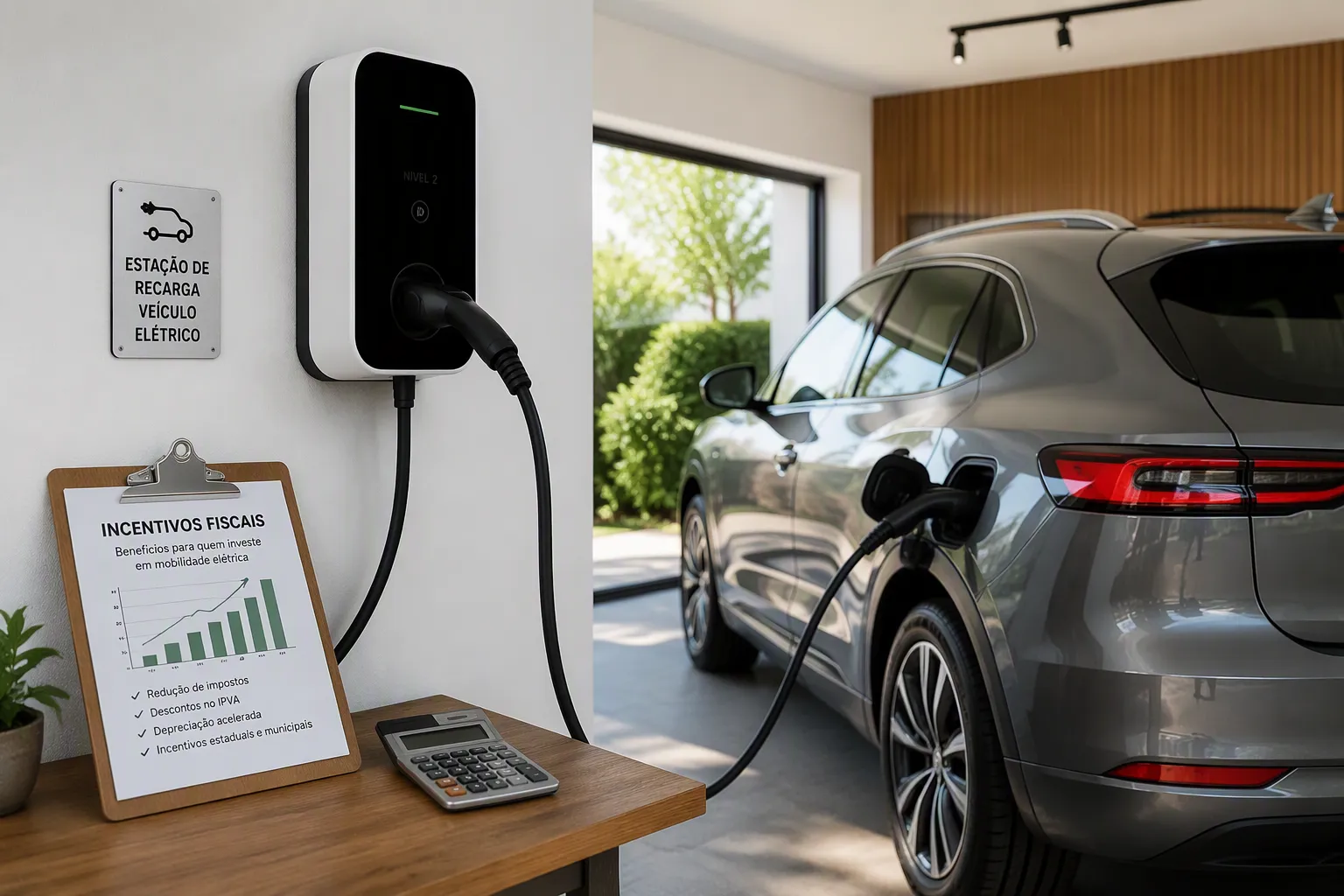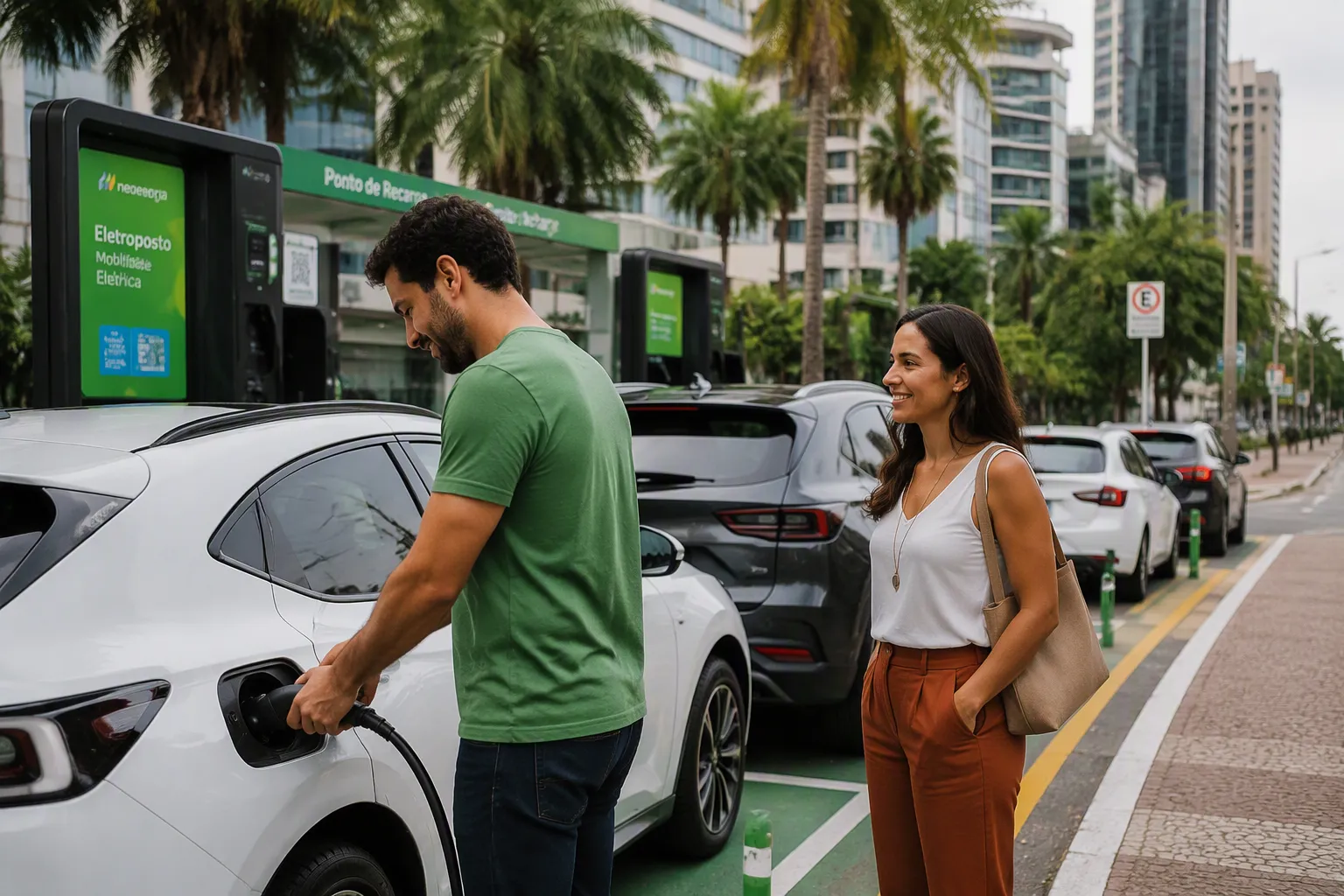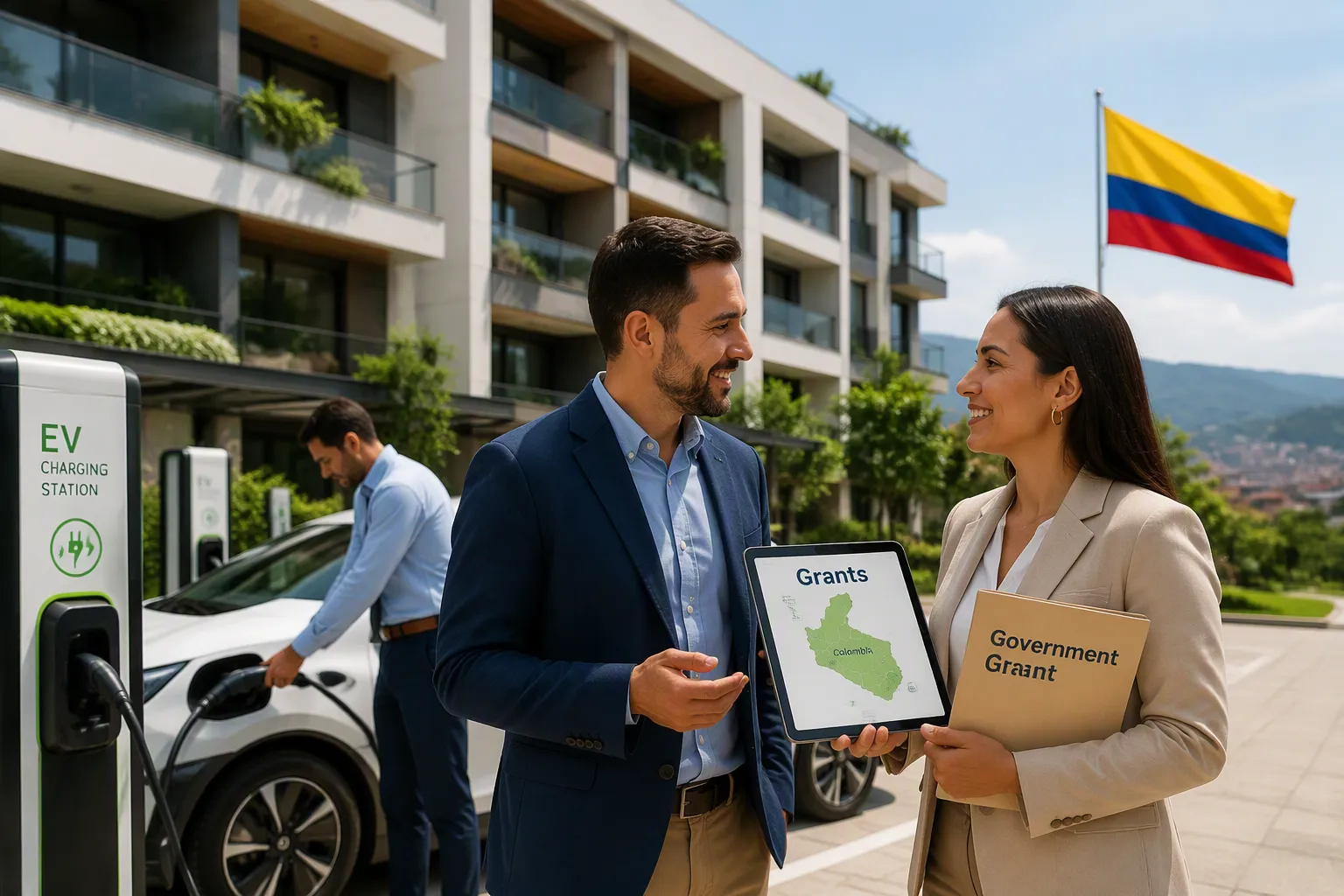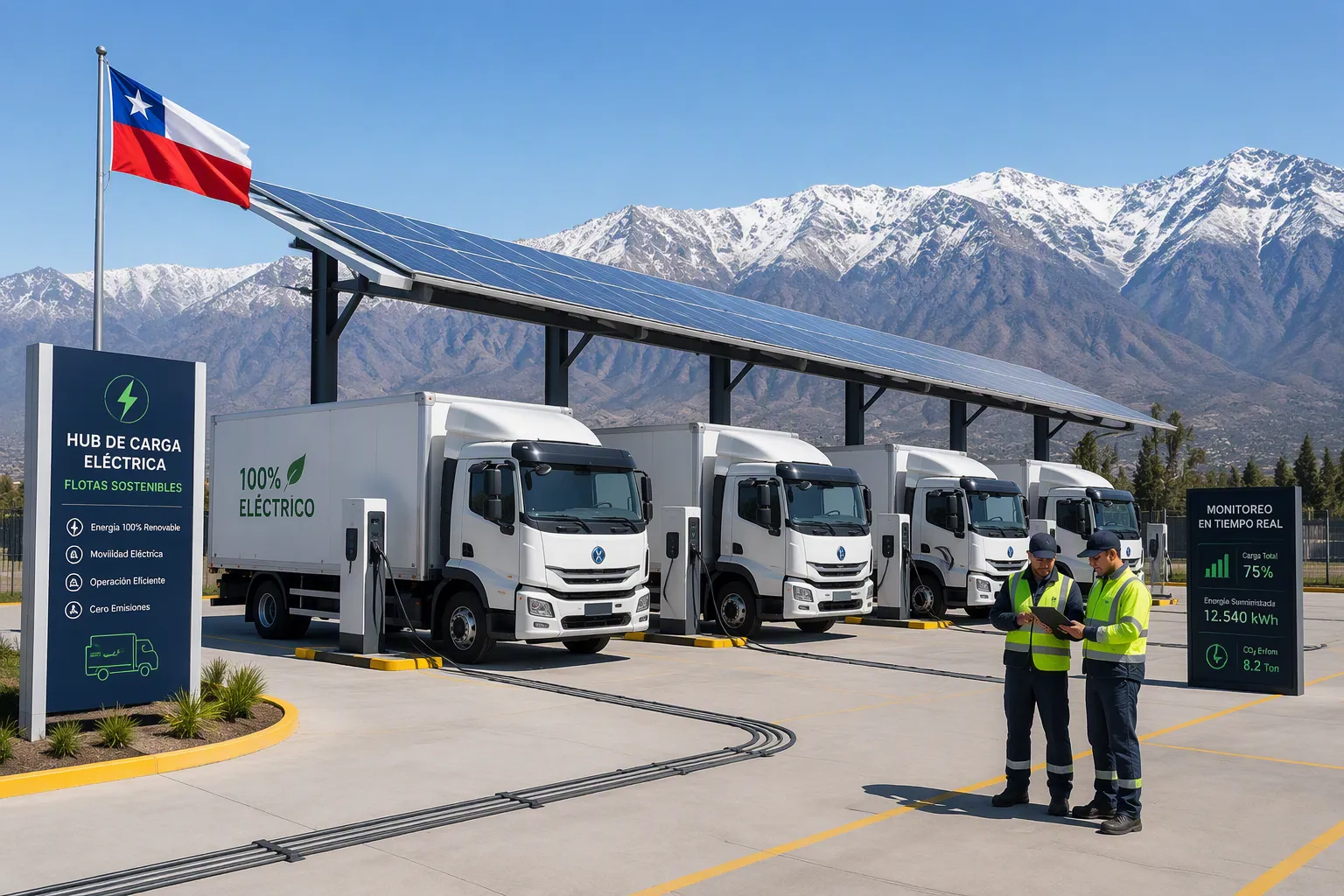

The average electric car charger installation cost for a home EV-Ladegerät typically falls between $1,200 and $2,500. This price includes both the hardware unit and standard professional labor. The final cost to install can, however, range from as low as $800 for a simple setup to over $5,000 for complex installations requiring significant electrical work.
The total cost to install EV chargers depends heavily on the hardware. Hersteller von EV-Ladegeräten, including technologically advanced providers like TPSON, offer diverse EV-Ladelösungen. Choosing a specific EV Charger over basic tragbare EV-Ladegeräte is a key decision when installing an electric car charger, influencing the average cost of installing an electric car charger at home.
What Makes Up the Total Electric Car Charger Installation Costs?

Understanding the final bill for an electric car charger installation requires breaking it down into two primary components: the price of the charging unit itself and the cost of professional labor. The choices a homeowner makes in each category significantly influence the total electric car charger installation costs.
The Charger Unit: Hardware Prices
The charger, also known as Electric Vehicle Supply Equipment (EVSE), is the first major expense. The hardware prices can vary by several hundred dollars depending on its capabilities, features, and brand.
Level 1 vs. Level 2 Ladegeräte
- Level 1 Charger: This is not a dedicated unit but rather a simple cord that comes with most electric vehicles. It plugs into a standard 120-volt wall outlet. Charging is extremely slow, adding only 3-5 miles of range per hour.
- Level 2 Charger: This is the focus for home installation. A Level 2 charger uses a 240-volt circuit, similar to an electric dryer. It dramatically speeds up charging, adding 25-60 miles of range per hour, making it the practical choice for an electric car charger at home.
Smart vs. Basic (Dumb) Chargers
The technology inside the charger also affects its price.
- Basic Chargers: These units simply deliver power to the vehicle. They lack connectivity and advanced features, offering a lower upfront cost.
- Intelligente Ladegeräte: These chargers connect to your home’s Wi-Fi. This allows you to schedule charging sessions for off-peak electricity rates, track energy usage, and control the charger via a smartphone app. Technologically advanced providers like TPSON offer these sophisticated EV charging solutions.
Gefesselte vs. ungefesselte Ladegeräte
This choice comes down to convenience and aesthetics.
- Gebundene Ladegeräte: These units have a charging cable permanently attached. This is highly convenient as the cable is always ready to use.
- Ungebundene Ladegeräte: These units have a universal socket but no attached cable. The driver must use the portable cable that came with their EV. This offers a cleaner look when not in use.
Popular Brands and Price Points
The brand name and its associated features play a large role in the hardware cost. Well-known brands offer reliability and advanced smart features, which is reflected in their cost. The cost to install is directly impacted by the unit selected.
| Marke | Modell | Approximate Hardware Cost |
|---|---|---|
| Tesla | Wandverbinder | $450 – $500 |
| Tesla | J1772 Wall Connector | $550 – $580 |
| JuiceBox | JuiceBox 40 | ~$600 |
| ChargePoint | Startseite Flex | $700 – $750 |
Installation Labor: What You’re Paying For
The second major part of the electric car charger installation costs is the professional labor. Safely installing an electric car charger is not a DIY project; it requires a skilled and licensed professional. The cost of fitting an electric car charger covers expertise, safety, and compliance.
What a “Standard Installation” Includes
A “standard” electric car charging point installation package typically covers all the essential steps to get your charger up and running safely. The process usually takes around three to four hours.
What’s Included in a Standard Job?
- Standortbewertung: The electrician evaluates your home’s main electrical panel and available capacity. They help determine the best charger location near your parking space.
- Hardware Mounting: The charging unit is securely mounted to a wall or post.
- Elektroarbeiten: The installer runs appropriate wiring from the electrical panel to the charger location and installs a new, dedicated 240-volt circuit breaker.
- Prüfung und Inbetriebnahme: The electrician performs comprehensive tests to verify proper operation, safety features, and communication between the charger and vehicle.
- Customer Walkthrough: The installer provides a final demonstration, showing you how to operate the charger and use its smart features.
Typical Labor Cost Range
Labor costs vary by region and the complexity of the job. For a standard residential installation, homeowners can expect an electrician to charge between $60 and $100 per hour. The total labor portion for a straightforward installation often falls between $375 and $625. This figure can increase if the job requires more complex wiring or panel upgrades.
The Importance of a Licensed Electrician
Hiring a licensed electrician is non-negotiable when installing an electric car charger. An expert ensures the installation adheres to all national and local electrical codes, which is critical for several reasons:
- Sicherheit: Improper wiring is a serious fire hazard and can damage your home’s electrical system or your expensive EV.
- Compliance: A licensed professional will handle necessary permits and ensure the work passes inspection, which is often required for rebates.
- Warranty: Many EV charger manufacturers require professional installation to keep the product warranty valid.
Ultimately, the electric car charger cost for labor is an investment in safety, reliability, and peace of mind.
Key Factors That Influence the Cost to Install EV Chargers
While a “standard installation” provides a useful baseline, the final electric car charger installation costs are rarely standard. Several critical factors related to a home’s unique characteristics can significantly increase the project’s complexity and price. Understanding these variables helps homeowners anticipate the true cost to install an EV charger.
Your Home’s Electrical System
The existing electrical infrastructure is the single most important factor influencing the final bill. An EV charger places a significant, sustained load on a home’s system, and not all homes are immediately ready for it.
Electrical Panel Capacity and Upgrades
The electrical panel, or electrical panel, is the heart of a home’s electrical system. It must have enough spare capacity to handle the new, dedicated circuit for the EV charger. Many older homes have 100-amp panels that may already be near their limit. An electrician will perform a load calculation to determine if an upgrade is necessary.
Upgrading a panel is a major job that adds considerable expense. The cost to upgrade an electrical panel typically falls between $500 and $2,500. The final price depends on the home’s size and the intricacy of the installation. For example, moving from a 100 A to a 200 A unit requires heavier cabling and additional protective devices.
| Consumer Unit Rating | Geschätzte Materialkosten | Typical Labour & Certification |
|---|---|---|
| 100 A | $120–$220 | $350–$550 |
| 200 A | $220–$320 | $450–$750 |
Age and Condition of Wiring
The age of a home’s wiring can also impact the cost to install EV chargers. Older wiring may not comply with current electrical safety regulations for high-power circuits. During the assessment, an electrician might find that existing wiring is outdated or unsafe, requiring replacement before installing an electric car charger. This essential safety work is an additional, and often unforeseen, expense.
Installation Location and Complexity
The physical placement of the charger and the path the cable must take from the panel to the unit play a huge role in determining labor time and material prices.
Abstand zum Sicherungskasten
The distance between the electrical panel and the desired charger location directly affects the cost. A longer distance requires more armored electrical cable, which is expensive, and increases the labor hours needed to run and secure it.
Anmerkung: A standard installation often assumes the charger is mounted on the same wall as the electrical panel or within a few metres. Every additional metre of cable adds to the total cost.
Complex Cable Routing (Through Walls or Ceilings)
A simple installation involves running a cable along the surface of a garage wall. However, if the cable must be routed through finished interior walls, across ceilings, or between floors to reach the parking space, the job becomes much more complex. This type of work involves drilling, fishing wires, and potentially plaster repair, all of which increase labor time for the electric car charging point installation.
Trenching and Groundworks for Detached Garages
Installing an electric car charger in a detached garage or on a driveway post presents a unique challenge. The electrical cable must be run underground from the house to the charging location. This process, known as trenching, requires digging a channel, laying conduit, and backfilling the trench. This additional groundwork can add $150 to $400 or more to the project, depending on the distance and the type of surface (e.g., soil vs. concrete).
Administrative and Regional Costs
Beyond the hardware and direct labor, several other costs contribute to the final invoice. These factors vary significantly based on where a homeowner lives.
Local Permit and Inspection Fees
Most local authorities require a permit for an electrical project of this scale. The electrician will typically handle the permit application process. After the work is complete, a local inspector may need to visit the site to verify that the installation meets all safety codes. The fees for these permits and inspections are passed on to the homeowner and can range from $50 to over $300.
Regional Differences in Labor Rates
The cost to install EV chargers is also subject to regional economic factors. Labour rates for qualified electricians are generally higher in major metropolitan areas and the southeastern regions compared to more rural parts of the country. This geographical difference in wages will be reflected in the quotes received for the installation. When choosing a technologically advanced solution from a provider like TPSON, ensuring the installer is qualified is just as important as the hardware itself.
How Much Does It Cost to Install an EV Charger After Incentives?
The initial installation price is not the final number for many homeowners. Various government and utility incentives can dramatically reduce the total expense. Understanding these programs is key to determining how much does it cost to install an ev charger for your specific situation. These financial aids make the investment in home charging more accessible.
Bundessteuervergünstigungen und Rabatte
The U.S. federal government offers a significant tax credit to encourage the adoption of home charging infrastructure. This incentive directly reduces a homeowner’s tax liability.
The Alternative Fuel Vehicle Refueling Property Credit
This federal tax credit, also known as IRS Form 8911, applies to the cost of both the charger hardware and the installation labor. It provides a substantial discount on the total project cost for both residential and commercial properties.
| Kategorie | Maximum Credit Amount |
|---|---|
| Hauseigentümer | $1,000 |
| Unternehmen | $100,000 |
Eligibility and How to Claim
To claim the credit, homeowners must file IRS Form 8911 with their annual federal tax return. The charging equipment must be placed in service during the tax year at the taxpayer’s primary residence. It is essential to keep all receipts for the charger purchase and the electrician’s installation invoice, as these documents are required for tax filing.
State and Local Government Incentives
Beyond federal support, many states, counties, and cities offer their own rebates and grants. These programs can often be combined with the federal tax credit for even greater savings.
How to Research Your State’s Programs
Homeowners should visit their state’s Department of Energy or environmental protection agency website. These sites often have dedicated pages listing available incentives for electric vehicles and charging equipment. The U.S. Department of Energy’s Alternative Fuels Data Center also maintains a comprehensive, searchable database of state and local laws and incentives.
Examples of State-Level Rebates
The value and type of incentives vary widely by location. Some states have established robust programs to accelerate EV adoption.
- California: Offers rebates of up to $2,000 for home charging installation, with a significant portion of funding directed toward low-income communities.
- New York: Launched a major program to build over 50,000 charging stations, with funds available for various projects.
- Colorado: Provides similar rebate programs for both homeowners and businesses to offset installation costs.
Utility Company Rebates and Programs
Local energy providers are another excellent source of savings. Many utilities offer financial incentives to manage energy demand and promote clean transportation.
Finding Rebates from Your Energy Provider
Many utility companies provide direct rebates for the purchase of a qualified Level 2 charger.
Tipp: Check your utility’s website for an “EV” or “Electric Vehicles” section. Rebates often require the purchase of a specific smart charger, like those from technologically advanced providers such as TPSON, which helps the utility manage grid load.
Special EV Time-of-Use Rates
Many utilities offer special Time-of-Use (TOU) rate plans for EV owners. These plans provide significantly cheaper electricity during off-peak hours, typically overnight. Scheduling a vehicle to charge during these windows dramatically lowers the cost of “fueling” an EV compared to charging during expensive peak times.
| Zeitraum | Time Window | Typical Rate Example (per kWh) |
|---|---|---|
| Außerhalb der Hauptgeschäftszeiten | 12:00 AM – 5:00 AM | $0.07 – $0.10 |
| Peak Times | 4:00 PM – 9:00 PM | $0.28 – $0.35 |
Is the Cost of Installing an Electric Car Charger Worth It?
After reviewing the initial project expenses, many homeowners question if the cost of installing an electric car charger is a worthwhile investment. The answer becomes clear when comparing long-term savings, daily convenience, and overall safety. For most EV owners, the benefits far outweigh the upfront electric car charger cost.
Home Charging vs. Public Charging: A Cost Comparison
The most significant financial advantage of an electric car charger at home is the dramatic reduction in “fueling” expenses. Charging costs vary significantly between home and public networks.
| Art der Aufladung | Durchschnittliche Kosten pro kWh |
|---|---|
| Laden zu Hause (Off-Peak) | $0.10 – $0.15 |
| Öffentliches Level-2-Laden | $0.30 – $0.40 |
| DC-Schnellaufladung | $0.45 – $0.85+ |
Cost-Per-Mile: Home Charging on Off-Peak Rates
Charging an EV at home, especially on off-peak electricity rates, offers the lowest possible cost per mile. This can be less than half the cost per mile of a gasoline-powered car, leading to hundreds or even thousands of dollars in annual savings depending on mileage.
Cost-Per-Mile: Public Level 2 Charging
Public Level 2 stations, often found in shopping centers or workplaces, are more expensive than charging at home. While convenient for topping up during the day, relying on them regularly diminishes the potential fuel savings of owning an EV.
Cost-Per-Mile: DC Fast Charging
DC Fast Charging provides the quickest charge but comes at the highest price, sometimes costing as much per mile as gasoline. These stations are essential for long-distance travel but are not an economical choice for daily charging needs.
The Value of Convenience and Time
Beyond pure cost savings, the convenience of home charging is a primary benefit.
The Benefit of Waking Up to a Full Charge
The ultimate convenience is starting every day with a fully charged vehicle. EV drivers can simply plug in when they arrive home and wake up to a full battery, ready for any trip. This routine is a major reason why studies show über 60% of EV drivers primarily charge their vehicles at home.
Eliminating Trips and Wait Times at Public Stations
A home charger eliminates the need to plan trips around public charging availability. It removes the time spent searching for an open station, waiting for a previous user to finish, and then waiting for the vehicle to charge. Only a small fraction of EV owners—around 9%—rely on the public network as their main power source.
Dedicated Charger vs. Standard Wall Outlet (Level 1)
While using a standard wall outlet (Level 1) is possible, a dedicated Level 2 charger is superior in every practical way. The cost to install a proper unit is justified by its speed and safety.
Geschwindigkeit und Effizienz der Aufladung
A dedicated Level 2 charger is significantly faster than a standard outlet. This speed difference is crucial for ensuring a vehicle is fully charged overnight.
| Ladegerät Typ | Mehr Reichweite pro Stunde |
|---|---|
| Level 1 (Haushaltssteckdose) | 8–10 Meilen |
| Level 2 (Dedicated Charger) | 25-30+ miles |
Safety, Reliability, and Smart Features
Safety is the most critical reason for installing an electric car charger. Standard wall sockets are not designed for the continuous, high-power load required for EV charging.
Warnung: Prolonged use of a standard outlet can lead to overheating, melted sockets, and a serious risk of fire, especially in homes with older wiring.
A professionally installed Level 2 charger, such as a technologically advanced unit from a provider like TPSON, includes essential safety features like overheating protection and proper grounding. These smart chargers also offer scheduling and energy tracking, adding a layer of control and efficiency that standard outlets cannot provide.
The EV Charger Installation Process from Start to Finish

The electric car charger installation process involves several clear steps, from initial planning to the final walkthrough. Understanding this journey helps homeowners manage expectations and ensure a smooth, safe installation.
Step 1: Pre-Installation Assessment
A thorough pre-installation assessment is the foundation for a successful project. Homeowners should evaluate several key factors before contacting an installer.
Evaluating Your Parking Situation
Homeowners must first determine where the vehicle will consistently park. The location must be practical for daily use. The distance from the parking spot to the electrical panel will influence the cost and complexity of the installation.
Überprüfung der elektrischen Kapazität Ihres Hauses
An electrician will need to perform a load calculation on the home’s electrical panel. This step confirms if the system can handle the sustained power draw of an EV charger. Many older homes may require a panel upgrade to support an electric car charger at home.
Choosing the Best Charger Location
The ideal location is typically on a garage wall or a post near the parking space. The installer will plan the most direct and safe cable route from the panel to the charger. This planning minimizes disruption to walls and landscaping.
Step 2: Finding and Hiring a Qualified Installer
Selecting the right professional is the most critical part of installing an EV charger. This is not a DIY project.
Warum Sie einen lizenzierten Elektriker engagieren müssen
Hiring a licensed electrician is essential for safety and compliance. Professionals like those approved by manufacturers ensure the work meets all electrical codes. This validation is often required to maintain the charger’s warranty und qualify for government grants.
How to Get and Compare Multiple Quotes
Homeowners should obtain at least three quotes from different qualified installers. This allows for a comparison of costs, proposed solutions, and timelines. Many charger manufacturers and government energy agencies provide online tools to find Zertifizierte lokale Installateure.
Wichtige Fragen an einen potenziellen Installateur
Vor der Beauftragung sollten Hausbesitzer mehrere wichtige Fragen stellen, um einen potenziellen Installateur zu prüfen.
- Sind Sie lizenziert und speziell für die Installation von EV-Ladeequipment geschult?
- Beinhaltet das Angebot alle Kosten für Arbeit, Material und Genehmigungen?
- Welche Leistung (z.B., 7,4 kW) empfehlen Sie für mein Zuhause und mein Fahrzeug?
- Ist der vorgeschlagene Ladepunkt ein “Smart”-Gerät mit Funktionen wie App-Steuerung und Ladeplanung?
- Was umfasst die Garantie sowohl für die Hardware als auch für Ihre Handwerksleistung?
Schritt 3: Was am Installationstag zu erwarten ist
Am Tag der Installation der Elektroauto-Ladestation folgt der Elektriker einem strukturierten Ablauf.
Die Vor-Ort-Begutachtung und Planbestätigung
Der Installateur trifft ein und bestätigt zunächst den Plan. Er überprüft den Standort des Ladegeräts, den Kabelweg und den Anschlusspunkt am Verteilerkasten. So ist sichergestellt, dass vor Arbeitsbeginn alle einverstanden sind.
Die physische Installationsarbeit
Der Elektriker führt dann die physische Arbeit aus. Dazu gehört die Montage des Ladegeräts, das Bohren von Durchführungen für das Kabel und das Verlegen der Leitungen. Er installiert einen neuen, dedizierten Leistungsschalter im Verteilerkasten, was eine kurze Stromabschaltung erfordert.
Endprüfung, Inbetriebnahme und Einweisung
Nach der Installation eines Elektroauto-Ladegeräts führt der Elektriker umfassende Tests. durch. Er stellt sicher, dass alle elektrischen Verbindungen sicher sind und das Ladegerät korrekt funktioniert. Der letzte Schritt ist eine Einweisung, bei der der Installateur die Nutzung des Ladegeräts und seiner Smart-Funktionen, wie z.B. der App für eine technologisch fortschrittliche TPSON-Einheit, demonstriert.
Die durchschnittlichen Kosten für die Installation einer Elektroauto-Ladestation stellen für die meisten EV-Besitzer eine wertvolle Investition dar. Verschiedene Förderungen können die Gesamtkosten für die Installation von EV-Ladestationen erheblich senken. Die langfristigen Einsparungen und der unvergleichliche Komfort einer heimischen Elektroauto-Ladestation machen sie zur klaren Wahl für den täglichen Gebrauch. Um die endgültigen Kosten für die Installation einer Elektroauto-Ladestation zu verstehen, sollten Hausbesitzer mehrere Angebote von qualifizierten Elektrikern einholen. Diese professionelle Einschätzung ist der beste Weg, um die tatsächlichen Installationskosten zu ermitteln und ist unerlässlich bei der Installation einer Elektroauto-Ladestation.
FAQ
Wie lange dauert eine typische EV-Ladegeräteinstallation?
Eine Standardinstallation ist in der Regel innerhalb weniger Stunden abgeschlossen. Komplexere Arbeiten, wie solche, die Grabearbeiten oder einen Verteilerkasten-Upgrade erfordern, können einen ganzen Tag oder länger dauern. Ein Installateur gibt nach der Begutachtung der Immobilie einen Zeitrahmen an.
Kann ich ein EV-Ladegerät selbst installieren, um Geld zu sparen?
Hausbesitzer sollten niemals ein EV-Ladegerät selbst installieren. Die Arbeit beinhaltet Hochvoltstrom und erfordert einen lizenzierten Fachmann. Eine fehlerhafte Installation birgt ein ernsthaftes Brandrisiko, macht Garantien ungültig und besteht möglicherweise nicht die erforderlichen Sicherheitsprüfungen.
Welche Leistungsstufe (kW) des Ladegeräts benötige ich?
Die meisten Haushalte sind gut für ein 7,4-kW-Ladegerät geeignet, das über Nacht eine Vollladung ermöglicht. Die ideale Leistungsstufe hängt von der Ladekapazität des Fahrzeugs und der elektrischen Kapazität des Hauses ab. Ein Elektriker kann die beste Option empfehlen.
Woher weiß ich, ob mein Elektroverteilerkasten ein Upgrade benötigt?
Ein Elektriker stellt durch eine Lastberechnung fest, ob ein Upgrade notwendig ist. Er prüft, ob der Verteilerkasten genügend freie Kapazität hat, um den kontinuierlichen Leistungsbezug des Ladegeräts sicher zu unterstützen. Ältere Häuser mit 100-Ampere-Anschluss benötigen oft ein Upgrade.
Was ist der Unterschied zwischen einem kabelgebundenen und einem nicht kabelgebundenen Ladegerät?
Ein fest angeschlossenes Ladegerät (tethered) hat ein dauerhaft befestigtes Kabel für maximalen Komfort. Ein steckbares Ladegerät (untethered) hat eine universelle Steckdose, bei der der Fahrer sein eigenes portables Kabel verwenden muss. Dies bietet ein saubereres Erscheinungsbild, wenn das Gerät nicht in Gebrauch ist.
Warum sollte ich ein Smart-Ladegerät wählen?
Smart-Ladegeräte bieten erhebliche Vorteile gegenüber Basismodellen.
Technologisch fortschrittliche Lösungen, wie z.B. von Anbietern wie TPSON, ermöglichen es Nutzern, das Laden zu günstigeren Stromtarifen, zu planen, den Energieverbrauch zu überwachen und das Gerät per Smartphone-App fernzusteuern, um die Effizienz zu steigern.
Sind die Installationskosten inklusive Ladegerät?
Einige Installateure bieten einen Paketpreis an, der sowohl Hardware als auch Arbeitsleistung beinhaltet. Viele Angebote trennen jedoch diese beiden Kosten. Hausbesitzer sollten immer klären, ob das Ladegerät im Gesamtpreis enthalten ist, um Überraschungen zu vermeiden.