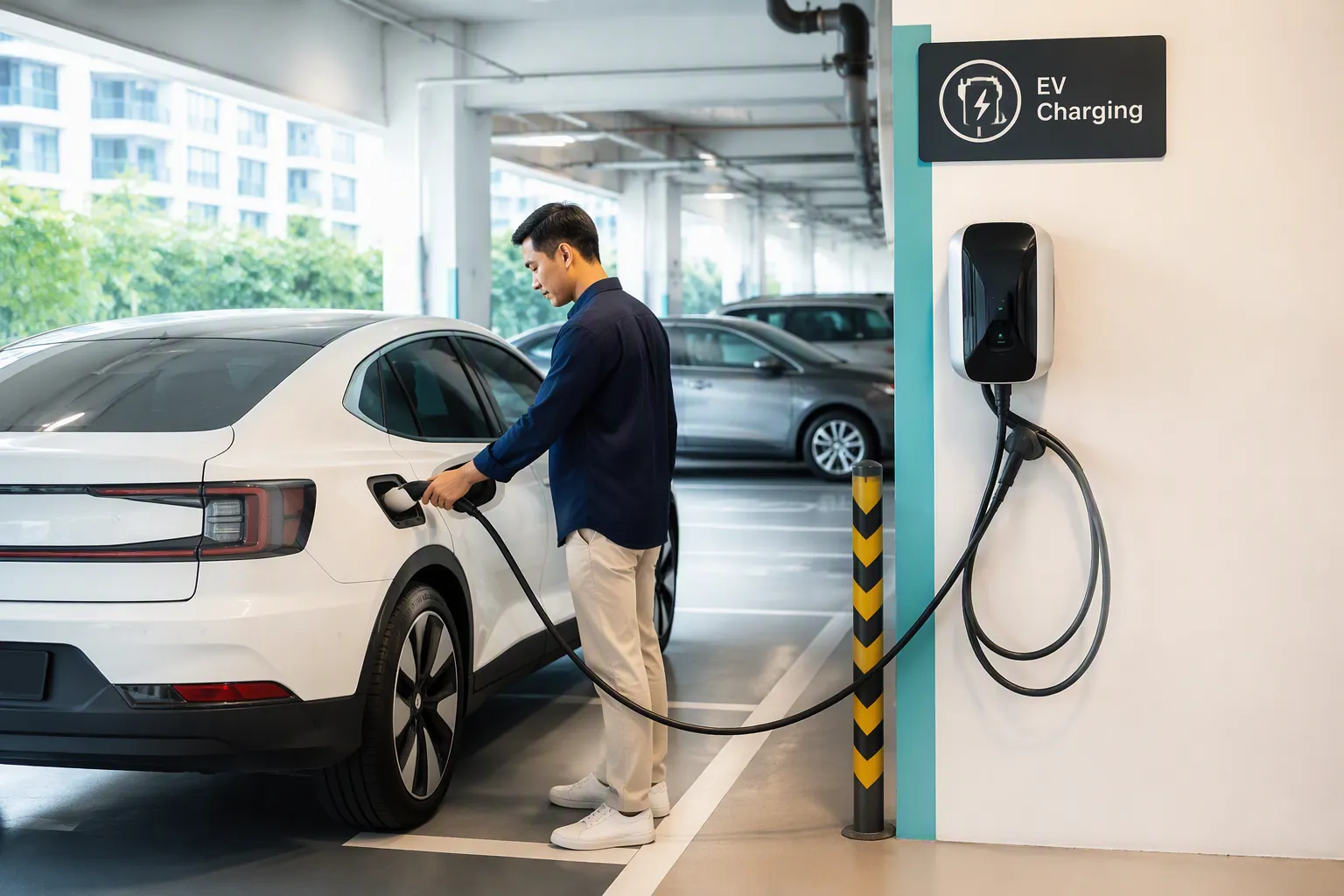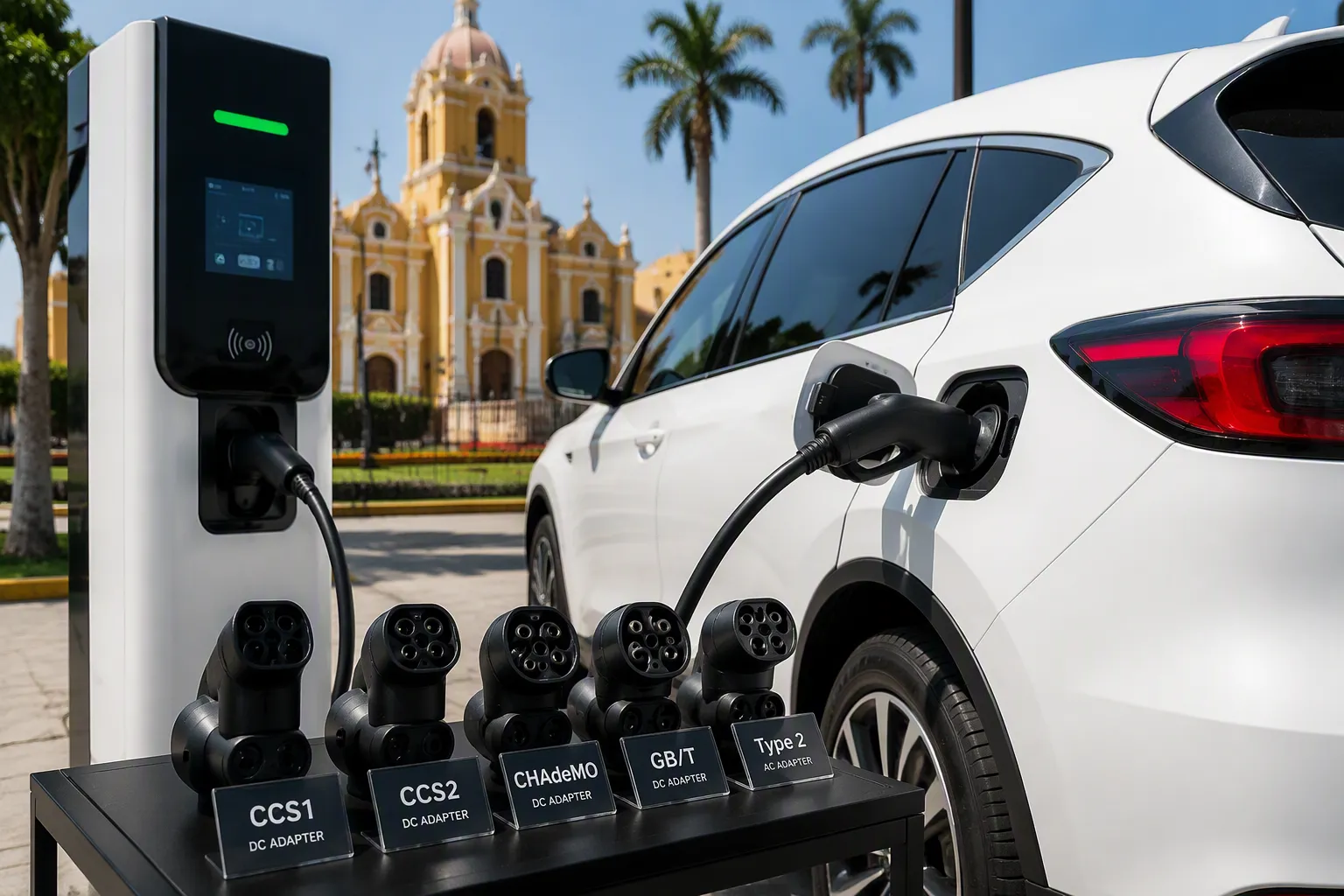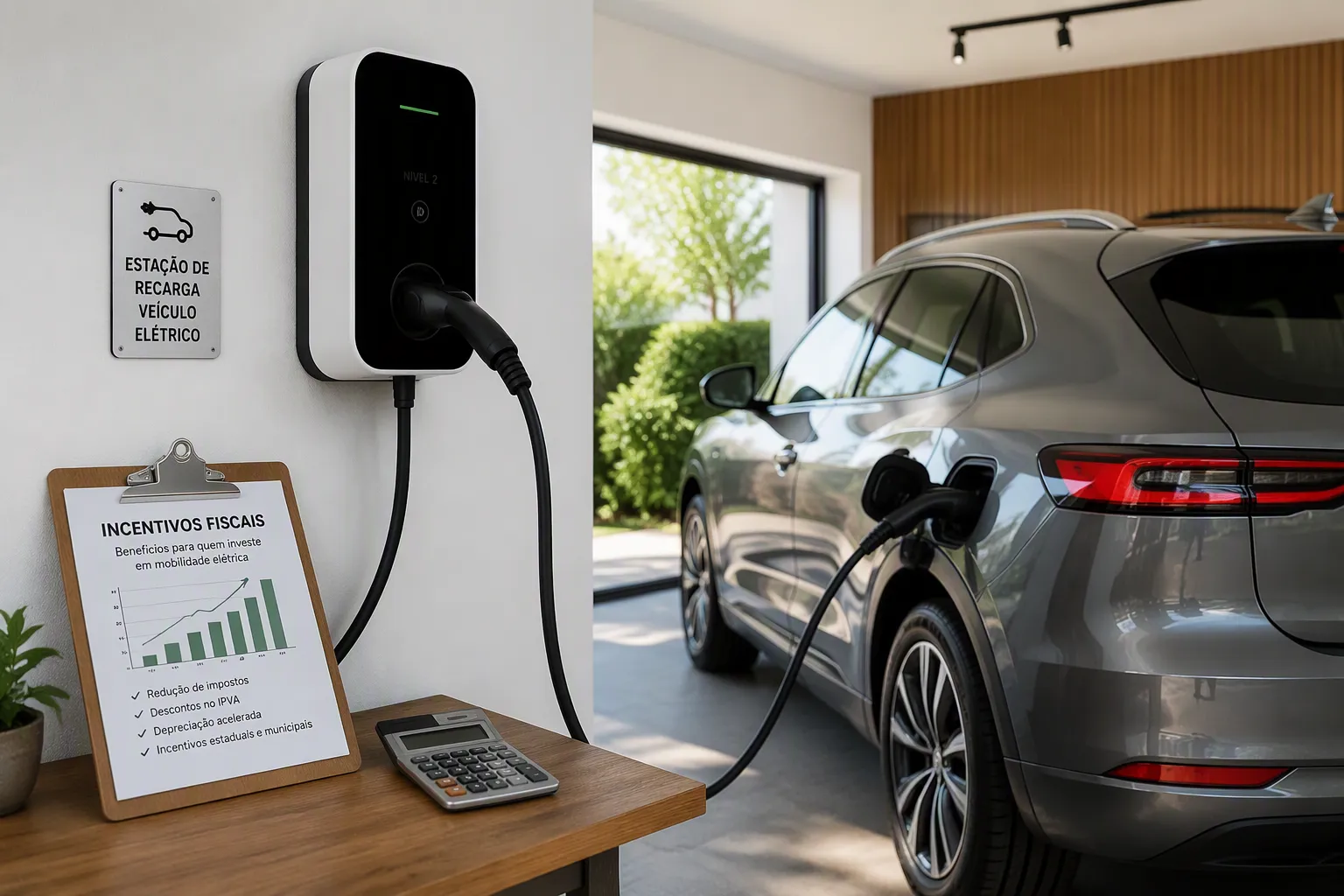

The question of whether to charge to 80% or 100% is a critical one for modern device owners. For daily routines, limiting the charge to 80% is an effective strategy to protect long-term battery health. This charging principle is so significant that Производители зарядных устройств для электромобилей now develop advanced Решения для зарядки электромобилей. Every Зарядное устройство для электромобилей, including compact портативные зарядные устройства, is designed with this in mind. However, a full 100% charge is perfectly acceptable and often necessary for long travel days or when a power source is unavailable.
The Science of Lithium-Ion Battery Aging
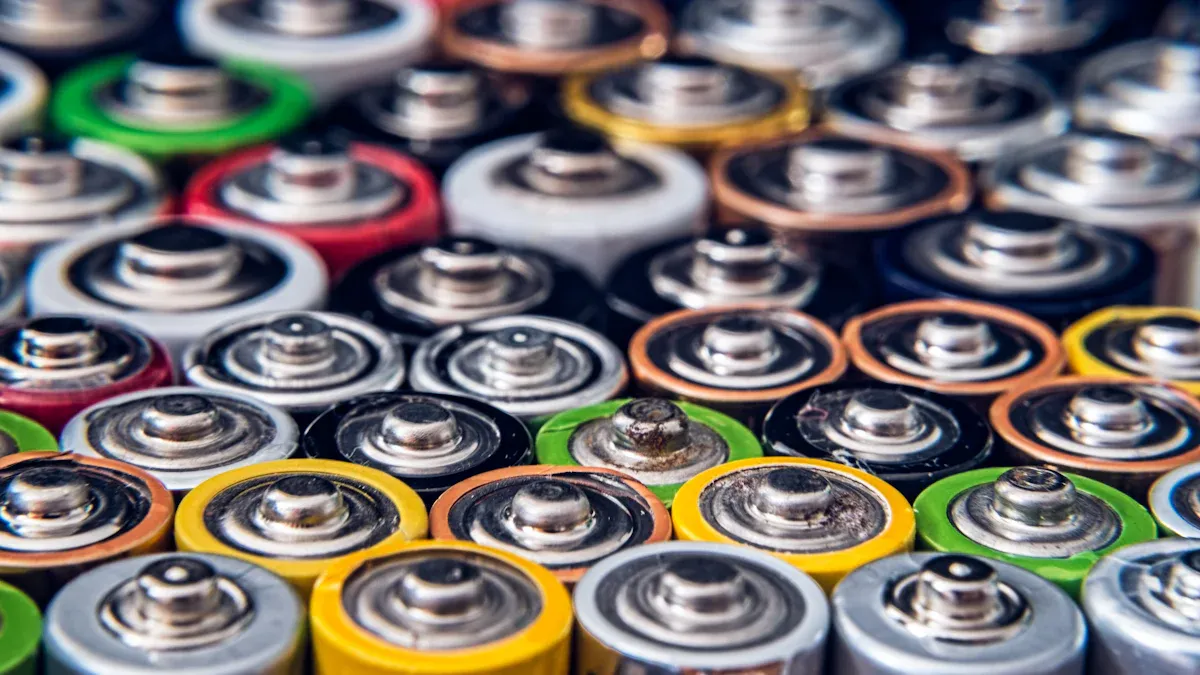
Understanding why an 80% charge is beneficial requires a look inside your device’s power source. The lithium-ion batteries in modern electronics are marvels of engineering, but they are not immortal. Their lifespan is a direct result of their chemistry and how users treat them.
What Is a Lithium-Ion Battery?
A battery is essentially a container for chemical energy. It converts this stored energy into electrical power to run a device. This process, however, causes gradual wear over time.
The Basics of How Your Battery Works
Every time a device charges, tiny particles called lithium ions travel from a positive electrode (cathode) to a negative electrode (anode). When the device is used, these ions travel back, creating an electrical current. The core components enabling this process include:
- Graphite: This carbon material typically forms the negative electrode (anode).
- Lithium Cobalt Oxide: This is a common material for the positive electrode (cathode), though some batteries use alternatives with nickel or manganese.
- Electrolyte: A chemical solvent that allows the lithium ions to move between the electrodes.
Why All Batteries Eventually Degrade
All batteries degrade because charging and discharging are physical processes. Researchers have found that over many cycles, some atoms on the surface of the cathode material rearrange themselves. This creates new, inactive structures that can no longer store energy effectively. This “fatigued” material loses its ability to hold a full charge, permanently reducing the battery’s maximum capacity.
Key Factors That Stress Your Battery
Three main factors accelerate this aging process: high voltage, heat, and charge cycles. Managing these stressors is the key to a longer battery lifespan.
High Voltage and Its Impact
High voltage places significant stress on the battery’s internal components. The battery experiences the most voltage stress when it is charged above 80% or discharged below 20%.
Примечание: Think of a battery’s charge level like blood pressure. Keeping it in a stable, moderate range (20-80%) is much healthier than pushing it to its absolute maximum or minimum all the time.
The Damaging Effects of Heat
Heat is a battery’s worst enemy. It acts as a catalyst, speeding up the harmful chemical reactions that cause degradation. Charging, especially fast charging, generates heat. When a battery is already at a high state of charge (like 90%), the additional heat from зарядки до 100% accelerates the breakdown of the electrolyte and cathode materials.
Understanding Charge Cycles
A charge cycle is one full discharge and recharge, from 100% down to 0% and back up. This can also be cumulative; for example, using 50% of your battery one day and recharging, then using another 50% the next day, equals one full cycle. Each cycle causes a tiny amount of irreversible capacity loss. While the effect of a single cycle is minuscule, the damage adds up. Research shows this degradation, though slow, can reach a noticeable 6% loss over 500 cycles.
Why 80% Is the Sweet Spot for Daily Charging
The previous section established that high voltage and heat degrade batteries. The 80% charging limit directly addresses these stressors, making it the ideal target for daily use. This practice offers a practical way to extend a battery’s lifespan without a significant impact on daily usability.
Reducing High-Voltage Stress
Voltage is not uniform across the entire charging spectrum. A battery experiences significantly more strain at the upper and lower ends of its capacity. Keeping a battery at a 100% state of charge for extended periods stresses the cells due to this high voltage, which in turn amplifies degradation.
The 80% to 100% High-Stress Zone
The final 20% of the charging process, from 80% to 100%, is the most stressful for a lithium-ion battery. During this phase, the internal resistance increases. The charger must push more voltage to pack the last lithium ions into the anode. This sustained high-voltage state accelerates the breakdown of core battery components, leading to permanent capacity loss.
Analogy: The Overstretched Rubber Band
Think of a battery like a new rubber band. You can stretch it to 80% of its maximum length thousands of times with little wear. However, if you stretch it to its absolute limit (100%) and hold it there, the band will quickly lose its elasticity. It becomes weaker and will eventually snap. A battery held at 100% charge experiences a similar kind of constant, damaging tension.
Slowing Down Chemical Degradation
High charge levels do more than just apply physical stress; they also act as a catalyst for harmful chemical reactions. Consistently charging a lithium-ion battery to 100% can accelerate its degradation. This is why experts recommend keeping the charge level within a more stable range.
How High Charges Accelerate Chemical Aging
A fully charged battery is in a highly energetic and unstable state. This high energy level speeds up the oxidation of the electrolyte, a process that coats the electrodes with resistive layers. These layers make it harder for lithium ions to move, effectively reducing the battery’s ability to store and deliver power. This is a key reason why battery health declines over time.
Keeping Your Battery in a Stable State
The goal is to keep the battery in a less volatile, more stable chemical state as often as possible. The healthy 20-80% range provides this stability. Studies even suggest that an 85% state-of-charge offers an optimal balance between available energy and long-term battery longevity. Avoiding the extremes prevents the battery from entering these high-stress, chemically reactive states.
The Long-Term Benefits of the 80% Rule
Adopting the 80% charging rule yields tangible, long-term rewards. While the daily difference is unnoticeable, the cumulative effect over months and years is significant. This practice is a cornerstone of preserving battery capacity.
Extending Your Battery’s Total Lifespan
Consistently capping the daily charge at 80% can dramatically increase the total number of charge cycles a battery can endure before its capacity significantly drops. This simple habit helps mitigate degradation over time. For example, a battery regularly charged to 80% might retain over 80% of its original capacity after several years, while one always charged to 100% might fall below that threshold much sooner.
Maintaining Higher Capacity Over Time
The most practical benefit is a battery that holds its charge better for longer. Regularly charging to 100% can negatively impact future battery capacity, even though the process itself is safe. By following the 80% guideline, users ensure their device maintains a higher maximum capacity throughout its life. This means that two years from now, a device managed this way will last noticeably longer on a single charge than an identical one that was always charged to 100%.
When Charging to 100% Is the Right Choice
While the 80% rule is excellent for daily battery maintenance, it is a guideline, not an unbreakable law. Certain situations not only permit but demand a full 100% charge. In these cases, the immediate need for maximum battery capacity outweighs the long-term goal of battery preservation.
For Maximum Usage and Peace of Mind
The primary reason to charge to 100% is to maximize the device’s utility when power is scarce or a long day is ahead. This provides users with confidence and reliability.
Long Travel Days
A full charge is essential before long trips. It ensures the device has the maximum energy available for navigation, communication, and entertainment. This is especially critical for электромобили, where range is a primary concern. A 100% charge offers:
- Maximum Range: The full battery capacity provides the longest possible usage time.
- Гибкость: It gives users the freedom to handle unexpected delays or detours without range anxiety.
- Спокойствие: A full battery allows for worry-free travel, knowing the device is prepared for an extended journey.
When a Charger Isn’t Available
Users heading into situations where they will be away from a power outlet for an entire day—such as conferences, outdoor events, or long work shifts—should start with a 100% charge. This ensures their device remains functional when it is needed most.
Готовность к чрезвычайным ситуациям
In preparation for potential power outages or emergencies, charging devices to 100% is a wise precaution. A fully charged phone or laptop can be a critical lifeline for communication and information when the electrical grid is down.
For Accurate Battery Calibration
Another important reason for a full 100% charge is to perform battery calibration. This process helps the device’s software provide an accurate reading of the battery’s remaining power.
What Is Battery Calibration?
Battery calibration is the process of resetting the battery management system (BMS). The BMS is the small computer that monitors the battery’s health and reports its state of charge. Over time, its readings can become inaccurate.
Why Your Device Needs It Occasionally
Lithium-ion batteries do not suffer from the old “memory effect,” but the BMS can become miscalibrated after many partial charging cycles. This can cause the device to show an incorrect battery percentage or shut down unexpectedly, even when it reports having 10% or 20% charge left. A full charge-and-discharge cycle allows the BMS to relearn the battery’s true upper and lower capacity limits.
How Often to Calibrate (Once a Month)
Совет профессионала: To recalibrate, let the device discharge to a low level (around 15-20%), then perform one complete, uninterrupted charging cycle all the way to 100%. Experts advise performing this recalibration process about once a month or every 30 cycles to ensure the battery percentage display remains accurate.
The Great Debate: Should You Charge to 80% or 100%?
The discussion about whether to charge to 80% or 100% ultimately comes down to balancing long-term battery health with immediate, practical needs. There is a strong case for both approaches, and the best strategy depends entirely on the user’s daily habits and requirements.
The Case for 80% Daily
Adopting an 80% daily charging limit is a proactive strategy for maximizing a battery’s total lifespan. The benefits are tangible and rooted in the chemistry of lithium-ion cells.
Measurable Longevity Gains
Data consistently shows that avoiding the extremes of a battery’s charge state leads to better long-term health. Sticking to a moderate charging window offers clear advantages.
- Keeping the charge level между 20% и 80% is the ideal range for minimizing battery degradation.
- This practice avoids the high-voltage stress that occurs when a battery is pushed to its maximum capacity.
Less Heat Generation
Heat is a primary enemy of battery health. The final stage of charging generates the most heat as the system works harder to fill the battery completely. By stopping at 80%, users effectively sidestep this high-temperature phase, keeping the battery cooler and slowing down chemical aging.
The Case for 100% When Needed
While the 80% rule is excellent for longevity, a device’s main purpose is to be useful. There are valid and important reasons to charge to 100%.
Maximizing Daily Utility
A full charge provides maximum runtime. For users facing long days, travel, or periods without access to a power source, a 100% charge is not just convenient—it is necessary. The immediate benefit of a fully powered device often outweighs the incremental, long-term wear.
The Role of Modern Safeguards
Modern devices are equipped with sophisticated Battery Management Systems (BMS). These systems are designed to protect the battery from damage. Once a battery reaches 100%, the BMS automatically stops the charging process to prevent overcharging, making it perfectly safe to charge to full when needed.
Finding Your Personal Balance
The optimal strategy is not a rigid rule but a flexible guideline tailored to individual lifestyles. Users should find a routine that works for them without causing unnecessary anxiety.
Assessing Your Daily Needs
Users should consider their typical usage patterns. If a person regularly ends the day with over 40% battery remaining, charging to 80% is a practical and beneficial habit. If they frequently run low on power, charging to 100% is the more sensible choice.
It’s Not All or Nothing
The decision to charge to 80% or 100% is not a permanent commitment. The best approach is to charge to 80% on normal days and reserve a full 100% charge for the days when maximum capacity is truly required. This balanced method provides both longevity and utility.
Debunking Common Battery Myths
Misinformation about battery care is widespread. Many outdated tips can actually harm modern batteries rather than help them. This section clarifies the truth behind three of the most common battery myths.
The “Memory Effect” Myth
The “memory effect” is a persistent myth that often leads to improper charging habits. It suggests a battery must be fully drained before recharging to avoid losing capacity.
Does It Apply to Modern Batteries?
No, the memory effect does not apply to the lithium-ion (Li-ion) batteries found in today’s smartphones, laptops, and EVs. Modern Li-ion batteries have a distinct chemical composition that makes them immune to this issue. Users can charge them at any time, regardless of the current power level, without any negative impact from a “memory.”
Where This Myth Originated
This myth has its roots in older battery technologies. NASA engineers first observed the phenomenon in the 1960s with nickel-cadmium (NiCd) batteries on satellites. They noticed that after repeated partial discharges, the batteries would “remember” the partial level and only supply the energy added during the last charge. This happened because crystals would form on the battery’s cadmium cathode, reducing its ability to hold a full charge. This problem was specific to NiCd and some Nickel-Metal Hydride (NiMH) batteries from the 1970s and 80s.
“You Must Drain Your Battery to 0%”
This myth is a direct consequence of the memory effect misconception. For modern batteries, intentionally draining them to 0% is not only unnecessary but also detrimental.
Why Deep Discharges Are Harmful
Letting a lithium-ion battery fully discharge to 0% places significant strain on its internal chemistry. Each deep discharge accelerates the degradation of the battery’s components, leading to a faster decline in its overall capacity and lifespan. It is one of the most stressful events a battery can experience.
The Ideal Lower Limit: 20%
Experts recommend keeping a device’s battery level above 20% whenever possible. This practice helps maintain a stable internal environment and minimizes stress.
For optimal battery health, users should aim to keep the charge within a specific window.
- Maintain a charge level between 20% и 80% для повседневного использования.
- This range minimizes stress on the battery’s internal layers.
- At a 50% charge, the battery’s chemistry is in a state of near-perfect equilibrium, which promotes longevity.
“Overnight Charging Destroys Your Battery”
Many people worry that leaving a device plugged in overnight will overcharge and destroy the battery. Thanks to modern technology, this is no longer a significant concern.
How Smart Charging Prevents Overcharging
Modern devices feature intelligent Battery Management Systems (BMS). Features like Apple’s “Optimized Battery Charging” and Android’s “Adaptive Charging” learn a user’s daily routine. When a device is plugged in overnight, it will typically fast-charge to 80% and then pause. The system then calculates the right time to resume, finishing the charge to 100% just before the user usually wakes up. This smart feature drastically reduces the time the battery spends at the high-stress 100% state.
The Real Culprit: Heat Buildup
The primary danger from overnight charging is not overcharging but heat. Charging generates heat, which accelerates battery degradation. Many modern chargers, especially wireless ones, now include temperature sensors. If the device’s temperature approaches a critical threshold (e.g., 107.6°F or 42°C), these smart systems automatically slow or stop charging until the device cools down, providing an essential layer of protection.
A Practical Guide to Applying the 80% Rule
Applying the 80% rule is simpler than it sounds. Device manufacturers have integrated smart features to automate the process, and simple manual habits can also achieve the same goal. This guide provides practical steps for anyone to protect their battery’s health.
Using Built-in Device Features
Modern smartphones offer built-in tools that manage battery health automatically. These features learn a user’s habits to optimize the charging process, making it easy to follow the 80% guideline without manual effort.
For iPhone: Optimized Battery Charging
Apple’s iOS includes a feature called “Optimized Battery Charging.” It learns a user’s daily routine and delays charging past 80% until it is needed. For example, it will hold the charge at 80% overnight and finish the final 20% just before the user typically wakes up.
For Samsung: Protect Battery
Samsung Galaxy devices offer a more direct feature called “Protect Battery.” When enabled, this setting limits the maximum charge to 85%. This provides a straightforward way to prevent the battery from entering the high-stress zone above this level.
For Google Pixel: Adaptive Charging
Google Pixel phones use “Adaptive Charging.” Similar to Apple’s feature, it controls the charging speed based on the user’s alarm settings. It charges steadily to 80% and then slowly completes the cycle to reach 100% just as the alarm goes off, minimizing time spent at full capacity.
Manual Charging Habits for Any Device
Even without built-in features, anyone can adopt simple habits to preserve battery life. These manual methods require a little attention but are highly effective.
Setting an Alarm or Reminder
A straightforward method is to set an alarm or a timer. When a user plugs in their device, they can set a reminder to unplug it after a certain amount of time. This helps prevent the device from sitting at 100% for extended periods.
The “Good Enough” Approach
Users do not need to be perfectly precise. The goal is to avoid the high-stress 100% state consistently. Unplugging the device when it reaches approximately 80% to 90% is sufficient. Perfection is not necessary for achieving long-term benefits.
Consistency Over Perfection
The key to battery longevity is consistency. Adopting a routine of keeping the battery within a healthy range is more important than hitting an exact number every day. For optimal health, users should aim to:
- Recharge the device when its level drops to around 20%.
- Unplug the device once it reaches an 80% charge level.
Using Third-Party Apps and Accessories
For those who prefer automated solutions on devices without built-in controls, several third-party tools can help manage the 80% rule.
Smart Plugs and Timers
A smart plug allows users to control power flow from their phone. They can schedule the plug to turn off automatically after a set duration, effectively stopping the charge before it reaches 100%. This is a great “set it and forget it” solution.
Apps That Notify You at 80%
Numerous apps are available on both Android and iOS app stores that can send a notification when the battery reaches a specific percentage, such as 80%. This simple alert reminds the user to unplug their device, helping them maintain healthy habits.
Applying the 80% Rule to Other Devices
The 80% charging principle extends far beyond smartphones. This battery-saving strategy is relevant for nearly every modern device with a lithium-ion battery, from laptops and tablets to the growing fleet of electric vehicles.
Laptops and Tablets
Many users keep laptops and tablets plugged in for extended periods. This habit holds the battery at a constant 100%, accelerating its degradation. Leading manufacturers now provide tools to mitigate this.
Manufacturer Settings (Dell, Lenovo, Apple)
Device makers offer built-in software to help users manage battery health. These settings allow for more intelligent charging routines.
- Dell: Сайт Command Power Manager app lets users customize charging thresholds.
- Lenovo: Users can set a maximum charge limit through the Vantage application.
- Apple: В macOS есть функция “Оптимизированная зарядка аккумулятора,”, которая изучает режим использования, чтобы откладывать зарядку выше 80% до момента, когда устройство понадобится.
Баланс между портативностью и долговечностью
Пользователям необходимо находить баланс между потребностью в полностью заряженном портативном устройстве и целью сохранения долгосрочного здоровья аккумулятора. Для устройств, которые в основном используются на рабочем столе, активация функции ограничения заряда — это простой и эффективный способ сохранить батарею.
Электромобили (EV)
Правило 80% особенно критично для электромобиля. Аккумулятор в электромобиле — его самый дорогой компонент, поэтому его сохранение является главным приоритетом для каждого владельца электромобиля. Технологически продвинутые поставщики решений для зарядки электромобилей, такие как TPSON, проектируют свои системы с учётом этого принципа.
Почему в руководствах по эксплуатации электромобилей рекомендуют ежедневно заряжать до 80%
Большинство производителей электромобилей рекомендуют ежедневный лимит заряда в 80% для оптимизации здоровья аккумулятора. Эта практика помогает сохранить долговечность высоковольтной батареи внутри каждого электромобиля. Зарядка электромобиля с 80% до 100% происходит медленнее и создаёт большую нагрузку на элементы. Эта финальная фаза зарядки часто включает в себя “балансировочный заряд,”, который является необходимым процессом для системы управления батареей (BMS) по регулировке отдельных ячеек. Электромобилю требуется такая периодическая полная зарядка для калибровки, но не ежедневно. Для любого электромобиля придерживаться 80% — это идеальная ежедневная привычка. Это применимо к каждой модели электромобиля. Аккумулятор в электромобиле — это сложная система, и это простое правило помогает поддерживать её. Электромобиль получает огромную пользу от такого режима.
Когда заряжать электромобиль до 100%
Полная зарядка электромобиля до 100% предназначена для конкретных ситуаций, когда максимальная ёмкость необходима.
Зарядка до 100% рекомендуется перед отправлением в длительное путешествие. Это гарантирует, что электромобиль будет иметь максимально возможный запас хода. Это также рекомендуется, когда есть неопределённость в доступности зарядных станций в пункте назначения.
Умные часы и носимые устройства
Правило 80% также применимо к небольшим устройствам, таким как умные часы, но зачастую практичность имеет приоритет.
Применение правила к небольшим аккумуляторам
Небольшие аккумуляторы в носимых устройствах также получают пользу от избегания постоянной зарядки до 100%. Однако их малая ёмкость означает, что пользователям часто нужна каждая капля энергии, чтобы продержаться в течение дня.
Практичность против долговечности
Пользователи сталкиваются с прямым компромиссом между удобством и долговечностью аккумулятора. Частота зарядки сильно зависит от типа устройства.
| Тип умных часов | Характеристики | Типичная частота зарядки |
|---|---|---|
| Насыщенные функциями | Яркие дисплеи, множество приложений | Ежедневно (18–36 часов) |
| С акцентом на фитнес | Упрощённые экраны, базовые приложения | Несколько дней или недель |
Для насыщенных функциями часов, которые требуют ночной зарядки, удобство полного заряда часто перевешивает незначительные долгосрочные преимущества остановки на 80%.
Споры о том, заряжать ли до 80% или до 100%, находят простой ответ в балансе. Для ежедневного использования пользователям следует стремиться к заряду в 80%, чтобы значительно продлить срок службы их аккумулятора. Полная зарядка до 100% должна быть зарезервирована для случаев, когда дополнительная ёмкость действительно необходима, например, в дни путешествий.
Ключ — в постоянстве, а не в идеальности. Поддержание здорового диапазона заряда между 20% и 80% более эффективно, чем достижение точного числа. Такой подход гарантирует, что пользователи могут наслаждаться своими устройствами без тревоги, зная, что их привычки поддерживают долгосрочное здоровье. Выбор заряда до 80% или до 100% в конечном итоге зависит от сиюминутных потребностей пользователя.
ЧАСТО ЗАДАВАЕМЫЕ ВОПРОСЫ
Вредно ли заряжать телефон до 100%?
Зарядка до 100% сама по себе не вредна, но ежедневное выполнение этого ускоряет старение аккумулятора. Современные устройства имеют защитные механизмы для предотвращения перезарядки. Пользователям следует оставлять полные зарядки для случаев, когда им нужна максимальная продолжительность работы от аккумулятора, например, для длительных поездок.
Как часто следует заряжать до 100%?
Эксперты рекомендуют выполнять полный цикл зарядки до 100% примерно раз в месяц. Этот процесс помогает перекалибровать систему управления батареей, обеспечивая точность отображения процента заряда. Также разумно полностью заряжать устройство перед длительными поездками.
Вредит ли быстрая зарядка моему аккумулятору?
Быстрая зарядка Быстрая зарядка генерирует больше тепла, чем стандартная. Тепло является основным фактором деградации аккумулятора. Несмотря на удобство, частая быстрая зарядка со временем может сократить общий срок службы батареи по сравнению с более медленными и холодными методами зарядки.
Следует ли разряжать аккумулятор до нуля перед зарядкой?
Нет, пользователям следует избегать полной разрядки литий-ионного аккумулятора до 0%. Такой глубокий разряд создаёт значительную нагрузку на химическую структуру батареи и ускоряет потерю ёмкости. Это одно из самых вредных действий для современного аккумулятора.
Какой диапазон заряда лучше всего для моего аккумулятора?
Идеальный диапазон для ежедневного использования — от 20% до 80%. Поддержание заряда в этих пределах минимизирует высоковольтную нагрузку и замедляет химическую деградацию, что значительно продлевает общий срок службы и здоровье аккумулятора.
Почему новые устройства имеют функции ограничения заряда?
Производители включают такие функции, как “Оптимизированная зарядка” или “Защита аккумулятора”, чтобы помочь пользователям автоматически сохранять здоровье батареи. Эти инструменты управляют режимами зарядки, чтобы сократить время, которое устройство проводит в напряжённом состоянии 100%, делая уход за аккумулятором беззаботным.