The future of electric vehicle ownership is being redefined. Innovations shaping the future of electric mobility include intelligent grid integration, ultra-rapid speeds, and wireless power. These advancements in charging technology are dismantling core challenges. Over 53% of potential buyers hesitate due to long charging times. This new technology improves charging access and makes the switch to electric vehicles more compelling. TPSON and other Производители зарядных устройств для электромобилей are developing the EV infrastructure for this new era. Their advanced Зарядное устройство для электромобилей solutions are crucial. This evolution in electric vehicle charging is accelerating the global shift to sustainable transportation, making the electric experience more practical than ever. The right infrastructure supports the growing adoption of electric vehicles. Excellent ev charging is key.
Faster Charging: Slashing Wait Times for Electric Vehicles

The most significant barrier to EV adoption has long been charge duration. Drivers want convenience and speed. The latest generation of fast charging technologies directly addresses this concern, making the electric vehicle experience more practical for everyday life and long-distance journeys.
The Power of 350kW+ DC Fast Charging
Defining Ultra-Rapid Speeds
Ultra-rapid DC fast charging represents a monumental leap in power delivery. While standard home chargers operate at lower kilowatt (kW) levels, these powerful charging stations can deliver 350kW or more. This high-output capability dramatically reduces the time electric vehicles spend plugged in.
Achieving the 20-Minute Charge
The primary goal of 350kW+ DC fast charging is to add hundreds of miles of range in the time it takes to grab a coffee. For compatible electric vehicles, this technology can replenish a battery from a low state to 80% in approximately 20 minutes. This speed transforms the ownership experience.
| Характеристика | Зарядка уровня 2 | DC Fast Charging (350kW+) |
|---|---|---|
| Выходная мощность | 3,3 - 19,2 кВт | 50 - 350+ кВт |
| Скорость зарядки | 10–60 miles of range per hour | 100–200+ miles in 20–30 minutes |
| Charging Time (Full Charge) | 4 - 10 часов | 30 minutes – 1 hour (to ~80%) |
Making Long-Distance EV Travel Viable
Ultra-rapid DC fast charging makes cross-country travel in an EV a reality. Drivers can plan trips around short, efficient charging stops. This network of high-speed charging stations eliminates range anxiety on long routes.
Parity with Gas Station Refueling
This advanced charging technology brings the EV refueling experience closer to that of a traditional gas station. A quick stop provides enough range for several more hours of driving, creating a familiar and convenient routine for drivers new to electric mobility.
The Role of Advanced Battery Technology
Overcoming Battery Bottlenecks
A charger can only supply power as fast as a battery can safely accept it. Therefore, advancements in battery technology are crucial for unlocking the full potential of DC fast charging. The bottleneck is shifting from the charger to the battery itself.
Innovations in Lithium-Ion Chemistry
Scientists are redesigning the fundamental chemistry of lithium-ion batteries. Recent studies show that the charging process involves a coupled ion-electron transfer. Understanding this mechanism allows companies like LG Energy Solution and Panasonic to engineer batteries that accept charge more quickly and efficiently.
The Future with Solid-State Batteries
Solid-state batteries promise even faster charging and greater safety. However, this technology faces hurdles before commercialization.
- High research and production costs.
- Ensuring a stable connection between electrodes and the solid electrolyte.
- Achieving conductivity levels comparable to current lithium-ion batteries.
Advanced Thermal Management Systems
Pushing high levels of power into a battery generates significant heat. Advanced liquid-cooling systems are essential. They circulate coolant through the battery pack to maintain optimal temperatures, ensuring both safety and charging speed.
Megawatt Charging System (MCS) for Heavy-Duty EVs
Powering Electric Semis and Trucks
The logistics and transport industries are also going electric. Heavy-duty trucks require an immense amount of energy. The Megawatt Charging System (MCS) is the new standard designed to meet this demand, delivering up to 3,75 мегаватт of power. Leading manufacturers like Tesla, Daimler, and Volvo are already developing trucks compatible with this powerful ev charging solution.
Industrial and Commercial Applications
MCS will revolutionize commercial fleets. It enables electric semis, buses, and industrial vehicles to charge during mandatory driver breaks. This minimizes downtime and makes electric transport economically viable for logistics companies.
Establishing a New Power Standard
MCS establishes a new global benchmark for high-power ev charging. Companies like TPSON are developing the advanced EV charger solutions needed to build out this critical infrastructure. This standard ensures interoperability and supports the large-scale electrification of commercial transport.
Smarter EV Charging: AI and Grid Integration
Modern electric vehicle charging is evolving far beyond a simple power connection. It is becoming an intelligent, interactive system. This system optimizes energy use, supports the power grid, and provides unprecedented convenience for drivers. This transformation is powered by the fusion of two-way communication and artificial intelligence.
The Core of Smart Electric Vehicle Charging
More Than a Power Outlet
A smart charger is a communication hub. It does more than deliver power. It sends and receives data, turning a one-way energy flow into a dynamic, responsive process. This capability is the foundation of a more efficient electric mobility ecosystem.
How Two-Way Communication Works
Smart charging solutions establish a dialogue between the electric vehicle, the charging station, and the utility provider. This managed charging process allows for real-time adjustments. Charging sessions can be shifted or rates adjusted based on grid conditions, driver needs, and energy costs.
Optimizing for Cost and Grid Demand
This intelligent communication unlocks significant cost savings. Drivers can schedule their ev charging sessions for off-peak hours when electricity rates are much lower. Shifting to these times can reduce charging costs by 60-70%. This also helps utility companies manage demand.
| Tariff Example | Peak Rate (p/kWh) | Off-Peak Rate (p/kWh) | Peak Charge Cost (£) | Off-Peak Charge Cost (£) | Cost Savings (£) |
|---|---|---|---|---|---|
| Example Tariff A | 27.47 | 7.9 | 16.48 | 4.74 | 11.74 |
| Example Tariff B | 27.21 | 9.0 | 16.32 | 5.40 | 10.92 |
| Example Tariff C | 24.85 | 6.7 | 14.91 | 4.02 | 10.89 |
Balancing the Power Grid in Real-Time
Smart ev charging actively prevents grid strain. Dynamic load balancing technology distributes available power efficiently across multiple chargers. This avoids sudden demand spikes, especially as more electric vehicles connect to the grid.
Vehicle-to-Grid (V2G): The EV as a Power Bank
Turning Your Car into a Mobile Battery
How V2G Technology Stabilizes the Grid
V2G provides crucial flexibility to energy networks. Pilot programs show that fleets of electric school buses can export power to support the grid during emergencies. This capability helps utilities manage peak loads and reduces the need for expensive infrastructure upgrades.
Potential Revenue for EV Owners
Participating in V2G programs can create a new revenue stream. EV owners could earn over £1,500 annually by allowing their vehicle’s battery to support the grid. This financial incentive encourages participation and accelerates the adoption of this beneficial technology.
Supporting a Renewable Energy Ecosystem
V2G is a perfect partner for renewable energy. EVs can charge during the day using excess solar or wind power. They can then discharge that stored energy back to the grid during evening peak hours, filling gaps when renewable generation is low.
The Role of AI in Charging Optimization
Predictive Analytics for Charging Needs
Intelligent Load Balancing Across Networks
AI automates the complex task of load balancing. It intelligently distributes power across entire networks of charging stations. Companies like TPSON are developing advanced EV charger solutions that leverage this intelligence to ensure network stability and efficiency.
AI-Powered Station Navigation
AI-powered apps are making it easier to find a charger. Applications like A Better Routeplanner (ABRP) analyze battery levels, traffic, and elevation to suggest the most efficient charging stops. They provide real-time data on station availability and wait times.
Automating Personalized Charging Schedules
AI learns an individual’s driving habits and preferences. It can then automatically create a personalized charging schedule. This schedule optimizes for the lowest cost and ensures the vehicle is always ready when needed, offering a seamless user experience.
Wireless Charging: The Cable-Free Future
The next frontier in electric mobility eliminates the last physical tether: the charging cable. This wireless charging technology promises a future of ultimate convenience, where refueling an EV is as simple as parking it. The system works through two primary methods: stationary charging pads for parked vehicles and dynamic in-road systems for charging on the move.
Stationary Inductive Charging Explained
The Science of Magnetic Resonance
Inductive charging uses the principle of magnetic resonance. A charging pad on the ground, connected to a power source, contains a transmitter coil. This coil generates an oscillating magnetic field. A second receiver coil in the vehicle captures this energy, converting it back into electricity to charge the battery.
Residential and Commercial Wireless Pads
This technology is already available for both homes and businesses. A slim, durable pad is installed on the floor of a garage or in a parking space. Drivers simply park their compatible EV over the pad to initiate charging automatically.
The “Park and Forget” Experience
Wireless charging delivers a seamless “park and forget” experience. There are no cables to untangle, manage, or store. This automation simplifies the daily ev charging routine, making it effortless and highly convenient for all users.
Efficiency, Safety, and Standards
Modern wireless systems are highly effective. The charging efficiency of these pads rivals their wired counterparts.
- Current residential pads achieve a power transfer efficiency rate between 90-94%.
- This performance is comparable to standard Level 2 plug-in chargers.
Safety and interoperability are governed by global standards like SAE J2954. This standard establishes clear guidelines for power transfer up to 11 kW, ensuring that vehicles and charging pads from different manufacturers can work together safely and effectively.
Dynamic Wireless Charging on the Horizon
The Concept of Charging While Driving
Dynamic wireless charging takes the concept a step further. It enables an EV to recharge its battery while driving along specially equipped roadways. This innovation could fundamentally change how we approach vehicle range and refueling.
In-Road Inductive Technology
This system embeds charging coils directly into the road surface. As a vehicle travels over these electrified lanes, its receiver coil picks up power continuously. This allows for smaller battery packs and virtually unlimited range on major routes.
The Ultimate Solution to Range Anxiety
Charging while in motion is the ultimate answer to range anxiety. Long-distance travel would no longer require lengthy stops. Drivers could complete journeys with minimal interruption, making electric transport even more practical than conventional vehicles.
Current Pilot Programs and Hurdles
Europe is leading the way with significant pilot programs. Companies like Electreon are deploying innovative inductive charging solutions in Sweden, Italy, and Germany. These projects often focus on public transit and urban mobility.
However, widespread adoption faces hurdles. The primary challenges include the high initial investment cost for embedding coils in roadways and the need for universal consensus among vehicle manufacturers on charging standards.
Expanding Wireless Applications
Automated Charging for Commercial Fleets
Wireless ev charging offers immense benefits for commercial fleets. It enables fully automated charging, where vehicles can power up during idle periods without human intervention. This boosts operating productivity, increases vehicle uptime, and can reduce the total cost of ownership. Advanced solution providers like TPSON are developing the systems needed to support this automated future.
Integration into Public Parking Lots
Public parking facilities are ideal locations for wireless chargers. Embedding pads into parking spots in high-turnover areas like city garages encourages EV use in dense urban centers.
Use Cases in Retail and Hospitality
Retail and hospitality venues can use wireless charging as a customer amenity. Malls, airports, and entertainment venues are exploring these charging zones to attract and retain EV-driving customers, offering a premium, hassle-free experience.
The Expanding EV Charging Network
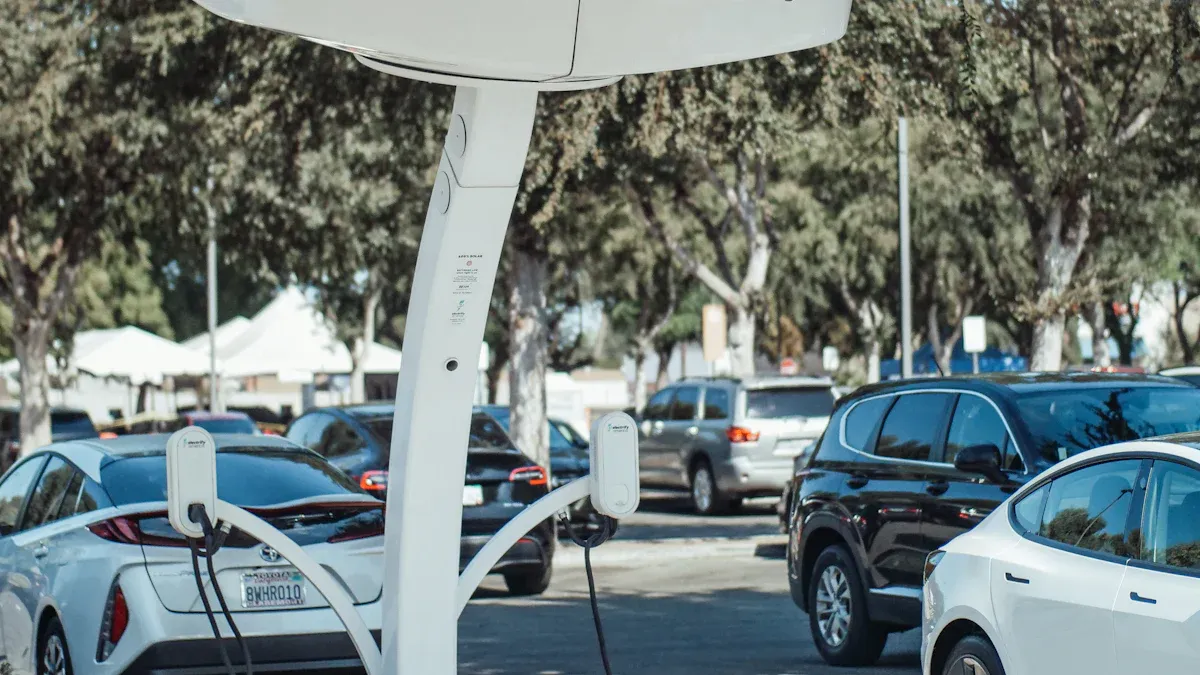
The growth of electric mobility depends on a robust and accessible charging network. The industry is moving beyond isolated charging points to create a comprehensive ev infrastructure. This expansion integrates charging stations seamlessly into the fabric of daily life.
From Single Stations to Community Hubs
The Modern Gas Station Analogy
The concept of refueling is being reimagined for the electric age. Large-scale charging hubs are emerging as the modern equivalent of gas stations. These hubs feature multiple high-speed chargers, serving numerous vehicles simultaneously and minimizing wait times.
Designing for a Better User Experience
Hub designers are prioritizing the driver experience. The focus is on creating safe, well-lit, and user-friendly environments. Companies like TPSON are developing advanced solutions that contribute to a reliable and efficient charging network.
Integrating Retail and Leisure Amenities
Modern charging hubs make wait times productive and pleasant. To improve driver satisfaction during longer sessions, these facilities often include a range of amenities.
- Complimentary Wi-Fi for work or entertainment
- Vending machines for snacks and drinks
- Comfortable indoor and outdoor seating areas
The Rise of the Urban Charging Hub
Urban planners are strategically designing charging hubs to fit into city landscapes. These hubs are not just standalone facilities but are part of a larger sustainable mobility ecosystem. Planners integrate charging stations with other transport options like bike-sharing and public transit to create a connected infrastructure.
Expanding into New Locations
The charging network is expanding into places people already visit, work, and live. This makes EV ownership more convenient than ever.
Charging at Supermarkets and Malls
Retailers are installing charging stations to attract and retain customers. Evidence shows that 87% of EV drivers consider charger availability when choosing where to shop. Offering EV charging can increase customer dwell time by an average of 50 minutes, boosting sales and enhancing brand image.
Решения для зарядки аккумуляторов на рабочем месте
Workplace charging is a critical component of the ev infrastructure. It offers employees a convenient way to charge during the workday. It also supports the transition of corporate fleets to электромобили, ensuring they are always ready for business operations.
Multifamily Housing and Apartment Charging
Providing EV charging in apartment complexes is essential for urban drivers. Property managers are implementing various solutions to meet resident needs. These different types of charging stations ensure accessibility for all.
- Assigned Charging: Stations are dedicated to specific residents in properties with assigned parking.
- Community Charging: Shared stations are available for all residents, often managed through an app.
- Smart Outlets: A cost-effective option that uses high-power outlets with smart billing, reducing installation costs by up to 70%.
Curbside and Public Street Charging
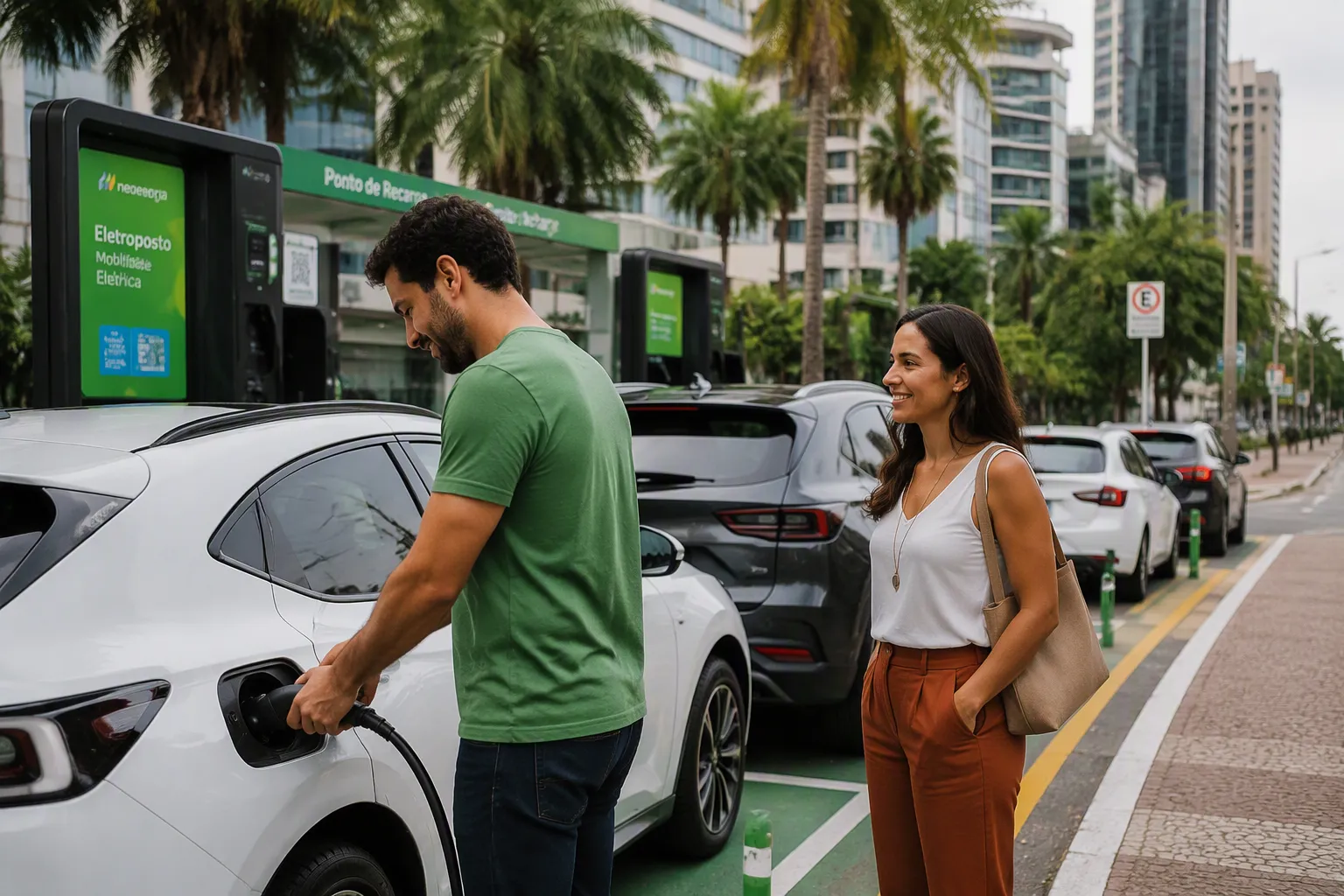
Cities are adapting public spaces to support the growing charging network. This includes installing curbside charging stations in high-density residential areas and adjusting parking regulations to create dedicated EV charging zones. For areas where permanent infrastructure is difficult, mobile EV charging units offer a flexible solution for public charging.
Building a Unified EV Infrastructure
A truly effective EV infrastructure requires more than just a high number of charging stations; it demands a cohesive and standardized system. Key trends in charging infrastructure are pushing the industry toward universal compatibility, open communication, and the integration of renewable energy. This creates a reliable and user-friendly charging network for everyone.
The Critical Push for Standardization
For a seamless driver experience, different vehicles must be able to use different charging stations. Standardization is the key to achieving this universal access.
Североамериканский стандарт зарядки (NACS)
The North American Charging Standard (NACS) has gained significant momentum. A vast number of major automotive brands have committed to its adoption, signaling a major shift toward a unified plug. These brands include:
- Ford, General Motors, and Rivian
- Volvo, Polestar, and Mercedes-Benz
- Nissan, Honda, and Jaguar Land Rover
- Hyundai, Kia, and BMW
- Toyota, Subaru, and Lucid
- Volkswagen, Audi, Porsche, and Mazda
The Combined Charging System (CCS)
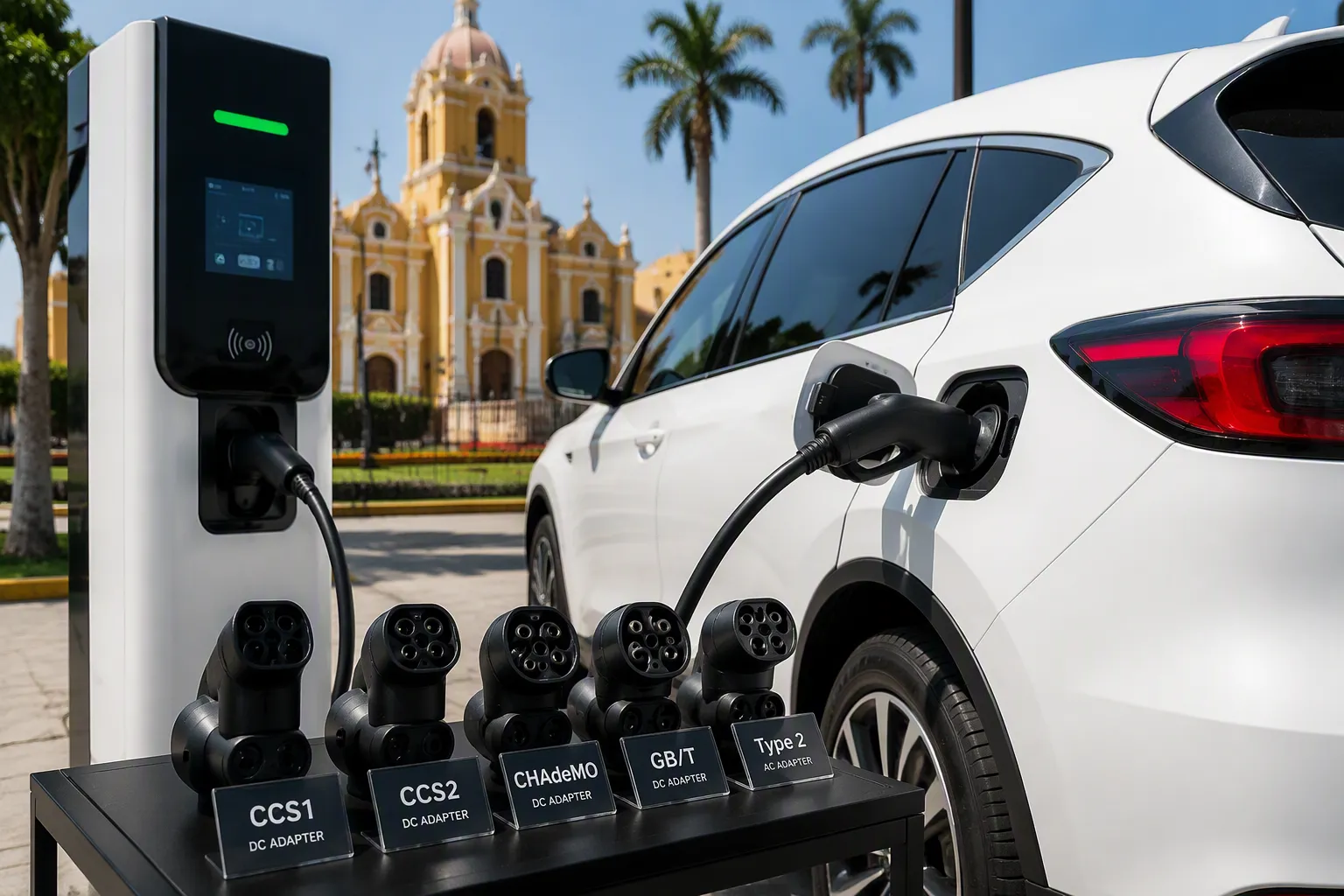
The Combined Charging System (CCS) remains a prominent standard used by many automakers globally. The coexistence of both NACS and CCS highlights the need for a unified approach to the EV infrastructure.
The Importance of Universal Adapters
During this transitional period, universal adapters are crucial. They act as a bridge, allowing vehicles with one type of port to connect to charging stations with another. This ensures drivers can access the entire charging network, regardless of their vehicle’s native plug.
The Role of Plug & Charge Technology
An EV owner links their billing information to the vehicle just once. Afterward, the driver simply plugs in, and an encrypted handshake between the car and the charger handles authentication and billing securely in seconds. This eliminates the need for apps or payment cards.
Open Protocols for a Connected Network
A connected charging network relies on open protocols that allow different systems to communicate. This prevents market fragmentation and ensures flexibility for operators.
Открытый протокол зарядных пунктов (OCPP)
Ensuring Interoperability
Benefits for Network Operators and Drivers
An open and interoperable charging network offers clear advantages.
| For Drivers | For Operators |
|---|---|
| Wider access to charging stations | Attracts drivers from other networks |
| No need for multiple memberships | Increased station utilization |
| Seamless cross-network roaming | Greater business model flexibility |
Integrating with Renewable Energy Sources
The final step in building a sustainable EV infrastructure is the integration of renewable energy. This approach creates a truly zero-emission transportation cycle.
Solar Canopies at Charging Hubs
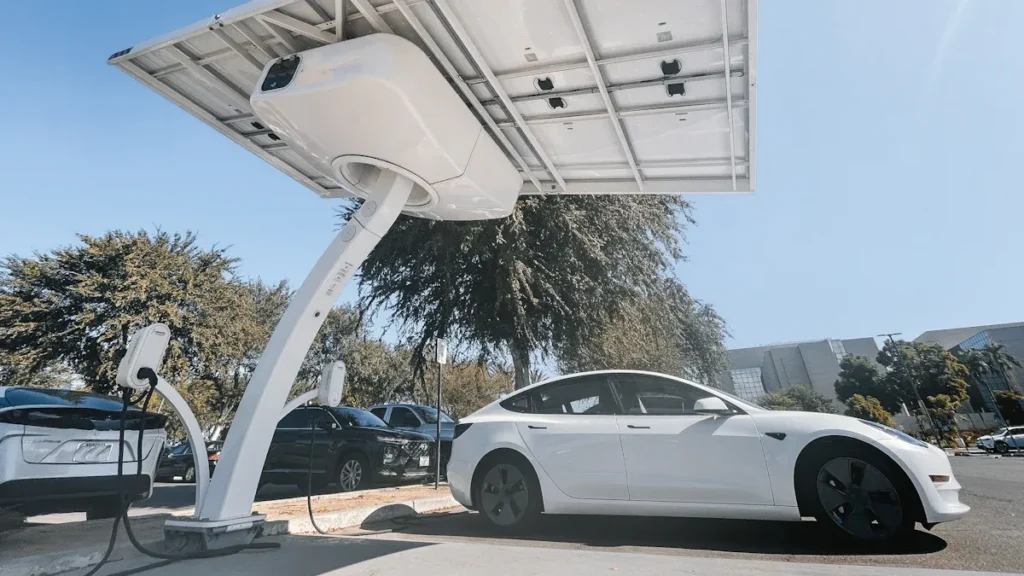
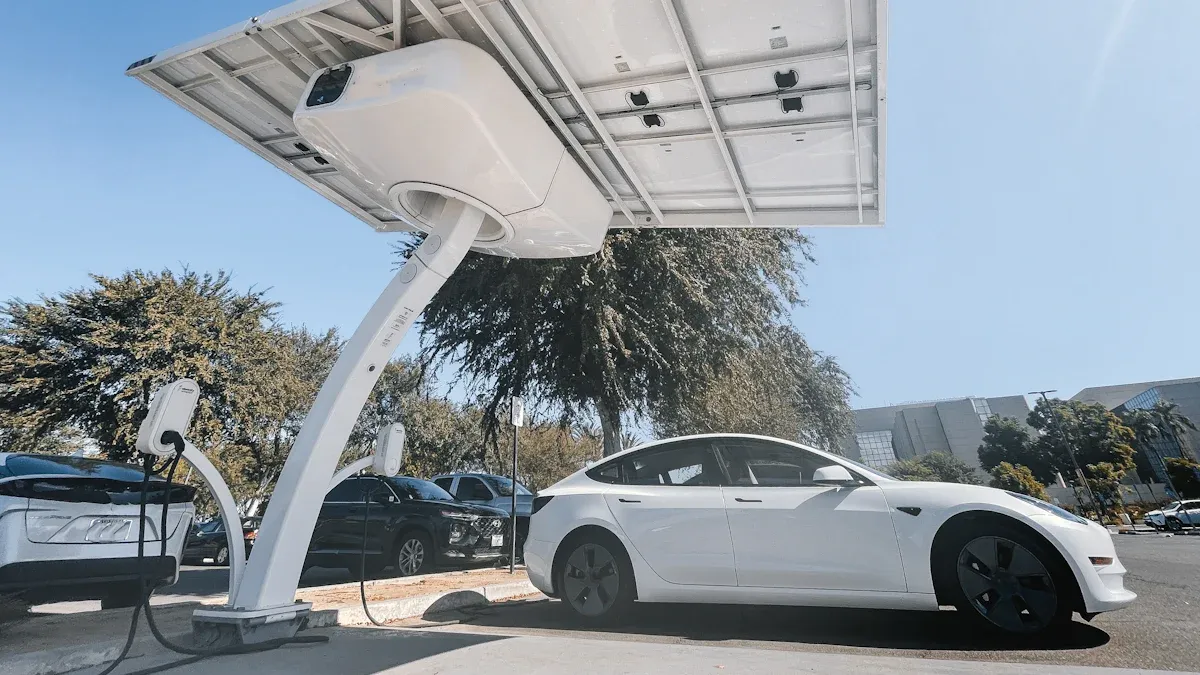
Charging hubs are increasingly incorporating large solar canopies. Projects like the one at Cubic Corporation’s headquarters use solar arrays to generate clean electricity on-site, directly powering the EV chargers below and reducing reliance on the grid.
Системы хранения энергии на месте
On-site battery storage systems work alongside renewables. These systems store excess solar energy generated during the day. They then release it during peak charging times, a process known as “peak shaving” that can reduce the demand on the power grid by up to 70%.
Creating a True Zero-Emission Cycle
When an EV charges with power generated from on-site solar panels, the entire cycle—from energy generation to vehicle motion—becomes free of emissions. This closes the loop on sustainable transportation.
Reducing Strain on Traditional Power Grids
This combination of solar generation and battery storage creates a self-sufficient infrastructure. It significantly reduces the strain on traditional power grids, making the expansion of EV charging more sustainable and resilient.
The fusion of faster, smarter, and wireless charging technology is creating a seamless ecosystem for electric mobility. These innovations are fundamentally reshaping our approach to energy management and зарядка электромобилей. This new era of electric vehicle charging boosts charging efficiency and makes the electric experience more compelling. The evolution of ev charging is the key catalyst accelerating the global shift toward sustainable mobility. Technologically advanced providers like TPSON are developing the ev charging solutions that power this transition, making electric vehicles a practical choice for everyone and advancing electric mobility.
ЧАСТО ЗАДАВАЕМЫЕ ВОПРОСЫ
What is the main difference between Level 2 and DC fast charging?
Зарядка уровня 2 is common for homes and workplaces, adding moderate range over several hours. DC fast charging provides high-power charging at public stations. It can replenish a battery to 80% in under 30 minutes, making long-distance travel practical.
How does smart charging help EV owners?
Smart charging optimizes the charging process. It allows drivers to schedule sessions during off-peak hours when electricity is cheaper. This technology also helps balance grid demand, ensuring a stable power supply for everyone. Technologically advanced providers like TPSON develop these intelligent charging solutions.
Доступна ли сейчас беспроводная зарядка для электромобилей?
Yes, stationary wireless charging is available for residential and commercial use. Drivers park over a charging pad for automatic power transfer. Dynamic wireless charging, which powers vehicles while driving, is currently in pilot stages and not yet widely deployed.
Что такое технология Vehicle-to-Grid (V2G)?
Технология Vehicle-to-Grid (V2G) enables a two-way flow of energy. An EV can not only draw power from the grid but also supply stored energy back to it. This capability helps stabilize the power network during peak demand periods.
Why is charging standardization so important?
Standardization ensures interoperability between different vehicles and charging stations. It creates a seamless experience for drivers, who can use any public charger without needing multiple adapters or memberships. This is crucial for building a unified and accessible charging network.
Что такое мегаваттная система зарядки (MCS)?
The Megawatt Charging System (MCS) is a new high-power charging standard designed for heavy-duty electric vehicles like semi-trucks and buses. It delivers multiple megawatts of power, enabling these large vehicles to recharge quickly during mandatory driver breaks.