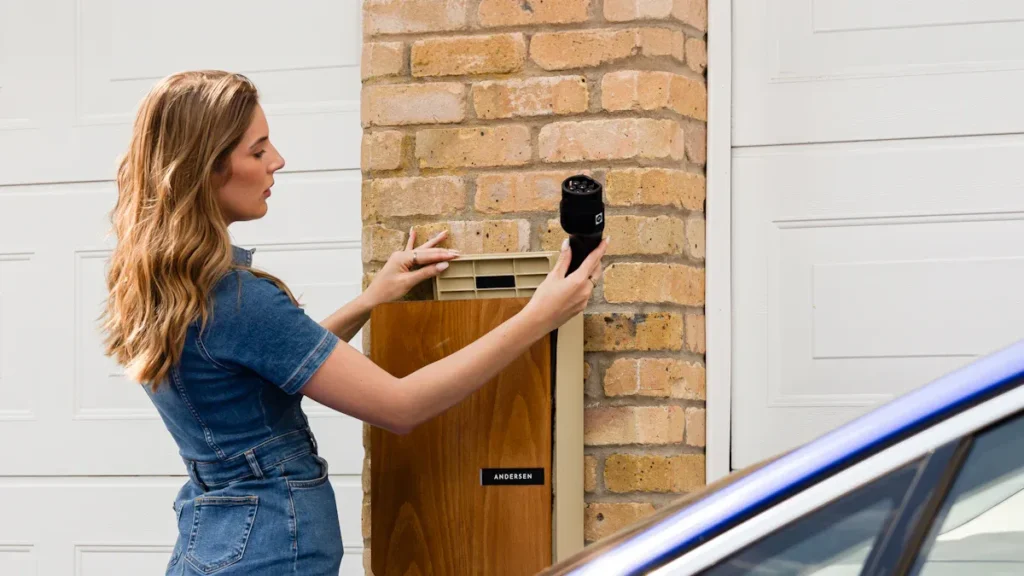

Идеальный кандидат для домашней зарядки Зарядное устройство для электромобилей обычно является владельцем дома, ежедневно пользуется автомобилем и имеет доступ к парковке вне улицы. Те, кто использует электромобили для регулярных поездок на работу или управляет несколькими автомобилями, получают максимальную выгоду от выделенной домашней зарядной станции. Следует учитывать частоту вождения, место проживания и какие Производители зарядных устройств для электромобилей рекомендации подходят для их ситуации. Анализ этих потребностей помогает определить, обеспечит ли домашняя зарядная станция для электромобиля должное удобство и ценность.
Кто получает максимальную выгоду от домашней зарядной станции для электромобиля?

Ежедневные водители и владельцы электромобилей с высоким пробегом
Частые пассажиры пригородных маршрутов
Частые пассажиры пригородных маршрутов часто находят максимальную ценность в установке домашней зарядной станции для электромобиля. Люди, которые ежедневно ездят на работу или преодолевают большие расстояния каждую неделю, могут максимизировать удобство и минимизировать простои. Зарядка дома позволяет им начинать каждый день с полным аккумулятором, снижая зависимость от общественных зарядных станций. Рыночные данные показывают, что домашняя зарядка обеспечивает значительную экономию средств для тех, кто регулярно водит машину. Например, годовая стоимость домашней зарядки составляет от 506 до 720 долларов при среднем пробеге 13 489 миль в год, в то время как общественная зарядка уровня 2 может стоить до 963 долларов в год. Быстрая зарядка постоянным током может увеличить годовые расходы до 2 300 долларов. За 15 лет регулярная домашняя зарядка может сэкономить водителям до 15 000 долларов по сравнению с общественными вариантами.
| Тип зарядки | Стоимость одной мили | Годовая стоимость (13 489 миль/год) |
|---|---|---|
| Домашняя зарядка | 0,04 – 0,05 доллара | 506 – 720 долларов |
| Общественная зарядка уровня 2 | 0,06 – 0,08 доллара | 770 – 963 доллара |
| Быстрая зарядка постоянного тока | 0,10 – 0,15 доллара | 1 540 – 2 300 долларов |
Семьи с несколькими электромобилями
Домохозяйства с более чем одним электромобилем получают еще больше выгоды от выделенной домашней зарядной станции для электромобиля. Управление несколькими автомобилями становится проще, когда каждый автомобиль может заряжаться дома в ночное время. Такая установка устраняет необходимость координировать графики общественной зарядки и снижает риск разрядки аккумулятора. Женщины, в частности, выражают обеспокоенность надежностью зарядки, особенно при поездках с детьми. Домашняя зарядная станция обеспечивает спокойствие и гарантирует, что каждый член семьи имеет доступ к заряженному автомобилю, когда это необходимо.
Совет: Семьям с несколькими электромобилями следует рассмотреть возможность установки зарядной станции уровня 2 для ускорения времени зарядки и обеспечения более высокого уровня использования.
Владельцы домов vs. Арендаторы
Преимущества владения недвижимостью
Владельцы домов имеют явные преимущества при установке домашней зарядной станции для электромобиля. Они контролируют модификации собственности и могут выбрать лучшее место для своей зарядной станции. Маркетинговые исследования подчеркивают, что 90% населения с высоким доходом и белого населения владеют домами, что делает их более вероятными бенефициарами решений для домашней зарядки. Владельцы домов также могут воспользоваться льготами и скидками, дополнительно снижая стоимость установки.
| Демографическая группа | Процент владеющих домами |
|---|---|
| Чернокожее население | 71% |
| Белое население | 90% |
| Население с низким доходом | 71% |
| Население с высоким доходом | 90% |
Ограничения при аренде
Арендаторы сталкиваются с несколькими препятствиями при рассмотрении вопроса о домашней зарядке для электромобиля. Ограниченное парковочное пространство, согласие арендодателя и стоимость установки часто мешают арендаторам добавить зарядные станции. Многие арендодатели не решаются одобрить установку из-за высоких первоначальных расходов или ограничений собственности. Арендаторы редко имеют право требовать установку зарядной станции, что затрудняет удовлетворение их потребностей в зарядке.
- Ограниченное парковочное пространство может помешать арендаторам установить зарядные станции для электромобилей..
- Требуется согласие арендодателя, что может стать серьезным препятствием..
- Стоимость установки может отпугнуть как арендаторов, так и арендодателей.
- Тип недвижимости и наличие парковки часто ограничивают варианты установки.
Парковка вне улицы и доступ к гаражу
Владельцы подъездных путей
Люди с частными подъездными путями или гаражами являются идеальными кандидатами для домашней зарядной станции для электромобиля. Парковка вне улицы обеспечивает легкий доступ к зарядной станции и снижает сложность установки. Владельцы домов могут парковать свои автомобили на ночь и заряжать их, не беспокоясь о доступности общественных станций. Это удобство поддерживает повседневные дела и долгосрочное обслуживание автомобиля.
Жители квартир
Жители квартир часто сталкиваются с трудностями при поиске домашней зарядки для электромобиля. Общие парковочные зоны, ограниченная электрическая инфраструктура и строительные нормы могут препятствовать установке. Арендаторы в многоквартирных домах должны полагаться на одобрение арендодателя и могут столкнуться с конкуренцией за ограниченные зарядные места. Эти препятствия делают домашнюю зарядку менее доступной для жителей квартир, которым, возможно, придется зависеть от общественных зарядных сетей.
Примечание: Городским жителям квартир следует изучить варианты зарядки на рабочем месте или в сообществе, если домашняя установка невозможна.
Факторы образа жизни владельцев домашних зарядных станций для электромобилей
Гибкий график
Владельцы домашних зарядных станций для электромобилей часто ценят гибкость в своем повседневном распорядке. Многие выбирают умные домашние зарядные станции , чтобы соответствовать своему графику и энергетическим потребностям. Эти зарядные устройства позволяют пользователям устанавливать время зарядки через приложения для смартфонов, что облегчает вписывание зарядки в напряженную жизнь. Владельцы могут планировать сеансы зарядки в непиковые часы, что помогает снизить счета за электроэнергию и способствует эффективному использованию энергии.
- Умные зарядные устройства оптимизируют потребление энергии и снижают углеродный след.
- Функции планирования обеспечивают удобство для тех, у кого непредсказуемый распорядок дня.
- Интеграция со смартфоном позволяет удаленно контролировать и отслеживать сеансы зарядки.
Совет: Умные домашние зарядные станции приносят наибольшую пользу тем, кто хочет активно управлять своим энергопотреблением и затратами.
Среди владельцев домашних зарядных станций для электромобилей существуют различные потребительские сегменты. В таблице ниже выделены основные группы и их характеристики.:
| Потребительский сегмент | Описание |
|---|---|
| Немотивированные/Нежелающие | Наименее мотивированы к совместному использованию зарядных станций. |
| Indifferent | Neutral stance on sharing, showing no strong motivations. |
| Economic-Centred | Motivated primarily by economic benefits, often younger and cost-conscious. |
| Highly Motivated | Wealthier and more educated individuals, showing greater reluctance to share despite potential benefits. |
Individuals with flexible schedules often fall into the “Economic-Centred” or “Highly Motivated” categories. They seek both convenience and cost savings, making smart charging solutions an attractive option.
Travel Habits
Travel patterns play a significant role in determining the value of a home EV charger. Owners who frequently travel for work or leisure benefit from the ability to charge their vehicles overnight. This ensures that the electric vehicle remains ready for use at any time, reducing the need for last-minute public charging.
- Frequent travelers appreciate the reliability of starting each trip with a full battery.
- Those who take regular weekend trips or have unpredictable travel plans find home charging essential for peace of mind.
- Smart chargers help manage charging sessions remotely, which is useful for individuals who spend time away from home.
Note: Home EV chargers provide the most value to those who want to avoid the inconvenience of public charging stations during busy travel periods.
Eco-conscious homeowners also use smart charging to minimize their environmental impact while maintaining the freedom to travel as needed. By optimizing charging times and reducing reliance on public infrastructure, they achieve both sustainability and convenience.
Home EV Charger vs. Other Charging Options

Скорость и удобство
Ночная зарядка дома
A home ev charger offers unmatched convenience for electric vehicle owners. They can plug in their vehicles after returning home and wake up to a full battery every morning. This routine eliminates range anxiety and ensures readiness for daily commutes or unexpected trips. Home charging stations are easy to install and use, with tethered cables that remain ready for quick connection.
| Тип зарядного устройства | Charging Speed (kW) | Time for Full Charge |
|---|---|---|
| Домашнее зарядное устройство | 3.6 to 7 | От 4 до 8 часов |
| Общественная зарядная станция | Up to 150 | 15 minutes for 100 miles |
Most drivers find that charging at home overnight fits seamlessly into their schedules. They avoid the hassle of searching for available public chargers and reduce time spent waiting for a spot to open.
Public Charging Wait Times
Общественные зарядные станции deliver faster charging speeds, especially with rapid chargers. However, these locations often involve wait times due to high demand or limited availability. Nearly one in three charging attempts at public stations fail, which highlights ongoing reliability issues. Many drivers prefer the predictability of a dedicated home charger, which eliminates the need to wait in line or compete for access.
Note: Leaving home with a full battery reduces range anxiety and supports a stress-free driving experience.
Сравнение стоимости
Тарифы на электроэнергию в доме
Charging at home provides significant cost advantages. Home electricity rates are typically lower than public charging fees, especially during off-peak hours. Many owners schedule charging sessions overnight to take advantage of reduced rates, maximizing savings over time.
| Место зарядки | Стоимость одной мили |
|---|---|
| Home Charger | 7.52p |
| Public Charger | 12.37p |
Charging at home at off-peak rates is up to 450% cheaper than public charging at average rates. Rapid public charging can cost up to 690% more than home charging, making a специальное домашнее зарядное устройство a smart financial choice for frequent drivers.
Public Charging Fees
Public charging stations often charge higher rates, especially for rapid charging. These fees can add up quickly for drivers who rely on public infrastructure. Homeowners who use a dedicated home charger enjoy lower costs and greater control over their charging expenses.
Safety and Reliability of a Dedicated Home Charger
Home Installation Standards
National electrical codes require strict safety standards for home EV charger installation. Level 1 charging uses a standard NEMA connector with SAE J1772, while Level 2 charging requires a 240-volt service and a dedicated dual-pole 40-amp circuit. Installers must use proper wire gauge, such as 6-gauge for a 40-amp circuit, and include a dedicated circuit breaker to ensure safe operation.
| Тип требования | Описание |
|---|---|
| Зарядка уровня 1 | Standard NEMA connector with SAE J1772; NEMA 5-15 connector used |
| Зарядка уровня 2 | 240-volt service; dedicated dual-pole 40-amp circuit required |
A dedicated home charger installed to code provides reliable performance and minimizes safety risks.
Public Charger Maintenance
Public charging infrastructure has improved in reliability, with 80% of US EV drivers reporting better performance in the past year. Despite these gains, nearly one in three charging attempts still fail. The first-time charge success rate remains a critical measure of reliability, and public chargers continue to face maintenance challenges. Drivers who use a dedicated home charger experience fewer interruptions and greater peace of mind.
Tip: Regular maintenance and professional installation of home EV chargers help ensure long-term safety and reliability.
Accessibility and Availability
Urban vs. Rural Areas
Geographic location plays a significant role in the accessibility of home EV chargers. Urban areas typically offer higher charger density and better access to public charging infrastructure. Residents in cities often find a public charging point for every ten electric vehicles or fewer. This high density supports daily charging needs and reduces range anxiety for city dwellers. In contrast, rural areas lag behind in charger density. Many rural communities face limited access to both public and private charging options. This gap can create challenges for EV owners who live outside major metropolitan regions.
The following table highlights the differences in EV charger accessibility by region:
| Регион | EV Charger Density | Accessibility Description |
|---|---|---|
| Городские районы | Высокий | Better access to public charging infrastructure, with fewer than 10 electric cars per public charging point. |
| Сельские районы | Низкий | Significant lag in charger density compared to urban areas, affecting charging accessibility. |
| Соединенные Штаты | Варьируется | Coastal states have more chargers; central and rural states have only 20-30% coverage on highways. |
| Global Examples | Norway and South Korea show similar trends, with urban areas having more public charging options than rural. |
Urban residents benefit from a robust charging network, which makes home charging less critical for some. However, those who own a home and have off-street parking still gain convenience and cost savings from a dedicated charger. Rural EV owners often rely more heavily on home charging due to the scarcity of public infrastructure. For these drivers, installing a home EV charger becomes essential for daily use and long-distance travel.
Note: Rural homeowners considering an EV should assess local charging infrastructure before making a purchase decision.
Зарядка на рабочем месте
Workplace charging availability also influences the decision to install a home EV charger. Many companies recognize the importance of supporting employees who drive electric vehicles. Some organizations provide subsidies to help employees purchase or install home charging stations. This approach can prove more effective than expanding workplace charging infrastructure, especially for employees who commute long distances or have unpredictable schedules.
- Companies may offer financial assistance for home charger installation, making it easier for employees to charge at home.
- Access to workplace charging increases the appeal of electric vehicles. A recent UK government study found that half of drivers would consider switching to an EV if workplace charging were available.
Workplace charging serves as a valuable supplement for those who cannot install a charger at home, such as renters or apartment dwellers. However, for homeowners with off-street parking, a dedicated home charger remains the most reliable and convenient option. Employers who support home charging contribute to broader EV adoption and help employees manage their charging needs efficiently.
Tip: Employees should inquire about workplace programs that support home charger installation, as these incentives can reduce upfront costs and simplify the transition to electric driving.
Practical Considerations for Installing a Home EV Charger
Требования к электроснабжению дома
Вместимость панели
Before installing a домашняя зарядная станция, homeowners must assess their electrical panel’s capacity. Most Level 2 chargers require a power source between 30 and 100 amps and operate at 208 to 240 volts. A dedicated circuit is necessary for any new receptacle used for EV charging. Overcurrent protection should be sized for continuous duty, at least 125% of the charger’s maximum load. For receptacle outlets with a capacity of 50 amps or less, GFCI protection is mandatory. In wet locations, weatherproof enclosures protect the installation. These requirements ensure safe and reliable operation for daily charging.
Разрешения и инспекции
Local regulations often require permits before installing a специальное домашнее зарядное устройство. Licensed electricians handle the permitting process and schedule inspections after installation. Inspectors verify that the wiring, circuit breakers, and charger placement meet national and local codes. This process helps prevent electrical hazards and ensures the system operates safely. Homeowners should always confirm permit requirements with their local authority before starting the project.
Installation Costs and Incentives
Upfront Expenses
Installation costs for a home EV charger can vary by region and charger type. For example, costs in London and the Southeast are generally 10-15% higher than average, while northern regions tend to be 5-10% lower. Remote locations may incur additional travel charges. Several factors can increase expenses:
- Longer cable runs may add £10-£20 per meter.
- Groundworks for cable installation can add £200-£500.
- Special mounting solutions may be needed for certain wall types.
- Upgrading the consumer unit can cost an additional £300-£600.
| Регион | Изменение стоимости |
|---|---|
| Лондон и Юго-Восток | Generally 10-15% higher than average |
| Северные регионы | Typically 5-10% lower than average |
| Удаленные места | May incur additional travel charges |
Rebates and Tax Credits
Many homeowners reduce installation costs by taking advantage of government incentives and rebates. In the United States, several programs exist:
- Check for regional incentives in your state.
- Use a rebate finder to locate applicable programs.
- Explore hundreds of different rebate programs offered by government and utilities.
| Тип стимула | Описание | Сумма |
|---|---|---|
| Федеральный налоговый кредит | Alternative Fuel Vehicle Refueling Property tax credit | Until June 30, 2026 |
| Льготы на коммунальные услуги | Offered by various utilities across the U.S. | $400 to over $1,000 |
| State Incentives | Additional cash incentives or tax credits | Varies by state |
| Time-of-Use Programs | Reimburse for smart chargers that shift charging to off-peak hours | Varies by program |
In California, for example, Liberty’s rebate offers up to $1,500 for Level 2 chargers, and Southern California Edison provides up to $4,200 for electric panel upgrades. Local utilities may also offer rebates for WiFi-enabled chargers.
Moving or Upgrading Your Dedicated Home Charger
Relocation Process
When moving to a new residence, homeowners often want to relocate their dedicated home charger. A qualified installer can reinstall the charger at the new property, but costs may be similar to purchasing a new unit, especially if extra cabling is required. Homeowners usually do not need special permission unless the new property is a listed building or lacks off-street parking. Contacting the local Distribution Network Operator ensures compatibility with the new electrical supply.
Relocating a charger can present challenges:
- Data migration may require custom mapping and integration.
- SIM card replacement can involve sending engineers, increasing costs.
- Temporary downtime may disrupt charging availability.
- Staff may need retraining to manage the new system.
- Customers must receive clear communication about new procedures.
Защита на будущее
Future-proofing a home EV charger installation involves planning for evolving technology and potential vehicle upgrades. Homeowners should consider installing higher-capacity wiring and choosing chargers with smart features. This approach supports new EV models and changing charging standards. Selecting a flexible system now can save time and money when upgrading or expanding in the future.
Drawbacks and Challenges of Home EV Chargers
Первоначальные инвестиции
Cost Barriers
Home EV charger installation presents a significant financial commitment for many households. The total cost includes equipment, electrical upgrades, permit fees, and labor costs. Homeowners often face expenses ranging from a few hundred to several thousand dollars. Labor costs for licensed electricians typically range from $400 to $1,500, depending on the region. Additional costs may arise if the property requires substantial electrical upgrades or if local regulations demand specific permit fees. These financial barriers can discourage some individuals from pursuing a dedicated charging solution.
- Equipment costs vary by charger type and brand.
- Electrical upgrades may be necessary for older homes.
- Permit fees differ by municipality.
- Labor costs fluctuate based on location and complexity.
Financing Options
Some homeowners seek financing options to offset the initial investment. Financial institutions and utility companies occasionally offer low-interest loans or payment plans for energy-efficient upgrades. Incentive programs and rebates can reduce upfront costs, but not all applicants qualify. Careful research helps individuals identify the most suitable financing solution for their situation.
Space and Accessibility Issues
Limited Parking
Space limitations often restrict the feasibility of installing a home EV charger. Properties without off-street parking or with limited driveway space may not accommodate the necessary equipment. EV chargers require a clear floor or ground space, with operable parts within a reach range of less than 48 inches above the ground. Accessibility for mobility aids demands compliance with specific ground and floor surface criteria, ensuring surfaces remain firm, stable, and slip-resistant.
- Chargers should be installed at the same level as the vehicle charging space.
- Tight parking areas complicate installation and daily use.
- Multi-unit dwellings may lack dedicated parking spots.
Shared Residences
Shared residences, such as apartment buildings or condominiums, introduce additional challenges. Residents must coordinate with property managers or homeowners’ associations to secure installation approval. Shared parking areas often lack the infrastructure needed for individual chargers. Accessibility concerns increase when multiple residents compete for limited charging resources.
Tip: Residents in shared buildings should consult with management early to explore possible solutions for electric vehicle charging.
Техническое обслуживание и ремонт
Warranty Coverage
Manufacturers typically provide warranty coverage for home EV chargers. Warranty terms vary by brand and model, covering defects and certain repair costs for a specified period. Homeowners should review warranty details before purchase to understand what is included and how to access support.
Поиск и устранение неисправностей
Home EV charger owners encounter several maintenance and repair challenges. The most common issues Ключевые факторы, снижающие реальную эффективность,
- Visible damage to the charger, which requires professional inspection.
- Longer charging times, indicating potential system problems.
- Damage from extreme weather events, especially for outdoor installations.
- Low voltage levels, signaling electrical system concerns.
- Exposed wiring, which poses safety risks and demands immediate attention.
Prompt action ensures continued reliability and safety. Professional maintenance helps address these problems before they escalate.
Tips for Maximizing Value and Efficiency with a Home EV Charger
Choosing the Right Dedicated Home Charger
Зарядные устройства уровня 1 и уровня 2
Selecting the right charger starts with understanding the difference between Level 1 and Level 2 options. Level 1 chargers use a standard household outlet and provide slower charging speeds. Level 2 chargers require a 240-volt outlet and deliver much faster charging, making them the preferred choice for most homeowners. The following table highlights key features to consider:
| Характеристика | Описание |
|---|---|
| Скорость зарядки | Level 2 chargers offer faster charging times than Level 1 chargers. |
| Энергоэффективность | Smart technology aligns charging with lower electricity rates, reducing costs. |
| Интеллектуальные возможности | Remote monitoring and scheduling add convenience and control. |
| Безопасность и соблюдение норм | Chargers should meet safety standards and include surge protection and automatic shutoff. |
| Стоимость и установка | Consider both purchase price and installation costs; Level 2 chargers often provide long-term savings. |
Интеллектуальные возможности
Modern chargers often include smart features that enhance user experience. Remote monitoring allows owners to check charging status from anywhere. Scheduling tools help align charging sessions with off-peak hours, lowering electricity bills. Safety features, such as surge protection and automatic shutoff, ensure reliable operation. These smart capabilities make a dedicated home charger more efficient and user-friendly.
Оптимизация графиков зарядки
Непиковые часы
Charging during off-peak hours can значительно снижает затраты на электроэнергию. Many utilities offer lower rates at night or during periods of low demand. Drivers who schedule charging for these times can save over $300 each year. Peak rates may be up to five times higher than off-peak rates, so timing matters.
Utility Programs
Smart chargers can automatically adjust charging schedules based on real-time energy rates. Some utility programs reward users for shifting charging to off-peak periods. Switching to an EV-friendly energy tariff can cut home charging costs by up to 70% по сравнению со стандартными тарифами.
Research from Leap found that if all Level 2 EV chargers participated in smart charging by 2025, grids could offset a year’s worth of electricity consumption from 1,700 homes.
Utility programs not only benefit individual drivers but also help stabilize the power grid. Automated load balancing with millions of smart chargers could save California grids over $600 million in operating costs.
Интеграция с домашними энергетическими системами
Солнечные панели
Pairing a home EV charger with solar panels allows owners to use renewable energy for vehicle charging. This approach reduces reliance on the grid and lowers electricity bills. Charging an EV with solar power also decreases fuel costs and carbon emissions.
Battery Storage
Adding battery storage to a home energy system provides backup power for EV charging during outages. Using stored energy for charging, especially during peak hours, helps avoid high electricity rates. This method, known as “peak shaving,” manages energy consumption efficiently. Homes with solar panels and battery storage can reduce grid electricity usage by up to 80%. Electric vehicles powered by solar energy emit no exhaust, supporting a sustainable lifestyle.
Making the Decision: Is a Home EV Charger Right for You?
Self-Assessment Checklist
Ключевые вопросы, которые следует задать себе
Individuals considering a home EV charger should evaluate their unique circumstances. The following questions help clarify suitability:
- Do they drive an electric vehicle daily or several times per week?
- Do they own their home, or have permission to modify their property?
- Is off-street parking available, such as a driveway or garage?
- Does their electrical panel support additional load for a charger?
- Are they interested in reducing charging costs and increasing convenience?
Tip: Honest answers to these questions reveal whether a dedicated charging solution aligns with their lifestyle.
Decision Matrix
A decision matrix provides a structured approach for evaluating readiness. The table below outlines key factors and recommended actions:
| Фактор | Да | Нет | Требуются действия |
|---|---|---|---|
| Ежедневное использование электромобиля | ✔️ | Перспективный кандидат | |
| Домовладение | ✔️ | Приступить к установке | |
| Внеуличная парковка | ✔️ | Установка возможна | |
| Достаточная мощность электрощита | ✔️ | Назначить оценку | |
| Заинтересованность в экономии затрат | ✔️ | Изучить программы стимулирования |
Лица, отвечающие большинству критериев, скорее всего, получат выгоду от домашней зарядной станции для электромобиля. Тем, у кого много ответов “Нет”, возможно, стоит рассмотреть альтернативные варианты.
Реальные ситуации
Пример: Семья в пригороде
Семья, проживающая в пригороде, владеет двумя электромобилями. Они ежедневно ездят на работу, в школу и по делам. В их доме есть просторный гараж и современный электрощит. Семья устанавливает зарядную станцию Уровня 2, что позволяет заряжать оба автомобиля в ночное время. Они сокращают зависимость от общественных станций и экономят на расходах на зарядку. Установка поддерживает их напряженный график и дает чувство уверенности.
Пример: Житель городской квартиры
Городской житель проживает в многоквартирном доме. Он паркуется на улице и не имеет доступа к частному парковочному месту. В здании не предусмотрена установка индивидуальных зарядных станций. Этот житель полагается на общественные зарядные станции и программы зарядки на рабочем месте. Он отслеживает улучшения местной инфраструктуры и рассматривает будущие варианты, если изменится его жилищная ситуация.
Примечание: Каждый пример показывает, как условия проживания и доступ к парковке влияют на решение об установке домашней зарядной станции для электромобиля.
Следующие шаги, если вы готовы
Поиск установщиков
Лицам, готовым приступить, следует найти квалифицированных установщиков. Профессиональные электрики обеспечивают соблюдение норм безопасности и местных правил. Многие коммунальные компании и производители зарядных станций для электромобилей ведут каталоги сертифицированных установщиков.
- Запросите расценки у нескольких поставщиков.
- Проверьте квалификацию и опыт.
- Узнайте о гарантии и сервисном обслуживании.
Подготовка вашего дома
Подготовка включает оценку электрощита, получение разрешений и выбор места установки. Владельцам домов следует освободить пространство вокруг планируемого места установки зарядной станции. Им следует назначить проверки и подтвердить совместимость с моделью их автомобиля.
Совет: Заблаговременная подготовка упрощает установку и сводит к минимуму неудобства.
Лица, которые ежедневно используют электромобили, владеют своим домом и имеют парковку вне улицы, являются идеальными кандидатами для установки домашней зарядной станции для электромобиля. Ключевыми моментами для принятия решения являются привычки вождения, право собственности на недвижимость, доступ к парковке и стоимость установки.
- Ежедневные поездки повышают ценность домашней зарядки.
- Владение домом упрощает установку.
- Парковка вне улицы обеспечивает доступность.
- Соображения стоимости направляют окончательное решение.
Тем, кто соответствует этим критериям, следует изучить варианты установки и сделать следующий шаг к эффективному владению электромобилем.
ЧАСТО ЗАДАВАЕМЫЕ ВОПРОСЫ
В чем разница между домашними зарядными устройствами 1 и 2 уровня?
Зарядные устройства Уровня 1 используют стандартную розетку на 120 вольт и заряжают медленно. Зарядные устройства Уровня 2 требуют розетку на 240 вольт и заряжают значительно быстрее. Большинство домовладельцев предпочитают Уровень 2 для ежедневного использования и удобства.
Могут ли арендаторы установить домашнюю зарядную станцию для электромобиля?
Арендаторам часто требуется разрешение арендодателя перед установкой. Во многих арендуемых объектах отсутствует выделенная парковка или необходимая электрическая инфраструктура. Им следует обсудить варианты с управляющей компанией и рассмотреть альтернативы, такие как зарядка на рабочем месте или общественные станции.
Сколько стоит установка домашнего зарядного устройства?
Стоимость установки варьируется от 500 до 2500 долларов США. Цена зависит от типа зарядного устройства, необходимых модернизаций электросети и местных ставок на рабочую силу. Программы стимулирования и скидки могут снизить расходы. Владельцам домов следует запросить расценки у сертифицированных установщиков.
Требуется ли разрешение на установку домашней зарядной станции для электромобиля?
Большинство местных органов власти требуют разрешения на установку. Лицензированные электрики занимаются процессом получения разрешений и назначением проверок. Разрешения обеспечивают соблюдение норм безопасности и защищают домовладельцев от рисков, связанных с электричеством.
Какое обслуживание требуется домашнему зарядному устройству?
Регулярное техническое обслуживание включает визуальный осмотр, очистку и проверку соединений. Владельцам следует следить за повреждениями или износом. Профессиональное обслуживание обеспечивает безопасную работу и продлевает срок службы зарядного устройства.
Может ли домашнее зарядное устройство работать с солнечными батареями?
Домашние зарядные станции для электромобилей интегрируются с солнечными панелями. Такая конфигурация позволяет владельцам заряжать автомобили, используя возобновляемую энергию. Интеграция с солнечными батареями снижает затраты на электроэнергию и поддерживает устойчивый образ жизни.
Что следует делать домовладельцам при переезде в новый дом?
Домовладельцы могут перенести свою зарядную станцию с помощью квалифицированного установщика. Им следует оценить электрическую систему нового объекта и доступ к парковке. Перенос может потребовать новых разрешений и модернизации электросети.