Many residents find that living with an electric car in a german apartment presents unique opportunities and challenges. They often seek Soluções de carregamento de veículos eléctricos that fit their lifestyle and building setup. A reliable charging infrastructure remains essential, as not every apartment has a space suitable for electric vehicle charging. Some turn to carregadores ev portáteis or consult Fabricantes de carregadores para veículos eléctricos for advice. The right Carregador EV can transform the home experience. As electric vehicle ownership rises, robust infrastructure and support from the car community become vital for those seeking dependable electric options.
Main Charging Options in a German Apartment
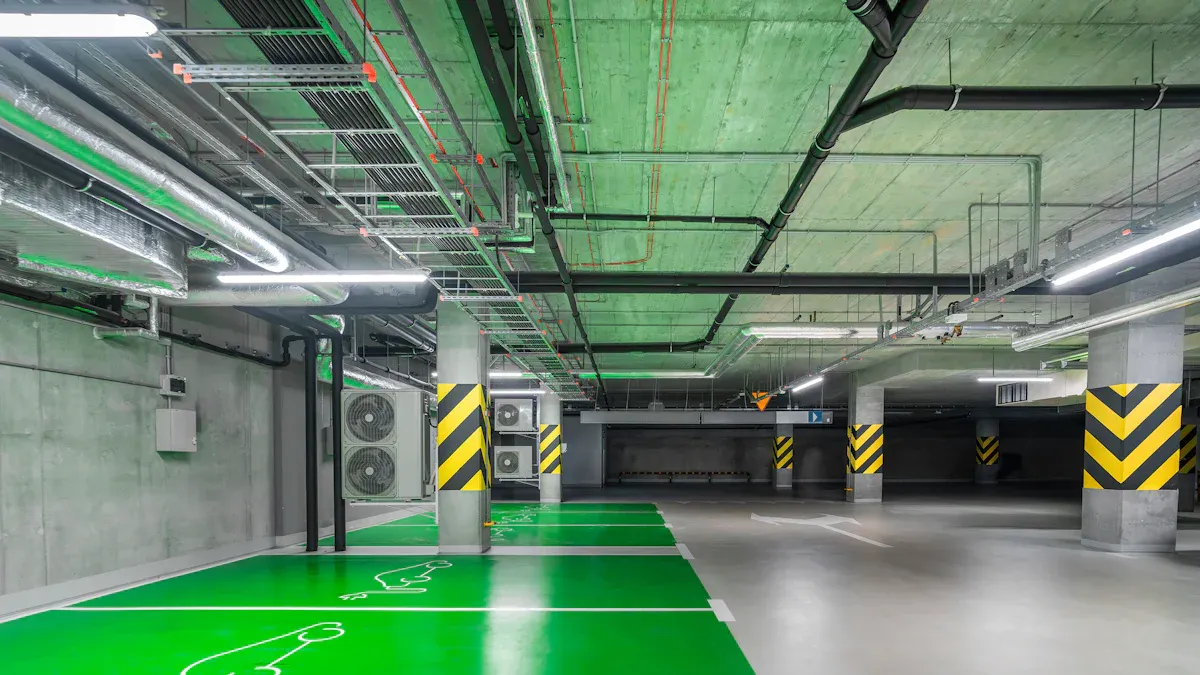
Shared EV Charging Stations in Apartment Buildings
How Shared Charging Stations Work
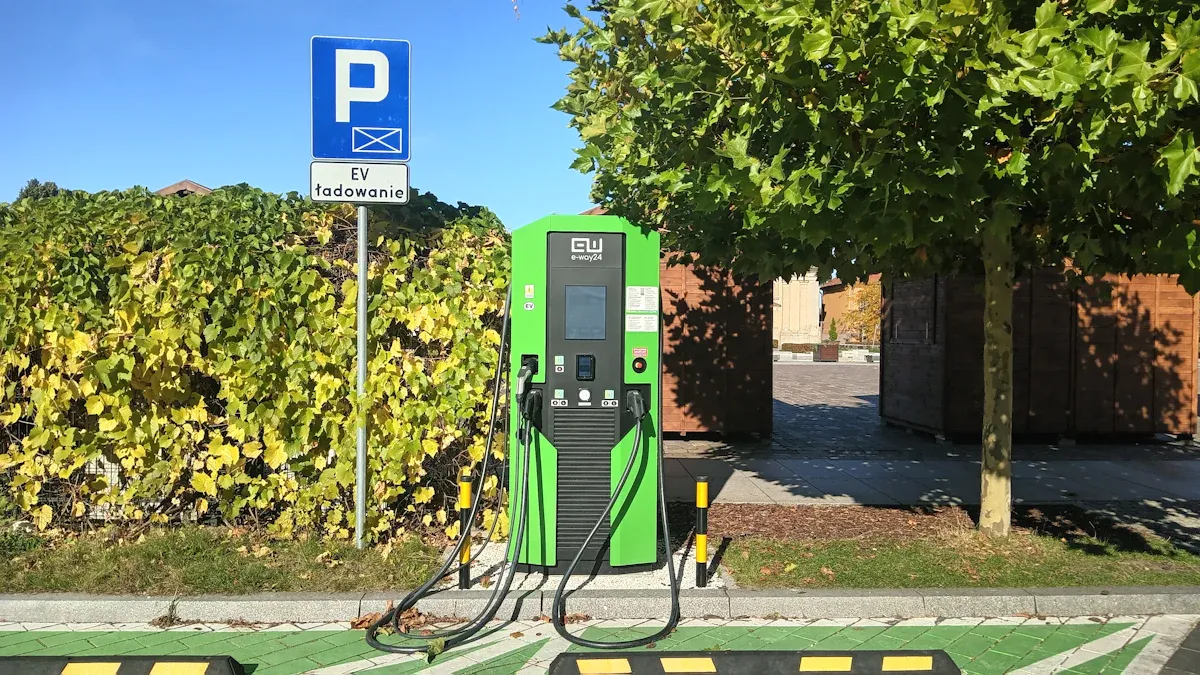
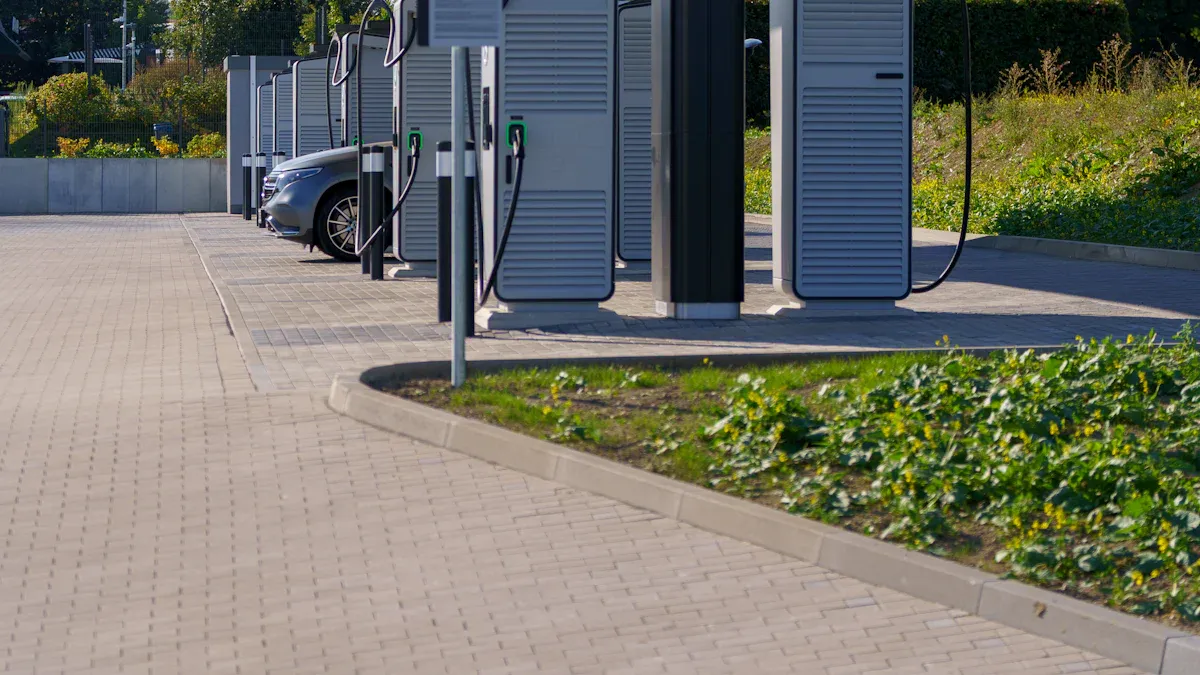
Shared EV charging stations have become a practical solution for residents who drive electric cars but do not have access to a private parking space. These stations allow multiple users to charge their vehicles in a communal area, such as an underground garage or a designated parking lot. The demand for these chargers continues to rise as more people choose electric vehicles. Residents often face barriers when trying to access EV charging facilities, including limited parking and the need for upgrades to the building’s electrical infrastructure.
Sugestão: Residents should check if their building already has a shared charging station before considering other options.
Key considerations for installing shared chargers include:
- Assessing the building’s electrical capacity
- Determining cost-sharing models among residents
- Coordinating with property managers or landlords
Landlords and investors can benefit financially from shared EV charging stations. By partnering with charging point operators, they can generate rental income that ranges from €1,000 to €5,000 per charger each year, depending on the location. This financial incentive encourages more property owners to support the installation of these stations.
Access and Usage Rules for Shared Charging
Access to shared charging stations usually requires registration with the building’s management or the charging service provider. Residents may receive a key card or use a mobile app to activate the charger. Usage rules often include time limits to ensure fair access for all users. Some buildings implement a reservation system, while others operate on a first-come, first-served basis.
Cost recovery remains a major topic. Residents typically pay for the electricity they use, either through a monthly fee or a pay-per-use model. In some cases, the building’s homeowners’ association sets guidelines for maintenance and repairs. Clear communication and transparent rules help prevent disputes and ensure smooth operation of the shared charging system.
Private Wallbox Home Charging for Electric Vehicles
What Is a Wallbox for EV Charging?
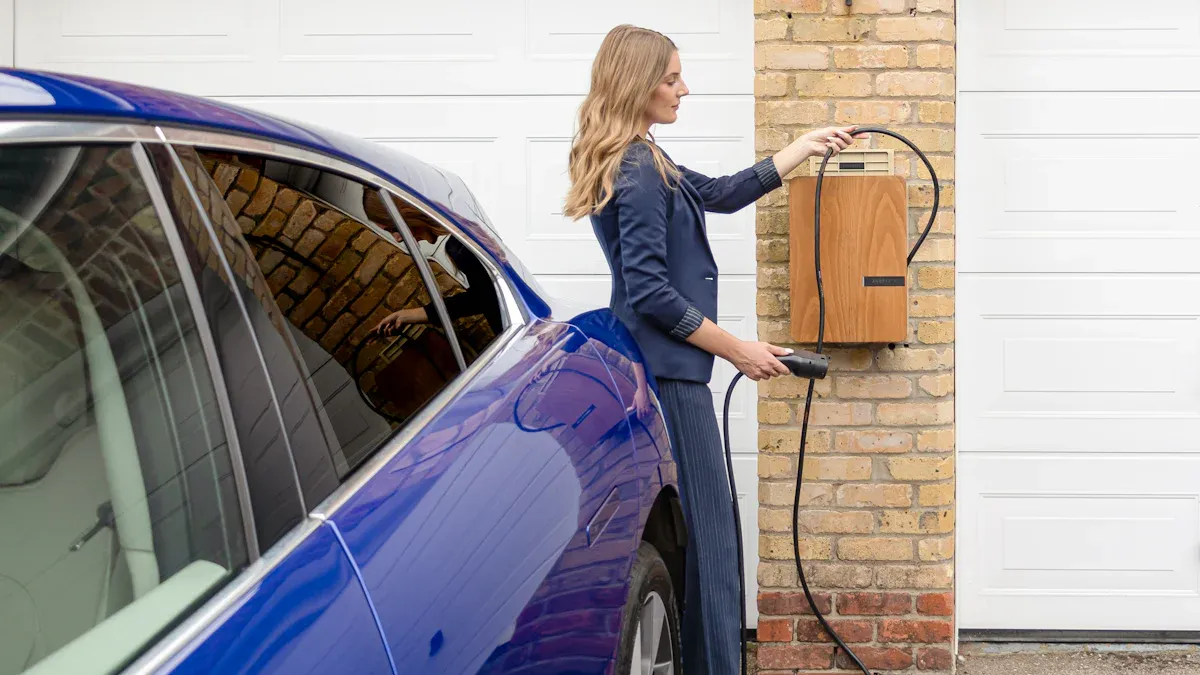
A wallbox is a dedicated home charger designed for electric vehicles. It delivers faster and safer charging compared to a standard household outlet. Residents who own their parking space in a german apartment often choose to install a wallbox for maximum convenience. Home EV chargers like those from TPSON offer advanced features, such as smart charging management and integration with energy monitoring systems.
A wallbox can transform the charging experience by providing reliable access to power at any time. This solution suits drivers who want to avoid the uncertainty of public charging points and prefer the comfort of charging their car at home.
Technical Requirements for Wallbox Installation
Installing a wallbox in an apartment building requires careful planning. The building’s electrical infrastructure must support the additional load from the charger. An electrician should conduct a thorough assessment to determine if upgrades are necessary. In older buildings, the installation process can become complex and costly, as new wiring or circuit breakers may be required.
Professional installation ensures compliance with safety standards and local regulations. Residents must obtain permission from the landlord or homeowners’ association before proceeding. TPSON provides technologically advanced solutions that simplify the installation process and enhance safety for all users.
Public Charging for Electric Vehicles Near Your German Apartment
Finding Public EV Chargers Nearby
Many apartment residents lack dedicated parking spaces and must rely on public charging networks. These networks continue to expand in urban areas, making it easier to find a public charging point within walking distance. Apps and online maps help drivers locate available chargers, compare prices, and check real-time availability.
Nota: Public charging points offer flexibility for those who cannot install a home charger or access a shared station.
Using Public Charging Networks in Germany
Public charging networks in Germany provide a range of options, from fast chargers at supermarkets to standard chargers in residential neighborhoods. Drivers can access these chargers using RFID cards, mobile apps, or contactless payment methods. While public charging offers convenience, it cannot match the ease of home charging for electric vehicle owners.
Renters and apartment dwellers often face challenges with public charging, such as limited availability during peak hours and higher costs compared to home charging. Creative solutions like workplace charging programs, charging cooperatives, and mobile charging services are emerging to address these issues. However, homeowners with private wallboxes still enjoy a significant advantage in terms of convenience and cost savings.
Alternative EV Charging Solutions for Apartment Residents
Mobile EV Charging Services in German Cities
Mobile EV charging services have emerged as a flexible option for residents who lack access to fixed charging infrastructure. These services operate in major German cities and deliver on-demand charging directly to parked vehicles. Companies deploy vans equipped with battery packs or generators. They visit apartment complexes and public parking areas, providing charging without the need for permanent installations.
Residents benefit from mobile charging in several ways:
- They avoid the complexity of installing a wallbox or negotiating with landlords.
- They receive charging at convenient times, often scheduled through a mobile app.
- They access charging even in buildings with limited electrical capacity.
Sugestão: Residents should check local regulations and service availability before relying on mobile charging. Some cities restrict where mobile charging vans can operate.
A typical mobile charging session involves booking a time slot, specifying the location, and confirming the vehicle type. The service provider arrives and connects the charger to the vehicle. Payment occurs through digital platforms, offering transparency and ease of use. Mobile charging services continue to expand, driven by the growing demand for electric mobility in urban environments.
Charging Your Electric Vehicle at Work
Workplace charging provides another practical solution for apartment residents. Many employers in Germany have installed charging stations in office parking lots. Employees charge their vehicles during work hours, reducing reliance on home or public charging.
Workplace charging offers several advantages:
- Employees maximize vehicle uptime by charging while at work.
- Employers support sustainability goals and attract talent interested in electric mobility.
- Charging costs often remain lower than public charging rates.
| Workplace Charging Benefits | Descrição |
|---|---|
| Conveniência | Employees charge during work hours |
| Poupança de custos | Lower rates compared to public charging |
| Sustentabilidade | Supports company environmental initiatives |
Some companies offer free charging as an employee perk. Others implement pay-per-use models or integrate charging costs into parking fees. Employees should consult their human resources department or facility manager to learn about available options.
Workplace charging complements other solutions, such as mobile services and public networks. Apartment residents who drive an electric car gain flexibility and reduce charging stress by leveraging multiple charging locations.
Steps to Access or Install EV Charging in a German Apartment

Talking to Your Landlord or Property Manager About Home Charging
Requesting Permission for EV Charging Installation
Residents in a german apartment often need to approach their landlord or property manager before starting any home charging project. They should prepare a written request that outlines the benefits of electric vehicle charging and the technical requirements for installation. This request should include details about the chosen wallbox, the location of the socket, and the expected impact on the building’s electrical supply.
Sugestão: Attach product brochures or technical specifications to help the landlord understand the proposal.
Presenting Your Case for Electric Vehicle Charging
A well-prepared case can increase the chances of approval. Residents should highlight how home charging supports sustainability and increases property value. They can mention that modern charging installations include advanced safety features, such as a residual current device (RCD), which provides protection against electrical faults. Clear communication about safety precautions and maintenance responsibilities reassures property managers and neighbors.
Legal Rights for Electric Vehicle Charging in German Apartments
German Law on EV Charging (WEG Reform and EPBD)
German law now supports the right to install charging infrastructure in apartment buildings. The WEG reform and the European EPBD directive require property owners and associations to allow reasonable requests for charging installations. These laws aim to promote electric mobility and ensure that residents can access charging for their car at home.
Tenant vs. Owner Rights for Home Charging
Tenants and owners have different rights regarding charging installations. Owners can usually proceed after informing the homeowners’ association and following building rules. Tenants must obtain written permission from the landlord. Both groups must ensure that the installation meets safety standards and does not compromise the safety of the supply.
Technical and Safety Requirements for EV Charging
Electrical Infrastructure Checks in Apartment Buildings
Before installation, a certified electrician should inspect the building’s electrical infrastructure. This check ensures that the supply can handle the additional load from the charging station. The electrician will assess the main panel, wiring, and socket locations to confirm compatibility with the planned charging installations.
Professional Installation Standards for Wallboxes
Professional installation guarantees safety and compliance with regulations. Installers must use certified equipment and follow strict safety precautions. The wallbox should include an RCD or residual current device for protection. Regular maintenance checks help maintain the safety of the supply and extend the lifespan of the charging equipment.
Nota: Never attempt to install a wallbox or modify the electrical system without professional assistance. Proper installation protects both residents and the building.
Costs, Installation, and Maintenance of EV Charging in German Apartments
Installation Costs for Home Charging Solutions
Wallbox Purchase and Setup Expenses
A wallbox represents a significant investment for residents who want to charge electric cars at home. The price for a basic charger starts around €500, but advanced models with smart features can exceed €1,500. Installation costs depend on the complexity of the electrical supply and the distance from the main panel to the parking space. Electricians may need to upgrade wiring or add a dedicated socket, which can increase expenses. Most installations in a German apartment range from €800 to €2,500, including labor and materials. Residents should always request a detailed quote before starting the project.
Shared Charging Station Fees and Contributions
Shared charging stations require collective investment from the building’s residents or owners. The initial cost covers the purchase of the charger, installation, and any necessary upgrades to the building’s supply. Residents usually contribute through a one-time fee or ongoing payments into a maintenance fund. Property managers often coordinate these contributions and manage the billing process. Transparent agreements help prevent disputes and ensure fair access to the charger.
Ongoing Costs of Electric Vehicle Charging
Electricity Pricing for Home and Shared Charging
The ongoing cost of charging an EV depends on where the car receives power. Home charging remains the most affordable option for most drivers. The price per kilowatt-hour (kWh) at home varies based on the energy tariff and the size of the car’s battery. In contrast, public charging stations in Germany often charge higher rates, with an average price of about 81 cents per kWh. Fast chargers can be even more expensive. Unless residents have access to free public charging points, they will find home charging much cheaper. High public charging costs continue to act as a barrier for many drivers.
- Home charging is generally cheaper than public charging.
- Public charging prices in Germany are higher than in many other European countries.
- Fast public chargers can significantly increase the cost of charging an electric car.
Maintenance and Repairs of Charging Equipment
Charger maintenance ensures safety and reliability. Residents should schedule regular inspections by qualified electricians. Most wallboxes require minimal upkeep, but shared stations may need more frequent checks due to higher usage. Repairs for damaged cables, sockets, or electronic components can add to the total cost. Property managers usually organize maintenance for shared chargers, while individual owners handle their own equipment.
Who Pays for EV Charging in a German Apartment?
Tenant vs. Landlord Responsibilities for Charging Costs
Responsibility for charger costs depends on the rental agreement and building ownership structure. Tenants typically pay for the installation and electricity used by their charger. Landlords may cover part of the installation if it increases property value. Clear agreements help avoid misunderstandings about who pays for repairs or upgrades.
Cost Sharing in Multi-Unit Apartment Buildings
In multi-unit buildings, residents often share the cost of installing and maintaining shared chargers. The homeowners’ association or property manager collects contributions and manages the supply of electricity. Transparent billing and clear rules ensure that all users pay their fair share.
Practical Tips for German Apartment Residents with Electric Vehicles
Choosing the Best EV Charging Option for Your Needs
Assessing Your Electric Vehicle Charging Habits
Every resident should evaluate their daily driving patterns before selecting a charger. Some drivers need to charge their car overnight, while others only require a top-up once or twice a week. They should consider the type of charger that matches their routine. Slow chargers work well for those who park for long periods, while fast or rapid chargers suit drivers with limited time. Residents must also check if their garage space or parking spot is close enough to their home for easy access. Electricity consumption and power availability play a role in the decision. The building’s electrical system must support the charger’s load to ensure safety and reliable operation.
Comparing Home, Shared, and Public Charging Options
Residents can choose from several charging solutions. Home charging offers the most convenience for electric cars, but not every apartment has the infrastructure for a private charger. Shared chargers in communal garages provide a balanced approach, allowing multiple users to access charging without the need for individual installations. Public charging stations near the building serve as a backup when home or shared options are unavailable. Each solution has a different cost structure, so residents should compare installation fees, ongoing electricity rates, and maintenance expenses before making a decision.
Navigating Building Regulations for EV Charging
Understanding House Rules and Apartment Policies
Apartment buildings often have specific rules for installing and using chargers. Residents should review these policies to avoid conflicts. Effective strategies include monitoring individual usage to spot potential issues early and setting fair usage policies. These policies might define charging duration limits or establish priority systems during peak times. Clear guidelines help maintain order and ensure everyone has access to the charger.
Dealing with Neighbors and Shared Spaces
Living in a shared environment requires cooperation. Residents should communicate openly with neighbors about charger use and respect shared spaces. Establishing dispute resolution mechanisms can help address conflicts quickly and maintain good relationships. A transparent process for handling disagreements protects both the community and individual rights. Everyone benefits when the building supports fair and safe access to electric vehicle charging.
Maximizing Convenience with Home Charging Solutions
Scheduling EV Charging Times in Apartments
Scheduling plays a key role in maximizing charger availability. Residents can set specific charging times to avoid peak demand and reduce waiting periods. Some buildings use reservation systems or sign-up sheets to coordinate access. This approach ensures that every electric car owner gets a fair opportunity to charge.
Using Apps and Smart Features for Charging Management
Modern chargers often include smart features that simplify management. Mobile apps allow users to monitor charging progress, schedule sessions, and receive notifications. These tools help optimize electricity usage and provide an extra layer of protection by alerting users to any issues. Smart management systems also track cost and usage, making it easier for residents to manage their charging expenses.
Common Challenges and Solutions for EV Charging in German Apartments
Limited Parking Spaces and EV Charging Access
Shared Parking Management for Electric Vehicles
Apartment complexes in Germany often face limited parking availability. Residents must coordinate to ensure fair access to each charger. Property managers usually implement a rotation system or assign specific parking spots for electric vehicles. This approach prevents conflicts and maximizes the use of available infrastructure. Some buildings use digital platforms to track charger usage and notify residents when a spot becomes available.
Sugestão: Residents should participate in meetings to discuss parking policies and suggest improvements for charger allocation.
Reserving Charging Spots in Apartment Complexes
Reserving a charger spot can reduce frustration among residents. Many buildings adopt reservation systems that allow users to book time slots in advance. These systems operate through mobile apps or sign-up sheets posted in common areas. Clear rules help prevent disputes and ensure that every electric car owner receives a fair opportunity to charge. Transparent communication remains essential for maintaining harmony in shared spaces.
Technical Barriers to Installing Home Charging
Upgrading Electrical Systems for EV Charging
Older apartment buildings may lack the electrical capacity to support modern charger installations. Electricians must assess the main panel and wiring before any upgrades. If the system cannot handle the additional load, they recommend installing new circuits or upgrading transformers. These improvements enhance safety and reliability for all residents.
Overcoming Installation Obstacles in Older Buildings
Historic or outdated buildings present unique challenges for charger installation. Thick walls, limited access to parking areas, and outdated wiring complicate the process. Residents often need creative solutions, such as surface-mounted cables or shared charger setups. Collaboration with experienced installers ensures compliance with safety standards and minimizes disruption to the building.
Legal and Administrative Hurdles for EV Charging
Handling Disputes Over Charging Installations
Disagreements sometimes arise when residents request charger installations. Common issues include concerns about cost, aesthetics, or potential disruptions. Property managers can mediate these disputes by organizing meetings and providing clear guidelines. Written agreements help clarify responsibilities and protect the interests of all parties.
Navigating Bureaucracy and Approval Processes
The approval process for charger installation in German apartments can involve multiple steps. Residents must submit formal requests, gather technical documentation, and obtain consent from the homeowners’ association or landlord. Delays often occur due to unclear regulations or slow administrative procedures. Persistence and thorough preparation increase the likelihood of a successful outcome.
| Desafio | Solução |
|---|---|
| Limited parking for chargers | Shared management, reservations |
| Outdated electrical infrastructure | Upgrades, expert assessment |
| Legal and administrative barriers | Clear communication, mediation |
Residents who understand these challenges and proactively seek solutions can enjoy reliable access to charging for their electric car.
Residents in a german apartment can access a charger through several solutions. They may use a shared charger, install a private charger, or rely on a public charger near their building. Each charger option supports an ev lifestyle and keeps an electric car ready for daily use.
Start by discussing charger installation with the landlord. Understand legal rights and building policies before selecting a charger. Choose the charger that matches personal needs and budget. Take action to make charging at home simple and reliable.
FAQ
Can residents install an EV charger in a german apartment?
Residents can request permission to install an EV charger. The landlord or homeowners’ association reviews the proposal. Professional installation ensures safety and compliance with regulations. Residents must follow building policies and legal requirements.
What types of EV charging options exist for apartment dwellers?
Apartment residents can access shared charging stations, install a private wallbox, or use public charging points nearby. Mobile charging services and workplace charging also provide alternatives for those without dedicated parking spaces.
How much does it cost to install an EV charger in an apartment?
Installation costs depend on the charger type and building infrastructure. Wallbox installation ranges from €800 to €2,500. Shared charging stations require collective investment. Residents should request detailed quotes before starting any project.
Who pays for electricity used by EV chargers in apartments?
Residents pay for electricity consumed by their EV charger. Shared charging stations use billing systems to track usage. Homeowners’ associations or property managers manage cost sharing in multi-unit buildings.
Are there legal rights for EV charging in German apartments?
German law supports residents’ right to request EV charging installations. The WEG reform and EPBD directive require property owners to allow reasonable proposals. Tenants must obtain written permission from landlords.
What maintenance is required for EV charging equipment?
Regular inspections by qualified electricians ensure safety and reliability. Wallboxes need minimal upkeep. Shared stations require frequent checks due to higher usage. Property managers organize maintenance for communal chargers.
How can residents reserve a charging spot in an apartment complex?
Reservation systems allow residents to book charging time slots. Buildings use mobile apps or sign-up sheets to coordinate access. Clear rules prevent disputes and ensure fair use of shared chargers.