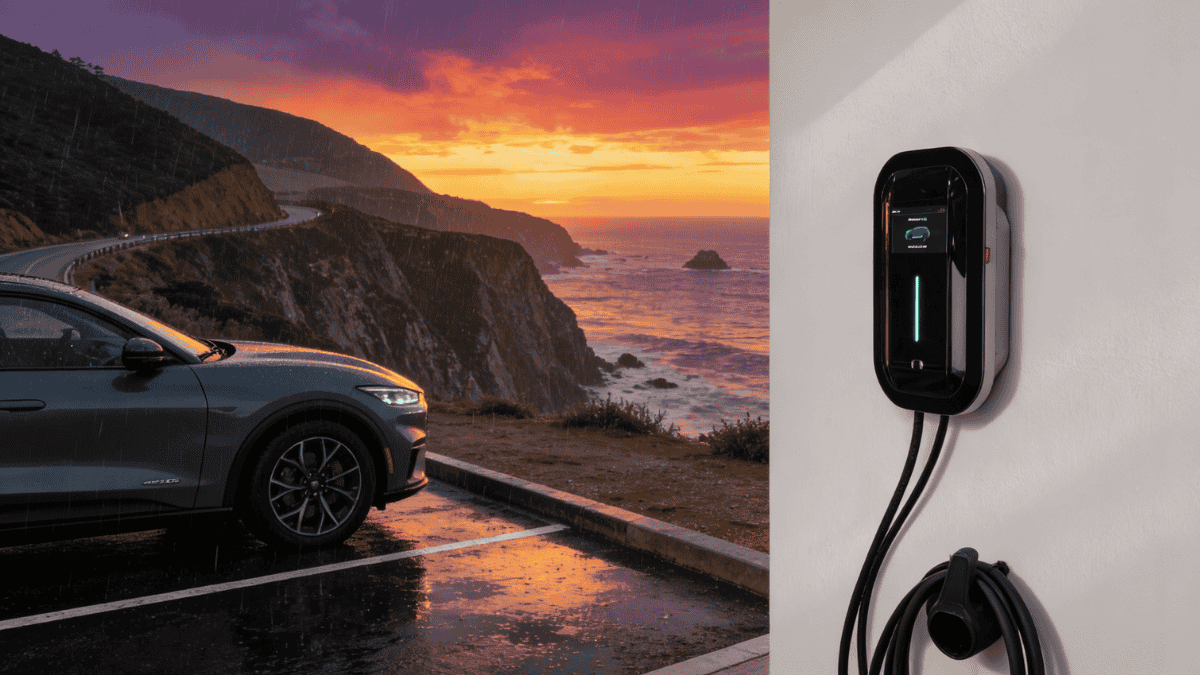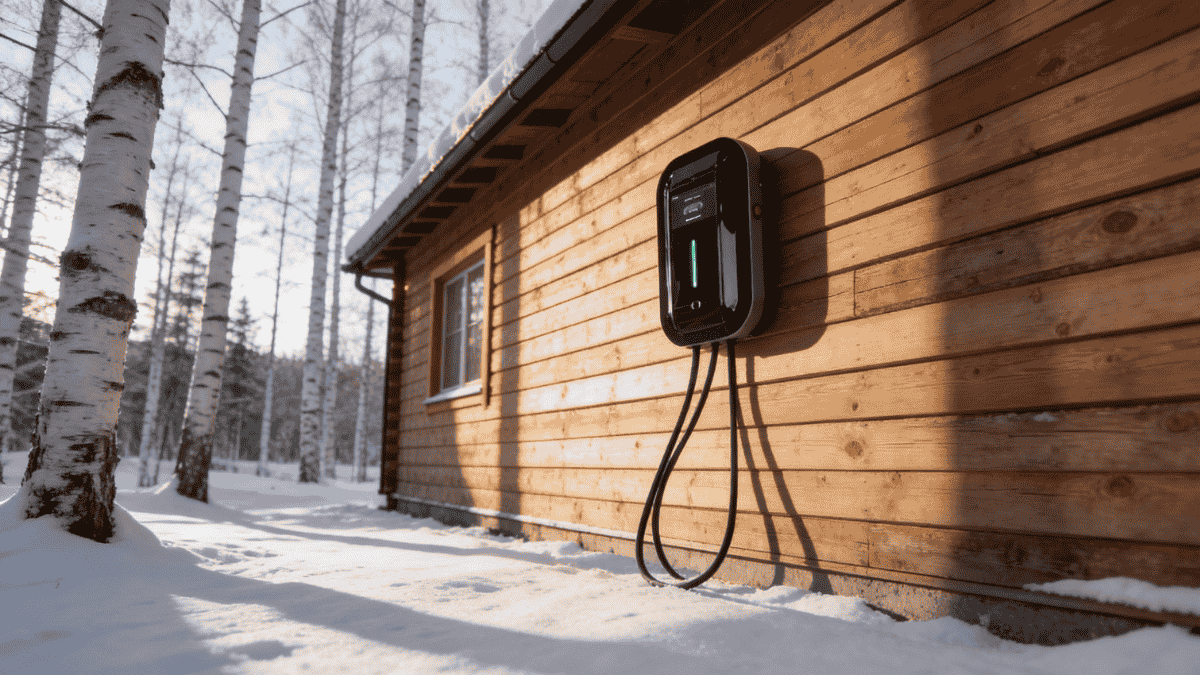
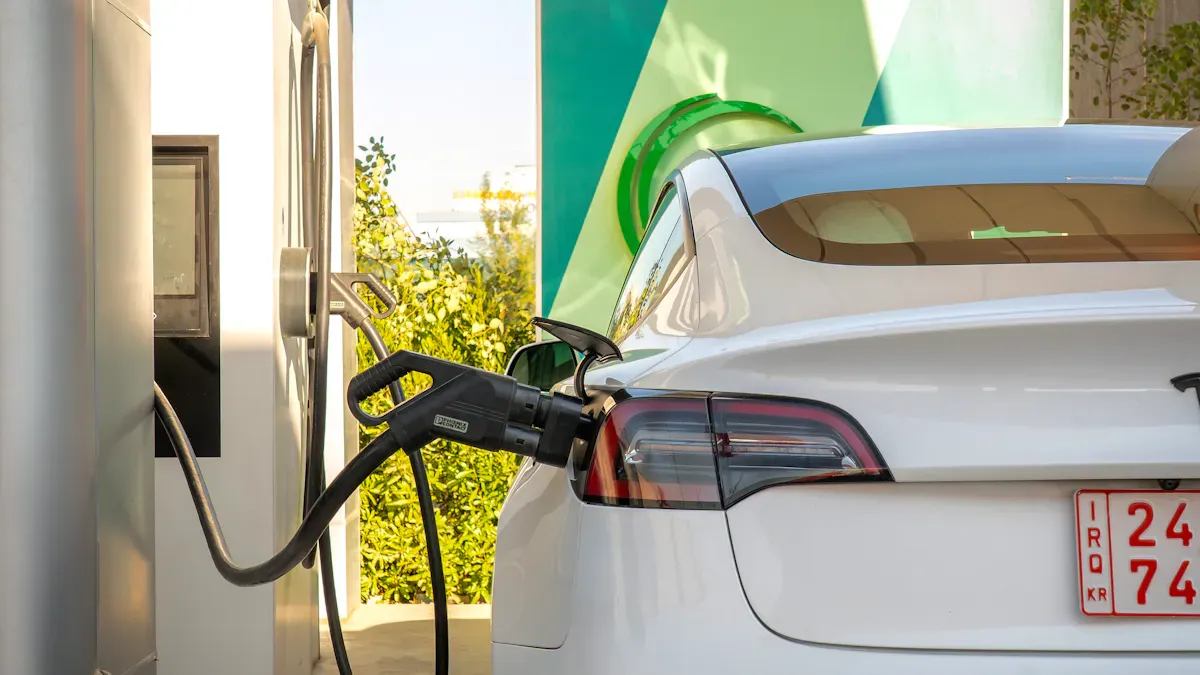
Para a maioria das empresas no Brasil, a melhor solução comercial geralmente envolve a escolha de carregadores inteligentes devido aos seus recursos avançados e adaptabilidade. A decisão, no entanto, depende de vários fatores, incluindo custo, funcionalidades, escalabilidade e necessidades do negócio. A tabela abaixo destaca as principais diferenças:
| Caraterística | Carregador Simples | Carregador inteligente |
|---|---|---|
| Preço típico (hardware) | ~R$ 300–R$ 500 | ~R$ 500–R$ 900+ |
| Conectividade | Nenhum | Wi‑Fi/Bluetooth/Ethernet |
| Dados e relatórios | Não disponível | Disponível |
O tamanho da empresa, a frequência de uso e os planos de expansão futura também desempenham um papel crucial. Empresas que buscam escalabilidade Soluções de carregamento de veículos eléctricos ou integração com energia renovável devem consultar Fabricantes de carregadores para veículos eléctricos para orientação. Aquelas com requisitos limitados podem considerar carregadores simples ou carregadores ev portáteis para necessidades básicas.
Melhor Solução Comercial: Definindo Carregadores Inteligentes e Simples

Carregadores Inteligentes Explicados
Caraterísticas
Carregadores inteligentes representam o nível avançado da tecnologia de carregamento de veículos elétricos. Esses dispositivos oferecem uma gama de funcionalidades que suportam operações comerciais. As empresas beneficiam de monitoramento em tempo real, diagnósticos remotos e controle de acesso. Carregadores inteligentes conectam-se à internet via Wi-Fi, Bluetooth ou Ethernet, permitindo integração com sistemas de gestão de energia. A TPSON, uma fornecedora de soluções de carregamento para veículos elétricos tecnologicamente avançada, oferece carregadores inteligentes que se adaptam à demanda energética e otimizam os horários de carregamento.
Carregadores inteligentes permitem que as empresas rastreiem dados de uso, gerenciem a distribuição de energia e controlem sessões de carregamento remotamente. Essa capacidade apoia a gestão de custos e melhora a eficiência operacional.
| Caraterística | Carregadores inteligentes | Carregadores Simples |
|---|---|---|
| Funcionalidade | Gerenciar energia, controlar sessões, fornecer dados de uso | Carga elétrica simples |
| Experiência do utilizador | Monitoramento em tempo real via aplicativos | Conectar e carregar |
| Conectividade | Conexão à internet para funcionalidades avançadas | Sem conexão de rede |
| Caraterísticas | Diagnóstico remoto, controle de acesso, gestão de energia | Funcionalidades limitadas, sem acesso remoto |
| Custo | Custo inicial mais alto, economia ao longo do tempo | Custo inicial mais baixo |
| Preparar o futuro | Adapta-se à demanda e preços de energia | Estático, não otimiza o uso de energia |
Operação
Carregadores inteligentes operam através da integração inteligente de software e hardware. Eles se comunicam com plataformas de gerenciamento central, permitindo que os operadores agendem sessões de carregamento e monitorem o desempenho. As empresas podem definir tarifas, restringir o acesso e receber alertas sobre necessidades de manutenção. O sistema otimiza o carregamento com base na demanda, protegendo as baterias e reduzindo custos de energia. Carregadores inteligentes suportam a Melhor Solução Comercial para empresas que buscam escalabilidade e eficiência.
Carregadores Simples Explicados
Caraterísticas
Carregadores simples fornecem funcionalidade básica de carregamento. Esses dispositivos carecem de conectividade e funcionalidades avançadas. Os usuários conectam seus veículos e recebem uma carga elétrica simples. Carregadores simples não oferecem acesso remoto, rastreamento de dados ou gestão de energia. O custo inicial permanece mais baixo, tornando-os atraentes para empresas com necessidades limitadas de carregamento.
| Aspeto | Carregadores Simples | Carregadores inteligentes |
|---|---|---|
| Funcionalidade | Capacidade básica de carregamento | Funcionalidades avançadas como insights de dados e controle remoto |
| Eficiência | Sem balanceamento de carga | Otimiza o carregamento com base na demanda |
| Proteção da Bateria | Nenhuma medida de proteção específica | Protege as baterias controlando as taxas de carga |
| Gestão de Custos | Sem gestão de tarifas | Oferece tarifas mais baratas e restrições de acesso |
| Gestão da Rede | Nenhum impacto na demanda de energia | Ajuda a gerenciar picos de demanda de energia |
Operação
Carregadores simples operam com mecânica direta. Os usuários conectam seus veículos, e o carregador fornece energia sem monitoramento ou controle. As empresas não podem gerenciar sessões de carregamento ou otimizar o uso de energia. A manutenção permanece simples, mas a falta de funcionalidades avançadas limita o valor a longo prazo. Carregadores simples podem ser adequados para pequenas empresas ou locais onde a Melhor Solução Comercial não requer escalabilidade ou integração.
Melhor Solução Comercial: Comparando Funcionalidades e Benefícios
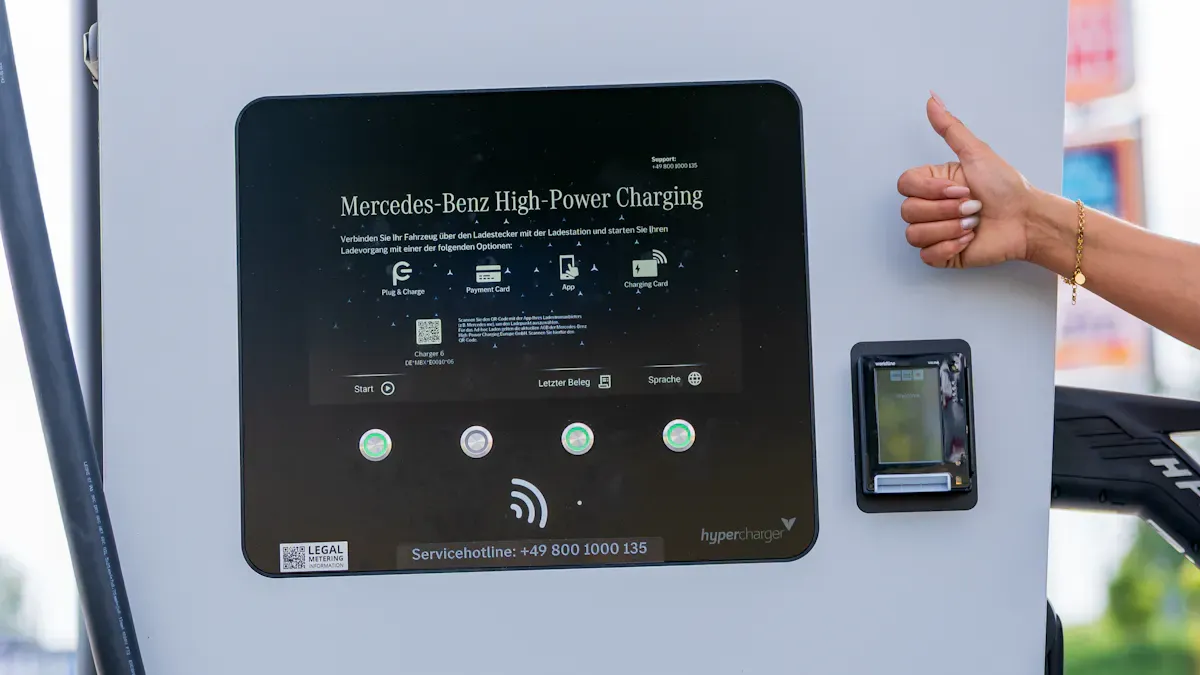
Conectividade e Controle
Gestão remota
Carregadores inteligentes oferecem recursos avançados de conectividade e controle que suportam operações comerciais. Empresas no Brasil podem gerenciar sua infraestrutura de carregamento remotamente, o que agiliza as operações diárias e reduz a necessidade de intervenção no local. Principais capacidades de gerenciamento remoto incluem:
- Monitoramento em tempo real do status de carregamento em múltiplas localizações
- Gerenciamento dinâmico de carga para prevenir sobrecargas do sistema elétrico
- Diagnósticos remotos que resolvem problemas menores sem despachar técnicos
- Capacidade de iniciar, parar ou agendar sessões de carregamento a partir de um painel central
- Restrição do acesso ao carregador para usuários autorizados, como funcionários ou inquilinos
- Geração de relatórios de uso para faturamento e análise operacional
Essas funcionalidades ajudam as empresas a manter alta disponibilidade e eficiência operacional, tornando o gerenciamento remoto uma vantagem central ao avaliar a Best Commercial Solution.
Experiência do utilizador
User experience improves significantly with smart chargers. Employees, visitors, and fleet drivers benefit from features such as:
- Multi-user access control and authentication
- Usage tracking for individual employees or departments
- Guest charging capabilities for visitors
- Prioritization rules for business-critical vehicles
- Tiered pricing options for different user groups
These capabilities ensure that users have a seamless and secure charging experience. Businesses can tailor access and pricing to meet specific needs, which enhances satisfaction and supports efficient resource allocation.
Integration with Business Systems
Data Tracking
Smart chargers offer robust data tracking that supports informed decision-making. Operators gain access to real-time insights into energy consumption, station uptime, and user behavior. The following table summarizes the main benefits:
| Benefício | Descrição |
|---|---|
| Operational Efficiency | Real-time insights into energy consumption and station uptime enable data-driven decision-making. |
| User Management | Operators can define user access levels and manage user groups, enhancing control over charging access. |
| Revenue Optimization | Custom pricing options and backend dashboards help in tracking revenue performance effectively. |
Data tracking allows businesses to optimize operations, manage users, and maximize revenue, which are essential elements of the Best Commercial Solution.
System Compatibility
Integration with existing business systems is crucial for scalability and efficiency. Smart chargers support a wide range of integration options, as shown below:
| Integration Type | Descrição |
|---|---|
| ChargeMeEV Back Office Platform | Full API capability for integration with ERP/HR systems and EV driver apps. |
| OCPP Integration | Compatible with OCPP 1.6 and 2.0.1 protocols, supporting over 200 charger models. |
| EMS & BESS Integrations | Interoperability with energy management and battery energy storage systems. |
| OCPI & OICP Interoperability | Facilitates communication between different charging networks and platforms. |
| OCPP Implementation Services | Services for implementing OCPP standards in charging infrastructure. |
These integration features enable businesses to connect charging infrastructure with enterprise resource planning, energy management, and other critical platforms.
Análise de custos
Investimento inicial
Dumb chargers typically require a lower upfront investment. Businesses with limited charging needs may find this appealing. However, smart chargers, while more expensive initially, provide advanced features that can deliver long-term value.
Custos de instalação
Installation costs vary depending on the complexity of the system. Smart chargers may require additional networking and integration work, which can increase installation expenses. Dumb chargers, with their basic functionality, often have lower installation costs.
Maintenance Expenses
Smart chargers reduce maintenance expenses through remote diagnostics and monitoring. Businesses can resolve minor issues without sending technicians on-site, which minimizes downtime and service costs. Dumb chargers, lacking these features, may require more frequent manual inspections.
Operational Savings
Smart chargers help businesses achieve significant operational savings. The following table outlines the main areas where savings occur:
| Tipo de prova | Descrição |
|---|---|
| Energy Cost Savings | Smart chargers avoid peak electricity prices, leading to lower energy costs. |
| Estado da bateria | Smart chargers prevent overcharging, which enhances battery longevity. |
| Demand Charge Management | Smart chargers can reduce fees imposed by utility companies based on peak power usage. |
By optimizing energy use and reducing demand charges, smart chargers support a more sustainable and cost-effective operation. These savings contribute to the overall value proposition when selecting the Best Commercial Solution for commercial charging in Brazil.
Reliability and Performance
Tempo de atividade (Uptime)
Businesses in Brazil require charging infrastructure that delivers consistent uptime. Smart chargers excel in this area by offering remote diagnostics and real-time monitoring. Operators can detect issues early and resolve them before they disrupt service. This proactive approach reduces downtime and ensures that vehicles remain charged and ready for use. Dumb chargers, lacking connectivity, cannot provide alerts or status updates. As a result, businesses may only discover problems when users report them, leading to longer periods of inactivity.
Maintenance Needs
Smart chargers simplify maintenance through automated alerts and remote troubleshooting. Technicians can often resolve minor faults without visiting the site, which saves time and reduces costs. Scheduled software updates and predictive maintenance features further enhance reliability. Dumb chargers, while mechanically simple, require manual inspections and lack the ability to self-diagnose. This limitation can increase operational costs and extend repair times, especially for businesses managing multiple locations.
Security Considerations
Proteção de dados
Data security stands as a top priority for commercial charging networks. Smart chargers handle sensitive information, including user credentials and billing data. They address these concerns with several protective features:
| Security Feature | Descrição |
|---|---|
| Secure Software Updates | Chargers receive automatic and secure updates for security fixes and new features. |
| Tamper Protection | Devices detect physical tampering or hacking attempts. |
| Secure Communication | Data exchanged between the charger, app, and servers is encrypted to prevent unauthorized access. |
| Proper Passwords | Users must set unique passwords, avoiding weak defaults like ‘1234’. |
These measures help businesses comply with data protection regulations and safeguard customer trust.
Controlo de acesso
Smart chargers offer advanced access control options. Operators can restrict charging privileges to authorized users, such as employees or tenants. Multi-factor authentication and user management tools prevent unauthorized access. However, smart chargers also introduce new risks:
- Vulnerabilities in APIs and hardware can expose systems to account hijacking.
- Insecure firmware updates may allow attackers to install backdoors.
- Predictable serial numbers can enable brute force attacks.
- Interoperability protocols, such as OCPI, may propagate vulnerabilities across platforms.
Potential consequences include electricity theft, denial of service, and even destabilization of the power grid if attackers manipulate many chargers at once. Physical security remains important, but most threats target networked features. Businesses should prioritize regular security audits and enforce best practices to minimize risks.
Scalability and Flexibility
Infrastructure Expansion
Smart chargers provide modular and scalable solutions. Businesses can add new units as demand grows, integrating them seamlessly into existing networks. This flexibility supports the rapid expansion of electric vehicle adoption in Brazil. Dumb chargers, by contrast, lack monitoring and advanced features, which limits their effectiveness as infrastructure needs evolve. As electric vehicle uptake accelerates, companies must plan for significant increases in charging capacity.
- Smart chargers support modular upgrades and future-proof investments.
- Dumb chargers may require complete replacement to meet new requirements.
Adapting to Growth
Smart chargers offer unmatched flexibility for adapting to business growth. Operators can customize tariffs, user experiences, and integrations to suit specific needs.
| Caraterística | Benefício |
|---|---|
| Personalização | Businesses can tailor tariffs, user experience, and integrations for unique requirements. |
| Escalabilidade | Charging networks expand efficiently as operations grow. |
| Controlo | Full control over intellectual property and data ensures business continuity and independence. |
A comprehensive solution for EV charging management enables quick deployment and smooth maintenance. Smart, scalable, and modular designs help businesses respond to changing market conditions and support long-term success. For companies seeking the Best Commercial Solution, these attributes ensure that charging infrastructure remains an asset as the business evolves.
Preparar para o futuro
Actualizações tecnológicas
Businesses in Brazil must consider how their charging infrastructure will adapt to rapid changes in electric vehicle technology. Smart chargers offer a clear advantage in this area. These devices support over-the-air software updates, which allow manufacturers to add new features or improve performance without replacing hardware. As new EV models enter the market, smart chargers can receive compatibility updates, ensuring continued support for a wide range of vehicles.
Dumb chargers, on the other hand, lack the ability to upgrade through software. When new charging standards or protocols emerge, businesses may need to replace these units entirely. This approach increases long-term costs and disrupts operations. Smart chargers also enable integration with future energy management systems, such as solar panels or battery storage. This flexibility allows companies to optimize energy use and reduce costs as technology evolves.
Tip: When evaluating charging solutions, businesses should ask vendors about the frequency and process for software updates. Future-ready infrastructure reduces the risk of obsolescence.
Conformidade regulamentar
Brazil’s regulatory landscape for electric vehicle charging continues to evolve. Authorities introduce new safety, accessibility, and data privacy requirements as the market matures. Smart chargers help businesses stay compliant by supporting remote monitoring and automated reporting. These features simplify the process of demonstrating compliance during audits or inspections.
A table below highlights how smart and dumb chargers compare in meeting regulatory demands:
| Regulatory Area | Smart Chargers (Advantage) | Dumb Chargers (Limitation) |
|---|---|---|
| Normas de segurança | Remote diagnostics, alerts | Manual checks only |
| Data Privacy | Encrypted data, access controls | No data management |
| Acessibilidade | User authentication, reporting | No user tracking |
| Reporting | Automated logs and reports | Manual record-keeping |
Smart chargers can adapt quickly to new rules through software updates. For example, if authorities require new data protection measures, manufacturers can deploy updates across all connected units. Dumb chargers require manual intervention or replacement to meet new standards.
Businesses seeking the Best Commercial Solution must prioritize future-proofing. By investing in smart charging infrastructure, companies can adapt to technological advances and regulatory changes with minimal disruption. This approach protects long-term investments and ensures ongoing compliance in a dynamic market.
Best Commercial Solution: Business Use Cases in Brazil
Small and Medium Businesses
Charging Needs
Small and medium businesses in Brazil often operate with limited parking spaces and moderate vehicle turnover. They require charging solutions that deliver reliability without unnecessary complexity. Many of these businesses use electric vehicles for local deliveries, employee transportation, or customer services. The main priority centers on ensuring that vehicles remain charged and ready for daily operations.
A simple charging setup can meet the needs of a small business with only a few electric vehicles. Dumb chargers provide a straightforward plug-and-charge experience. They suit locations where users do not need access control or advanced reporting. However, as the number of electric vehicles grows, the need for better management and monitoring increases. Smart chargers offer features such as remote monitoring and usage tracking, which help businesses optimize charging schedules and reduce downtime.
Cost Sensitivity
Cost remains a critical factor for small and medium businesses. Many owners seek solutions with low upfront investment and minimal ongoing expenses. Dumb chargers appeal to cost-sensitive businesses due to their lower purchase price and simple installation. These chargers require less infrastructure and do not need network connectivity.
However, smart chargers can deliver long-term savings by reducing energy costs and maintenance expenses. Remote diagnostics and load management features help prevent costly electrical upgrades and minimize downtime. Businesses that anticipate growth or want to future-proof their operations may find that investing in smart chargers offers better value over time.
Tip: Small and medium businesses should assess their current and future charging needs before making a decision. A scalable solution can prevent costly replacements as the business expands.
Large Enterprises and Fleets
High-Volume Charging
Large enterprises and fleet operators in Brazil face unique challenges. They must manage high charging volumes, coordinate multiple vehicles, and ensure operational efficiency. Smart chargers address these needs by providing advanced scheduling, monitoring, and control features. Fleet managers can track energy usage, monitor charger status, and automate charging sessions to match operational requirements.
The following table highlights key features that support large-scale fleet operations:
| Caraterística | Descrição |
|---|---|
| Charger Scheduling | Provides both manual and automatic scheduling for intelligent charging programs that meet fleet needs. |
| Automatic Fault Detection | Automatically detects hardware faults and connectivity issues, streamlining support responses. |
| Modular | Allows easy integration with different telematics providers or proprietary APIs. |
| Scalable | Designed to meet the size and budget of any fleet electrification program. |
| Secure | Developed as part of Europe’s largest fleet electrification programme covering 5,700+ charging stations. |
These features ensure that large enterprises can maintain high uptime and adapt to changing operational demands.
Energy Management Integration
Energy management plays a vital role in large-scale EV charging. Many enterprises integrate Sistemas de armazenamento de energia em baterias (BESS) and proprietary Energy Management Systems (EMS) with their smart chargers. This integration allows businesses to:
- Use DC/DC fast chargers and lithium battery walls to store and deliver energy efficiently.
- Manage energy input from renewable sources, such as solar panels, to reduce grid dependence.
- Optimize energy flow to chargers and vehicles, improving overall efficiency.
- Leverage AI and real-time data to balance charging demand and maintain grid stability.
- Prevent grid overload by scheduling charging sessions during off-peak hours.
The EMS optimizes energy usage by managing charging schedules and integrating renewable energy sources. This approach enhances reliability and reduces operational costs, making it essential for large enterprises seeking the Best Commercial Solution.
Retail and Hospitality
Customer Experience
Retailers and hospitality providers in Brazil use EV charging stations to enhance the customer experience. Smart chargers offer easy access to wireless power, which improves convenience for guests and visitors. Many businesses integrate digital engagement technologies with their charging infrastructure. This integration allows for personalized services, such as mobile app notifications and loyalty rewards.
The following table summarizes the main benefits for retail and hospitality businesses:
| Benefício | Descrição |
|---|---|
| Improved Guest Experience | Smart chargers provide easy access to wireless power, enhancing the overall experience for guests. |
| Aumento do tráfego pedonal | By offering charging solutions, venues can attract more visitors, boosting overall attendance. |
| Enhanced Marketing Opportunities | Integration of digital engagement technologies allows for targeted marketing and promotions. |
These advantages help businesses differentiate themselves in a competitive market.
Monetização
Retail and hospitality businesses can monetize their charging infrastructure in several ways. They may offer paid charging services to guests or partner with charging networks to generate additional revenue. Smart chargers support flexible pricing models, allowing operators to set tariffs based on demand, user type, or time of day. Usage data and reporting features enable businesses to track revenue and optimize pricing strategies.
Note: By offering EV charging, retail and hospitality businesses not only create new revenue streams but also strengthen their brand as sustainable and customer-focused.
Real Estate and Parking Operators
Tenant and Visitor Needs
Real estate and parking operators in Brazil face unique challenges when selecting electric vehicle charging solutions. They must address the needs of tenants and visitors who expect reliable, accessible, and modern charging infrastructure. Operators often manage properties with diverse user profiles, including residents, office workers, and short-term guests. Each group values convenience and security.
Smart chargers offer advanced features that enhance the user experience. Tenants benefit from access control, usage tracking, and mobile app integration. Visitors appreciate easy payment options and real-time availability updates. Operators can set tariffs for different user groups, ensuring fair billing and efficient resource allocation. Smart chargers also support scheduling, which helps high-mileage drivers charge during off-peak hours.
Dumb chargers provide basic functionality. Users plug in and charge without authentication or monitoring. This simplicity suits properties with occasional drivers or low demand. However, dumb chargers lack the flexibility to adapt to changing user needs. As electric vehicle adoption increases, tenants and visitors may request more sophisticated services.
The following table summarizes key considerations for real estate and parking operators:
| Considerações | Carregadores inteligentes | Carregadores Simples |
|---|---|---|
| Custo | Higher upfront cost but potential long-term savings | Lower initial cost |
| Caraterísticas | Advanced features like solar integration and energy monitoring | Basic functionality only |
| Complexidade da instalação | May require more complex installation due to features | Simpler installation |
| Tipo de propriedade | May need additional infrastructure for certain properties | Generally suitable for most setups |
| Driving Patterns | Benefits high-mileage drivers with scheduling options | Suitable for occasional drivers |
| Tarifas de energia | Best with EV-friendly tariffs for cost savings | Limited integration options |
| Planos futuros | Supports solar and battery storage integration | No future-proofing capabilities |
Operators should evaluate the driving patterns of tenants and visitors. Properties with frequent EV users gain more value from smart chargers, while locations with occasional drivers may prefer dumb chargers for simplicity.
Valor a longo prazo
Long-term value remains a critical factor for real estate and parking operators. Smart chargers deliver benefits that extend beyond initial installation. Operators can integrate solar panels and battery storage, reducing energy costs and supporting sustainability goals. Energy monitoring features help optimize consumption and avoid peak tariffs. These capabilities align with the Best Commercial Solution for properties seeking future-proof investments.
Smart chargers adapt to regulatory changes and evolving technology. Over-the-air software updates ensure compatibility with new EV models and charging standards. Operators maintain compliance with safety and data privacy requirements through automated reporting and remote diagnostics. This adaptability protects investments and minimizes disruption.
Dumb chargers offer lower upfront costs and simple maintenance. They suit properties with stable, low-demand charging needs. However, they lack integration options and future-proofing capabilities. As market conditions shift and tenant expectations rise, operators may need to upgrade or replace dumb chargers, increasing long-term expenses.
Operators should consider the following when evaluating long-term value:
- Potential for energy savings through smart features
- Ability to scale infrastructure as demand grows
- Compliance with evolving regulations
- Integration with renewable energy systems
- Enhanced property value and tenant satisfaction
Investing in smart chargers positions real estate and parking operators for growth. They can attract tenants who value sustainability and technology, increase property appeal, and support Brazil’s transition to electric mobility.
Best Commercial Solution: Factors Influencing Choice in Brazil
Local Market Conditions
Electricity Costs
Electricity prices in Brazil can vary significantly by region and time of day. Businesses in urban centers often face higher tariffs during peak hours. Smart chargers help companies manage these costs by scheduling charging sessions when rates are lower. Dumb chargers lack this flexibility, which can lead to higher operational expenses. Companies that operate in regions with fluctuating energy prices benefit from the advanced energy management features of smart chargers. Monitoring and controlling energy use becomes essential for businesses that want to optimize their budgets.
Incentivos governamentais
Brazil’s government supports the adoption of electric vehicles through various incentives. These may include tax reductions, grants, or subsidies for installing charging infrastructure. Some states offer additional benefits for businesses that invest in sustainable technologies. Smart chargers often qualify for more incentives due to their advanced features and compliance with regulatory standards. Companies should research local and federal programs before making a decision. Leveraging available incentives can reduce upfront costs and improve return on investment.
Infrastructure and Grid Capacity
Urban vs. Rural
Infrastructure and grid capacity play a critical role in the feasibility of deploying smart chargers across Brazil. Urban areas usually possess robust electrical grids and better access to high-speed internet. These conditions support the installation of smart charging stations. Rural regions, however, may face challenges such as limited grid capacity and less reliable connectivity. Businesses must assess the local infrastructure before selecting a charging solution.
- Urban infrastructure supports advanced smart charging features and network integration.
- Rural areas may require additional investment to upgrade grid capacity or internet access.
- City typologies influence the financial and technical feasibility of smart charging solutions.
- Infrastructure investment reduces reliance on conventional energy sources and supports long-term growth.
Power Availability
Power availability determines the reliability of charging operations. Urban businesses often enjoy stable power supplies, which enable the use of smart chargers with advanced energy management. In contrast, rural businesses may experience power fluctuations or outages. Dumb chargers, with their simple design, can operate in areas with basic electrical infrastructure. Companies should evaluate the consistency of local power supply when planning their charging strategy.
Business Goals and Strategy
Sustentabilidade
Sustainability goals influence the choice of charging infrastructure. Many Brazilian businesses aim to reduce their carbon footprint and support the transition to clean energy. Carregadores inteligentes enable integration with renewable energy sources, such as solar panels or battery storage. These features help companies track emissions, optimize energy use, and demonstrate environmental responsibility. Dumb chargers offer limited support for sustainability initiatives.
Brand Positioning
Brand positioning shapes how customers and partners perceive a business. Companies that invest in smart charging infrastructure signal a commitment to innovation and sustainability. This approach can attract environmentally conscious clients and enhance corporate reputation. Smart chargers also provide data and reporting tools that support marketing and public relations efforts. Businesses that prioritize a modern, forward-thinking image often choose smart charging solutions to reinforce their brand values.
Best Commercial Solution: Making the Decision
Key Questions for Businesses
Current and Future Needs
Business leaders must first assess their current charging requirements. They should consider the number of electric vehicles in their fleet and the frequency of charging sessions. Companies with only a few vehicles may find basic chargers sufficient. However, those planning to expand their fleet or offer charging to customers will need scalable solutions.
Tip: Companies should project their needs for the next three to five years. This approach prevents costly upgrades and ensures the charging infrastructure supports business growth.
A simple checklist can help clarify needs:
- How many vehicles require charging daily?
- Will the business offer charging to employees, customers, or the public?
- Does the company plan to add more electric vehicles soon?
- Are there plans to integrate renewable energy or advanced energy management?
Budget and ROI
Budget constraints play a significant role in the decision process. Carregadores inteligentes require higher upfront investment but often deliver savings over time. Dumb chargers cost less initially but may lead to higher operational expenses if the business grows.
A comparison table can clarify the financial impact:
| Tipo de carregador | Custo Inicial | Manutenção | Poupança a longo prazo | Upgrade Potential |
|---|---|---|---|---|
| Carregador Simples | Baixa | Moderado | Limitada | Baixa |
| Carregador inteligente | Moderate-High | Baixa | Elevado | Elevado |
Decision-makers should calculate the return on investment (ROI) by considering energy savings, maintenance costs, and potential revenue from paid charging services.
Implementation Steps
Vendor Selection
Selecting the right vendor ensures reliable support and product quality. Businesses should evaluate vendors based on:
- Product certifications and compliance with Brazilian standards
- Availability of technical support and warranty services
- Integration capabilities with existing systems
- Customer reviews and case studies
Note: A reputable vendor can provide guidance on installation, maintenance, and future upgrades.
Installation Planning
Proper planning streamlines installation and minimizes disruptions. Companies should:
- Assess site readiness, including electrical capacity and internet connectivity
- Obtain necessary permits and approvals
- Schedule installation during low-traffic periods to avoid business interruptions
- Coordinate with utility providers if grid upgrades are needed
A clear installation plan reduces delays and ensures safety.
Formação do pessoal
Staff must understand how to operate and manage the charging infrastructure. Training should cover:
- Basic charger operation and troubleshooting
- Use of management software for smart chargers
- Safety protocols and emergency procedures
Well-trained staff maximize uptime and enhance user satisfaction. Ongoing education ensures the team stays updated on new features and best practices.
Businesses in Brazil gain the most value from smart chargers when they require scalability, data integration, or advanced energy management. Dumb chargers suit small operations with basic needs and tight budgets. Decision-makers should list their charging goals, compare total costs, and consult with trusted vendors. They must assess local infrastructure and future growth plans. Each company should match its investment to its unique requirements. Careful evaluation ensures the chosen solution delivers long-term benefits and supports business growth.
FAQ
What is the main difference between smart and dumb chargers?
Smart chargers offer remote management, data tracking, and integration with business systems. Dumb chargers provide basic charging without connectivity or advanced features.
Are smart chargers compatible with all electric vehicles in Brazil?
Most smart chargers support common EV standards. Businesses should confirm compatibility with their vehicle models before purchasing.
Can businesses upgrade from dumb chargers to smart chargers later?
Yes, businesses can replace dumb chargers with smart chargers. However, this may require additional installation work and investment.
Do smart chargers require internet access?
Smart chargers need internet connectivity for remote management and software updates. Dumb chargers do not require any network connection.
How do smart chargers help reduce electricity costs?
Smart chargers schedule charging during off-peak hours and balance loads. This reduces energy expenses and avoids demand charges.
Are there government incentives for installing smart chargers in Brazil?
Businesses may qualify for tax reductions, grants, or subsidies. Incentives often favor smart chargers due to their advanced features and compliance.
Qual tipo de carregador é o melhor para pequenas empresas com orçamentos limitados?
Carregadores simples atendem pequenas empresas com necessidades básicas e orçamentos apertados. Carregadores inteligentes oferecem mais funcionalidades, mas exigem um investimento inicial maior.