How much does EV charging cost?
The EV charging cost varies, from $5-$25 for a full charge at home to $15-$45 at a public DC fast charger. Home charging is the most affordable option.

The EV charging cost varies, from $5-$25 for a full charge at home to $15-$45 at a public DC fast charger. Home charging is the most affordable option.

An EV charger typically adds $30 to $80 to your monthly electric bill. This cost depends on your car’s efficiency, mileage, and local electricity rates.
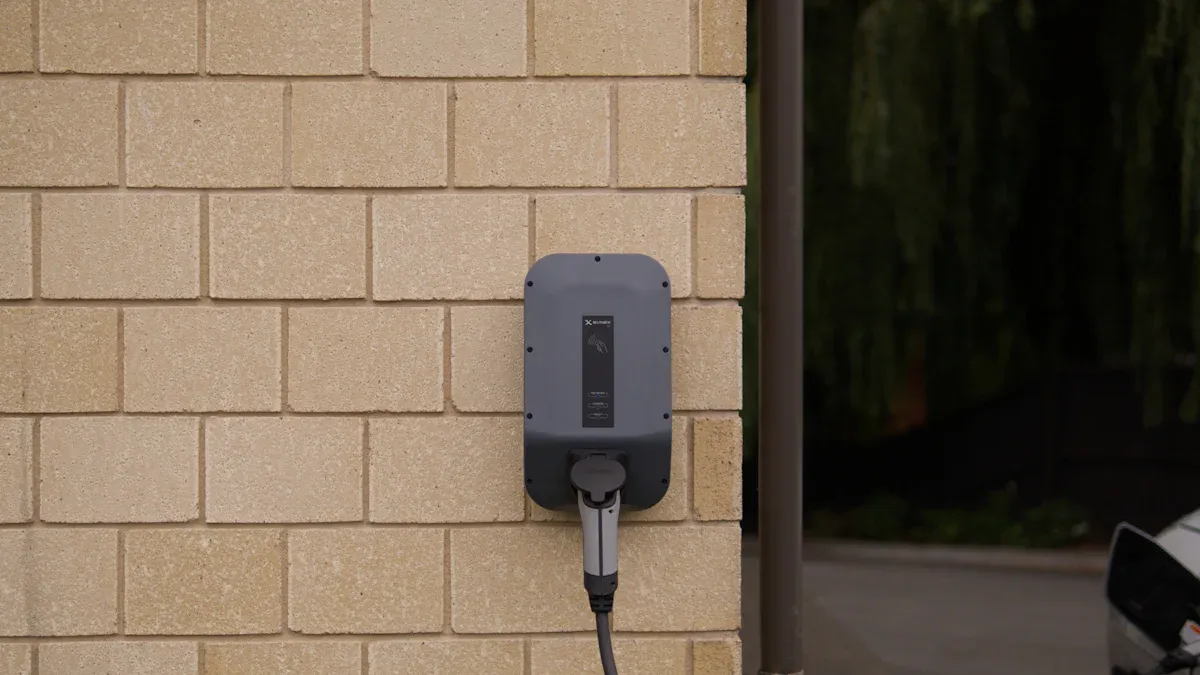
An electrician charge for a Level 2 EV charger installation typically ranges from $1,200 to $2,500, including the unit, labor, and permits for your home.

In 2025, a Level 2 EV charger installation costs €1,200-€2,500 in France. With a €500 tax credit, the net cost is €700-€2,000 for the unit and labor.

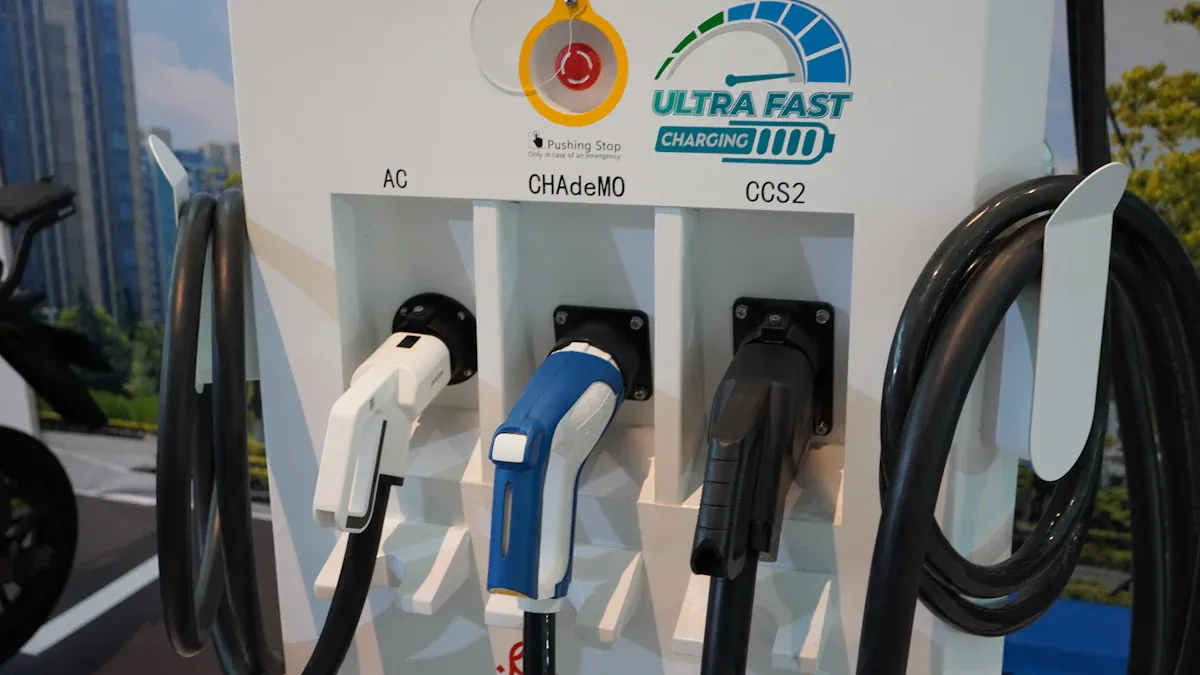
EV charging stations typically charge $0.20-$0.50/kWh for Level 2 and $0.40-$0.75/kWh for DC fast charging. Costs vary by network, location, and time of day.

In 2024, a full fast charge in Singapore costs between S$35 and S$55. The final fast charge cost depends on your EV’s battery and the provider’s S$/kWh rate.

A commercial EV charging station costs from $6,000 for a Level 2 charger to over $100,000 for a DC fast charger, including hardware and installation fees.
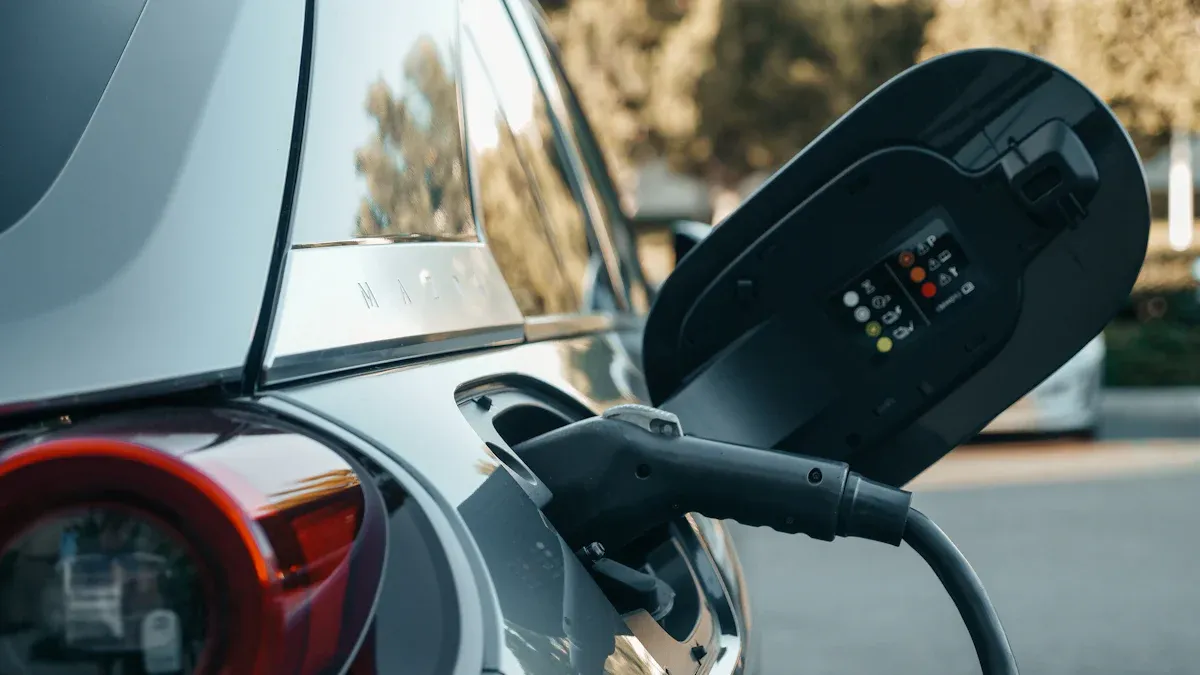
Using a Level 2 charger, you can charge an EV at home in 4 to 10 hours, adding 25-30 miles of range per hour. This ensures a full battery overnight.

How long does it take to charge an EV car? A full charge at home takes 6-12 hours. At a public station, a fast charger can charge an EV to 80% in 20-60 minutes.
For daily driving, keep your EV battery between 20% and 80% to maximize its lifespan. Avoid letting it regularly drop below 20% to prevent excess wear.
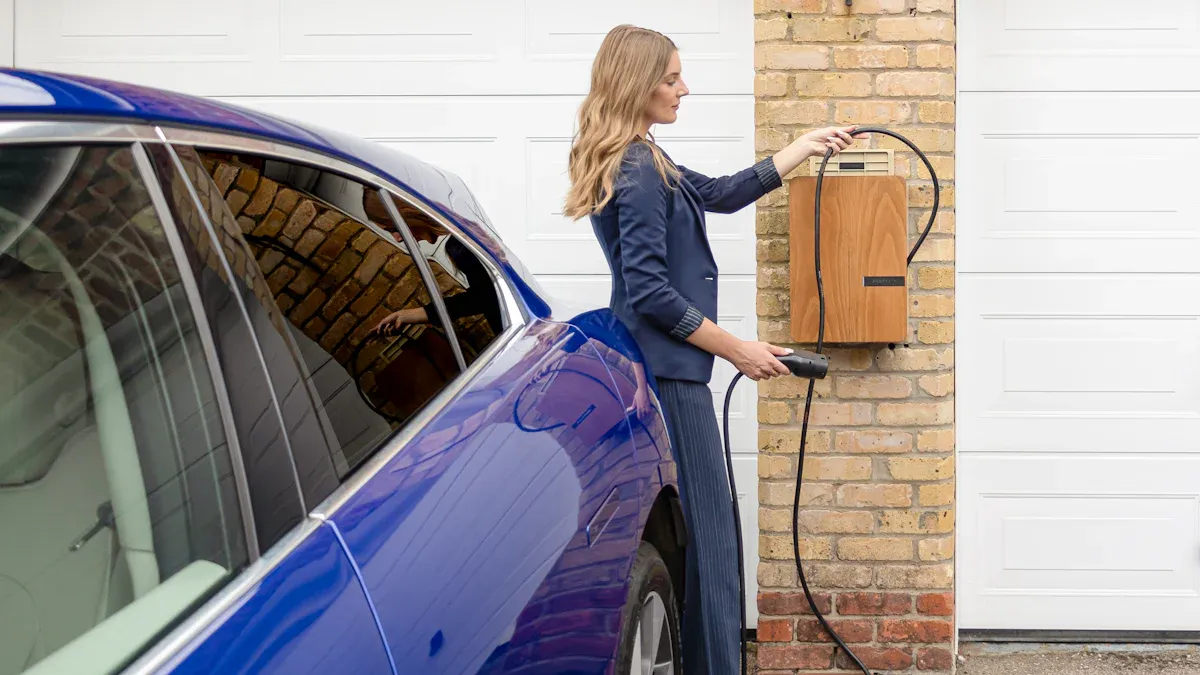
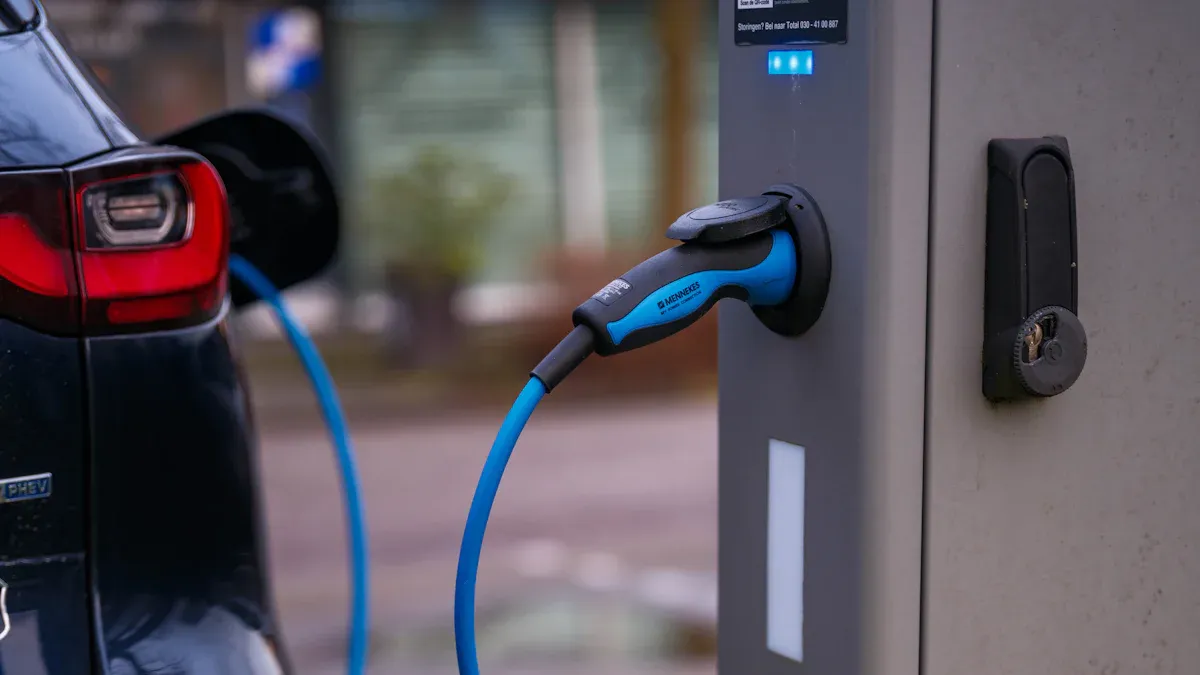
In the Netherlands, a portable EV charger delivers 2.3-3.7 kW from a home socket, adding about 10-15 km of range per hour—ideal for overnight charging.

The time to charge an electric car at a public station ranges from 20 minutes to 8+ hours. A DC fast charger adds significant range in under an hour, while a Level 2 charger takes several hours for a full charge.

The time to charge an EV ranges from 20 minutes to over 24 hours. A typical 60kWh EV takes about 8 hours with a 7kW home charger for a full charge.

Um carregador doméstico de 7,4 kW acrescenta 40-50 km de autonomia por hora, carregando totalmente a maioria dos VEs durante a noite. O nosso guia explicativo das velocidades de carregamento cobre tudo para os proprietários espanhóis.
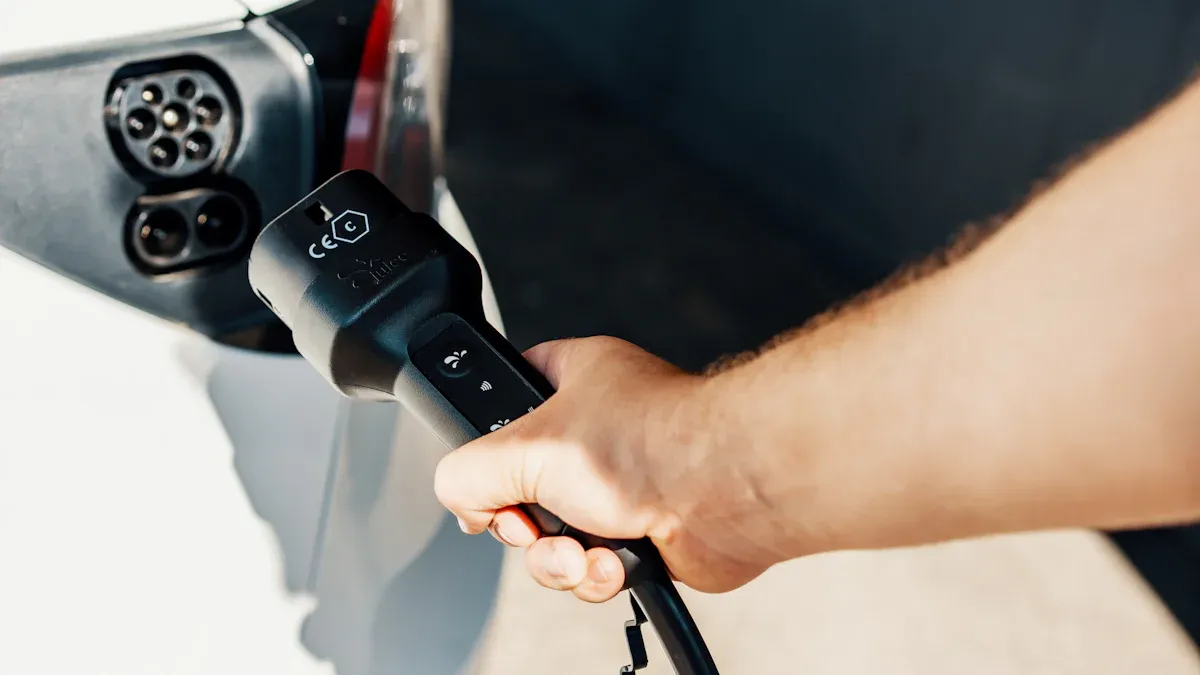
EV charging works by converting AC power from the grid to DC power for your car’s battery. This happens in the car for slow AC charging or at the station for fast DC charging.

A Level 2 charger adds 12 to 80 miles of range per hour, allowing a full EV charge in 4-10 hours. Your final speed depends on the charger’s power and your car.
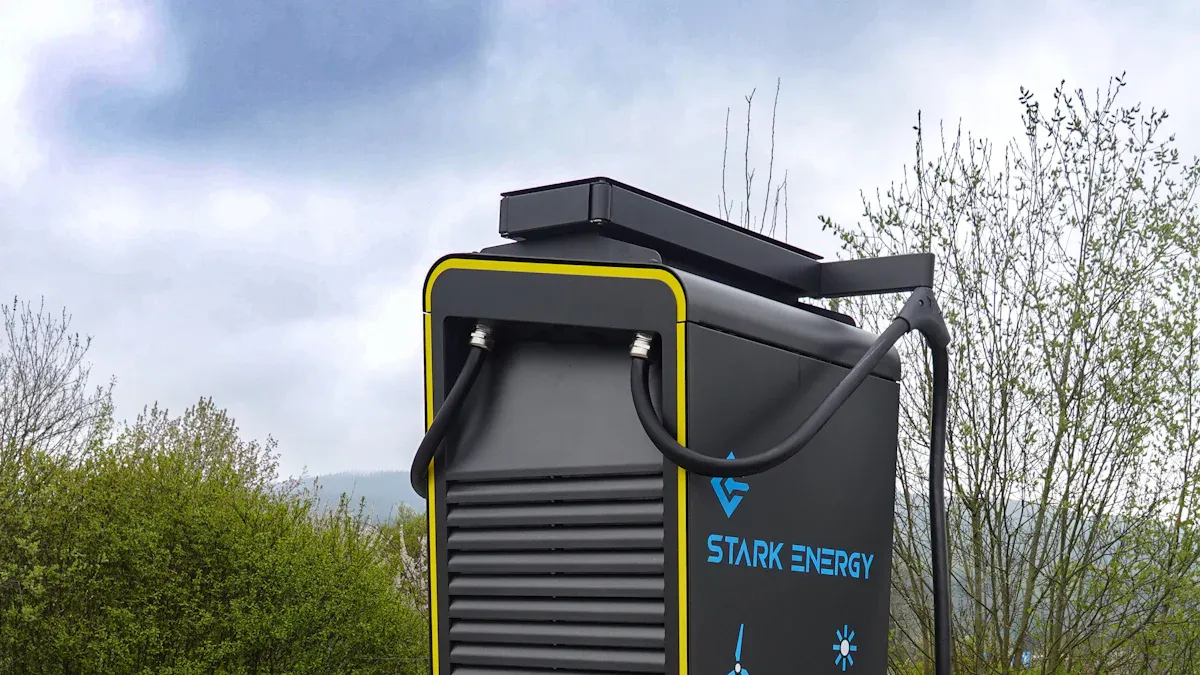
Os postos de carregamento de veículos eléctricos ganham dinheiro através de taxas diretas para os utilizadores (por kWh, sessão ou assinatura) e de receitas indirectas ao atraírem clientes que gastam mais nos locais de acolhimento.

As redes de carregadores de veículos eléctricos são sistemas baseados em aplicações para encontrar, autenticar e pagar o carregamento. Para o carregamento rápido, a Tesla e a Electrify America têm a melhor cobertura.