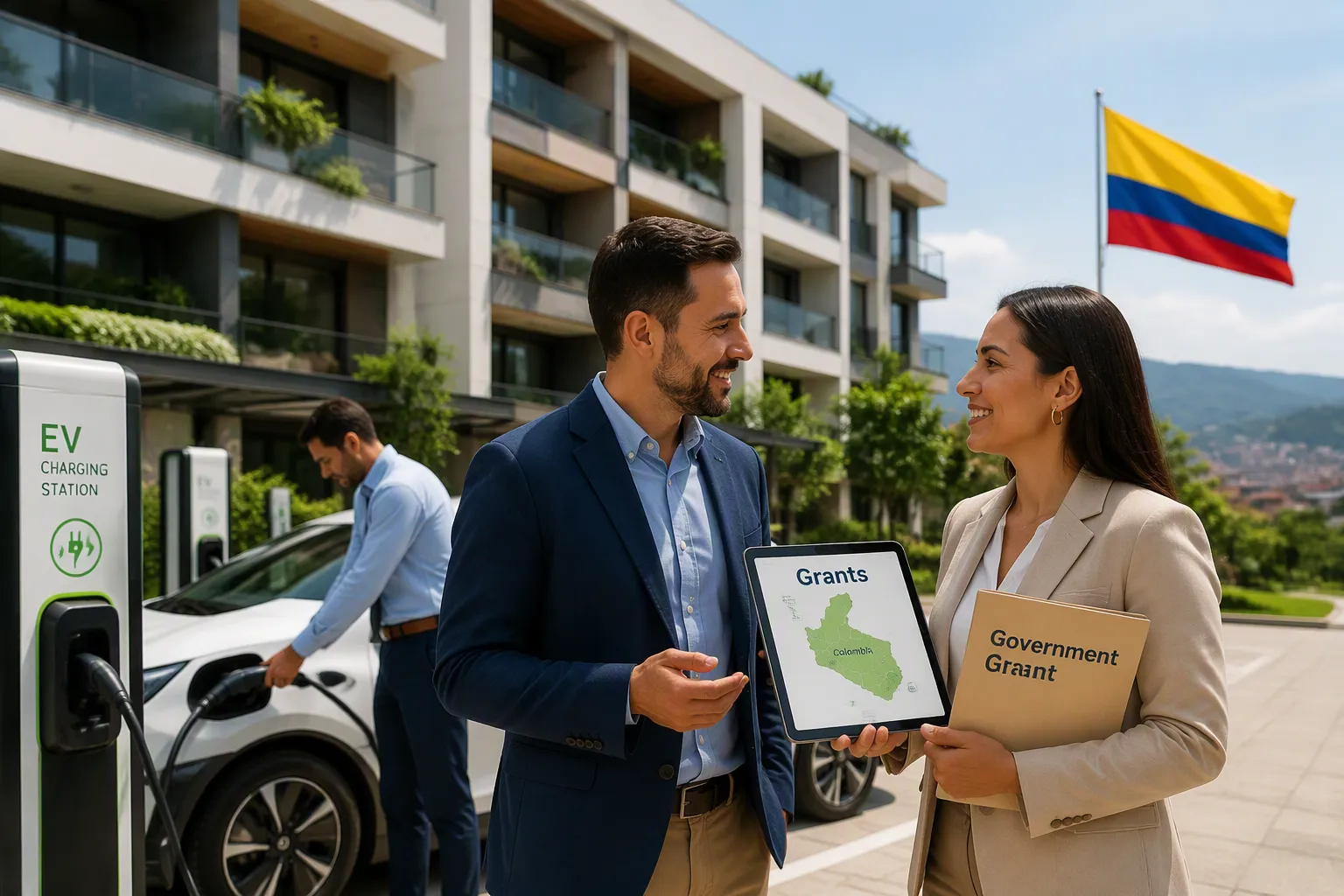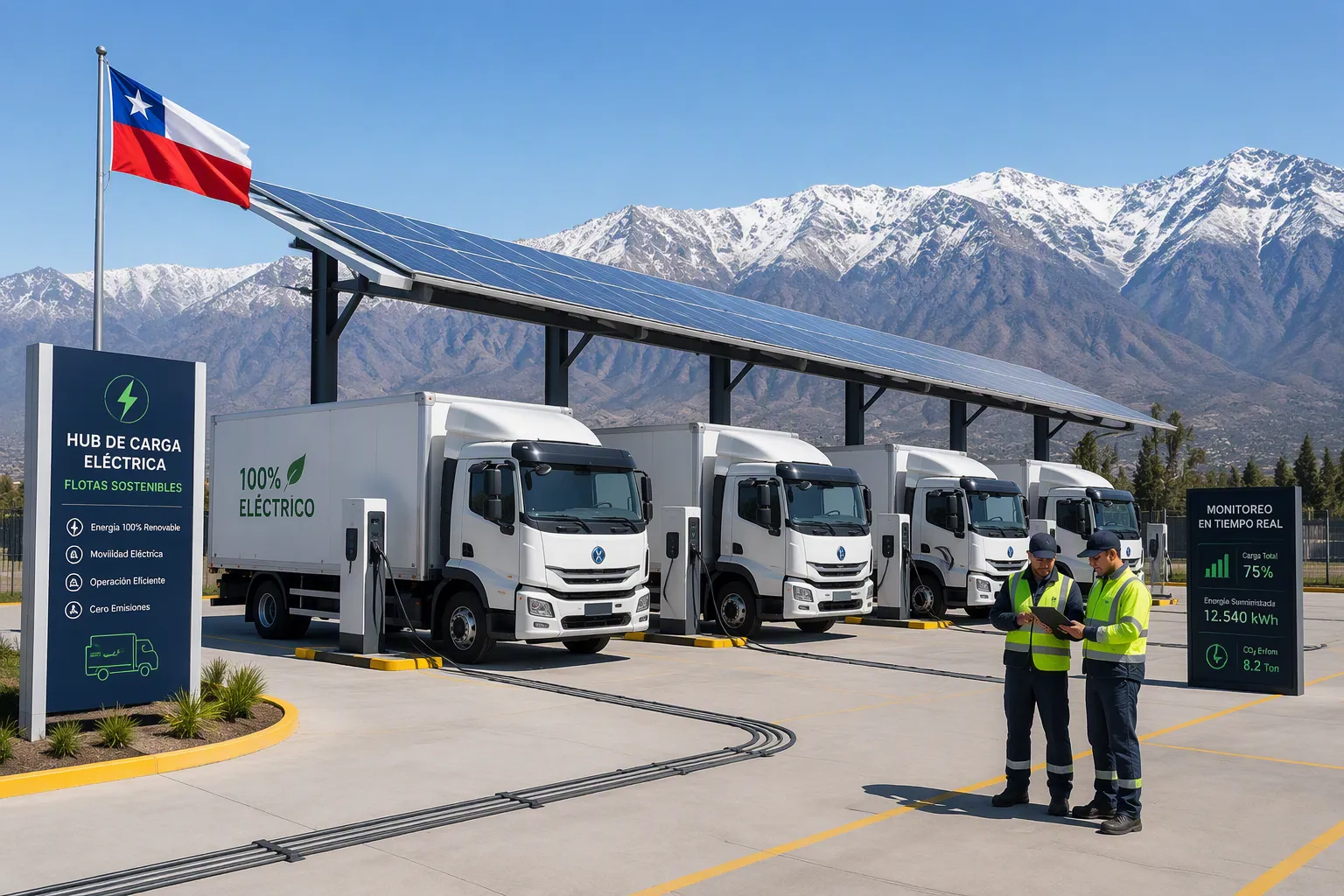
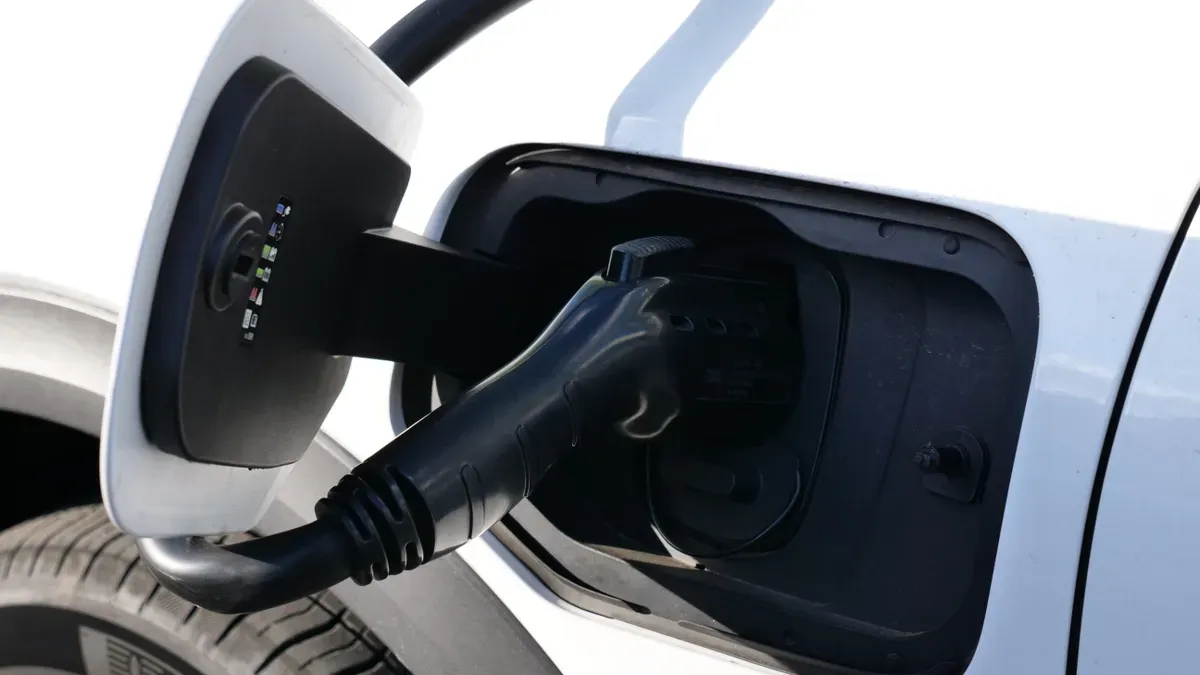
The J1772 connector sets the standard for electric vehicle charging in North America. It links vehicles to both public and home stations, delivering safe and dependable power. Many Fabricantes de carregadores para veículos eléctricos rely on this design for their Soluções de carregamento de veículos eléctricos, incluindo carregadores ev portáteis. Drivers find the J1772 easy to use, while the Carregador de veículos eléctricos ensures consistent performance. Most new owners quickly recognize the J1772 as a key part of everyday charging.
How the J1772 Connector Works for EV Charging
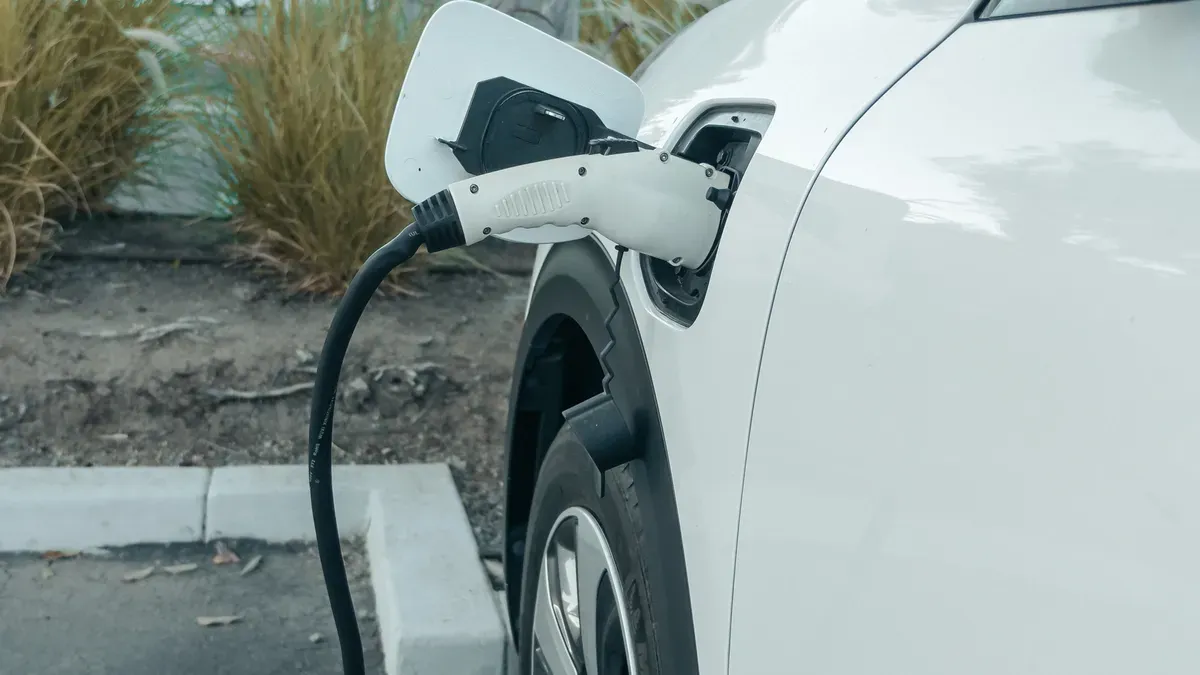
Physical Features of the J1772 Plug
Shape and Size
The J1772 plug features a rounded, ergonomic design that fits comfortably in most hands. Its compact size allows easy handling during daily charging routines. The outer shell uses durable plastic to withstand frequent use and harsh weather. Most users notice the J1772 connector measures about 2 inches in diameter and 7 inches in length. This size ensures compatibility with a wide range of charging stations and vehicles. The design also prevents accidental drops and damage, making the J1772 plug a reliable choice for both home and public charging.
Pin Layout and Functions
The J1772 plug contains five distinct pins, each serving a specific function during charging. The two largest pins deliver the main electrical current for charging the EV battery. Two smaller pins handle communication between the vehicle and the charging station. The final pin manages ground connection, ensuring safety throughout the charging process. The pin layout follows the SAE J1772 standard, which guarantees that every compatible vehicle and station can connect without issue. This standardized pin arrangement supports both Level 1 and Level 2 charging, making the J1772 connector versatile for different charging needs.
Sugestão: Always inspect the pins on the J1772 plug before connecting. Clean, undamaged pins help maintain safe and efficient charging.
Using the J1772 Connector Safely
Plugging In and Unplugging
Charging with the J1772 connector starts with a simple action. The user aligns the J1772 plug with the vehicle’s charging port and pushes until it clicks into place. This audible click signals a secure connection. To unplug, the user presses the release button on the J1772 plug and gently pulls it out. This process prevents accidental disconnection during charging. The design of the J1772 connector ensures that power only flows when the plug is fully inserted, reducing the risk of electric shock.
Caraterísticas de segurança incorporadas
The J1772 connector includes several safety mechanisms. The plug’s locking system prevents removal while charging is active. The communication pins allow the vehicle and station to verify a safe connection before power delivery begins. The SAE J1772 standard requires ground fault detection, which stops charging if a problem occurs. The J1772 plug also resists water and dust, protecting the internal components. These features make J1772 charging safe for everyday use, even in challenging environments.
The J1772 Charging Process
Carregamento de nível 1 (120V)
Level 1 charging uses a standard 120-volt household outlet. The J1772 connector enables this slow but steady charging method. Most drivers use Level 1 charging overnight at home. The process delivers about 3 to 5 miles of range per hour. The J1772 plug connects the vehicle to the outlet through a portable charging unit. This method suits drivers with short daily commutes or those who park their EV for extended periods.
Carregamento de nível 2 (240V)
Level 2 charging operates at 240 volts and provides much faster charging speeds. The J1772 connector supports this higher voltage, making it ideal for both home and public stations. Level 2 charging delivers 10 to 30 miles of range per hour, depending on the vehicle and station. The J1772 plug connects directly to a dedicated charging unit, often mounted on a garage wall or at a public site. Many EV owners prefer Level 2 charging for its efficiency and convenience. The SAE J1772 standard ensures that every compatible vehicle can use these stations without adapters.
Nota: Level 2 charging with the J1772 connector often completes a full charge in just a few hours, making it a popular choice for daily use.
J1772 Compatibility with EVs and Charging Stations
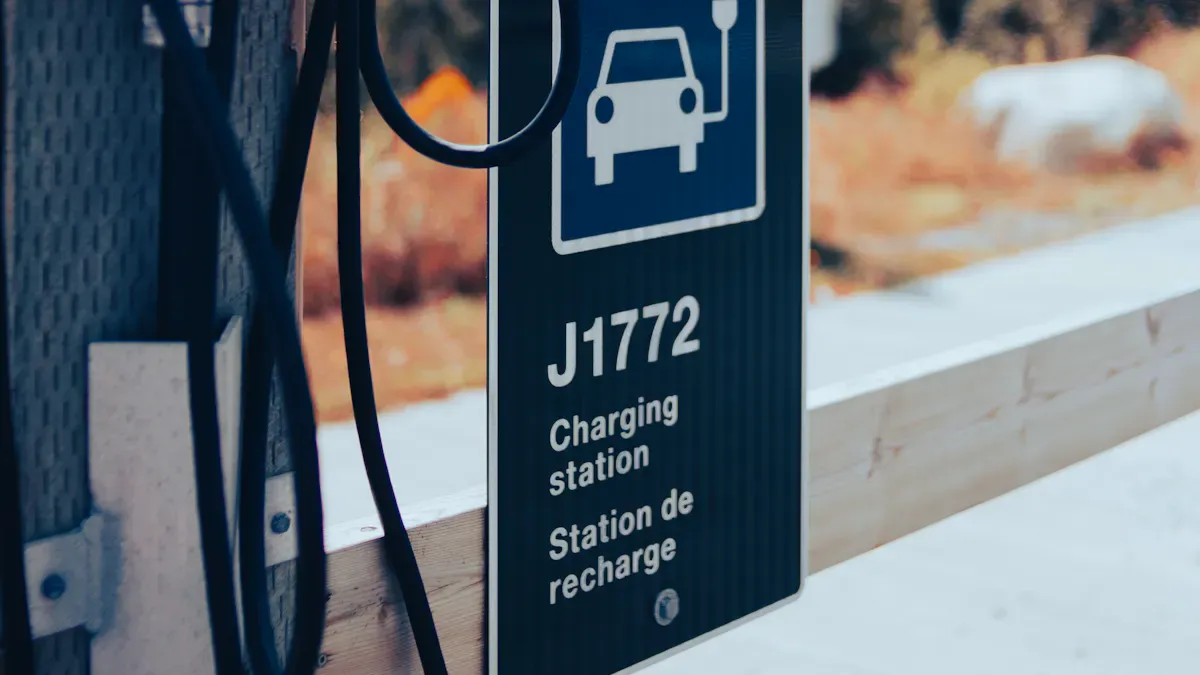
EVs That Use the J1772 Connector
Popular Brands and Models
Most electric vehicles in North America rely on the J1772 connector for daily charging. Manufacturers such as Chevrolet, Nissan, Ford, Honda, and Volkswagen equip their EVs with J1772 ports. Drivers of models like the Chevrolet Bolt, Nissan Leaf, Ford Mustang Mach-E, and Volkswagen ID.4 use J1772 charging stations for both home and public charging. TPSON, a technologically advanced electric vehicle charging solution provider, designs its charging units to support J1772 compatibility. This widespread adoption ensures that owners can access J1772 charging stations at home, work, and public locations.
Exceptions and Tesla Vehicles
Tesla vehicles represent the main exception to the J1772 standard. Tesla uses its proprietary connector for charging in North America. However, Tesla owners often carry a J1772 adapter. This adapter allows them to connect to J1772 charging stations for Level 1 and Level 2 charging. The adapter provides access to non-Tesla charging stations, expanding charging options for Tesla drivers. Owners of Tesla Model S, Model 3, Model X, and Model Y benefit from this flexibility. Some older Tesla models require specific adapters for compatibility with J1772 charging stations. The adapter remains an essential accessory for Tesla owners who want to use public charging stations equipped with J1772 plugs.
Charging Stations with J1772 Plugs
Redes públicas de carregamento
Public charging stations across North America feature J1772 plugs as the standard for Level 1 and Level 2 charging. Networks such as ChargePoint, EVgo, and Electrify America install J1772 charging stations at shopping centers, parking lots, and workplaces. Drivers locate J1772 charging stations using mobile apps and maps. TPSON provides advanced J1772 charging stations for public networks, ensuring reliable performance and easy access. Public charging stations with J1772 plugs support a wide range of EVs, making them a convenient choice for daily charging needs.
Home Charging Units
Home charging units also use the J1772 connector for efficient charging. Homeowners install J1772 charging stations in garages or driveways to charge their EVs overnight. TPSON offers home charging solutions with J1772 compatibility, delivering safe and fast charging for most EVs. The J1772 connector simplifies the installation process and ensures that drivers can charge their vehicles without adapters. Home charging units with J1772 plugs provide consistent performance and durability, supporting the daily routines of EV owners.
Adapter Options for J1772 Charging
Tesla Adapters for J1772
Tesla owners frequently use a J1772 adapter to connect their vehicles to J1772 charging stations. This adapter enables access to Level 1 and Level 2 charging at non-Tesla stations. The adapter proves essential for Tesla drivers who travel or need to charge at public charging stations. The J1772 adapter costs around $50 and offers compatibility with most J1772 charging stations. Tesla owners rely on this accessory to expand their charging options and ensure flexibility in their charging routines.
Sugestão: Tesla owners should keep a J1772 adapter in their vehicle to access a wider range of charging stations.
Adapters for CCS and CHAdeMO Connectors
EV owners sometimes require adapters to connect J1772 plugs to other charging standards. Several adapter types exist for this purpose:
| Tipo de Adaptador | Preço | Descrição |
|---|---|---|
| J1772 Charging Adapter | $50 | For level 1 and level 2 charging at non-Tesla stations. |
| CHAdeMO Adapter | $510 | For level 3 charging at non-Tesla stations. |
| CCS Combo Adapter | $250 | For connecting to CCS charging networks. |
Some Nissan Leaf owners use CHAdeMO to CCS adapters to access CCS charging networks. Tesla CCS adapters are available for Model S and Model X vehicles manufactured before 2021. These adapters allow EV owners to connect to a broader range of charging stations, including fast-charging networks. TPSON designs its charging solutions to support adapter compatibility, ensuring that drivers can use J1772 charging stations with various EV models.
Nota: Adapters increase flexibility but may affect charging speed and compatibility. Always check the adapter specifications before use.
Why the J1772 Connector Matters for North American EV Owners
Standardization and Universal Access
Widespread Compatibility
The J1772 connector provides a unified standard for EV charging in North America. Most automakers equip their vehicles with J1772 ports, allowing drivers to access a broad network of charging stations. This compatibility reduces confusion and eliminates the need for multiple adapters. EV owners benefit from a seamless experience when connecting to public charging infrastructure. The J1772 connector supports single-phase AC charging, delivering speeds up to 7.2 kW. This standardization ensures that charging infrastructure remains accessible for a wide range of vehicles.
| Tipo de conetor | Região | Commonality | Velocidade de carregamento |
|---|---|---|---|
| J1772 | América do Norte | Comum | Até 7,2 kW |
| Tipo 2 | Europa | Dominant | Varia |
Simplified Charging Experience
J1772 charging simplifies the process for EV owners. Drivers do not need to carry their own cables when using public charging stations. The plug-and-play design allows quick and secure connections. Charging infrastructure built around J1772 reduces the learning curve for new EV owners. The connector’s widespread adoption means drivers can charge at home, work, or public locations without hassle. This ease of use encourages more people to transition to electric vehicles.
Convenience and Reliability of J1772 Charging
Easy to Find J1772 Chargers
J1772 chargers are prevalent throughout North America. Public charging networks, such as ChargePoint and EVgo, install J1772 stations at shopping centers, parking lots, and workplaces. EV owners can locate these stations using mobile apps and maps. The commonality of J1772 charging infrastructure makes it easier for drivers to plan trips and avoid range anxiety. Unlike other connector types, J1772 chargers remain the most accessible option for daily charging needs.
- J1772 connectors are primarily used in North America.
- They are less common in Europe, where Type 2 connectors dominate.
- This disparity can create challenges for EV owners traveling across regions.
Durable and Reliable Performance
Manufacturers design J1772 connectors for frequent use and harsh environments. The robust construction resists water, dust, and physical damage. Charging infrastructure built around J1772 delivers consistent performance, supporting both Level 1 and Level 2 charging. Drivers rely on the durability of J1772 plugs for safe and reliable charging at home and public stations. The connector’s locking mechanism and communication pins enhance safety during every charging session.
Supporting EV Growth and Infrastructure
Expanding Charging Networks
The J1772 standard plays a vital role in expanding EV charging infrastructure. Public charging stations equipped with J1772 connectors enable users to charge without carrying extra cables. This convenience supports the adoption of electric vehicles. The EV charging station market is projected to reach $12.1 billion by 2030, reflecting significant growth. Government incentives and subsidies drive demand for fixed chargers, further expanding J1772 charging networks.
- Fixed chargers are essential for EV infrastructure.
- Countries like the US lead in installing J1772 charging stations.
- The introduction of ISO 15118 aims to enhance the J1772 standard.
Future-Proofing for New EV Models
Charging infrastructure based on J1772 adapts to evolving technology. New standards and protocols, such as ISO 15118, address the need for more sophisticated charging solutions. The evolution of AC charging protocols ensures that future EV models remain compatible with existing J1772 stations. Market expectations and regulatory changes push manufacturers to improve charging infrastructure. This adaptability future-proofs the J1772 connector, supporting the continued growth of electric vehicles in North America.
The J1772 connector remains a cornerstone of North American EV charging infrastructure, offering compatibility, convenience, and reliability for current and future EV owners.
Practical Tips for Using J1772 Chargers
Finding J1772 Charging Stations
Utilizar aplicações e mapas
Drivers often rely on digital tools to locate J1772 charging stations. Several popular apps and maps help users find available chargers quickly:
- Google Maps
- PlugShare
- Zap-Map
- Mapa de carga aberta
These platforms allow users to search for J1772 charging stations by entering queries such as “ev charging stations.” Each app provides details about plug types, station availability, and whether the charging service is free or paid. Many drivers appreciate the convenience of real-time updates and user reviews, which help them choose reliable charging locations.
Cobrança de quotas de rede
Many public charging networks offer memberships that simplify the process for EV owners. Memberships with networks like ChargePoint or EVgo provide access to a wide range of J1772 charging stations. Members often benefit from lower rates, easier payment options, and access to exclusive locations. Some networks offer RFID cards or mobile app access, making it easy to start and stop charging sessions. Drivers who travel frequently or rely on public charging may find these memberships especially valuable.
Safe Charging Practices with J1772
Inspecting the Connector
Regular inspection of the J1772 connector ensures safe and efficient charging. Drivers should check for dust, moisture, or debris around the port and connector before each use. Cleaning with a soft cloth helps maintain good contact and prevents issues. Avoiding harsh chemicals protects the connector’s surface. In coastal or rainy areas, using a weatherproof cover or parking in a garage can protect the port from water or grit.
Handling Cables Properly
Proper cable handling extends the life of J1772 charging equipment. Drivers should align the charging cable correctly and avoid using excessive force when connecting or disconnecting. Keeping cables off the ground prevents dirt buildup and reduces tripping hazards. Avoiding sharp bends or kinks in the cable helps prevent internal damage. These habits support reliable charging and reduce the risk of equipment failure.
Troubleshooting Common J1772 Issues
Connector Won’t Latch
If the J1772 connector will not latch, drivers should check for obstructions or misalignment. Cleaning the connector and port with a soft, non-abrasive cloth can resolve minor issues. Ensuring the plug is fully inserted before attempting to charge often solves the problem.
Carregamento lento
Slow charging can frustrate EV owners. The following steps often help resolve this issue:
- Clean the charging port and connector with a dry cotton bud or soft cloth.
- Check the circuit breakers in the main electrical panel and reset if necessary.
- Update the software for both the vehicle and charging unit to address potential glitches.
These actions restore normal charging speed in many cases.
Understanding Error Messages
Modern J1772 charging stations display error messages when problems occur. Drivers should consult the vehicle or charger manual to interpret these messages. Common causes include software issues, poor connections, or power supply problems. Updating software and checking all connections usually resolves most errors.
Tip: Regular inspection and proper maintenance of J1772 connectors help prevent many common charging issues.
What to Expect When Charging Your EV with J1772
Charging Speed and Time with J1772
Carregamento de Nível 1 vs. Nível 2
Drivers notice a clear difference between Level 1 and Level 2 charging when using the Conector J1772. Level 1 charging uses a standard 120-volt outlet. This method adds about 3 to 5 miles of range per hour. Many EV owners choose Level 1 for overnight charging at home. Level 2 charging uses a 240-volt supply. This option delivers 10 to 30 miles of range per hour. Public stations and home wall units often provide Level 2 charging. The J1772 connector supports both levels, giving drivers flexibility based on their needs.
Factors Affecting Charging Rate
Several factors influence the charging rate with a J1772 connector. The vehicle’s onboard charger, the station’s power rating, and the battery’s state of charge all play a role. The J1772 protocol supports single-phase AC charging, with power ratings between 3 kW and 7 kW.
| Protocol | AC / DC | Single phase/ 3 phase | Charger rating achievable |
|---|---|---|---|
| Type 1 American (J1772) | AC | Single phase | 3-7kW |
Temperature and battery management systems can also affect charging speed. Drivers should check their vehicle’s manual for specific charging capabilities.
Sugestão: Charging slows down as the battery approaches full capacity. Planning ahead helps maximize efficiency.
Charging Etiquette at J1772 Stations
Sharing Public Chargers
Public J1772 charging stations serve many drivers. Good etiquette ensures everyone can access these resources. Drivers should move their vehicles once charging completes. They should avoid occupying a spot longer than necessary. Some stations display time limits or post rules for fair use.
Unplugging When Finished
After charging, drivers should unplug the J1772 connector and return it to its holder. This habit keeps the station ready for the next user. Leaving the connector on the ground can cause damage or create hazards. Respect for shared equipment supports a positive community experience.
Costs and Payment Methods for J1772 Charging
Carregamento gratuito vs. pago
J1772 charging costs vary by location. Some workplaces, shopping centers, or public lots offer free charging. Many public stations require payment based on time or energy used. Home charging with J1772 usually costs less than public options.
- O average price per kWh for Level 3 charging in the US is about 45¢ in 2024.
- Prices change depending on the state.
- Level 3 charging can cost 10 to 15 times more than Level 1 or Level 2 charging at home.
Opções de pagamento
Most J1772 charging stations accept multiple payment methods. Drivers can use mobile apps, RFID cards, or credit cards. Some networks offer membership plans with discounted rates. Checking payment options before arrival helps avoid surprises.
Note: Registering with major charging networks can simplify the payment process and unlock additional features.
J1772 Connector and the Future of EV Charging
Upcoming Changes in EV Charging Standards
Introduction of NACS and Other Connector Types
The electric vehicle industry continues to evolve, and new connector types have started to appear in North America. The North American Charging Standard (NACS), developed by Tesla, has gained attention as several automakers announce plans to adopt it for future models. NACS offers a smaller connector and supports both AC and DC fast charging. Some manufacturers now equip vehicles with both NACS and j1772 ports, or provide adapters to ensure compatibility with existing j1772 charging stations.
Other connector types, such as CCS (Combined Charging System) and CHAdeMO, remain available for DC fast charging. However, j1772 still serves as the primary connector for Level 1 and Level 2 charging across most public and home stations. As the market shifts, drivers may encounter a mix of connector types at charging locations. Adapters and dual-standard stations help bridge the gap, allowing continued use of j1772 charging equipment.
Note: Drivers should check their vehicle’s manual to confirm which connectors and adapters they need for different charging networks.
New Government Regulations and Incentives
Government agencies in the United States and Canada have introduced new regulations to support EV adoption and improve charging infrastructure. Recent policies encourage the installation of more public charging stations, many of which use the j1772 connector for Level 2 charging. Federal and state incentives help businesses and homeowners install j1772 charging units by offering rebates or tax credits.
A growing number of states now require new public charging stations to support multiple connector types, including j1772 and NACS. These regulations aim to ensure that all EV drivers can access reliable charging, regardless of the connector their vehicle uses. Incentives also encourage the use of smart charging technology, which helps manage energy use and reduces costs for drivers.
Staying Informed as an EV Owner
Resources for Updates on J1772
EV owners benefit from staying updated on changes in charging standards and infrastructure. Several resources provide reliable information about j1772 compatibility, new charging station locations, and updates to government policies:
- Manufacturer websites and owner’s manuals
- Charging network newsletters and blogs
- Industry news sites such as InsideEVs and Electrek
- Government transportation department websites
These resources help drivers make informed decisions about charging equipment and future vehicle purchases.
Community Support and Forums
Online communities and forums offer valuable support for EV owners navigating the changing landscape of j1772 charging. Drivers share experiences, troubleshooting tips, and recommendations for adapters or new charging stations. Popular platforms include:
- Reddit’s r/electricvehicles
- PlugShare’s user reviews and discussion boards
- Dedicated Facebook groups for specific EV models
Tip: Engaging with these communities helps drivers stay informed about the latest j1772 developments and find solutions to common charging challenges.
- O j1772 connector stands as the main standard for charging in North America.
- Most drivers find j1772 stations at home and public locations.
- Understanding j1772 gives new ev owners confidence during charging.
- Reliable j1772 charging supports the growth and convenience of electric vehicles.
The j1772 connector simplifies charging for everyone and helps build a strong foundation for future EV infrastructure.
FAQ
What vehicles use the J1772 connector?
Most electric vehicles from brands like Chevrolet, Nissan, Ford, Honda, and Volkswagen use the Conector J1772 for Level 1 and Level 2 charging. Tesla vehicles require an adapter to connect to J1772 stations.
Can a J1772 connector charge my Tesla?
Tesla vehicles do not use the J1772 connector directly. However, Tesla provides a J1772 adapter. This accessory allows Tesla drivers to use most public and home J1772 charging stations.
Is the J1772 connector safe to use in the rain?
Manufacturers design J1772 connectors to resist water and dust. Charging in the rain remains safe because the connector only delivers power after a secure connection. Always inspect the plug for damage before use.
How long does it take to charge with J1772?
Charging time depends on the power level. Level 1 charging adds 3–5 miles of range per hour. Level 2 charging adds 10–30 miles per hour. The vehicle’s onboard charger and battery size also affect charging speed.
Do I need special equipment to install a J1772 charger at home?
A Level 1 charger plugs into a standard outlet. For Level 2 charging, an electrician must install a dedicated 240-volt circuit and charging unit. Always follow local electrical codes for safety.
Can I use a J1772 connector at any public charging station?
Most public Level 1 and Level 2 charging stations in North America use the J1772 connector. Some fast-charging stations use different connectors, such as CCS or CHAdeMO, which require adapters.
What should I do if my J1772 connector will not latch?
Check for debris or misalignment in the connector or port. Clean both with a soft cloth. Ensure the plug is fully inserted before starting the charging session.
Are there any maintenance tips for J1772 connectors?
Regularly inspect the connector for dirt, moisture, or damage. Clean with a dry cloth. Store the cable properly to prevent wear. These habits help maintain safe and reliable charging.