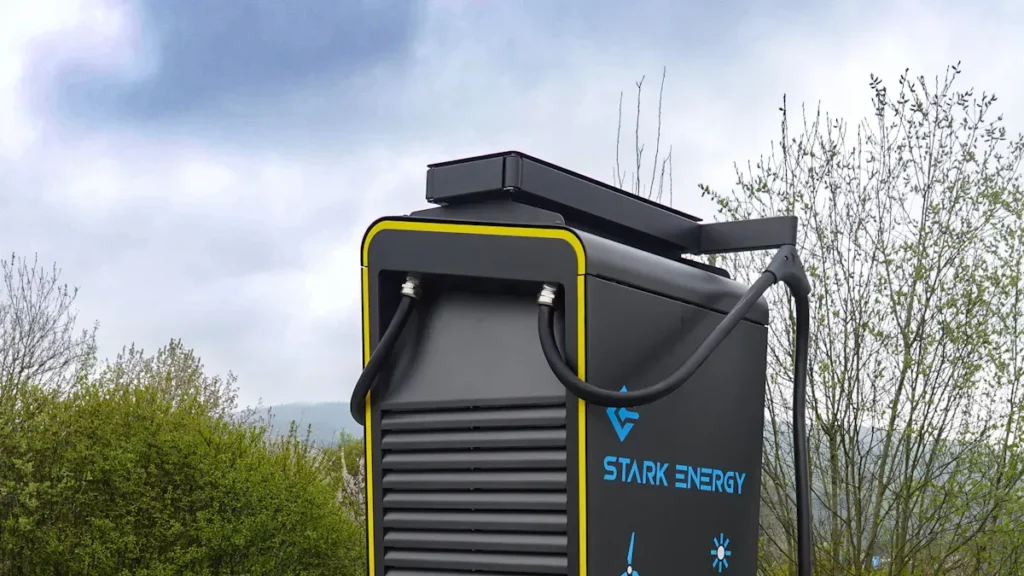
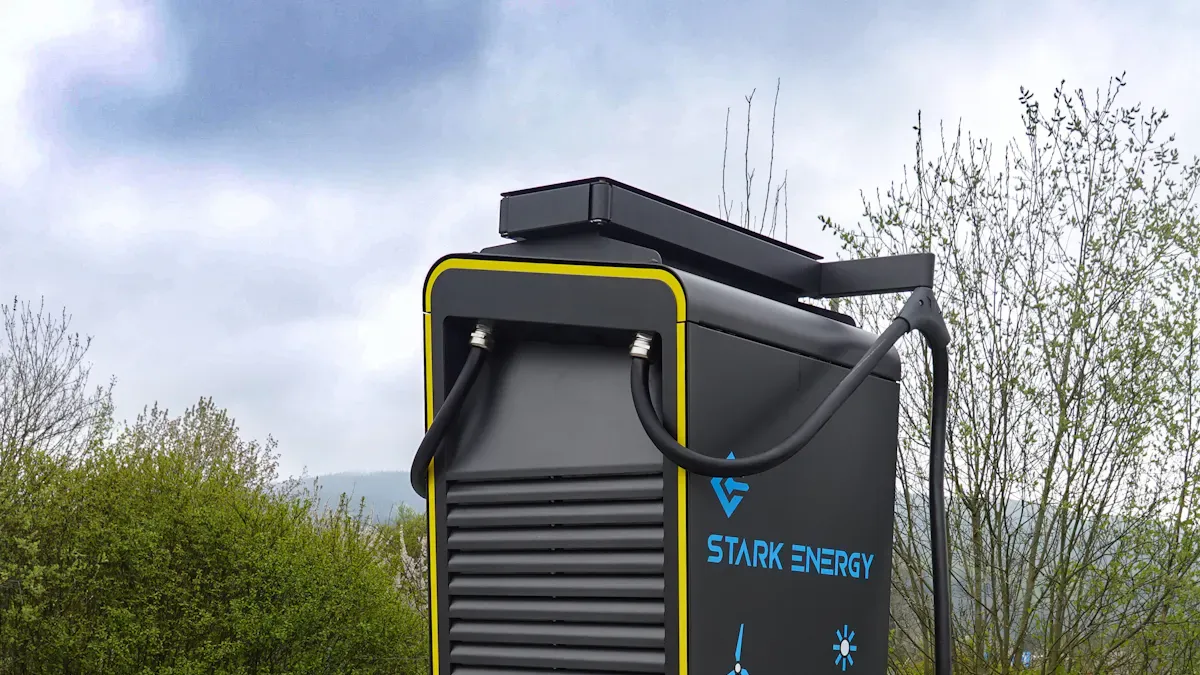
Muitas empresas enfrentam desafios da rede elétrica ao considerar a instalação de estações de carregamento na Colômbia. A infraestrutura da rede elétrica muitas vezes não suporta estações de carregamento de veículos elétricos de alta capacidade, especialmente em centros urbanos mais antigos e em zonas rurais. Os longos procedimentos de licenciamento e a inconsistência da regulamentação atrasam a instalação. As frequentes interrupções no funcionamento dos carregadores afetam a fiabilidade do carregamento. As empresas podem superar estas barreiras recorrendo a soluções avançadas Soluções de carregamento de veículos eléctricos, em colaboração com Fabricantes de carregadores para veículos eléctricos, e a explorar carregadores ev portáteis. A aposta na instalação estratégica de pontos de carregamento garante o sucesso a longo prazo para todos os Carregador EV implementação.
Identificar os principais desafios da rede elétrica
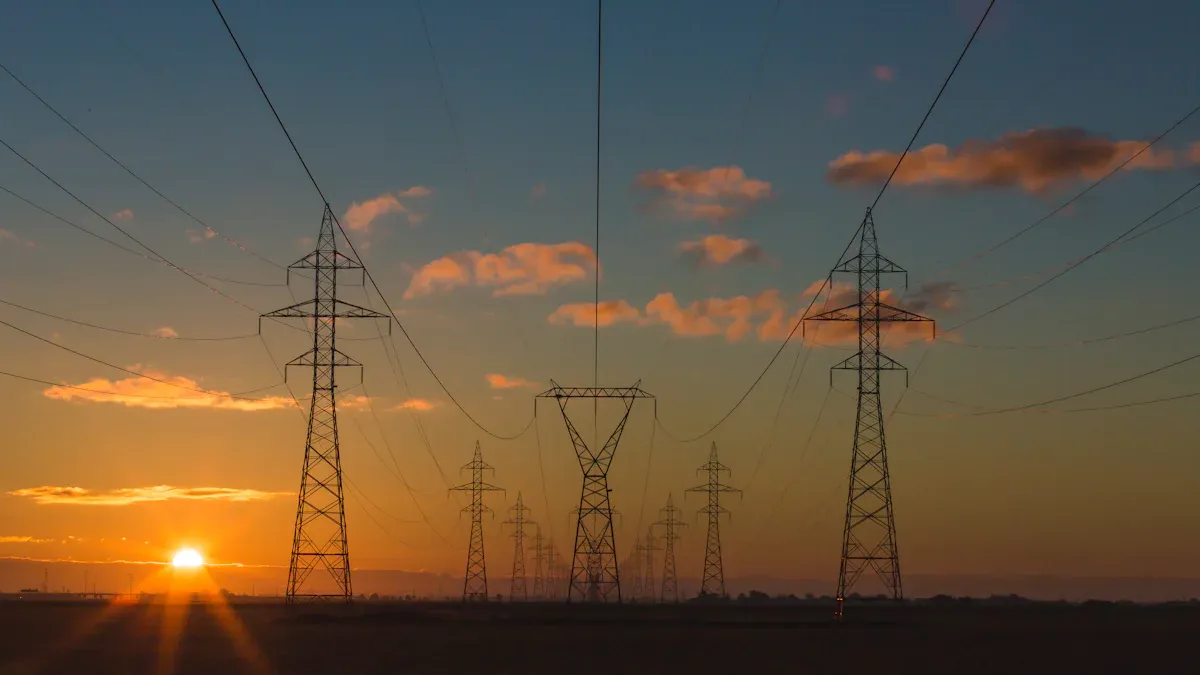
Capacidade limitada da rede
Limitações da rede elétrica urbana vs. rural
As zonas urbanas da Colômbia enfrentam frequentemente problemas de infraestruturas envelhecidas. Muitas redes elétricas urbanas não têm capacidade para suportar o aumento do consumo de energia exigido pelas estações de carregamento comerciais. Em contrapartida, as regiões rurais enfrentam desafios ainda maiores no que diz respeito à rede elétrica. Estas localidades podem carecer de linhas de transmissão ou subestações robustas. As empresas nas zonas rurais têm de resolver estas lacunas antes de instalarem equipamentos para veículos elétricos.
Crescimento da procura e problemas relacionados com os picos de consumo
A popularidade dos veículos elétricos continua a aumentar. Esta tendência coloca novas exigências à rede elétrica. Durante as horas de ponta, o carregamento simultâneo pode sobrecarregar as infraestruturas locais. Os operadores devem ponderar como equilibrar as necessidades energéticas com a oferta disponível. A incapacidade de gerir o crescimento da procura pode conduzir a interrupções no serviço e a um aumento dos custos operacionais.
Questões relacionadas com a fiabilidade e a estabilidade da rede
Flutuações de frequência e tensão
A rede elétrica da Colômbia sofre, por vezes, de instabilidade na frequência e na tensão. Estas flutuações podem danificar equipamentos de carregamento sensíveis. Além disso, reduzem a eficiência do fornecimento de energia. Um carregamento fiável requer uma alimentação estável. Os operadores devem monitorizar estes parâmetros para proteger tanto a infraestrutura como os utilizadores.
Riscos de falhas de energia e necessidades de sistemas de backup
As falhas de energia continuam a ser motivo de preocupação em muitas regiões. As interrupções imprevistas prejudicam o processo de carregamento e causam transtornos aos clientes. As empresas devem planear soluções de energia de reserva. As opções incluem sistemas de armazenamento em baterias ou geradores no local. Estas medidas garantem a continuidade do serviço durante falhas na rede elétrica.
Dica: A manutenção e a monitorização regulares podem ajudar a identificar precocemente situações de instabilidade e a evitar danos no equipamento.
Limitações regulamentares e de infraestruturas
Atrasos nas licenças e burocracia
Processos regulamentares na Colômbia pode atrasar os prazos dos projetos. O processo de licenciamento envolve frequentemente várias entidades e análises demoradas. Estes atrasos geram incerteza para as empresas que investem em estações de carregamento. Uma comunicação clara com as autoridades ajuda a agilizar as aprovações.
Lacunas nas infraestruturas e desafios de acesso
Alguns locais comerciais não dispõem de acesso direto a infraestruturas energéticas de alta capacidade. A extensão das linhas de serviço ou a modernização dos transformadores acarreta custos e complexidade adicionais. As empresas devem avaliar a adequação do local antes de avançarem com a instalação. A identificação precoce de lacunas nas infraestruturas reduz os desafios inesperados durante a implementação.
Soluções práticas para superar os desafios da rede elétrica
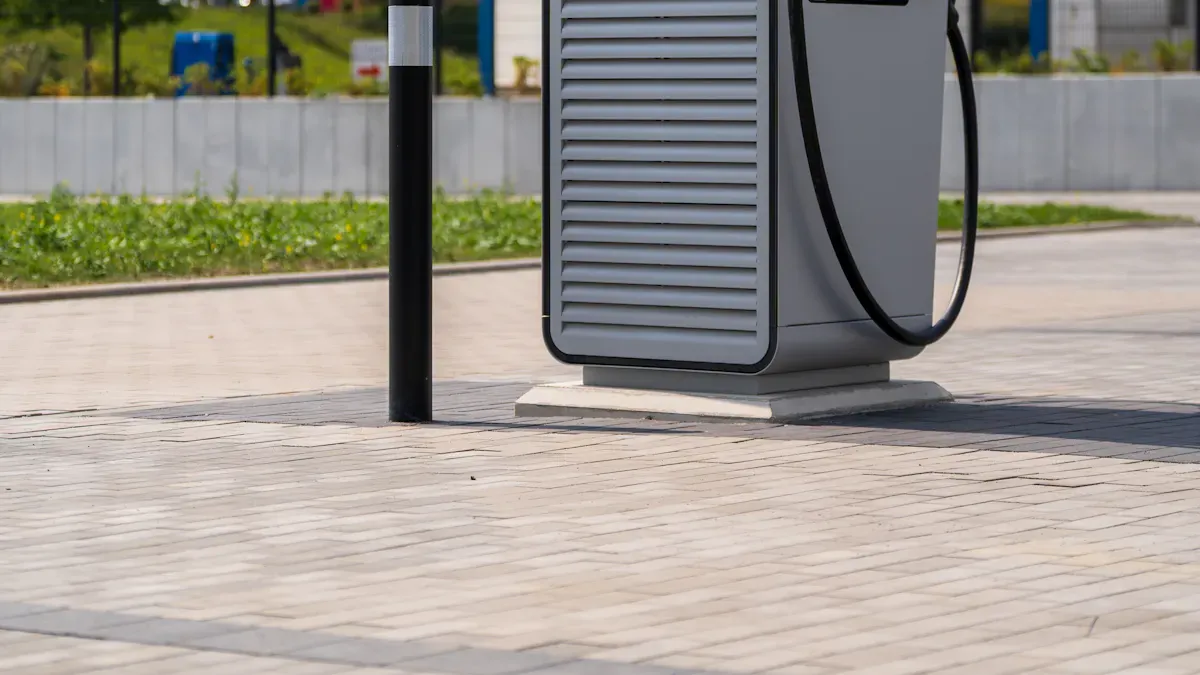
As estações de carregamento de veículos elétricos comerciais na Colômbia exigem estratégias sólidas para fazer face aos desafios da rede elétrica. As empresas podem garantir um funcionamento fiável e preparar os seus investimentos para o futuro, apostando na modernização das infraestruturas, integração das energias renováveis, e gestão avançada da carga.
Modernização da infraestrutura elétrica
Melhorias em transformadores e subestações
Muitos locais na Colômbia necessitam de modernizações nos transformadores e subestações para dar resposta às elevadas necessidades energéticas de estações de carregamento comerciais. A modernização destes componentes aumenta a capacidade e melhora a estabilidade da tensão. As subestações modernizadas conseguem suportar a carga adicional proveniente dos veículos elétricos, reduzindo o risco de cortes de energia e danos no equipamento. A TPSON recomenda uma abordagem faseada, começando por uma avaliação detalhada do local para identificar os pontos fracos da infraestrutura existente.
Melhorias na rede de distribuição
As redes de distribuição requerem frequentemente modernização para dar resposta às novas estações de carregamento. As melhorias podem incluir a instalação de cabos de maior capacidade, o reforço das linhas de alimentação e a implementação de sistemas de monitorização avançados. Estas melhorias ajudam a gerir o aumento do fluxo de energia e a minimizar as perdas. A tabela seguinte resume estratégias eficazes para a modernização das infraestruturas:
| Estratégia | Descrição |
|---|---|
| Integração das energias renováveis | O Plano de Investimento para a Integração das Energias Renováveis da Colômbia visa aumentar a capacidade de energia solar e eólica, o que é fundamental para apoiar a infraestrutura de carregamento de veículos elétricos. |
| Transportes públicos elétricos | Os planos integrados para os transportes públicos e o transporte de mercadorias eletrificados irão apoiar a adoção de veículos elétricos nas zonas urbanas e rurais. |
| Infraestrutura Ágil | A infraestrutura de carregamento deve ser flexível para se adaptar a futuras expansões e avanços tecnológicos, à medida que a adoção de veículos elétricos cresce. |
Nota: O investimento precoce numa infraestrutura ágil permite às empresas expandir as suas operações à medida que a procura por pontos de carregamento aumenta.
Integração de energias renováveis e sistemas de armazenamento no local
Integração da energia solar e eólica
As fontes de energia renováveis no local, como painéis solares e turbinas eólicas, constituem uma solução sustentável para estações de carregamento comerciais. Estes sistemas geram energia limpa, reduzindo a dependência da rede elétrica e diminuindo os custos operacionais. O clima da Colômbia oferece um potencial significativo para instalações solares e eólicas. A integração de energias renováveis está também em consonância com os objetivos nacionais de resiliência energética.
Armazenamento em baterias para redução de picos de consumo
Os sistemas de armazenamento em baterias desempenham um papel fundamental na gestão da oferta e da procura de energia. Ao armazenar o excesso de energia durante os períodos de baixa procura e libertá-la nos horários de pico, as baterias ajudam a estabilizar a rede e a reduzir os custos. A tabela abaixo destaca as vantagens da integração de energias renováveis e de sistemas de armazenamento no local:
| Vantagem | Descrição |
|---|---|
| Independência energética | Total independência energética da rede, permitindo a autossuficiência no abastecimento energético. |
| independência energética | Fornece energia de reserva fiável durante cortes de energia, garantindo o funcionamento contínuo das estações de carregamento de veículos elétricos. |
| Gestão eficiente da energia | Permite o desfasamento temporal do consumo de energia, armazenando-a quando o preço é baixo e utilizando-a durante os picos de procura, reduzindo assim os custos. |
Dica: A combinação da produção de energia solar ou eólica com o armazenamento em baterias aumenta a resiliência energética e garante um serviço de carregamento ininterrupto.
Implementação de sistemas inteligentes de carregamento e gestão de carga
Balanceamento de carga dinâmico
Os sistemas de carregamento inteligentes utilizam o equilíbrio dinâmico de carga para distribuir a energia de forma eficiente entre várias estações de carregamento. Estes sistemas monitorizam o consumo de energia em tempo real e ajustam as taxas de carregamento para evitar sobrecargas. A integração de sistemas SCADA com sensores IoT melhora as capacidades de resposta à procura, otimizando o consumo de energia e aumentando a estabilidade da rede. A tabela seguinte resume as vantagens do equilíbrio dinâmico de carga:
| Tipo de prova | Descrição |
|---|---|
| Equilíbrio de carga e controlo automatizados | A integração de sistemas SCADA com sensores IoT melhora as capacidades de resposta à procura, otimizando o consumo de energia. |
| Redução de picos de consumo e redução de custos | Os algoritmos de equilíbrio de carga e de resposta avançada à procura reduzem significativamente os custos operacionais, o que pode atenuar os picos de procura. |
| Gestão dinâmica de tarifas | Os módulos de preços flexíveis incentivam o envolvimento dos consumidores, podendo atenuar os picos de procura durante os períodos de maior movimento. |
Programação e resposta à procura
As ferramentas avançadas de programação permitem aos operadores definir os horários de carregamento com base nas condições da rede e nos preços da energia. Os programas de resposta à procura incentivam os utilizadores a carregar os veículos fora dos horários de pico, reduzindo a pressão sobre a rede. As soluções de carregamento inteligente da TPSON suportam a programação automatizada e ajustes em tempo real, garantindo uma gestão eficiente da energia e poupanças de custos.
Destaque: Os sistemas inteligentes de carregamento e gestão de carga não só respondem aos desafios atuais, como também preparam as empresas para o aumento futuro da adoção de veículos elétricos.
Ao combinar a modernização das infraestruturas, a integração de energias renováveis e a gestão inteligente da carga, as empresas na Colômbia podem superar os desafios da rede elétrica e oferecer soluções de carregamento fiáveis e escaláveis.
Abordar a colaboração entre entidades reguladoras e empresas de serviços públicos para enfrentar os desafios da rede elétrica
Colaboração com as empresas de serviços públicos locais
Modelos de parceria no setor dos serviços públicos
As empresas na Colômbia devem colaborar estreitamente com as empresas de serviços públicos locais para fazer face aos desafios da rede elétrica durante a comercialização de veículos elétricos instalação de uma estação de carregamento. Os modelos de parceria com as empresas de serviços públicos constituem a base para o sucesso dos projetos. Estes modelos incluem frequentemente sessões de planeamento conjuntas, investimento partilhado em infraestruturas e gestão coordenada da procura. As empresas de serviços públicos podem oferecer programas de carregamento geridos que equilibram as cargas dos veículos elétricos durante os picos de procura. Esta abordagem ajuda a manter a estabilidade da rede e reduz os riscos operacionais.
Um fornecedor de confiança de soluções para veículos elétricos apoia a fase de avaliação. Ajudam as empresas compreender a capacidade de energia no local e tomar decisões estratégicas informadas. As empresas beneficiam da colaboração com parceiros experientes, capazes de lidar com questões relacionadas com a disponibilidade de energia e prever a procura futura. A lista seguinte destaca as melhores práticas para colaborar com as empresas de serviços públicos locais:
- Avalie a capacidade de alimentação elétrica no local numa fase inicial do processo de planeamento.
- Recorra a um parceiro experiente na área dos veículos elétricos para uma gestão de projetos eficaz.
- Incluir as previsões da procura futura em todas as discussões.
- Participe em programas de carregamento geridos pelas empresas de serviços públicos.
Dica: O contacto precoce com as empresas de serviços públicos pode revelar possíveis obstáculos e agilizar o processo de ligação.
Acordos de ligação à rede
A celebração de um acordo de ligação à rede é um passo fundamental para qualquer projeto de estação de carregamento comercial de veículos elétricos. Estes acordos definem os requisitos técnicos, os prazos e as responsabilidades tanto da empresa como da concessionária. Uma comunicação clara garante que todas as partes compreendam o âmbito do trabalho e os resultados esperados. As empresas devem analisar cuidadosamente todos os termos e solicitar esclarecimentos sobre quaisquer detalhes técnicos. Um acordo bem estruturado reduz atrasos e evita mal-entendidos durante a instalação.
Compreender os requisitos em matéria de licenciamento e conformidade
Normas ambientais e de segurança
Conformidade com as normas ambientais e as normas de segurança protegem tanto as pessoas como as infraestruturas. A regulamentação colombiana exige que as empresas sigam diretrizes rigorosas em matéria de instalações elétricas, gestão de resíduos e controlo de emissões. As empresas devem realizar estudos de impacto ambiental antes de iniciar a construção. Os protocolos de segurança incluem uma ligação à terra adequada, proteção contra sobretensão e sistemas de desligamento de emergência. O cumprimento destas normas minimiza os riscos e garante a fiabilidade a longo prazo.
Organismos reguladores locais e nacionais
Vários organismos reguladores supervisionar projetos de estações de carregamento de veículos elétricos na Colômbia. As autoridades locais tratam do ordenamento do território, das licenças de construção e da coordenação com os serviços públicos. As agências nacionais estabelecem normas técnicas e monitorizam o cumprimento das políticas energéticas. As empresas devem manter-se informadas sobre as alterações regulamentares e manter uma comunicação aberta com todas as agências relevantes. A tabela abaixo resume os principais organismos reguladores e as suas funções:
| Organismo regulador | Principais responsabilidades |
|---|---|
| Municípios locais | Licenciamento, ordenamento do território, inspeções |
| Ministério das Minas e da Energia | Política energética nacional, normas |
| Agências ambientais | Avaliações de impacto, conformidade |
Nota: Manter-se a par das atualizações regulamentares ajuda as empresas a evitar atrasos dispendiosos e garante uma execução harmoniosa dos projetos.
Estudos de caso e histórias de sucesso que abordam os desafios da rede elétrica
Exemplos reais da Colômbia
Instalações comerciais urbanas
As principais cidades da Colômbia têm registado um rápido crescimento na adoção de veículos elétricos. Em Bogotá, uma importante cadeia de retalho instalou uma rede de estações de carregamento em vários centros comerciais. A empresa enfrentou desafios significativos devido à capacidade limitada da rede elétrica e às frequentes flutuações de tensão. Trabalhou em estreita colaboração com as empresas de serviços públicos locais para modernizar os transformadores e instalar sistemas de monitorização avançados. A equipa do projeto integrou também painéis solares nos telhados dos parques de estacionamento. Esta abordagem reduziu a dependência da rede elétrica e melhorou a resiliência energética. Como resultado, as estações mantiveram um elevado tempo de atividade e a satisfação dos clientes aumentou.
Outro exemplo vem de Medellín, onde uma empresa de logística instalou carregadores rápidos nos seus centros de distribuição. A empresa enfrentou atrasos durante o processo de obtenção das licenças. Resolveram estas questões através de um contacto precoce com as autoridades municipais e da apresentação de documentação técnica detalhada. O projeto foi concluído dentro do prazo e agora dá apoio a uma frota crescente de veículos elétricos de entregas.
Projetos rurais e regionais
Na zona rural de Santander, um grupo hoteleiro pretendia atrair viajantes com consciência ecológica. O grupo instalou estações de carregamento alimentadas por uma combinação de turbinas eólicas e armazenamento em baterias. A localização remota carecia de uma infraestrutura de rede elétrica robusta. A equipa do projeto estabeleceu uma parceria com engenheiros locais para conceber uma microrrede capaz de funcionar de forma independente durante cortes de energia. Esta solução garantiu um carregamento fiável para os hóspedes e demonstrou o potencial do turismo sustentável.
Uma operadora regional de autocarros na região do Eixo do Café enfrentou obstáculos semelhantes. A operadora precisava de eletrificar a sua frota, mas verificou que a rede elétrica local era insuficiente. A empresa investiu na modernização da rede de distribuição e colaborou com a empresa de serviços públicos para implementar uma gestão inteligente da carga. O novo sistema equilibrou os horários de carregamento e reduziu a procura de pico. Os autocarros operam agora de forma eficiente e o projeto serve de modelo para outros prestadores de serviços de transporte rural.
Lições aprendidas e melhores práticas
Abordagens eficazes de colaboração
Os projetos bem-sucedidos na Colômbia destacam a importância de uma colaboração precoce e contínua. As equipas que envolveram desde o início as empresas de serviços públicos, as entidades reguladoras e as partes interessadas locais conseguiram ultrapassar os obstáculos regulamentares de forma mais eficiente. As reuniões regulares e a comunicação transparente ajudaram a resolver questões técnicas e administrativas. Muitas empresas também beneficiaram da criação de parcerias com fornecedores experientes de infraestruturas para veículos elétricos.
Inovações técnicas
A inovação técnica desempenhou um papel fundamental na superação dos desafios da rede elétrica. A utilização de energias renováveis no local, de sistemas de armazenamento em baterias e de software de carregamento inteligente permitiu aos operadores otimizar o consumo de energia e reduzir os custos. A Tabela 1 resume as melhores práticas observadas nestes projetos:
| Melhores práticas | Impacto |
|---|---|
| Energias renováveis no local | Maior resiliência energética |
| Gestão inteligente da carga | Custos operacionais mais baixos |
| Envolvimento precoce das empresas de serviços públicos | Aprovações de projetos mais rápidas |
| Infraestrutura modular | Maior facilidade de expansão futura |
Nota: Estes estudos de caso demonstram que uma abordagem estratégica pode transformar obstáculos em oportunidades de crescimento e sustentabilidade.
Medidas práticas para empresários que enfrentam desafios relacionados com a rede elétrica
Avaliação da preparação do local e da rede
Realização de auditorias energéticas
Os empresários devem começar por um auditoria energética abrangente. Este processo identifica a capacidade atual do local e destaca quaisquer limitações da rede elétrica. Uma auditoria energética avalia a infraestrutura elétrica existente, incluindo transformadores, cablagem e quadros elétricos principais. Os resultados ajudam a determinar se o local tem capacidade para acolher estações de carregamento comerciais para veículos elétricos. A TPSON recomenda recorrer a profissionais certificados para garantir avaliações precisas e evitar custos inesperados durante a instalação.
Avaliação do potencial de expansão
Após a auditoria inicial, as empresas devem ter em conta o crescimento futuro. A avaliação do potencial de expansão implica analisar os aumentos previstos na procura de energia e planear a instalação de estações de carregamento adicionais. Os proprietários devem avaliar o espaço disponível, a sala de máquinas e a possibilidade de integrar fontes de energia renováveis. Esta abordagem com visão de futuro promove a resiliência energética e prepara a empresa para a crescente adoção de veículos elétricos.
Formar uma equipa de projeto
Contratação de especialistas técnicos
Um projeto de sucesso requer uma equipa de profissionais qualificados. Os especialistas técnicos contribuem com conhecimentos especializados em sistemas energéticos, integração na rede e tecnologia de carregamento. A sua experiência garante que a instalação cumpre as normas de segurança e funciona de forma eficiente. A TPSON oferece acesso a apoio técnico avançado, o que ajuda as empresas a otimizar o consumo de energia e a reduzir custos.
Parcerias com as partes interessadas locais
A colaboração com as partes interessadas locais aumenta as probabilidades de sucesso do projeto. As principais ações incluem:
- Compreender os requisitos das partes interessadas para alinhar os objetivos do projeto.
- Obter o apoio da direção para impulsionar o progresso.
- Colaborar com parceiros de carregamento de veículos elétricos para melhorar a comunicação e agilizar a implementação.
Estas parcerias promovem a confiança e facilitam interações mais harmoniosas com as entidades reguladoras e as empresas de serviços públicos.
Planear o crescimento futuro
Conceção de infraestruturas escaláveis
Uma infraestrutura escalável permite que as empresas se adaptem às necessidades energéticas em constante mudança. Os sistemas de carregamento modulares facilitam a adição de novas estações à medida que a procura aumenta. Os proprietários devem escolher equipamentos que permitam atualizações sem grandes interrupções. Esta estratégia reduz os custos a longo prazo e garante a continuidade do serviço.
Estratégias de monitorização e manutenção
A monitorização e a manutenção contínuas protegem o investimento e garantem um funcionamento fiável. Ferramentas avançadas de monitorização controlam o consumo de energia, detetam avarias e emitem alertas em tempo real. A manutenção regular prolonga a vida útil do equipamento e evita paragens dispendiosas. A TPSON oferece plataformas de gestão inteligentes que simplificam estas tarefas e contribuem para a resiliência energética global.
Dica: Um planeamento proativo e a colaboração com especialistas ajudam as empresas a superar os desafios da rede elétrica e a maximizar os benefícios das estações de carregamento de veículos elétricos comerciais.
Tendências emergentes e perspetivas futuras para os desafios da rede elétrica
Avanços na tecnologia de redes
Integração de redes inteligentes
Integração em redes inteligentes está a transformar a forma como as estações de carregamento de veículos elétricos comerciais interagem com a infraestrutura energética da Colômbia. Estas redes avançadas utilizam comunicação digital e automação para monitorizar e gerir o fluxo de energia em tempo real. Os operadores podem equilibrar a oferta e a procura de forma mais eficiente, o que reduz o risco de sobrecargas e cortes de energia. As redes inteligentes também permitem a comunicação bidirecional entre as estações de carregamento e as empresas de serviços públicos. Esta funcionalidade permite ajustes dinâmicos com base nas condições da rede, garantindo tanto a fiabilidade como a flexibilidade. À medida que mais empresas adotam soluções de redes inteligentes, observam melhorias na gestão de energia e no desempenho geral do sistema.
IA e análise preditiva
A inteligência artificial e a análise preditiva estão a impulsionar a inovação nos sistemas energéticos. Estas tecnologias analisam grandes volumes de dados provenientes de estações de carregamento, previsões meteorológicas e sensores da rede. Ao prever a procura de energia e identificar potenciais falhas, a IA ajuda os operadores a otimizar os horários de carregamento e as rotinas de manutenção. A análise preditiva também contribui para a redução de custos, diminuindo o tempo de inatividade e prolongando a vida útil dos equipamentos. As empresas que utilizam estas ferramentas podem responder rapidamente às mudanças nos padrões de consumo de energia, o que reforça a sua resiliência durante a transição energética.
Evolução das políticas na Colômbia
Incentivos para a infraestrutura de veículos elétricos
O governo da Colômbia introduziu várias políticas e incentivos para acelerar a implantação de estações de carregamento de VE comerciais. Estas medidas visam apoiar a transição energética do país e promover os transportes sustentáveis. A tabela abaixo resume estratégias e compromissos fundamentais:
| Política/Estratégia | Descrição |
|---|---|
| Estratégia Nacional para os Transportes Sustentáveis (ENTS) | Orienta os esforços da Colômbia em matéria de transportes ecológicos, com objetivos a longo prazo para a eletrificação da frota e a transição modal. |
| Estratégia Nacional de Mobilidade Elétrica | Aprovada em 2022, centra-se na promoção da mobilidade elétrica no país. |
| Lei n.º 1964 (2019) | Determina que 100% das frotas de autocarros públicos nas principais cidades sejam elétricas até 2035. |
| Declaração relativa aos veículos com emissões zero (ZEV) | A Colômbia comprometeu-se a pôr fim à venda de veículos movidos a combustíveis fósseis até 2035, a partir de 2024. |
| Investimento em Infraestrutura de Carregamento de VE | Investimento contínuo do governo para apoiar o desenvolvimento de estações de carregamento de veículos elétricos. |
Estas iniciativas incentivam o investimento privado e proporcionam um quadro claro para a expansão das redes de carregamento. As empresas beneficiam de uma menor incerteza regulamentar e de um maior acesso ao financiamento para projetos no setor da energia.
Próximas alterações regulamentares
As alterações regulamentares continuam a moldar o futuro do carregamento comercial de veículos elétricos na Colômbia. As autoridades planeiam atualizar as normas técnicas relativas às infraestruturas energéticas e simplificar os processos de licenciamento. As novas diretrizes darão prioridade à estabilidade da rede e à proteção ambiental. As empresas devem manter-se informadas sobre estas alterações para garantir a conformidade e tirar partido das oportunidades emergentes. A adaptação atempada às novas regulamentações garante que as empresas se mantenham competitivas à medida que o mercado evolui.
Nota: Manter-se a par das tendências tecnológicas e políticas coloca as empresas em posição de alcançar o sucesso a longo prazo no crescente setor dos veículos elétricos na Colômbia.
As empresas na Colômbia podem superar os desafios da rede elétrica através da adoção de medidas estratégicas. Devem:
- Modernizar as infraestruturas e integrar as energias renováveis.
- Implementar a carregamento inteligente e a gestão da carga.
- Colaborar com as empresas de serviços públicos e cumprir a regulamentação.
O sucesso depende da inovação, do trabalho em equipa e de se manter informado sobre as alterações nas políticas. As empresas que seguirem estes passos irão construir redes de carregamento de veículos elétricos fiáveis e escaláveis e apoiar a transição da Colômbia para um transporte sustentável.
FAQ
Quais são os principais desafios em termos de infraestruturas para as estações de carregamento de veículos elétricos comerciais na Colômbia?
Muitos locais carecem de infraestruturas modernas. As empresas deparam-se frequentemente com transformadores obsoletos, capacidade limitada da rede e cablagem insuficiente. A modernização das infraestruturas continua a ser essencial para o funcionamento fiável das estações de carregamento.
Como podem as empresas garantir que os seus investimentos em infraestruturas de carregamento estejam preparados para o futuro?
As empresas devem optar por infraestruturas escaláveis. Os sistemas modulares permitem uma fácil expansão. O planeamento para procura futura garante que as infraestruturas acompanhem o crescimento à medida que a adoção de veículos elétricos aumenta.
Por que razão é importante a colaboração com as empresas de serviços públicos no que diz respeito à infraestrutura de carregamento de veículos elétricos?
As empresas de serviços públicos ajudam a avaliar a preparação do local e a gerir as ligações à rede. Prestam aconselhamento técnico para a modernização das infraestruturas. Uma colaboração eficaz garante que as infraestruturas cumprem as normas de segurança e fiabilidade.
Que papel desempenham as fontes de energia renováveis na infraestrutura das estações de carregamento?
A energia solar e eólica reduzem a dependência da rede elétrica. A integração das energias renováveis nas infraestruturas contribui para a resiliência energética. Os sistemas de armazenamento em baterias ajudam a gerir os picos de procura e fornecem energia de reserva durante as falhas de energia.
De que forma os sistemas de carregamento inteligentes melhoram a eficiência das infraestruturas?
Os sistemas de carregamento inteligente equilibram as cargas na infraestrutura. Evitam sobrecargas e otimizam o consumo de energia. Estes sistemas também apoiam programas de resposta à procura, que ajudam a estabilizar a infraestrutura durante os períodos de pico.
Que medidas devem as empresas tomar antes de instalar infraestruturas de carregamento?
Uma auditoria energética identifica a capacidade da infraestrutura existente. As empresas devem avaliar o potencial de expansão e envolver especialistas técnicos. O planejamento antecipado ajuda a evitar futuras atualizações de infraestrutura dispendiosas.
Existem incentivos governamentais para a modernização da infraestrutura de carregamento na Colômbia?
O governo oferece incentivos para o desenvolvimento de infraestrutura. As políticas estimulam investimentos em infraestrutura de carregamento e apoiam a expansão das redes de veículos elétricos.
Como as atualizações da infraestrutura de carregamento beneficiam as comunidades locais?
A infraestrutura modernizada melhora a confiabilidade energética. Ela apoia um transporte mais limpo e atrai novos negócios. A infraestrutura aprimorada também fortalece as redes locais e cria oportunidades para o crescimento econômico.