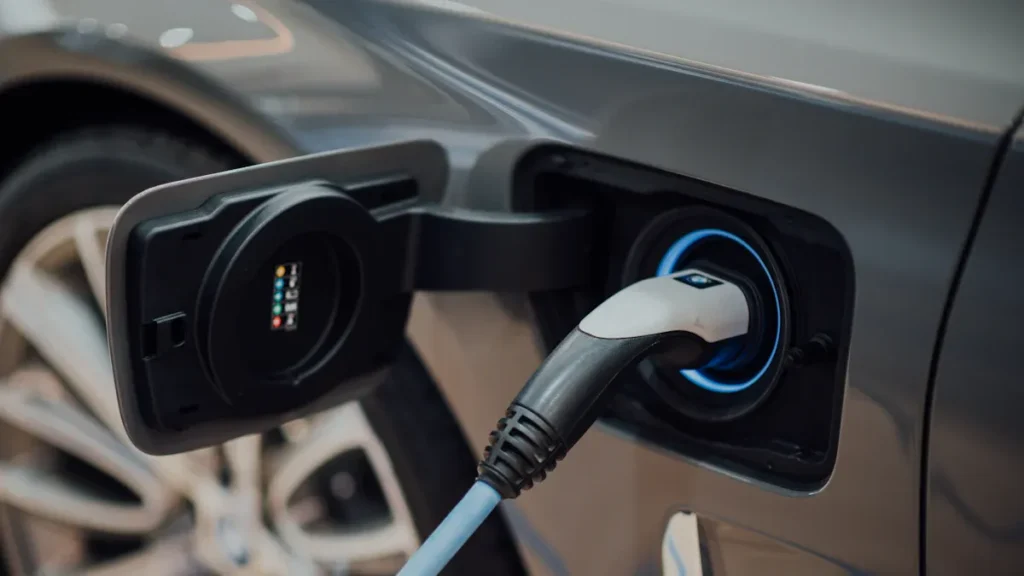
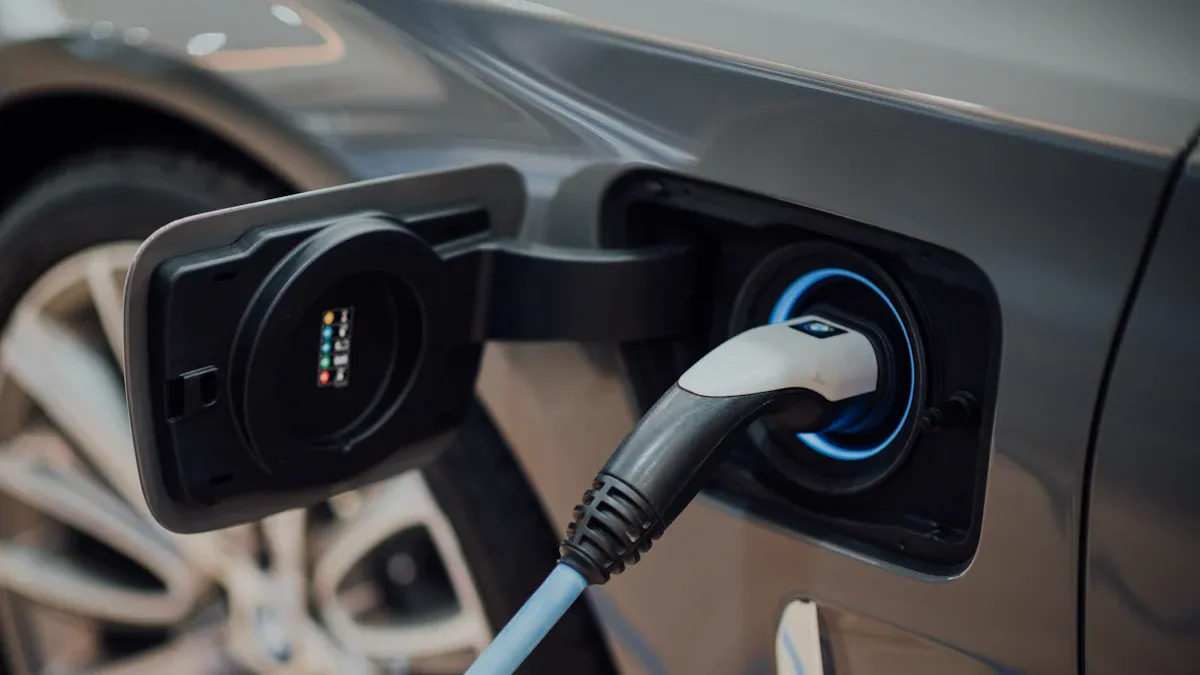
Compreender como a amperagem e os kW de uma estação de carregamento afetam os tempos de carregamento dos veículos elétricos é fundamental para otimizar esses tempos. Uma potência nominal mais elevada em quilowatts (kW) numa estação de carregamento significa, geralmente, uma velocidade de carregamento mais rápida. A velocidade real de carregamento do veículo elétrico, no entanto, é sempre limitada pelo menor dos dois valores: o Carregador EV‘a potência de saída ou a taxa máxima de carga do automóvel. Esta realidade do carregamento de veículos elétricos afeta diretamente o tempo que o automóvel passa ligado à tomada.
Nota: A intensidade da corrente e a tensão são os elementos fundamentais da potência. Fabricantes de carregadores para veículos eléctricos tal como a TPSON, um fornecedor tecnologicamente avançado, concebe o seu Soluções de carregamento de veículos eléctricos, incluindo carregadores ev portáteis, com base nesta relação fundamental.
Quilowatts (kW): a medida direta da velocidade de carregamento dos veículos elétricos

O quilowatt (kW) é a unidade de medida mais direta para compreender o velocidade potencial de carregamento de veículos elétricos de uma estação. Um valor mais elevado em kW indica uma maior potência de saída. Isto traduz-se numa velocidade mais elevada de fornecimento de energia à bateria de um veículo elétrico. Compreender esta unidade é o primeiro passo para qualquer condutor que se questione sobre a rapidez com que os carros elétricos carregam.
O que é um Kilowatt (kW)?
Um quilowatt é uma unidade de potência, não de energia. Quantifica a taxa à qual uma estação transfere energia para um veículo.
As “milhas por hora” do carregamento
Uma analogia eficaz consiste em pensar nos quilowatts como as “milhas por hora” do carregamento de veículos elétricos. Um carregador com uma potência nominal mais elevada em kW pode “injetar” energia numa bateria mais rapidamente. Isto influencia diretamente a velocidade global de carregamento. Um carregador de 150 kW, por exemplo, tem um potencial muito maior para reduzir os tempos de carregamento do que um carregador de 7 kW.
A fórmula simples da potência: Volts × Amperes = Watts
A potência é o produto da tensão elétrica (volts) pela corrente elétrica (amperes). A fórmula fundamental é:
Volts (V) × Amperes (A) = Watts (W)
Um quilowatt (kW) equivale simplesmente a 1 000 watts. Esta unidade representa uma taxa de transferência de energia equivalente a 1 000 joules por segundo. Os fornecedores tecnologicamente avançados, como a TPSON, concebem as suas soluções de carregamento com base neste princípio fundamental, de modo a fornecer uma potência de carregamento fiável e eficiente.
Como os kW afetam os tempos de carregamento do seu veículo elétrico
A potência nominal do carregador, expressa em kW, é um fator determinante na forma como os quilowatts influenciam a velocidade de carregamento. Uma potência mais elevada da estação permite uma sessão de carregamento mais rápida, desde que o veículo possa aceitar esse nível de potência.
É possível estimar o tempo necessário para um carregamento. Utilize a fórmula: Tempo de carregamento (horas) = Energia adicionada (kWh) ÷ Potência de carregamento (kW). A maioria dos fabricantes recomenda carregamento entre 20% e 80% para garantir o melhor estado da bateria.
Exemplos de tempo de carregamento CA de nível 2
O carregamento de nível 2 é comum em residências e locais de trabalho. A diferença em kW tem um impacto notável no tempo de carregamento de um automóvel típico. Consideremos uma bateria de 60 kWh a carregar de 20% para 80%, o que requer a adição de 36 kWh de energia.
| Alimentação do carregador | Energia adicionada | Tempo estimado de carregamento |
|---|---|---|
| 7 kW | 36 kWh | ~5,1 horas |
| 11 kW | 36 kWh | ~3,3 horas |
A mudança de um carregador de 7 kW para um de 11 kW reduz significativamente a duração da sessão de carregamento de nível 2.
Exemplos de tempos de carregamento rápido em corrente contínua
O carregamento rápido em corrente contínua (CC) oferece uma velocidade de carregamento muito superior aos condutores que fazem viagens longas. Tomando como exemplo a mesma bateria de 60 kWh (com um acréscimo de 36 kWh), fica evidente o impacto de um carregador rápido de alta potência em corrente contínua (CC).
- A 50 kW: A sessão tem uma duração aproximada de 43 minutos.
- A 150 kW: Essa sessão demora apenas cerca de 14 minutos.
Isto demonstra como uma potência nominal mais elevada, em kW, reduz drasticamente os tempos de carregamento dos veículos elétricos, tornando as viagens de longa distância mais convenientes.
O papel da amperagem (Amps) na determinação da potência
Embora os quilowatts constituam uma medida direta da velocidade de carregamento, a amperagem (amps) é um componente fundamental que determina essa potência. Compreender como a amperagem afeta a velocidade de carregamento é especialmente importante no carregamento de CA de Nível 2, em que as limitações do circuito elétrico desempenham um papel significativo. Uma amperagem mais elevada contribui diretamente para uma taxa de carregamento mais rápida.
Compreender os amperes como corrente elétrica
A amperagem é a unidade de medida da corrente elétrica. Representa o fluxo de eletrões através de um condutor. Os fornecedores de soluções de carregamento de veículos elétricos tecnologicamente avançados, como a TPSON, concebem os seus sistemas com base na gestão precisa desta corrente.
Os amperes como o “volume” da eletricidade
Uma analogia útil é pensar na amperagem como o “volume” de eletricidade que flui através de uma mangueira. A tensão é a pressão que impulsiona a água, enquanto a amperagem corresponde ao diâmetro da mangueira. Uma mangueira mais larga (amperagem mais elevada) permite que flua mais água (eletricidade) por segundo, mesmo com a mesma pressão. O definição científica moderna do ampere baseia-se no valor numérico fixo da carga elementar, uma constante fundamental da natureza. Uma amperagem mais elevada significa que é fornecida mais carga elétrica à bateria a cada segundo.
Como os amperes e os volts se combinam para formar os kW
A potência (watts) é o produto da tensão pela intensidade da corrente. A fórmula Volts × Amperes = Watts mostra que o aumento de qualquer um desses valores aumenta a potência de saída. Por exemplo, um carregador que funciona a 240 volts com uma corrente de 40 amperes fornece 9 600 watts, ou seja, 9,6 kW. Uma amperagem mais elevada à mesma tensão resulta numa potência nominal em kW mais elevada e num carregamento mais rápido.
Por que razão os amperes são fundamentais para o carregamento de nível 2
No caso do carregamento de nível 2, a amperagem é frequentemente a variável mais importante que o proprietário de um veículo elétrico pode controlar. A escolha do carregador e a infraestrutura elétrica do edifício determinam diretamente a amperagem máxima disponível.
Alimentação residencial de 240 V vs. alimentação comercial de 208 V
A maioria das habitações na América do Norte utiliza uma alimentação elétrica de 240 V em fase dividida. Muitos edifícios comerciais, no entanto, utilizam uma alimentação trifásica de 208 V. Esta diferença é importante. Um carregador de 40 ampères fornecerá 9,6 kW numa residência com 240 V, mas apenas 8,3 kW num edifício de escritórios com 208 V. É por isso que o mesmo carro pode carregar um pouco mais lentamente no local de trabalho do que em casa, mesmo com um carregador com a mesma intensidade nominal. É necessária uma amperagem mais elevada num ambiente de 208 V para igualar a potência de um sistema de 240 V.
Ajustar a amperagem ao circuito da sua casa
Quando carrega um carro elétrico em casa, a amperagem do carregador deve corresponder à capacidade que o circuito da sua casa pode fornecer com segurança. O Código Elétrico Nacional (NEC) exige que um disjuntor tenha uma capacidade nominal de 125% da carga contínua do carregador. Esta regra de segurança evita o sobreaquecimento. Por conseguinte, um carregador com maior amperagem requer um circuito dedicado mais robusto.
Sugestão: Para carregar um carro elétrico em casa com segurança, recorra sempre a um eletricista qualificado instalar o circuito dedicado para o seu carregador de Nível 2.
A relação entre a amperagem do carregador e o disjuntor necessário é clara:
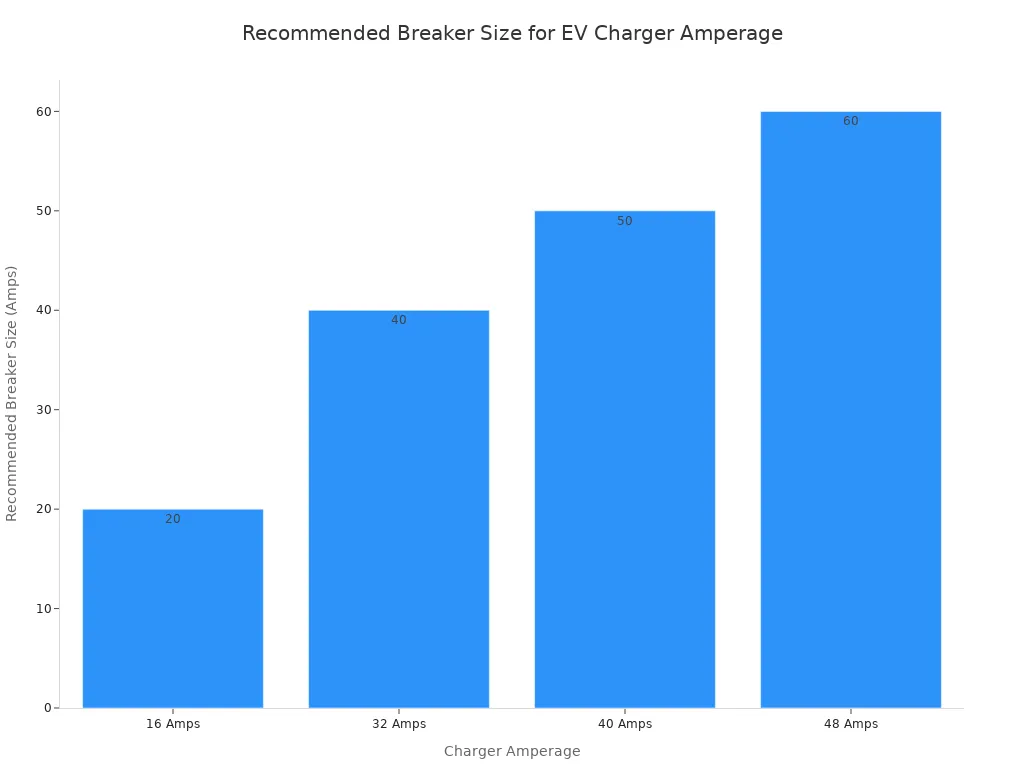
Escolher um carregador com uma amperagem mais elevada, como, por exemplo, 40 A ou 48 A, reduz significativamente o tempo de carregamento de um automóvel compatível com essa tecnologia. Uma amperagem mais elevada é a chave para alcançar velocidades de carregamento de nível 2 mais rápidas, o que tem um impacto significativo na comodidade diária de um condutor de um veículo elétrico.
Os limites do seu veículo: o fator mais importante para o tempo de carregamento
Embora a potência nominal em kW de uma estação indique a sua potência potencial, é frequentemente o próprio veículo elétrico que determina a velocidade real de carregamento. O hardware interno de um automóvel estabelece um limite máximo rígido quanto à quantidade de energia que pode aceitar com segurança. Isto faz com que as especificações do próprio veículo sejam o fator mais importante que influencia o tempo final de carregamento. Por mais potente que seja a estação, um carro só carregará tão rapidamente quanto os seus próprios sistemas permitirem.
O carregador integrado do seu carro para carregamento CA
Para o carregamento em corrente alternada (CA) de Nível 1 e Nível 2, todos os veículos elétricos dependem de um componente essencial: o carregador de bordo (OBC). Este equipamento está integrado no veículo e é responsável por um processo de conversão crucial.
O método mais comum para carregar veículos elétricos com corrente alternada envolve o carro carregador integrado que converte a corrente alternada da rede elétrica em corrente contínua antes de chegar à bateria. O OBC recebe a corrente alternada (CA) de uma tomada doméstica ou de uma estação pública de nível 2 e transforma-a na corrente contínua (CC) que a bateria do carro pode armazenar. Esta conversão ocorre através de várias etapas:
- Um estágio de correção do fator de potência (PFC) converte a tensão CA de entrada numa tensão CC intermédia.
- Um circuito DC-DC isolado ajusta, em seguida, esta tensão ao nível específico exigido pelo conjunto de baterias.
Os fornecedores tecnologicamente avançados, como a TPSON, concebem as suas soluções de carregamento para funcionarem em perfeita sintonia com estes sistemas de bordo. A potência nominal do OBC, medida em kW, determina a velocidade máxima absoluta para qualquer sessão de carregamento em corrente alternada.
Descobrir a potência máxima do ar condicionado do seu carro
Um proprietário de um veículo elétrico pode consultar a potência máxima de carregamento em corrente alternada do seu carro no manual do veículo, no site oficial do fabricante ou na ficha técnica fornecida no momento da compra. Esta potência é normalmente indicada em quilowatts (kW). As potências de carregamento em corrente alternada (CA) mais comuns para os veículos elétricos modernos variam entre 7,4 kW e 11 kW, sendo que alguns modelos topo de gama suportam até 19,2 kW ou mesmo 22 kW.
Exemplo: Um carro com um carregador integrado de 11 kW nunca carregará a uma velocidade superior a 11 kW numa estação de corrente alternada, mesmo que a estação tenha uma potência nominal de 19,2 kW. O carregador integrado do carro é o ponto de estrangulamento.
A regra do “elo mais fraco” em ação
O princípio do “elo mais lento” está sempre em vigor durante o carregamento de veículos elétricos. A velocidade final de carregamento será a inferior de dois valores: a potência máxima da estação e a taxa máxima de admissão do automóvel.
Considere um automóvel com um carregador integrado de 7,4 kW.
- Ligar a um 3,7 kW o carregador resulta num 3,7 kW velocidade de carregamento.
- Ligar a um 7,4 kW o carregador resulta num 7,4 kW velocidade de carregamento.
- Ligar a um 11 kW o carregador continua a resultar apenas num 7,4 kW velocidade de carregamento, uma vez que o carregador integrado no automóvel não consegue aceitar mais potência.
Isto demonstra por que razão é fundamental adequar o carregador à capacidade do automóvel para otimizar os tempos de carregamento, sem pagar por capacidade de energia não utilizada.
O Sistema de Gestão da Bateria (BMS) do seu carro para carregamento em corrente contínua
Durante o carregamento rápido em corrente contínua (CC), o processo é diferente. O carregador rápido externo de CC, de grandes dimensões, contorna o carregador de bordo do automóvel, que é mais pequeno, e fornece energia em CC diretamente à bateria. Neste cenário, o Sistema de Gestão da Bateria (BMS) do veículo assume o controlo.
O BMS é o “cérebro” sofisticado do conjunto de baterias. Monitoriza constantemente fatores como a tensão das células, a temperatura e o estado de carga. Durante o carregamento rápido em corrente contínua, o BMS comunica diretamente com a estação, indicando limites ao carregador para permitir o carregamento mais rápido possível. A precisão e a capacidade de resposta do BMS influenciam diretamente a rapidez com que um veículo pode carregar.
Descobrir a corrente máxima de corrente contínua do seu carro
À semelhança da taxa de carregamento em CA, a taxa máxima de carregamento rápido em CC de um automóvel é uma especificação fundamental fornecida pelo fabricante. Este valor, também expresso em kW, representa a potência máxima que a bateria consegue suportar em condições ideais. Estas potências variam consideravelmente, desde cerca de 50 kW nos modelos mais antigos até mais de 350 kW nos mais recentes veículos elétricos de alto desempenho. Conhecer este valor ajuda o condutor a escolher o carregador público adequado para uma recarga rápida durante uma viagem longa.
Por que razão um carregador de 350 kW nem sempre carrega a 350 kW
Ligar um carro a um carregador ultrarrápido de 350 kW não garante uma velocidade de carregamento de 350 kW. Vários fatores, todos geridos pelo BMS, irão limitar a potência.
- Velocidade máxima do veículo: Um carro com uma potência máxima em corrente contínua de 150 kW nunca ultrapassará os 150 kW, independentemente da potência da estação.
- Estado de carga da bateria (SoC): O carregamento é mais rápido quando a bateria está quase vazia. O BMS reduz automaticamente a velocidade à medida que a bateria vai enchendo (especialmente acima de 80%) para proteger o seu estado de saúde.
- Temperatura da bateria: O BMS irá limitar a velocidade de carregamento se a bateria estiver demasiado fria ou demasiado quente, para evitar danos.
O BMS calcula constantemente a taxa máxima de carregamento segura e indica ao carregador que ajuste a sua potência em conformidade. Este controlo dinâmico garante tanto a segurança como a longevidade ideal da bateria.
Como os fatores do mundo real reduzem a velocidade de carregamento
A potência nominal em kW indicada para um carregador representa a sua potência máxima potencial em condições ideais. No entanto, vários fatores do mundo real que afetam a velocidade de carregamento reduzem frequentemente a potência efetivamente fornecida ao veículo. A experiência de um condutor de um veículo elétrico numa estação de carregamento é influenciada por mais do que apenas a potência nominal da estação e as especificações do veículo. Compreender estas variáveis é essencial para definir expectativas realistas e planear paragens de carregamento eficientes.
Regra 80%: Estado de carga da bateria (SoC)
Um dos fatores mais evidentes é a bateria da Estado de Carga (SoC). Uma bateria carrega muito mais depressa quando se encontra com um nível de carga (SoC) mais baixo e o processo abranda consideravelmente à medida que se aproxima da capacidade total. Esta é uma característica universal do carregamento de uma bateria de um veículo elétrico.
Por que é que o carregamento fica significativamente mais lento?
A principal razão para esta desaceleração é a física. À medida que uma bateria se vai enchendo, a sua a resistência interna aumenta. A passagem de uma corrente elétrica elevada por uma bateria com elevada resistência gera calor significativo. O Sistema de Gestão da Bateria (BMS) do automóvel deteta esta situação e reduz deliberadamente a potência de carregamento para evitar o sobreaquecimento das células, o que poderia causar danos permanentes. Esta medida de proteção é a razão pela qual os últimos 20% de um carregamento demoram muito mais tempo do que os primeiros 20%.
Proteger a saúde a longo prazo da sua bateria
Esta redução gradual da velocidade de carregamento é uma característica de segurança fundamental que protege o bom funcionamento da bateria a longo prazo. Levar regularmente uma bateria ao 100% à velocidade máxima aceleraria a sua degradação. Por este motivo, muitos fabricantes de veículos elétricos e especialistas em carregamento recomendam interromper o Sessão de carregamento rápido em corrente contínua por volta das 80%. Esta prática não só poupa tempo como também ajuda a preservar a capacidade e a vida útil da bateria. É uma estratégia fundamental para quem pretende carregar totalmente um carro elétrico, tendo em conta a sua longevidade.
Como a temperatura da bateria afeta o carregamento da bateria de um veículo elétrico
Temperatura da bateria é outra variável crucial. As baterias de iões de lítio têm um intervalo de temperatura ideal para um funcionamento eficiente. Temperaturas extremas, tanto altas como baixas, levam o BMS a limitar a velocidade de carregamento para proteger o conjunto de baterias.
Velocidades mais baixas em tempo frio
Quando está frio, as reações químicas no interior de uma bateria abrandam. Tentar carregar uma bateria fria a alta velocidade pode causar danos. Para evitar isso, o BMS irá restringir significativamente a potência de carregamento até que a bateria aqueça. Alguns veículos elétricos modernos têm um funcionalidade de pré-condicionamento que aquece ativamente a bateria à medida que o carro se dirige para um carregador rápido de corrente contínua, melhorando significativamente o desempenho de carregamento em climas frios.
Limitação de potência de proteção em climas quentes
Por outro lado, o calor excessivo também é prejudicial para o estado da bateria. Durante uma sessão de carregamento rápido, especialmente em temperaturas ambientes elevadas, a bateria pode aquecer rapidamente. Se a temperatura exceder um limiar de segurança, o BMS voltará a limitar a potência de carregamento para permitir que o sistema de arrefecimento da bateria acompanhe o ritmo. Esta limitação de proteção evita danos térmicos e garante que a bateria funcione em segurança.
Energia partilhada nas estações públicas
Nem todos os pontos de carregamento numa estação de carregamento pública são iguais. Muitos locais utilizam uma arquitetura de energia partilhada, em que vários carregadores partilham uma quantidade limitada de energia disponível da rede elétrica. Esta é uma prática comum que pode levar a uma sessão de carregamento mais lenta do que o esperado.
O que é a divisão de potência?
Divisão de potência ou equilíbrio de carga, é um sistema em que a capacidade elétrica total de um ponto de carregamento é distribuída pelos carregadores ativos. Por exemplo, dois carregadores de 150 kW podem partilhar um único quadro de alimentação de 300 kW. Se apenas um carro estiver a carregar, este pode potencialmente receber os 150 kW na totalidade. No entanto, se um segundo carro for ligado ao carregador adjacente, o sistema pode dividir a potência, atribuindo a cada veículo apenas 75 kW.
As redes avançadas estão a desenvolver esta tecnologia. Por exemplo, alguns sistemas dispõem agora de uma partilha dinâmica de energia que permite distribuir a energia por até seis postos, otimizando o fornecimento de energia com base na procura em tempo real.
Como identificar uma central elétrica partilhada
Identificar uma configuração de alimentação partilhada pode ser complicado. Algumas estações têm etiquetas nos carregadores que indicam que partilham a alimentação com uma unidade adjacente (por exemplo, “Carregador 1A” e “Carregador 1B”). Outra pista é observar várias posições de carregamento ligadas a um único armário de alimentação de grandes dimensões. Ao chegar a um local movimentado, escolher uma posição ligada a um armário de alimentação desocupado pode ajudar a garantir que o carro receba a potência de carregamento máxima possível. Este conhecimento ajuda os condutores a evitar sessões de carregamento inesperadamente lentas quando tentam carregar totalmente um carro elétrico com um horário apertado.
Um guia prático para escolher o carregador certo
Saber escolher o carregador adequado é uma competência prática para qualquer condutor de um veículo elétrico. A escolha depende do objetivo da viagem, do tempo disponível e das capacidades do veículo. Tomar uma decisão informada garante uma experiência eficiente e prática.
Como ler o rótulo de um carregador
As etiquetas numa estação de carregamento fornecem informações essenciais sobre o seu desempenho. Um condutor de um veículo elétrico pode avaliar rapidamente se um carregador é adequado, ao compreender estes detalhes.
Identificação das potências nominais em kW e da amperagem
A etiqueta de um carregador indica de forma bem visível a sua potência máxima de saída, expressa em kW. Esta potência em kW é o indicador mais direto da velocidade potencial de carregamento. No caso das unidades de corrente alternada (CA) de Nível 2, a amperagem também pode estar indicada. Uma classificação em kW mais elevada promete, geralmente, uma sessão de carregamento mais rápida, partindo do princípio de que o veículo suporta esse nível de potência. A classificação em kW é um dado essencial para planear uma paragem.
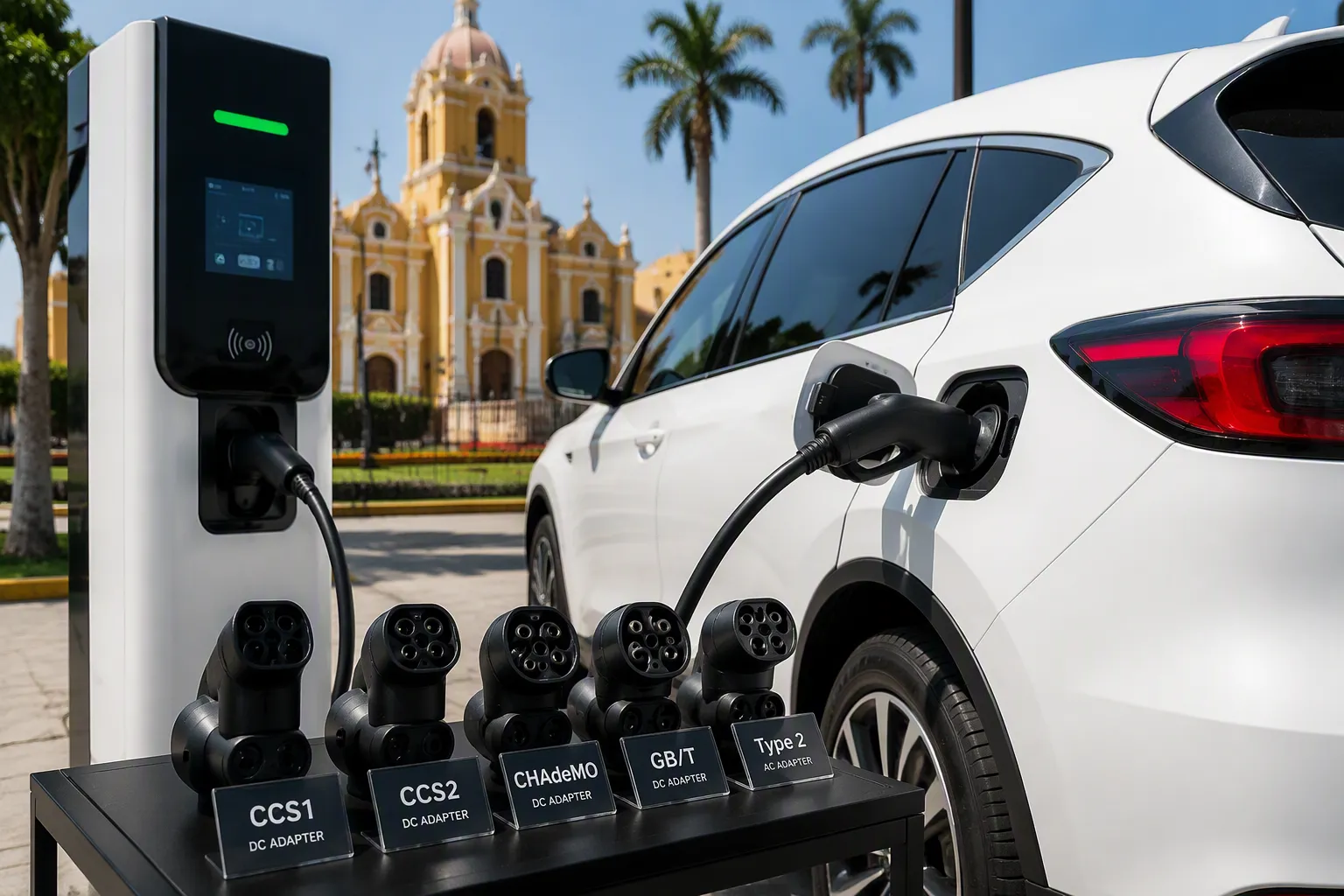
Compreender os tipos de conectores: CCS, NACS e CHAdeMO
O condutor deve também verificar se o conector do carregador é compatível com o seu automóvel. As três principais normas relativas aos conectores de corrente contínua são:
- CCS (Combined Charging System): Amplamente adotado por muitos fabricantes.
- NACS (North American Charging Standard): Desenvolvido pela Tesla e a ser adotado por outras marcas.
- CHAdeMO: Utilizado principalmente por um número reduzido de modelos de veículos.
A maioria das estações públicas disponibiliza o sistema CCS, enquanto o NACS está a expandir-se rapidamente. Certificar-se de que o conector corresponde à tomada do veículo é o primeiro passo antes de ligar o cabo.
Escolher o carregador adequado para a sua viagem
Escolher o tipo de carregador adequado é uma das melhores práticas para um carregamento mais rápido. As necessidades das deslocações diárias são muito diferentes das necessidades de uma viagem de longa distância.
Quando utilizar carregadores CA de nível 2
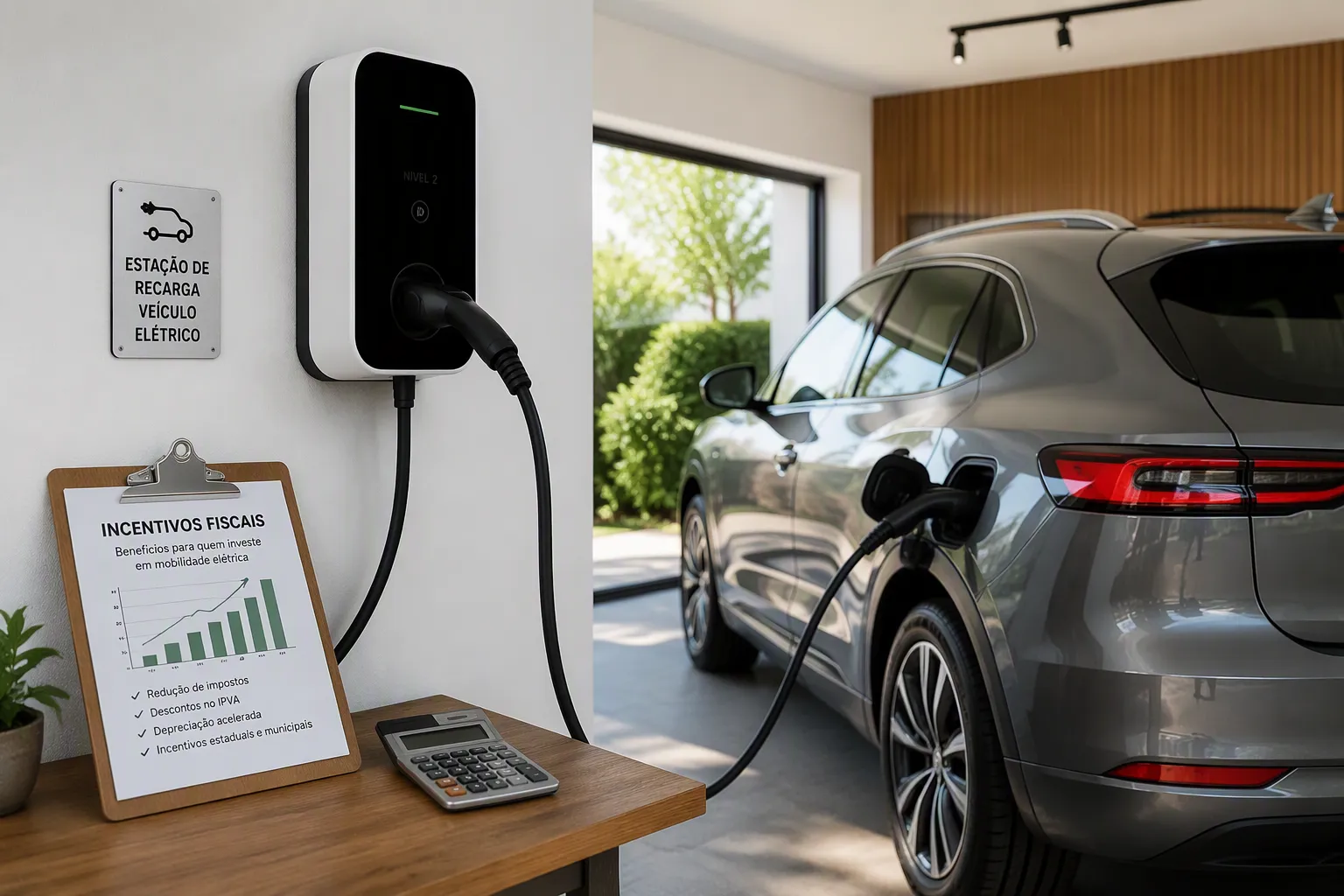
O carregamento de nível 2 é o ‘utilização diária da infraestrutura para veículos elétricos‘e satisfaz a maioria das necessidades de carregamento de rotina. Um carregador de Nível 2 é ideal para situações em que o veículo vai ficar» estacionado durante várias horas. Fornecedores tecnologicamente avançados, como a TPSON, concebem estas soluções com vista à fiabilidade. Os locais mais comuns incluem:
- Casas
- Locais de trabalho
- Hotéis e destinos
- Parques de estacionamento comerciais
Um carregador típico de nível 2, com uma potência nominal entre 7 kW e 11 kW, consegue carregar totalmente a maioria dos veículos elétricos durante a noite ou ao longo de um dia de trabalho normal. Isto torna o carregamento de nível 2 uma opção prática e económica para uso diário. A potência nominal mais baixa poupa a bateria.
Quando utilizar carregadores rápidos de corrente contínua
Um condutor deve utilizar um carregador rápido de corrente contínua (CC) em viagens longas, nas quais minimizar o tempo de paragem é a prioridade. Estas potentes estações foram concebidas para aumentar significativamente a autonomia em menos de uma hora. Quando um condutor precisa de carregar rapidamente um carro elétrico numa estação de carregamento, o carregamento rápido de CC é a solução. A elevada potência nominal de um carregador rápido de corrente contínua, frequentemente entre 50 kW e 350 kW, contorna o carregador de bordo do carro para fornecer energia diretamente. A potência nominal do carregador tem um impacto direto no tempo de paragem, pelo que é crucial escolher uma estação com uma potência nominal que corresponda à taxa máxima de corrente contínua do veículo.
Como a intensidade de corrente e a potência em kW das estações de carregamento afetam, na prática, os tempos de carregamento dos veículos elétricos
Um condutor de um veículo elétrico pode aplicar os conhecimentos teóricos sobre «como a potência da estação de carregamento, a amperagem e os kW afetam os tempos de carregamento dos veículos elétricos» para tomar decisões práticas. Ferramentas modernas e cálculos simples ajudam os condutores a otimizar as suas sessões de carregamento. Esta aplicação prática traduz-se em tempos de carregamento mais curtos e numa experiência de utilização mais conveniente.
Utilizar aplicações para encontrar o melhor carregador
As aplicações móveis são ferramentas indispensáveis para localizar e avaliar uma estação de carregamento. Aplicações como o PlugShare e o Google Maps fornecem uma grande quantidade de dados que ajudam o condutor a encontrar o carregador mais adequado às suas necessidades.
Filtrar por nível de potência (kW)
As principais aplicações permitem aos utilizadores filtrar os resultados da pesquisa por nível de potência (kW). Esta é uma funcionalidade essencial para adequar um carregador às capacidades do automóvel e aos requisitos da viagem. Um condutor pode filtrar por alta potência Carregadores rápidos DC numa viagem de carro ou para carregadores de Nível 2 no destino. O PlugShare, com o seu cobertura global na América do Norte e na Europa, oferece opções de filtragem avançadas. Os utilizadores podem especificar os tipos de conector e a velocidade de carregamento para encontrarem um carregador que se adapte na perfeição às suas modelo específico de veículo elétrico.
As melhores aplicações para carregar veículos elétricos 🗺️
- PlugShare: Oferece uma ampla cobertura global e conta com uma grande comunidade para atualizações em tempo real. O seu planeador de viagens inteligente e os seus filtros avançados tornam-no uma das melhores opções.
- Google Maps: Integra a pesquisa de estações de carregamento diretamente na sua navegação, apresentando a disponibilidade em tempo real e um planeamento inteligente de percursos que pode ter em conta o nível da bateria do automóvel.
Verificar o estado das estações em tempo real
Saber o estado de um carregador antes de chegar evita perdas de tempo. Muitas aplicações oferecem dados em tempo real sobre a disponibilidade de carregadores. Esta informação é frequentemente recolhida de forma colaborativa por uma comunidade de outros condutores de veículos elétricos. Aplicações como a PlugShare são ferramentas baseadas na comunidade onde a participação dos condutores é fundamental. Os utilizadores contribuem com avaliações, fotografias e comentários sobre a velocidade de carregamento e a facilidade de utilização. Esta experiência partilhada torna a aplicação uma fonte fiável, indicando se uma estação de carregamento está atualmente a ser utilizada, avariada ou disponível. Esta funcionalidade é essencial para planear uma paragem bem-sucedida para carregar um carro elétrico numa estação de carregamento.
Calcular o tempo estimado de carregamento
Um condutor pode realizar um cálculo rápido para estimar o tempo de carregamento. Isto ajuda a estabelecer expectativas realistas para uma sessão de carregamento.
Uma Fórmula Simples para Estimativas Rápidas
Uma fórmula simples fornece uma estimativa base para a duração de uma sessão. O cálculo divide a quantidade de energia necessária pela potência do carregador.
Tempo de Carregamento (horas) = Energia Necessária (kWh) ÷ Potência do Carregador (kW)
Por exemplo, adicionar 40 kWh a uma bateria com um carregador de 50 kW teoricamente levaria 0,8 horas, ou cerca de 48 minutos. Esta fórmula é um ponto de partida útil para entender como-a-amperagem-da-estacao-e-kw-afetam-os-tempos-de-carregamento-de-ve.
Considerando a Curva de Carregamento
A fórmula simples assume uma velocidade de carregamento constante, o que não é preciso na realidade. O processo de carregamento de VE é não linear devido à curva de carregamento. Um carro aceita potência máxima com um estado de carga baixo, mas a taxa diminui gradualmente, especialmente após a bateria atingir 80%. medida de proteção para a saúde da bateria. Fórmulas simples serão imprecisas porque não consideram esta redução progressiva. O tempo necessário para carregar de 80% a 100% pode ser semelhante ao tempo necessário para ir de 20% a 80%. Esta realidade de como-a-amperagem-da-estacao-e-kw-afetam-os-tempos-de-carregamento-de-ve significa que, para a viagem mais rápida, um condutor deve planear desligar por volta dos 80% e continuar a sua jornada.
Quilowatts (kW) são a medida mais direta da velocidade de carregamento, mas não contam toda a história de como-a-amperagem-da-estacao-e-kw-afetam-os-tempos-de-carregamento-de-ve. A velocidade real de carregamento é sempre determinada pelo elo mais fraco: a saída da estação, a taxa máxima de absorção do carro ou as condições em tempo real. Para otimizar o carregamento de VE, um condutor deve conhecer os limites do seu carro e escolher uma estação que corresponda às necessidades da sua viagem. Este conhecimento transforma a experiência de carregamento de VE, levando a tempos de carregamento mais curtos e um tempo geral de carregamento melhor.
FAQ
Qual é a forma mais rápida de carregar um carro elétrico?
O método mais rápido para carregar um carro elétrico é usando um carregador DC rápido. Estas estações de alta potência contornam o carregador de bordo do veículo, fornecendo autonomia significativa em menos de uma hora. Um condutor deve selecionar uma estação com uma classificação em kW que corresponda à absorção máxima em DC do seu veículo.
Um condutor pode usar qualquer carregador para carregar um carro elétrico?
Não, um condutor deve usar um carregador com um conector compatível. Embora muitas marcas adotem os padrões CCS ou NACS, é essencial verificar a compatibilidade. Usar o tipo de conector errado impedirá que um condutor consiga carregar um carro elétrico.
Porque é que demora tanto tempo a carregar um carro elétrico de 80% a 100%?
O carregamento abranda significativamente após os 80% para proteger a bateria. O Sistema de Gestão da Bateria do carro reduz a absorção de energia para evitar sobreaquecimento e degradação das células. Este efeito de redução progressiva é uma função normal e necessária quando se carrega um carro elétrico.
Como é que o tempo frio afeta a capacidade de carregar um carro elétrico?
As temperaturas frias retardam as reações químicas no interior de uma bateria. O sistema de gestão do veículo irá limitar a velocidade de carregamento para evitar danos até que a bateria aqueça. Esta medida de segurança significa que levará mais tempo a carregar um carro elétrico em climas mais frios.
É melhor carregar um carro elétrico em casa ou numa estação pública?
Para necessidades diárias, é melhor carregar um carro elétrico em casa durante a noite usando um carregador Nível 2. Para viagens de longa distância, os carregadores públicos DC rápidos são necessários para recargas rápidas. Cada método serve um propósito diferente para o proprietário do VE.
Qual é o fator mais importante ao carregar um carro elétrico?
O fator mais importante é a regra do “elo mais fraco”. A velocidade real de carregamento é determinada pelo valor mais baixo entre a saída da estação, a taxa máxima de absorção do veículo e as condições em tempo real, como a temperatura da bateria.
Como pode um condutor carregar um carro elétrico de forma mais eficiente?
Um condutor pode carregar um carro elétrico de forma mais eficiente seguindo estas dicas:
- Pré-condicionar a bateria antes do carregamento rápido.
- Carregar quando a bateria estiver com um estado de carga baixo.
- Parar sessões de carregamento DC rápido por volta dos 80%.
- Escolher um carregador fiável de um fornecedor como a TPSON para o carro.