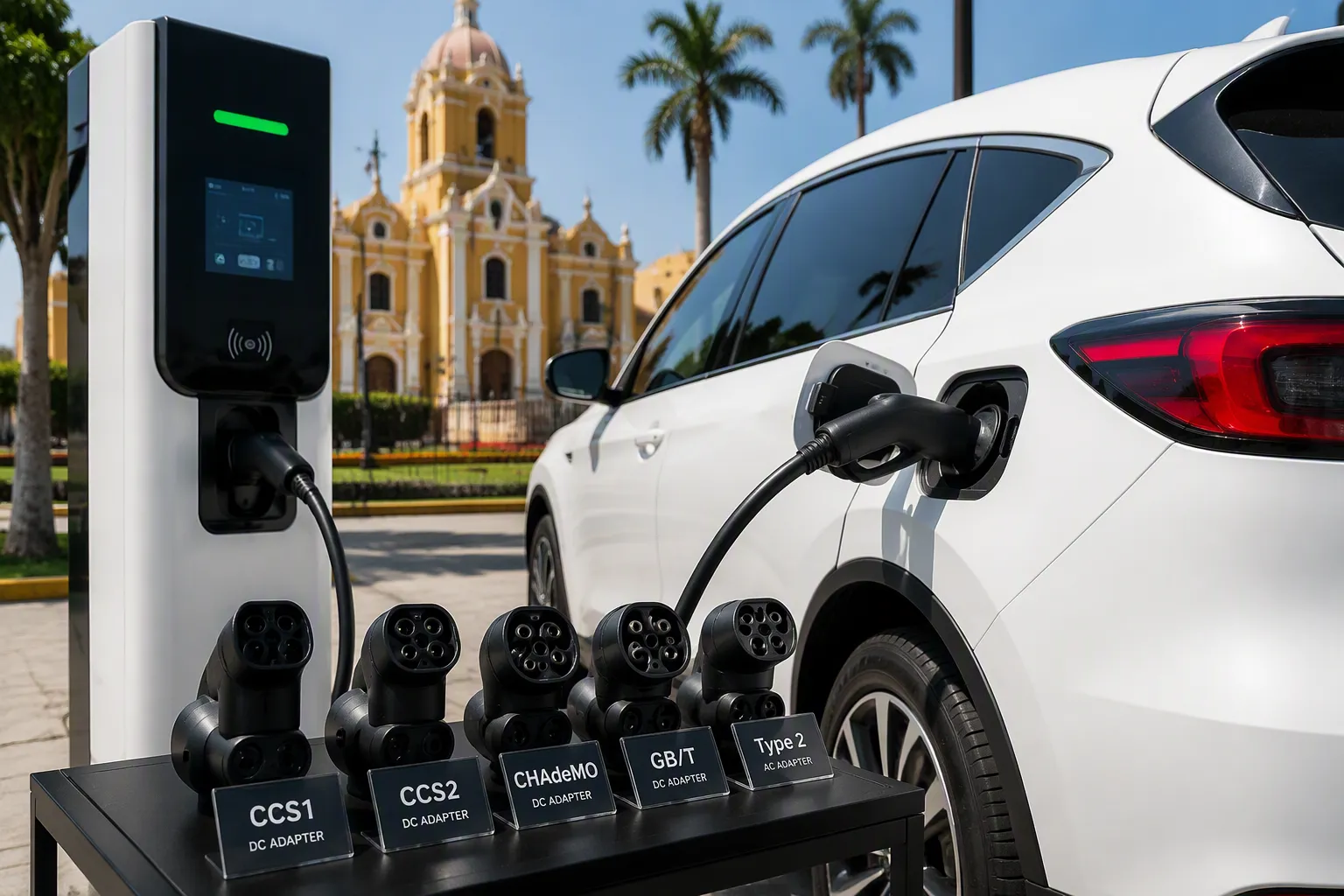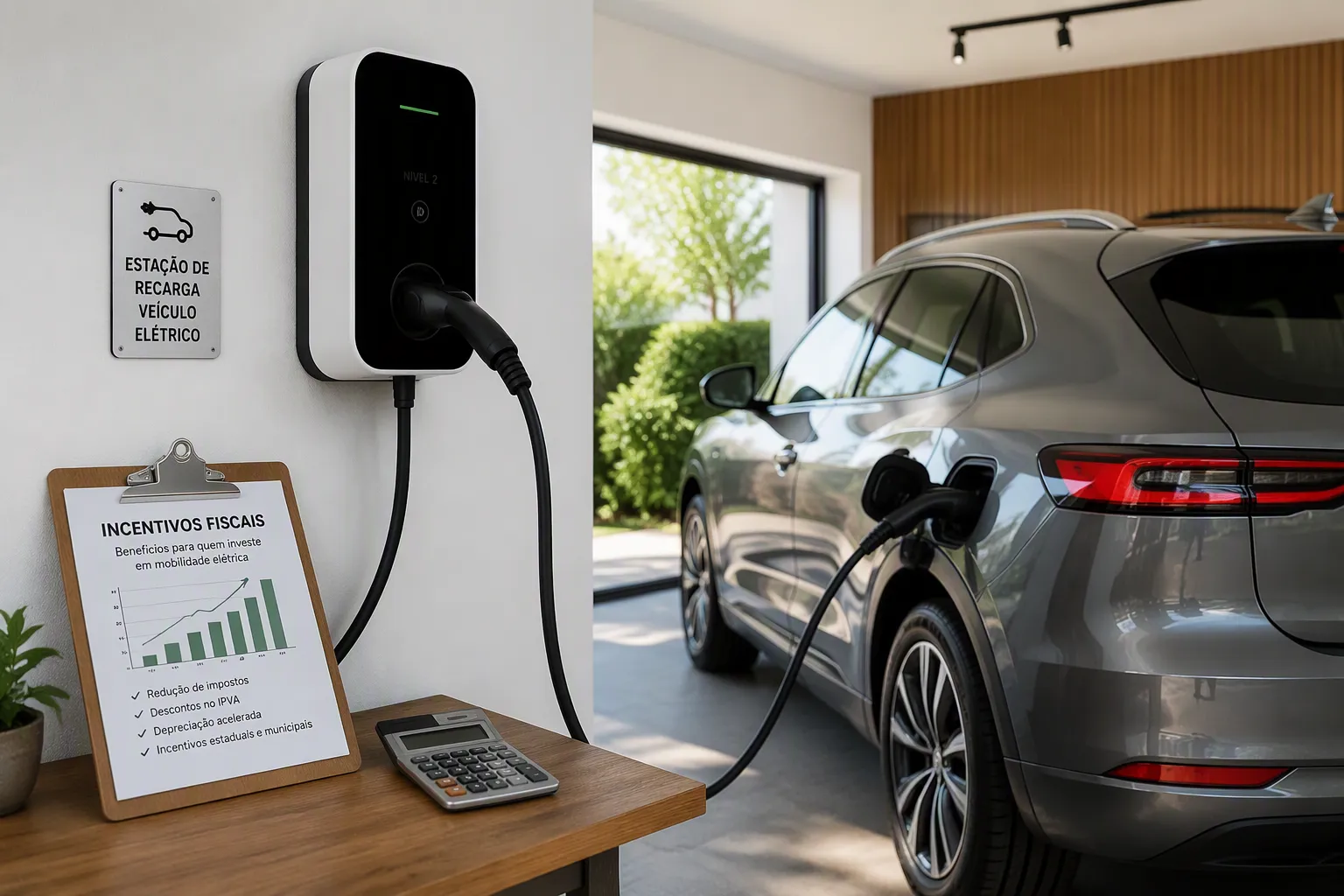

Sim, é possível receber um subsídio governamental para um Carregador de veículos eléctricos no Reino Unido. O governo oferece este subsídio como auxílio financeiro para a instalação de um carregador de VE, refletindo o rápido crescimento do mercado de veículos elétricos. Mais de 1,6 milhão de carros totalmente elétricos circulam atualmente nas estradas do Reino Unido. A elegibilidade para subsídios governamentais para carregadores de VE depende de circunstâncias específicas. Este subsídio está disponível para inquilinos, proprietários de apartamentos e empresas. O subsídio governamental geralmente oferece até £350 ou 75% do custo de instalação. Sua elegibilidade para o subsídio do carregador é fundamental. Uma pessoa elegível pode encontrar Soluções de carregamento de veículos eléctricos de vários Fabricantes de carregadores para veículos eléctricos como TPSON, separadamente de opções como carregadores ev portáteis.
Compreendendo o Subsídio para Ponto de Carregamento de VE para Residências

O governo do Reino Unido fornece apoio financeiro para instalação de carregador de VE através do subsídio para ponto de carregamento de VE para residências. Este apoio visa situações habitacionais específicas para incentivar a adoção de VE onde o acesso ao carregamento é mais desafiador. O esquema visa tornar o carregamento doméstico mais acessível para pessoas que vivem em propriedades alugadas, apartamentos e residências sem garagem privativa. Compreender qual subsídio se aplica à sua situação é o primeiro passo para obter este financiamento.
Subsídio para Inquilinos e Proprietários de Apartamentos
O principal apoio para estas residências é o subsídio para ponto de carregamento de VE para inquilinos ou proprietários de apartamentos. Este subsídio reduz diretamente o custo de compra e instalação de um carregador doméstico, tornando a transição para um VE mais acessível.
Valor do Subsídio e Economias
O subsídio para ponto de carregamento de VE para inquilinos ou proprietários de apartamentos fornece financiamento de até 75% do custo total de um ponto de carregamento e sua instalação. O subsídio tem um limite máximo de £350 (incluindo IVA) por instalação. Este desconto é aplicado diretamente na fatura pelo instalador, portanto os candidatos pagam o preço reduzido antecipadamente.
Critérios de Elegibilidade para Inquilinos
Inquilinos em propriedades alugadas devem atender a critérios específicos para se qualificar para o subsídio para ponto de carregamento de VE para inquilinos ou proprietários de apartamentos.
- O candidato deve estar alugando a propriedade.
- Deve ter estacionamento privativo fora da via pública.
- O candidato deve possuir, arrendar ou ter um VE da empresa.
- Crucialmente, deve ter permissão do proprietário.
Nota: Os candidatos precisarão fornecer evidência de seu contrato de locação, como um acordo de aluguel. O instalador exigirá comprovante de aprovação do proprietário antes de prosseguir com a solicitação do subsídio.
Requisitos para Proprietários de Apartamentos
Proprietários de apartamentos enfrentam requisitos semelhantes. O subsídio para ponto de carregamento de VE para proprietários de apartamentos está disponível se eles tiverem uma vaga de estacionamento privativa e dedicada fora da via pública. Se a vaga de estacionamento ou o processo de instalação envolver propriedade compartilhada, o proprietário do apartamento deve obter as permissões necessárias. Isso frequentemente requer a celebração de um acordo legal com o proprietário do terreno ou empresa gestora para passar cabos ou outros componentes em áreas comuns.
Condições do Veículo e da Propriedade
Tanto inquilinos quanto proprietários de apartamentos devem garantir que sua propriedade e veículo atendam às condições do subsídio.
| Categoria | Requisito |
|---|---|
| Estacionamento | Deve ser um espaço privativo e dedicado fora da via pública. |
| Veículo | O candidato deve ter um VE elegível. Uma lista está disponível no site do governo. |
| Propriedade | A propriedade deve estar no Reino Unido. O carregador não pode ser instalado em um espaço de uso ilegal, como atravessando uma calçada pública. |
O subsídio para ponto de carregamento de VE para inquilinos ou proprietários de apartamentos é projetado para superar a barreira de instalar um carregador em configurações habitacionais não tradicionais.
Subsídio para Residências com Estacionamento na Rua
Para residências sem garagem privativa, o governo oferece o subsídio para ponto de carregamento de veículo elétrico para propriedades sem garagem. Este subsídio ajuda a cobrir o custo do carregador em si, mas o processo envolve etapas adicionais relacionadas à instalação de fiação através de terreno público.
Detalhes do financiamento
Este subsídio fornece a mesma assistência financeira que o para inquilinos e proprietários de apartamentos: até £350 ou 75% do custo do carregador de VE e sua instalação. O financiamento é para a unidade de carregamento na propriedade, não para o trabalho necessário para cruzar a calçada.
Quem Pode Solicitar?
Este subsídio está disponível para proprietários e inquilinos que tenham estacionamento adequado na rua e permissão de sua prefeitura local para instalar uma solução de carregamento que atravesse a calçada. Isso possibilita que residências sem garagem tenham um carregador doméstico dedicado.
Permissão da Prefeitura Local
Antes que um instalador possa solicitar o subsídio, o candidato deve obter permissão da autoridade local de trânsito. Este é um passo crítico. A autoridade deve aprovar a instalação de uma solução que atravesse a calçada, o que frequentemente envolve instalar um canal na calçada para o cabo de carregamento. Isso pode exigir uma licença específica, como uma licença Seção 50, para colocar equipamento na rua.
Soluções que Atravessam a Calçada
As soluções que atravessam a calçada devem ser seguras e atender a padrões rigorosos. É ilegal passar um cabo sobre a calçada, pois isso viola a Lei das Estradas de 1980. Soluções aprovadas garantem que o cabo seja alojado com segurança em um canal, prevenindo riscos de tropeço. Algumas autoridades locais, como o Conselho do Condado de Nottinghamshire, realizaram programas piloto para ajudar a cobrir os custos desses canais, mas normalmente o residente é responsável por financiar esta parte da instalação. Um acordo de longo prazo geralmente é necessário, delineando responsabilidades de manutenção e responsabilidade civil.
E se eu for um Proprietário com Garagem?
Muitas pessoas se perguntam se podem obter um subsídio para um carregador de VE em casa se possuem uma casa com garagem privativa. Atualmente, as opções para este grupo são muito limitadas na maior parte do Reino Unido.
O Fim do Subsídio EVHS
O governo anteriormente oferecia o Esquema de Carregamento Doméstico para Veículos Elétricos (EVHS), que fornecia um subsídio a proprietários de casas. No entanto, este esquema terminou em 31 de março de 2022. A razão oficial para sua conclusão foi que o governo decidiu redirecionar seu foco. O financiamento foi realocado para apoiar inquilinos e residentes de apartamentos, visando remover uma barreira chave para a adoção de VE em áreas mais densamente povoadas onde o carregamento privado é menos comum. O Esquema de Carregamento Doméstico para Veículos Elétricos foi bem-sucedido em seu objetivo inicial, portanto o apoio foi transferido para outras prioridades. O fim do Esquema de Carregamento Doméstico para Veículos Elétricos marcou uma mudança significativa na estratégia de VE do governo.
Situação atual para os proprietários
Devido ao fim do Programa de Carregamento Doméstico de Veículos Elétricos, não existe atualmente qualquer subsídio generalizado para carregadores domésticos de veículos elétricos destinado a proprietários com entradas privadas na Inglaterra, no País de Gales ou na Irlanda do Norte. Estas pessoas têm agora de suportar, por conta própria, o custo total da aquisição e instalação de um carregador junto de fornecedores como a TPSON.
Financiamento alternativo na Escócia
Existe uma exceção para os agregados familiares na Escócia. A Energy Saving Trust disponibiliza financiamento, que pode ser obtido através de duas vias distintas:
- Para proprietários de veículos elétricos em zonas rurais e remotas: Os residentes em códigos postais rurais específicos (categorias 3 a 8) ou nas ilhas escocesas podem candidatar-se a financiamento. Devem ser proprietários ou ter um contrato de locação de um veículo elétrico elegível.
- Para proprietários de veículos elétricos usados: Qualquer pessoa na Escócia que tenha adquirido um veículo elétrico usado através do Empréstimo para Veículos Elétricos Usados pode candidatar-se a este subsídio para pontos de carregamento.
Este financiamento direcionado garante que as famílias na Escócia, em especial as que vivem em zonas remotas ou as que adquirem veículos elétricos em segunda mão, continuem a ter acesso a apoio financeiro.
Enquanto senhorio, posso obter um subsídio do Estado para o meu carregador de veículos elétricos?
Os senhorios podem aceder a financiamento do governo para instalar pontos de carregamento de veículos elétricos, tornando os seus imóveis mais atrativos para o número crescente de condutores de veículos elétricos. O governo oferece dois programas principais: o subsídio para pontos de carregamento e infraestruturas de veículos elétricos destinado a senhorios e o subsídio para pontos de carregamento e infraestruturas de veículos elétricos destinado a parques de estacionamento residenciais. Compreender estas opções ajuda os senhorios a decidir qual o melhor investimento para os seus imóveis. Um senhorio que se questione: “Posso obter um subsídio para o meu carregador de veículos elétricos?”, descobrirá que a resposta é sim, uma vez que existem programas específicos disponíveis.
Subsídio para pontos de carregamento de veículos eléctricos para senhorios
O subsídio para pontos de carregamento de veículos elétricos destinado a senhorios subsidia diretamente o custo de aquisição e instalação de um carregador. Este subsídio constitui um incentivo fundamental para que os senhorios disponibilizem instalações de carregamento de veículos elétricos aos seus inquilinos.
Estrutura e montantes das subvenções
Este subsídio cobre até 75% do custo de um carregador e da sua instalação. O financiamento está limitado a 350 £ por subsídio. Os senhorios podem candidatar-se a vários subsídios para pontos de carregamento em todo o seu portfólio imobiliário. O subsídio para pontos de carregamento de veículos elétricos e infraestruturas torna a instalação de um carregador de veículos elétricos mais acessível.
Condições de elegibilidade para senhorios de imóveis residenciais
Para ser elegível, um senhorio de imóveis residenciais deve estar registado na Companies House ou possuir um número de identificação fiscal (IVA). O imóvel deve ser um edifício já existente; o subsídio não pode ser utilizado para imóveis em construção. Esta regra garante que o financiamento apoia a adaptação do parque habitacional mais antigo com infraestruturas modernas para veículos elétricos.
Condições de elegibilidade para senhorios de imóveis comerciais
Proprietários de imóveis comerciais também podem candidatar-se ao subsídio para pontos de carregamento de veículos elétricos. Os critérios de elegibilidade são semelhantes. O senhorio deve ser uma empresa registada ou possuir um número de IVA. O subsídio destina-se a lugares de estacionamento reservados para uso do pessoal ou para a frota de veículos do senhorio.
Limites e regras de candidatura
O governo estabelece limites anuais ao número de subsídios que uma única entidade proprietária pode solicitar. Isto garante uma distribuição justa dos fundos.
- Um senhorio pode solicitar até 200 subsídios por exercício financeiro para imóveis residenciais.
- Um senhorio pode solicitar até 100 subsídios por exercício financeiro para imóveis comerciais.
Subvenção para infraestruturas destinadas a parques de estacionamento residenciais
Para os proprietários que planeiam instalações de maior escala, o subsídio para pontos de carregamento de veículos elétricos e infraestruturas em parques de estacionamento residenciais oferece um apoio mais substancial. Este subsídio governamental ajuda a preparar um imóvel para a futura procura de veículos elétricos.
Objetivo da subvenção
O objetivo deste subsídio é ajudar a cobrir os custos de instalação da infraestrutura necessária para vários pontos de carregamento. Abrange itens como cablagem e postes. Este subsídio destina-se exclusivamente a imóveis residenciais já existentes com cinco ou mais lugares de estacionamento. Este não pode ser utilizado em novas construções nem para cumprir um requisito urbanístico obrigatório.
Financiamento para obras de infraestruturas
Esta subvenção oferece até 30 000 £ ou 75% do custo total de capital da obra, consoante o valor mais baixo. A instalação deve cumprir requisitos técnicos específicos.
- O trabalho deve proporcionar infraestruturas para um um mínimo de cinco lugares de estacionamento.
- Pelo menos um destes espaços deve ter um carregador ativo instalado.
- Os espaços restantes podem dispor de infraestruturas passivas (cabeamento preparado para um futuro carregador).
Em combinação com o Subsídio para Proprietários
Os senhorios podem recorrer ao subsídio para pontos de carregamento de veículos elétricos e infraestruturas em parques de estacionamento, a par do subsídio para pontos de carregamento destinado a senhorios. Esta combinação permite que um senhorio financie tanto a instalação elétrica de base como a instalação de unidades de carregamento individuais, como as fornecidas por prestadores de serviços avançados, como a TPSON. Esta abordagem dupla proporciona uma solução completa para a eletrificação de um parque de estacionamento residencial.
Subsídios governamentais para carregadores de veículos elétricos em locais de trabalho e organizações
O governo alarga o seu apoio à recarga de veículos elétricos a empresas, instituições de caridade e instituições de ensino. Estas organizações podem aceder a financiamento para instalar pontos de recarga de veículos elétricos, incentivando a adoção de veículos elétricos entre os funcionários e visitantes. Dois programas principais facilitam esta iniciativa: o Programa de Recarga no Local de Trabalho (WCS) e uma subvenção específica para escolas financiadas pelo Estado.
Regime de taxas no local de trabalho (WCS)
O Programa de Carregamento no Local de Trabalho (WCS) é um programa baseado em vouchers que ajuda as organizações a suportar os custos iniciais de aquisição e instalação de um carregador para veículos elétricos.
Detalhes e limites do subsídio
Este subsídio do governo concede até £350 por tomada. O programa apoia um máximo de 40 tomadas em todas as instalações por cada candidato. Isto significa que uma empresa poderá receber até 14 000 libras em financiamento total, o que constitui um incentivo substancial para a eletrificação dos parques de estacionamento das empresas.
Quem é elegível? (Empresas, instituições de caridade)
Um vasto leque de organizações pode candidatar-se à subvenção do WCS. Para ser elegível, o candidato deve ser uma empresa registada, uma instituição de caridade ou uma organização do setor público. Esta ampla elegibilidade garante que muitos tipos diferentes de locais de trabalho possam beneficiar deste programa.
Requisitos relativos ao estacionamento fora da via pública
Uma condição essencial para a concessão do subsídio é a disponibilidade de estacionamento privado fora da via pública para os funcionários ou para os veículos da frota. Os pontos de carregamento devem ser instalados nessas áreas de estacionamento privadas. O programa não cobre os custos de criação de novos lugares de estacionamento.
Como se candidatar através de um sistema de vouchers
O processo de candidatura funciona de forma simples sistema de vales.
- Uma organização começa por concluir um candidatura online.
- Os candidatos selecionados recebem por e-mail um código promocional único, válido por 180 dias (6 meses).
- A organização entrega então este vale a um instalador autorizado pela OZEV.
- O instalador conclui a instalação de um carregador de qualidade, como os fornecidos por fornecedores de ponta, tais como a TPSON, e solicita o valor do subsídio à OZEV. O montante do subsídio é, em seguida, deduzido da fatura final.
Importante: A instalação deve estar concluída e o vale deve ser resgatado antes do seu prazo de validade terminar. Os instaladores não estão autorizados a cobrar aos requerentes o montante do subsídio antes de receberem o pagamento da OZEV.
Subvenção para escolas e instituições de ensino financiadas pelo Estado
Está disponível uma subvenção específica para ajudar instituições de ensino financiadas pelo Estado no Reino Unido instalar pontos de carregamento para veículos elétricos. Este financiamento visa disponibilizar serviços de carregamento para o pessoal e os visitantes e pode também criar uma nova fonte de receitas para a instituição.
Montante da subvenção por tomada
Este subsídio oferece financiamento de até 75% do custo para comprar e instalar pontos de carregamento, com um limite de £2.500 por ponto. Também estabelece um limite de 40 pontos por instituição.
Elegibilidade para Escolas e Academias
O programa está aberto a uma variedade de instituições de ensino financiadas pelo estado. Um candidato elegível pode ser uma:
- Escola financiada pelo estado
- Faculdade
- Creche
- Academia
Isto garante que instalações educacionais de todos os níveis possam aceder ao subsídio para carregamento de VE.
Requisitos Principais de Candidatura
Para se qualificar, a escola deve ter estacionamento privativo fora da via pública e utilizar um instalador aprovado pela OZEV. Uma característica única deste subsídio é a sua flexibilidade. Ao contrário do WCS geral, não há restrições sobre quem pode usar os carregadores. As escolas podem permitir o acesso a funcionários, visitantes e ao público em geral. Se decidirem cobrar o público pela utilização, devem cumprir os Regulamentos de Pontos de Carregamento Públicos de 2023.
Como Candidatar-se ao Financiamento para Pontos de Carregamento Domésticos
Navegar pelo processo de candidatura para financiamento de pontos de carregamento domésticos é simples quando dividido em etapas claras. O sistema foi concebido para que um instalador aprovado trate da maior parte do trabalho administrativo. Este guia explica como candidatar-se ao apoio financeiro disponível.
Passo 1: Confirme a Sua Elegibilidade
A primeira ação é determinar se a sua situação se alinha com os requisitos do subsídio. Esta verificação inicial poupa tempo e prepara o terreno para uma candidatura bem-sucedida.
Revisão dos Critérios para a Sua Situação
Um candidato deve primeiro rever os critérios específicos para a sua situação habitacional. Os principais subsídios visam inquilinos e proprietários de apartamentos. Os requisitos-chave incluem ter estacionamento privativo fora da via pública e, para inquilinos, obter permissão do senhorio. A propriedade deve ser uma residência doméstica, não uma construção nova, para se qualificar para este financiamento específico. Confirmar a sua elegibilidade é um primeiro passo crítico.
Verificação da Sua Propriedade e Veículo
O veículo do candidato também deve ser elegível para o subsídio. A maioria dos veículos elétricos a bateria total qualifica-se. Para híbridos plug-in, o veículo deve ter emissões de CO2 inferiores a 50g/km.
O Gabinete para Veículos de Emissões Zero (OZEV) mantém uma lista oficial de todos os VE elegíveis no site GOV.UK. Esta lista é atualizada regularmente e é a fonte definitiva para a elegibilidade do veículo.
Passo 2: Encontre um Instalador Aprovado pela OZEV
Assegurar o financiamento da OZEV só é possível ao utilizar um instalador autorizado pelo governo. Estes profissionais são essenciais para o processo de subsídio.
O Papel de um Instalador Aprovado
Um instalador aprovado pela OZEV é mais do que um simples eletricista. Eles devem cumprir padrões profissionais rigorosos para receber a sua autorização. Estes requisitos incluem:
- Filiação num Esquema de Pessoa Competente aprovado pelo governo (como NICEIC ou NAPIT).
- Comprovação de formação específica para instalar um carregador de veículos eléctricos.
- Seguro de responsabilidade civil válido.
- Aprovação oficial de um fabricante de pontos de carregamento para instalar o seu equipamento.
Estas qualificações garantem que a instalação é segura e cumpre todos os regulamentos.
Como Encontrar um Instalador
O governo simplifica a busca por um profissional qualificado. A OZEV disponibiliza uma base de dados oficial de instaladores aprovados no site GOV.UK. Os utilizadores podem inserir o seu código postal para encontrar uma lista de instaladores autorizados a operar na sua área local.
Passo 3: O Processo de Candidatura e Instalação
Uma vez escolhido um instalador, ele guiará o candidato através das etapas finais. O instalador gere a candidatura ao subsídio em nome do candidato.
Como o Instalador Candidata-se por Si
O processo de como se candidatar é gerido pelo instalador. Eles irão realizar uma avaliação do local, fornecer um orçamento e recolher as informações do candidato. O instalador submete então a candidatura para o financiamento da OZEV. Após a submissão, a OZEV envia um formulário online diretamente ao candidato para verificar os seus dados e confirmar a sua elegibilidade para o subsídio.
Receber o Desconto na Sua Fatura
O benefício financeiro do subsídio é aplicado diretamente. O instalador reclama o valor do subsídio à OZEV após instalar um carregador tecnologicamente avançado, como um da TPSON. O candidato recebe uma fatura que mostra o custo total menos o valor do subsídio. Isto significa que o candidato paga o preço final, já com desconto, sem precisar de reclamar o dinheiro de volta. Esta abordagem simplificada torna o financiamento para pontos de carregamento domésticos altamente acessível.
Perguntas Frequentes sobre Subsídios para Carregadores de VE
Esta secção responde a perguntas comuns sobre o financiamento governamental para carregadores de VE. Fornece clareza sobre elegibilidade, o processo de candidatura e os requisitos-chave.
Perguntas Gerais de Elegibilidade
Posso candidatar-me se tiver um carro da empresa?
Sim, um candidato pode receber um subsídio para um carregador de VE mesmo que utilize um carro da empresa. O requisito principal de elegibilidade é que o candidato tenha o uso primário de um VE elegível durante pelo menos seis meses. O veículo não precisa de ser de propriedade pessoal. O subsídio foca-se em fornecer infraestrutura de carregamento onde um VE é estacionado regularmente.
Que veículos elétricos são elegíveis?
O governo mantém uma lista específica de veículos elegíveis para o subsídio. Geralmente, a maioria dos veículos elétricos a bateria total qualifica-se. Para veículos híbridos plug-in (PHEV), o carro deve ter emissões de CO2 inferiores a 50g/km para ser elegível. Os candidatos devem sempre verificar a lista oficial no site GOV.UK para confirmar que o seu modelo de VE se qualifica para o esquema atual.
Preciso da permissão do meu senhorio?
Sim, obter a permissão do senhorio é um passo obrigatório para qualquer inquilino que se candidate a um subsídio para carregador de VE. Um instalador não pode reclamar o subsídio sem prova escrita de consentimento. Para obter a permissão, um inquilino deve:
- Rever o Contrato de Arrendamento: Verificar o contrato quanto a cláusulas sobre modificações da propriedade.
- Apresentar um plano claro: Informar o senhorio sobre o tipo de carregador, características de segurança e detalhes da instalação.
- Destacar os benefícios: Explicar que um carregador de VE aumenta o valor da propriedade e atrai futuros inquilinos.
- Mencionar o Subsídio: Informar o senhorio sobre o subsídio da OZEV e como este reduz os custos.
- Esclarecer a Propriedade: Acordar por escrito o que acontece com o carregador quando o contrato de arrendamento termina.
Perguntas sobre o Processo
Posso instalar o carregador eu mesmo?
Não, um indivíduo não pode instalar o carregador por conta própria e ainda receber o subsídio. Uma condição fundamental do financiamento é que um instalador aprovado pela OZEV deve realizar o trabalho. Isso garante que a instalação cumpra rigorosos padrões de segurança.
- Segurança e conformidade: Os instaladores profissionais certificam que o trabalho está em conformidade com regulamentos como a Parte P das Building Regulations e as BS 7671 Wiring Regulations.
- Seguro e Garantia: Instalações caseiras podem anular apólices de seguro residencial e garantias do fabricante para o carregador de VE. As seguradoras frequentemente exigem certificação profissional para modificações elétricas.
O que acontece se um programa de subsídio terminar?
Os programas de subsídio governamentais podem mudar ou terminar. Quando um esquema, como o anterior EVHS, é concluído, o financiamento deixa de estar disponível para novos candidatos. O governo normalmente fornece um aviso prévio antes do encerramento de um subsídio. Se um candidato tiver um voucher válido, geralmente ainda pode reivindicá-lo antes do vencimento, mesmo que o esquema tenha sido fechado para novas inscrições.
Quanto tempo leva a inscrição?
O processo de inscrição é relativamente rápido porque é gerido pelo instalador. Após uma vistoria ao local, o instalador submete a candidatura. O candidato recebe então um formulário online da OZEV para confirmar os seus dados. A principal variável é a agenda do instalador. Uma vez concluída a instalação de um carregador avançado de um fornecedor como a TPSON, o subsídio é reivindicado. Todo o processo, desde o primeiro contacto até à instalação, pode frequentemente ser concluído em poucas semanas.
Existem subsídios governamentais significativos disponíveis para inquilinos, proprietários de apartamentos, senhorios e empresas instalarem um carregador de VE. Os proprietários de casas com entrada de veículos têm opções limitadas, exceto para financiamento específico na Escócia. A chave para obter o financiamento da OZEV é usar um instalador aprovado que trate do pedido de subsídio.
Dica: Para garantir um subsídio bem-sucedido, confirme que o seu VE está na lista aprovada pelo governo. O candidato deve ser o condutor principal do VE. Um pedido de subsídio incompleto para o seu VE pode levar à rejeição do subsídio.
Verifique a sua elegibilidade para facilitar a mudança para um VE.
FAQ
Posso escolher qualquer carregador de VE para o subsídio?
Um candidato pode escolher qualquer carregador da lista de pontos de carga comerciais aprovados pela OZEV. O instalador garantirá que a unidade selecionada, como um modelo tecnologicamente avançado da TPSON, cumpra todos os padrões técnicos e de segurança exigidos para o subsídio.
E se o meu pedido de subsídio for rejeitado?
O instalador aprovado pela OZEV informará o candidato sobre a rejeição e o seu motivo. Problemas comuns incluem propriedade ou veículo inelegível. O candidato poderá candidatar-se novamente após resolver o problema específico que causou a rejeição.
O subsídio cobre o custo total da instalação?
Não, o subsídio não cobre o custo total. Ele fornece até 75% da despesa total, com um limite de £350 para a maioria dos esquemas domésticos. O candidato deve pagar o saldo remanescente ao instalador.
Posso obter um subsídio para um VE de segunda mão?
Sim, a elegibilidade do subsídio baseia-se no modelo do veículo, não na sua idade. O VE deve constar na lista aprovada pelo governo. A Escócia também fornece vias de financiamento específicas para indivíduos que compram um veículo elétrico usado.
Quanto tempo é válido um voucher do Workplace Charging Scheme (WCS)?
Um voucher do WCS permanece válido por 180 dias (6 meses) a partir da data de emissão. A organização deve garantir que o instalador conclua a instalação e reivindique o voucher antes do seu vencimento para receber o financiamento.
O que acontece ao carregador se um inquilino se mudar?
O carregador é um bem fixo da propriedade. Um inquilino deve ter um acordo por escrito com o seu senhorio relativamente à propriedade e ao que acontece com a unidade no final do contrato de arrendamento. O subsídio está vinculado à morada da propriedade.