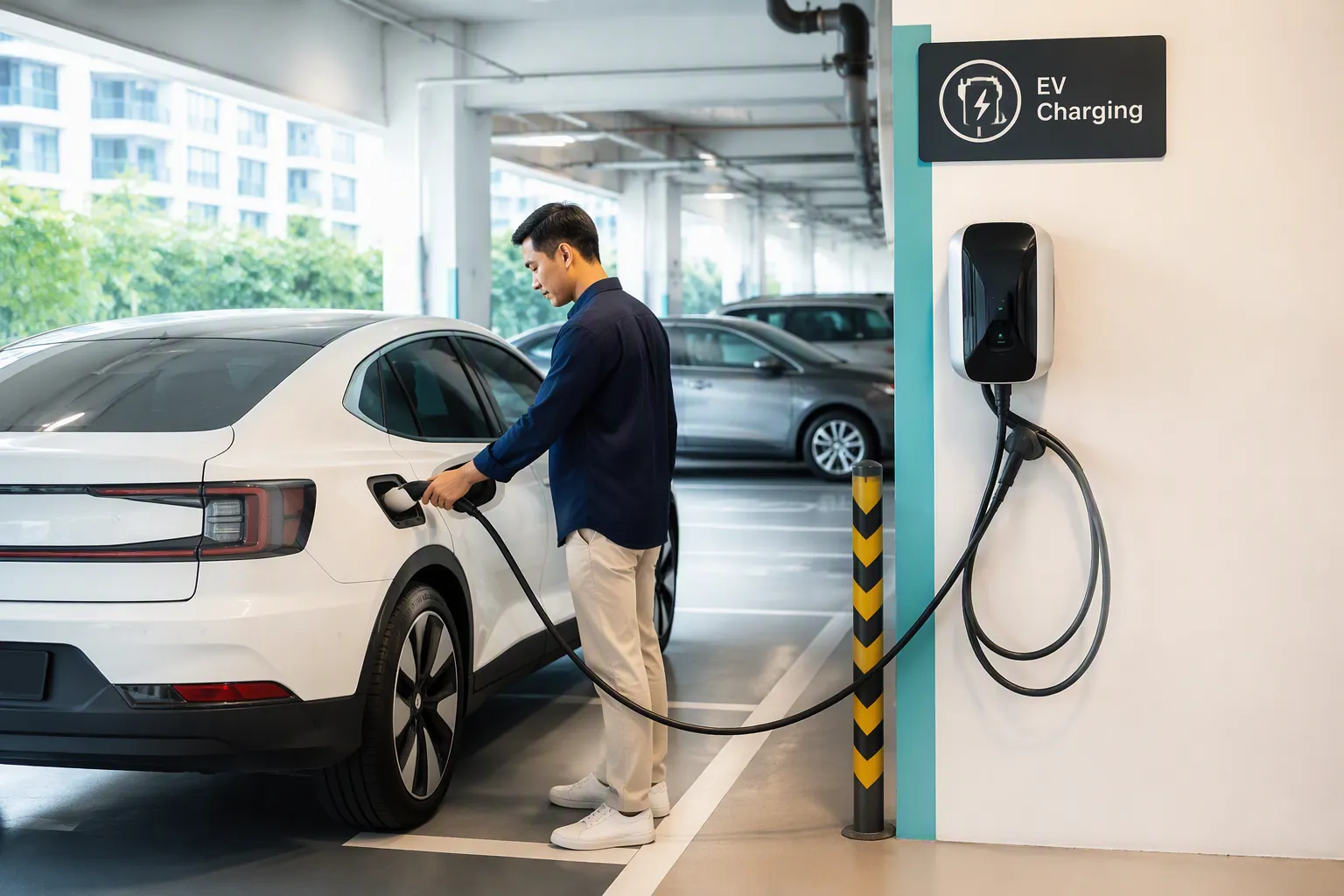

Portable electric vehicle chargers provide a flexible way to power electric vehicles outside of fixed charging stations. Many drivers value these devices for their convenience and reliability. The market for portable chargers has expanded rapidly due to electric vehicle adoption and new technology.
- The portable electric vehicle charger market is projected to grow from USD 50.17 million in 2024 to USD 217.98 million by 2033.
- Demand rises in areas with limited infrastructure, especially in Asia, Africa, and Latin America.
- EV charger manufacturers respond to this need by offering innovative solutions for diverse users.
Portable Electric Vehicle Chargers: What They Are

Defining Portable EV Chargers
Portable ev chargers serve as compact, mobile devices that allow electric vehicle owners to recharge their cars wherever a compatible power source exists. Unlike stationary charging stations, these chargers do not require permanent installation or dedicated parking spaces. They function much like portable power banks for smartphones, providing flexibility and convenience for users who may not have access to a fixed charger at home or work. Many drivers living in apartments or rental properties rely on portable ev chargers because they can use them in shared parking areas or while traveling.
Portable electric vehicle chargers differ from stationary units in several ways:
- Portable ev chargers offer flexibility and convenience for users without a permanent charging spot.
- Stationary charging stations require installation and designated space, which can restrict their use.
- Portable chargers allow for simultaneous charging of multiple devices, enhancing accessibility in various environments.
How Portable EV Chargers Work
Portable ev chargers connect directly to a standard electrical outlet or a higher-capacity socket, depending on the model. The user plugs one end of the charger into the power source and the other into the vehicle’s charging port. Most models feature adjustable charging currents, allowing users to select the appropriate power level for their situation. Some advanced units include scheduling functions, enabling users to delay charging until off-peak hours to save on energy costs.
The charging process typically involves the following steps:
- The user connects the portable ev charger to a compatible power outlet.
- The charger’s cable plugs into the vehicle’s charging port.
- The charger communicates with the vehicle to ensure compatibility and safety.
- Charging begins, with real-time updates displayed on the charger’s LED screen.
- Built-in safety mechanisms monitor the process, automatically shutting off power if any issues arise.
Specialized portable ev chargers, such as mobile charging carts or trucks, can deliver Level 2 charging capabilities at events or in remote locations. These solutions provide rapid charging for multiple vehicles, especially useful during emergencies or in areas lacking infrastructure.
Essential Features of Portable EV Chargers
Modern portable ev chargers include a range of features designed to enhance performance, safety, and user experience. The following table highlights key components and design features:
| Component/Feature | Description |
|---|---|
| Fast Level 2 Charging | Charges EVs up to 7x faster than standard Level 1 chargers with a 9.6kW output. |
| Adjustable Charging Current | Switch between 16Amp, 24Amp, 32Amp, and 40Amp levels for tailored charging. |
| Delay Charging Function | Schedule charging during off-peak hours to save on energy costs. |
| Universal Compatibility | Works with all J1772-compatible EVs, including popular models from various manufacturers. |
| Real-Time LED Display | Provides live updates on charging power, voltage, amperage, and session duration. |
| Portable and Durable Design | Features a 16FT cable and lightweight design for easy transport and use. |
| Reliable and Safe Charging | Includes safety features like overvoltage, overcurrent, overheating, and short circuit protection. |
Safety remains a top priority for portable ev chargers. Manufacturers integrate multiple protective mechanisms to prevent electrical hazards. The table below outlines common safety features:
| Safety Mechanism | Description |
|---|---|
| Ground Protection | Ensures the charger is properly grounded, reducing the risk of electric shock and protecting equipment from voltage surges. |
| Over Temperature Protection | Monitors the temperature of the charger and disconnects power if it exceeds safe operating temperatures. |
| Lightning Protection | Shields the charger from electrical surges caused by lightning strikes. |
| Short Circuit Protection | Detects short circuits and interrupts the power supply to prevent damage. |
| Flame Retardant Materials | Used in construction to prevent the spread of fire. |
| Over Voltage Protection | Safeguards against sudden voltage spikes that could damage the charging system. |
| Under Voltage Protection | Protects the charger from damage caused by low voltage conditions. |
| Leakage Protection | Prevents electric shock by detecting current leaks and shutting off power. |
Other essential features include:
- Power output options, often supporting Level 2 charging for faster performance.
- Compatibility with various connector types, such as Type 1, Type 2, and NACS.
- Durable, weather-resistant casings with IP66 ratings for reliable operation in rain, snow, or coastal climates.
- Smart features like app control, current adjustment, and scheduling.
- Lightweight construction for easy transport.
- Certification from recognized organizations (CE, ETL, TUV, UL) for quality assurance.
- Built-in cable storage and after-sales support.
Tip: When selecting a portable ev charger, look for models with IP66 ratings and ground fault protection. These features ensure safe and reliable charging, even in harsh weather conditions.
Types of Portable EV Chargers Available
Level 1 Portable EV Chargers
Charging Speed and Power Source
Level 1 portable ev chargers use a standard 120V household outlet. This type of charger provides a charging speed between 2 and 5 miles per hour. The process suits overnight charging or situations where time is not a constraint. The following table compares charging speed and voltage for Level 1 and Level 2 portable ev chargers:
| Charger Type | Voltage | Charging Speed (miles/hour) | Compatibility |
|---|---|---|---|
| Level 1 | 120V | 2 – 5 | Standard outlet |
| Level 2 | 240V | 10 – 60 | Requires installation |
Level 1 portable ev chargers require no special installation. Users plug the charger into any grounded outlet. The charging speed remains slow, making this option suitable for daily commutes with short distances.
Common Use Cases
Drivers often use Level 1 portable ev chargers at home, in garages, or during travel. These chargers work well for electric vehicles parked overnight or for those with access to standard outlets at hotels and cabins. Many apartment dwellers rely on Level 1 portable ev chargers due to their simplicity and universal compatibility.
The following table shows the average time needed to fully charge an EV using Level 1 and Level 2 portable ev chargers:
| Feature | Level 1 Charging | Level 2 Charging |
|---|---|---|
| Time to fully charge | ~72 hours (0 to 100%) | ~9 hours or less |
Level 2 Portable EV Chargers
Power Requirements and Charging Efficiency
Level 2 portable ev chargers operate at 240V and deliver a much higher charging speed than Level 1 models. Amperage ranges from 15 to 80 amps, with higher amperage resulting in faster charging speed. These chargers can deliver up to 19.2kW in the U.S., which significantly improves charging efficiency. Level 2 portable ev chargers use 208/240V AC and require adequate electrical infrastructure.
- Level 2 portable ev chargers provide charging speed up to 60 miles per hour.
- Higher voltage and amperage contribute to improved charging efficiency.
- These chargers suit users who need rapid charging speed at home or on the road.
Compatibility with Different Vehicles
Level 2 portable ev chargers support a wide range of electric vehicles. Popular models include:
- Tesla (Model 3, Model Y, Model S, Model X)
- Ford (Mustang Mach-E, F-150 Lightning)
- Nissan (Leaf, Ariya)
- Hyundai & Kia (IONIQ, EV6)
- BMW, Mercedes-Benz, Rivian
- Audi, Porsche, Volkswagen, Volvo, Toyota
Most Level 2 portable ev chargers feature universal connectors, making them compatible with nearly all modern electric vehicles.
Smart Portable EV Chargers
App Integration and Remote Monitoring
Smart portable ev chargers offer advanced features that enhance user experience and charging speed management. Users control charging sessions and settings through dedicated smartphone apps. Real-time remote monitoring allows users to track energy usage and charging speed from anywhere. Personalization features optimize charging speed based on vehicle data and home electricity supply.
| Feature | Description |
|---|---|
| App Integration | Users control charging sessions and settings via a smartphone app. |
| Remote Monitoring | Users monitor energy usage and charging speed in real time. |
| Personalization | Chargers optimize charging speed based on vehicle and home data. |
Safety and Advanced Features
Smart portable ev chargers include advanced safety systems that monitor system integrity multiple times per second. Features such as Charge Doctor alert users to irregularities before faults occur. Wired energy managers adjust charging speed to avoid overloads. Solar energy utilization diverts unused solar power to the vehicle, reducing grid reliance.
| Feature | Description |
|---|---|
| Advanced Safety System | Monitors system integrity 52 times per second for reliability. |
| Charge Doctor | Alerts users to charger health issues before faults develop. |
| Wired Energy Manager | Adjusts charging speed to prevent overloads. |
| Solar Energy Utilization | Uses surplus solar energy for charging, improving efficiency. |
| Charging Option | Description |
|---|---|
| Load Management | Automatically adjusts charging speed to optimize energy use. |
| Solar Charging Compatibility | Allows use of surplus solar energy for charging, reducing costs. |
Tip: Smart portable ev chargers provide the highest level of control over charging speed, safety, and energy management. Users benefit from real-time updates and advanced protection features.
Key Benefits of Portable EV Chargers
Convenience and Flexibility
Charging Anywhere with Power Access
Portable ev chargers provide unmatched convenience for electric vehicle owners. Drivers can charge their vehicles wherever a compatible power source exists. This flexibility stands in contrast to fixed charging stations, which require significant infrastructure and limit charging to specific locations. Dynamic charging systems, a form of portable charging, even allow vehicles to recharge while in motion. This capability reduces the need for large battery sizes and improves operational efficiency. Portable charging options empower users to adapt to changing circumstances, whether at home, work, or on the road.
Independence from Public Charging Stations
Relying solely on public charging stations can create challenges. These stations may be occupied, out of service, or located far from a driver’s route. Portable ev chargers eliminate these obstacles by offering a personal charging solution. Drivers gain independence from public infrastructure and avoid waiting in line or searching for available stations. This autonomy enhances the overall electric vehicle experience and supports a seamless daily routine.
Emergency Charging Solutions
Peace of Mind During Unexpected Situations
Unexpected situations can arise at any time, such as power outages, detours, or unplanned stops. Portable ev chargers serve as a reliable emergency charging solution. Drivers can address low battery warnings without the stress of finding a nearby charging station. The ability to charge from any standard outlet transforms potential crises into minor inconveniences, providing total peace of mind.
Handling Range Anxiety
Range anxiety remains a common concern among electric vehicle owners. Portable ev chargers directly address this issue by offering a backup charging solution.
- They allow charging at any standard outlet, offering peace of mind for longer journeys.
- This flexibility enables drivers to explore new destinations and enjoy spontaneous road trips.
- The service transforms potential crises into minor inconveniences, providing total peace of mind.
With portable electric vehicle chargers, drivers can confidently plan longer trips and venture beyond established charging networks.
Travel and Road Trip Advantages
Charging at Hotels, Cabins, and Remote Destinations
Travelers often encounter destinations without dedicated charging stations. Portable ev chargers offer flexibility for charging in various locations such as hotels and cabins. They eliminate the need for fixed charging infrastructure, which is particularly beneficial for remote destinations. These self-contained units function independently, making them practical for off-grid scenarios and outdoor activities.
- Portable ev chargers allow users to charge their vehicles anywhere, increasing accessibility.
- They support sustainable transportation solutions in areas lacking traditional charging stations.
- The technology behind these chargers makes them practical for off-grid scenarios.
Supporting Spontaneous Travel Plans
Portable charging options support a spontaneous lifestyle. Drivers can embark on road trips without the need to meticulously plan charging stops.
- Portable ev chargers provide peace of mind and convenience for EV owners during travel and emergencies.
- They help in extending the range of electric vehicles by allowing for strategic charging during road trips.
- Using portable chargers can significantly reduce the carbon footprint, especially when charged with renewable energy sources.
Note: Portable ev chargers make travel more enjoyable by removing the limitations imposed by fixed charging stations. Drivers can focus on the journey rather than the logistics of charging.
Cost Savings and Value
Avoiding Expensive Public Charging Fees
Many electric vehicle owners seek ways to reduce their ongoing expenses. Portable ev chargers offer a practical solution by allowing drivers to charge at home or wherever a compatible outlet is available. This approach helps drivers avoid the higher fees often associated with public charging stations. The cost difference between home charging and public charging can be significant over time.
The following table compares the typical costs for charging an electric vehicle using different methods:
| Charging Method | Cost per kWh | Full Charge Cost | Annual Cost (15,000 miles) |
|---|---|---|---|
| Portable Charger (Home) | $0.13 | $7.80 | $500 |
| Public Charging Station | $0.30 – $0.50 | $18 – $30 | $1,200 – $1,800 |
Charging at home with a portable ev charger can save drivers hundreds or even thousands of dollars each year. Public charging stations often charge more than double the rate of home electricity. Over the course of a year, these savings add up, making portable electric vehicle chargers a smart investment for cost-conscious drivers.
Tip: Drivers who regularly use public charging stations may see a rapid return on investment by switching to home charging with a portable ev charger.
Saving Time and Money on the Road
Portable ev chargers not only reduce direct charging costs but also help drivers save valuable time. Many Level 2 portable ev chargers offer faster charging speeds than standard Level 1 chargers, which means less time spent waiting for a full battery. This efficiency translates into lower electricity usage and reduced overall expenses.
The table below highlights how portable ev chargers impact the cost of electric vehicle ownership:
| Aspect | Description |
|---|---|
| Reduced Charging Time | Level 2 chargers reduce charging time compared to Level 1, leading to less electricity usage. |
| Lower Electricity Costs | Faster charging speeds result in lower overall electricity expenses for EV owners. |
Drivers also benefit from financial incentives. Many federal and state programs provide tax credits, rebates, or grants for installing Level 2 chargers. These incentives help offset the initial investment, making portable ev chargers even more affordable.
- Federal and state programs offer tax credits, rebates, or grants for installing Level 2 chargers.
- These incentives help offset installation costs, making EV ownership more affordable.
Portable electric vehicle chargers give drivers the flexibility to charge at home, at work, or while traveling. This flexibility reduces the need to rely on public charging stations, which can be both costly and time-consuming. By minimizing the use of public infrastructure, drivers can better control their expenses and enjoy greater convenience.
Note: Choosing the right portable ev charger can lead to substantial long-term savings and a more efficient charging experience.
Practical Considerations for Portable Electric Vehicle Chargers
Charging Speed and Power Output
Charging speed and power output play a crucial role in the effectiveness of portable electric vehicle chargers. Several factors influence how quickly a charger can replenish an EV battery:
- The vehicle’s charging system sets the maximum charging rate. Some models accept higher rates, while others limit the speed.
- Battery temperature affects efficiency. Optimal charging occurs near 20 degrees Celsius. Extreme temperatures can slow down the process.
- The state of charge impacts speed. Batteries charge faster when they are below 80% capacity and slow down as they approach full charge.
- The charger’s amperage determines power output. Higher amperage leads to faster charging.
- The electrical supply at the location, such as workplace charging sites, can restrict output. Standard household sockets typically provide up to 16A.
- The thickness of the charging cable influences the current it can handle, affecting both efficiency and safety.
- Conditions of the power grid, especially during peak usage times, may reduce charging speed.
- Load management at workplace charging sites can temporarily lower speeds when multiple vehicles charge simultaneously.
Drivers should consider these factors when selecting a portable charger for daily use or workplace charging environments.
Portability vs. Performance Trade-Offs
Choosing a portable EV charger often involves balancing portability and performance. Lightweight chargers offer greater convenience for travel and workplace charging, but may deliver slower charging speeds. Heavier units provide faster charging but can be less practical to transport.
| Charger Type | Power Output | Portability | Charging Speed | Compatibility |
|---|---|---|---|---|
| 3.5kW Charger | 3.5kW | High | Moderate | Standard sockets |
| 7kW Charger | 7kW | Low | Fast | Requires upgrades |
| 2kW Charger | 2kW | High | Slow | Standard sockets |
A 3.5kW charger suits workplace charging where portability is essential. A 7kW charger delivers faster results but may require upgraded electrical infrastructure, making it less portable. Users should assess their charging needs, travel habits, and workplace charging options before making a decision.
Tip: For frequent workplace charging, select a charger that balances speed and portability. Consider the available electrical supply and compatibility with your vehicle.
Cost and Investment Factors
Portable EV chargers present a cost-effective solution for many drivers. Unlike fixed home charging points, portable chargers require no installation costs. Users simply plug them into a compatible outlet, saving time and money compared to installing a dedicated charging station for workplace charging or home use.
| Brand | Model | Price |
|---|---|---|
| LEFANEV | Level 2 Portable EV Charger | $389.00 |
| MUSTART | Level 2 Portable Electric Vehicle Charger | $269.00 |
| PRIMECOM | Level 2 Portable EV Charger | $499.99 |
Portable chargers generally require less maintenance than fixed units. If a charger fails, replacement is straightforward and does not require an electrician. Repair costs remain low due to fewer complex parts. This simplicity benefits users who rely on workplace charging, as downtime and expenses stay minimal.
- No installation costs required.
- Plug into any compatible outlet at home or workplace charging locations.
- Saves time and money compared to installing a fixed charging point.
Drivers should compare upfront costs, ongoing maintenance, and compatibility with workplace charging infrastructure before investing in a portable EV charger.
Safety and Compatibility Issues
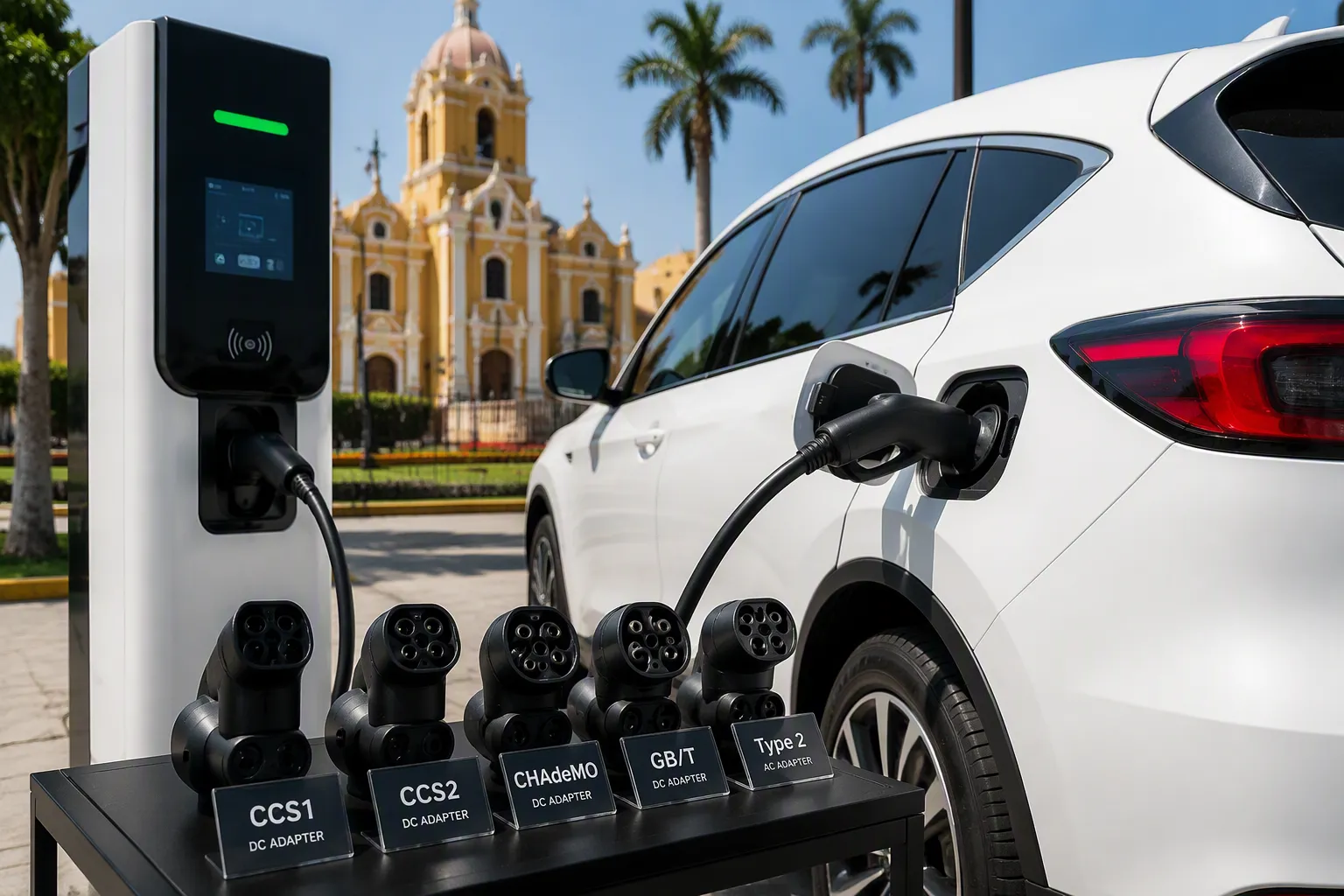
Safety and compatibility remain top priorities when selecting a portable electric vehicle charger. Drivers must ensure that the charger matches the vehicle’s charging port type. Common connector types include J1772, Type 1, Type 2, CCS, and CHAdeMO. Consulting the vehicle’s user manual or an automotive expert helps confirm the correct connector for each model. This step prevents compatibility issues during workplace charging or travel.
Portable chargers should offer versatility by supporting both 110V and 240V outlets. This feature allows users to charge at home, during workplace charging, or while on the road. Chargers that work with multiple voltage levels provide flexibility for various environments and electrical systems.
Safety features play a critical role in protecting both the vehicle and the user. High-quality portable chargers include temperature monitoring, overload protection, and short-circuit prevention. These mechanisms help prevent overheating, electrical fires, and equipment damage. Many chargers also use flame-retardant materials and ground protection to further reduce risks.
Tip: Always check for certifications from recognized safety organizations such as UL or CE. These certifications indicate that the charger has passed rigorous safety tests and meets international standards like IEC 61851-1 and IEC 62752.
The following checklist highlights essential safety and compatibility considerations:
- Confirm the charger matches the EV’s charging port type (J1772, Type 1, Type 2, CCS, CHAdeMO).
- Select chargers compatible with both 110V and 240V outlets for maximum flexibility.
- Choose models with built-in safety features: temperature monitoring, overload protection, and short-circuit prevention.
- Verify certifications from organizations such as UL or CE to ensure compliance with international safety standards.
- Consult the vehicle’s manual or an expert to avoid connector mismatches during workplace charging.
Workplace charging environments often involve multiple vehicles and shared power sources. Chargers must handle varying loads and maintain safety for all users. Selecting a charger with advanced safety features and broad compatibility ensures reliable performance in these settings.
Portable chargers that comply with international standards and carry recognized certifications provide peace of mind. Drivers can trust these devices for daily use, workplace charging, and travel. Prioritizing safety and compatibility protects both the vehicle and its occupants, making every charging session secure and efficient.
Comparing Portable EV Chargers to Other Charging Solutions
Portable EV Chargers vs. Home Charging Stations
Portable EV chargers and home charging infrastructure serve different needs for electric vehicle owners. Portable units offer flexibility, allowing drivers to charge at various locations, while home charging stations provide a fixed, reliable solution for daily use. The following table highlights key differences in cost, convenience, and charging speed:
| Feature | Portable EV Chargers | Home Charging Stations |
|---|---|---|
| Cost | Generally similar or higher for less tech | More cost-effective with tariff integration |
| Convenience | Flexible for emergencies | More convenient for regular use |
| Charging Speed | Slower, lacks smart features | Faster, with advanced technology and features |
Home charging infrastructure often delivers faster charging speeds and advanced features, such as scheduling and energy monitoring. These stations integrate with home energy tariffs, making them more cost-effective over time. Portable chargers, however, excel in situations where drivers lack access to dedicated home charging infrastructure, such as apartment dwellers or frequent travelers. They also serve as a backup when home charging stations are unavailable.
Tip: Drivers who rely on home charging infrastructure for daily needs may still benefit from owning a portable charger for emergencies or travel.
Portable EV Chargers vs. Public Charging Networks
Public charging networks provide widespread access to charging stations, especially in urban areas and along highways. Portable EV chargers, on the other hand, give drivers the ability to charge anywhere with a compatible outlet. The table below outlines the main advantages and disadvantages of portable EV chargers compared to public charging networks:
| Advantages of Portable EV Chargers | Disadvantages of Portable EV Chargers |
|---|---|
| Flexibility and Convenience | Slower Charging Speeds |
| Cost-Effective | Limited Power Output |
| Reduces Range Anxiety | Takes Up Storage Space |
| Backup for Home Charging | Compatibility Issues |
| Less Durable Over Time |
Portable chargers reduce dependence on the public charging network, which can sometimes be crowded or out of service. They help drivers avoid waiting in line at busy charging stations. However, portable units usually offer slower charging speeds and may not match the power output of dedicated public charging stations. Some models also require more storage space and may face compatibility challenges with certain vehicles.
Note: For drivers who travel to areas with limited public charging network coverage, portable chargers provide essential peace of mind.
When Portable Electric Vehicle Chargers Make the Most Sense
Portable EV chargers deliver the most value in specific scenarios. The table below summarizes when these devices offer the greatest benefits:
| Scenario Description | Value Provided |
|---|---|
| Range Anxiety | Extra reassurance on long trips |
| Limited Charging Options | Flexibility to charge anywhere |
| Cost-Effectiveness | Savings compared to emergency services |
Drivers who experience range anxiety during long journeys find portable chargers reassuring. Those without access to home charging infrastructure, such as renters or travelers, benefit from the flexibility to charge wherever a power source exists. Portable chargers also save money by reducing the need for costly emergency services or premium public charging network fees.
Real-World Use Cases for Portable EV Chargers

Everyday Commuting
Many electric vehicle owners rely on portable EV chargers during daily commutes. These devices offer a practical solution for drivers who park at workplaces or public lots without dedicated charging stations. Employees can plug in their vehicles at the office using a standard outlet, ensuring a full battery for the return trip. Portable chargers also help parents who need to charge their vehicles while waiting at schools or sports facilities. This flexibility reduces dependence on public charging stations, which often experience high demand during peak hours.
Tip: Keeping a portable charger in the trunk ensures that drivers never face an empty battery during routine errands.
Long-Distance Travel
Portable EV chargers play a critical role during long-distance journeys. Travelers often encounter areas with limited access to charging stations, especially in rural or remote regions. By carrying a portable charger, drivers can recharge at hotels, motels, or even friends’ homes. This approach allows for greater route flexibility and reduces the risk of running out of power far from established charging stations. Some drivers plan their trips around locations with accessible power outlets, using portable chargers to supplement fast-charging stops.
A table below highlights common scenarios where portable chargers support long-distance travel:
| Scenario | Benefit Provided |
|---|---|
| Remote destinations | Charging without public infrastructure |
| Overnight hotel stays | Top-up charging using wall outlets |
| Unexpected detours | Emergency charging in unfamiliar areas |
Apartment and Condo Living
Residents of apartments and condominiums often lack access to private charging stations. Many buildings do not offer dedicated EV infrastructure, making it difficult for tenants to maintain regular charging routines. Portable EV chargers address this challenge by enabling residents to use shared or public outlets in parking garages. Some property managers allow tenants to plug into existing electrical sockets, provided they use safe, certified equipment. This solution empowers more people to adopt electric vehicles, even in densely populated urban environments.
Note: Portable EV chargers help bridge the gap for apartment dwellers until more buildings install permanent charging stations.
Outdoor Adventures and Camping
Outdoor enthusiasts often seek remote destinations for camping, hiking, or exploring nature. Portable EV chargers provide essential support for these activities. They allow electric vehicle owners to maintain mobility and independence far from urban infrastructure.
Many campgrounds and national parks offer limited access to public charging stations. Portable EV chargers solve this challenge. They enable drivers to recharge their vehicles using standard outlets at cabins, lodges, or RV parks. Some models work with generators or solar panels, expanding charging options in off-grid locations.
Key benefits of portable EV chargers for outdoor adventures include:
- Mobility: Drivers can reach trailheads, campsites, and scenic overlooks without worrying about battery depletion.
- Flexibility: Users charge their vehicles at any available power source, including cabins, visitor centers, or portable generators.
- Safety: Reliable charging reduces the risk of getting stranded in remote areas.
Tip: Before heading out, verify the availability of power sources at your destination. Carry adapters for different outlet types to ensure compatibility.
Campers often use portable EV chargers to power not only their vehicles but also small appliances. Some chargers feature auxiliary outlets for charging devices such as phones, lanterns, or GPS units. This versatility supports longer stays and enhances comfort during outdoor trips.
The following table highlights practical scenarios where portable EV chargers prove valuable:
| Scenario | How Portable EV Chargers Help |
|---|---|
| Remote Campsites | Enable vehicle charging with generators |
| National Parks | Use outlets at visitor centers or cabins |
| Off-Grid Adventures | Pair with solar panels for sustainable power |
| Multi-Day Road Trips | Recharge at motels, RV parks, or rest stops |
Portable EV chargers also support eco-friendly travel. Drivers who use solar-compatible chargers reduce reliance on fossil fuels. This approach aligns with the values of many outdoor enthusiasts who prioritize sustainability.
Safety remains a top concern during outdoor adventures. Portable EV chargers with weather-resistant casings and built-in protection features operate reliably in rain, snow, or dusty environments. Users should select models with IP66 ratings and ground fault protection for maximum safety.
Note: Store the charger in a dry, secure location when not in use. Inspect cables and connectors before each trip to prevent damage.
Portable EV chargers empower electric vehicle owners to explore nature without limits. They provide peace of mind, convenience, and sustainability for camping and outdoor activities. With the right equipment, drivers enjoy the freedom to travel off the beaten path and experience the outdoors with confidence.
Choosing the Right Portable EV Charger for Your Needs
Assessing Your Charging Requirements
Selecting the right portable EV charger starts with understanding individual charging needs. Drivers should evaluate their daily driving distance, typical parking locations, and access to power sources. Those who travel long distances or frequently visit remote areas may require a charger with higher power output and broader compatibility. Apartment dwellers or individuals without dedicated parking may prioritize portability and ease of use.
A simple checklist can help clarify requirements:
- Estimate average daily mileage.
- Identify available power outlets at home, work, or travel destinations.
- Determine the maximum charging speed supported by the vehicle.
- Consider the need for weather resistance or rugged design for outdoor use.
Tip: Drivers who often park outdoors should look for chargers with high IP ratings for water and dust resistance.
Key Questions Before Buying
Before purchasing a portable EV charger, buyers should ask several important questions. These questions help ensure the charger meets both current and future needs.
- What connector type does the vehicle use (J1772, Type 2, NACS, etc.)?
- Does the charger support both 120V and 240V outlets?
- What is the maximum amperage and power output?
- Is the charger compatible with all intended vehicles?
- Does the charger include essential safety features such as overcurrent and temperature protection?
- How long is the charging cable, and will it reach the vehicle from available outlets?
- Does the charger have certifications from recognized safety organizations?
- Are there smart features like app control or scheduling?
A table can help compare different models:
| Feature | Model A | Model B | Model C |
|---|---|---|---|
| Connector Type | J1772 | Type 2 | NACS |
| Voltage Support | 120V/240V | 240V | 120V |
| Max Amperage | 32A | 40A | 16A |
| Cable Length | 20 ft | 16 ft | 25 ft |
| Smart Features | Yes | No | Yes |
Tips for Selecting the Best Portable Electric Vehicle Charger
Choosing the best charger involves more than just matching technical specifications. Buyers should consider long-term reliability, ease of transport, and after-sales support. Here are some professional tips:
- Select chargers with universal compatibility to support multiple electric vehicles.
- Prioritize models with robust safety certifications (UL, CE, TUV).
- Opt for chargers with adjustable current settings for flexibility in different environments.
- Look for lightweight designs with built-in cable management for easy storage.
- Evaluate warranty terms and customer support options.
Note: Investing in a high-quality portable charger ensures safe and efficient charging for years to come.
A careful selection process helps drivers maximize convenience and value while supporting the transition to electric vehicles.
Portable electric vehicle chargers deliver flexibility, cost savings, and peace of mind for drivers. Buyers should evaluate charging speed, compatibility, and safety features before making a decision. Selecting a model with reliable certifications and broad compatibility ensures dependable performance.
Careful research helps EV owners choose the best solution for their needs.
FAQ
What is the difference between Level 1 and Level 2 portable EV chargers?
Level 1 chargers use standard 120V outlets and charge slowly. Level 2 chargers require 240V outlets and deliver faster charging speeds. Level 2 suits drivers who need quicker charging at home or on the road.
Can portable EV chargers work with all electric vehicles?
Most portable EV chargers support vehicles with J1772 or Type 2 connectors. Some models offer adapters for other standards. Drivers should check compatibility with their vehicle before purchasing.
Is it safe to use a portable EV charger outdoors?
Manufacturers design many portable EV chargers with weather-resistant casings and safety features. Chargers with IP66 ratings operate safely in rain or snow. Users should always inspect cables and connectors before each use.
How long does it take to fully charge an EV with a portable charger?
Charging time depends on the charger’s power output and the vehicle’s battery size. Level 1 chargers may take over 24 hours. Level 2 chargers can complete charging in 4 to 10 hours.
Do portable EV chargers require professional installation?
Portable EV chargers do not require professional installation. Users plug them into compatible outlets. Some Level 2 chargers may need a dedicated 240V outlet, which an electrician should install if not already available.
Can drivers use portable EV chargers at public locations?
Drivers can use portable EV chargers at public locations with accessible outlets. Hotels, cabins, and workplaces often provide suitable power sources. Always ask for permission before plugging in at shared or public spaces.
What safety certifications should buyers look for?
Buyers should look for certifications such as UL, CE, TUV, or ETL. These certifications indicate that the charger meets international safety standards and has passed rigorous testing.
Are smart features necessary in a portable EV charger?
Smart features, such as app control and remote monitoring, enhance convenience and energy management. They are not essential for basic charging but provide added value for users who want more control over charging sessions.