Smart load balancing technology provides the key to the apartment EV charging dilemma. The system intelligently distributes a building’s existing electric power, allowing multiple chargers to operate at once. This method ensures every connected EV receives fair and reliable charging while protecting the building’s power grid from dangerous overloads.
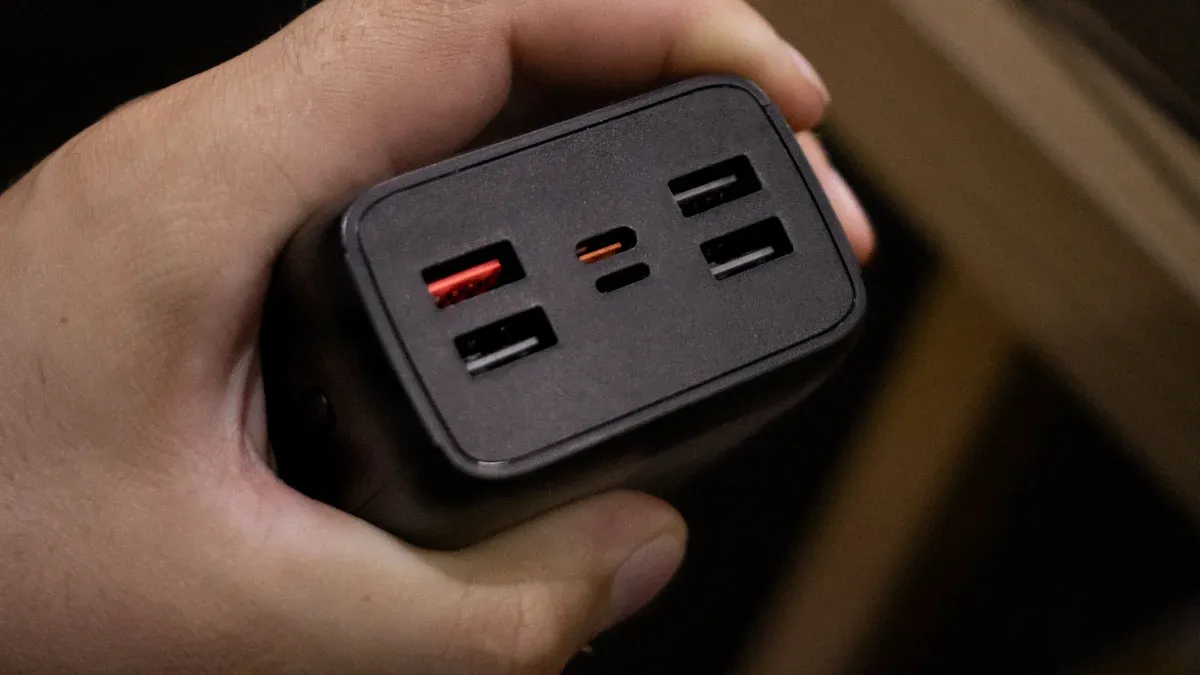
Catatan: Berteknologi maju Produsen pengisi daya EV like TPSON provide comprehensive Solusi pengisian daya kendaraan listrik. These range from a networked Pengisi daya listrik system to simple pengisi daya EV portabel, all forming a complete smart ev charging ecosystem.
The Core Challenge: Why Is Apartment EV Charging So Difficult?
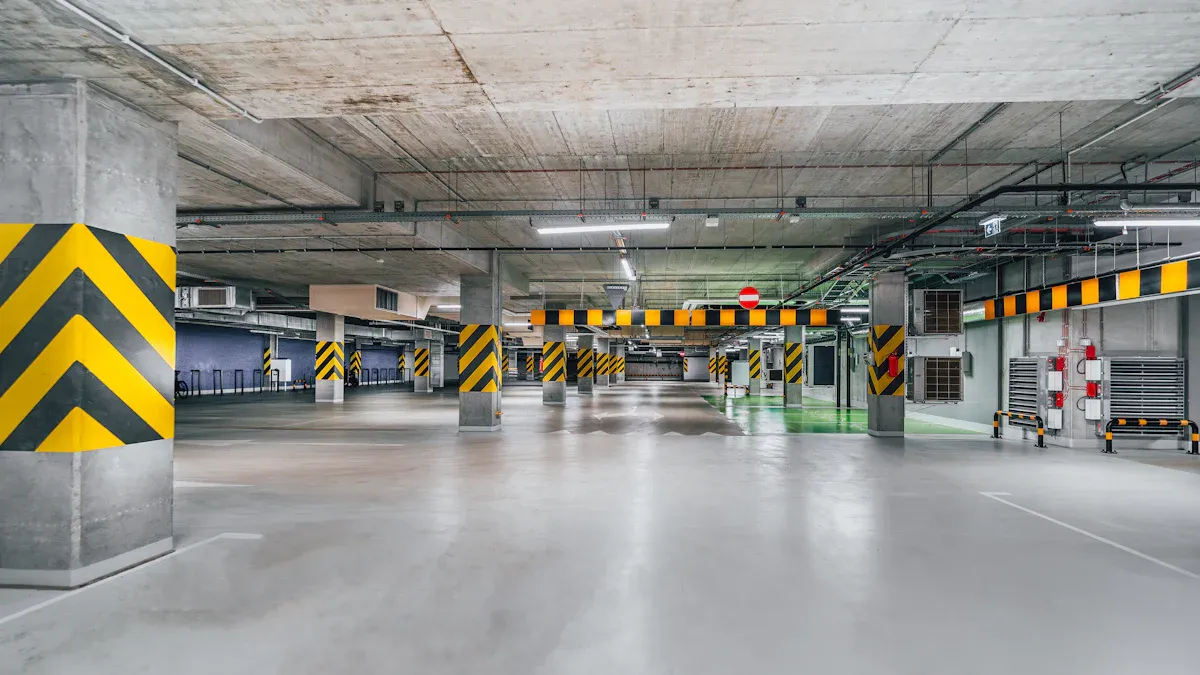
While the demand for electric vehicle charging is clear, property managers face significant hurdles. Deploying effective charging solutions in multi-unit residential buildings is complex. The primary obstacles involve the building’s power limitations, the high cost of upgrades, and the social challenge of ensuring fair access for all residents.
The Problem of Limited Electrical Capacity
Understanding Building Power Limits
Every building has a finite electric capacity determined by its connection to the utility grid and its internal wiring. Most older apartment buildings were designed long before the rise of electric vehicles. Their systems were built to handle standard household power demand, not the significant, sustained load required for EV charging. Adding multiple chargers can easily push the building’s total power consumption beyond its safe operational limits.
The High Risk of Circuit Overloads
Connecting several EV chargers without a management system creates a high risk of a circuit overload. This can trip breakers, disrupt power for the entire building, and even pose a fire hazard. To prevent this, electrical codes mandate specific safety measures.
- A dedicated electric circuit is necessary for each EV charge point.
- Regulations often require the integration of a load balancing system when three or more charge points are installed to prevent grid overload.
- Advanced Residual Current Device (RCD) protection is mandatory to ensure safety during charging.
The Prohibitive Cost of Infrastructure Upgrades
The Expense of Electrical Panel Upgrades
When a building’s existing electrical panel cannot handle the added demand from EV chargers, a full upgrade is the only traditional solution. This process is expensive, involving new, higher-capacity panels, and potentially a new, larger power feed from the local utility. These upgrades can easily run into tens of thousands of dollars before a single charger is even installed.
The Burden of New Wiring and Trenching
The physical installation of the charging infrastructure adds another layer of significant cost. Running new, heavy-gauge wiring from the electrical room to parking spaces is labor-intensive. In many parking garages, this requires trenching through concrete or asphalt.
Catatan: The costs for preparing a site can accumulate quickly. Professional installation is essential for safety and performance, but the physical work itself is a major financial barrier.
| Installation Requirement | Cost per Unit |
|---|---|
| Trenching for underground cables | £80-£150 per linear meter |
| Ducting and conduit work | £25-£60 per linear meter |
| Concrete foundations | £300-£800 per charging station |
| Traffic management during installation | £500-£1,500 per day |
The Fairness and Access Dilemma
“First-Come, First-Served” Charging Issues
A simple “first-come, first-served” approach to EV charging quickly creates conflict among residents. With a limited number of chargers, some EV drivers may monopolize the stations, leaving their fully charged vehicles plugged in for hours. This prevents other residents from getting the charging they need. This scenario often leads to frustration and disputes.
That sounds as if it could be problematic… Could turn out to cause problems, hopefully not, but unfettered access to four chargers could result in you sitting watching until a charger becomes available.
Managing Resident Expectations and Wait Times
This access problem creates a significant management challenge. Property managers must field complaints from residents unable to charge their vehicles. It becomes difficult to promise reliable charging access, which can diminish the value of the amenity and lead to resident dissatisfaction. Ensuring every EV owner gets a turn without complex manual scheduling is a major operational headache.
The Solution: What Is Smart Load Balancing Technology?

Faced with the challenges of cost and capacity, property managers can turn to an elegant and powerful solution: smart load balancing technology. This system acts as the brain of an apartment’s charging network. It intelligently manages power distribution to overcome the physical limitations of a building’s electrical system. This approach makes widespread EV charging not just possible, but practical and affordable.
Defining the Core Technology
Smart load balancing technology is a system that actively manages the flow of electricity to a group of EV chargers. It works through two primary functions: constant monitoring and automated adjustment. This ensures the building’s electrical circuits are never pushed beyond their safe limits.
Real-Time Building Power Monitoring
The system’s foundation is its ability to see the building’s total electricity usage in real time. It uses specific hardware components to achieve this constant monitoring. Current Transformers (CT clamps) are installed on the building’s main electrical feed. These sensors measure the total electrical load second by second. This data provides a complete picture of the building’s power consumption at any given moment.
System Components for Accurate Monitoring
A robust system uses several components working in concert to gather precise data.
| Component | Function | Update Frequency |
| :— | :— | :— |
| Current Transformers | Measure actual current flow | 100ms |
| Smart Meters | Track energy consumption | 1 second |
| Voltage Sensors | Monitor grid stability | 500ms |
| Temperature Probes | Detect overheating risks | 5 seconds |
Automated Power Adjustment for Chargers
With this real-time data, the system can make intelligent decisions. When total building energy use is low (for example, late at night), the system allocates full power to the EV chargers for faster charging. However, when building consumption peaks (e.g., when many residents turn on air conditioners), the system automatically and temporarily reduces the power sent to the chargers. This proactive adjustment prevents overloads. For instance, if total site consumption approaches 95% of its capacity, the system might reduce charging speeds across all active stations by 10-20% until demand subsides.
How It Works in a Practical Apartment Scenario
The theory of dynamic load balancing translates into significant practical benefits in a multi-unit residential setting. The technology ensures fairness and maximizes the use of available infrastructure.
A Simple Power-Sharing Example
Imagine a parking garage has a single electrical circuit rated for 40 amps dedicated to EV charging. Without smart technology, you could only install one charger. With a smart system, you can install four chargers on that same circuit. Here is how the power sharing works:
- One EV Plugs In: The car receives the full 40 amps for the fastest possible charging.
- A Second EV Plugs In: The system splits the power, providing 20 amps to each car.
- Four EVs Plug In: The system divides the power evenly, giving each EV 10 amps. As one car finishes charging, its share of power is automatically redistributed to the others.
This ensures every connected car gets a charge without ever tripping the circuit breaker.
The Critical Role of Networked Smart EV Chargers
This entire process depends on one crucial element: the chargers themselves must be “smart.” Standard, non-networked chargers cannot communicate with a central management system. Smart EV chargers are designed to be part of a network. They can receive commands to increase or decrease their charging rate.
Pioneering companies have advanced this field significantly.
- EO Charging’s Energy Management System and EO Hub automate load management to optimize energy consumption and prevent grid overload.
- Indra is recognized for its patented smart charging technology, including the development of the first viable bi-directional V2G (vehicle to grid) charger.
Technologically advanced providers like TPSON offer comprehensive smart EV charging solutions that include these essential networked smart EV chargers. These systems form a complete ecosystem, enabling the sophisticated power management needed for modern apartment buildings.
Dynamic Load Balancing vs. Static Methods
Not all load balancing systems are created equal. Property managers must understand the critical difference between static and dynamic approaches. The choice between them directly impacts charging efficiency, resident satisfaction, and the long-term value of the investment. While both manage power, only one truly solves the apartment charging puzzle.
The Limitations of Static Load Balancing
Static load balancing is a rudimentary form of power management. It follows a simple, rigid rulebook that, while preventing overloads, creates significant inefficiencies in a multi-user environment.
Understanding Fixed Power Allocation
Static systems allocate a fixed, pre-set amount of power to each charger in a group. This allocation does not change, regardless of how many vehicles are actually charging. For example, if a building dedicates a 100-amp circuit to four chargers, a static system might permanently assign 25 amps to each station. This ensures the total never exceeds 100 amps.
Why It’s Inefficient for Multi-User Charging
This fixed allocation leads to wasted power and slow charging. If only one car plugs into the four-charger group, it still only receives its 25-amp share. The other 75 amps of available capacity on the circuit sit unused. This rigid approach prevents a single active charger from utilizing the full available power, slowing down the charging process for that resident. This lack of adaptability makes static systems a poor fit for the variable demands of apartment building charging.
The Superiority of Dynamic Load Balancing
Dynamic load balancing represents a far more intelligent and flexible solution. It actively manages the electrical load in real time, ensuring every drop of available power is used effectively. This approach delivers superior performance and efficiency.
Flexible, Real-Time Power Distribution
A dynamic system constantly monitors both the building’s total power usage and the number of cars actively charging. It then distributes all available power among the connected vehicles. For instance, with a 50 kW total capacity for 10 chargers, a dynamic system can deliver the full 50 kW to a few cars or divide it among all 10. This dynamic adjustment maximizes the use of the building’s existing infrastructure. The system can even prioritize power based on a vehicle’s battery level, sending more energy to the car that needs it most. This intelligent optimization is a core feature of advanced solutions from providers like TPSON.
Maximizing Charging Speed and Efficiency
The primary benefit of this dynamic approach is a faster, more efficient charging experience for everyone. Unlike static methods, dynamic load balancing ensures no power goes to waste.
A dynamic load balancing management system offers several key advantages:
- Ini employs intelligent systems to actively manage and distribute power in real time.
- It adjusts power allocation based on current demand and grid capacity.
- It optimizes the use of available power, reducing waste and improving overall efficiency.
This intelligent power distribution ensures that whether one car or ten cars are plugged in, the system provides the fastest possible charging by using 100% of the allocated capacity.
Financial & Operational Benefits for Property Managers
Adopting smart load balancing technology delivers immediate and long-term advantages for property managers. The system provides a clear path to offering a high-demand amenity while controlling costs, enhancing safety, and improving operational efficiency. It transforms EV charging from a financial burden into a strategic asset.
Avoid Tens of Thousands in Electrical Upgrades
The most significant financial benefit of smart load balancing is the ability to bypass expensive and disruptive electrical system upgrades. This technology allows properties to work smarter, not harder, with their existing power infrastructure.
Maximizing Your Existing Infrastructure
Smart load balancing unlocks the full potential of a building’s current electrical panel. Instead of treating each charger as a massive, independent load, the system manages a group of chargers as a single, dynamic unit. This intelligence allows a property to support multiple EV charging stations on a circuit that, under traditional rules, could only support one. The system effectively stretches the available power to serve more residents without needing a new, larger feed from the utility company.
Calculating the Significant Cost Savings
Traditional installations often require a complete overhaul of a building’s electrical system, with costs quickly escalating into the tens of thousands. Smart load balancing eliminates the need for most of these capital-intensive upgrades. While the initial hardware cost for pengisi daya pintar is higher than for basic units, the overall project cost is drastically lower.
A comparison highlights the financial logic:
- Traditional Method: Lower cost per charger, but requires massive spending on panel upgrades, new wiring, and trenching to support multiple units.
- Smart Method: Higher cost per charger, but avoids the primary expense of infrastructure upgrades by managing power distribution intelligently.
For example, a smart charger like the Ohme Home Pro, which includes load-balancing features, may have a higher upfront price. However, that premium is minor compared to the cost of upgrading an entire building’s electric service to support multiple non-smart chargers.
Install More Smart EV Chargers on Less Power
Smart load balancing enables a higher density of chargers, directly addressing resident demand and future-proofing the property. This capability is crucial for remaining competitive in a market with growing EV ownership.
Increasing Charger Density and Availability
By sharing a single circuit’s power among multiple stations, property managers can install more chargers in their parking areas. Instead of offering two or three dedicated spots, a building can provide eight or ten managed charging ports using the same amount of power. This increased density ensures more residents have access to charging, reducing wait times and eliminating the “charging monopoly” that frustrates tenants.
Future-Proofing for Growing EV Adoption
The demand for EV charging is not static; it is growing exponentially. A static installation of a few chargers will quickly become inadequate. A dynamic load balancing system is inherently scalable. Property managers can start with a small number of smart EV chargers and easily add more to the network as more residents switch to electric vehicles. Advanced providers like TPSON offer complete ecosystems that can grow with a building’s needs, ensuring the property remains an attractive option for EV drivers for years to come.
Ensure Building Safety and Grid Stability
Beyond financial and operational gains, smart load balancing provides a critical layer of safety. It actively protects the building’s electrical infrastructure from dangerous conditions and ensures reliable power for all residents.
Actively Preventing Circuit Overloads
The core function of a load balancing system is to prevent a circuit overload. It constantly monitors the total power consumption and automatically reduces the charging speed of connected EVs before the load reaches a dangerous threshold. This active management prevents tripped breakers, which can cause power outages for the entire building. It is a proactive safety measure that protects both the equipment and the property.
Protecting Building-Wide Power Reliability
A poorly managed EV charging setup can threaten the stability of the entire building’s grid. A sudden, high demand from multiple chargers can cause voltage drops or lead to a grid overload. Reputable smart EV chargers and management systems are engineered to prevent this. They adhere to strict safety and performance standards to ensure they operate safely.
Key Safety Certifications for EV Charging Systems:
- Compliance with international standards like IEC and national standards like UL dan NEC is essential.
- Certifications such as UL dan CE confirm that chargers have undergone rigorous testing to prevent common issues like power overload and circuit failures.
Choosing a certified system guarantees that the installation meets regulatory requirements and will not compromise the building’s overall power reliability, giving both managers and residents peace of mind.
How Smart EV Charging Improves the Resident Experience
While property managers gain significant financial and operational benefits, the true success of an EV charging program hinges on resident satisfaction. Smart EV charging technology directly enhances the daily lives of tenants by creating a fair, reliable, and stress-free charging environment. It transforms a potential source of conflict into a highly valued amenity.
Guarantees Fair and Equitable Charging Access
Perhaps the most crucial benefit for residents is the system’s ability to provide equitable access for everyone. It eliminates competition and ensures the charging infrastructure serves the entire community, not just a select few.
Eliminating the “Charging Monopoly”
In a simple setup, the first drivers to plug in can monopolize the chargers, leaving their fully charged vehicles connected for hours. Smart load balancing solves this problem. By distributing power among all connected vehicles, the system ensures no single user can claim all the available energy. This automated sharing mechanism creates a cooperative environment where access is based on need, not timing.
Ensuring Every Connected Car Gets a Charge
The system’s intelligence guarantees that every EV driver who plugs in will receive a useful amount of charge. Even if a resident connects their car when the system is at full capacity, the management software ensures their vehicle is not forgotten.
As other vehicles reach their target battery levels or are unplugged, the system automatically reallocates more power to the remaining cars. This dynamic process ensures that even the last person to plug in at night will wake up to a sufficiently charged EV for their morning commute.
Delivers Reliable and Convenient Charging
A smart EV charging system provides the consistency and ease of use that residents expect from a premium amenity. It removes the guesswork and anxiety often associated with public charging infrastructure.
Reducing Resident “Charging Anxiety”
“Charging anxiety”—the fear of not finding a working or available charger—is a major concern for EV drivers. Smart systems alleviate this stress through transparent software platforms. These applications provide real-time data, allowing residents to:
- See which charging stations are currently available, in use, or out of service.
- Receive notifications when their vehicle’s charging is complete.
- Plan their charging sessions without having to physically check the garage.
This level of visibility gives residents confidence that they can reliably power their EV whenever needed.
Streamlining the User Experience via Software
Modern smart charging platforms offer a seamless user experience through a dedicated mobile app. Technologically advanced providers like TPSON develop comprehensive solutions where residents can manage their entire charging experience from their smartphones. This includes initiating and stopping charging sessions, tracking energy consumption, and handling payments automatically. This convenience makes charging at home as simple as plugging in the car and walking away.
How to Implement a Smart Load Balancing System
Implementing a smart EV charging system is a strategic process. It requires understanding the core components and following a clear plan. This approach ensures a successful deployment that meets both property and resident needs.
Identifying the Essential System Components
A robust smart charging network relies on three key elements working together. Each component plays a distinct role in delivering safe and efficient power.
Networked Smart EV Chargers
The foundation of the system is the chargers themselves. These are not standard, isolated units. Networked smart EV chargers are designed to communicate with a central controller. They can receive commands to adjust their charging rate in real time. This connectivity is essential for any load balancing function.
Central Management Software Platform
The central management software is the brain of the operation. This platform performs the continuous monitoring of the building’s total electric load. It uses this data to execute the load balancing logic, telling the chargers when to speed up or slow down. These charging management systems also provide the user interface for both managers and residents, handling scheduling, payments, and reporting.
Current Transformers (CT Clamps)
Current Transformers, or CT clamps, are the system’s sensors. A qualified installer places these small devices around the building’s main electrical supply cables. They measure the total current flowing into the property in real time. This data is fed to the management platform, giving it the information needed to make intelligent decisions about power allocation for EV charging.
A Step-by-Step Guide for Property Managers
Property managers can follow a structured path to implement effective charging solutions. This guide breaks the process down into four manageable steps.
Step 1: Assess Your Current Electrical Capacity
The first step is to understand your building’s power limitations. A property manager should commission an electrical site survey to determine the total available capacity. This assessment identifies how much power can be safely dedicated to EV charging without compromising the building’s existing needs.
Step 2: Consult a Qualified EV Charging Provider
Installing EV chargers is specialized work that demands professional expertise. Property managers must partner with a qualified provider. An expert ensures the installation is safe, compliant, and effective. Key qualifications termasuk:
- Specialized Training: The installer must have specific training for EV equipment, including knowledge of complex load management.
- Compliance and Certification: They must adhere to all relevant wiring regulations and building codes, providing the necessary compliance certificates.
- Proper Insurance: The provider needs special insurance that covers EV-specific work, protecting the property, vehicles, and residents.
- Perlindungan Garansi: Using a certified professional ensures the manufacturer’s warranty on the chargers remains valid.
Step 3: Choose a Scalable and Robust System
Select a system that can grow with your property’s needs. The number of EV drivers will only increase. Choose scalable solutions that allow you to add more chargers to the network easily in the future. Technologically advanced providers like TPSON offer comprehensive smart EV chargers and software ecosystems designed for long-term growth and reliability. These solutions future-proof the investment.
Step 4: Communicate Rules and Benefits to Residents
A successful rollout requires clear communication. Before the chargers go live, inform residents about the new amenity. Explain the rules for use, any associated costs, and how the smart charging system benefits everyone by ensuring fair access. This proactive communication helps manage expectations and encourages proper use of the new EV charging infrastructure.
The Future of Apartment Living with Smart EV Charging
Smart EV charging is more than a solution to a problem; it is a gateway to a more valuable, efficient, and desirable property. The integration of these systems positions apartment buildings for the future of transportation and energy management. This forward-thinking approach creates significant competitive advantages.
Becoming a High-Demand, EV-Ready Property
Properties equipped with robust EV charging infrastructure are quickly becoming the preferred choice for a growing demographic of tenants. This amenity is no longer a luxury but a key decision-making factor.
Menarik dan Mempertahankan Penyewa Bernilai Tinggi
Offering reliable EV charging directly attracts and retains desirable residents. As EV ownership grows, tenants actively seek properties that support their lifestyle. Property managers can also create new revenue streams. Rental income from EV charging hubs can generate thousands per charger annually, turning a necessary amenity into a profitable asset. This makes the property more marketable to a premium tenant base.
Meningkatkan Nilai dan Daya Tarik Properti
The installation of smart EV chargers significantly boosts a property’s value. Reports show a massive surge in listings that mention EV chargers, indicating high market demand. Experts estimate that adding charging points can increase a home’s price tag by several thousand dollars. This investment enhances the building’s appeal and makes it stand out in a competitive rental market.
Integrating with Other Smart Building Technologies
The true power of smart charging technologies is unlocked when they integrate with broader building management systems. This synergy creates a highly efficient and responsive energy ecosystem.
Energy Management and Cost Reduction
Integrating smart EV charging with building-wide energy systems offers substantial savings. A dynamic system can coordinate with other building operations to optimize power use.
These smart charging technologies can achieve remarkable efficiency:
- Smart scheduling can reduce EV charging costs by 40-60%.
- Using surplus solar generation for charging vehicles saves money by avoiding grid imports.
- Managed charging extends EV battery lifespan by 10-20%, a significant saving for residents.
Preparing for Vehicle-to-Grid (V2G) Innovations
The next frontier is Vehicle-to-Grid (V2G) technology, where EV batteries can send power back to the grid. This allows buildings to support the grid during peak demand and generate revenue. While V2G-capable chargers are currently more expensive, the market is projected to grow exponentially. This dynamic technology allows electric vehicles to become active participants in the building’s energy strategy. Preparing for this innovation now ensures a property is ready for the future of dynamic energy distribution.
Smart load balancing technology is the most practical and cost-effective solution for apartments. It directly overcomes electrical capacity limits, making widespread electric vehicle charging feasible for every EV. Properties can meet the growing EV demand with superior efficiency. Property managers should explore smart EV charging solutions from providers like TPSON. These comprehensive charging solutions are the best solutions for any EV driver. Adopting smart load balancing technology and smart EV charging gives properties a clear competitive edge.
PERTANYAAN YANG SERING DIAJUKAN
What is the main benefit of smart load balancing?
Smart load balancing allows properties to install multiple EV chargers using existing electrical capacity. This technology helps property managers avoid expensive infrastructure upgrades. It intelligently distributes power to all connected vehicles, ensuring safe and efficient operation without overloading the building’s circuits.
Can property managers add more EV chargers later?
Yes, scalability is a key feature. A smart charging system allows for the easy addition of more chargers as resident demand grows. Technologically advanced providers like TPSON offer complete ecosystems designed to expand seamlessly, future-proofing the initial investment for property owners.
Is smart load balancing safe for the building?
Absolutely. The system’s primary function is safety. It constantly monitors the building’s total power usage and automatically adjusts charging speeds to prevent circuit overloads. This active management protects the property’s electrical infrastructure and ensures reliable power for the entire building.
How many smart chargers can be installed on one circuit?
The number depends on the circuit’s capacity and the system’s specifications. A smart load balancing system enables the installation of several chargers on a single circuit that would traditionally support only one. A qualified EV charging provider can determine the optimal number for a specific property.
Do I need special chargers for this system to work?
Yes, the system requires networked smart EV chargers. These chargers can communicate with a central management platform to receive commands for power adjustment. Standard, non-networked chargers lack the necessary communication capabilities for dynamic load balancing and cannot be used in such a system.
How does the system handle payments from residents?
Most smart charging systems include a central software platform. This software manages user accounts, tracks energy consumption for each resident, and automates billing. Property managers can set pricing, and residents typically pay for their sessions through a dedicated mobile application.
Will this system slow down charging for everyone?
The system optimizes charging speed based on available power. When few cars are charging, they receive a faster charge. When many cars are plugged in, the system reduces the speed for each car to share the load. It ensures every vehicle gets a charge overnight.